
Last updated: Apr 19, 2026
Galveston sits directly on a Gulf barrier island, so full-roof replacement decisions are heavily shaped by tropical systems and sustained coastal wind exposure. The Gulf breeze brings salt-saturated air that accelerates corrosion and degrades fasteners, battens, and edge metals. When a storm tracker marks a named storm in the Atlantic, the wind field over this city changes the value equation for roof choices. Wind uplift is not a hypothetical risk here; it translates into real, immediate consequences for attachment methods, flashing, and edge details. Decisions made now translate into days of secure shelter when a storm hits.
Hurricane season runs roughly June through November, which directly affects replacement timing, temporary dry-in planning, and how long homeowners can safely defer known roof issues. If a roof is near the end of its life or shows early signs of failure, scheduling a replacement to complete before the peak of the season minimizes exposure to sudden gusts and heavy rain. When planning, map out a realistic dry-in window that allows for gusty squalls and occasional downpours without leaving the structure vulnerable. If a delay is unavoidable, ensure there is a robust tarp plan and a quick-access, storm-ready fall-back for gaps, vents, and skylights.
City reroof reviews and inspections may check coastal wind-resistance details, making attachment and edge-securement choices more consequential here than in many inland Texas markets. Use fasteners and corrosion-resistant hardware suited to salt air exposure, with solid deck attachment and reinforced eaves. Edge metal, underlayment, and drip edge must be rugged enough to stay in place under sustained gusts. Consider integrated straps, uplift-rated fasteners, and properly secured starter courses. If choosing metal or tile, verify that edge-fastening patterns and seam redundancy meet the higher wind-resistance expectations typical for barrier-island conditions.
In this climate, material durability and wind performance are intertwined. Asphalt shingles can be a solid choice when installed with wind-rated underlayment and airtight hip and valley detailing, but consider the exposure class and wind zone requirements. Metal roofing often performs well in sustained coastal winds, provided panels are properly sealed at overlaps and edges. If considering tile or concrete, evaluate weight-bearing structure, secure fastener patterns, and coastal corrosion resistance. For roof lines with complex geometry, pay special attention to flashing around chimneys, vent pipes, and transitions-these are frequent failure points after a storm.
After a tropical system, inspect the roof for shingle lift, lifted flashings, and loose edge metal. Look for granular loss on shingles and any fasteners that appear exposed or corroded. Address issues quickly with a clear plan for resealing and re-fastening to prevent wind-driven leaks. In the weeks following a storm, clear debris from gutters, confirm that secondary water barriers remain intact, and verify attic ventilation hasn't been compromised by wind-driven dust or moisture. Proactive maintenance now reduces the chance of progressive damage during the next storm cycle.
Avoid delaying repairs until the next calm spell-coastal winds resume on schedule. Do not skimp on edge-security or overlook flashing around vent pipes and chimneys. If a repair seems minor, test it against a forecast of high winds and driving rain; minor issues can become major leaks under gusts. When a contractor offers a quick patch, demand a wind-resistance-focused solution that aligns with barrier-island exposure, not a cosmetic fix. In a storm-prone harbor town, every fastening, seam, and anchor matters-treat them as first-line ballast against the next surge.
Salt spray in Galveston accelerates corrosion of exposed metal roof components, including flashings, fasteners, vents, and edge metals. The Gulf breeze carries salt particles that settle on every metal surface, initiating rust and pitting even when coatings seem intact. Over seasons, that wear can loosen seals, create micro-fissures, and invite moisture infiltration around fasteners and joints. If the primary roof covering isn't metal, coastal corrosion still reaches the accessories, penetrations, and flashings, shaving years off their effectiveness. This is not about a dramatic failure today, but about gradual degradation that compounds after each hurricane season.
Homes closer to open Gulf exposure typically need closer monitoring of rusting hardware and sealant breakdown than comparable inland homes. Look for reddish or brown staining on screws, nails, andEdge metals, as well as fizzing or bubbling around sealants where salt has penetrated. Vents and chimneys often show the earliest signs, with metal collars and flashing corners especially prone to corrosion. Even non-metal roof materials can invite trouble when their metal penetrations-like vent bases, skylight frames, and drip edges-start to corrode. These small weak links can become the first pathways for leaks during storm-driven rain.
You can implement a proactive routine to slow salt-induced damage. Inspect twice a year, after the heaviest gulf winds and storms, and after any major hurricane event. Pay attention to fasteners-especially screws in the upper facia and edge metals-and replace any that show rusting or loosening. Re-seal joints and flashings with coastal-grade sealants designed for salt exposure, and maintain a continuous protective coating on exposed metal to limit salt ingress. Keep drainage paths clear so standing water doesn't accelerate corrosion around penetrations. A quick wipe-down with fresh water can remove salt crust before it bites into coatings or sealants.
Choosing the right materials matters when the Gulf's salt air is a constant neighbor. If a roof or accessory is metal, consider alloys and coatings proven to resist coastal corrosion, and ensure fasteners are corrosion-resistant (hot-dipped galvanized or stainless when appropriate). For non-metal roofs, pay extra attention to the metal components associated with the system-edge trims, drip edges, and flashing-because their deterioration often drives leaks downstream. When you replace or repair, ask for coastal-grade hardware and sealants that are rated for salt spray and humid storm cycles; those selections tend to perform better here than standard coastal construction choices.
Salt exposure is a slow but steady stressor on a barrier island home. Even if a roof seems sound, small corrosion-driven weaknesses accumulate and can culminate in leaks during a hurricane's high winds and driving rain. Treat rust not as a cosmetic issue but as a warning sign of weakened barriers at the roof's perimeters. Regular, targeted maintenance focused on hardware, sealants, and flashings will not stop every problem, but it dramatically reduces the risk of unexpected failures when the next storm arrives.
Explore specialists in steel, aluminum, and standing seam metal roofs built to last 50 years or more.
Complete Commercial Roofing
(281) 801-9085 www.completecommercialroofing.com
4102 Church Avenue F, Galveston, Texas
5.0 from 28 reviews
South Coast Roofing
(281) 723-5038 www.southcoastroofingtx.com
104 Moody Ave #102, Galveston, Texas
4.8 from 18 reviews
JC Metal Roofing
(409) 750-8043 www.jcroofinggalveston.com
101 Tiki Dr #200c, Galveston, Texas
5.0 from 8 reviews
Roofing in this barrier-island environment means salt air, hurricane-season wind uplift, and extended humidor-like stretches between heavy rain events. Asphalt shingles, metal roofing, clay tile, concrete tile, wood shingles or shakes, and synthetic or composite shingles are all common in Galveston homes, so the decision isn't about whether a material exists locally but how it performs under repeated exposure to coastal salt spray and high wind. Long periods of humidity can accelerate deck and underlayment wear, while salt-laden air can corrode fasteners and connectors. The roof should be evaluated for how it sheds moisture, resists salt intrusion, and maintains wind-tight connections as storms roll through.
Asphalt shingles are practical and widely available, but in this climate they benefit from upgraded nail patterns and higher wind-resistance installation details to combat gusts and salt-laden air. Metal roofing shines for wind resistance and corrosion resistance when installed with proper sealant choices and a solid deck, yet it requires attention to panel overlaps and proper sealant at ridges to prevent salt-induced staining and leaks. Clay tiles offer coastal durability and a traditional look, but their heavier weight and brittle edges make careful attachment essential in a wind-prone setting; a balanced system with upgraded fasteners and secure battens helps resist uplift. Concrete tiles provide similar advantages with added mass, yet attention to anchorage and flashing remains critical to prevent uplift and water intrusion during storms. Wood shingles or shakes deliver aesthetic value but demand meticulous maintenance against humidity and salt exposure, including termite considerations and faster deterioration if coatings fail. Synthetic or composite shingles aim to mimic these materials while offering enhanced moisture resistance and lighter weight, yet installation must replicate wind-resistant detailing to keep wind uplift at bay.
In all materials, the detailing matters more than the material itself. Use a roof deck that's clean, dry, and properly ventilated to reduce moisture buildup in humid cycles. For asphalt and synthetic shingles, upgrade to a wind-rated underlayment and ensure fasteners penetrate to clean wood and are corrosion-resistant. Metal roofs should feature continuous eave and ridge closures, sealed panel seams, and corrosion-resistant fasteners to minimize salt exposure problems. Tile systems-clay or concrete-need a solid, reinforced substrate with correct battens, high-quality underlayment, and mechanically fastened edges to resist uplift. Wood systems must have preservative-treated substrates and robust edge protection, with frequent inspection for swelling or cracking. Each choice benefits from accurate flashing around chimneys, vents, and skylights to stop salt-laden moisture from seeping in. Finally, plan for wind-driven debris by considering impact-rated accents or debris barriers in high-wind zones.
Humidity cycles demand a proactive maintenance rhythm. Inspect after major storms for wind damage, check fasteners and sealants for corrosion, and reseal edges where wear shows. Keep the roof free of organic buildup that accelerates moisture retention, especially on shaded or covered sections. Regular gutter and downspout checks prevent moisture pooling near the eaves. For any material, a well-executed wind-resistance strategy combined with attention to salt-air durability and robust detailing will extend life and performance through the Gulf's storm season.
In this barrier-island environment, shingles, underlayment, and flashings face relentless salt air, humid storm cycles, and hurricane-season wind uplift. The result is a higher-claim coastal market where insurer expectations are sharper and documentation trails matter more than elsewhere. A roof that looks solid from the ground can hide wind-damaged decking or compromised fasteners, and that discrepancy drives heavier documentation demands during claims. When a storm hits, underwriting tightens and adjusters expect a tight, photo-backed narrative of what failed and why.
Insurers commonly want roof-condition photos and damage documentation. Begin building your defense before the first storm system arrives. Take clear, date-stamped photos of every roof plane, edge metal, penetrations, vents, flashing, and any prior repairs. Store a simple, organized notebook or digital folder with dates and notes. After a storm, photograph again from multiple angles within 72 hours if possible, focusing on hail marks, lifted shingles, cracked sealant, and any water intrusion around penetrations. Keep video walk-throughs even for small leaks, and note wind directions, speeds, and flying debris you observed. In a high-claim market, inconsistent or missing records can stall recovery, so accuracy and completeness aren't optional-they're essential.
Wind mitigation considerations can affect coverage or discounts in this market, and underwriting can shift with storm seasons and broader Texas insurance conditions. Pay attention to the condition of the roof deck, nail patterns, and the presence of continuous edge fasteners or straps that resist uplift. If your roof is approaching the end of its life or has known vulnerabilities, plan for a mitigation-focused retrofit now, documenting every upgrade with receipts and before/after photos. When you talk to your adjuster, present a concise, dated record of pre-storm conditions, the precise damage observed after the event, and how the current design or components would have mitigated loss.
If you can safely access the attic, inspect for signs of hidden damage like soft spots or alarmingly dark moisture near joints and intersections. Photograph interior exposure and leaking areas with timestamped clarity. Contact your insurer early to trigger the claim and provide the organized evidence package you built. In hurricane-prone areas, timely, thorough documentation often reduces delays and improves the chances of a fair settlement that reflects the true impact on a salt-exposed roof.
Connect with contractors who help homeowners navigate the claims process from damage assessment to final approval.
Eagle Eye Roofing
(281) 706-4013 www.eagleeyeroofs.com
1728 23rd St, Galveston, Texas
4.9 from 87 reviews
Complete Commercial Roofing
(281) 801-9085 www.completecommercialroofing.com
4102 Church Avenue F, Galveston, Texas
5.0 from 28 reviews
Morgan Roofing
(409) 762-8068 www.morganroofingtexas.com
1311 42nd St, Galveston, Texas
4.0 from 26 reviews
Eagle Eye Roofing
(281) 706-4013 www.eagleeyeroofs.com
1728 23rd St, Galveston, Texas
4.9 from 87 reviews
Residential and Commercial Roofing Contractor with services for custom Seamless Gutters.
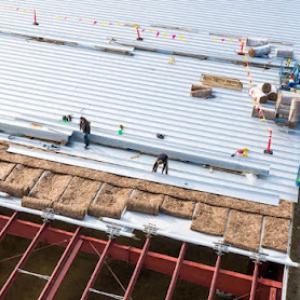
Complete Commercial Roofing
(281) 801-9085 www.completecommercialroofing.com
4102 Church Avenue F, Galveston, Texas
5.0 from 28 reviews
Complete Commercial Roofing is the trusted choice for expert roofing solutions in the Galveston area. Specializing in a wide range of commercial roofing systems, their skilled team delivers unparalleled quality and reliability. From new installations and proactive maintenance to comprehensive repairs and full replacements, they ensure your business is protected with durable, long-lasting materials.
Palm Coast Roofing
(512) 799-7440 www.palmcoastroofingtx.com
Galveston, Texas
5.0 from 14 reviews
Welcome to Palm Coast Roofing—where roofing isn’t just a service, it’s our passion. We are dedicated to delivering exceptional quality in every project, using premium materials and proven techniques to ensure lasting durability and performance. At the heart of our business is a commitment to 100% customer satisfaction. We treat every home with the same care and attention we would give our own, and every customer like part of our family—because trust is just as important as the roof over your head. From minor repairs to full roof replacements, Palm Coast Roofing is your reliable partner for honest communication, expert craftsmanship, and dependable service. We proudly serve a wide range of Texas communities, including the Greater Austin M...
South Coast Roofing
(281) 723-5038 www.southcoastroofingtx.com
104 Moody Ave #102, Galveston, Texas
4.8 from 18 reviews
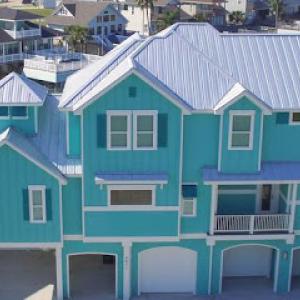
Protecting your commercial property with top-tier roofing services is our mission at South Coast Roofing We are your premier locally owned and operated roofing contractor in Galveston, TX, and surrounding areas, handling a wide array of commercial and residential roofing projects. Our crews are OSHA-certified and committed to closely following our high standards. We put a huge focus on excellent customer service and giving back to the community through charity work. You can rest assured that when you contract with us, we'll be down to earth, dedicated to your 100% satisfaction, and dedicated to developing a strong relationship through our quality values. Contact us today for an estimate.
JC Metal Roofing
(409) 750-8043 www.jcroofinggalveston.com
101 Tiki Dr #200c, Galveston, Texas
5.0 from 8 reviews
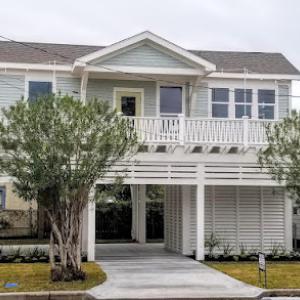
JC Metal Roofing, Inc. is your trusted, family-owned roofing expert in Galveston. We're dedicated to providing professional roof installations with meticulous attention to detail. From start to finish, we'll ensure your home is protected with a durable, beautiful roof built to last. We offer quality craftsmanship to enhance and safeguard your home.
Coastal Roofing of Texas
2410 Church St, Galveston, Texas
5.0 from 3 reviews
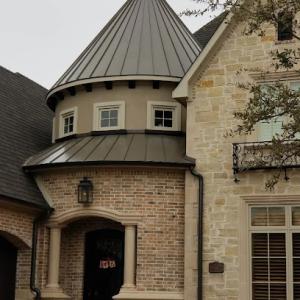
Local family owned and operated roofing company in Galveston with more than 30 yrs of experience. We specialize in coastal shingle and metal roofs. WPI certificates will be given by engineer at the completion of the job. Libility insurance obtained.
All Tex Roofing Systems
(972) 740-8602 www.alltexroofingsystems.com
Serving
4.9 from 32 reviews
Your roof offers integrity to your home. At Alltex Roofing Systems, we take pride in providing a wide range of roofing services tailored to residential and commercial properties' unique needs. Whether you require roof installation, repair, replacement, inspections, or assistance with insurance claims, we've got you covered. We offer ten years' worth of labor warranties for our work, proving our work's quality. If you want to opt for our services, call our experienced professionals today!
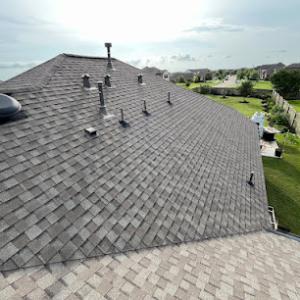
Guaranteed Roofing & Remodeling
(409) 945-6920 www.roofingtexas.com
Serving
4.9 from 91 reviews
General contractor serving Galveston county and the surrounding areas since 1981! Family-owned and operated, we offer quality work done by skilled and compassionate craftsmen. Our services include home repair, remodeling, additions/conversions, roof repairs, roof replacements, windows, siding, and more! Please give us a call! We'll make your day!
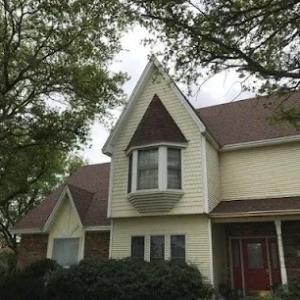
Able Roofing & Construction
(409) 948-1033 www.ableroofingtx.com
Serving
4.5 from 39 reviews
Roofing and New Home Additions
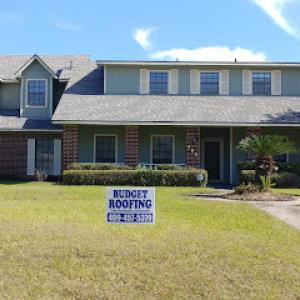
Budget Roofing
Serving
5.0 from 11 reviews
Budget Roofing specializes in complete residential and commercial roof replacements.
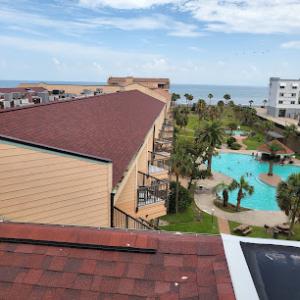
Bichon Roofing & General Contracting
(713) 319-5814 gcbichonroofingtx.com
Serving
4.8 from 79 reviews
Look no further than Bichon Roofing in the Galveston area for the best roofing company. With years of unmatched roofing repair and replacement expertise, we are the top roofing specialist and general contractor across Galveston County. Fully licensed and insured, we offer roof replacement, repair, new construction, and regular maintenance for residential and commercial properties. Our unparalleled expertise and dedication to customer satisfaction make us the go-to choice for all your roofing contractor needs in Galveston. We take pride in our ability to cater to both residential and commercial properties. Count on us for reliable emergency roofing services available 24/7, 365 days a year. Your roof is in safe hands with Bichon Roofing.
Brazos Urethane
(409) 965-0011 brazosurethane.com
Serving
5.0 from 8 reviews
Texas-based commercial roofing experts with 35+ years nationwide service. SPFA National Excellence Award Winner. Specializing in spray foam roofing (SPF), waterproofing, TPO, EPDM & metal roofs. 5-star rated. 20-year warranties. Free roof inspection!
For a full reroof, the project must go through the City of Galveston permitting process. Homeowners cannot proceed without formal approval. The process starts with submitting plans that show the proposed roof system, fasteners, underlayment, and venting details, all tailored to withstand Gulf Coast conditions. Because this is a front-end review, the city examines the plan before any shingle or metal is stripped away. That means your project will be evaluated on how the replacement will handle salt air, high humidity, and the seasonal threat of hurricane winds, rather than relying solely on on-site adjustments after work begins.
The plan review component is where coastal wind-resistance specifics are checked closely. Expect the reviewer to look for details such as fastener schedules that are appropriate for wind uplift, edge metal integration, rake and hip flashing, and corrosion-resistant components. If the plans show a step beyond standard practice-such as enhanced anchor points, improved sealants at penetrations, or reinforced ridge configurations-the reviewer may request clarifications or changes before a permit is issued. Because the barrier island environment can accelerate wear, accurate drawings and product specifications in the submittal help avoid delays during review.
Inspections in Galveston occur at key milestones, not just at the end of the job. After tear-off, an inspection confirms that the deck or substrate is sound and ready for the new roofing system, with any necessary repairs documented. A second milestone follows installation, when the city checks that the new roof is properly fastened, weatherproofed, and installed in accordance with the approved plans. In practice, this means you should expect inspectors to verify nailing patterns, underlayment installation, flashing details around chimneys and skylights, and the integration of wind-resistance features specified in the plan review. If coastal wind-resistance details were noted as conditions during review, those elements are likely to be scrutinized during the installation inspection to ensure they align with the approved approach.
The permit and inspection process centers on wind resistance given the barrier-island exposure. Expect questions about how the chosen roofing materials perform under wind uplift, how edges are protected against salt-laden storms, and how fastening methods will hold under gulf winds. When plans identify upgraded fasteners, corrosion-resistant components, or enhanced edge treatments, inspectors will confirm that those details are implemented as described. In practice, this means coordinating with your contractor to align the field work with the exact specifications approved during plan review, so that wind-resistance criteria are met both on paper and on the roof.
Gather product data and installation guides for the chosen roofing system, including wind-rating information and anchor details. Have calculations or manufacturer letters ready if the plan reviewer requests specific uplift values. Schedule the permit submission with ample lead time before the planned tear-off window, and maintain clear communication with the contractor about milestone inspections so nothing slips between steps.
Average local pricing runs about 350 to 700 USD per square for asphalt shingles, 700 to 1100 for metal, 1000 to 1800 for clay tile, 900 to 1600 for concrete tile, 900 to 1400 for wood shingles or shakes, and 600 to 1100 for synthetic or composite shingles. These ranges reflect barrier-island exposure, salt air, and the Gulf's humidity that shorten component life here. Expect higher-end quotes if a roof has multiple penetrations or unusual detailing like dormers, chimneys, or skylights.
In Galveston, costs can rise after tropical systems because storm-driven demand compresses scheduling and increases competition for crews and materials. Weather delays can push start dates later in the season, and that squeeze often translates to a higher bid to cover overtime, expedited deliveries, and limited crews. If you can plan ahead, you may still see sharper pricing in the shoulder months, but you should expect some volatility around hurricane season.
Coastal wind and salt exposure drive specific reroofing details. Wind-resistant fasteners, underlayment rated for uplift, and edge protection matter more here, and replacements of corrosion-prone metal accessories are common extra items. A local crew will tailor fastener patterns and ridge venting to the Gulf breeze, which can lean toward higher installation time but better long-term performance.
Material selection matters more on the barrier island, where some options ride better with salt spray and wind. Asphalt remains a choice, but metal often wins for uplift resistance; tile offers durability but must be anchored to cope with Gulf gusts. In high-wind zones, contractors may include adhesive sealants, higher-grade underlayment, and enhanced drip edge.
Get a clear picture of your project costs upfront - no commitment required.
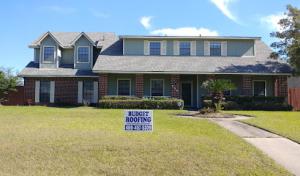
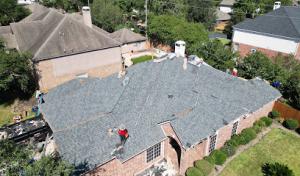
Summer heat, humidity, and frequent thunderstorms are the default rhythm for a roofing job around the barrier island. Tear-off and installation windows can close in a hurry when a storm line rolls off the Gulf, or when heat pushes crews to seek shade. Plan for flexible scheduling with your contractor, and expect short, common pauses for lightning or heavy downpours. In practice, aim for several blocking days in a row, then a couple of recovery days to accommodate rescheduling after storms.
High humidity means roofs stay damp longer after rain, which slows underlayment drying and complicates access safety. Decrypt this in advance: deliveries may arrive with extra moisture, and fasteners require dry surfaces for proper seating. If a storm passes overnight, inspect footing and scaffolding before work resumes. Consider staggering stages-earlier in the day when humidity is lower, with wrap-up that allows surfaces to air out before night.
The overlap between hurricane season and the warm-weather roofing window is real. Homeowners often need to schedule replacements earlier than inland markets to avoid catches between storms and peak heat. If an active season looks likely, lock in the earliest practical start date, and build a contingency plan with the contractor for additional days around blown-in debris or emergency repairs.
Access safety matters more here due to gusty estuary winds and salt air corrosion on equipment. Keep clear paths for trucks and storage space for tarps and debris nets. Ensure stair and ladder attachments are inspected daily, and that a shade and hydration plan is in place for crews working through peak afternoon heat.
Galveston's contractor market shows meaningful local demand for flat or low-slope roofing service alongside residential reroofing. On the barrier island, standing water and salt air accelerate wear at seams, flashings, and penetrations. A low-slope roof faces more of the Gulf's spray and storm-driven rainfall, so the details that keep water out must be checked and upgraded during every repair or reroof.
On low-slope assemblies, seams and flashings are the first lines of defense against leaks. In coastal conditions, even small gaps can become big problems after a summer storm cycle. Inspect every seam visually after heavy rain and again after a storm. If you notice any bubbling, lifting, or width changes in sealant, address it promptly with a compatible, durable seam tape or liquid-applied flashing system chosen for salt exposure. Pay special attention to pipe penetrations, curbs, and skylights, where flashings often fail first. Replace brittle or corroded metal components with corrosion-resistant options designed for salt air.
A restoration coating system can extend life on coastal low-slope roofs, but its success hinges on surface preparation and compatibility with existing substrates. Ensure the roof is thoroughly cleaned and dry before coating. For any coating, select products with proven salt-spray durability and UV resistance. Schedule maintenance cycles to align with the region's long humid drying periods to avoid trapping moisture beneath coatings, which can lead to blistering or failure.
Frequent summer storms heighten standing water risk on flat or low-slope roofs. Verify drainage paths are clear and that scuppers, gutters, and downspouts are free-flowing. If water ponds beyond 48 hours after a rain, plan a drainage improvement or a subtle roof deck slope correction to reduce long-term stress on the membrane and flashings. In Galveston, addressing drainage is not optional-it's a practical habit to prevent accelerated wear from salt-soaked moisture.
Find specialists in TPO, EPDM, and built-up flat roofing systems for residential and commercial properties.
Complete Commercial Roofing
(281) 801-9085 www.completecommercialroofing.com
4102 Church Avenue F, Galveston, Texas
5.0 from 28 reviews

TPO Roofing Houston
(832) 671-1357 tporoofinghouston.com
2809 Avenue R, Galveston, Texas
4.0 from 4 reviews
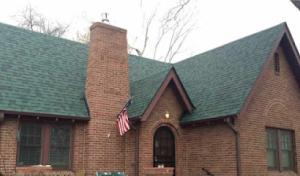
In a market where quick response and affordability often drive decisions, a Galveston storm roofer must balance speed with quality. You'll notice many crews operate on tight schedules to tackle post-storm damage, but the fastest option isn't always the safest or most durable long-term choice. Look for a contractor who can explain the scope clearly, provide a written plan, and detail cleanup steps after the job. The local practice of prioritizing cleanup after the work is as important as the repair itself, since salt air and debris can linger and create new problems if not handled properly.
Storm damage and emergency repairs are common service lines here, so choose a roofer who can document conditions thoroughly while storms are still raging or just after a lull. A reliable contractor will take dated photos, map affected areas, and provide a simple annotated sketch of observed issues. This isn't just for insurance; it helps you verify what was addressed and what may need follow-up once conditions improve. Before committing, ask what documentation you'll receive and how it will be stored for your records.
The local market includes both residential and commercial operators, so homeowners must confirm the contractor regularly handles the roof type and project scale you own. If your home has terracotta, metal, or composite heritage elements, ensure the crew has recent, relevant experience with that system. For multi-unit or larger homes, verify they can coordinate crew rotations, protect surrounding property, and manage cumulative wind-resistance details in the same session. A clear, written plan specific to your roof type reduces the risk of mismatched repairs after the next storm.