
Last updated: Apr 19, 2026
Dickinson sits in coastal Galveston County, so homeowners deal with both spring hail events and June through November tropical storm risk when evaluating roof damage. That combination means shingles can crack from hail and edges can lift or peel under wind-driven rain. After a storm, every roof edge, vent, and seam should be scrutinized for damage that isn't obvious from the ground. If the weather swings fast from sun to gusts, the damage can accumulate in a hurry, and wet conditions can worsen underlying issues like deck rot or fastener corrosion. In practical terms, treat any new dip in roofline, sudden wind lift, or granule loss as a potential red flag worth a closer look rather than a quick walk-away assessment.
Local replacement timing is often planned around drier weather because wet, windy tropical systems can delay tear-off, dry-in, and shingle sealing. After a heavy storm, the clock starts ticking on moisture intrusion risks, but a rushed replacement in a downpour invites sealant failures and accelerated aging of exposed underlayment. In a coastal climate, the best window is a stretch of settled, dry days when winds stay modest and humidity drops enough to allow proper shingle setting. If a project must ride out a few unsettled days, expect longer timelines and coordinate with your contractor to protect interior spaces and attic insulation from sudden exposure.
Insurers in coastal Texas often scrutinize roof age, wind damage evidence, and repairability more closely than in lower-risk inland markets. The claim file needs clean, actionable evidence: photos showing the edge treatment, shingle tabs, and any hail-hit marks; a documented roof age; and a record of prior repairs that could influence acceptability. Keep a running log of storm dates, wind speeds reported by local services, and any hail size estimates from neighbors or roadside reports. After a storm, it's critical to gather independent assessments quickly, because adjusters move fast and they will compare your photos to the roof's visible condition to determine whether replacement, repair, or denial is the outcome.
If you suspect damage, begin with a temporary, weather-tight fix to prevent interior leaks while awaiting an inspection. Schedule a professional roof inspection promptly to capture the condition before further weathering changes. When meeting with an adjuster, present clear evidence of age, material type, and any prior repairs, then guide the conversation toward a replacement plan that accounts for future storm seasons and the likelihood of repeated hail exposure. In this market, a well-documented, well-timed claim stands a much stronger chance of moving through smoothly, reducing the risk of out-of-pocket delays during peak hurricane season.
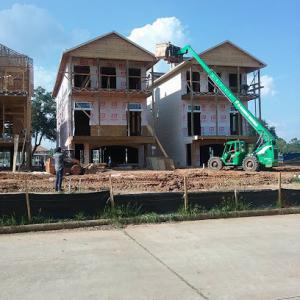
Enterprise Roofing & Skylights
11900 Strom Rd, Dickinson, Texas
5.0 from 4 reviews
Residential and commercial roofing and skylights 281-216-7061 BBB member. Established in 1993. Free estimates
HJC Services
5812 Bruce Dr, Dickinson, Texas
5.0 from 3 reviews
HJC Services is a group of professionals dedicated to bringing you the best in contracting services to your home or commercial project. We provide solutions to all types of contracting problems but our focus is on commercial and residential roofing in the Houston to DFW metropolitan areas
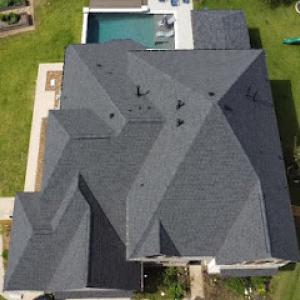
League City Roofing
(281) 508-2009 www.leaguecityroofingllc.com
Serving
5.0 from 30 reviews
At League City Roofing, we transform the roofing landscape of League City, TX, with our commitment to exceptional service and craftsmanship. Founded in 2019 and locally owned, we bring seven years of roofing expertise to residential and commercial clients. Our mission is to deliver high-quality roofing services that combine our skilled team's expertise with the best products and advanced tools. This approach ensures our roofs are aesthetically pleasing, durable and long-lasting. We take pride in offering a comprehensive suite of roof repair, replacement, and installation services.
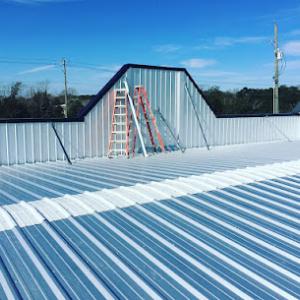
Pro Roofing
(281) 715-6355 www.proroofinginc.com
Serving
4.8 from 18 reviews
With a commitment to superior craftsmanship and lasting durability, Pro Roofing brings unparalleled expertise to every project. Serving the League City area and beyond, our team of professionals specializes in a wide range of roofing solutions, from complete installations to sensitive repairs and meticulous maintenance. You can trust Pro Roofing to protect your home or business with a roof built to withstand the elements and last the test of time. Discover the peace of mind that comes with quality of workmanship and top tier products. Free Estimates, Best Prices, Excellent Services.
Goose Construction & Roofing
(346) 803-0177 www.gooseconstr.com
Serving
4.8 from 21 reviews
Roofing Contractor and General Contracting services
Hill Heights Roofing & Construction
(940) 391-5751 www.hillheightsrc.com
Serving
5.0 from 18 reviews
Elevating Quality to Hill Heights! Hill Heights Roofing & Construction proudly serves residential and commercial clients across Texas. Known as the friendliest roofing company with the best communication, we respond quickly, show up on time, and deliver quality work. From roof replacements and storm damage restoration to gutters, siding, fencing, and more—our craftsmanship is backed by a 7-year warranty. We offer cash estimates, financing, and help navigate insurance claims. With dozens of highly recommended reviews, it’s easy to see why Texans trust Hill Heights to get the job done right.
P3 Roofing
(281) 819-2155 www.p3roofing.net
Serving
4.9 from 60 reviews
Driven by customer satisfaction and quality work, P3 Roofing, LLC is here to serve our community of customers with integrity and honest work. We specialize in the installations, replacements, and repairs of all roofs—metal roofs, shingle roofs, flat roofs, etc.—for customers all across Houston. We are with you every step of the way, communicating clearly, and ensuring the job is done right leaving you worry and stress-free. By choosing P3 Roofing, LLC, you’ll be working with a specialized team of roofers that will leave your home the envy of all your neighbors, while being treated like a person—not a source of revenue—throughout the whole process.
Upper Hand Roofing & Construction
(832) 632-1160 www.upperhandconstruction.com
Serving
4.8 from 130 reviews
At Upper Hand Roofing & Construction, we provide expert roofing services, siding services, gutter services, general construction, and remodeling services in the greater Houston, TX area.
American Veteran Roofing & Restoration
Serving
4.9 from 106 reviews
A Local, Veteran-Owned Roofing Company Providing High-Quality Services and Making an Impact in the Community.

Arts Roofing
(281) 332-2221 1artsroofing.com
Serving
4.9 from 154 reviews
(281) 332-2221 We Got You Covered! Art's Roofing is a locally owned and operated League City roofing contractor. We are licensed and insured and are knowledgeable of regulatory roofing requirements for each of the local cities. Art's Roofing knows the importance of customer satisfaction. We don't stop until you are 100% satisfied with your new roof or roof repair.
Frost Roofing & Renovations
(281) 709-8424 www.frostroof.com
Serving
5.0 from 60 reviews
Frost Roofing & Renovations is a trusted roofing and renovation contractor in League City, Texas, proudly serving homeowners and businesses since 2019. With years of experience and an A+ BBB Rating, we specialize in roof repair, roof replacement, storm damage restoration, and new roof installation. Our licensed and insured team uses top-quality materials and advanced tools to ensure every roof is durable, long-lasting, and built to protect. Our Home Renovation services include, gutters, siding, fencing, concrete work, decks and patios. We proudly serve League City, Clear Lake, Pearland, Friendswood, Galveston, Webster, Katy, Houston and nearby areas, we offer free inspections and honest estimates—roofing done right, every time.
DR Roofing & Construction
(888) 420-6767 drroofingandconstruction.com
Serving
4.9 from 423 reviews
At DR ROOFING AND CONSTRUCTION we take pride in our customers experience, our superior quality of work, and our honesty and integrity. Our team of professionals works hard to make every roofing and remodeling project as hassle-free as possible. If you have damage, we can assist you in the insurance claim process. We also have an amazing finance team to help you attain low monthly payments! Our services include roof replacement, roof repairs, gutters, siding, fencing, concrete work, decks and patios. We also do storm damage appraisals and repairs, and offer other exterior remodeling for both residential and commercial customers. The team at DR looks forward to gaining you as a customer for life! Give us a call today!
Asphalt shingles are a common sight on many homes around here. The hot, humid summers and frequent thunderstorm exposure can shorten appearance life and accelerate granule loss, especially on darker shingles that soak up sun. If you already have asphalt, inspect for hail damage after every storm season and be prepared for faster-than-expected color fading on the south-facing slopes. A reflective or lighter shingle choice can help reduce heat buildup, and ensuring proper attic ventilation remains your best early defense against curling and accelerated wear. When choosing a replacement, look for granule-retention ratings and UV protection built into the product line, since coastal humidity can exacerbate surface wear between storms.
Metal roofing is a strong local fit because wind performance and longevity align well with Dickinson's wind-prone springs and tropical storm exposure. The coastal environment, however, makes fastener systems, panel detailing, and corrosion resistance more important than inland settings. Favor products with sealed panel seams and corrosion-resistant coatings, and verify that fasteners are stainless or coated for salt exposure. Consider reinforced edge flashing and properly sealed penetrations to prevent salt-laden humidity from creeping into underlayment. If you're upgrading from asphalt, plan for a slightly different roof deck treatment and confirm that the chosen metal profile works with your home's existing layout to minimize panel cuts that invite water intrusion during heavy rain.
Clay and concrete tile appear in parts of the market, but their weight can trigger structural review concerns on some re-roof projects if the assembly changes from the original roof type. In this area, the weight difference matters more than in inland markets. If you're contemplating tile, have a structural assessment done to confirm the existing framing and trusses can support the transfer. Coastal exposure can also amplify movement from wind-driven debris, so verify that underlayment and tile-fastening patterns are designed for higher wind zones. When tiles are installed, you'll want a careful layout to minimize breakage from hail and to sustain a clean appearance after storms.
Synthetic or composite shingles can offer a balance between durability and weight, with some products designed to resist hail impact and salt spray better than traditional asphalt. They can be a practical option if you're seeking a longer appearance life without the heavier tile footprint. Look for classifications that address impact resistance, UV stability, and compatibility with coastal climates. Because coastal homes here often sit near salt-air exposure, ask for products with enhanced moisture resistance and robust warranty coverage for salt exposure.
Beyond the material itself, the assembly and installation details matter most in Dickinson's climate. Pay attention to attic ventilation as a companion to any roof replacement-hot humidity moves faster through the home when the attic is tight. Ensure that roof edges, valleys, and penetrations are sealed against wind-driven rain and salt-laden air. If the project involves changing the roof type, anticipate how the new system interacts with the existing deck, underlayment, and fascia. A well-planned installation that accounts for coastal wind patterns and storm cycles will help maintain performance through the Gulf season and beyond.
A full re-roof in Dickinson typically requires a permit issued by the City of Dickinson Building Department. Before any shingles come off, check with the city clerk's office for the correct permit type and required plan details. The permit helps ensure the work meets local wind resistance standards, HOA rules, and coastal construction guidelines. Be prepared to provide roof dimensions, number of layers to be removed, and a brief sequence of construction steps. A permit application filed early in the process can prevent delays when storm season or a sudden rain window narrows your window for work.
Inspections play a central role in Dickinson projects, especially given Gulf humidity, spring hail, and tropical storm risk. Inspections are commonly required after tear-off or removal and again at final completion. The first inspection confirms that old roofing is fully removed, the deck integrity is sound, and any needed structural or ventilation updates are in place. The final inspection verifies that flashing, underlayment, and the finished roof meet code and local wind-resistance requirements. Scheduling is critical because weather windows in this region can be short and shifting; align the inspection dates with predicted dry spells and avoid tying them to the end of a busy storm season if possible.
Projects involving structural changes or roofs subject to HOA restrictions may need added review before work proceeds. Some neighborhoods have color, material, or installation standards that can influence fasteners, underlayment, or ridge cap choices. If your home sits in a community with covenants, obtain HOA approval early and coordinate with the building department to avoid duplicative reviews. In some cases, the HOA review timeline can become the gating factor for permit issuance, so factor that into your project scheduling.
In Dickinson, heavy humidity and frequent coastal storms mean timing is part of the work. Plan around calmer weather windows when possible, and discuss contingency plans with the contractor for temporary covers or tarp strategies if a front moves through unexpectedly. If a tear-off exposes particle-dense attic spaces or compromised ventilation, be ready for a quick follow-up inspection to verify that the ventilation upgrades meet code and improve long-term performance. Weather delays aren't just inconvenient-they can affect permit progress and inspection sequencing, so keep the city and contractor informed of any anticipated interruptions.
First, secure the permit with the Building Department, and obtain the applicant contact for inspection scheduling. Second, coordinate with the contractor to align tear-off, new roof installation, and ventilation updates within a single window of dry weather. Third, check with the HOA (if applicable) for any pre-approval forms or additional documentation, and submit those as early as possible. Finally, maintain a simple calendar that marks the tear-off date, inspection appointment, and final inspection to minimize back-and-forth and reduce the risk of missed inspections during busy storm seasons.
You'll find local pricing ranges for common roof materials are roughly $450 to $850 per square for asphalt shingles, $700 to $1400 for metal, $1200 to $2800 for clay tile, $900 to $1800 for concrete tile, $600 to $1200 for wood shingles or shakes, and $500 to $900 for synthetic or composite shingles. In practice, a "square" (10 by 10 feet) is the standard unit used in bids, so you'll multiply by the roof's square count when comparing quotes. For a typical single-story home with a standard pitch, you'll often see total project numbers fall within those per-square ranges, but the final figure can drift as you add heavier materials or higher complexity.
Storm-driven demand spikes after hail or tropical weather can tighten labor availability and push scheduling and pricing upward compared with calmer periods. In a coastal-influenced area with Gulf humidity and spring hail, crews may have shorter windows to safely complete work, especially after a storm when many homeowners are filing claims. That dynamic can translate into faster-start timelines but slightly higher unit costs, as crews balance demand with availability. If your project rides on a firm weather stretch, plan for potential price variability and build in a modest buffer.
Costs can rise when homeowners switch to heavier systems like tile. Clay or concrete tiles add substantial weight, often necessitating structural considerations and closer engineering scrutiny. If the home's framing or deck structure needs reinforcement, expect both higher material costs and extended labor time. Additionally, houses with hip or complex roof lines commonly found in storm-vattered neighborhoods may require extra fasteners, specialized underlayment, or custom layouts, all of which push the price upward compared to a straightforward asphalt replacement.
Synthetic or composite shingles, while budget-friendly on the front end, can carry value tied to color stability and wind performance, which matters in winds that accompany tropical systems. Metal roofing, though higher in upfront cost, often delivers longer life and better wind resistance, a consideration if a home has a history of hail exposure or higher wind events. Clay and concrete tile offer longevity but come with higher installation complexity and structural considerations; those factors tend to widen price spreads when hail history or wind loads raise inspection and preparation requirements.
Don't let upfront costs delay a critical repair - these contractors offer payment plans to fit your budget.
Hill Heights Roofing & Construction
(940) 391-5751 www.hillheightsrc.com
Serving
5.0 from 18 reviews
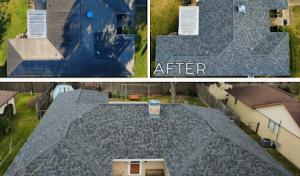
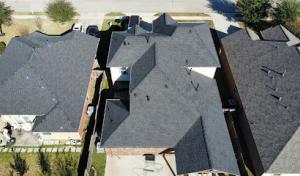
Dickinson homeowners are in a high-claim coastal Texas environment where hail and wind losses have led many carriers to tighten underwriting. That means the days of blanket coverage for every roof are fading, and insurers are scrutinizing every factor from storm history to roof condition with a more critical eye. The result can be steeper deductibles, stricter replacement terms, or, in some cases, narrowed eligibility for certain roof ages or materials. The practical consequence is that decisions about repair versus replacement carry more weight and require careful documentation.
Roof age and material type directly affect eligibility and how losses are valued after a storm. A roof that's already past its expected life or made from a more vulnerable material may face stronger scrutiny, with insurers weighing actual replacement versus declining coverage for partial repairs. In this climate, a fast-moving hail event or tropical-wind gust can trigger claim flags that lead to higher out-of-pocket costs or limited terms. Understanding your roof's status before a storm season helps you gauge risk and prepare for potential coverage shifts.
Detailed photo documentation, date-stamped storm records, and prompt inspection matter more in this market because claims are often handled with a remediation-first mindset. Start with clear, timestamped photos of every visible area of the roof, gutters, and fascia after a hail event or tropical storm. Keep a storm diary noting dates, wind speeds reported by local weather outlets, and any interior water intrusion. If an inspector must visit, arrange access quickly and ensure materials, leaks, and damage are documented in a way that tells the full story of what happened and when.
Timeliness is a practical shield. A rapid assessment by a qualified roofer after a storm helps establish a credible baseline and supports a claim with evidence of immediate needs. If damage is confirmed, pursue a remediation-first approach when possible, but avoid making temporary fixes that could be misinterpreted as full repairs. In this market, insurance adjusters may use initial evaluations as a basis for subsequent decisions, so keeping communication open, organized, and well-documented reduces back-and-forth and helps protect your long-term roofing outcome.
Connect with contractors who help homeowners navigate the claims process from damage assessment to final approval.
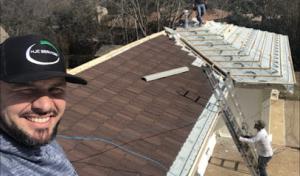
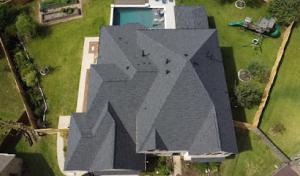
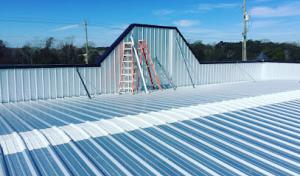
Wind-driven rain from tropical systems can test the weakest seams around flashing transitions, ridge lines, and roof penetrations even when the field shingles look mostly intact. In Dickinson, salty air combined with Gulf humidity can corrode fasteners and soften sealants over time, so a roof that survived a storm may still harbor hidden entry points. After a heavy gust event, inspect spend-thin areas where the metal or membrane meets the deck, and pay attention to any staining along the drip edge that hints at a slow drip behind the fascia. If the attic reveals damp spots near a vent boot or chimney base, don't assume the problem is distant from the surface-water can travel along a deck angle before showing itself indoors.
High humidity in this area makes minor roof leaks harder to notice early because attic moisture and ventilation issues may overlap with storm-related water entry. A light musty odor, damp insulation, or a subtle rust stain on metal components can signal trouble even if ceiling paint looks fine. In practice, that means you should check attic soffits, baffles, and exhaust fans after every storm, not just after obvious rain. If the attic feels muggy or if condensation appears on sheathing after a cool night, investigate further; the combination of moisture-laden air and a compromised seal can quietly magnify a small breach into a noticeable leak.
Skylights and low-slope transition areas deserve extra attention locally because repeated thunderstorm exposure can turn small seal failures into interior leaks. Look for edge staining along skylight flashing, surface probing along curb connections, and any dried-out sealant that has shrunk or cracked. In Dickinson's climate, even hairline gaps can widen with successive storms, so address signs of moisture behind blinds or around framing promptly to prevent interior damage.
After any Gulf storm, perform a careful exterior walk to spot loose shingles, lifted nails, or torn sealant around vents, pipes, and gutters. Inside, track any new damp spots on ceilings, especially along walls near exterior walls or under skylights. Small, quick repairs now can prevent more extensive interior leaks during the next round of Gulf activity.
Find contractors experienced in skylight installation, flashing, and leak repairs to bring natural light into your home.
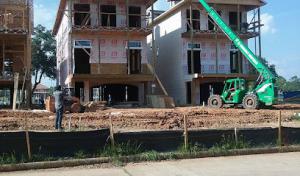
Enterprise Roofing & Skylights
11900 Strom Rd, Dickinson, Texas
5.0 from 4 reviews

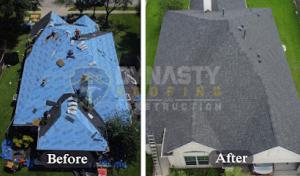
You will get the clearest, most reliable tear-off and underlayment installation when you plan in dryer stretches. In practice, that means aiming for mid-spring or late fall when Gulf humidity drops and afternoon thunderstorms aren't as single-minded about popping up. Summer storms and tropical moisture can interrupt work, so scheduling during a prolonged dry spell minimizes pauses and back-and-forth with crews.
Spring brings hail-driven urgency that homeowners should respect. If you've had a hail event or hear credible reports of hail in the forecast, lining up a contractor early keeps your project from being bypassed by a crowded calendar. Quick pre-inspection assessments during this period can help you spot damage that isn't obvious from the ground and prevent service delays once the weather turns sour.
Late summer and fall overlap with hurricane season, so contractor calendars can tighten quickly after regional weather events. If a storm is on the horizon, don't wait for leaks to appear before scheduling a check. A proactive plan with a trusted local roofer helps you secure a slot before crews are fully booked and weather windows close.
A practical approach is to arrange an inspection before peak storm season. A Dickinson-specific focus means checking for wind-damaged shingles, lifted edges, and gutter-related moisture pathways that could worsen with a fast-moving storm. Early detection gives you actionable timelines for repair or replacement and reduces the risk of rushed decisions after a major event.
When you book, be explicit about preferred dry-sky windows and the likelihood of short, storm-free blocks. Confirm that the contractor uses weather-tortuous tear-off practices that align with Dickinson's humidity and tropical moisture. Clear communication helps you keep the project on track even when a stray thunderstorm rolls through the Bay Area near the coast.
Get a clear picture of your project costs upfront - no commitment required.
Enterprise Roofing & Skylights
11900 Strom Rd, Dickinson, Texas
5.0 from 4 reviews
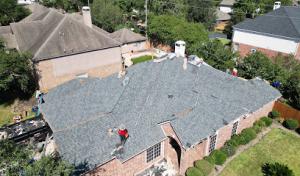
The local market shows unusually strong emphasis on re-roofing, storm damage work, insurance support, and quick response, reflecting how homeowners hire after weather events. When damage is suspected after a hail or tropical-storm event, you're not shopping for the lowest bid-you're choosing a partner who understands the sequence: quick tarping if needed, thorough damage inspection, and a clear plan that aligns with insurance documentation needs. Look for crews that can document exact impact areas, list damaged components (shingles, underlayment, flashing), and outline a restoration path that protects your home during the Gulf humidity cycle.
Manufacturer certification, proof of insurance, and experience with Dickinson permit inspections are more useful screening points here than generic sales promises. Ask for current project lists that show sustained work in the neighborhood, not just a flashy portfolio. Verify that the roofer can provide installation approvals from manufacturers and that the crew holds valid licenses where applicable. A local reference or two who faced a similar storm scenario can reveal how the company handles sudden scheduling and insurance coordination.
When the estimator arrives, expect a two-part assessment: a thorough attic and roof deck check, plus a plan for debris containment. Dickinson neighborhoods prize cleanup as a major local hiring priority; tell the estimator you want a written debris plan, with designated containment areas and a finish-by-day commitment. Reputable crews will note vulnerable spots (wind-prone ridges, vent pipes, nursery or patio shade lines) and explain how proper nail patterns and underlayment choices will hold up under Gulf humidity and future storm surges.
Clear communication matters more than glossy promises. The right storm roofer provides a written damage summary, a proposed scope with materials to be used, and a step-by-step timeline that aligns with insurance documentation needs. Expect a single point of contact for adjustments, and insist on ongoing updates if weather or scheduling shifts occur. In practice, Dickinson residents benefit from a partner who treats cleanup as a core service, not an optional add-on.
Ask about local project completion times, crew supervision, and how they handle post-install inspections. A reliable Dickinson-focused roofer can demonstrate familiarity with typical local shingle and metal choices, show industry certifications, and provide proof of active, claims-ready insurance. Choose the team that demonstrates responsiveness, transparent documentation, and a pragmatic cleanup plan you can verify in person.