Last updated: Apr 19, 2026
Seabrook sits on Galveston Bay, so roofs face salt-laden air that relentlessly attacks metal components, fasteners, flashing, and roof accessories. The salty haze accelerates corrosion, so you'll notice faster aging of vent collars, metal flashing seams, and metal edge trim compared to inland neighborhoods. In practical terms, this means more frequent fastener loosening, flashing lift, and rust-streaked edges after storms and high-wind episodes. If your roof has any exposed metal, inspect it after every coastal front, particularly after tropical-ish winds or squalls. Pay attention to the drip edge and valley metal; a small rust spot can become a larger leak path in a single season if left untreated.
Spring hail, frequent Gulf thunderstorms, and tropical weather create a distinct mixed-damage signature in this market. Wind-lifted shingles often ride up just enough to loosen that protective granule layer, which accelerates granule loss and shingle aging. Flashing failures frequently accompany wind damage, with water finding odd paths around vent pipes, chimney skirts, and skylights. In many cases, a single event produces a cascade: a hail hit weakens surface granules, wind lifts shingles, flashing is stressed, and water intrusion follows. The result is not a single face of trouble but a layered problem that can require both roof replacement and targeted flashing work. When you see sudden two-tone staining on ceilings after a storm, suspect multiple failure points rather than a single defect.
After major coastal storm events, project timelines in Seabrook can stretch because inspections and contractor availability are affected by regional surge demand. If a storm pushes through, expect longer waits for inspections, materials, and skilled crews. Plan for a phased approach: initial assessment to confirm leaks and wind damage, followed by prioritizing urgent sections (areas with active leaks or visible sagging) before tackling the rest of the roof. Given the bay exposure, crews may want to address flashing, underlayment, and ventilation as core priorities alongside shingles, since the salt air has already compromised metal joints and sealants. If you're coordinating repairs, flag potential supply bottlenecks early and communicate promptly with contractors about lead times for metal components, sealants, and underlayment that can be sensitive to coastal environments.
Perform a targeted inspection focusing on the most vulnerable points: roof-to-wall intersections, around chimneys, vent pipes, skylights, and along the eave line where salt spray and storm-driven rain can pool. After a storm, check for lifted shingles, exposed fasteners, and any unusual noises from the attic that hint at wind-driven infiltration. Document damage with photos, noting texture, leakage points, and any discoloration on interior ceilings. When engaging a contractor, emphasize the need for corrosion-resistant fasteners, compatible flashing materials, and sealants rated for salt exposure. For bayfront homes, you'll benefit from prioritizing the replacement of aging metal components and ensuring that flashing details have the correct overlaps and sealants to defend against repeated spray and driving rain. Act quickly on signs of water intrusion to prevent interior damage from escalating into structural concerns.
Asphalt shingles are common in Seabrook, and they remain a familiar, affordable first choice for many homeowners. In the hot, humid Gulf Coast climate, the granules can wear faster from year-round heat and salty air, which means more frequent inspection of shingle edges and valleys. Look for high-quality, algae-resistant options and ensure that the roof has adequate ventilation to reduce heat buildup under the field of shingles. In coastal bayside neighborhoods, a maintenance routine that includes washing stubborn salt crusts from the ridge line and checking for granule loss after severe thunderstorms helps sustain the shingle's useful life. If upgrading from an older roof, consider impact-resistant or laminated shingles to improve wind performance without sacrificing the familiar look.
Metal roofing is a strong fit for wind resistance and prolonged life, especially when storm readiness is a priority. The coastal wind regime in this area makes attachment method and panel seam integrity critical; ensure proper securement and a solid snow- and rain-shedding profile. Salt-air exposure near the bay elevates the importance of coating quality and corrosion resistance. Choose systems with corrosion-resistant coatings and ensure that fasteners are rated for coastal use and sealed to prevent salt intrusion. Regular inspection of the painted finish for chips or wear helps prevent hidden corrosion, and near-sea spray zones, you'll want a coating refresh every few years rather than later. If you lean toward metal, pairing it with effective attic ventilation and a tight underlayment gives you better long-term performance against humidity-driven moisture intrusion.
Clay and concrete tiles appear in the local material mix, but their weight and repair complexity matter more in storm-prone coastal conditions where underlayment performance is critical. Clay tile's brittleness in hail and high winds can create leak paths if fasteners loosen after a storm, so ensure a reinforced roof deck and a robust underlayment system. Concrete tile, while heavier, can offer excellent longevity when installed with proper spacing and a starter course that mitigates wind uplift. In humid bayside settings, match tiles with an impermeable, high-quality underlayment and a drainage plane that keeps moisture away from the deck. Maintenance should focus on checking for cracked tiles after storms and resealing flashing joints to protect against salt-laden rain.
Regardless of material choice, humidity accelerates wear and salt air accelerates corrosion. Your best defense is a proactive maintenance cadence: twice-yearly roof inspections, cleaning of debris and mold-prone areas, and prompt attention to any staining, wood decay, or fastener corrosion. Pay special attention to flashing around chimneys and vents, as these joints endure the twin stresses of heat and wind-driven spray. In storm season, a quick readiness check-tight seals, secure ridge lines, and a plan for rapid access to the attic-speeds up post-storm repairs and preserves the roof's integrity over time.
In this bayside gulf area, replacement pricing follows the macro ranges you'll see in Seabrook's market: about $350 to $700 per square for asphalt shingles, $700 to $1200 for metal, $1100 to $1800 for clay tile, $900 to $1400 for concrete tile, $700 to $1200 for wood shingles or shakes, and $600 to $1100 for synthetic or composite shingles. Those numbers reflect not only the material but the logistics of working near the Bay Area-hauling debris, coordinating crews, and the time it takes to secure long-lead items when storms loom. It's common to see prices drift up after hail events or tropical weather, when demand spikes and contractors tighten schedules to manage the disruption.
Coastal demand in Seabrook matters more than a typical mainland market. Storm cycles, salt air, and frequent thunderstorms push crews to book earlier in the season but also extend lead times for materials and inspections. When a hail event hits, you'll notice a bump in both material availability and labor scheduling across the Bay Area market, which translates to higher bids and longer project windows. If a claim is part of the plan, expect adjusters to push for a broader replacement scope to address salt exposure and wind resistance in the assemblies, especially on coastal-facing elevations.
Material choice carries outsized cost impact locally because salt exposure and wind resistance expectations drive upgrades beyond the base bid. For instance, many Seabrook roofs benefit from enhanced underlayment, higher wind-rated shingles, and better fasteners to counter salty air and gusty conditions. Metal roofs often appeal here for durability, but the premium can be steep if an installer recommends added insulation or a specialized coastal underlayment. Tile options-clay or concrete-provide longevity in salt air but come with heavier removal and installation logistics, which pushes total cost higher than standard shingle jobs. Synthetic or composite shingles can offer a balance of cost and coastal performance, frequently landing in the mid-range for long-term resilience.
First, request itemized bids that separate material, labor, debris removal, and any coastal-specific add-ons like enhanced underlayment or higher wind-rated fasteners. Second, factor in lead times when hail or storms are fresh in memory; you may need to secure a roofing window several months out. Third, consider a longer-term hurricane readiness plan-coastal-grade underlayment and a deliberate fastener pattern can reduce future claim friction. Finally, verify that any chosen system is compatible with existing eaves, vents, and gutters, so the coast-facing sections stay stable under salt spray and wind-driven rain.
Stronghold Restoration & Roofing
(713) 553-9231 www.strongholdroofingllc.com
4636 E NASA Pkwy, Seabrook, Texas
4.8 from 260 reviews
Stronghold Restoration and Roofing is a locally owned roofing company serving Houston, TX and surrounding areas. With decades of combined experience and a reputation built on integrity, we specialize in residential and commercial roof replacements, storm damage repairs, and full-service restoration. As a CertainTeed ShingleMaster™ Premier, RCAT and HARCA member, and BBB A+ accredited business, we offer top-tier materials, expert workmanship, and unmatched support before, during, and long after the job. Whether it’s a roof repair or full replacement, we’re committed to keeping your roof strong and your family safe.
Best Roofing Texas
(281) 334-5515 bestroofingtexas.com
Serving
5.0 from 16 reviews
We are a local, family owned Roofing and Siding Company and have been in business 30 years in the bay area, We built our business on strong work ethics and standing behind our work with a 100 % satisfaction guarantee. Our motto is; “we’re not happy unless you’re happy” and we work hard to insure that, our reputation has become one of our most important assets. That reputation was — and continues to be — founded on the integrity we demonstrate. Since starting our business in 1991, and serving Harris and Galveston counties; and all surrounding areas, our strong sense of ethics and fairness has been paramount to our continued success.
Pure Roofing
1812 Aspen Ln, Seabrook, Texas
4.2 from 5 reviews
At Pure Roofing we strive to accomplish one singular goal, to replace your damaged roofing system with the best quality products in a timely manner. The combined experience of our specialized roofing team allows us to streamline the process. From start to finish through your entire replacement process, down to the last shingle and nail. We offer a wide range of affordable options for any roofing job. We have focused our efforts to accomplish one thing perfectly. Pure Roofing.
Wade Construction & Roofing
(832) 888-2011 www.wadeconstructionandroofing.com
Serving
4.4 from 52 reviews
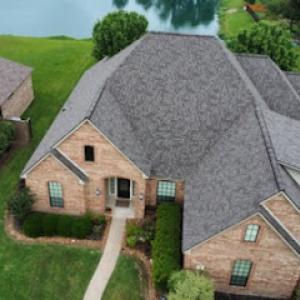
We are family owned Construction and Roofing company. Our roof replacements and repairs are all hand nailed. We do not use Nail guns. The Owner has been in the industry for over 10 years. We have been serving the Houston and surrounding areas under Wade for the last 4 years. We are Insured and Bonded, WPI8 certified . We take pride in our work. We offer FREE upgrades that can average between $500.00 to $3000.00 depending on the roof size. We offer FREE roof inspections, FREE estimates. Commercial and residential WADE IS THE WAY!
Galveston County Roofing & Contractors
(832) 338-1045 www.galcountyrc.com
Serving
5.0 from 49 reviews
Experts serving the greater Gulf Coast Texas area. We specialize in roof repair and replacement, remodeling, all home improvement projects, solar projects and commercial jobs.
Redemption Roofing
(281) 205-1337 www.redemptionroofing.com
Serving
4.9 from 24 reviews
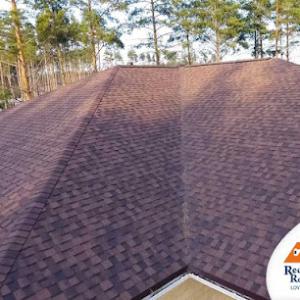
Redemption Roofing is a Roofing Contractor that offers a full range of roofing services including roof repair, new roof installation, and roof damage assessment. We serve residential and commercial clients in the greater Houston metro area. Redemption Roofing has more than 35+ combined years of experience in the Houston market. Your roof acts as a protection from the elements for you, your family, and your property. The right roofing type and style helps to determine the look of your property and its value. Schedule a FREE Inspection today.
DR Roofing & Construction
(888) 420-6767 drroofingandconstruction.com
Serving
4.9 from 423 reviews
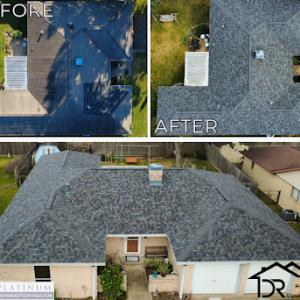
At DR ROOFING AND CONSTRUCTION we take pride in our customers experience, our superior quality of work, and our honesty and integrity. Our team of professionals works hard to make every roofing and remodeling project as hassle-free as possible. If you have damage, we can assist you in the insurance claim process. We also have an amazing finance team to help you attain low monthly payments! Our services include roof replacement, roof repairs, gutters, siding, fencing, concrete work, decks and patios. We also do storm damage appraisals and repairs, and offer other exterior remodeling for both residential and commercial customers. The team at DR looks forward to gaining you as a customer for life! Give us a call today!
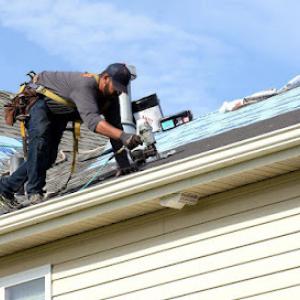
League City Roofing & Gutter Repair
(346) 445-8176 www.skyhighroofspecialists.com
Serving
5.0 from 9 reviews
Sky High Roof Specialists, your premier roofing contractor, ensures top-tier protection and aesthetics for your property. Specializing in installation, repairs, and maintenance, our skilled team guarantees excellence, using high-quality materials and advanced techniques. From leak repairs to new installations, we prioritize precision and durability, upholding sky-high standards in every project. Trust us to exceed expectations with meticulous attention to detail, transparent communication, and timely completion. Elevate your property with Sky High Roof Specialists – where expertise meets excellence.
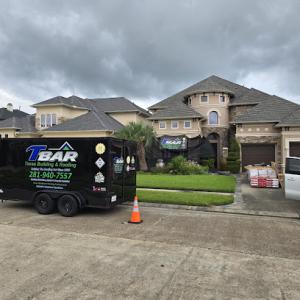
TBAR Roofing
(281) 940-7557 www.tbarpro.com
Serving
4.9 from 180 reviews
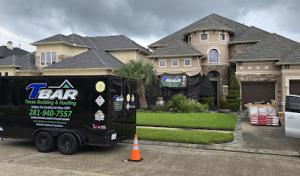
Established in 1990 and proudly serving the League City area, TBAR Roofing is a trusted residential roofing contractor committed to quality and customer satisfaction. With over three decades of experience in the demanding Texas Windstorm Zone, homeowners within a 75-mile radius can rely on TBAR's expert roof installations, skilled maintenance services, and unparalleled insurance and Xactimate knowledge. Their comprehensive solutions encompass shingle, tile, flat, and durable metal options, ensuring exceptional protection for every property they serve. Certified by prestigious brands like GAF, Owens Corning, and CertainTeed, trust that every hand-nailed roof is crafted with care to withstand the toughest windstorms.
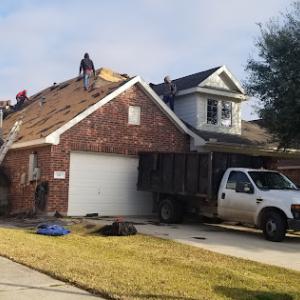
Frost Roofing & Renovations
(281) 709-8424 www.frostroof.com
Serving
5.0 from 60 reviews
Frost Roofing & Renovations is a trusted roofing and renovation contractor in League City, Texas, proudly serving homeowners and businesses since 2019. With years of experience and an A+ BBB Rating, we specialize in roof repair, roof replacement, storm damage restoration, and new roof installation. Our licensed and insured team uses top-quality materials and advanced tools to ensure every roof is durable, long-lasting, and built to protect. Our Home Renovation services include, gutters, siding, fencing, concrete work, decks and patios. We proudly serve League City, Clear Lake, Pearland, Friendswood, Galveston, Webster, Katy, Houston and nearby areas, we offer free inspections and honest estimates—roofing done right, every time.
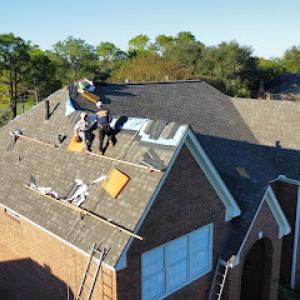
High Caliber Roofing
(832) 433-5780 www.facebook.com
Serving
4.9 from 41 reviews
Roof Replacements, Roof Repairs, Siding, Soffits, Fascia Boards
P3 Roofing
(281) 819-2155 www.p3roofing.net
Serving
4.9 from 60 reviews
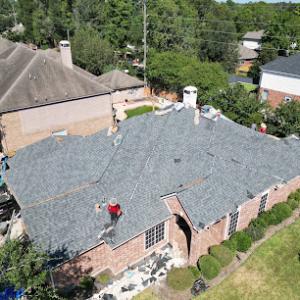
Driven by customer satisfaction and quality work, P3 Roofing, LLC is here to serve our community of customers with integrity and honest work. We specialize in the installations, replacements, and repairs of all roofs—metal roofs, shingle roofs, flat roofs, etc.—for customers all across Houston. We are with you every step of the way, communicating clearly, and ensuring the job is done right leaving you worry and stress-free. By choosing P3 Roofing, LLC, you’ll be working with a specialized team of roofers that will leave your home the envy of all your neighbors, while being treated like a person—not a source of revenue—throughout the whole process.
A full roof replacement in Seabrook requires a building permit through the City of Seabrook Building Department. The process is designed to verify the work meets local codes and the unique bayou-to-bay exposure that shapes roof design here. Understanding the permit pathway helps prevent delays that can crop up during storm season, when crews are busiest and inspection windows tighten.
Before any tear-off or new installation begins, confirm with your contractor that the permit application is complete and submitted. Typical documentation includes project scope, material type, and a plan for proper disposal. Because this city emphasizes coastal conditions, the department may request details about fasteners, underlayment, and coastal-rated products. Keep copies of all permitting papers handy at the job site, as inspectors may ask to review them on the day of visit. If a major storm has just passed, anticipate longer wait times for inspections as county and city staff work through a backlog.
The city conducts inspections at two key milestones: rough roof completion and final. The rough-roof inspection checks that the roof deck and underlayment are properly installed and that penetrations for vents, plumbing, and fixtures are correctly flashed. The final inspection confirms that the entire system is weather-ready, including proper skylight flashing (if present), ridge venting, and overall workmanship. Sequencing matters: a well-coordinated schedule between the roofing crew, any subcontractors, and the inspector minimizes back-and-forth and potential re-inspection fees. Plan for a window of time when the rough inspection can occur, followed by weather-appropriate days for finishing touches and the final review.
Online inspection scheduling can slow after major storms, so expect potential delays if a tropical system recently swept through the Gulf Coast area. Ask your contractor for a concrete inspection window and confirm who will be present for each visit. If the city requires wind-mitigation documentation, or if licensing details need verification, have ready copies or digital access to expedite the reviewer's needs. A well-documented file-permits on hand, updated storm-related endorsements, and a clear chain of task assignments-helps avoid repeating steps or duplicative trips.
Wind resistance is a central concern in bayside environments, so the inspector may look for wind-mitigation features such as improved fasteners, reinforced decking, and compliant shingle or tile attachments. Some projects may also trigger checks on contractor licensing details. Ensure your contractor provides up-to-date licensing information and any wind-related documentation requested by the Building Department. Keeping this information accessible on site supports smoother inspections and faster project progression when the weather finally cooperates.
Seabrook homeowners are in an active coastal Texas wind-and-hail claim environment where insurers commonly expect thorough damage documentation before approving scope. The combination of salt air, repeated Gulf storms, and a housing stock that often features lighter roofing assemblies means every shingle lift, lift edge, and flashing seam is scrutinized. When a claim comes in, vague descriptions invite delays or partial approvals, and the clock can run against you if the storm season stretches into months. The result is a longer rebuild timeline and a greater risk of weather exposure in the interim. The right records can determine whether a plan moves forward with confidence or gets stalled for another round of adjuster questions.
Pre-loss and post-storm photo records are especially valuable in this market because repeated Gulf weather events can make it harder to separate old wear from new storm damage. A consistent photo routine-dated shots of the entire roof, attic space, gutters, and near-shingles edges-acts as a baseline when new hail hits and salt exposure continues to corrode fasteners and sealants. In practice, that means keeping a rolling library of images from each major season, plus any visible changes after a storm. When time comes to file, these images become the most direct way to prove the difference between aging wear and storm-driven harm.
Insurers in coastal Texas may reference wind-load expectations and detailed line-item estimates, so Seabrook homeowners benefit from documentation that matches local storm conditions and roof assembly details. Gather clear notes on roof layout, venting, ridge caps, flashing materials, underlayment type, and connection details to the attic framing. If a contractor provides a scope, insist on a line-item breakdown that parallels the actual roof assembly and its components; vague, bundled claims invite pushback. The goal is to present a coherent picture: wind and hail impact patterns, salt-air corrosion, and how the installed roof design handles these forces.
Keep a dated, organized collection of photos labeled by area and storm date, plus a written diary of observed issues after each storm. Save contractor notes, product spec sheets, and any measurement data that relates to wind uplift or load expectations. If a question arises-whether a suspected leak signals a new failure or lingering old damage-refer back to the chain of images and corresponding notes. In this market, precise documentation helps distinguish a legitimate replacement need from ongoing moisture concerns that could otherwise stall recovery.
Connect with contractors who help homeowners navigate the claims process from damage assessment to final approval.
Stronghold Restoration & Roofing
(713) 553-9231 www.strongholdroofingllc.com
4636 E NASA Pkwy, Seabrook, Texas
4.8 from 260 reviews
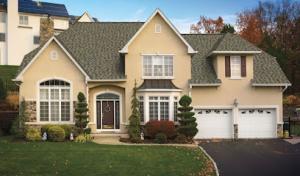
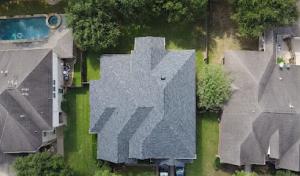
In this bayside climate, drainage performance on low-slope sections, patio covers, additions, and mixed-roof masses matters more than on steep-slope roofs. Ponding isn't just a cosmetic concern; standing water accelerates membrane wear and can push water to flashing details if transitions aren't sound. Plan a roof layout that promotes rapid drainage, with sufficient slope toward scuppers, interior drains, or outlets. When evaluating a project, check that deck drains and scuppers are sized for seasonal storm volumes and that interior transitions are kept dry with positive slope toward the drainage path.
Wind-driven rain from Gulf storms finds its easiest path through inadequate flashing and complex transition zones. Pay close attention to where low-slope surfaces meet steeper sections, curbs, skylights, and edge details. Flashing should extend well into joints with mechanical fasteners, and terminations need continuous seals that resist salt air and thermal cycling. In bayside conditions, ensure the roof system accommodates both rain intrusion and salt-related edge corrosion. Where walls, parapets, or rails meet the roof, use compatible membranes and back-up flashing that won't curl or crease after a few thunderstorm surges.
Because Seabrook sees both residential and commercial roofing activity, the choice of membrane matters beyond a simple surface layer. Select a membrane with proven UV and salt-air resistance, and consider reinforced seams for wind uplift. Coatings can extend life on exposed decks, but ensure they partner with the underlying membrane and flashings to avoid blistering or accelerated wear from humidity. Regular inspection should verify seam integrity, corner bonds, and edging details after major storm seasons.
A reputable contractor should demonstrate a clear approach to transitions between low-slope sections and steeper roofs, along with reliable edge detailing and drip edge compatibility. Ask for project examples that show successful bayside installations, including how membranes are terminated at parapets and how penetrations are sealed. In a market with both residential and commercial activity, prioritize crews that bring real experience with membranes, coatings, and durable transition work-not just shingle know-how. A thorough walkthrough should map drainage routes, identify potential ponding zones, and confirm inspection access for maintenance over time.
Set expectations for seasonal checks after major storms, with emphasis on scuppers, drains, and flashing seals. Salt air accelerates edge wear, so pay attention to fasteners and terminations aroundTerminations. Keep an eye on ponding-prone areas and address small issues before they spread to seams or transitions. Regular cleaning of debris from drainage paths helps maintain performance when storms roll in again.
Find specialists in TPO, EPDM, and built-up flat roofing systems for residential and commercial properties.
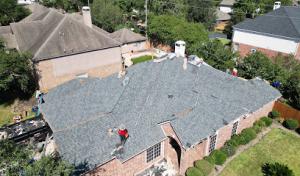
In Seabrook, heavy thunderstorm rain and tropical wind-driven water make skylights, pipe boots, valleys, and wall flashings common leak entry points. The stack of a roof in bayside areas often carries more stress where wind shifts rain at odd angles, so you'll notice drips or staining around these penetrations after a squall line.
Salt air can shorten the life of exposed metal flashings and fasteners around penetrations, especially where maintenance has been deferred. If you skip routine checks, a seemingly minor corrosion can silently weaken a seam or a boot, then fail during the next storm. Look for pale or powdery corrosion on screws, nails, and metal trim, and don't discount a small rust spot as cosmetic.
Leak diagnosis is more important than surface patching in this market because repeated storm exposure can hide multiple failure points on the same roof. A single drip may signal several failing spots: a compromised skylight seal, a loose or cracked boot, a degraded valley, or flashing that's lifted at the edge. Treat the home as a system, tracing interior stains back to the most probable exterior failure rather than chasing a single visible leak.
After a storm, inspect around skylights with a flashlight from the attic to look for moisture trails or staining along seams. Run a finger along wall flashings and around pipe penetrations to detect softened caulk or gaps. If you notice any wind-driven misalignment or loose flashing, address it promptly before the next front moves through.
Find contractors experienced in skylight installation, flashing, and leak repairs to bring natural light into your home.
Stronghold Restoration & Roofing
(713) 553-9231 www.strongholdroofingllc.com
4636 E NASA Pkwy, Seabrook, Texas
4.8 from 260 reviews