
Last updated: Apr 19, 2026
League City sits in the Galveston County coastal storm corridor, so roof decisions are shaped by tropical systems, straight-line wind, and hail claim activity rather than ordinary age alone. When a storm rolls in from the Gulf or Galveston Bay, superficial inspection can miss the real risk: wind-driven rain that slips past ridge lines, flashing, and edge details even if shingles look intact from the ground. That invisible leakage often shows up later as mold, wood rot, or interior staining, and by then the repair window can be tight and more costly. If a storm hits, assume any suspected impact deserves a closer look and a professional assessment before tarping comes down or a temporary fix becomes permanent.
Hurricane season runs June through October, and the local rhythm changes fast as storms approach. Scheduling becomes a two-step race: secure a trusted roofer early, then coordinate tarping, material delivery, and dry-in timing in a narrow window. Delays are common when crews chase urgent wind or hail claims, and every day of wet weather or a late arrival pushes dry-in further into the season. In this climate, the most durable roof choice balances coastal wind resilience with local construction habits-and approvals often hinge on weather-driven sequencing rather than a simple installation date.
Wind-driven rain reaches areas that look fine from ground level, especially around the ridge cap, flashing valleys, chimney penetration points, vent boots, and around edges. In storms off Galveston Bay, spray and gusts can lift undersized fasteners, loosen sealants, or lift shingles at the edges. The result is water tracking along eaves and into soffits, which slowly undermines decking if not caught early. A quick visual is not enough-exposure to salt air accelerates corrosion on metal flashings and fasteners, and humidity invites faster deterioration after a strike. When you've had a near-mounce or hail event, schedule an inspection that includes high-resolution checks of ridge line integrity and flashing details, not just the shingle surface.
If a storm has passed, walk the roof only if safely possible and document any lifted edges, granule loss, or curled shingles. Photograph interior water intrusion along walls and ceilings, and note any delayed leaks after rain events. Contact your insurer promptly to start the claim and request a professional adjuster with windstorm experience-preferably one familiar with coastal systems. When choosing a contractor, prioritize those with a strong track record in Gulf Coast wind zones, who can discuss impact resistance, roof deck readiness, and flashing upgrades that resist future salt-air exposure. Do not delay decisions that affect dry-in timing; delaying can let minor issues evolve into costly, ground-up rebuilds. If replacement is necessary, insist on a roof system that comprehensively addresses ridge and flashing vulnerabilities, and be candid about coastal wind behavior with your contractor so the design accounts for your specific exposure.
A permit is required in League City for a full re-roof and is handled through the City of League City Building Department. Before any tear-off or shingle stack starts, verify that a valid permit is in place in the contractor's package and that the permit card or confirmation is posted on-site. The process typically starts with a roof replacement plan that shows the scope, materials, and a proposed schedule. This isn't a one-and-done step; it's a formal track that ensures the work aligns with local wind and coastal codes, and that the city has a record of work activity in your neighborhood.
Your chosen contractor should initiate the permit application and monitor updates from the Building Department. If the permit is tied to permits for electrical or plumbing work (for example, roof-mounted attic fans or temporary power setups), those related permits must be coordinated as well. In practice, this means you'll want a contractor who can manage the paperwork timeline and keep the city apprised of any changes to the scope that could affect permit conditions. Delays often arise when permit review requires clarified details or when the project scope changes midstream, so build in a cushion for the administrative phase.
Local inspections occur at roofing milestones including the roof deck or underlayment stage and the final inspection. The deck/underlayment inspection typically checks for proper nailing patterns, substrate integrity, and weather-resistant barriers. The final inspection confirms completion, proper ventilation, flashings, and overall adherence to the approved plan. In coastal Texas, officials will also look for elements that relate to wind uplift resistance and drainage conformity. It's not unusual for inspectors to request minor adjustments on flashing or fastener placement if a detail doesn't meet the current wind-driven rain standards.
A practical strategy is to have the contractor schedule inspections promptly as the milestones align. Waiting until rain or high wind events subside is not a reliable plan in this area. If an inspection is delayed due to non-compliance flags, weather windows, or missing documentation, you may face a longer window of exposure to the weather and potential interior moisture issues. Confirm with the contractor who will supervise each milestone inspection and ensure that the site is accessible for the inspector, with the roof area cleared and scissor lifts or ladders safely staged. During the deck/underlayment phase, verify that the underlayment type and installation method match the project's approved plan, since deviations can trigger a second inspection cycle and add days to the schedule.
Because this area sits within a coastal Texas insurance environment, some projects may also need windstorm-related documentation or certification in addition to the city permit process. This often comes into play when the new roof system is expected to meet elevated wind uplift standards or when the insurer requires proof of construction details that demonstrate enhanced resilience against Gulf Coast wind events. The onus lies with the contractor to provide the required windstorm certificates or documentation, but it helps if homeowners understand what to expect and ask for copies of any wind-related certificates or test results associated with the finished roof. If windstorm documentation is needed, anticipate a brief additional review step after the on-site inspections, and ensure the certificate is stored with your project records for easy access during insurance claim or resale processes.
Choose a contractor who communicates clearly about permit progress, inspection timing, and any windstorm documentation needs. In practice, the best teams maintain a visible on-site schedule, confirm appointment windows for inspections a few days ahead, and promptly relay any city or insurer communications that could affect the timeline. By aligning permit milestones with the coastal wind requirements and keeping the city record accurate, a roof replacement can proceed smoothly through the complex factor of Gulf Coast weather and local regulations.
In this coastal Texas market, adjusters routinely examine whether roof damage results from a recent storm event, pre-existing wear, or deferred maintenance. When a major weather system rolls in, claim volume surges and the focus sharpens on the origin of the damage. If the roof has experienced multiple sun-exposed cycles, fast-moving hail, or repeated wind exposure from Gulf breezes, this scrutiny becomes even more pronounced. The goal for you is to present a clear, consistent story that aligns the observed damage with the event that caused it, rather than with long-standing wear patterns that may be harder to prove.
Insurers in this region often request wind-mitigation or windstorm-related documentation, especially when a replacement follows a significant weather event. The documentation package can include wind-rated components, attic ventilation details, and proof of anchorages that demonstrate resilience to coastal winds. Having these records ready before the claim is evaluated helps prevent back-and-forth and reduces the chance of a partial payment or dispute. This is not about complicating the process; it is about aligning the claim with the realities of Gulf Coast wind exposure that local adjusters expect to see documented.
Photo documentation matters locally because claim volume rises after Gulf Coast wind and hail events. Before any temporary repair, capture wide-angle shots of the entire roof, then close-ups of damaged flashing, shingles, and vents. After storms, document the progressing condition, including any tarping or temporary fixes. At final completion, take a comprehensive album showing new materials, flashing details, and color-match consistency. The sequence of photos creates a transparent timeline that supports the narrative of storm-driven damage and subsequent replacement, reducing the risk of later questions from an adjuster about the condition of the roof prior to the event.
A neighborly, factual approach helps when adjusting conversations with an insurer. Keep a consistent story about when the damage occurred, what was observable at the time, and what repairs were performed in the interim. If the roof is replaced after a major weather event, be prepared to present documentation that connects the replacement to the event rather than to pre-existing wear. A careful, organized file with photos, notes, and product details can make the difference between a smooth settlement and a drawn-out review. In this market, clarity and credibility around the damage narrative are as important as the repair itself.
Connect with contractors who help homeowners navigate the claims process from damage assessment to final approval.
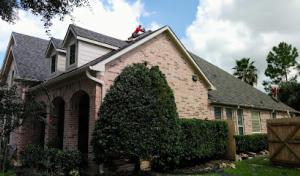
Beveridge Roofing & Construction
(281) 508-2405 www.beveridgeroofingandconstruction.com
1640 E Main St, League City, Texas
4.9 from 354 reviews
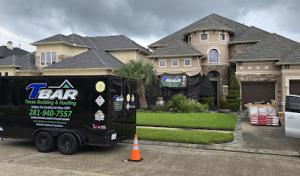
TBAR Roofing
(281) 940-7557 www.tbarpro.com
2280 E Main St b2, League City, Texas
4.9 from 180 reviews
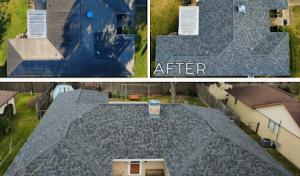
DR Roofing & Construction
(888) 420-6767 drroofingandconstruction.com
2007 Louisiana Ave, League City, Texas
4.9 from 423 reviews
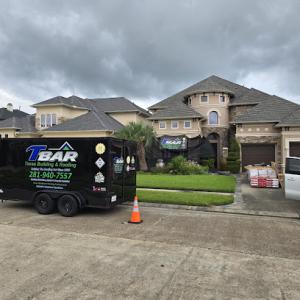
TBAR Roofing
(281) 940-7557 www.tbarpro.com
2280 E Main St b2, League City, Texas
4.9 from 180 reviews
Established in 1990 and proudly serving the League City area, TBAR Roofing is a trusted residential roofing contractor committed to quality and customer satisfaction. With over three decades of experience in the demanding Texas Windstorm Zone, homeowners within a 75-mile radius can rely on TBAR's expert roof installations, skilled maintenance services, and unparalleled insurance and Xactimate knowledge. Their comprehensive solutions encompass shingle, tile, flat, and durable metal options, ensuring exceptional protection for every property they serve. Certified by prestigious brands like GAF, Owens Corning, and CertainTeed, trust that every hand-nailed roof is crafted with care to withstand the toughest windstorms.
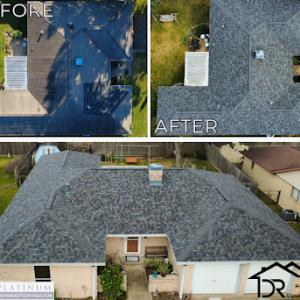
DR Roofing & Construction
(888) 420-6767 drroofingandconstruction.com
2007 Louisiana Ave, League City, Texas
4.9 from 423 reviews
At DR ROOFING AND CONSTRUCTION we take pride in our customers experience, our superior quality of work, and our honesty and integrity. Our team of professionals works hard to make every roofing and remodeling project as hassle-free as possible. If you have damage, we can assist you in the insurance claim process. We also have an amazing finance team to help you attain low monthly payments! Our services include roof replacement, roof repairs, gutters, siding, fencing, concrete work, decks and patios. We also do storm damage appraisals and repairs, and offer other exterior remodeling for both residential and commercial customers. The team at DR looks forward to gaining you as a customer for life! Give us a call today!
American Veteran Roofing & Restoration
303 E Main St #180, League City, Texas
4.9 from 106 reviews
A Local, Veteran-Owned Roofing Company Providing High-Quality Services and Making an Impact in the Community.
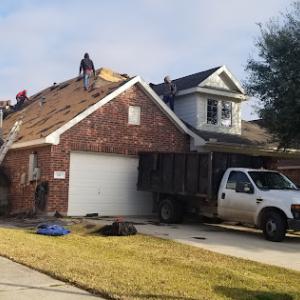
Frost Roofing & Renovations
(281) 709-8424 www.frostroof.com
238 S Egret Bay Blvd Ste. 154, League City, Texas
5.0 from 60 reviews
Frost Roofing & Renovations is a trusted roofing and renovation contractor in League City, Texas, proudly serving homeowners and businesses since 2019. With years of experience and an A+ BBB Rating, we specialize in roof repair, roof replacement, storm damage restoration, and new roof installation. Our licensed and insured team uses top-quality materials and advanced tools to ensure every roof is durable, long-lasting, and built to protect. Our Home Renovation services include, gutters, siding, fencing, concrete work, decks and patios. We proudly serve League City, Clear Lake, Pearland, Friendswood, Galveston, Webster, Katy, Houston and nearby areas, we offer free inspections and honest estimates—roofing done right, every time.
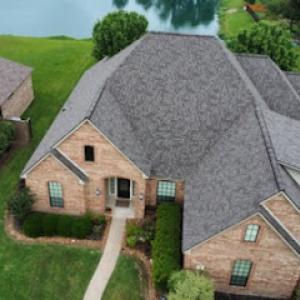
Galveston County Roofing & Contractors
(832) 338-1045 www.galcountyrc.com
Marina Bay Dr, League City, Texas
5.0 from 49 reviews
Experts serving the greater Gulf Coast Texas area. We specialize in roof repair and replacement, remodeling, all home improvement projects, solar projects and commercial jobs.

Arts Roofing
(281) 332-2221 1artsroofing.com
507 1/2, Houston Ave, League City, Texas
4.9 from 154 reviews
(281) 332-2221 We Got You Covered! Art's Roofing is a locally owned and operated League City roofing contractor. We are licensed and insured and are knowledgeable of regulatory roofing requirements for each of the local cities. Art's Roofing knows the importance of customer satisfaction. We don't stop until you are 100% satisfied with your new roof or roof repair.
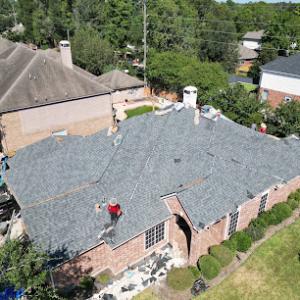
P3 Roofing
(281) 819-2155 www.p3roofing.net
League City, Texas
4.9 from 60 reviews
Driven by customer satisfaction and quality work, P3 Roofing, LLC is here to serve our community of customers with integrity and honest work. We specialize in the installations, replacements, and repairs of all roofs—metal roofs, shingle roofs, flat roofs, etc.—for customers all across Houston. We are with you every step of the way, communicating clearly, and ensuring the job is done right leaving you worry and stress-free. By choosing P3 Roofing, LLC, you’ll be working with a specialized team of roofers that will leave your home the envy of all your neighbors, while being treated like a person—not a source of revenue—throughout the whole process.
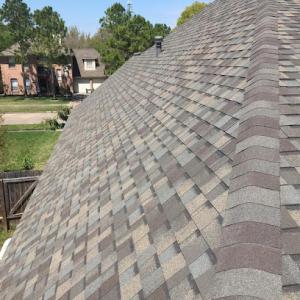
Upper Hand Roofing & Construction
(832) 632-1160 www.upperhandconstruction.com
1109 Gulf Fwy S Suite B, League City, Texas
4.8 from 130 reviews
At Upper Hand Roofing & Construction, we provide expert roofing services, siding services, gutter services, general construction, and remodeling services in the greater Houston, TX area.
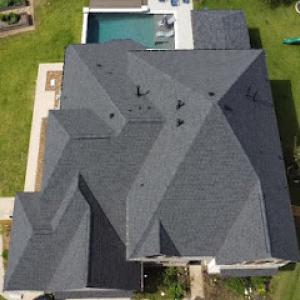
League City Roofing
(281) 508-2009 www.leaguecityroofingllc.com
951 FM 646 Rd E Suite B-16B, League City, Texas
5.0 from 30 reviews
At League City Roofing, we transform the roofing landscape of League City, TX, with our commitment to exceptional service and craftsmanship. Founded in 2019 and locally owned, we bring seven years of roofing expertise to residential and commercial clients. Our mission is to deliver high-quality roofing services that combine our skilled team's expertise with the best products and advanced tools. This approach ensures our roofs are aesthetically pleasing, durable and long-lasting. We take pride in offering a comprehensive suite of roof repair, replacement, and installation services.
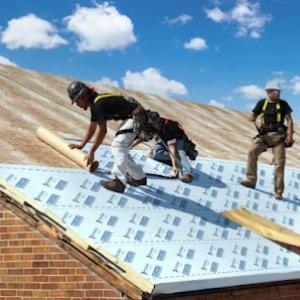
Complete Commercial Roofing
(281) 612-7852 www.completecommercialroofing.com
1411 W Main St, League City, Texas
5.0 from 25 reviews
Complete Commercial Roofing is your trusted source for professional roofing services in League City. Specializing in comprehensive roofing solutions for businesses of all sizes, our team of skilled contractors is committed to delivering exceptional craftsmanship and unparalleled service. We provide expert installations, timely repairs, and proactive maintenance to protect your investment for years to come.

Superior League City Roofing Pros
(346) 358-0529 superiorleaguecityroofingpros.com
1845 W Main St, League City, Texas
5.0 from 25 reviews
With years of experience serving the League City community, we've built our reputation on quality workmanship, honest pricing, and exceptional customer service. Our team of certified roofing professionals is dedicated to protecting your home with superior roofing solutions.

League City Roofing Company
(346) 230-5227 www.leaguecityroofingcompany.com
516 State Hwy 3, League City, Texas
5.0 from 23 reviews
Serving the greater League City area, our experienced team provides exceptional roofing solutions for both homes and businesses. We specialize in everything from minor repairs to complete roof replacements, ensuring each project is completed with superior craftsmanship and the highest quality materials. Our commitment is to deliver durable, long-lasting results that protect your property and enhance its value. Trust us to handle all your roofing needs with professional care and expertise.
In this Gulf Coast setting, a roof choice should align with high humidity, long cooling seasons, and frequent storm exposure. Algae staining, sealant fatigue, and wind resistance demand particular attention because coastal exposure accelerates wear on exterior materials. Closer to bay-influenced air, metal components, flashings, fasteners, and roof penetrations can weather faster, which makes material selection and detailing especially important.
Asphalt shingles remain a practical anchor for many League City homes because of their balance of cost, ease of installation, and repairability. The humidity and salt-air environment can accelerate staining and granule loss, so choose a formulation with UV stabilizers and algae-resistant granules. For long-term performance, pair shingles with a continuous underlayment and a robust drip edge, and ensure sealants around vents, chimneys, and louvers are compatible with coastal conditions. Regular cleaning of algae-prone areas and timely replacement of damaged shingles help preserve the roof's waterproofing and wind resistance.
Metal roofs perform well in wind-prone bayside areas, but coastal air demands attention to corrosion resistance and proper flashings. Galvanized or aluminum alloys with protective coatings resist corrosion better near salt spray. The fasteners should be mechanically sealed and matched to the panel system to minimize leak paths around penetrations. If you choose metal, consider a standing-seam profile to reduce seam exposure and a color that minimizes heat gain. Adequate attic ventilation remains essential to manage humidity and prolong the roof's service life.
Clay tiles offer durable, weathered aesthetics and excellent UV resistance, which helps mitigate fading in long cooling seasons. However, in humid coastal conditions, ensure a solid underlayment and proper installation of battens to reduce movement and cracks. Weight matters on framing, so verify structural support is adequate for the tile type chosen. For best performance, select a moisture-rated tile and seal penetrations with high-quality, salt-air resistant sealants and mesh barriers to deter wind-driven debris.
Concrete tiles combine durability with versatile styles suitable for coastal climates. Their heavier mass helps resist wind uplift when properly installed, but proper anchoring and underlayment are crucial in storm-prone zones. Sealing and maintenance around flashings and penetrations should emphasize corrosion-resistant metals and compatible sealants to withstand humidity and salt exposure. Regular inspection after storms helps catch microcracking that could lead to leaks.
Wood options bring natural appeal but require vigilant maintenance in this humidity-rich, salt-air environment. Treated wood and water-repellent finishes help slow rot and algae growth, yet periodic cleaning and resealing are essential. Fastener corrosion is a common issue near bay air, so use corrosion-resistant, coastal-grade fasteners and ensure proper flashing integration. This category benefits from proactive maintenance and timely replacement of damaged shingles to prevent interior moisture intrusion.
Synthetic or composite shingles offer design flexibility and enhanced resistance to algae and fading when properly installed. Look for products with proven coastal performance and algae resistance, along with a warranty that addresses wind uplift and UV exposure. In coastal settings, verify that the product's binder and surface texture resist salt spray to maintain color and weathering. Regular inspections help detect seam degradation and loose edges before leaks develop.
In this Gulf Coast corridor, you'll notice price and scheduling shifts after a major weather event. Post-storm demand spikes tighten local labor availability and stretch crew calendars, which can push replacement timelines from a few days to several weeks. That delay often translates into higher carrying costs for materials and crews, and can narrow price flexibility even for standard shingle jobs. Factor this into your planning, especially during hurricane season.
Asphalt shingles remain the entry-price option, but the coastal wind zone and salt-air exposure mean many homeowners weigh durability alongside upfront cost. In practice, asphalt shingles sit at the lower end of the spectrum, while metal roofing and concrete or clay tile sit at the higher end, reflecting longer lifespans and better wind resistance. Concrete and clay tiles offer superior durability in storm events but come with heavier installation requirements and higher labor costs. Synthetic or composite shingles can bridge some price and performance gaps, offering moderate upfront cost with enhanced wind tolerance. Use the table of typical costs as a starting point, recognizing that post-storm urgency can skew quotes upward toward available crews and expedited delivery.
If your goal is to minimize future storm-related repairs, metal and tile systems are notable for their resilience in windy, salty environments. However, the upfront investment is significantly higher. When you're comparing options, think about installed thickness, underlayment compatibility, and coating technology designed to resist salt spray and humidity. In busy seasons, ensure you're selecting a contractor who can commit to a realistic installation window and who can verify the chosen system's wind-rated performance for your address. Every budget tier benefits from a clear, written scope that prioritizes roofing membranes, flashing, and proper ventilation to withstand Gulf Coast conditions.
Don't let upfront costs delay a critical repair - these contractors offer payment plans to fit your budget.
DR Roofing & Construction
(888) 420-6767 drroofingandconstruction.com
2007 Louisiana Ave, League City, Texas
4.9 from 423 reviews
Hill Heights Roofing & Construction
(940) 391-5751 www.hillheightsrc.com
2117 Toyhill Fls Ln, League City, Texas
5.0 from 18 reviews
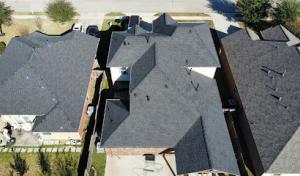
After a Gulf Coast storm, shingle tabs can lift, leaving vulnerable gaps that invite water intrusion and wind-driven damage deeper into the roof deck. Ridge caps are often compromised, allowing moisture to bypass the cap and creep along the ridge line. Hip shingles may shift or become displaced, creating irregular wind channels that push further damage. Flashing around vents and chimneys is a frequent weak spot; even small gaps here can become persistent leaks once wind-driven rain finds its way under the roofing system. In this coastal neighborhood, a few inches of blown rain can feel like a flood when flashing isn't solidly sealed and maintained.
Persistent humidity in this part of the Gulf Coast accelerates granule loss visibility on asphalt shingles, leaving the surface more susceptible to sun and heat damage between storms. Algae streaking is not just cosmetic: it often signals moisture staying near the roof surface longer than it should, which can accelerate wear on the shingle tabs and edges. Underlayment deterioration becomes more likely once wind-driven rain pushes beneath the roof covering, especially in shaded, late-afternoon areas where humidity lingers. The combination of salt air and frequent humidity means small leaks can quietly worsen, hiding behind attic insulation and ceilings until a dramatic rain event.
Tile roofs in this area need careful inspection for cracked or slipped units after storm events; a single cracked tile can channel water under many tiles and into the underlayment. For metal roofs, attention should be paid to fasteners, panel edges, and exposed trim where coastal moisture can creep in and shorten service life. Corrosion and fastener loosening are common culprits in marine environments, so look for loose screws, drips around seam areas, and any raised or wobbly panels. Regular checks across the ridges, hips, and vent penetrations help catch problems before they cascade into interior damage.
Find contractors experienced in skylight installation, flashing, and leak repairs to bring natural light into your home.

Arts Roofing
(281) 332-2221 1artsroofing.com
507 1/2, Houston Ave, League City, Texas
4.9 from 154 reviews
Stronghold Restoration & Roofing
(713) 553-9231 www.strongholdroofingllc.com
Serving
4.8 from 260 reviews
In League City, spring and fall are generally the best replacement windows because they avoid the worst summer heat and the peak of hurricane disruption. Scheduling during those shoulder seasons helps weather crews keep materials from overheating and reduces the risk of sudden weather delays. If a tear-off is planned, aim for a window before the real heat surge of late spring and after the first warm spell in early fall. The milder temperatures also support more reliable sealant performance and drying times on coastal materials.
Hot, humid summers can complicate material handling and sealant curing on local jobs, especially during long stretches of high heat. When asphalt, metal, or tile installations run into higher surface temperatures, workers must manage heat exposure for crews and for roof penetrations. Work hours often shift earlier in the day to beat the afternoon heat, and crews may pause after peak heat to protect fasteners and underlayment. In seasons of heavy humidity, adhesives and primers can set differently, so expect longer cure times and tighter scheduling around daily humidity peaks.
Spring storm patterns in the region can still interrupt tear-off and dry-in, so local scheduling needs more weather contingency than in many inland markets. Thunderstorms rolling off Galveston Bay can roll into neighborhoods quickly, sometimes forcing quick tarp-ups or temporary wind vents to protect exposed areas. Build in buffer days for weather-induced pauses, and coordinate with crews who track Gulf Coast forecasts. If a storm season appears active, maintain flexible sequencing with supply deliveries and permit-related windows so your project can resume promptly after a weather break.
In a city with windstorm documentation, a good roofer will guide you through claims forms, scope notes, and finalize documentation that the insurer expects. Ask who files the paperwork, whether the company provides a written scope of repairs, and what information is supplied to avoid delays at the adjuster meeting.
Favor contractors who can point to completed roofs in your neighborhood and can share photos of storm-damaged jobs and rebuilt homes. Verify trade credentials, confirm they pull and manage inspections, and that they complete closeout paperwork in a timely fashion. Family firms often maintain tighter communication and local references.
In salt-air, humidity and debris, verify cleanup practices, tarp protection, and debris containment. Ensure crews cover landscaping, protect HVAC units, and seal penetrations properly. Ask about waste disposal methods and final walkthrough checklists.
In a city with frequent re-roofs, expect a coordinated timetable tied to inspections and local providers' availability. Choose a contractor who can schedule around neighbor visibility, minimize street disruption, and provide a single point of contact during all storm-repair phases. That single point of contact should be reachable evenings and weekends, since repairs often accelerate after a major storm and weather windows shift quickly. In practice, you want a local team that treats your home as a personal project, not a distant bid. Communication remains the edge today.