Last updated: Apr 19, 2026
Lancaster sits in the Dallas-area hail and wind claim environment, making spring storm damage one of the most common triggers for roof inspections and replacement decisions. When hail rattles the ridge cap and wind rips across asphalt shingles, unseen damage can hide beneath the surface. A rapid post-storm inspection is essential: look for bruised fibers, paint-like dimpling on shingles, lifted edges, or granule loss in gutters and downspouts. If you notice granules in the gutter or a pattern of small dents across the roof surface, treat it as a warning sign that the roofing system may be compromised. In this climate, delaying a professional assessment can turn small repairs into larger, more disruptive projects that disrupt daily life and stretch the timeline for insurance timelines and contractor availability.
Fall wind events are a local scheduling problem because they can create sudden shingle loss and expose roofs just as contractors are already busy from earlier storm work. The combination of lingering damage from spring hail and the surge of fall storms can push crews into tight windows. Planning ahead matters: secure a trusted local roofer who understands how Lancaster homes handle wind uplift and edge exposure on typical roof lines, especially on those longer ranch or two-story styles common to the area. If a wind event breaks loose shingles, a temporary protective measure-such as tarping? avoided unless properly installed-can prevent water intrusion while waiting for a permanent repair. The key is to act fast enough to protect interior spaces, yet coordinate with adjusters and contractors who are juggling multiple claims in a short window.
Because Lancaster roofs are commonly assessed after hail, homeowners here benefit from photo documentation before and after storms to support adjuster review and claim timelines. Start with wide-angle exterior shots that capture the roof's overall condition during calm weather, then take close-ups of any suspected damage-hail impacts, lifted edges, or wind-damaged flashing. Keep timestamped photos organized by date and event, and preserve copies of any repair invoices or contractor evaluations. When an adjuster arrives, your organized record helps them see the sequence of events and the extent of damage, reducing back-and-forth and the risk of missed repairs. If possible, arrange a weather-appropriate, on-site inspection with your insurer's preferred adjuster to align expectations on what constitutes storm-related damage versus aging wear.
First, secure a same-day exterior inspection after a strong hail or wind event. Identify any roofing components with visible damage and request a prompt assessment from a licensed local roofer who understands Lancaster's storm patterns. Prioritize critical vulnerabilities-missing shingles, damaged flashing around chimneys and valleys, and compromised vent boots-because these are common failure points after hail-driven impacts and wind uplift. If a substantial portion of the roof shows damage, discuss expedited temporary repairs to mitigate leaks while the full replacement plan is developed with the insurer. Keep a running log of observations, dates, and communications, as this trail supports clear, timely decisions during the insurance claim process.
Spring hail and wind exposures contribute to a distinct insurance-driven replacement cycle in this market. A roof that survives one season may be due for replacement soon after, depending on the structural condition and the material chosen. When planning a replacement, consider how the local storm history influences the roof's resilience and the expected service life of the chosen material. A professional who can translate Lancaster's weather realities into a practical installation plan will help homeowners minimize disruption during future storm seasons. The right contractor will align inspection findings, insurance reviews, and scheduling to keep the home protected through the next round of spring storms and fall gusts.
Find local contractors experienced in assessing and restoring roofs after hail, wind, and severe weather events.
USA Roofing
1460 N Interstate 35 East Service Rd, Lancaster, Texas
5.0 from 27 reviews
EDP Roofing
790 S Interstate 35 E, Lancaster, Texas
4.8 from 17 reviews
MedRoof.com
(469) 586-6475 www.medroof.com
1542 Raintree Dr, Lancaster, Texas
4.9 from 74 reviews
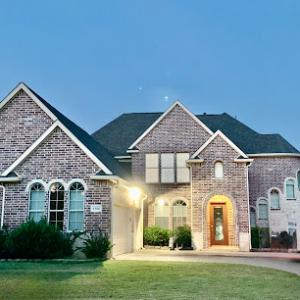
Established in 1990, MedRoof is the roofing contractor with an unmatched track record of servicing Lancaster and surrounding areas. Our highly trained team of experts delivers a wide range of services, including roof replacement, roof repair, roof installation, and water damage restoration. With superior craftsmanship and unparalleled attention to detail, MedRoof is the trusted choice for building structures that endure.
USA Roofing
1460 N Interstate 35 East Service Rd, Lancaster, Texas
5.0 from 27 reviews
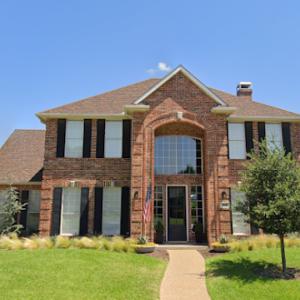
USA Roofing is a reliable roofing company serving Dallas-Fort Worth and surrounding areas since 1979. Family-owned and fully insured, we specialize in residential and commercial roofing services, including roof inspections, storm damage repairs, and full roof replacements. Our certified roofing contractors use quality materials for lasting results. Whether you're in Ellis County, Fort Worth, Arlington, or anywhere in DFW, USA Roofing is your trusted local roofer. Call now for a free roof inspection!
D&J Development
3016 N Interstate 35 East Service Rd, Lancaster, Texas
4.5 from 35 reviews
Our commitment to keeping our project sites secure and organized contributes to our ability to adapt to any challenges that arise on site. Our standard contract services keep our clients ’goals moving forward as each part of the construction process begins to come together. Our skills and knowledge lead to projects completed with the highest level of quality, value, and safety.
EDP Roofing
790 S Interstate 35 E, Lancaster, Texas
4.8 from 17 reviews
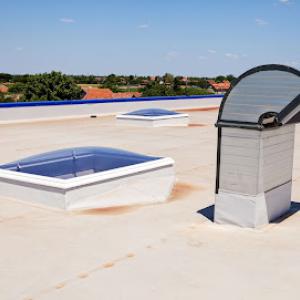
EDP Roofing is a family owned and operated three-generation commercial roofing company. We proudly serve businesses of all sizes throughout Dallas TX and surrounding areas. Providing the highest quality workmanship in the industry, we oversee all phases of the job from start to finish. As a result, you get personalized attention, quality materials and trained installation for best in class service.
Hernandez Construction Group
(214) 290-2883 hernandezconstructiongroup.com
117 E 5th St, Lancaster, Texas
4.5 from 11 reviews
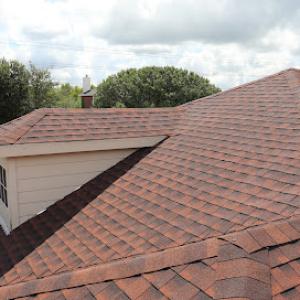
Hernandez Construction Group is a general contractor company based out of Lancaster, TX . Hernandez Construction Group is determined to helping you with all your general contractor needs. Visit our website for current list of services or give us a call. Hernandez Construction Group is proud to be servicing its customers throughout the DFW area. We pride ourselves in the experience, quality, and customer service. We provide to meet consumer needs and expectations. "I want to bring a great service and quality to all home and business owners alike. We will not sacrifice quality for our customers!"
United Roofing Services
(214) 677-2987 www.unitedroofservicesllc.com
Serving
4.8 from 39 reviews
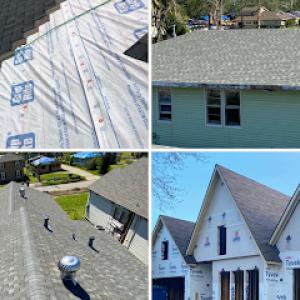
United Roofing Services, LLC is a Dallas local family-owned roofing company proudly serving the Dallas Forth Worth Metropolitan area. With over 30 years in the roofing industry, United Roofing Services offers multiple services such as residential, commercial, storm/hail restoration, insurance claims, gutters, and wood fencing. Our mission is to assist every customer in every possible way we can to make their project stress-free. Call us today for your next project. A professional and quality service always guaranteed!
Big Tex Roofing & Construction
(214) 530-7938 www.bigtexroofing.com
Serving
5.0 from 13 reviews
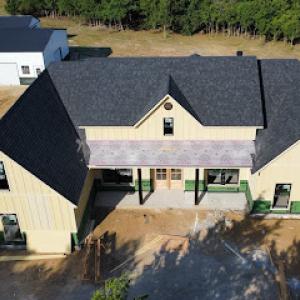
Whether its a full roof replacement, repair or remodel BIG TEX is proud to be the team you trust. Big Tex Roofing & Construction has over 14+ years of experience and has served all over the Dallas metroplex, with over 4.5 Million square feet of successful roof installation’s.
Robinson Brothers Roofing & Construction
(469) 940-4602 robinsonroofing.site
Serving
4.8 from 75 reviews
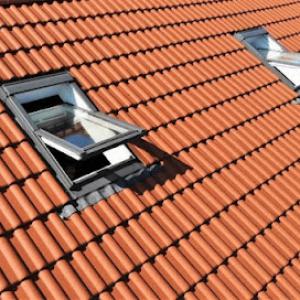
Our Roofing Services for Dallas Structural Repair: Restoring integrity to the roof's framework. Shingle Replacement: Substituting broken or lost shingles. Emergency Hail Damage Repair: Repairing roofs damaged by hail. Leak Detection and Repair: Detecting and mending water entry points.
Max Exteriors
(469) 779-7325 maxexteriors.com
Serving
4.6 from 55 reviews
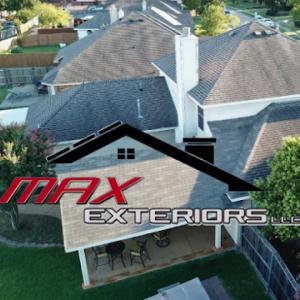
Max Exteriors is a professional roofing and exterior contractor based in DeSoto, TX, serving the entire Dallas–Fort Worth metroplex. We provide residential and commercial roof repairs, roof replacement, storm and hail damage restoration, insurance claim assistance, emergency roofing, siding installation and repair, gutter installation, and exterior repairs. Our team offers free inspections, fast response times, and quality workmanship backed by warranties. Max Exteriors proudly serves DeSoto, Dallas, Fort Worth, Arlington, Irving, Plano, and surrounding DFW communities. Contact us today to schedule a free inspection.
4 U Roofing & Construction
(469) 620-0010 www.4uroofing.us
Serving
5.0 from 38 reviews
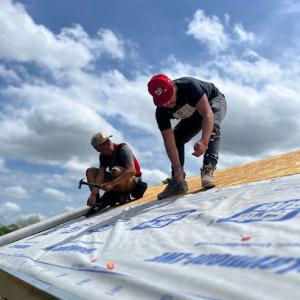
4 U Roofing and Construction, a veteran-owned and family-operated business, has been enhancing homes in Glenn Heights, TX, since 2009. We offer a full range of services, including roofing, painting, handyman solutions, gutter installation, fence contracting, kitchen and bathroom renovations, cladding, and drywall. With a strong commitment to quality craftsmanship and customer satisfaction, our skilled team ensures every project is completed with precision and care. At 4 U Roofing, we take pride in making your home the best it can be.
JM Builders & Roofing
Serving
5.0 from 27 reviews
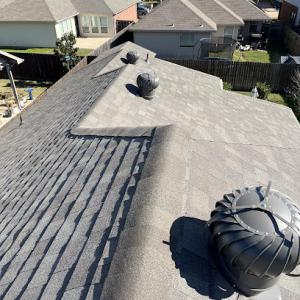
Roofing is the #1 Service we provide to those in Ellis County and Greater Dallas Metroplex. Whether roofing your home after a storm or building a custom roof project, we can help! We work with all insurance organizations & make the process easy, while covering all the details. Custom Remodeling is our #2. Whether it's a new updated bathroom, new flooring, or a new patio addition, we specialize in taking your custom concept to creation.
MOMENTOUS Construction Group (Roofing For HOPE LLC)
(214) 758-0511 momentousconstructiongroup.com
Serving
4.9 from 146 reviews
Roofing for HOPE, now MOMENTOUS Construction Group serving the DFW, Ellis County and surrounding areas, is a full-service roofing and general contracting company. Our priority and commitment are to give you the MOMENTOUS experience. Serving you above anything else with Compassion, Excellence, Leadership and Integrity is our commitment to you. Protecting your Kingdom Investments.
Hot summers with intense UV exposure push residential roofs in this area to age faster than their northern counterparts. On typical shingles and tiles, granule loss accelerates, leaving the underlying mat more vulnerable to sun damage. You may notice very small granule shedding on your gutters or driveway after a long heat spike, and that tells you the asphalt, composite, or felt components are wearing down. Metal roofs resist some of that surface aging, but they can still suffer from thermal cycling-expansion and contraction that may lead to fasteners loosening or panel fastener wear. With clay or concrete tiles, you often see gradual brittleness and higher susceptibility to cracking during heat waves. In essence, the sun's relentless sting acts as a time-lapse on the roof, compressing the useful life of many common residential systems and making regular checks essential.
Spring hail patterns in this region are a recurring test for every home's roof. What looks like cosmetic denting or a few granules out of place today can become a vulnerability once a subsequent wind event kicks up. You should treat hail-induced changes as a warning signal rather than a final verdict: some impact points may mask underlying moisture paths that only show up after a heavy wind or a storm surge. The repeated exposure to hail, wind, and heat creates a pattern where roof aging is less about date stamps and more about storm history. In practical terms, an inspection after hail season should focus on fasteners, sealants, and the integrity of flashing around chimneys, skylights, and vents. Those components often take the first hit and can drive leaks in later wind events, even if the surface looks superficially fine.
In this climate, decisions about replacement are more about storm history than calendar age. The combination of hail seasons followed by heat-driven aging means that a roof can reach a point where a marginal cosmetic repair isn't enough to stave off future leaks. If a roof has endured multiple hail events and the UV-driven brittleness has progressed, a later wind event can expose or worsen vulnerabilities that were previously hidden. Replacement timing tends to be driven by a balance: you want to address compromised structure or flashing before a major wind event forces a leak, yet you also need to ensure the new roof choice can withstand the same storm sequence. The takeaway is to plan proactive assessments after each hail season and before the peak heat of summer, rather than waiting for a single problem to trigger a full re-roofing decision.
A straightforward upkeep routine can slow the clock on aging. After hail seasons, have a qualified roofer inspect all flashings, edges, and vent penetrations for micro-cracks or loose fasteners. Clean debris from gutters and valleys to prevent water-backed flow during spring rains, and check attic ventilation to prevent heat buildup that accelerates interior sheathing deterioration. For more heat resilience, consider roof coatings or reflective treatments compatible with your material type, applied by a licensed contractor. The goal is to maintain the roof's ability to shed water quickly while minimizing heat-induced stress across the system. In Lancaster's climate, attentive, season-by-season care keeps imperfect aging from turning into avoidable failures.
Asphalt shingles dominate the Lancaster roofscape because they fit the area's mainstream residential stock and handle the typical post-storm repair cycle with relative ease. After spring hail or a wind event, most homeowners find asphalt a familiar, forgiving option that can be matched to existing coloration and profile. The material is quick to install, widely available, and easy to judge for repairability when damage is localized. In a climate marked by intense summer UV, asphalt can hold up well with timely maintenance and proper underlayment, making it a sensible starting point for most replacement projects. When hail strikes, you'll notice that shingle granules collect at the eaves, a sign to inspect for potential leaks, but the broad availability of replacements keeps the repair process straightforward.
Metal roofing has a meaningful specialist presence locally, reflecting homeowner interest in heat performance and wind resistance in the Dallas-area climate. If heat management or wind exposure is a priority, metal can offer superior resistance to uplift and a cooler attic. Metal systems also tend to respond well to the spring hail pattern, as many panels shed impact better than some traditional shingle configurations. The key consideration here is compatibility with existing roof framing and attic ventilation; metal is often selected when the structure can accommodate its weight and when you want a long service life with lower maintenance needs. For homes facing frequent wind-driven gusts, metal can be a dependable, low-maintenance choice that reduces the likelihood of wind-related failures over time.
Clay tile and concrete tile present aesthetically distinctive options that can elevate curb appeal, but their suitability hinges on structural load and repairability after hail. In Lancaster, tile roofs require careful assessment of the underlying framing to handle the added weight, and hail repair can be more challenging than with asphalt or metal. Synthetic/composite shingles offer a middle ground: they mimic the look of natural materials while providing improved impact resistance and lighter weight than traditional tiles, which can be attractive for storm-prone years. Slate delivers a high-end, long-lasting appearance, yet its fragility under hail and substantial weight demand precise structural evaluation and specialized installation. Each of these materials tends to be selected selectively, with attention to how the home was built and how future storm cycles are likely to unfold.
When evaluating options, start with how the roof responds to wind uplift and hail exposure in your neighborhood. Consider the existing roof deck's condition, attic ventilation, and local drainage patterns, then weigh the potential for repairability after hail events. If a quick, predictable replacement is desired after a storm season, asphalt remains the most straightforward path. If heat and wind are the dominant concerns, metal offers compelling advantages. For properties with strong architectural accents or existing heavy framing, tile or slate can be attractive but require thorough structural checks and a readiness for higher maintenance in hail-prone periods. In all cases, align the choice with long-term performance in the Dallas-area climate and the typical post-storm homeowner experience.
Storm-driven demand surges in the broader Dallas market tighten labor availability after hail events, and the impact is felt locally. When a major hail event hits, crews can be scarce and prices rise quickly as bids flood in. You'll notice costs swing more than usual during or just after these episodes, and lead times for installation extend. If you're scheduling a replacement in spring, factor a premium for labor and shorter windows for scheduling, especially if your home has a non-standard roof geometry or requires additional ventilation work.
Material choice matters sharply in this market because the local pool supports everything from standard asphalt replacements to premium tile, metal, composite, and slate systems with very different labor demands. Asphalt shingles remain the most predictable value, but hail resistance and wind performance can push homeowners toward higher-end options. Metal roofs, while pricier up front, often show quicker installation and may offer favorable insurance considerations in storm-prone seasons. Tile and slate deliver long life but demand specialized crews and longer lead times, which can extend project duration and cost. Synthetic/composite shingles blend durability with cost discipline and can bridge the gap between standard asphalt and premium systems.
In Lancaster, you'll see cost ranges aligned with the product type: Asphalt Shingles from about 350 to 650 per square, Metal from 700 to 1300, Clay Tile 1000 to 2000, Concrete Tile 900 to 1700, Synthetic/Composite Shingles 350 to 700, and Slate 1500 to 3000 per square. The exact price hinges on roof complexity (steep pitches, multiple ridges, and attic ventilation needs), the extent of hail damage found during inspection, and the chosen system's labor requirements. For storm-driven periods, expect variability not just in material cost but in scheduling and crew availability, which can affect total project duration and overhead.
Get a clear picture of your project costs upfront - no commitment required.
D&J Development
3016 N Interstate 35 East Service Rd, Lancaster, Texas
4.5 from 35 reviews
A building permit is typically required for a full re-roof rather than being treated as an informal contractor-only matter. In this town this step is not optional or easily overlooked, especially after spring hail events that push quick replacements. The goal is to keep the work aligned with local codes and to avoid the risk of a future claim being questioned by an insurer or a city inspector after the fact. The permit acts as a formal record that the job follows safe construction practices and that any wind or structural concerns are addressed from the outset.
The contractor generally submits the permit application to the City of Lancaster Building Department with the scope of work and pays the associated fees. You should expect to sign off on the project description and material choices, and to provide a plan that shows how the new roof will meet local wind and fire-safety standards. This submission helps ensure that ventilation, eave details, and egress considerations are reviewed in the context of Lancaster's climate and storm history. Keeping clear communication with the contractor about what is included in the scope reduces the chance of an unexpected amendment later.
Lancaster inspections occur during the project and a final inspection closes the permit, with wind mitigation or ventilation considerations sometimes reviewed depending on roof height and material. During construction, inspectors look for proper nailing patterns, underlayment installations, chimney and vent flashing, and adherence to approved plans. The final inspection confirms that the roof is safely installed and that any ventilation or wind-related mitigations meet anticipated performance under spring hail and summer UV exposure. If issues are found, they must be corrected before the permit can be closed.
Knowing that inspections are part of the process helps prevent last-minute surprises that can delay coverage decisions or the ability to file an insurance claim after a hail event. The coordination between contractor, Building Department, and you, the homeowner, shapes how smoothly the project proceeds. If a height or material triggers wind-mitigation review, be prepared for a discussion about how the chosen roof type handles gusts and venting requirements. In the end, the permit and its inspections are a safeguard, not a roadblock, ensuring the job stands up to Lancaster's stormy springs and high-UV summers.
Lancaster is in a high-claim North Texas insurance environment where hail and wind losses influence underwriting, deductibles, and documentation expectations. Spring storms bring rapid developments from gusty winds to hail-driven denting, and the summer sun accelerates aging of any weak spots. Homeowners should recognize that the condition of a roof today can push a claim toward repair or replacement tomorrow, depending on how the roof holds up under the next round of weather. Understanding your roof's current state helps avoid surprises when a storm hits.
Insurers serving this area may expect detailed pre-loss and post-loss photos, itemized damage assessments, and adjuster access because storm claims are so common in the Dallas region. After a hail event, an adjuster may request multiple angles of each damaged area, clips showing the extent of granule loss, and documentation of features like flashing, vents, and seals. Without thorough, organized records, a claim can stall or be contested, which adds months to a restoration timeline and can complicate decisions about repair versus replacement.
Roofing decisions in Lancaster are often shaped by whether a roof can be repaired versus fully replaced after hail, making documentation quality especially important. A well-documented repair can preserve the roof's life while avoiding a full tear-off, but if damage is widespread, insurers may steer toward replacement. The boundary between repairable damage and the threshold for replacement hinges on visible evidence and the scope of hidden interior effects. Honest, precise reporting reduces the risk of surprise outcomes after a claim is opened.
Keep a dated photo library from each season, especially after hail or wind. Create a simple, itemized damage log with locations, dates, and notes about any interior signs of water intrusion. Schedule a pre-loss roofing inspection with a trusted local contractor who can provide objective photos and assessments before and after a storm. When a claim is filed, respond promptly, grant access, and maintain a transparent paper trail to support the adjuster's review and any necessary documentation.
Connect with contractors who help homeowners navigate the claims process from damage assessment to final approval.
USA Roofing
1460 N Interstate 35 East Service Rd, Lancaster, Texas
5.0 from 27 reviews
EDP Roofing
790 S Interstate 35 E, Lancaster, Texas
4.8 from 17 reviews
Lancaster's extreme summer heat can shrink installation windows because crews must work around high surface temperatures on dark roofing materials. This means scheduling with the crew matters: plan for mornings or mild days, and be prepared for occasional shifts to avoid heat-related delays. Dark shingles absorb heat quickly, so materials can become uncomfortably hot to the touch in the middle of a July workday. If you expect roof work during peak summer, coordinate with the contractor to stage crews and materials early, and consider temporary shading or heat breaks to protect both installation quality and worker safety.
UV exposure is a major local aging factor, especially for asphalt systems that can dry out faster in prolonged North Texas sun. Asphalt shingles lose flexibility with sun exposure, which can accelerate cracking and granule loss. In Lancaster, this aging tendency means that a roof should be evaluated not only for immediate damage but also for the long-term UV-induced wear. Choose reflective or lighter-toned underlayment options when available, and ensure sealing joints and flashings are properly integrated to prevent premature deterioration from sun exposure.
Ventilation may receive added attention during Lancaster permit review depending on roof configuration and materials, tying attic performance directly to roofing scope. Poor attic ventilation compounds heat buildup and can accelerate shingle degradation. Verify that soffit intake and ridge or box vents provide a balanced flow, and consider upgraded attic fans or turbo vents if the attic runs unusually hot. For tile or metal roof installations, confirm that soffit ventilation remains unobstructed by snow guards or insulation, and that any attic vapor barriers are compatible with the chosen roofing system.
When planning, assess the roof's exposure to sun angles and grill placement for any heat-sensitive work. Schedule inspections after the worst hail events to catch composite or asphalt aging aggravated by UV. During replacement planning, discuss ventilation improvements as part of the scope to help extend the roof's life under Lancaster's intense sun.
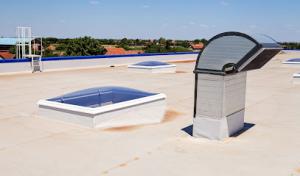
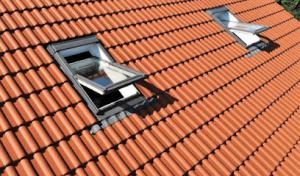
Lancaster's contractor market shows meaningful demand for flat-roof and skylight work, indicating that leak-prone transitions and penetrations are a real local service category rather than a fringe specialty. In practice, that means you should scrutinize the common transition points first: where a low-slope roof meets a vertical wall, around penetrations like vents, and where flashing sits to protect the edge. Look for torn sealant, loose or missing boot stipples, and any evidence of recent patchwork that didn't address the underlying slope dynamics. The flat sections often collect wind-driven rain during a storm and can wickedly reveal themselves after a hail event.
On homes and mixed-use properties, storm-driven water intrusion often shows up first around flashing details, low-slope sections, and skylight assemblies. Pay attention to the base flashing around skylights, the kick-out details at roof edges, and the transition from a metal apron to a sidewall flashing. If flashing is blistered, corroded, or backed by compromised underlayment, water will find its way in with the next strong wind or hail gust. Skylight curb seams and the plastic-to-metal joints are common trouble spots; a tired gasket or cracked curb boot is an invitation for moisture to bypass the primary roof cover.
Because emergency response is active in this market, temporary dry-in work is especially relevant when wind or hail damage opens vulnerable roof transitions. When a storm hits, the first goal is to prevent a roof from becoming a bucket, not to wait for a full repair. Temporary measures-such as tarping or rapid-seal applications around exposed edges, vents, and skylight openings-can buy crucial time. If a dry-in is needed, ensure the contractor documents the condition, timeline, and the plan to restore a weather-tight skin as soon as feasible. This approach reduces secondary damage and buys you leverage during the insurance-driven repair cycle.
Find specialists in TPO, EPDM, and built-up flat roofing systems for residential and commercial properties.
EDP Roofing
790 S Interstate 35 E, Lancaster, Texas
4.8 from 17 reviews
Robinson Brothers Roofing & Construction
(469) 940-4602 robinsonroofing.site
Serving
4.8 from 75 reviews