
Last updated: Apr 19, 2026
Spring hail and the June through November hurricane season bring a brutal combination of blunt impacts and wind-driven rain. Roofs that survive a hail event can still suffer hidden damage that only shows up after an afternoon thunderstorm bursts through. In Alvin, rounds of weather can stack: a hail hit earlier in spring followed by a tropical system later in the year, leaving layered damage that weakens roofing seams, flashings, and underlayment. This means your roof may look fine on a sunny day but leak aggressively once those afternoon storms roll in. Preparation and quick action are not just smart-they're essential to limiting interior damage and reducing the risk of widespread mold and structural issues.
When a claim is filed in this Gulf Coast market, the insurer will want a clear, detailed picture of what happened and when. You'll need to prove the roof's age and material type, the scope of any repairs already performed, and, crucially, weather-related validation of the damage. Keep a dated timeline of events and gather evidence showing hail impacts, wind-driven shingle uplift, and any leaks or attic moisture. Photos should cover the entire roof, close-ups of damaged areas, and any interior staining or ceiling bulges. If you had previous repairs, document them with receipts, contractor notes, and any related permits. A concise, itemized list of affected areas helps the adjuster quickly separate pre-existing conditions from new storm damage. In practice, build a simple "before/after" file: current shots tagged with the event date and a short note about observed symptoms.
Because frequent afternoon thunderstorms can turn minor storm damage into active leaks quickly, tarping and rapid documentation are essential in Alvin. If you suspect damage, set up a temporary tarp to cover vulnerable sections and prevent water intrusion while you secure an inspection. Time matters: the longer a roof sits exposed, the greater the chance of water penetration, sagging insulation, and ceiling damage that complicates a claim. Photograph every step: the tarp setup, the perimeter of the affected area, and any tools you're using. Document weather forecasts from the storm period and note wind speeds if available; insurers will look for corroborating weather data to support the claim. Keep a running log of storm dates, tarping times, and any interim fixes you implement. When you arrange an inspection, ensure the contractor or adjuster visits are scheduled promptly after the storm window closes, so the assessment captures current conditions rather than weather-cleared impressions.
In Alvin, the sequence from storm to settlement hinges on prompt documentation and coordinated timing. After a storm, secure the property and begin gathering evidence; contacting your insurer early prevents delays caused by backlogs or missed windows. If multiple events hit in the same year, create a consolidated dossier that links each incident to its corresponding damage, including the dates and locations of affected roof zones. When the adjuster arrives, be ready with your organized files, the temporary tarps, and a clean access path to all roof surfaces. Clear communication helps avoid second-guessing about the extent of covered damage and speeds up approval for critical repairs. Above all, stay vigilant through hurricane season: a quick, well-documented response now sets the stage for a smoother remediation later.
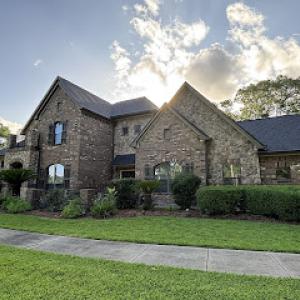
Performance Roofing & Construction
(281) 824-4086 www.performanceroofconstruction.com
631 S Douglas St, Alvin, Texas
5.0 from 314 reviews
Performance Roofing & Construction is a family-run and locally operated roofing company. We provide long-term residential and commercial roofing, fencing, and gutter solutions to the Greater Houston area, Brazoria County and Galveston County. From regular inspections to emergency repairs, you can count on us for fast, affordable, and honest work. Our customers are our first priority, always. We are fully insured and bonded, and accredited by the Better Business Bureau with an A+ rating. Our experts are Certainteed Master Shingle Applicators, Tamko Pro Platinum Certified and GAF Certified.
SSB Roofing
3138 Hwy 35 Bypass S, Alvin, Texas
4.9 from 96 reviews
SSB Roofing is a family-owned and operated business. We offer residential and commercial roofing services in Alvin and the surrounding area.
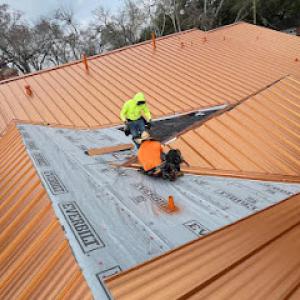
DG Metal Roofing & Exteriors
1920 Grace St, Alvin, Texas
4.9 from 36 reviews
We are a third generation roofing contractor that specializes in many different roof systems applications. We offer 50 year warranty roof systems down to asphalt shingle roofs. Metal, aluminum, copper, slate, clay tile, concrete tile, synthetic slate, TPO, PVC, EPDM, BUR, roof coatings. Commercial, residential, multi-family, Churches. We travel within a 300 mile radius from Houston and specialize in windstorm engineered jobs.
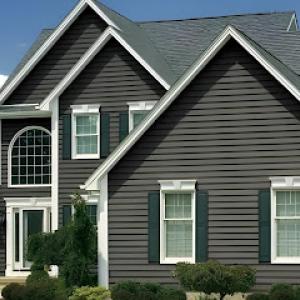
Alpha 1 Roofing
(832) 580-7122 www.alpha1roofing.com
10345 County Rd 200, Alvin, Texas
4.6 from 46 reviews
We provide expert roofing, storm repair, and exterior solutions with quality, transparency, and care—Contact us to protect your property today!
Coastal Group Roofing
(281) 331-4122 coastalgrouproofing.com
13912 Patricia Ln, Alvin, Texas
4.1 from 12 reviews
Coastal Group Roofing provides commercial and residential roofing services to the Alvin, TX area.
Robert Juelich Roofing
(281) 388-0202 juelichroofing.com
Serving
5.0 from 17 reviews
Offering Houston & beyond quality roofing services since 1987.
WindStorm Roofing
2214 County Rd 737, Alvin, Texas
5.0 from 1 review
All materials and installation as per TDI windstorm guidelines. Honest and fair pricing. Free inspection. Work documented by a windstorm engineer inspector and submitted to TDI to ensure you receive your WPI 8. Call us and be assured that your roof is installed to perfection.
Altitude Roofers
(832) 466-2233 www.altituderoofers.com
Serving
5.0 from 69 reviews
Whether it's performing routine roof repairs or replacing your entire roofing system, let one of our highly trained technicians assist you in enhancing your greatest investment. Altitude Roofers has been in the industry for over fifteen years. Let our technical experience, competitive pricing, and customer service be the reason you trust us with your business. Altitude Roofers services the southeast Houston area, including Galveston, Harris and Brazoria county. Our main office is in Friendswood, TX. We look forward to the opportunity to work with you. Call our office anytime for a free estimate or assistance with any of your roofing needs. We ensure a timely response by friendly personnel. FOR A FREE ESTIMATE: 832-466-2233
Bay Area Roofers
(281) 482-1200 www.bayarearoofersinc.com
Serving
4.9 from 404 reviews
Bay Area Roofers is a professional roofing and siding company in Pearland, Texas, since 1983. We offer roofing, siding, patio covers, gutters, insulation, painting, windows, and more. We are locally owned and operated and fully insured. We provide service to the entire Clear Lake area, including Alvin, Deer Park, Dickinson, Friendswood, Galveston, Houston, Kemah, League City, La Marque, Pasadena, Pearland, Santa Fe, Seabrook, and Texas City. We have an A+ rating with the BBB, and have been an Angie's List Super Service Award winner since 2008. We are a Preferred Contractor for Owens Corning and JamesHardie, as well as a Factory Certified Master Elite Weather Stopper Roofing Contractor for GAF. Call for Free Estimate.
C & C Roofing & Construction
(361) 827-3898 ccroofingcompany.com
Serving
5.0 from 131 reviews
Whether you want to boost your curb appeal or create a more functional property, you're in the right place. C & C Roofing and Construction offers everything you need to transform your property in Friendswood, League City or anywhere else in the greater Houston area. We're here to build your patio, renovate your interior, fix your roof and much more.
Bulldog Builders & Contractors
Serving
4.0 from 12 reviews
Bulldog Builders & Contractors is Texas' first choice when choosing a commercial roofing company or roofing contractor. Whether your commercial roofing needs are roof replacement, roof installation, or roof repair, Bulldog Builders & Contractors is your go to commercial roofing contractor. Our roofing services include metal roof, metal buildings, flat roof, roof titles, roof shingles and other types of roofing systems. Roof leaks or entire roof replacements are often covered by your insurance. Call Bulldog Builders & Contractors for your roofing and construction needs. We are happy to answer questions on roof replacement costs and provide a free roofing estimate. We also provide residential roofing services. (866) 359-2279
Pearland Roofing
(281) 857-6421 www.pearlandroofing.org
Serving
4.7 from 26 reviews
Pearland Roofing got it’s start in the late 1990’s. We specialize in roof repair, but much of our business is also full roof replacements. Whether you need a roofing repair to an entire slope of a roof or just a small roof patch to stop your roof from leaking, Pearland Roofers has you covered. We have installed thousands of roofs throughout the Houston, Texas area. We specialize in several types of roofing, such as asphalt roofing shingles in 3-tab 20 year or 30 and 40 year architectural dimensional shingles. We also install and repair most types of metal roofing, including standing seam & stone coated steel shingles. We offer free estimates for roof repairs or roof replacements. Call Pearland Roofing today for a free quote!
Asphalt shingles are common in Alvin, and for many homes they're the go-to because of install familiarity and ease of repair. In this climate, prolonged Gulf Coast heat and humidity shorten their service life compared with milder inland climates, so you should plan for more frequent inspections and potential sooner resealing or replacements. When choosing, look for shingles with advanced asphalt performance and algae resistance, and pair them with a vented ridge and proper underlayment to help keep attic temperatures down. In hail-prone springs, ask your roofer about impact-rated options and a robust asphalt granule layer to better resist surface damage. If you want a balance of cost, repairability, and local availability, asphalt remains a solid baseline choice, especially when paired with a roof deck that won't trap moisture.
Metal roofing is a strong local fit because it handles heavy rain well and is widely offered in this market. The key in Alvin is installation quality, especially for wind resistance during hurricane season. Metal panels should be properly sealed at all seams, with a robust fastener pattern and corrosion-resistant coatings. Look for a system that uses concealed or well-sealed exposed-fastener configurations designed for high wind uplift. A reflective surface can help reduce heat buildup and attic load on hot days. If you live in a hail-prone area, confirm that the chosen metal panel and coating can resist denting enough to prevent leaks and interior damage. A carefully installed metal roof can outperform other options on storm resilience, but it only pays off when the installer follows best practices for coastal wind zones and flashing around chimneys, skylights, and vent pipes.
Clay tile, concrete tile, wood shakes, and synthetic shingles are all used locally, but their performance in Alvin depends heavily on how they handle moisture exposure, storm impact, and heat cycling. Clay and concrete tiles resist heat relatively well but can be fragile under direct hail impact and during rapid temperature swings; ensure there's a plan for impact resistance and secure fasteners to reduce crack risk in heavy rain gusts. Wood shakes offer a distinctive look and strong wind performance if fastened and maintained properly, yet moisture can lead to warping or rot if ventilation and flashing aren't optimal. Synthetic shingles provide versatility and often good hail resistance, but verify UV stability and degradation resistance in the humid, salty coastal environment. For all these options, insist on a roof that includes moisture-aware underlayment, careful moisture barriers, and tested edge detailing to minimize heat cycling and moisture intrusion.
In practice, you evaluate performance against exposure to Gulf Coast heat, humidity, hail, and hurricane-season wind. Choose a system with robust underlayment, proven coastal wind installation methods, and materials rated for impact or high wind where appropriate. Regardless of material, demand a detailed plan for moisture management in the attic, including adequate ventilation and a drainage-ready deck. For most homeowners, pairing a durable, wind-focused installation with a reflective or cool finish helps manage the heat load while maintaining resilience against fast-moving storm cells. The best choice balances local weather challenges with roof deck condition, ensuring a long, reliable service life during Alvin's storm season.
In Alvin, pricing for a roof replacement moves with storm-driven demand. After a hail event or during tropical weather, reroof crews get booked out, and emergency work competes with full replacements. That means you may see price shifts or tighter scheduling in the days and weeks after a storm. When you're managing a replacement, plan for potential delays and be prepared to lock in crews quickly if the timing window opens after a hail event. Local pricing is strongly affected by these spikes, not just the base material cost. It helps to line up a contractor who understands the local storm calendar and has experience coordinating with insurers and city inspections that often follow major events.
Your material choice should be weighed against Gulf Coast exposure. Cheaper systems may save upfront, but heat, humidity, and repeated storm stress wear through surfaces faster here. For example, asphalt shingles can look attractive on the initial line item, but the heat and humidity in Alvin can accelerate aging and wind lift if the underlayment and installation aren't top-tier. Metal roofing resists wind and hail better, yet expands and contracts with heat, so fastening and panel layout must be precise. Clay and concrete tiles offer long life and strong impact resistance, but their weight and installation complexity matter, especially on older homes or homes with limited attic access. Wood shingles/shakes bring a classic look, yet they're a higher maintenance choice in a humid, termite-prone climate unless treated and installed with proper clearances and ventilation. Synthetic or composite shingles can provide a balanced option, combining some of the resilience of asphalt with added impact resistance, but product quality varies by manufacturer. Weigh the local climate, your roof slope, attic ventilation, and insulation level when comparing life cycle cost, not just the sticker price.
The local ranges you'll encounter are: Asphalt Shingles $350-$700 per square, Metal Roofing $700-$1500, Clay Tile $900-$1800, Concrete Tile $800-$1400, Wood Shingles/Shakes $500-$1200, and Synthetic/Composite Shingles $500-$1000, all per square. Remember that "per square" means 100 square feet of roof area. On a typical Alvin home, labor charges can swing with demand after a hail event, and material selection can influence inspection timelines and staging with the insurance process. When you're evaluating bids, compare not only the price per square but also the included underlayment, ventilation, and starter/edge details. A lower upfront price can hide higher lifetime costs if the system isn't able to withstand Gulf Coast stress or requires premature replacement.
Storm damage often comes with the need to document and support insurance claims. Start with clear, dated photos of the existing roof, any hail marks, visible leaks, and interior water intrusion. Have your contractor provide an itemized scope that aligns with the insurance adjuster's expectations so you're not surprised by crew substitutions or material changes later. If a storm comes through, expect potential delays in the permitting and inspection cadence, but also use the calm window to secure financing, gather records, and confirm warranty details. In Alvin, a thoughtful approach to schedule, material selection, and insurer coordination can reduce the risk of second-wave damage from wind-driven rain and heat during the replacement process.
Get a clear picture of your project costs upfront - no commitment required.
Reroofs are treated as a formal project requiring a permit from the City of Alvin Building Department, not as informal maintenance. Before any tear-off begins, you or your contractor should submit plans that reflect the proposed roofing system, flashing details, ventilation, and fastener choices. The Building Department will review for code compliance and wind-resistance provisions relevant to the Gulf Coast climate. Expect coordination between permit issuance and staged inspections, so the project timeline aligns with the department's review and scheduling.
Alvin typically conducts inspections in a clear sequence: after the roof tear-off is completed and the deck is prepared, an inspection verifies that the substrate, underlayment, and eave details meet requirements. A second inspection occurs during the installation to confirm nailing patterns, fastener types, and ventilation pathways align with code. A final inspection is performed to confirm overall code compliance, including flashing around penetrations and proper termination at walls and chimneys. Having a detailed record of the inspection steps and a pre-inspection walkthrough with the contractor can help minimize delays.
Local inspection emphasis includes wind-resistance provisions, which is especially relevant in a Gulf Coast city exposed to hurricane-season winds. Expect inspectors to scrutinize fastener schedules, nail spacing, and the installation method for hips, ridges, and valleys. The goal is to ensure the roof system can withstand uplift forces and driving rain. If your chosen roofing type has specific wind-rated components, make sure those elements are clearly documented in plans and installed according to the manufacturer's installation instructions and the inspector's notes.
Coordinate closely with a licensed roofing contractor who understands Alvin's permit workflow and inspection cadence. Confirm permit numbers, inspection dates, and required documentation before work begins. Keep copies of all permit-related paperwork, inspection approvals, and any plan amendments on site. If an inspector flags a detail, address it promptly to prevent work stoppages or rework. Since staged inspections are part of the process, stay proactive in readiness for each checkpoint and maintain clear lines of communication with the Building Department and your contractor. This approach helps ensure a smooth reroof that meets local standards and stands up to Alvin's wind and hail conditions.
Storm-prone conditions define the insurance landscape for roofing here. Because this area sits in a Gulf Coast risk zone, homeowners often face stricter insurer scrutiny around hail and wind claims than owners in lower-risk Texas markets. That means a claim can hinge as much on the roof's current condition and documented history as on the event that caused the damage. Being prepared with a clear narrative of what happened, when, and how the roof has performed is not optional-it's part of the payout equation.
Adjusters may request wind-mitigation information and weather-event validation, so homeowners should keep dated photos, prior repair records, and permit documentation. Store storm-day videos or time-stamped snapshots showing raised shingles, granular loss, or flashing failures. Keep receipts for any temporary repairs and notes about when each repair occurred. A concise log of weather events, including hail sizes if known, helps anchors the claim to verifiable conditions rather than vague memories.
Regional risk has pushed insurers to pay close attention to roof age and material choice, making replacement decisions partly an insurance-eligibility issue, not just a maintenance decision. If the roof is older or composed of materials with known vulnerability to wind and hail, expect closer scrutiny and possibly higher deductibles or revised coverage terms. When evaluating a replacement, couple longevity with how a given material tends to perform in high-wind, hail-prone springs and hurricane-season rain events. Being able to demonstrate expected performance against those regional risks can influence approval and terms.
Create a simple, date-stamped damage portfolio before the next storm season. Photograph gutters, fascia, and skylights, and note any existing buckling or curling. Maintain a running file of service visits, even small repairs, so the history speaks to ongoing maintenance versus neglect. When in doubt, speak with your insurer about recommended documentation for wind and hail claims and plan for a timeline that aligns with expected storm activity, not just calendar dates.
In heavy rain and heat, roof penetrations and transitions become leak points faster once seals are weakened by heat, humidity, and storm movement. Check vent pipes, plumbing stacks, and edge flashing after the fiercest Gulf storms. Look for cracked sealant, lifted shingles around penetrations, and rust on toenails or nails close to valleys. Reseal with compatible sealants and replace any flashing showing corrosion. Schedule targeted checks after a hurricane wind event or unusually long run of heat and humidity.
Skylights need special attention locally because repeated thunderstorm exposure and wind-driven rain can reveal flashing weaknesses that stay hidden in drier climates. Inspect the flashing around each skylight for gaps, puckering, or misalignment. If you can see daylight from the attic around a skylight frame, that's a warning sign. Use exterior-grade sealant and verify drip edges direct water away. Consider resealing annually and replacing compromised flashing boots promptly.
Low-slope sections on mixed-roof homes are a local concern because standing water risk rises when intense Gulf Coast rain overwhelms drainage or exposes aging membranes. Check for ponding in these areas after heavy rain. Suction of water can push through weak seams. Keep drains clear and confirm that membrane laps are still adhered. If you notice increased dampness in the attic above low-slope zones, address it quickly before hidden mold or wood rot develops.
Spring hail and hurricane-season wind-driven rain increase movement of shingles and flashing. Do periodic inspections after storms, paying particular attention to transitions from old to new roofing materials, where wear is concentrated. A quick hand run of the roof slope can identify soft spots before water finds them. Keep safety gear ready.
Find contractors experienced in skylight installation, flashing, and leak repairs to bring natural light into your home.
Performance Roofing & Construction
(281) 824-4086 www.performanceroofconstruction.com
631 S Douglas St, Alvin, Texas
5.0 from 314 reviews
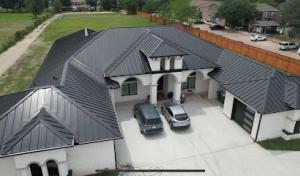

Warranty value hinges more on whether the roof system is installed to pass local wind-resistance inspection expectations than on the shingle or panel brand alone. The Gulf Coast climate-heat, humidity, spring hail, and hurricane-season wind-puts extra stress on roof attachments. If the installation doesn't meet the wind-resistance criteria builders and inspectors expect, even premium materials can come with limited coverage when hard-to-prove wind events test the system. You want documentation that the install team followed the specific wind-resistance sequence, fastener pattern, and nailing schedule the local inspectors require.
Because storm repairs are so common locally, homeowners should distinguish between workmanship coverage for repair areas and manufacturer coverage for full-system replacements. A repair-focused warranty can protect labor on patchwork or re-fitted sections, but it may not extend when a broader roof replacement is triggered by adjacent hail damage or roof deck deterioration. Manufacturer warranties typically kick in for defects in materials across the entire system, but they often rely on proof that installation was performed to spec. Understanding which portion applies to each situation helps you navigate claims after a storm, when quick fixes collide with long-term reliability.
The local market includes manufacturer-certified and warranty-promoting contractors, which matters more in a high-claim Gulf Coast environment where documentation can affect later disputes. Look for verifiable certifications and a clearly written warranty plan that ties workmanship against wind-related performance and material integrity. The strongest protection comes from a contractor with robust field practices, thorough site documentation, and a post-installation report that records fastener counts, flashing details, and any deviations from the standard wind-resistance package. Keep copies of these records; they can become pivotal if a claim stretches into a dispute after a major storm.