
Last updated: Apr 19, 2026
Converse sits in the San Antonio-area hail and wind claim corridor, so spring storms frequently drive full roof replacements more than the roof's age ever does. When hail rattles off the shingles and vents, the damage can be hidden beneath granules, flashing, and underlayment, waiting for a rainy day to reveal itself. Homeowners in this climate should expect that a rapid post-storm assessment is essential, because the window to prove hail-related damage and justify a full replacement can close quickly once a contractor's calendar fills after a storm. The local pattern is clear: a storm rolls through, inspectors and adjusters are in demand, and slots fill up fast. If the roof looks intact from the street but has impact marks or granule loss on closer inspection, treat that as a red flag for a potential full-replacement claim rather than a quick patch.
When a leak starts during a storm surge or a sudden warm spell, you need a plan that buys you time without inviting further damage. After hail events, local demand spikes compress inspection schedules; homeowners are steered toward tarping to protect valuables and interior spaces until full replacement slots open. The key is to act with purpose: call a reputable local roofer who can perform a rapid, documented initial assessment and provide a scope of work that aligns with insurer expectations. If a leak is active, start with a temporary solution that keeps water out of the living areas, but insist that the tarp be installed with proper seam protection and regular checks for wind uplift. Do not mistake a tarp for a long-term fix; plan for a documented path to permanent replacement as soon as a slot becomes available.
Texas insurers commonly expect photo-heavy storm documentation and contractor scopes in this market because hail and wind roof claims are routine across Bexar County. Prepare a thorough photo log: wide exterior shots, close-ups of hail marks, damaged flashing, and any interior water intrusion. Capture the attic, sheathing, and vent areas if visible. Include weather data from the storm date and a dated, itemized list of observed issues. The contractor's scope should mirror those observations with explicit repair versus replacement recommendations, clearly tying each line item to visible damage and to potential hidden failures underneath the shingles. If the insurer pushes for a quick decision, you can request a ramped approach: a first-stage temporary protection followed by a comprehensive replacement plan scheduled as soon as a feasible slot opens. In this market, clarity and consistency in the documentation protect you from claim delays and misinterpretation, and they help ensure the next storm won't expose more vulnerabilities before the work begins.
Find local contractors experienced in assessing and restoring roofs after hail, wind, and severe weather events.
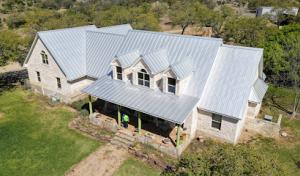
Tomlin Roofing Professionals
(210) 267-9400 www.tomlinroofing.com
8801 FM1976 Suite 114, Converse, Texas
5.0 from 114 reviews
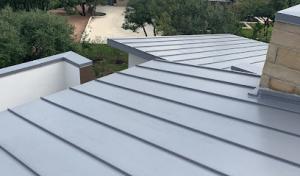
StoneHouse Roofers
(210) 972-8398 stonehouseroofers.com
8719 Converse Business Cir #1, Converse, Texas
5.0 from 69 reviews
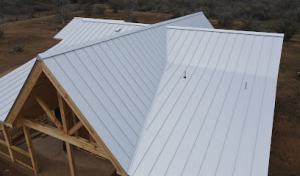
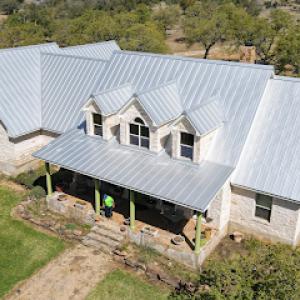
Tomlin Roofing Professionals
(210) 267-9400 www.tomlinroofing.com
8801 FM1976 Suite 114, Converse, Texas
5.0 from 114 reviews
Tomlin Roofing Professionals is a 3rd generation roofing company with experience in commercial, residential, and metal roofing. Serving all of Central and South Texas with over 22 years of experience.
StoneHouse Roofers
(210) 972-8398 stonehouseroofers.com
8719 Converse Business Cir #1, Converse, Texas
5.0 from 69 reviews
Replacing or repairing a roof can be one of the biggest, most stressful decisions a homeowner has to make. - We get it! As a homeowner dealing with a leaky damaged roof, the last thing you need is a contractor that you can't trust. When it comes to something as critical as your roof, you deserve to go with a contractor that has clear communication, follow-throughs, cleanliness & good quality of work. At StoneHouse Roofers, we know roofs and we know how to take care of our customers. At the end of the day, our goal is to give our customers better value for their money & make sure that they are happy with the customer experience. We really stand behind that.
Texan Roofing Pros
(210) 850-0100 texanroofingpros.com
Converse, TX
4.7 from 26 reviews
Texan Roofing Pros is a family owned business that has been serving the San Antonio & Rio Grande Valley area for over thirty years. We value our customers, value what they think, and strive to meet and exceed all of their expectations. From the smallest roof repair to a complete roof replacement, we provide the same quality and dedication to each job. We ensure prompt and proper installation with only the best materials. We won't stop until you are 100% satisfied with our work. Your complete satisfaction is important to us!
Crane's Quality Roofing & Windows
(210) 823-9515 www.cranesroofingandwindows.com
8743 Buggy Ln, Converse, Texas
5.0 from 11 reviews
We've been in business for over 40 years in greater San Antonio. We have an A rating and 5 star reviews from our customers on Angie's List. Also check out our reviews and love from our customers on Google, Nextdoor, Facebook. LinkedIn, and our website! We give free estimates and consultation on all residential homes. Please contact us at 210-823-9515 or 210-402-0671. Crane's Quality Siding and Windows
Apache Construction Concepts
(210) 559-7058 www.apachecc.net
Serving
5.0 from 59 reviews
At Apache Construction Concepts you'll get top quality customer service, top products, prompt service, and pleasant professional experiences. We specialize in residential roofing, seamless gutter systems, siding, painting, storm restoration, insurance claims (PA services), and more. Reach out to us today and see first hand the level of commitment and satisfaction we give to our customers.
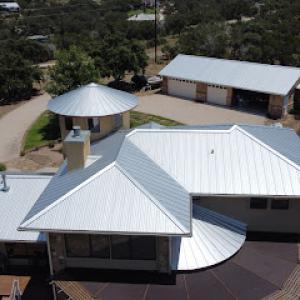
LOA Roofing & Construction
(210) 944-4024 www.loaconstruction.com
Serving
4.8 from 18 reviews
Here at LOA Construction we know that replacing or repairing your home’s roof can feel overwhelming and expensive. Our mission is to provide quality roofing services in San Antonio, TX accompanied with reliable, and excellent customer care. Our Texas owned and operated roofing company knows the importance of community and are eager to earn your trust and business. We specialize in quick and thorough roof repair, installation and replacements and guarantee both our materials and labor. We are fully insured and bonded for any project and can be found on BBB.

WeatherTech Roofing
(210) 557-6917 weathertechtx.com
Serving
4.6 from 28 reviews
The reason we started WeatherTech Roofing in 2014 was simple – to help create a better future for our young daughter and to provide a superior roofing service sorely missing in San Antonio. As a husband and wife team, we’ve relied on both of our strengths – my love for roofing and my wife Stephanie’s business acumen – to deliver for clients across San Antonio and the state. It would be an honor to service your roofing needs – just give us a call, shoot us a text, or complete our online form, and we’ll promptly get in touch.
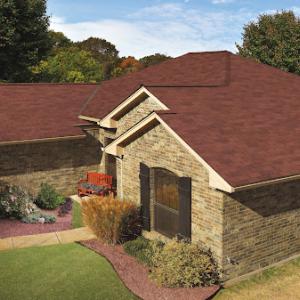
JW Roofing & Remodeling
(210) 245-7663 jwroofingandremodeling.com
Serving
5.0 from 57 reviews
JW Roofing & Remodeling stands for quality, not quantity. Our primary goal is to service each client with the utmost attention to detail. Our commitment to you as a customer is to ensure your project is given priority and to make certain you are confident knowing the best quality of materials and workmanship went into your property; no matter how small or large. You can rest assured every job performed is backed up with a workmanship warranty.
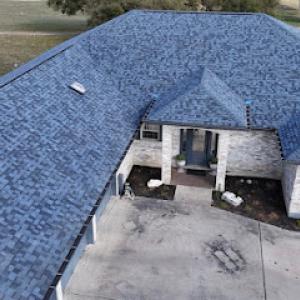
Live Oak Roofing - San Antonio Roofing Company
(210) 460-8896 www.liveoakroofs.com
Serving
5.0 from 74 reviews
Locally owned roofing company serving San Antonio and surrounding areas with expert roof repair, roof replacement, storm damage repair, and hail damage inspections. We specialize in asphalt shingle roofs, metal roofing, leak detection, and insurance claim assistance. Our team understands South Texas weather and provides honest inspections, detailed estimates, and high-quality workmanship built to last. With years of hands-on roofing experience, we deliver fast response times, clear communication, and dependable results homeowners can trust. Free roof inspections in San Antonio.
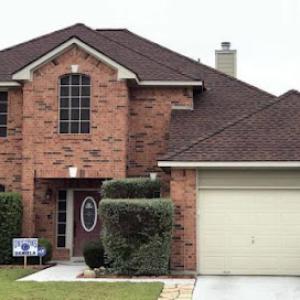
Heartland Roofing & Construction
(830) 964-5505 www.heartlandroofingandconstruction.com
Serving
4.9 from 210 reviews
Heartland Roofing and Construction, based in New Braunfels, Texas, proudly serves the Greater South and Central Texas area. We specialize in residential roofing, roof inspections, storm damage repair, metal roofing, and gutter services, including seamless gutters and installations. Our expert team also handles attic ventilation, flat and low-slope roofs, composition roofs, roof replacements, and maintenance. Whether you're dealing with hail, wind damage, leaks, or need storm restoration, we deliver quality craftsmanship and trusted solutions. Visit our website or call today to schedule a consultation. We guarantee 100 percent satisfaction in all that we do. We provide free estimates and are licensed, insured, and master-elite certified.
IRC Roofing
(210) 926-9288 www.ircroofingsa.com
Serving
5.0 from 120 reviews
People typically set up a free roof inspection. If IRC sees damage or things to fix they will inform the client. IRC will help with insurance claims if applicable, most roofs can be fixed or replaced in a couple of days. IRC also offers financing. IRC will handle all clean up as well, leaving clients yards clean and free of roof debris.

Legacy Home Improvements
(210) 272-7272 www.legacytx.com
Serving
4.9 from 86 reviews
San Antonio's Premier Roofing Company is here for your roof & solar needs. Featured on KENS 5 News and Rated top 1% roofing contractor by the city of San Antonio, we are a local, family owned company since 1999. We specialize in storm damage (insurance) restoration, standing seam metal roofing, shingle, flat roofing, commercial and residential.
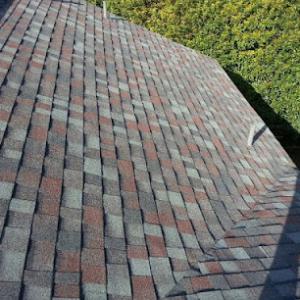
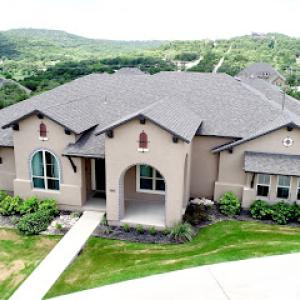
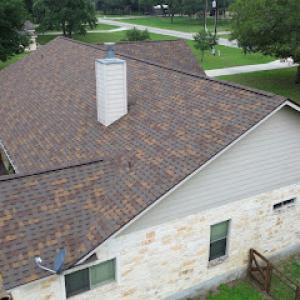
Asphalt shingles remain the dominant practical choice in Converse because they fit the area's suburban housing stock and replacement economics after storm losses. The typical home, with pitched roofs and standard attic layouts, benefits from shingles that balance resilience, ease of repair, and speed of replacement after hail events. When choosing asphalt, look for premium bundles with higher impact resistance ratings and larger granules that help shed hail better. In hot months, a vented attic and properly sealed roof edges help minimize heat transfer and potential ice damming in rare winter stretches. For homeowners facing recurrent spring storms, a roof built with dependable, readily available asphalt components reduces downtime and keeps contractors aligned with supply swings.
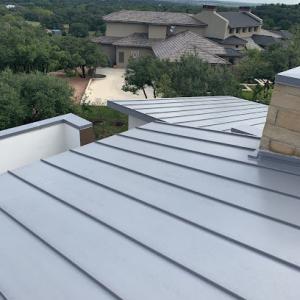
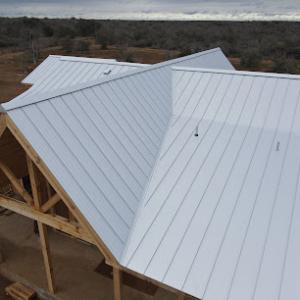
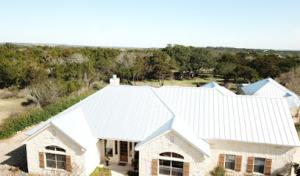
Metal roofing has a strong niche locally because homeowners on the northeast San Antonio side often prioritize heat performance and impact resistance after repeated hail seasons. Metal panels respond well to high heat, reflecting a portion of the sun's energy and helping attic temperatures stay more even. The material's durability also tends to limit wind-related blow-offs after storms. In practice, metal is a solid option for long-term performance where the existing structure can support its weight and the reroofing crew has experience with seamless panel installation and flashing details. When considering metal, focus on standing-seam or snap-lock configurations that minimize taping and seam issues in heavy sun and hail cycles. Proper underlayment and corrosion-resistant fasteners become critical in this climate, where both heat and occasional moisture exposure intersect with high wind events.
Clay and concrete tile appear in parts of the greater San Antonio market, but their weight and repair complexity matter more in Converse when only sections are damaged by hail. If a roof has existing tile, hail can crack individual pieces while leaving surrounding tiles intact, which increases the need for careful color-matched replacements and precise flashing repairs. Clay and concrete deliver excellent long-term durability in hot sun, but the overall roof weight requires structural confirmation before switching to tile in an aging, single-family home. In multi-story or upgraded homes, tile can perform well, yet the cost and labor to replace broken tiles after a storm are higher, and matching materials after years can be challenging. If a partial hail event leaves a patchwork of damaged tiles, prompt assessment and selective replacement can prevent further leaks while preserving roof aesthetics.
Synthetic or composite shingles and wood shingles/shakes offer specific advantages in this climate. Composite shingles can mimic the look of more expensive options while delivering improved impact resistance and lighter weight than traditional tiles. They also tend to handle temperature swings well, reducing the risk of curling or cracking after long heat exposure. Wood shingles, while attractive on certain home styles, are less common in new-construction neighborhoods due to maintenance needs and fire considerations. If choosing wood, plan for regular treatment and be mindful of potential higher labor costs for hail repairs on older wood-based systems. For Converse homes that prioritize a straightforward repair path after hail damage, composites often strike a practical balance between appearance, durability, and ease of maintenance.
Explore specialists in steel, aluminum, and standing seam metal roofs built to last 50 years or more.
Tomlin Roofing Professionals
(210) 267-9400 www.tomlinroofing.com
8801 FM1976 Suite 114, Converse, Texas
5.0 from 114 reviews
StoneHouse Roofers
(210) 972-8398 stonehouseroofers.com
8719 Converse Business Cir #1, Converse, Texas
5.0 from 69 reviews
After a hail event, the first priority is safety and a careful assessment of visible damage. Look for dented shingles, granule loss, and cracked seals along edges and hips. In this market, storm activity spikes emergency calls, so a quick, documented inspection helps separate urgent leaks from cosmetic wear. If you notice interior staining, bubbling in ceilings, or moisture in attic spaces, treat it as a real leak and prioritize temporary mitigation while you arrange a professional evaluation. A reputable contractor will perform a roof-only check and also inspect flashing, vents, and chimneys, since hidden damage can extend beyond the obvious hits.
Spring is the city's most disruptive roofing season because hail activity increases emergency calls and can delay non-urgent replacement projects. When the phone lines are busy, contractors may triage by urgency, which can push less critical replacements into longer windows. If you've documented hail exposure and the roof shows sustained granule loss, plan for an assessment soon after the weather settles, but be prepared for fluctuating schedules. In Converse, letting a damaged roof linger through multiple storms compounds risk, so coordinate with your insurer and chosen contractor to secure a concrete start date as soon as a dry window appears.
Late-stage installations can be complicated by humid, rain-prone periods in the San Antonio region, making dry-in timing especially important once tear-off begins. The sequence matters: tear-off must often occur when forecasts predict several dry days in a row, followed by a window of manageable humidity for underlayment and shingle application. Exposed roofs burn under the afternoon heat, which can slow crews and impact shingle handling. If dry-in cannot be achieved quickly, consider staged work plans or temporary coverings to protect the interior while waiting for favorable weather.
Emergency leak response hinges on rapid containment. If you detect active water intrusion, place tarps over the affected area and limit interior exposure to moisture until a crew can seal the roof line. Rapid documentation-photos of the exterior damage, attic moisture, and timestamps of rain events-helps with insurance communications and can speed scheduling during the spring surge.
When a replacement is approved, align tear-off and installation with favorable stretches of dry, mild weather. Clear access routes, protect landscaping, and designate a staging area for materials to reduce heat exposure on the roof. Given Converse's climate mix, expect adjustments for high heat in midday windows and for humidity impacts once work transitions from removal to installation. Staying proactive on scheduling and documentation minimizes delays and keeps a recovery path for your home on track.
Storm-driven demand surges in the Converse and greater San Antonio market can raise labor competition and stretch scheduling after major hail events. That reality means replacement projects often move from a typical two-to-three-week window into a tight timeline, especially when insurers push for faster decisions or when crews prioritize storm-damaged neighborhoods. You'll notice labor availability can flip quickly from plenty to scarce, which in turn nudges project start dates and overall costs. Understanding this pattern helps you front-load planning, gather documentation early, and anticipate a longer lead time for materials and scheduling after a large hail event.
Material choice matters sharply here because the local market supports everything from budget asphalt re-roofs to higher-cost metal and tile systems common in parts of Bexar County. Asphalt shingles remain the most economical option, with typical costs ranging from about 350 to 700 USD per square installed for standard projects. If you lean toward metal roofing, expect a broader range from roughly 600 to 1,200 USD per square, reflecting panels, fasteners, and potential upgrade needs for ventilation or underlayment. Tile options-clay or concrete-can push the per-square cost higher, with clay tiles commonly landing around 900 to 1,800 USD and concrete tiles often between 600 and 1,100 USD per square. Wood shingles or shakes and synthetic/composite shingles sit in between, with wood shingles roughly 500 to 900 USD per square, and synthetic options around 550 to 900 USD. In practical terms, a full-conversion project from asphalt to a premium metal or tile system can represent a material leap of several thousand dollars per 1000 square feet, especially if the existing roof structure needs reinforcement or upgraded ventilation.
Costs can move upward when insurers require more complete scope documentation, code-related ventilation corrections, or wind-related upgrades during full replacement. In the wake of a hail event, adjusting the scope to include proper attic ventilation, ridge venting, or improved underlayment can add to the baseline price. If the insurer's assessment shifts after an initial write-up, the contractor may need to revisit layers, decking, or fascia repairs, which can extend the timeline and alter the financial picture. A thorough, photograph-backed, and itemized proposal that anticipates potential adjustments helps prevent budget creep and keeps the project moving when storm-related paperwork changes.
When hail-driven demand spikes, you'll benefit from choosing a material type early, aligning with a trusted local contractor who understands post-storm scheduling realities, and starting the documentation process promptly. If wind or hail-related upgrades are recommended, budgeting for a modest premium relative to a basic installation often pays dividends in long-term performance and warranty coverage. Finally, coordinate closely with your insurer to ensure the documented scope matches the replacement plan, so there are fewer surprises when the project reaches the deck.
Don't let upfront costs delay a critical repair - these contractors offer payment plans to fit your budget.
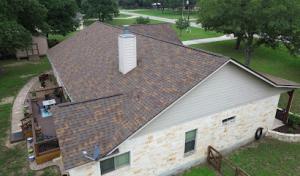

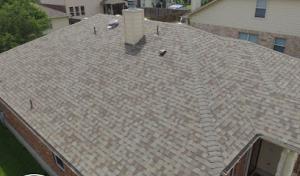
Full roof replacements in Converse typically require a permit processed through the City of Converse or Bexar County building department workflow. The permit acts as a formal signal that the project meets local code, fire clearance, and safety standards. If a storm-damage repair plan is in motion, the permit can also help align you with the right sequence of inspections and avoid back-and-forth delays. Understand that delays often come from incomplete paperwork or missing documentation, especially after a hail event when contractors are in high demand and filings pile up. Plan for a process that considers both the weather-driven urgency and the administrative pace typical of the area.
Before approval for a full re-roof, the local permit process commonly requires contractor license and insurance information. A complete package should include the contractor's current license number, liability coverage, and proof of workers' compensation where applicable. In practice, a permit reviewer will want to see paperwork that confirms the crew is credentialed to work on steep slopes and to handle insurance claims tied to storm-related work. Missing or outdated documents can stall approval, leaving your roof vulnerable to weather exposure longer than necessary. Keep digital copies accessible and ready for submission if the project scope expands or inspectors request updated credentials.
Inspections are typically scheduled at tear-off and final installation, and some projects may also trigger wind mitigation or ventilation verification. The tear-off inspection confirms the removal of the old roofing system and checks for proper deck condition, fastener exposure, and any necessary deck repairs. The final installation inspection verifies that new underlayment, flashing, vents, and penetrations meet code and manufacturer requirements. Wind mitigation might be required to document features that reduce wind uplift risk, especially after storm activity. Ventilation verification can appear if the project involves noticeable changes to attic vents or ridge ventilation; incorrect or insufficient ventilation can impact energy efficiency and roof life. Keep records of weather events and any damage assessments, as these can influence the inspector's focus and potential follow-up visits.
Coordinate with the contractor to submit all required licensing and insurance documentation upfront. Maintain a clear log of permit numbers, inspection dates, and any corrected items listed by the building department. If a wind mitigation or ventilation check is needed, have the appropriate features and documentation prepared to avoid re-inspection fees or extended timelines. In cases where a storm claim affects the project timeline, communicate transparently with the building department about any changes in scope and the expected sequence of inspections. A thoughtful, proactive approach helps minimize disruption during Converse's spring storms and rapid post-storm demand.
This part of Texas sees hail and wind claims regularly, so adjusters and contractors are accustomed to roof-loss documentation. That familiarity can speed decisions, but it can also pressure you into rushed moves. You'll want to understand how your contractor's assessment aligns with the insurer's view of damage and replacement scope.
Policy endorsements and wind-m mitigation credits can sway whether you opt for like-kind replacement or upgrade to a more impact-resistant system. If your policy offers a wind credit or a hail endorsement, that can tilt the choice toward materials with better longevity and resistance, rather than simply patching what's damaged. Weigh how a higher-performance roof could affect long-term reliability alongside any credits your policy might provide.
Because this is a high-claim environment, before-and-after photos and a detailed contractor scope matter more than ever when claim decisions are disputed. Build a clear, timestamped visual record of what existed before the storm, what was found during inspection, and what's installed afterward. A thorough scope helps prevent back-and-forth that delays replacement or leaves you with gaps in coverage.
Weather patterns and post-storm demand can create a surge in contractor availability, which sometimes leads to hasty replacements. Take the time to review the insurer's written scope against the contractor's proposal, and insist on a documented agreement that matches the claim. If a dispute arises, organized documentation and a precise scope become your strongest allies in negotiating a fair outcome.
Here the San Antonio sun takes a toll on older asphalt roofs. Heat cycling accelerates granule loss and speeds aging, leaving exposed felt and more rapid curl at the edges. If you notice mat showing through or bald spots after a long summer, that's a cue to inspect. In this climate, shaded eaves and southern elevations often fail sooner, while reflective coatings or kiln-dried asphalt products can help but must be matched to your roof age. After a hail event, continued sun exposure compounds repair needs, so schedule an inspection promptly to avoid late-season leaks.
During storm season, wind-driven rain can exploit weak points around ridge vents, flashing transitions, and areas that were patched after hail. Even small gaps can channel water under shingles and into attic spaces. Look for lifted edges, dark streaks on interior ceilings, and damp decking near brittle fasteners. A proactive sealant refresh and proper flashing replacement after a major storm protect against recurring leaks, especially along roof-to-wall junctions and dormer adaptations.
Tile roofs in this region often present a repair challenge after impact events because visible breakage may be limited while underlayment damage is less obvious. A roof that looks intact may still have cracked underlayment or displaced battens, which compromise wind resistance and water shedding. When tiles crack invisibly, a careful hand inspection and satellite damage assessment help, but a professional evaluation is essential to determine if underlayment needs replacement or if deck repairs are required. Prompt action reduces the risk of widespread interior damage during the next storm.
Find contractors experienced in skylight installation, flashing, and leak repairs to bring natural light into your home.
Tomlin Roofing Professionals
(210) 267-9400 www.tomlinroofing.com
8801 FM1976 Suite 114, Converse, Texas
5.0 from 114 reviews
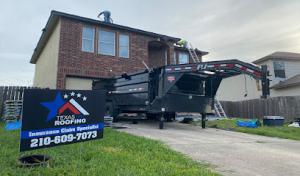
After a hail event or active leaks, the first step is to separate urgency from comfort. In this market, faster response and thorough cleanup often win, but a rushed job can cost you later. Start with a concise exterior check: look for obvious ponding on the roof, missing shingles, dented gutters, and granule loss in the yard. If active leaks are dripping inside, focus on temporary mitigation to minimize interior damage while you compare bids. Local homes typically feature steep pitches and mixed materials, so note whether your roof is asphalt, tile, or metal, since that affects repair options and scheduling.
The Converse storm-repair scene skews toward re-roofing rather than specialized restoration. That means many crews can handle panels and shingles quickly but may differ in cleanup thoroughness and project sequencing. Prioritize roofers who demonstrate a track record of finishing promptly after a hail event and who routinely document progress with photos. Ask for recent project references in neighborhoods with similar roof types and exposure. Teams used to sudden demand tend to work with a reliable crew rotation-confirm who will actually be on your job and who handles the key milestones.
Because storm recovery hinges on claim progress, ask early who will manage the documentation and inspections tied to the claim. A competent roofer should provide a clear path for filing damage reports, recording mitigation steps, and coordinating any follow-up inspections. Make sure the contractor commits to sharing the documentation with you promptly and to arranging access for any adjuster visits. In practice, you want a single point of contact who can translate the insurer's requirements into a realistic line-by-line work plan.
Be wary of someone pressuring a quick start without a detailed, written plan. If a crew leaves debris behind or promises a two- or three-day finish on a large roof, push for a staged schedule and a cleanup checklist. Confirm access rules for after-hours leaks and protect landscaping from ladders and materials. In this neighborhood, a steady, documented approach often leads to fewer call-backs and smoother claim reconciliation.