
Last updated: Apr 19, 2026
Spring hail events in this area can slam neighborhoods in a matter of minutes, throwing roof integrity into rapid question. The heat and bright sun that follow hail waves dry rapid wear on shingles, flashing, and edge metal, making quick assessments essential. The moment hail stops, your roof is not "just old or new"-it is a mosaic of possible damage, from bruised asphalt to lofted granules and dented metal panels. If a storm rolls through, the priority is to identify whether active leaks exist, whether gutters and downspouts show impact, and whether shingles have lifted or curled. A rushed call to a trusted local roofer with hail-darden experience helps prevent second-story water intrusion when afternoon thundershowers return.
Cibolo sits in the hail- and wind-prone San Antonio metro insurance environment, so roof replacements often begin with storm documentation rather than age alone. After a significant hail event, gather clear, dated photos from ground level, attic space, and up close to each area of concern. Track the different roof planes, vents, and skylights; a small dent in a dryer vent can become a leak if left unaddressed. Take wide shots to show the overall condition, then zoom in on shingle edges, hail hits, and any granule loss. If there is any interior staining, capture ceiling and attic photos with timestamps. This documentation is not a luxury-it is the first objective record inspectors and adjusters will compare against wear patterns from prior years.
Texas insurers commonly expect detailed photo documentation and may scrutinize wear-versus-storm damage, making same-week documentation especially important after hail events. When a storm hits, you should plan for rapid triage: file initial claims promptly, arrange a preliminary roof evaluation within a few days, and ensure photos are organized by roof surface, windward exposure, and any shadowed areas that can hide hidden damage. Delays can create questions about cause and timing, which complicate claims and slow work. A tight photo log helps demonstrate an objective sequence: hail strike, visible damage, and resulting leaks or failed flashing.
Begin by contacting a local roofer who understands the San Antonio metro insurance environment and can mobilize quickly after a storm. Request a same-week inspection focused on hail impact rather than age. Have the roofer photograph all suspected problem areas from multiple angles, including undersides of roof sheathing if accessible from attic space. If there are temporary repairs, ensure you document the time and materials used; this helps establish a clear narrative for the adjuster. Maintain a simple folder of all communications, photos, and notes with dates. Your goal is to create a concise, compelling timeline that aligns with the insurer's expectations and minimizes gaps.
In neighborhoods across this corridor, crews can become booked quickly after a hail event. Plan ahead by identifying a few trusted contractors who can start inspections within days rather than weeks. If temporary patches are applied to prevent leaks, verify that the patches are secure and visually documented; temporary fixes should be accompanied by a plan for a full replacement if warranted. Prioritize coverage of the most vulnerable roof areas first-high-visibility front-facing slopes and any sections displaying curling shingles or dented metal-so that internal damage does not outpace exterior observations.
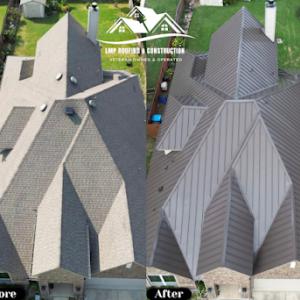
LMP Roofing & Construction
718 Foxbrook Way, Cibolo, Texas
5.0 from 41 reviews
LMP Roofing and Construction is a roofing contractor in Cibolo, serving Schertz, Selma, New Braunfels, and nearby areas. Our roofing company offers residential roofing, commercial roofing, roof repair, asphalt shingle roofing, metal roofing, and more. We also specialize in siding, gutter, and window services. Customers love us because of our comprehensive roof warranties and affordable roof financing options. We also have industry affiliations and certifications such as GAF. If you want to experience how your most trusted Cibolo roofing company embraces our motto, “Building Friendships One Roof at a Time", call us now for a free estimate!
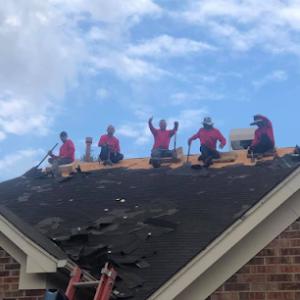
Monumental Roofing Services
(830) 837-4417 awesomeroofer.com
800 Schneider, Cibolo, Texas
5.0 from 13 reviews
Looking for a reliable roofing contractor in Cibolo? Monumental Roofing Services is your top choice! As the local roofing company, we specialize in all types of roof replacements and repairs, ensuring your home stays protected from leaks and storm damage. Whether you’ve noticed a leak or suspect hail damage, our skilled team is here to help. Trust us to provide fast, dependable service tailored to your needs. Don’t wait—reach out to Monumental Roofing Services today for care and a roof you can rely on!

Catalano Enterprises
(210) 945-7282 www.facebook.com
106 S Main St, Cibolo, Texas
3.4 from 41 reviews
At Catalano Enterprises, we are a licensed and insured general contracting company specializing in roofing in Cibolo, TX. For more than 30 years, we have been performing a variety of home remodeling and restoration projects. We're small enough that we can focus on the needs of your individual project yet large enough to complete sizeable jobs for your home efficiently and on time. Our quality of work is what sets us apart from our competition as we strive for perfection in every job.
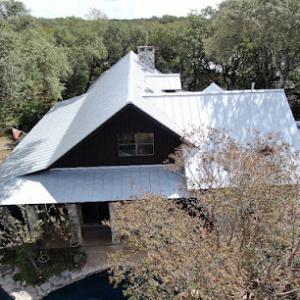
Magnolia Roofing & Restoration
(210) 598-9379 www.magnoliarestorationtx.com
Serving
5.0 from 197 reviews
Magnolia Roofing and Restoration is a premier roofing and restoration company provides expert residential and commercial roofing services across San Antonio, Austin, and surrounding areas, with a strong focus on New Braunfels and Hill Country Communities. We specialize in roof installations, repairs, and storm damage restoration, using top-quality materials for lasting protection. We also assist with insurance claims, ensuring a smooth process from start to finish. Our team is dedicated to excellence, integrity, and customer satisfaction. From homeowners to property managers and business owners, we provide tailored solutions to protect and enhance your investment. Contact us today for a free evaluation and experience the MagPro difference!
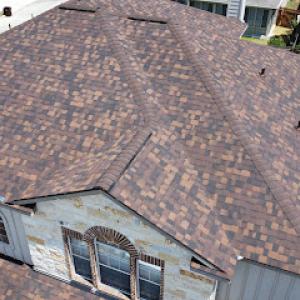
SoTex Roofing & Exteriors
(210) 858-8880 www.sotexexteriors.com
Serving
5.0 from 49 reviews
For impeccable quality and first-class customer service, SoTex Roofing should be your first choice in roofing contractors for your home or business. Located in Cibolo/ Schertz, we have earned our reputation for providing a seamless roofing experience, from repair and replacement to assisting with wind or hail damage insurance claims. Known as San Antonio's Premier Local Roofing Professionals, SoTex Roofing goes above and beyond to ensure excellence in every job, making them the one-stop-shop for all your residential, commercial, and property management roofing needs.
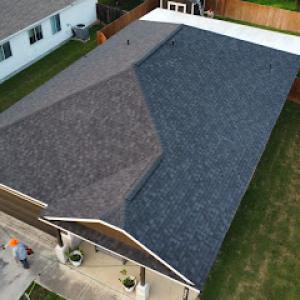
CTR Discount Roofing
(210) 998-1550 ctrdiscountroofing.com
Serving
5.0 from 64 reviews
TRUST A DEPENDABLE TEAM FOR ROOFING WORK Count on our roofing contractor in Schertz, TX *second location just opened in round rock, Texas! Your roof is an essential part of your home that protects your entire property. Whenever you notice damage on your roof, you'll want a professional to address it. CTR Discount Roofing is a professional roofing company in Schertz, TX, serving all of San Antonio, We'll manage your project from start to finish and leave behind a sturdy roof. Schedule your roofing services by emailing us today.
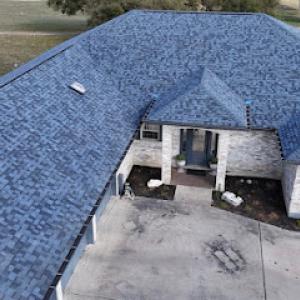
Live Oak Roofing - San Antonio Roofing Company
(210) 460-8896 www.liveoakroofs.com
Serving
5.0 from 74 reviews
Locally owned roofing company serving San Antonio and surrounding areas with expert roof repair, roof replacement, storm damage repair, and hail damage inspections. We specialize in asphalt shingle roofs, metal roofing, leak detection, and insurance claim assistance. Our team understands South Texas weather and provides honest inspections, detailed estimates, and high-quality workmanship built to last. With years of hands-on roofing experience, we deliver fast response times, clear communication, and dependable results homeowners can trust. Free roof inspections in San Antonio.
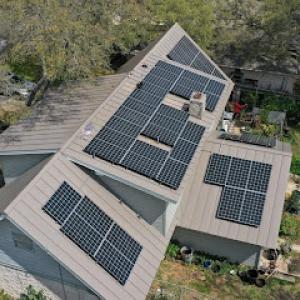
D&D Contracting
(210) 907-6100 ddtxcontracting.com
Serving
4.9 from 50 reviews
Family owned roofing company, with a focus on high quality workmanship and top notch customer service. This roofing company services residential and commercial; metal, tile, and shingle roofs. We also work with insurance carriers, insurance claims, brokers, property managers, and real estate agents and their clients.

Yuras Roofing Company
(210) 651-9249 www.yurasroofing.com
Serving
4.8 from 151 reviews
Yuras Roofing Company is a family-owned and operated business for commercial and residential roofing in San Antonio. Our 70-year history of personal attention, superior craftsmanship, and fair pricing starts with a free on-site estimate and is backed by a 5-year warranty. We install all types of composition and laminated shingles, metal roofing, TPO, and more. Gutters, ventilation, and insulation are also available. We are licensed, bonded and fully insured.
Walton Roofing
(210) 585-2537 waltonroofingtx.com
Serving
4.9 from 85 reviews
Walton Roofing is a family-owned and operated roofing company building Texas Tough Roofs since 1961. We are serving San Antonio and nearby areas with offerings related to the lifetime warranty. Your trusted San Antonio roofing contractor has decades of expertise on full roof replacements or repairs. We also have highly knowledgeable roofing experts out to perform a complimentary roof inspection and they will let you know the options moving forward. With years of trustworthy roofing, better call Walton Roofing for a free estimate!
Heartland Roofing & Construction
(830) 964-5505 www.heartlandroofingandconstruction.com
Serving
4.9 from 210 reviews
Heartland Roofing and Construction, based in New Braunfels, Texas, proudly serves the Greater South and Central Texas area. We specialize in residential roofing, roof inspections, storm damage repair, metal roofing, and gutter services, including seamless gutters and installations. Our expert team also handles attic ventilation, flat and low-slope roofs, composition roofs, roof replacements, and maintenance. Whether you're dealing with hail, wind damage, leaks, or need storm restoration, we deliver quality craftsmanship and trusted solutions. Visit our website or call today to schedule a consultation. We guarantee 100 percent satisfaction in all that we do. We provide free estimates and are licensed, insured, and master-elite certified.
StoneHouse Roofers
(210) 972-8398 stonehouseroofers.com
Serving
5.0 from 69 reviews
Replacing or repairing a roof can be one of the biggest, most stressful decisions a homeowner has to make. - We get it! As a homeowner dealing with a leaky damaged roof, the last thing you need is a contractor that you can't trust. When it comes to something as critical as your roof, you deserve to go with a contractor that has clear communication, follow-throughs, cleanliness & good quality of work. At StoneHouse Roofers, we know roofs and we know how to take care of our customers. At the end of the day, our goal is to give our customers better value for their money & make sure that they are happy with the customer experience. We really stand behind that.
Cibolo's hot, sunny summers can slow a crew and push work into a slower rhythm. The heat makes high-output tasks more tiring and can affect shingle handling, nail setting, and asphalt's weathering. Homeowners often plan full replacements for cooler, drier periods when crews can maintain a steadier pace without the risk of heat-related delays. On a typical July or August week, shade-protected parts of the roof and skylights become focal points-workflows adjust to the sun's arc, and crews may shift to non-peak hours to stay comfortable. This local pattern means finished projects tend to align with a window where long, uninterrupted days can be sustained without forced slowdowns from heat stress.
The mild winters here usually keep the roofing season open longer than colder regions, but occasional winter cold fronts can still interrupt exterior work. When fronts sweep through, temperatures dip, dew forms, and some sealants or underlayment conditions change enough to pause progress. In practice, that means a cold snap can pause a crew mid-strip or slow adhesive-based tasks for a day or two, especially if nocturnal cooling causes dew to linger on the roof at work start times. Planning around these interruptions means building a few contingency days into the project timeline, particularly for a high-demand season that can quickly cascade into back-to-back hail-related repairs.
In this market, replacement timing is often a tradeoff between post-hail demand spikes in spring and better installation conditions outside peak summer heat. After a hail event, homeowners may pursue swift replacements to restore the roof and mitigate further interior risk. That demand spike can strain crews and suppliers, introducing scheduling pressure and tighter windows. Conversely, aiming for installation in cooler shoulder seasons reduces heat-related slowdowns but risks competing with a crowded post-hail queue. The practical approach is to benchmark two favorable windows: late spring just after hail season winds down and early fall when overnight temperatures drop and daytime heat remains manageable. This approach tends to yield consistent progress while minimizing weather-induced standstills and material handling challenges.
When you anticipate a full replacement, coordinate with the contractor to identify a start date that avoids the hottest weeks but still sits after spring hail activity. Ask for a clearly defined daily work rhythm that accounts for heat: scheduled breaks, hydration plans, and reflective temporary shade or ventilation for attic and eave areas. For homes with complex rooflines, confirm that crew members have access to safe staging zones and that ladder placements respect surrounding landscaping and shade patterns so interior rooms stay as unaffected as possible during the install. If using metal or tile, discuss how heat can affect expansion and contraction and ensure fasteners and underlayment are chosen to accommodate Texas temperatures without compromising warranty expectations. Planning with these considerations helps ensure a steady pace that respects both the climate and the neighborhood's typical demand cycles.
Get a clear picture of your project costs upfront - no commitment required.

LMP Roofing & Construction
718 Foxbrook Way, Cibolo, Texas
5.0 from 41 reviews
Live Oak Roofing - San Antonio Roofing Company
(210) 460-8896 www.liveoakroofs.com
Serving
5.0 from 74 reviews

The dominant replacement mix here includes asphalt shingles, metal roofing, clay tile, concrete tile, synthetic/composite shingles, and slate. In this corridor along I-35, intense sun exposure and hail risk shape what roofs endure best over time. Impact resistance, heat handling, and repairability matter more than in milder Texas markets, so choosing a roof that can stand up to both high daytime temps and sudden hail is part of a smart home investment. Tile and slate options bring durability and heat performance, but storm repairs and underlayment can be more specialized than standard shingle work, so plan for experienced technicians when a storm hits.
Asphalt shingles remain the most familiar option for many homes in this area, offering straightforward repair paths and reliable performance under frequent hail events when installed with proper underlayment and impact-resistant shingles. Metal roofing adds longevity and excellent hail resistance, plus outstanding heat dissipation on bright Texas days. If choosing metal, look for a finish with a cool-oxide or reflective coating to help curb attic heat. The best approach is to pair either option with a high-quality underlayment system and attic ventilation that works with your attic space to reduce cooling loads during peak heat.
Clay tile and concrete tile provide standout durability and naturally high thermal mass, which can help regulate attic temperatures in the heat of summer. Clay tile tends to excel in hot, sunny exposure and can resist hail when installed with proper nailing patterns and reinforced battens. Concrete tile often offers greater impact resistance and a broader range of profiles. In this climate, the weight of tile is a consideration, so structural assessment is essential. Both tile types benefit from roof deck protection and a modern underlayment that resists moisture infiltration and wind-driven rain during storm events.
Synthetic or composite shingles can mimic natural products while offering improved impact resistance and lighter weight, which can simplify installation on existing structures. Slate delivers superb durability and a refined aesthetic, with excellent heat performance, but requires careful assessment of roof structure and precise installation. For both synthetic composites and slate, ensure the crew has experience with hail repair and the corresponding underlayment and flashing details to prevent localized failures after a storm.
With Cibolo's heat and hail dynamics, correct fastener patterns, impact-rated underlayment, and roof venting become non-negotiable. Roofing projects during the hottest months should align with peak heat windows to minimize asphalt shingles becoming brittle and to reduce crew heat exposure. A well-planned sequence, particularly for tile and slate, helps keep homes weather-tight during long repair timelines, while ensuring interior comfort remains stable through the hottest part of the year.
In Cibolo, the typical roof replacement costs align with the following per-square ranges: asphalt shingles from 250 to 550 USD, metal roofing from 600 to 1100 USD, clay tile from 1000 to 2800 USD, concrete tile from 800 to 1800 USD, synthetic/composite shingles from 300 to 650 USD, and slate from 1000 to 2500 USD. These figures reflect the mix of entry-level asphalt systems and higher-cost tile or slate installations that are common in the area. When planning, expect the lowest prices on simple asphalt jobs and the highest on tile or slate, especially if the project includes pattern work or underlayment upgrades.
Cibolo costs can rise after spring hail because regional storm activity tightens labor availability and extends scheduling across the northeast San Antonio market. If a hail event occurs, you may see longer lead times for materials and crews, and prices can creep upward as demand outpaces local capacity. The timing shift matters most if your project needs to start before the peak storm season ends or if there's a compression in the contractor's calendar due to prior emergency work. Planning a head start with a clearly defined scope can help mitigate last-minute price bumps.
Material selection has outsized influence on total project cost in this market. The local roof mix spans affordable asphalt to high-cost tile or slate, which require specialized labor. Asphalt remains the most budget-friendly option, but heat and hail cycles can accelerate wear, making a proven underlayment and proper ventilation essential regardless of material. If choosing tile or slate, expect higher up-front material and installation costs, but also longer service life. For slate, ensure the crew has slate experience, as improper handling can crack tiles and threaten long-term performance.
Begin with a conservative budget that accounts for potential hail-related delays and material surcharges. If you anticipate insurance involvement, compile a record packet that aligns with typical hail damage documentation used in this market, since timing often intersects with claim processing. When comparing bids, weight not only the price per square but also crew experience with the chosen material, expected lead times, and the contractor's ability to coordinate under this market's spring-to-summer demand. A well-documented scope helps keep the project on track and minimizes surprises once work starts.
Don't let upfront costs delay a critical repair - these contractors offer payment plans to fit your budget.
LMP Roofing & Construction
718 Foxbrook Way, Cibolo, Texas
5.0 from 41 reviews
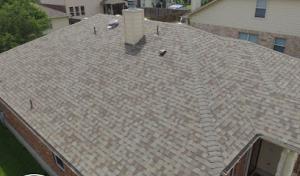
A full re-roof in Cibolo typically requires a permit through the City of Cibolo Development Services. This isn't just a box to check; it shapes your project timeline and the way repairs are documented for insurance and code compliance. The permit process starts with an application that describes the scope of work, materials, and the anticipated start date. The outcome sets expectations for required inspections and any conditions the city may attach to ensure a safe, weather-resilient roof once the heat and hail cycles move through the neighborhood. If the project involves an extensive replacement or unusual roof geometry, plan on extra scrutiny, especially where existing structures tie into roof penetrations, venting, and drainage.
The local process generally involves permit application submission, project-stage inspections, and a final building or occupancy inspection after completion. During a re-roof, inspections are not a single check at the end; they occur at key milestones to verify installation aligns with approved plans and code standards. Expect at least one rough-in or mid-roof inspection as materials are installed, fasteners and underlayment are laid, and flashings are secured. A final inspection confirms the work is complete, the roof is watertight, and the structure meets wind, heat, and drainage requirements common to this corridor. Missing or delayed inspections can stall the project, potentially triggering calendar-shifting penalties or rework.
Depending on scope, contractors working in Cibolo may need contractor registration and may also have to provide plan review materials. Registration demonstrates the pro's compliance with local licensing, safety practices, and insurance requirements. Plan review materials-such as roof layout drawings, material specifications, and substrate details-help the city verify that the chosen roof system is suitable for the climate, especially under hot summers and hail exposure. If a contractor asks for changes after the plan review, address them promptly to avoid inspection delays. A diligent approach to the permit and inspection sequence reduces the risk of weather- or hammer-time disruptions that can compound with Texas heat and storm patterns. Be mindful that weather windows in late summer can compress schedules, making timely inspections and clear communication with the city and your contractor even more critical.
A severe storm in the I-35 corridor tends to change the pace of insurance work. When hail hits, expect adjusters to focus on acute damage photos-close-ups of hail impact, lifted or curling shingles, and attic moisture indicators-with dates clearly shown. Insurers serving this area often request documentation that separates storm damage from age-related wear, and that distinction can swing what's recoverable. The contrast between what's visibly damaged and what's simply worn matters for the claim narrative and the final scope of work.
Peak storm months bring longer timelines from adjusters, which can cascade into contractor scheduling challenges and material access delays. You will benefit from a clean, organized file of communications and third-party assessments, plus photo logs that show the progression of conditions from the first report to the final inspection. If leaks or attic staining appear, document them promptly; inconsistent records can complicate negotiations between the roof, the insurer, and the contractor you select.
After a storm, wind mitigation factors can shift the replacement discussion. Features that reduce vulnerability-underlayment quality, hip roof configurations, and venting-may influence what work the insurer views as necessary beyond cosmetic updates. When you talk through scope with a contractor, anchor decisions in verifiable wind-event observations rather than age alone. A careful, fact-based approach to mitigation not only strengthens protection against future hail and wind, but also aligns with insurers' expectations for a covered, durable roof.
The long, bright days of peak summer in this area put steady, intense UV exposure on residential roofing. Exposed surfaces-especially asphalt, wood, and lighter metal finishes-can age faster, leading to brittle edging, accelerated granule loss, and premature fading. For lower-grade systems, this stress compounds existing vulnerabilities, shortening expected life if protective coatings or sealants aren't maintained. In practical terms, inspect for curled edges, softened shingle tabs, or fading color bands after the hottest months. Schedule timely reseal or re-coating where recommended by the material manufacturer, and prioritize maintenance on the south-facing slopes that bear the brunt of afternoon sun.
Spring hail in this corridor can leave hidden dings or microcracks that don't leak right away, particularly on asphalt and metal roofs. Local homes often show subtle bruises, small punctures, or tiny hail marks that become symptomatic after rain or thermal cycling. The key is a careful post-storm inspection even when you don't see active leaks. Look for soft spots, granule loss in shingles, or denting on metal panels and fasteners. If a quick visual scan raises questions, bring in a roofing professional for a targeted probe-early identification saves you from bigger issues later and helps you document storm impact for insurance review.
Tile and slate systems handle heat well, but impact damage from storms tends to be localized. Cracked tiles or broken slates don't always compromise adjacent sections unless underlayment or deck protection is compromised. In Cibolo's climate, a measured repair of the affected area can preserve the rest of a tile or slate roof and maintain the system's overall performance. When repairs are needed, ensure the repair scope includes matching color and profile, proper underlayment checks, and secure reattachment to prevent future uplift in high winds.
Given the combination of heat, UV exposure, and occasional hail, a proactive inspection cadence matters. After severe weather, conduct a thorough roof check or hire a local professional who understands common failure patterns in this market. Keep gutters clear so water and granules aren't redirected to vulnerable edges, and address missing or damaged flashing promptly to avoid moisture intrusion around penetrations. Regular maintenance focused on these local stressors helps extend performance across your roof's remaining life.
Find contractors experienced in skylight installation, flashing, and leak repairs to bring natural light into your home.
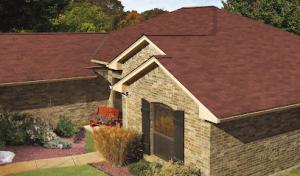
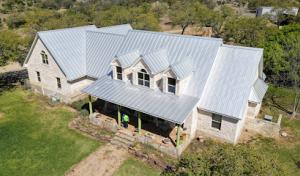
In Cibolo, homeowners tend to value a contractor's ability to respond quickly, finish a thorough cleanup, and demonstrate solid re-roofing experience over niche luxury specialties. When a storm rolls through the I-35 corridor, the market tightens fast, and the best choices are teams that can mobilize, protect, and restore without drama. Look for firms that repeatedly advertise rapid on-site assessments, clear cleanup promises, and proven re-roofing projects in similar neighborhoods.
The local market includes many storm-focused contractors who lean on inspections, claims help, and rapid scheduling after weather events. A reputable roofer will walk you through the hail-driven damage indicators you should expect in this climate and help you document findings for insurance if you pursue a claim. Expect a thorough, no-nonsense point-by-point assessment, written notes you can share with your adjuster, and a realistic timeline for each stage of the project.
Established, family-owned, and residential-focused firms all have a visible presence in the area, giving you real choice between scale, tenure, and service style. Large crews can offer fast schedules, while smaller firms may provide closer, hands-on communication. Decide what matters most: guaranteed on-site supervision, consistent crews, or a single point of contact. In practice, you'll do best with a company that can balance steady communication with dependable, timely execution on roofs similar to your home.
Visit a few nearby job sites if possible to see how clean a site looks during the workday. Ask for homeowner references with projects completed after hail events in neighborhoods like yours. Confirm that the crew has experience with the same roof type you own, whether asphalt, metal, tile, or specialty materials common to Cibolo homes. A reliable roofer will provide a clear, written plan for weather-related delays and a realistic sequence of work from start to finish.