
Last updated: Apr 19, 2026
In spring, Statesville homeowners contend with rapid thunderstorm development and pockets of hail that can punch up shingles in minutes. Fall brings tropical-storm remnants that can drift through the Piedmont, leaving residual moisture and curling or lifting edges on shingles. Humid subtropical weather means you'll often see the best window for roof work in the shoulder seasons-spring or fall-when the heat is manageable and steady rain is less likely to stall progress. Rushing into a full replacement during a sudden summer squall invites damaged underlayment, blown-off shingles, and the need for rework. The clock is real: a single heavy storm can push a project behind by days, and successive storms compound the delay, especially on reroofs that require tear-off.
When a storm hits, your first move is to document the damage promptly and clearly. Take wide-angle footage of the entire roof line, then close-ups on any lifting shingles, granule loss, dented vents, or visible tears around penetrations. In this climate, hail can leave the telltale bruising on metal flashings and around ridge vents even if the surface looks only lightly damaged. Prioritize areas with exposed underlayment or visible gaps, as those are the spots most susceptible to water intrusion once rain resumes. If active leaks appear inside the attic or ceiling, address them immediately by placing a tarp strategically to channel water away from electrical and living spaces until repair crews can access the roof. In a Statesville home, the weather pattern means that a timely assessment-ideally within 24 to 48 hours after a storm-helps keep the rest of the project on track and reduces the risk of hidden damage.
Full re-roofs in this area hinge on dry spells that allow tear-off and replacement to move smoothly. Expect some flexibility: even a mid-range dry spell can disappear with the next passing front. Plan for a sequence that accounts for back-to-back storm chances during peak-season rainfall periods. Your window for sequencing is not just about one good dry day; it's about multiple consecutive days with low dew points, intermittent sun, and calm afternoons. If you detect moisture lingering in attic spaces after a storm, treat it as a red flag that requires roof deck inspection before shingles go back on. Delays aren't just inconvenient-they can jeopardize decking integrity and the life of the new roof's warranty if moisture exposure is prolonged during installation.
Inspection timing matters because inspectors often align visits with favorable weather and crew progression. In this area, expect inspections to cluster after several dry days in a row, when crews have completed tear-off and initial deck prep. A clear, staged plan helps avoid backtracking: once the roof is stripped, decking must be checked for damage before new underlayment and shingles are applied. If a storm interrupts, coordinate a rapid resumption plan with the contractor so that exposed areas aren't left vulnerable for longer than necessary. Keep communications precise: confirm the expected inspection date, the anticipated weather window, and any contingency steps if rain returns sooner than forecast. The standout guideline remains simple-act quickly on damage evidence, protect interior spaces, and align your sequence with the natural lull in Statesville's storm calendar to minimize risk and maximize a solid, long-lasting roof.
Storm season in this area brings frequent wind-driven and hail events that can mess with a roof more quickly than most homeowners expect. The weather window for roof work is often narrow because afternoon thunderheads roll up from the Piedmont and roll out just as fast, leaving crews fighting deadlines and wet conditions. For homes in Statesville, plan for a window where gusty winds and sudden downpours don't derail a repair or replacement. If a storm hits hard, you may find contractors stretched thin, and delays can cascade into scheduling conflicts with your insurer's preferred timing. The practical takeaway is to align roofing work with reliable dry stretches and to have a plan for temporary protection if a wind-driven leak crops up during a weather lull.
North Carolina's roofing insurance environment reinforces the reality that documentation is your best defense when a claim is filed after a storm. Before any work starts, you should gather clear, dated photos showing the roof's condition both before and after any intervention. In Statesville, adjusters frequently request before-and-after roof images along with proof that underlayment and ventilation upgrades were installed or updated during the replacement. If your roof is being replaced, expect questions about attic ventilation, ridge vents, soffit intake, and overall airflow. Having a concise photo log and labeled diagrams of any upgrades makes it much easier to tell the story of what was done and why, which speeds the claim review and reduces back-and-forth with the carrier.
Adjusters in this market often cross-check estimates against the scope of work and the specific features of your roof system. In practice, that means you should be prepared to demonstrate that the replacement addresses not just shingles, but the entire roof system-underlayment, drip edge, flashing, and proper ventilation. Carriers vary by insurer and region, so policies and requirements can differ meaningfully from homeowner to homeowner. That variability can translate into different documentation requests, preferred upgrade paths, or even whether a full tear-off is deemed necessary. Being proactive about resilience-ventilation improvements, attic insulation, and a solid drip edge-can influence how an insurer views a claim and what gets approved for coverage.
Start by compiling a simple, dated record of storm impacts: photographs from multiple angles, notes about any leaks, and a concise description of damage you observe in the attic or eaves. When you meet with an adjuster, walk them through the roof system as a whole, not just the visible shingles. Point out any upgraded underlayment, updated ventilation, or additional防 moisture controls you've installed, and reference code-compliant details you've chosen with your contractor. Keep a single, organized file (digital and paper copies) of receipts, visuals, and contractor communications. In Statesville, the combination of storm-driven weather patterns and region-specific carrier practices means this organized approach isn't optional-it's essential to avoid gaps that can stall approvals or force costly delays.
Connect with contractors who help homeowners navigate the claims process from damage assessment to final approval.
Providence Roofing Statesville
(704) 883-6052 www.providenceroofs.com
1544 E Broad St Ste 109, Statesville, North Carolina
5.0 from 230 reviews
Knox Roofing & Restoration
437 Summit Ave, Statesville, North Carolina
4.9 from 134 reviews
Paramount Roofing Systems
(828) 855-1908 www.paramountroofingsystems.com
2515 W Front St, Statesville, North Carolina
4.8 from 225 reviews
Providence Roofing Statesville
(704) 883-6052 www.providenceroofs.com
1544 E Broad St Ste 109, Statesville, North Carolina
5.0 from 230 reviews
In the heart of Statesville, nestled among rolling hills and charming neighborhoods, you'll find Providence Roofing Statesville, a beacon of excellence in the roofing industry. Established in 2020, this veteran-owned and operated company has emerged as a leading provider of captivating roofing solutions for residential and commercial clients. Their dedication to quality, coupled with their commitment to exceptional customer service, has earned them a reputation as the protector of homes and businesses throughout Statesville, Iredell, and Rowan Counties. With Providence Roofing Statesville, you can rest assured that your property is adorned with a durable and aesthetically pleasing roof that stands the test of time.
Knox Roofing & Restoration
437 Summit Ave, Statesville, North Carolina
4.9 from 134 reviews
My name is John. I am the owner of Knox roofing. I was born and raised in Statesville. I have been in the roofing business since 2004. We can do any job large or small. We install shingles, metal, And all flat roof systems (EPDM “rubber”,TPO, and PVC). I carry workman’s comp and general liability insurance. I have the best group of guys working with me. I do very little advertising and work primarily from word of mouth. I truly enjoy Roofing and working for the community I grew up in. I stay very busy but try to stay in touch with my customers. I also try to be quick to get back to anyone needing an estimate or information. I stay local and feel confident that any customer’s roof I install will give a high recommendation. Thank you
Paramount Roofing Systems
(828) 855-1908 www.paramountroofingsystems.com
2515 W Front St, Statesville, North Carolina
4.8 from 225 reviews
Paramount Roofing Systems specializes in roof replacement and storm restoration services for property owners throughout Statesville, NC; Mooresville, NC; Huntersville, NC; Cornelius, NC; Davidson, NC; and surrounding areas. Our roofing company will always provide the very best materials and personalized customer service. We will also execute our services in a way that exceeds your expectations, time after time. Our customer-first approach to every job means you’re never left in the dark regarding progress or timeline, and we’ll work with you every step of the way to ensure that the job we do lasts and serves you well for as long as possible.
Carolina Roofing Pros
(704) 818-7587 carolinaroofingprosllc.net
218 W Broad St suite 27, Statesville, North Carolina
4.7 from 55 reviews
Established in 2021, Carolina Roofing Pros is a Statesville, NC based roofing contractor specializing in repairs and replacements. They prioritize efficiency and ease for customers, offering free roof inspections and estimates.
JMS Roofing & Sheet Metal
(704) 528-0791 www.jmsroofinginc.com
260 Old Mountain Rd, Statesville, North Carolina
4.5 from 16 reviews
Commerical or Residential roofing, give us a call today.
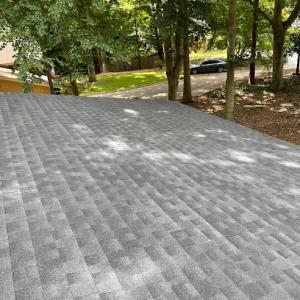
JJ Home Renovation
231 Edgewood Dr, Statesville, North Carolina
5.0 from 4 reviews
JJ HOME RENOVATION Remodeling Roofing
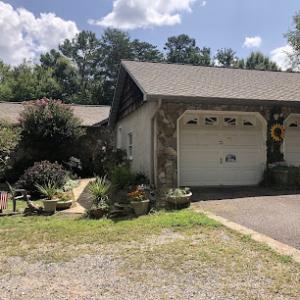
Sammy Waugh Roofing
182 Sharon School Rd, Statesville, North Carolina
5.0 from 3 reviews
Family owned Company for over 25 years in business serving Iredell county
Target Roofing
(704) 594-1317 www.targetroofinginc.com
2608 Eastbrook Ln, Statesville, North Carolina
5.0 from 1 review
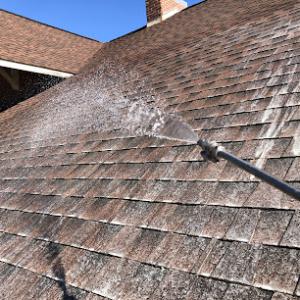
We have vast experience working Natural Slate, Cedar, Davinci Synthetic Roofing, Copper and Standing Seam Aluminum Roofing, Seamless and Half Round Gutters and most methods needed for commercial applications. In addition to these, we also provide Roof Washing, Pressure Washing, Parking Lot Striping and Softwashing services. Contact us now! We want to help you!.
Roof Maxx of Concord, NC
(704) 286-0995 ncroofsavers.com
Serving
4.9 from 60 reviews
Established locally in 2019, Roof Maxx is a licensed roofing contractor serving the Charlotte metro area. They specialize in a variety of roofing services, including replacements, repairs, and rejuvenation treatments. Roof Maxx also assists property owners with insurance claims.
Imperial Construction Group
(704) 654-2515 imperialconstructiongroupllc.com
Serving
5.0 from 137 reviews
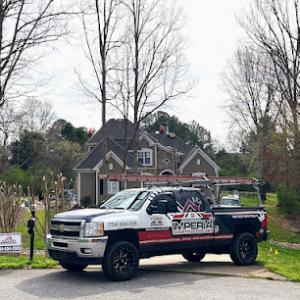
Imperial Construction Group, LLC provides hail/wind storm damage repair services in the Mooresville & N. Charlotte, North Carolina area. We handle roof repair and replacement, seamless gutter installation, and gutter guards. We are insurance claim specialist and will assist you through the process of getting your roof approved with your insurance company. As a veteran-owned and operated business, we're dedicated to providing you with the best property protection possible. No matter how badly your home or business building has been damaged, we'll restore it to its former glory!
American Contracting NC
Serving
4.6 from 11 reviews
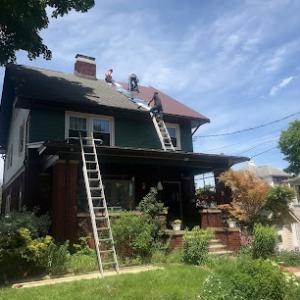
Since 2008, American Contracting NC has been the trusted name in Statesville for reliable roofing and general contracting services. We bring expertise and dedication to every project, ensuring quality craftsmanship and customer satisfaction. When you need a professional touch for your home or business, choose American Contracting NC to get the job done right.
Eastern Roof Technologies
(704) 663-7521 easternrooftech.com
Serving
4.8 from 87 reviews
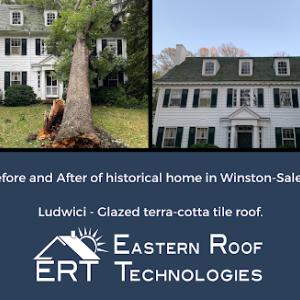
Eastern Roof Technologies: a licensed (NC GC Lic. 101149) roofing contractor serving Mooresville, Charlotte, Hickory, Concord, Denver & surrounding areas. We offer roofing services that include: roof repairs, roof replacements, roof installations. Roofing types include: asphalt shingle roofing, copper roof installation & standing seam metal roofing. We offer seamless gutters & several different types of gutter guards. We provide roof inspections, storm damage inspections & insurance claims assistance. We include a 10 year warranty with all roof installations. We also offer additional exterior renovations services to include: siding replacement, siding installation, exterior painting, & chimney caps. We look forward to serving you soon!
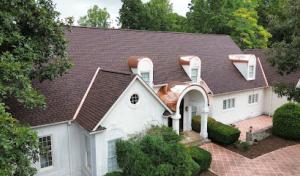
Asphalt shingles are the dominant choice in Statesville, and for good reason. They install quickly, work well with the humid summers, and stack up nicely against typical North Carolina storms. In this market, you commonly see asphalt products paired with a solid underlayment and proper attic ventilation to address heat buildup and humidity. The key practical note is that the local heat, humidity, and storm cycles can shorten service life compared with milder climates. If you're replacing after storm damage or a leak, consider a shingle with a longer warranty and a reinforced nailing area to better resist wind uplift during thunderstorm bursts. When choosing colors, lighter shades can reflect heat and help extend the roof's life in a hot Piedmont summer. For most homes with standard slopes and existing framing, asphalt shingles deliver dependable protection with manageable maintenance.
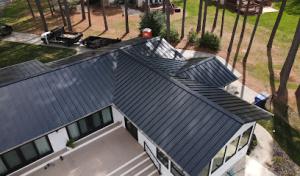
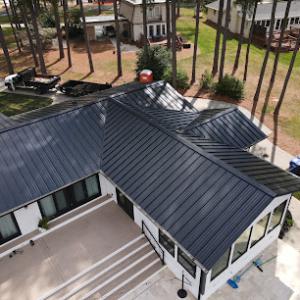
Metal roofing has a strong local presence and is often considered by homeowners looking for better durability against repeated storm exposure. Metal responds well to the constant pressure of spring and summer storms, and its slick surface can shed rain more quickly, reducing the chance of standing water on low-slope sections. In Statesville, metal can be a solid long-term choice when the aim is resistance to wind uplift and quick storm cleanup after a downpour. It is especially practical on homes with exposed fascias or in areas where contractor scheduling frequently compresses installation windows. The installation requires careful detailing around chimneys, vents, and skylights to prevent leaks, but a well-sealed metal system can outlast traditional shingles in this climate when installed by experienced crews.
Tile, wood, and synthetic/composite roofs exist in this market, but their performance and replacement complexity need to be weighed against local humidity, seasonal rain, and installation timing. Clay and concrete tiles bring excellent longevity and a distinct curb appeal, yet their weight and the need for a strong, properly ventilated structure can complicate replacements after storm damage. Wood shingles and shakes bring a traditional look but can be more susceptible to moisture-related issues and mold in high-humidity summers, potentially increasing maintenance. Synthetic or composite options offer versatility and sometimes lighter weight with better resistance to cracking, but installation quality and matching flashing detail still matter. If choosing these, ensure the roof deck is solid, ventilation is adequate, and crews have experience with Statesville-style weather cycles so that installation timing aligns with dry windows and avoids interruption by late-season storms.
In this area, prices tend to sit around the per-square ranges you've seen in local bids. Asphalt shingles are typically the most affordable option, usually landing toward the lower end of the market. If you're comparing against metal, clay tile, or concrete tile, expect those to sit higher, with tile systems at the upper end in the Statesville market. The numbers are a practical guide: asphalt shingles around the low to mid range, with other materials climbing toward the higher end as you add underlayment, ventilation, and insulation enhancements. The ranges you'll hear translate to dollars per 100 square feet (a "square"), so a typical reroof could span several squares depending on your home size and roof complexity.
When a storm passes through and wind or hail hits multiple homes, local demand spikes quickly. In those windows, material and crew availability tighten, and prices can rise beyond the usual ranges. If your neighborhood is chasing crews at once, you'll notice bids that push toward the higher end, or even short-term surcharges to secure a crew. This is especially true after severe events that leave many homeowners needing roof work within a compressed timeframe. If a project is scheduled promptly after a storm, you'll still see materials priced near standard ranges, but labor can pinch your total by a notable margin.
Project timing matters locally because hot, humid summers slow crews and can extend install time, especially with asphalt in damp mornings or late-afternoon heat. Rain delays are common in spring and early fall, nudging timelines and potentially increasing labor costs as crews return to finish. When planning, expect a longer window for a full teardown and replacement in systems that involve heavier materials, such as concrete or clay tile, where add-ons and staging require more scheduling coordination and longer labor days.
If cost is a primary driver, asphalt shingles remain the sensible baseline. If you're aiming for longevity and impact resistance in storm-prone seasons, metal can be a balanced step up, while tile options deliver maximum durability in exchange for higher upfront cost. Consider roof complexity, attic ventilation needs, and wind resistance ratings as you decide. In this market, the material choice will strongly influence the overall project timeline and how the final bill looks when the last shingle is set.
Get a clear picture of your project costs upfront - no commitment required.
Carolina Roofing Pros
(704) 818-7587 carolinaroofingprosllc.net
218 W Broad St suite 27, Statesville, North Carolina
4.7 from 55 reviews
Imperial Construction Group
(704) 654-2515 imperialconstructiongroupllc.com
Serving
5.0 from 137 reviews
Philco Roofing & Remodeling
(704) 389-5051 www.philcoroofingcompany.com
Serving
5.0 from 135 reviews
A full re-roof in Statesville typically requires a permit issued through the Iredell County Building Department rather than a separate city-only roofing office. That means your project is reviewed in the same county system as other major renovations, and the process hinges on approved plans, material verifications, and the code requirements adopted for the county. Understanding this now helps avoid surprises when the contractor pulls permits and lines up inspections.
In most cases, the local process includes an inspection after tear-off and another after the roof replacement is complete. The tear-off inspection confirms that old roofing materials, flashing, and vent installations have been removed to the required depth and that the deck is sound and ready for the new underlayment. The final roof inspection verifies proper installation of underlayment, decking, valleys, flashing, drip edge, venting, and that the roof line and penetrations meet code. Some projects also trigger a mid-project inspection if substantial changes occur or if structural elements are altered. Keeping the inspection milestones clear helps prevent delays when the contractor is scheduling the crew and materials.
Processing and inspection timing can vary, and wet-weather periods in the area can complicate scheduling during busy seasons. The combination of late-spring storms and humid summers can push inspections into tighter windows, especially when a tear-off exposes a roof deck to moisture. Plan for potential weather-driven delays by coordinating with the Building Department and your contractor to lock in tentative inspection dates that allow for a small backup buffer. If a storm front arrives, expect the possibility of rescheduling both tear-off and final inspections; communicate promptly with the inspector's office and the contractor to keep the project moving when safe access and dry conditions are available.
Before work begins, ensure the project scope and any structural changes are clearly documented for the permit set. Confirm who will schedule each inspection and how to access the property for review. Have emergency contact information ready for weather-related setbacks, since rapid shifts in conditions can tighten the approval timetable. If a permit is already active for a nearby home, a courteous heads-up to neighbors can reduce on-site disruptions and help with access when inspectors arrive. By staying proactive, the permit pathway through Iredell County can be navigated with fewer hiccups, keeping a Statesville roof project moving from tear-off to a secure, code-compliant finish.
When storms roll through the Piedmont, shingles can lift at the edges or simply go missing, leaving vulnerable transitions exposed to water and wind-driven debris. In this market, flashing around vents, valleys, and edges often bears the brunt of a heavy gust or a sudden downpour. The result is small gaps that look minor but invite leaks after the next thunderstorm. A quick cosmetic patch may hide the problem temporarily, but it rarely addresses the underlying wind uplift that can worsen with each season.
Humidity in the summer and repeated wet-dry cycles during installation and once under roof use amplify wear on underlayment and basic ventilation details. In practice, this means underlayment and roof deck areas can dry out unevenly, post-storm moisture can linger, and attic air can stagnate if soffit vents and ridge vents aren't properly matched to the house. If a replacement overlooks these airflow pathways, you end up with accelerated deck deterioration and higher risk of condensation-related issues inside the attic or along interior walls.
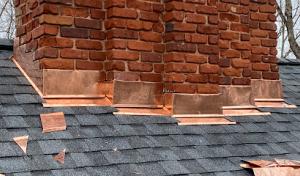
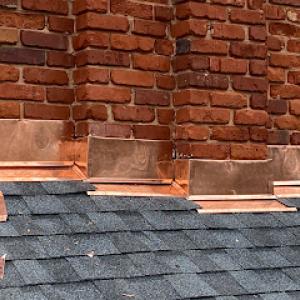
Chimney intersections are a notable local service need, reflecting how often flashing and masonry-adjacent roof details come up in the contractor market. Poorly sealed or mismatched flashing at a chimney can create continuous leakage pathways, especially where brickwork expands and contracts with temperature swings. Beyond the chimney, any cracks around step flashing or counter-flashing invite water intrusion that compromises decking and interior ceilings, particularly after a storm.
Find contractors experienced in skylight installation, flashing, and leak repairs to bring natural light into your home.
Paramount Roofing Systems
(828) 855-1908 www.paramountroofingsystems.com
2515 W Front St, Statesville, North Carolina
4.8 from 225 reviews
Philco Roofing & Remodeling
(704) 389-5051 www.philcoroofingcompany.com
Serving
5.0 from 135 reviews
The local market leans heavily toward re-roofing and storm-response work, so homeowners often hire based on how quickly a company can inspect, tarp, and schedule replacement after a damaging event. In practice, look for a contractor who can be at the home within 24 to 48 hours after contact, provide a thorough on-site assessment, and outline a realistic timetable for tarping and removal if needed. Ask how they manage weather windows and what contingencies they have when storms push roofs offline for days. A clear plan for rapid mobilization helps minimize further interior exposure and wind-driven debris.
Cleanup is a prominent expectation in this market, suggesting homeowners care about post-job debris control as much as installation itself. Verify that the contractor uses marked bags or a secured debris container, commits to daily cleanup during tear-off, and leaves the yard free of nails and shingle shrapnel. Request a final debris sweep and a written promise to address any stray fasteners found after completion. In practice, a responsible crew should remove all scrap, reuse or responsibly dispose of old materials, and ensure driveways and sidewalks are free of obstructions before sign-off.
Statesville-area buyers also see a mix of affordable operators, long-established firms, and a smaller set of manufacturer-certified contractors, which affects how warranties and workmanship assurances should be compared. Look beyond a simple workmanship label: confirm what the warranty covers, its duration, and whether it follows material defects or installation-related issues. Ask for proof of manufacturer certifications, references from similar local homes, and a written plan for addressing warranty work if problems surface after the job.
Begin with a prompt, written estimate that includes a detailed scope, start date, and a contingency plan for weather delays. Request at least three local references and permission to contact them. Confirm the crew lead will be on-site during key phases and that a supervisor will conduct a post-install inspection. Ensure the contract includes lien-release language and a clear warranty statement, plus a defined cleanup checklist you can sign off on.