
Last updated: Apr 19, 2026
The steep slopes and elevation changes around the Plott Balsam and Great Balsam pockets create drainage paths that aren't straightforward. A roof in this area rarely drains as cleanly as a flat-slope city home; water finds odd routes behind valleys, around dormers, and along rakes where hidden channels can trap moisture. In a four-season rhythm, rain can arrive hard and freeze quickly, pushing water under poorly sealed edges and back into the deck. This means every roof line, valley, and transition should be viewed for how moisture moves, stalls, then re-enters the attic or decking during a freeze-thaw cycle.
Waynesville's dense tree cover and shaded lots keep surfaces damp longer than you'd expect. Moss, algae, and leaf buildup aren't cosmetic problems here-they are moisture management hazards. When surfaces stay damp, granule loss accelerates on asphalt shingles, traction is reduced for granule shedding, and flashing components endure longer periods of soak. Slow drying after storms invites mold growth behind shingles and underlayment, which accelerates deterioration. You need to plan for surface drying times, not just rain events, because damp conditions multiply the risk of rot and leaks in the worst spots.
In the mountains, moisture can linger on decked roof planes long enough to freeze and thaw repeatedly. That repeated freezing expands micro-cracks in wood and fasteners, allowing water to penetrate beyond the surface. Once decking absorbs moisture, it can warp, delaminate, or rot, undermining the roof's structural integrity. Flashing becomes especially vulnerable at hips, valleys, chimney gaps, and transitions where water pools or retreats into hidden channels. If leaks aren't detected quickly, the problem compounds through insulation and into interior living spaces, where the damage is twice as costly to repair.
Moisture doesn't just arrive with rain; it travels with warm, inside air rising into the attic. In a wet, freeze-thaw climate, inadequate attic ventilation traps humidity, turning it into condensation on cold evenings and dampness that lingers on roof sheathing. In Waynesville's climate, an airtight-or worse, under-ventilated-attic acts like a sponge. Insulation that's inadequate or poorly installed compounds the issue, letting warm air meet cold roof surfaces and condense, inviting mildew and wood decay behind finished ceilings or in soffits. Proper ventilation paths, baffles, and balanced intake/exhaust airflow become non-negotiable for long-term integrity.
A proactive, local-first inspection approach catches moisture problems before they escalate. Prioritize checking valleys, roof-to-wall transitions, chimneys, dormers, and exhaust vents for moisture intrusion, corrosion, or flashing gaps. Pay close attention to areas with overhanging branches or dense shade, where moisture sits longer and moss thrives. Look for soft spots in decking, staining on interior ceilings, and any suspect staining around penetrations. In a neighborhood of steep, variable terrain, a small leak can propagate along a ridge or into a clipped valley, so don't wait for a visible drip-trust the signs of dampness and increased indoor humidity.
If dampness is observed, address it promptly by clearing debris from gutters and ensuring proper drainage away from the foundation. Inspect for shingle granule loss and ensure flashing around skylights, chimneys, and dormers is intact with no convex gaps that invite water intrusion. Consider annual or biennial professional roof assessments focused specifically on moisture control in shaded, high-rain areas. When planning replacements, choose materials and systems that emphasize moisture management-ventilation, underlayment, and flashing details that tolerate freeze-thaw cycles and maintain dry, durable decks.
Spring and early summer bring frequent heavy rain and gusty conditions that can derail tear-offs and dry-in windows. In this part of the Blue Ridge, the weather pattern often shifts quickly from sunny to stormy, and those moments when gutters and valleys are actively draining can put a pause on roof work. If a crew is counting on a dry stretch to strip and reseal, plan for a few weather breaks and a potential shift in schedule midweek when a cold front moves through. On steep mountain roofs, the combination of rain and wind makes shingle seal-down slower and more prone to lift if decking and underlayment aren't fully dry. For homeowners, it helps to align replacement planning with mid-to-late summer calm spells, but stay flexible because a sudden heavy shower can push a project days or weeks out. In Waynesville, the soil and leaf debris in shaded zones can also retain moisture longer, so even a forecast that looks promising may deliver a damp roof deck once crews start lifting shingles. Expect longer dry-in windows after a late-season cold front passes and temperatures fall into the 60s rather than 70s.
Fall brings a different set of timing hazards. Frequent storms mix with leaf drop, creating a local combination of clogged valleys, wet debris, and hidden flashing problems on mountain homes. Leaf-laden valleys can trap moisture and conceal drainage issues that are critical to proper installation. Before a tear-off begins, anticipate a pre-winter sweep of the roof line to remove debris and check flashing at valleys, penetrations, and along eaves. In steady rain or wind, crews may pause for safety and to prevent moisture from entering living spaces. Plan for a longer dry-in window once winds shift to cooler, clearer days, and don't count on a single long stretch of dry weather between storms. The shaded slopes common to Waynesville walls stay damp longer than sunnier ridgetops, so expect lingering moisture in decks and underlayment after any rain event, which can push seal-down timing later in the season.
Winter freezes and occasional snow slow installation and can affect seal-down timing for shingles. Freeze-thaw cycles create micro-moving moisture in the roof deck that complicates membrane adhesion and shingle seating. On higher elevations around the county, cold mornings with a sun-loaded afternoon can also cause uneven drying. A small amount of deck exposure revealed during tear-off may become a bigger issue once temperatures hover near or below freezing, revealing soft spots or delamination that require attention before progress resumes. When temperatures spike above freezing during the day but dip below at night, moisture in the attic can migrate to the roof edge, challenging ventilation and roof-to-rafters seals. In practice, scheduling during reliably warmer, drier periods reduces risk of shingles not seating properly and minimizes the chance of rework caused by hidden moisture. Prepare for occasional delays into late winter if a cold snap or snow settles on the Blue Ridge foothills, and line up contingency timing with the crew for a smooth transition into spring.
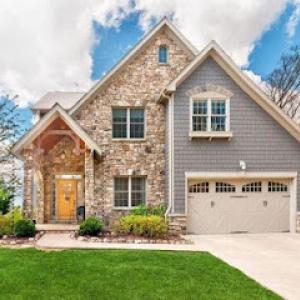
Wester Builders
(850) 508-3625 www.westerbuilders.com
149 Bountiful Ln, Waynesville, North Carolina
5.0 from 11 reviews
General contractor offering roofing, exterior painting, deck staining and installation, bathroom remodeling, log home staining, and more.
King's Roofing
(828) 246-2193 kingshaywood.com
87 Leatherwood Rd, Waynesville, North Carolina
3.3 from 8 reviews
Kings Haywood Construction is your #1 roofing company Asheville. Specializing in new GAF Timberline HD shingle roofing and Best Buy Metal roofing. KHC is deploying roofers in Asheville, everyday, so call now or fill out our form here for a free estimate.
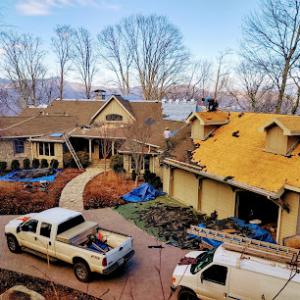
Roof Guy WNC
(828) 508-3232 www.facebook.com
Serving
4.9 from 30 reviews
Got roof leaks? We're "on top of it"! We specialize in full roof replacements, roof repairs, and storm damage insurance claims. A great crew that shows up and works hard. All facets of construction including shingles and metal, skylights and chimney flashing. Serving all of Western North Carolina. Fully insured. References available upon request. Free inspections and estimates.
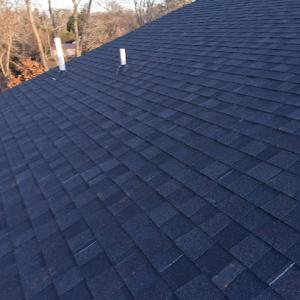
Chris Metal & Shingle Roofing
(828) 593-7088 www.chrismetalandshingleroofingsllc.us
Serving
5.0 from 99 reviews
Established in 1996, Chris Metal and Shingle Roofing has been a trusted leader in residential roofing throughout North Carolina for decades. Specializing in both durable metal and traditional shingle roofing, their expert team provides a full range of services, including meticulous replacements, timely repairs, thorough inspections, and proactive maintenance. Committed to exceptional workmanship and premium materials, they ensure every home receives a long-lasting, reliable roofing solution designed to protect your investment and give you peace of mind.
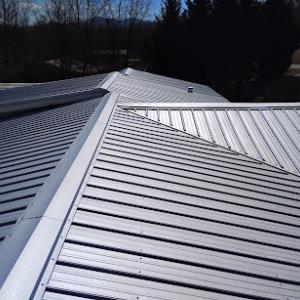
In&Out Roofing
(828) 778-2864 www.chamberofcommerce.com
Serving
4.8 from 36 reviews
Roofing.Over 35 years experience.Speacialize in Metal and shingles.Also metal roofs or metal underpinning on mobile homes,remodeling,painting, decks,vinyl siding,custom built bunk beds etc.Alot more
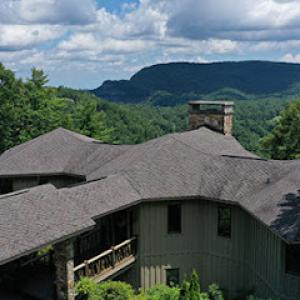
Highlander Roofing Services Sylva
(828) 476-4000 highlandernc.com
Serving
5.0 from 30 reviews
Roofers in Sylva, NC Residential and Commercial Roofing, Re-roofs, gutter repairs, full seamless gutter services Replacements in Sylva, NC We provide solutions for all types of roofs including: Asphalt, Metal, Cedar, and Synthetic.
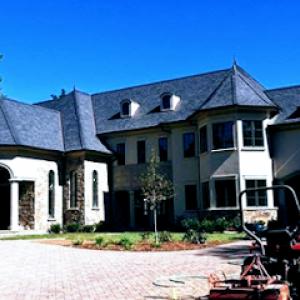
Cm Traber Innovative Roofing
Serving
5.0 from 2 reviews
Industrial/Commercial/Residential Roofing & Repairs. Specializing in all types of Metal Roofing. Fully insured. Design and Consulting Services. Call for free inspections and estimates.
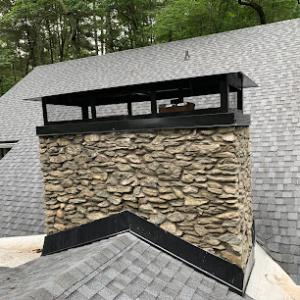
Jd's Roofing & Repair
(828) 301-7912 www.jdsroofingandrepair.com
Serving
4.9 from 83 reviews
We do all types of roofing. Shingles, metal, slate, copper and flat roofing, We also do semi trailer/RV roof coatings
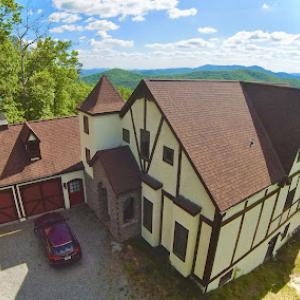
Drew Renovation
(828) 774-6941 drewrenovation.com
Serving
4.9 from 77 reviews
At Drew Renovation, we are your trusted roofing company in Asheville, NC, offering a wide range of exterior home services to protect and enhance your property. Whether you need a roof replacement, gutter installation, or skylight repair, our skilled team delivers quality craftsmanship and exceptional customer care. We proudly serve homeowners in Asheville, including Woodfin, Weaverville, Fletcher, Bent Creek, and Woodside Hills, ensuring their homes are safe and stylish year-round. Our services cater to your specific needs, from storm damage repairs to full renovations. Your satisfaction is our priority—let us help you realize your exterior vision. Call now for your free estimate with Asheville’s local roofing experts!
John McClung Roofing
(828) 658-5646 www.johnmcclungroofing.com
Serving
4.8 from 259 reviews
John McClung Roofing is a local, family-owned roofing company that has been serving the Asheville area since 2004. They specialize in shingle and metal roof replacements, repairs, inspections, and maintenance for residential and commercial properties. John McClung Roofing is known for their quality work, high integrity, competitive prices, excellent customer service, and community involvement and have won accolades like "Best of Asheville" and "Best of WNC"! John McClung Roofing is big enough to take care of your problem, but small enough to care about YOU and not just numbers! Whether you need an entire roof replacement, or just a small repair, when it comes to your roofing needs, WE'VE GOT YA COVERED! Your roof is our reputation!
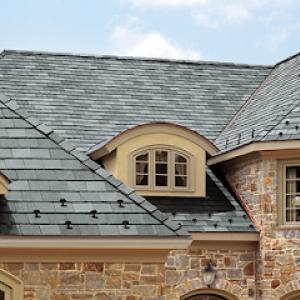
Consolidated Roofing Contractors
(828) 305-7285 hudginsroofing.net
Serving
4.9 from 76 reviews
Consolidated Roofing Contractors, Inc. Formerly known as "Hudgins Roofing" provides Shingles, Metal Roofing, Repairs in the area NC 28748
Secure Roofing
(828) 820-7662 secureroofingwnc.com
Serving
5.0 from 118 reviews
Our team focuses on communicating clearly with clients so we can really understand their needs, which then allows us to offer the best roofing services for their situation. We also take steps to equip and train our team to implement a wide range of roofing, gutter, and siding solutions. Secure Roofing works hard to build this kind of relationship through every service request, whether it’s a small residential or large commercial roofing project. We also encourage you to reach out to us to learn more about our services, guarantees and our process.
Asphalt shingles remain common because they fit the area's broad range of home styles and lower upfront budgets, but hot summer sun at elevation and repeated wet-dry cycling can shorten service life on exposed slopes. On steep climbs where runoff accelerates, asphalt shingles benefit from a high-quality underlayment and proper nailing schedules to prevent cupping or wind uplift. Metal roofing is especially relevant in this climate because mountain runoff, leaf shedding, and snow sliding favor materials that shed water quickly on steep roofs. A standing-seam or rugged exposed-fastener metal system can minimize water intrusion and reduce debris retention on steeper pitches. For homes with older framing or more ornate lines, slate, clay tile, and some heavier premium systems may require closer attention to structural capacity on older mountain homes where framing conditions can vary. If choosing the heavier options, ensure the attic area has ample ventilation and the roof framing has been evaluated for live loads and dynamic movement.
Steep slopes in shaded valleys demand deliberate drainage planning. Ensure gutters and downspouts are sized and pitched to move water away from the roof rapidly, especially after thaw cycles. Leaf shedding from surrounding trees is a constant in this area, so consider wider eaves and debris diverters to prevent clogs that create standing moisture. For metal roofs, consult with the installer about concealed fasteners or panel seals that are resistant to ice damming. On asphalt and synthetic options, a robust drip edge and ice/water shield at transitions and along eaves reduces moisture intrusion during freeze-thaw cycles. Proper slope and flashing in areas where roof planes meet walls, chimneys, or dormers is crucial to prevent capillary action that draws moisture into the attic.
A breathable, high-performance underlayment paired with a well-sealed ridge vent system helps manage condensation that forms in cooler months. In mountain environments, moisture can migrate from crawlspaces or concrete slabs into roof decks; install a continuous ventilation path from soffit to ridge, and verify baffles maintain clear airflow above insulation. On steeper sections, consider a self-sealing underlayment with UV resistance for sun-exposed slopes that bake in summer and freeze in winter. For heavier materials like slate or clay, add a secondary moisture barrier beneath the underlayment where feasible, and confirm that fasteners penetrate into solid framing rather than decorative sheathing.
Slate, clay tile, and some premium systems demand careful structural checks, especially on older mountain homes where framing can vary. Have a licensed structural professional verify roof framing, rafters, and load paths before lifting heavy materials. In areas with significant snow load, ensure the truss design accommodates both dead load and potential dynamic loads from wind-driven snow. If the attic is a living space or storage area, enhanced insulation and vapor barriers reduce interior moisture loading that could interact with roof assemblies.
Develop a twice-yearly inspection routine focused on fasteners, flashing, and sealants in vulnerable joints. After heavy rains, check for moisture streaks inside the attic and look for softened decking. In spring, clear debris from valleys and eaves; in autumn, preemptively secure loose components before winter weather settles in. For slopes receiving direct sun, monitor for warping and edge cupping on asphalt and synthetic shingles, and schedule timely resealing or reseating if minor movement is detected. A proactive approach protects longevity and comfort through the freeze-thaw cycles characteristic of the area.
On the steep terrain and in the heavy rain of this region, water concentrates in predictable places. Valleys, chimney flashing, skylight transitions, and roof-to-wall intersections collect runoff more quickly than flat surfaces, and a small misalignment here can become a persistent leak. In practice, shingles adjacent to valleys often wear faster, and flashing laps can corrode or lift after repeated freeze-thaw cycles. These areas deserve proactive inspection and targeted sealing, especially after heavy storms or rapid temperature swings. If you notice damp spots near a valley or a dark line along a flashing seam, treat it as a warning sign rather than a single incident.
Humidity lingers in the shoulder seasons, and cold winters trap moisture inside attics when ventilation is insufficient. Poor air exchange increases condensation on the underside of the roof deck, which accelerates wood deterioration and invites mold growth that silently weakens insulation and decking. In a climate with freeze-thaw cycles, that moisture can freeze and expand, creating micro-cracks in shingles and deck boards. Prioritize balanced attic ventilation, including soffit and ridge intake, and confirm baffles keep air flowing behind insulation. If you notice a musty smell, frost on the attic window, or rapidly rising attic temperatures on sunny winter days, treat those symptoms as urgent indicators of insufficient ventilation.
Leaf litter from heavily wooded neighborhoods is not just unsightly; it blocks gutters and valley channels, producing water backup that can mimic leaks on the ceiling below. In wet springs, accumulated debris can create stagnation, inviting algae and rot along eave edges and flashing tongues. Regular cleaning is essential, but timing matters: after peak leaf drop and before the first heavy rain, clear debris to maintain a free path for runoff. Keep valley channels clear of shingles skew and ensure downspouts route water away from siding and foundations. When gutters stay clogged, even well-maintained shingles suffer uneven wetting patterns that promote early aging and localized leaks.
Chimney flashing and skylight transitions are common failure points, where weather at the ridge meets vertical structures. In this locale, seasonal wind-driven rain and rapid moisture changes can lift flashing or drive water into seams. Inspect flashing at least twice a year, paying attention to nails, sealant, and the integrity of the metal itself. If you notice rust stains, fine cracks on sealants, or damp spots along the roof deck near these penetrations, address them promptly. Delayed repairs near a compromised seal can permit extensive water intrusion that damages decking, insulation, and interior finishes.
In this mountain town, roof replacements come with a practical price reality: steep lots, limited staging space, and longer debris handling routes push costs higher than flat-suburban estimates. The range you'll see for common materials reflects that lift in effort and risk, with asphalt shingles priced from 350 to 650 USD per square, metal from 600 to 1100, clay tile from 1200 to 2400, synthetic/composite from 450 to 800, slate from 1800 to 3200, and fiber cement from 550 to 900. Those numbers are the starting point for planning and can shift with site specifics.
Asphalt shingles stay the most budget-friendly option in the mountains, but the wet, freeze-thaw cycle in the region makes moisture management even more critical. Metal offers longevity with better resistance to freeze-thaw stress, yet the installation footprint on steep terrain can add to labor. Clay tile and slate deliver long life, but their weight and handling demands inch up the cost, especially when access is tight and extra bracing or staging is required. Synthetic/composite shingles can blend durability with lighter weight, presenting a middle-ground option in congested lots. Fiber cement sits between asphalt and the heavier options, often preferred when ventilation and moisture concerns push you toward a sturdier shell without the weight of slate or clay. In Waynesville, expectations should include a premium for materials that better handle long-term moisture exposure.
Costs in Waynesville can rise on steep mountain lots where access, staging, debris handling, and safety setup are harder than on flatter suburban sites. Driveways may be narrow or switchbacked, requiring extra time to position equipment and protect landscaping. Scaffolding or roof mounts must be planned around tree canopies and shaded valleys, increasing both material and labor charges. If a crane or specialized equipment is needed to reach elevated sections, that adds another line item to the estimate. Discussing access routes with the contractor early on helps quantify these premiums before signing.
Tree cover, hidden decking damage from long-term moisture exposure, and ventilation upgrades requested during review can add to final project cost in Haywood County. Hidden rot is a common find after old shingles are removed, especially on overshaded roofs where moisture pockets persist. If decking repair or replacement surfaces, that work should be priced in prior to the new roof installation. Ventilation upgrades-particularly on steep, shaded roofs-help manage condensation and ice dam risk in freeze-thaw cycles, but they come with their own costs. Allocating a contingency for these issues is prudent when the attic and deck conditions can't be fully validated from the ground.
In this mountain region, a building permit is typically required in Haywood County for a full roof replacement, and the process is handled through the county permits portal. Plan ahead and have your scope clearly defined, including the type of underlayment, ventilation changes, and any attic access needs. The permit steps are designed to be straightforward for standard replacements, but accurate submittals help avoid delays when the weather can push schedules.
The county review is generally a straightforward scope review and plan check rather than a highly unusual discretionary process. Expect the reviewer to verify that the proposed roof system matches the building code requirements and local moisture-management expectations, especially for steep slopes and freeze-thaw cycles common in this area. Some projects may require updates to attic access or ventilation details as part of the review, so have those aspects documented in your plans. If an engineer or designer is required for the venting layout or roof geometry, prepare to supply their stamped drawings.
An inspection occurs after completion, with a final inspection verifying installation and ventilation. In Waynesville's climate, proper ventilation and continuous underlayment adherence are checked to ensure moisture control through winter cycles. Be prepared for a potential attic inspection or access, especially if the plan review flagged ventilation changes. During the final, inspectors confirm that typically installed components-vent stacks, soffit intake, ridge ventilation, and moisture barriers-are in the correct locations and properly installed. If issues arise, the permit process provides clear corrective actions to restore compliance before occupancy. Within Waynesville's local housing stock, coordinating timing with weather and utility access can help ensure the project passes on the first scheduling window.
In North Carolina, insurers commonly want documentation of roof condition, contractor scope, and inspection photos, which is especially important after storm events involving wind-driven rain. The steep Blue Ridge terrain in this region can magnify the impact of such events, and a clear paper trail helps prevent later disputes. When a claim is contemplated, gather dated photos showing each roof face, and keep a written summary of what the contractor plans to do. Without solid records, an insurer may challenge coverage or push toward a limited settlement that doesn't fully address the damage.
Older roofs in this market may face depreciation or insurer pressure toward full replacement depending on policy language and the roof's age. In this climate, a roof that has endured several freeze-thaw cycles and recurring moisture exposure can lose value in the eyes of a carrier, even when damage appears repairable. Understanding that nuance helps set expectations before filing. The insurer may request independent adjustment or require signs of long-term moisture compatibility before approving repairs.
Because mountain storm damage can be uneven by slope and exposure, homeowners in Waynesville should document each roof plane, flashing area, and any interior moisture signs before temporary repairs. Focus on visually checking valleys, step flashing, skylights, and dormer connections where wind-driven rain concentrates. Capture interior indicators such as staining, peeling paint, warped sheathing, or musty odors in attic spaces. A thorough, plane-by-plane record protects a claim if later debris or hidden damage is discovered, and it informs the adjuster about where to scope the work and how to prioritize moisture control during repairs.