
Last updated: Apr 19, 2026
Late summer to early fall is when Chester experiences the most roofing disruption due to tropical weather. Aug through Oct brings higher wind risk, frequent tropical downpours, and scheduling delays that can push tear-offs and emergency repairs into less favorable conditions. Homes with asphalt shingles, metal roofs, or steeper slopes are particularly vulnerable to wind-driven damage and shingle blow-offs when storms roll through on tight timelines. The urgency is clear: plan for contingencies, and act quickly when storms threaten so water intrusion is minimized and crews can work efficiently when weather windows open.
Spring and early summer storms in this area often deliver heavy rain and gusts that interrupt tear-offs and leave underlayment and decking exposed to moisture. Inattention to timing can mean lengthy exposure, which increases the chance of hidden damage under shingles, compromised ventilation, and accelerated deck corrosion. For homeowners with an upcoming roof project, it is crucial to monitor the forecast closely, secure tarps or temporary covers when safe, and coordinate with a contractor that can adapt schedules to shifting rainfall patterns without sacrificing temporary protection.
Virginia insurers commonly scrutinize storm-related claims with careful attention to ventilation, underlayment, and flashing. Chester homeowners should gather comprehensive photo documentation before any temporary repairs or full replacements proceed. Start with a dated, wide-angle shot of the entire roof, then zoom in on the most vulnerable areas: broken or lifted shingles, damaged flashing around chimneys and vents, and signs of moisture intrusion on underlayment or decking. Photograph attic signs of moisture, stain patterns, or mold, and capture any interior water spots on ceilings or walls connected to the roof line. Keep a running log of storm events, including dates, wind speeds if available, and the timing of any observed leaks.
If a storm hits and damage is suspected, secure the interior by stopping active leaks with temporary measures like tarps or plastic sheeting, but avoid climbing on the roof during dangerous weather. After the storm passes, perform a careful exterior inspection from the ground with a telephoto lens or via a trusted observer, focusing on visible damage and soffit or fascia looseness. Schedule a rapid, professional assessment to document the scope of work, including underlayment and flashing conditions, and to distinguish between surface shingle damage and hidden deck or ventilation concerns. The goal is to assemble a clear, organized set of photos and notes for the insurer and for your contractor to base decisions on solid evidence.
Choose a local contractor who understands the typical Chester housing stock-where flat or steep-slope asphalt and metal roofs share workdays with residential clusters and shade trees that complicate access. Ask for a projected sequence of repair or replacement, including staging to minimize moisture exposure and avoid cascading delays. Ensure the contractor provides a detailed inspection report with labeled photos and a marked map of damaged zones, plus a temporary repair plan that protects vulnerable areas while awaiting weather windows. In storm season, rapid response paired with precise documentation is the strongest defense against prolonged leaks and expensive, protracted remediation.
Spring and fall are generally the preferred reroof windows in Chester because they avoid peak summer heat and winter freezes. The milder temperatures help shingles seal properly and give crews a manageable pace for dry-in work. In practice, that means you can plan a full roof replacement when the yard is dry, the air is not oppressive, and there's enough daylight to catch weather gaps in the forecast. The timing also aligns with your typical home maintenance calendar, making it easier to coordinate with other structural improvements while roofs are off the house.
Hot, humid Chester summers accelerate sun and moisture wear, making installation quality and dry-in sequencing especially important during warm-weather projects. If a summer reroof is necessary, target early morning starts and finish before afternoon heat spikes. Communication with the crew about venting, drip edge, and underlayment dwell time becomes critical, because moisture cycling can impact shingle adhesion and the speed at which the roof can be sealed. Keep attention on shading around the work zone and on ensuring roof penetrations and flashings are protected during daily wrap-ups to avoid heat-soak damage between shifts.
Winter in the Chester area reduces outdoor work windows because freezing temperatures and occasional ice can delay shingle sealing and safe roof access. If a replacement drifts into winter, expect shorter workdays and tightened scheduling around weather fronts. Freeze-thaw cycles can affect sealant performance and underlayment behavior, so it is prudent to plan for flexible staging: early ordering of materials, secure storage on-site, and a contingency for delayed dry-in. If temperatures dip consistently below freezing, you should reschedule rather than push ahead, because imperfect sealing and moisture entrapment can lead to long-term service issues.
Storm-driven events, especially during hurricane-season wind events, can compress the reroof timeline. When a rapid replacement is needed after a storm, the focus shifts to maximizing system integrity quickly while still achieving proper dry-in and flashing details. In Chester, local crews often handle insurance-driven projects in suburban housing stock with asphalt, metal, or specialty steep-slope roofs. Even in urgency, the best outcome comes from preserving ventilation paths, maintaining a clean eave line, and ensuring the starter course and ridge sections are tightly aligned. If a storm window creates a tight schedule, prioritize secure tarping or temporary coverings for exposed fascia and gutters, and verify that attic ventilation remains balanced once the roof is in place.
Walter D Witt Roofing
(804) 862-4040 walterwittroof.com
4910 W Hundred Rd, Chester, Virginia
4.9 from 513 reviews
Walter D. Witt Roofing in Chester, VA provides commercial and residential Roof replacement and Roofing repairs in Central Virginia.
McDaniel Roofing
(804) 356-0934 www.mcdanielroofing.com
4508 Josephine Ln, Chester, Virginia
4.9 from 68 reviews
Local Roofing Company serving all of Richmond, Chesterfield, Henrico, Hanover, New Kent, Northern Neck, and Williamsburg. Class A Licensed & Insured.
Save More Roofing
(804) 289-0174 www.savemoreroofing.net
1817 Point of Rocks Rd, Chester, Virginia
4.7 from 16 reviews
Full service roofing contractor. Serving all of Central Virginia. Free Estimates! Roof repair and replacement.
Moore Roofing
(804) 778-7466 www.mooreroofingllc.com
1801 Osborne Rd, Chester, Virginia
4.3 from 11 reviews
Here at Moore Roofing we provide roofing, skylight, gutter, and siding installation and repairs. We maintain quality control by always having a supervisor on the job site to ensure a good line of customer communication and satisfaction. We offer free estimates on our provided services. Please call 804-778-7466 for a free estimate or email us at mooreroofingllc@gmail.com
Roofsimple Richmond
12520 Iron Bridge Rd, Chester, Virginia
5.0 from 3 reviews
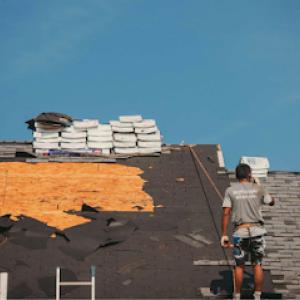
Roofsimple provides roofing repair and replacement services throughout the Richmond Metro area, including installation of asphalt, cedar, metal, and synthetic slate roofing. Start with a free roof assessment today and get the information you need to decide where you want to go from there.
Lee Smith Master Roof Mechanic
(804) 431-3094 americatopbusi.top
2128 Coxendale Rd, Chester, Virginia
5.0 from 3 reviews
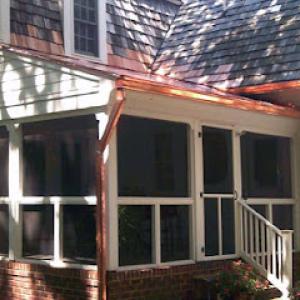
Lee Smith provides Quality Repairs at Affordable prices. We specialize in residential roofing repairs of all types. We know a new roof can be expensive and we can help maintain and prolong your roof by making necessary repairs instead of just trying to sell you a new roof. Slate roofing, copper roofs, shingles, metal, TPO, EPDM, gutters , siding and more.
All American Roofing Contractor
508 W Hundred Rd, Chester, Virginia
5.0 from 2 reviews
A+ Trusted & Reliable Roofing Siding and Home Improvements Contractor in Richmond. Commercial and Residential Contracting Services including Flat Roof Specialist, Re-Roof, New Roof Installations, Rubber Roofing, EPDM, Premium Quality Asphalt Shingle Roof Installation's, Best Roofer with over 25+ years of experience. Call Today For a Hassle Free, No Obligation Free Estimate! All our work is performed by highly qualified skilled professionals. Our work is All 100% Guaranteed! We pride ourselves as 1 of Virginia’s Top Contracting Service Market Leaders in both Commercial & Residential Roofing, New Roofs & Repairs plus much more! All American Roofs and Siding provides the highest quality of workmanship and products. CALL NOW FOR A QUALITY JOB!
Cross Timbers Roofing
(804) 275-9373 www.crosstimbersroofing.com
Serving
4.9 from 137 reviews
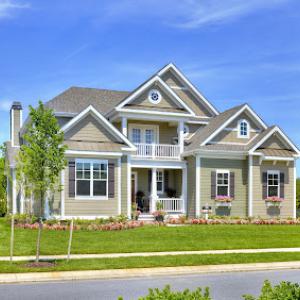
Cross Timbers Roofing has had the pleasure of being Virginia's trusted company for over 30 years. Specializing in both residential and commercial roofing, Cross Timbers Roofing has earned the trust and respect of homeowners and contractors alike by treating each roof like it is our own. Cross Timbers Roofing prioritizes safety and satisfaction above all else. From the initial phone call to the final quality control inspection, Cross Timbers Roofing is there for the customer every step of the way Cross Timbers Roofing has attained the highest certifications possible with four of the largest shingle manufacturers in the United States and the only roofing contractor in Central Virginia to do so. Call us today to see how we can help you!

Howerton Roofing & Construction
(804) 837-2621 howertonroofing.com
Serving
4.9 from 28 reviews
Are you ready to install a new roof on your home? Do you need prompt and effective roof repair? Howerton Roofing & Construction, LLC is a full-service roofing contractor in Chesterfield, VA, proud to serve Richmond, VA, and surrounding areas with any roofing needs. Our roofing professionals have years of experience and can handle any roofing project, small or large. As a fully insured company for both General Liability and Workman's Comp, you can rest assured that your roof is in good hands with our team.
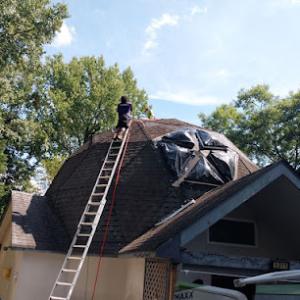
RVA Roofing Services
(804) 609-0535 www.rvaroofingservices.com
Serving
5.0 from 55 reviews
RVA Roofing Services provides residential and commercial roofing installation, rejuvenation, and repair work in Colonial Heights, VA, and the surrounding area.
Mueller Builders
(804) 533-7663 www.muellerbuildersllc.com
Serving
4.9 from 244 reviews
Central Virginia and Eastern North Carolina's Leading Roofing and General Contractor. Mueller is a licensed Class A building contractor based in Prince George that serves Central Virginia and Eastern North Carolina. We provide services for both residential and commercial construction projects.
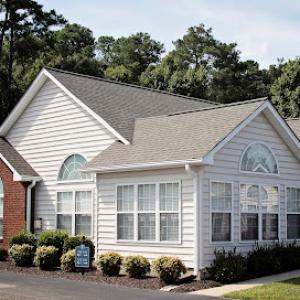
Pyramid Roofing
(804) 823-9577 pyramidroofing.com
Serving
4.9 from 158 reviews
Pyramid Roofing is a trusted residential roofing company since 1986. Proudly serving the Greater Richmond Region, Hampton Roads, Middle Peninsula, and Virginia Beach areas. Now offering roof replacement & gutter estimates! You can find more information about us through the BBB. As a BBB accredited business, we are proud of our A+ rating! *Drug Screened, Background Checked and Factory Trained Technicians *100% Satisfaction Guarantee *Financing Available
Asphalt shingles remain the dominant choice in Chester, and that reality isn't an accident. The local market supports quick availability, straightforward repairs, and solid performance under a humid Piedmont climate that swings from hot sun to heavy summer rain. When you're evaluating asphalt, pay close attention to the installer's flashing details around valleys, chimneys, and vent pipes, because heat and moisture stress these joints more than you might think. A well-ventilated attic helps prevent premature shingle deterioration and reduces the risk of ice damming in shoulder seasons. If your home has an older roof or mixed roofing on the same block, matching the shingle color and profile to nearby homes can simplify future repairs and keep your curb appeal consistent.
Metal roofs are gaining ground here because they resist blistering heat and shed heavy rain quickly, which matters in storm-driven weather. In this area, metal performs well when installed with proper surface ventilation and accurate flashing details at all roof penetrations. The lighter weight of metal can also ease structural concerns on older houses common in suburban blocks. If your house features a steeper slope or exposed eaves, metal can offer improved wind resilience, but the installation must be meticulous-poor seam sealing or improper attic venting can negate the material's natural advantages. For homes with existing asphalt sections, a mixed roof (metal over select areas) can sometimes blend performance with practical repairs, though that approach needs a careful assessment from a local pro.
Tile and cedar shake appear in smaller pockets, often driven by aesthetic goals or a desire for a distinct look. Clay and concrete tiles handle the heat well and can offer long lifespans, but they require a robust substructure and precise flashing to manage the climate's sun-and-moisture routine. Cedar shakes bring natural appeal but demand diligent maintenance in humid air to prevent rot and mold. In the Chester market, tile work is supported but not as strongly as asphalt or metal, which affects availability of qualified installers, repair lead times, and matching of existing roofing components after wind events. If you pursue cedar or tile, ensure you have a qualified crew that can tie the new installation into existing drainage and venting without compromising attic conditions.
Across all materials, the climate's sun-and-moisture wear pattern makes attic ventilation non-negotiable. A well-ventilated attic lowers heat buildup, reduces shingle and underlayment stress, and helps control indoor humidity that can affect interior finishings after heavy rains. Flashing around chimneys, vent pipes, and along perimeters must be continuous and corrosion-resistant, especially where salt-air exposure or storm-driven winds are concerns. If a current roof mixed materials or aging underlayment exists, prioritize a plan that maintains a cohesive water seal and consistent ventilation strategy to minimize leak risk during heavy rain events.
The local contractor signal mix shows stronger market support for asphalt and metal than for tile, which matters for service availability, repair matching, and replacement lead times after storms. When choosing a material, consider not only your home's look but also the likelihood of timely service after a wind event, the ease of finding compatible replacement components, and how well the roof can be integrated with existing ventilation and flashing systems.
In Chester's rain-heavy climate, flashing and roof penetrations are high-risk leak points, which aligns with insurer attention to flashing quality during claim review. Valleys, transitions around vent stacks, and boot seals can deteriorate faster when moisture sits on a hot attic or repeatedly hits from heavy downpours. If you notice a whitening of sealant, bubbling around flashings, or mineral granule loss near vent penetrations, treat it as a warning sign. A roof with proper flashing requires regular checks after severe storms, not just at spring maintenance windows. In practical terms, inspect monthly after big rains and re-seal or replace compromised flashings before a leak travels down a wall or into an attic knee wall.
Poor ventilation is a recurring concern in Chester replacements because local heat and humidity can compound moisture buildup and shorten roof life if intake and exhaust are not balanced. Warm, trapped air above the insulation creates condensation issues that spawn mold and softening of sheathing. You want clear pathways for air to move from soffits to ridge lines, with baffles in place to prevent wind-driven blocks. If soffit vents are blocked by insulation or dust, or if attic fans run constantly without relief, expect higher roof temperatures and accelerated deterioration around the decking edges. Schedule a targeted attic assessment to verify adequate intake and exhaust, especially after replacement work when insulation may be disturbed.
Skylights and chimney intersections deserve extra scrutiny in Chester because repeated storm exposure and moisture cycling increase the consequences of failed sealants and flashing. The sealants around skylight wells can crack in freeze-thaw cycles, while chimney cricket and cricket flashing can wear where wind-driven rain strikes at an angle. Look for slow drips from the skylight perimeter, staining on interior ceilings near chimneys, or damp insulation near flue penetrations. When resealing, insist on high-grade, weather-rated sealants and properly integrated flashing that channels water away from the fasteners and into counter-flashing. Re-caulk only after verifying substrate integrity, not as a stand-alone fix.
Find contractors experienced in skylight installation, flashing, and leak repairs to bring natural light into your home.
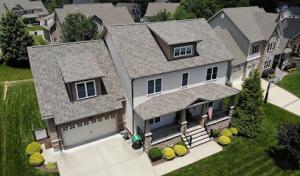
McDaniel Roofing
(804) 356-0934 www.mcdanielroofing.com
4508 Josephine Ln, Chester, Virginia
4.9 from 68 reviews
Typical Chester-area material pricing runs about $350-$800 per square for asphalt shingles, $650-$1300 for metal, $1000-$2200 for clay tile, $900-$1800 for concrete tile, $600-$1400 for wood shingles or shakes, and $1400-$3500 for slate. Those ranges reflect standard residential decks and common roof pitches found across suburban homes in the region. In plain terms, asphalt stays the most affordable, while slate and clay push toward the high end. When you're budgeting, aim for the midpoints of the relevant range for a realistic estimate, then add a cushion for any specialty labor.
Costs in Chester can rise after regional storm events because emergency demand, insurance-driven replacement volume, and weather delays tighten contractor schedules. When a hurricane-season wind event hits or a heavy rainstorm dumps shingles and structural damage onto multiple homes, crews are in higher demand and crews with specialty skills (tile or metal) can queue up. That means lead times stretch, and prices can shift upward quickly for a short window. If you're facing an expedited replacement due to water intrusion, expect some premium for fast service, temporary tarping, and after-hours inspections. Having an upfront plan with your insurer and a preferred contractor can help you avoid surprises when the market tightens.
Homes in Chester with specialty materials such as slate, tile, cedar shake, or metal often face higher labor costs because the local market has fewer contractors signaling those specialties than standard re-roofing. For slate or tile, expect longer installation timelines and more on-site coordination, which translates to higher daily labor charges and sometimes staged work. Cedar shake and metal installations also demand skilled crews and careful fastening, which can push the overall cost toward the upper end of the listed ranges. If your home uses a specialty roof, consider requesting multiple bids and asking for a detailed breakdown of material, fasteners, underlayment, and labor hours to justify the price delta. Budget for potential scaffold or controlled-access windows to minimize weather delays, especially during peak storm seasons.
Get a clear picture of your project costs upfront - no commitment required.
McDaniel Roofing
(804) 356-0934 www.mcdanielroofing.com
4508 Josephine Ln, Chester, Virginia
4.9 from 68 reviews
When a full roof replacement is on the table, a building permit is typically required. Minor repairs generally don't trigger the permit threshold, but a full replacement moves into the permit realm. In a neighborhood of humid Piedmont weather and storm-driven repair needs, securing the permit helps ensure the roof system is designed and installed to withstand heavy rains, wind events, and proper attic ventilation. The permit process also helps confirm ice and water shield placement, flashing details around chimneys and vents, and compliance with local roof line setbacks. This is not something a homeowner should navigate alone without confirmation from the local rules.
The local building department handles permit filing and inspection scheduling, and homeowners usually rely on a licensed contractor to pull the permit. A reputable contractor will submit the project scope, plans, and any required wind-resistance or ventilation specifications. After approval, inspections are scheduled as the work progresses, typically at key milestones: roof decking, underlayment, flashing, and final installation. Keep a clear line of communication with the contractor and the department so inspections aren't delayed by missed appointments or documentation gaps.
The final inspection in this jurisdiction typically confirms proper installation, ventilation, and flashing. Documentation of those details is important before project closeout. Expect the inspector to verify nailing patterns, attic venting balance, and metal flashings around roof penetrations. Retain copies of inspection reports and any stamped drawings from the contractor; these documents provide proof of code-compliant work and can be essential for insurance or future maintenance needs.
Virginia's standard wind and hail coverage framework shapes roofing decisions here, because claim activity rises after storms and insurers often expect clear pre-replacement documentation. After a heavy rain or hurricane-season event, the insurance company will look for how well the roof performed under wind exposure and hail impact, not just visible shingle damage. Your plan should anticipate adjusters focusing on both the roof surface and the protective layers underneath.
For claims, the adjuster may review ventilation, underlayment, and flashing details rather than only visible shingle damage. In Chester's climate, attic and soffit ventilation play a bigger role in drying out days of moisture, while flashing at valleys, chimneys, and transitions must be sound to prevent hidden leaks. Expect questions about how the roof deck was maintained and whether prior work affected the current condition. Have documentation ready that shows the condition of these components before any replacement work begins.
Because Chester sees both emergency leak calls and full storm-related reroofs, homeowners should keep date-stamped photos, temporary repair records, and contractor scope notes before replacement begins. Photos should capture the roof edge, vents, chimneys, and any wet or warped decking, plus close-ups of any fasteners or flashing. Preserve receipts or notes for temporary fixes like tarps or minimal shoring, so the claim file reflects the sequence from damage to stabilization to final replacement.
When the adjuster arrives, present a concise timeline of the event, the dates of temporary repairs, and the scope of work you're pursuing. If the scope includes upgrading ventilation or underlayment as part of a full reroof, have a clear explanation ready about how the upgrade improves long-term performance under Chester's humidity and storm cycles. Clear, organized documentation helps the process move smoothly from assessment to approved repairs.
Connect with contractors who help homeowners navigate the claims process from damage assessment to final approval.
McDaniel Roofing
(804) 356-0934 www.mcdanielroofing.com
4508 Josephine Ln, Chester, Virginia
4.9 from 68 reviews
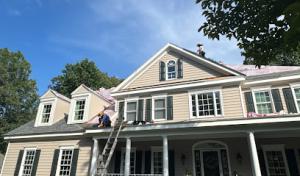
Although Chester features a strong steep-slope residential market, the local contractor signal set shows an active niche for flat or low-slope roofing. Heavy rainfall is a regular stress test, so ensure the drainage plan on low-slope areas-porches, additions, and light commercial bays-is robust. Verify that eaves and gutters are sized for frequent downpours, with cleanouts accessible from ground level. Pay close attention to seams, transitions, and penetrations around skylights, vents, and HVAC curbs. In this climate, even small ponding on a low-slope roof can lead to accelerated wear or slow leaks; run a water test after installation or repair to confirm performance.
Chester's mix of flat-roof and coating specialists means some owners explore restoration rather than full replacement on qualifying low-slope systems. If a roof is still structurally solid, a high-quality coating or restoration system can extend life without a full tear-off. Look for products with proven adhesion on the substrate, compatibility with existing flashing, and a track record for seasonal temperature swings and humidity. For porches and additions, consider materials that weather well in repeated wet cycles and resist debris buildup from summer storms. When replacement is warranted, evaluate a fully adhered membrane with a clean flashing method to reduce future maintenance.
After heavy rain or a hurricane-season wind event, perform a careful walk-around to spot lifted edges, compromised flashings, or pooling near transitions. Document any areas where water appears to migrate toward interior spaces and photograph the affected zones for insurance or warranty claims. Schedule prompt resealing or repairs on suspect seams, penetrations, or parapet walls, especially where exposure is highest. Keep accessible gutters and downspouts clear to prevent backup leaks that can travel to low-slope sections.
In this market, select a contractor who can demonstrate success with both flat-roof applications and coating systems, plus a track record of detailing around parapets, skylights, and vents. Ask for recent projects in similar weather conditions and request a written plan that outlines drainage checks, seam integrity, and a staged approach for repairs versus replacement. A local crew that understands Chester's seasonal rainfall patterns will align warranty expectations with real-world performance.
Find specialists in TPO, EPDM, and built-up flat roofing systems for residential and commercial properties.
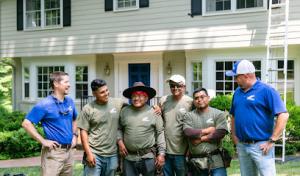
A smaller share of contractors in this market prominently signal warranties, so you should verify what is manufacturer-backed versus installer-backed before signing. If a claim hits a rainy week or a wind event, a homeowner can be left scrambling without a clear path if the warranty detail isn't spelled out. In practice, you will see promises tied to the roofing material itself, but the real protection often rests with who installed it and how well the installation is documented. That distinction can make the difference between a smooth claim and a drawn-out dispute after a storm.
Final inspections put a sharp focus on ventilation and flashing, and the warranty value follows closely from whether those installation details are documented correctly. If the venting wasn't properly sized or the flashing wasn't sealed and detailed in the as-built notes, a manufacturer's coverage can be weakened or denied. In this climate, where heavy rain and hurricane-season winds are common, those installation details aren't cosmetic-they're the backbone of the warranty. A clear, stamped record of how those pieces were installed can save headaches when a claim comes through.
In a market with many affordable re-roofing providers, homeowners should compare warranty scope and workmanship terms rather than assuming all replacements are protected equally. Look for whether the warranty covers workmanship defects for the expected lifespan of the chosen system, and ask who backs it-manufacturer or installer-for each component. A straightforward explanation of what is and isn't covered, plus how long coverage lasts and what conditions void it, helps prevent surprises after a heavy rain or wind event. If the terms feel vague, press for specifics before committing.