Last updated: Apr 19, 2026
Wet winters and relatively dry summers shape leak patterns and replacement planning in this foothill corner of Pierce County. Bonney Lake experiences extended rainy spells and occasional snow that repeatedly wets roof coverings and penetrations. That pattern makes underlayment integrity, flashing details, and attic ventilation far more critical than in drier Puget Sound cities. If you treat moisture as a seasonal nuisance, you'll miss the deeper risk: leaks that sneak in during the soggy months and become active in the unsettled weeks that follow.
Winter rainfall, plus occasional snow, keeps roofs damp for weeks at a stretch. The constant moisture compounds weaknesses first created by minor defects: a small gap in flashing around a vent, a seam that's not properly sealed, or an underlayment that's worn through at a hip line. In Bonney Lake's climate, those small issues don't just sit quietly; they travel inward with condensation and wind-driven rain, then find the attic to raise temperatures, accelerate mold formation, and escalate insulation damage. The risk isn't a dramatic storm once in a while-it's the slow, relentless wetting that exposes the weakest links, especially on aging or poorly vented roofs.
Flashing is the frontline here. Curved ridges, chimney flashing, vent boots, and valley flashings can all fail when subjected to repeated freeze-thaw cycles and persistent moisture. Improper sealing at penetrations compounds the problem, inviting water to follow fast paths into decking and ceiling cavities. Underlayment integrity is another critical point: if the roof deck isn't protected by a steadfast barrier, moisture can wend its way into sheathing and insulation long before a visible drip appears. In this area, poor attic ventilation is nearly as dangerous as a loose shingle, because high humidity in the attic can drive condensation through the roof system and accelerate wood rot and adhesive breakdown. In this climate, even small defects become active leaks when spring winds arrive and stress any marginal repair that wasn't treated as urgent.
A robust underlayment system is the first line of defense against Bonney Lake's wet season. If underlayment has tears, wrinkles, or improper overlaps, moisture can bypass the shingles and attack the wood beneath. Ventilation isn't cosmetic; it conditions the attic environment, reducing the buildup that drives attic condensation into sheathing. The combination of underlayment integrity and well-functioning soffit venting with ridge or turbine ventilation keeps the roof deck drier, slows decay, and buys time between repairs. In this climate, a quick check after heavy rain or a windy front is not optional-it's essential to keep interior spaces dry and minimize the risk of concentrated leaks.
After storms, inspect exterior edges for lifted shingles, displaced flashing, or gaps at penetrations. Inside the attic, look for dark stains, damp insulation, or a musty odor that signals hidden moisture. If a leak appears, slow the damage by drying the area and covering the affected spot with temporary waterproofing while arranging professional inspection. Do not assume a leak will wait for a calm spell; a small breach can widen quickly with subsequent rainfall and rising winds.
Spring and fall bring unsettled weather and higher winds that can turn minor defects into leaks before the main summer replacement window. Use early spring to address chronic issues uncovered by winter, and schedule targeted repairs that reinforce flashing and underlayment before the next wet season arrives. A proactive, repair-forward approach is the safest way to preserve the roof's integrity through Bonney Lake's typical pattern of wet winters and windy transitions.
After a heavy rain or wind event, start with a careful exterior inspection from the ground if safe. Look for missing shingles, lifted edges, or ceiling stains inside the attic or upper rooms. In Puget Sound's wetter winters, leaks often reveal themselves first as attic moisture or interior staining, long before a top-down roof failure becomes obvious. If interior staining appears, document it with date-stamped photos and note which rooms are affected. This documentation helps ground any later insurance discussion and provides a baseline for a contractor's assessment.
In this market, photo documentation and a clear contractor scope are especially important after storms. Take close-up shots of any damage to siding, soffits, flashing, and along roof-to-wall intersections. Then capture wider shots of the roof slope and surrounding terrain to show drainage patterns and tree contact risks. Prepare a simple, numbered list of observed issues and pin each item to the exact location on the roof or attic where it's seen. If there is interior moisture, photograph the ceiling or wall stains, the attic vapor barrier, and any signs of mold or mildew. This level of detail helps an adjuster quickly understand the scope of the loss.
Carriers in this market may require permits to be in place before settlement and often ask for before-and-after photos plus proof of code-compliant installation. When you receive an assignment, obtain the adjuster's contact information and share your damage inventory with both the insurer and your chosen contractor. A clear scope that aligns with observed damage-roof surface, flashing, underlayment, attic venting-minimizes back-and-forth and speeds up the process. If the adjuster schedules a visit, be prepared to show the attic access, ventilation layout, and any prior repairs that could affect your claim. A transparent, itemized scope helps prevent post-settlement disputes and refits for issues that aren't storm-related.
Weather-driven claim surges can stretch adjuster timelines. In the meantime, implement practical mitigation: place tarps over exposed roof areas if a safe temporary fix is feasible, ensure gutters and downspouts are clear, and seal any visible entry points around chimney flashing or vent flashings with temporary methods that won't trap moisture. Document these mitigation efforts with photos and date stamps, and keep receipts for any temporary materials used. The goal is to limit additional interior damage while the claim progresses.
Once the claim is approved, you'll want a contractor who can translate the insurer's scope into a real, code-compliant installation. Ensure the contractor's plan includes proper attic ventilation and moisture control measures, given the region's wet-season realities. After work begins, photograph each major phase-decking replacement, underlayment, flashing, and shingle or panel installation-so you have a robust before-and-after portfolio. These images serve as helpful corroboration for any future claim questions and demonstrate a thorough, code-conscious repair path.
Connect with contractors who help homeowners navigate the claims process from damage assessment to final approval.
The Roof Medic
(253) 862-4412 www.yourroofmedic.com
6519 Myers Rd E, Bonney Lake, Washington
4.9 from 446 reviews
At The Roof Medic, we treat your roof like it's over our own home. Whether it’s a small repair, a full replacement, or just keeping things clean and maintained, we’re here to help—no pushy sales, no corporate red tape, just honest work from a local team that cares. Serving both homes and businesses, we’re proud to be the trusted roofing partner for our community.
Northwest Preferred Roofing
(253) 433-9155 www.nwpreferredroofing.com
Serving
4.9 from 147 reviews
With over 20 years of experience serving the Greater Seattle area, Northwest Preferred Roofing is your trusted roofing specialist. Our dedicated team specializes in full roof replacements, repairs, new construction, and maintenance. We take pride in our work, ensuring proper installation, protecting your personal property, and maintaining a respectful environment for you and your neighbors. Our expertise covers various roofing systems, including Asphalt or Fiberglass Shingle, Slate, Metal, Wood Shakes, Synthetic Roof Tiles, and more. We prioritize quality materials and offer a Lifetime Workmanship Warranty on full roof replacements, a 3-Year Workmanship Warranty on repairs, and a 10-Year warranty on gutter installations. Call today!

Rain Proof Roofing
(253) 355-4831 therainproofroof.com
Serving
5.0 from 19 reviews
We are a family owned roofing contractor with over 30 years of experience in the industry. Rain Proof Roofing is dedicated to delivering outstanding quality at competitive prices, combined with excellent customer service. We specialize in roof replacements, and roof repairs. We now offer financing! Call today for a free estimate.
WeatherPro Exteriors
(253) 345-9469 www.weatherproroof.com
Serving
5.0 from 92 reviews
Welcome to a roofing company committed to quality, long life, maintenance free products with expert installation. Our owner, Mike Pancoast, began his roofing career in 1978. With over 40 years experience, we are qualified to exceed your expectations. Let us “Bulletproof Your Roof”. We specialize in 40 year dimensional architectural rubberized asphalt shingles. We also install seamless aluminum gutters and gutter screens for our roofing customers. Our motto is:“Committed to Excellence “. Our company has “Emerald Pro Certified Contractor” status with Malarkey Roofing Products. Make your next roof your last one. Please call for a free roof evaluation.
Three Boys Roofing
(360) 523-0876 threeboysroofingllc.com
Serving
4.8 from 18 reviews
We removed and installed your new roof. We repair and clean roof
Anytime Roofing
(206) 229-6883 anytimeroofingco.com
Serving
4.7 from 54 reviews
Residential roofing is what we are best known for. By our estimates we have replaced over 1 Million Sq Ft of roofing in total! Even though we started out in the roofing industry, we have expanded our offerings over the years to include more commercial and additional residential services. We have a full team of experienced craftsmen. Our installers have been factory trained and certified to use the products we offer.
Bates Roofing
(253) 242-5783 www.batesroofingllc.com
Serving
4.9 from 191 reviews
Bates Roofing provides commercial and residential roofing and gutters to Puget Sound, WA.
Fields Roof Service
(253) 852-4974 www.fieldsroofservice.com
Serving
4.9 from 108 reviews
OVER 60 YEARS OF PROVEN EXPERIENCE Fields Roof Service, Inc. is one of the longest-running roofing contractors in Western Washington. We have been helping residential, commercial and industrial customers with their roofs since 1957. You know that with so much experience comes great skill. Our company wants you to have a roof that will last. We are dedicated to customer satisfaction, roofing excellence and our employees.
Graham Roof Repair
Serving
5.0 from 64 reviews
Graham Roof Repair has been doing work within Graham ever since 2006, and with pride assists the 98338 zipcode and around zones We provide professional services in roofing contractor for the Graham region If you'd like help with roofing contractor inside the Graham region we're your guys We're based in Washington, located in Graham We are the highest quality at roofing contractor in 98338 Washington
Premier Energy Solutions
(253) 394-0711 www.mypremierenergy.com
Serving
5.0 from 62 reviews
Our team here at Premier Energy Solutions has a combined expertise of over 30 years in the industry. We opened the business in order to help people find a valuable solution to our community, shared problems, at a price that works for everyone! We invite you to look at all of our online reviews. We go beyond the sale and make sure that all of our clients are left happy and satisfied. It's the quality and the satisfaction that matters most to us, our customers come first. We love supporting our veterans. Ask us about our contributions to this great cause, and our ongoing efforts to provide housing for our US military veterans.
PAC Roofing
(253) 258-5058 www.pacroofingllc.com
Serving
4.9 from 56 reviews
Established in 2019, PAC Roofing serves Tacoma, WA and surrounding areas. We are committed to providing top-quality services that exceed our customers' expectations. With a focus on craftsmanship, reliability, and customer satisfaction, we specialize in roofing replacements, repairs, and maintenance. Customer satisfaction is our top priority, and we take pride in building long-lasting relationships with each and every client. From the initial consultation to the final installation, we are committed to providing personalized service, open communication, and a seamless experience from start to finish. When you choose PAC Roofing, you can trust that you're getting the best in quality, reliability, and professionalism. Contact us today!

Tru Colors Contracting
(253) 447-7063 www.trucolorscontracting.net
Serving
5.0 from 27 reviews
Since 2005, Tru Colors Contracting has been transforming homes and businesses across Western Washington with quality craftsmanship and meticulous attention to detail. Specializing in roofing, painting, and gutter services, we bring expertise and integrity to every project, large or small. Dreaming of a vibrant new look or needing reliable protection from the elements? Tru Colors Contracting delivers stunning and enduring results, ensuring your vision becomes a reality.
Replacement windows are best tackled when the weather is predictable and dry long enough to seal and insulate properly. In this area, plan for late spring through early fall to minimize weather delays and to give sealant and underlayment a solid cure. The goal is to avoid back-and-forth rain that can force crews to tarp openings and slow progress. Dry-season windows let installation crews verify flashing, shingle overlaps, and interior air sealing without constant weather-related interruptions. Keep in mind that while this is the preferred window, a late spring or early fall kickoff should still allow a realistic schedule, given typical Bonney Lake swings in wind and rain.
Hot summer days can affect curing times for some asphalt-based products and certain adhesives. On those peak heat days, crews will often start later or pause during the hottest hours to keep materials from setting too quickly and to protect interior finishes from heat stress. If you have attic or interior spaces prone to heat buildup, consider pre-arranging cooling measures or scheduling the more heat-sensitive steps for mornings. The goal is consistent cure and proper adhesion, not rushing through a sequence that could compromise long-term performance.
Spring and fall can stay windy and unsettled, and that matters for window replacements because air pressure changes influence sealant performance and flashing installation. When dry-season windows open, crews will tighten crews, scaffold access, and protect interior finishes from gusts that push rain into exposed openings. Expect some calendar tightening as the dry-season window fills up with projects. Having a clear, communicated plan with your installer helps prevent last-minute shifts that could complicate weather binding and lead to delays in sealing and insulation.
Before the first window comes out, ensure exterior siding edges, flashing details around existing openings, and nearby roof valleys are accessible and clear. This reduces the chance of debris intrusion during removal and helps maintain a dry interior while new units are installed. Coordinate with occupants on interior temperature control during staged openings, especially in homes with multiple levels. A simple, practical approach-protect vulnerable finishes, seal interior gaps promptly, and confirm drying times for all moisture-sensitive steps-will keep the project on track through Bonney Lake's transitional spring and fall periods. In a typical Bonney Lake home, attention to these details supports a reliable, leak-resistant result once winter returns.
Get a clear picture of your project costs upfront - no commitment required.

The dominant materials used in Bonney Lake include asphalt shingles, metal roofing, clay tile, concrete tile, synthetic/composite shingles, and slate, giving homeowners a wider material mix than many nearby cities dominated almost entirely by asphalt. Each option brings its own balance of weight, look, and maintenance needs. For a typical home, you'll find asphalt shingles delivering solid moisture control for most winters, while metal, clay, and concrete tiles offer distinct advantages in shedding rain and handling wind-driven spray along hillside edges. Slate and synthetic shingles provide long-term durability with varying maintenance profiles. The key is to match the roof's mass and seam layout to how the roof sheds water during wet seasons, especially on transitional rooflines or valleys where moisture can linger.
Bonney Lake's wet winters make water-shedding performance, flashing compatibility, and moss-resistant detailing more important in material selection than pure heat resistance. When choosing a roof, consider how materials handle prolonged rain exposure and wind-driven moisture. Metal roofs often excel at shedding, but require precise flashing at ridges, penetrations, and the junctions with gutters. Clay and concrete tiles shed water well but demand careful alignment over underlayment and snow/ice protection zones, with extra attention to coping at hips and ridges. Synthetic shingles can offer good performance with lower weight and flexible flashing integration. In all cases, verify that flashing transitions between roof planes are continuous and well-sealed to prevent leaks where water tends to pool or back up during heavy storms.
Heavier systems such as clay tile, concrete tile, and slate require closer attention to structure and installation planning than lighter asphalt systems, especially on full re-roofs. The added load calls for evaluating decking condition, supports, and fastener patterns to maintain long-term integrity through multiple wet seasons. If a full replacement involves a heavier option, consult a structural assessment to ensure the framing can bear the extra weight and that the new layout preserves proper water drainage and flashing continuity. For lighter systems, the focus shifts toward effective underlayment selection and moss-control strategies to keep seams dry and predictable during winter storms.
Regardless of material, ongoing maintenance is essential in this climate. Moss and algae growth thrive where moisture lingers, so anticipate periodic cleaning of shingles, tiles, and flashing lines. Pay particular attention to valleys, around chimneys, and along ridge lines where dampness can settle. Regular inspection after the wet season helps catch early signs of wear, loose fasteners, or flashing gaps before winter returns. A well-coordinated approach-choosing the right material for the house, ensuring robust flashing, and planning for periodic moss mitigation-delivers the most reliable protection against Bonney Lake's long, damp winters.
In this area, the price drift across common roof types reflects both material performance in wet winters and local installation realities. Typical Bonney Lake material pricing runs about $450 to $900 per square for asphalt shingles, $700 to $1200 for metal, $1200 to $2400 for clay tile, $900 to $1800 for concrete tile, $500 to $900 for synthetic/composite shingles, and $1500 to $3200 for slate. Those ranges are a practical starting point when budgeting after a homeowner's initial roof inspection, and they emphasize how the choice of material directly shapes long-term moisture handling and flashing detail needs.
Costs in Bonney Lake can rise when homeowners try to book work into the late-spring through early-fall installation window, when weather is most favorable and contractor calendars are busiest. In practice, that means a premium for scheduling during peak season, plus tighter windows for material delivery and weather-coordinated crews. If a project slides into shoulder months, you may see more flexible scheduling and potential savings, but be prepared for occasional weather-driven delays that extend the project timeline and can influence daily labor rates.
Moisture control and leak prevention play a central role here due to extended wet seasons and wind-driven rain. The choice of underlayment, flashing materials, and ventilation strategy can push costs up, especially if existing structures require retrofits to improve moisture management. For example, more robust underlayment or additional fascia, ridge, and hip venting can be warranted to handle prolonged rains and to reduce attic condensation and wind-driven water infiltration. Even with a common shingle system, the added emphasis on flashing transitions at valleys, chimneys, and skylines translates into practical, visible cost differentials in the final bid.
Expect that metal, clay, or concrete tile installations may require specialized fasteners, more intricate flashing, and careful deck preparation to cope with heavy seasonal rains, which can elevate both material and labor costs. Synthetic/composite shingles offer a balance of cost and durability that's popular in this climate, but installation details remain significant: adequate ventilation, precise flashing, and a well-sealed ridge line. When evaluating bids, compare not just the per-square price but the scope of moisture-control features included, as those elements often determine long-term performance during the region's rainy winters.
In this area, the city generally requires a roofing or building permit for a full re-roof rather than treating it as simple maintenance. That means you'll want to initiate the permit process before any shingle tear-off happens, even if your contractor says it's routine. Missing or mishandling the permit can lead to rework, stop-work orders, or a rushed stale-signoff that doesn't satisfy inspection standards after a long wet season. Plan for a clear scope that covers ventilation, flashing, and underlayment compatibility, since the permit review will likely prompt questions about those details.
After the permit is submitted, inspections are typically scheduled at key milestones, including underlayment installation and final completion. The underlayment check is a critical moment in Bonney Lake's moist climate, where proper moisture barriers and ventilation can prevent winter leaks and interior damage. Expect a site check that confirms attic ventilation paths, proper flashing around chimneys and skylights, and the continuity of the roof deck, not just a go-ahead to finish. The final inspection will look for overall workmanship, proper seals around penetrations, and that the roof system aligns with local building codes and the city's moisture-management expectations.
Bonney Lake may request documentation showing ventilation and flashing details, so homeowners should expect more than a simple final signoff on some projects. Have your contractor provide a concise, stamped summary of vent placement, intake and exhaust balance, and flashing details at critical penetrations. If the city asks for these documents, present them promptly to avoid delays. A well-documented submission reduces the risk of re-inspection and ensures the new roof remains resilient through our long, wet winters.
In the rain-heavy season, roof penetrations such as skylights and chimneys are common trouble spots because prolonged moisture exposes weak flashing details quickly. The necks of vents, the base of skylights, and transitions around chimneys see the most wear after multiple wet seasons, so pay special attention to these junctions during inspections and repairs.
Look for hairline to pinhole leaks around skylight seals, dried-out caulk, and rust or corrosion on flashing footprints. On chimneys, check step flashing where brick meets the roof and the counterflashing along the chimney chase. In long, wet winters, condensed moisture can travel along underlayment seams and find its way into attic spaces, so a small drip at an interior ceiling might point to an exterior flaw that needs reworking.
Penetration detailing should prioritize continuous, properly interlapped flashing, with an emphasis on integrating flashings with the roof covering and counterflashing that overlaps the chimney or skylight base. Use corrosion-resistant metals and lapped sealant joints that stay flexible in cold, damp weeks. Ensure weep holes, ventilation paths, and drip edges direct water away from seams rather than toward them. After installation or repair, perform a controlled water test to confirm no seepage around the skylight tier, chimney base, or vent collars.
The local permit and inspection process may call for flashing documentation, which makes penetration detailing especially important on full re-roofs in the area. When planning work, discuss with the contractor how the flashing details will be integrated with recent roof deck ventilation and moisture control measures to keep rain-driven leaks from taking hold. Contractors with a track record in skylight-related roof work often provide more thorough testing and longer-lasting seals, a practical signal for homeowners facing Bonney Lake's wet-season demands.
Find contractors experienced in skylight installation, flashing, and leak repairs to bring natural light into your home.
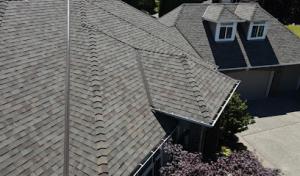
Even in a market known for pitched residential roofs, Bonney Lake contractor signals show active demand for flat and low-slope roofing work, especially on additions, garages, and porch sections. These areas catch rain differently than the main roof and demand attention to how water travels toward edges and drains. In this climate, a low-slope roof isn't a secondary afterthought; it's a separate moisture management system that must be designed and installed with the same care as the primary roof.
Bonney Lake's long wet season makes drainage and membrane detailing on low-slope sections more consequential than in inland dry-summer markets. Pay close attention to edge and perimeter details, including cant strips, drip edges, and terminal flashing that interacts with parapets or walls. The transition from a steeper main roof to a low-slope section can create hidden pockets where water slows or backwashes; these spots demand precise seam detailing, proper clamping, and compatible unbroken membranes that resist ponding and wind-driven shear.
These low-slope areas often fail differently from the main roof, so homeowners planning a full re-roof in Bonney Lake should have them evaluated separately rather than assuming one material approach fits all sections. When a full replacement is on the table, instruct the contractor to assess each slope independently: slope angle, substrate condition, flashing continuity, and the compatibility of membranes with adjacent roof materials. A coordinated plan that treats each section on its own terms tends to yield better long-term performance and fewer surprises after the first winter.
In the years between major replacements, inspect low-slope zones after heavy rains for signs of damp insulation, unusual sagging, or blistering along seams. Addressing these cues early prevents costly patchwork and preserves the overall integrity of additions, garages, and porch roofs that share the home's moisture journey.
Find specialists in TPO, EPDM, and built-up flat roofing systems for residential and commercial properties.