Last updated: Apr 19, 2026
The marine atmosphere around Puget Sound keeps the air damp most of the year, and that persistent moisture penetrates roof decks and underlayment more than you might expect. In a typical Gig Harbor home, emphasis on ventilation and proper flashing becomes critical because trapped humidity accelerates rot and degrades shingles faster than dry climates. You'll notice moss, mold, and algae tend to thrive on shaded slopes and north-facing exposures where moisture lingers. Understanding this pattern helps you plan replacements and ongoing maintenance with realistic expectations for roof longevity and performance.
Shaded, moss-prone roofs require proactive management. Moss retains moisture, which can lift shingles and deteriorate granules over time. The result is accelerated wear, especially on darker species of roofing material that retain more moisture. In this climate, a moss control plan should be integrated into both replacement and regular upkeep. Consider a moss-resistant underlayment choice and ensure that the roof surface has a clear and unobstructed slope for water shedding. When moss is present, avoid aggressive mechanical removal that can scratch underlayment or damage flashing; instead, use a gentle approach paired with an annual moss treatment to reduce regrowth.
Prolonged wet seasons slow the drying of roof decks and underlayment, complicating a full replacement. The drier late spring through early fall window is the optimal period for major roof work, allowing the deck and newly installed materials to dry thoroughly before the wet season returns. If a replacement must begin in shoulder seasons, plan for extended drying time and ensure that ventilation pathways stay clear through the project. The goal is to minimize lingering moisture in the roof assembly, which is a common source of post-install moisture issues in this climate.
Ventilation and flashing details are focal points during inspections because moisture retention and trapped humidity are major roof performance issues here. A balanced vent strategy, with soffit and ridge vents or alternative high-vent solutions, helps maintain a dry attic space and reduces condensation on the underside of the roof deck. Flashing around chimneys, valleys, vents, and transitions to siding needs careful metalwork and sealing to prevent slow leaks that invite mold and wood rot. When replacing or resealing, confirm that flashing materials are corrosion-resistant and properly integrated with surrounding underlayment. In shaded areas where moss is common, ensure flashing has unobstructed drainage paths so that moisture does not pool at joints.
In this climate, underlayment choices should favor products with excellent moisture resistance and breathability. A high-quality synthetic or rubberized underlayment can provide a reliable barrier while allowing some moisture vapor to escape, which reduces the risk of trapped humidity under shingles. Ventilation must align with underlayment installation to prevent warm, moist air from migrating into the attic space. If the roof deck shows any signs of staining or soft spots after a dry period, treat those areas promptly to avoid cascading failures once the next wet season arrives. During replacement planning, verify that the deck has been properly dried and repaired, and that any prior moisture damage is addressed before new materials are installed.
Shaded rooftops invite moss growth; trimming nearby branches and clearing debris from eaves and gutters help improve airflow and drying. Regular cleaning of the roof surface during dry spells keeps organic matter from retaining moisture. For homes with persistent shade, consider periodic moss inhibiting treatments and a reapplication schedule for best results. In Gig Harbor's climate, proactive maintenance-especially around the winter months-reduces moisture intrusion risk and supports the overall health of the roof system.
Develop a seasonal rhythm: after the dry window ends, perform a quick inspection for loose flashing, lifted shingles, or debris in valleys. In late winter, check attic ventilation at soffit intakes and ridge outlets, ensuring airflow remains unobstructed. Before the next dry period, do a thorough surface check for moss hotspots, reseal flashing, and refresh underlayment where necessary. This practical cadence keeps moisture from creeping into vulnerable joints and helps extend the life of the roof in this maritime environment.
In this harbor-front climate, roofing choices sit on a foundation of marine moisture, shade-driven moss pressure, and the need for reliable flashing. In Gig Harbor, the dominant local material mix includes asphalt shingles, metal roofing, clay tile, concrete tile, wood shingles or shakes, and synthetic or composite shingles. Each system brings its own interaction with humidity, moss growth, and long-term flashing performance. When evaluating a re-roof, consider how a given material manages damp weather across decades, rather than focusing on initial appearance alone. The marine exposure means small leaks or slow moisture intrusion can become widespread before they are obvious, so the practical behavior of each option under typical Puget Sound conditions matters most.
Material choice here is shaped less by hail resistance and more by how each system handles long-term moisture exposure, moss accumulation, and flashing reliability in a marine climate. Asphalt shingles dry quickly after rain and can tolerate frequent fog, but moss can anchor itself to the exposed surfaces of any dark, shaded roof. Metal roofs shed water rapidly and can resist moss if kept clean, yet the risk of condensation beneath some assemblies requires careful ventilation and underlayment planning. Clay and concrete tiles offer durable, aging aesthetics but can trap moisture if venting and underlayment are not meticulously installed, especially on low-slope or shaded sections. Wood shingles and shakes carry a distinct charm but demand rigorous moisture management, regular maintenance, and attention to fastener corrosion in damp air. Synthetic or composite shingles aim to blend moisture resistance with stable underlayment compatibility, often performing consistently in this climate with proper ventilation.
A successful re-roof in this region hinges on a well-designed ventilation strategy paired with a robust underlayment choice. In shaded, moss-prone zones, attic ventilation should be balanced to prevent condensation and attic heat build-up that can accelerate weathering of roofing components. Underlayment quality matters greatly; a high-grade, weather-tight layer that remains effective under persistent moisture helps limit leaks and mold risk. Flashing around Valleys, chimneys, skylights, and transitions to siding must be executed with meticulous detail, using corrosion-resistant metals and compatible sealants. Vent channels should be sized to accommodate the roof geometry and local humidity patterns, ensuring continuous air movement even in tight attic spaces.
Asphalt shingles provide a straightforward, cost-effective option with compatible underlayment and flashing requirements; look for algae-resistant variants if moss is a concern in the shaded areas. Metal roofing offers longevity and high shedding efficiency, with seamless flashing details that often simplify moisture control when paired with proper ventilation. Clay tile and concrete tile deliver impressive durability and a classic look; however, their weight and tile spacing demand solid structural assessment and precise underlayment to manage trapped moisture on long-wall exposures. Wood shingles or shakes deliver natural beauty but require proactive moss control, regular cleaning, and monitoring for rot and weekend moisture intrusion. Synthetic or composite shingles blend flexibility with moisture resistance, and they typically pair well with modern underlayment systems and detailed flashing. Across all options, choose a system that allows for clean drainage, easy moss management, and compatible flashing materials to accommodate the marine environment.
Regardless of material choice, anticipate routine inspections focused on moss buildup, gutter clearance, and flashing integrity. In the local climate, routine cleaning to reduce moss habitat, plus re-sealing and flashing refreshes at the necessary intervals, helps prevent moisture intrusion. A well-maintained roof that prioritizes venting and a durable underlayment will better resist the combined challenges of humidity, shade, and salt-logged air, preserving its function and appearance for years to come.
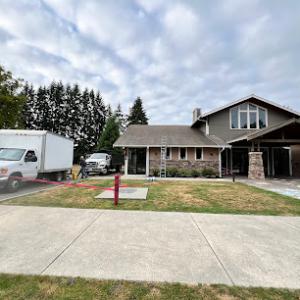
Kitsap Roofing
(360) 226-5515 www.kitsaproofing.com
6621 Snug Harbor Ln, Gig Harbor, Washington
5.0 from 48 reviews
Specializing in: Standing Seam Metal Hand- Nailed Composition K-Styled Continuous Aluminum Gutters & Downspouts
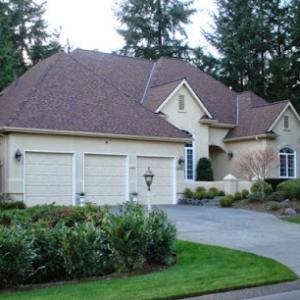
Patriot Roofing
(253) 201-1152 www.patriotroofing.biz
1623 Stone Dr NW, Gig Harbor, Washington
4.8 from 308 reviews
Patriot Roofing is an expert roofing and siding company providing exterior home improvement services to Gig Harbor and the nearby areas since 2012. We offer roof repair, roof replacement, siding installation, vinyl siding, metal siding, wood siding, metal roofing, metal buildings, gutter installations, and skylight installation to help you get the performance and curb appeal you want from your home's exterior.
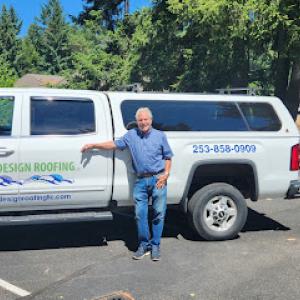
Custom Design Roofing
(253) 858-0909 www.customdesignroofingllc.com
6659 Kimball Dr, Gig Harbor, Washington
4.8 from 16 reviews
Since 1977, Custom Design Roofing has been providing excellent roofing services in Gig Harbor, Fox Island, University Place, Port Orchard, Tacoma, WA, and surrounding areas. We offer a full line of roofing services like roof installation, roof repairs, and roof replacement. We also provide metal roofing services. Our team specializes in military housing roofing, single-family re-roof, single or multi-family roofing and is well equipped to deliver the roofing services your home or business needs. We can catch any existing roof problems and take action before they grow into larger problems that are much more expensive. We also offer financing to help with your roofing projects. Call us at 253-858-0909.
Marquez Roofing
Gig Harbor, WA
4.8 from 13 reviews
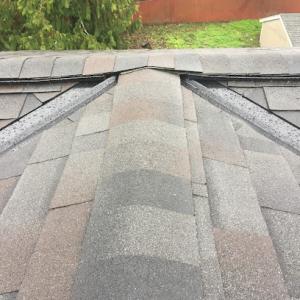
We are a family owned and operated company that values honesty and integrity, and stands behind our work. We offer over 10 years of industry experience. We specialize in Asphalt Shingle Roofing installation, replacement, and repairs. Our services are customized to the individual project, paying close attention to the details of each project that we're involved with. We look forward to building long-term relationships with our clients and guarantee your satisfaction!

Specialized Exteriors
(253) 225-1733 www.specializedexteriors.com
4215 73rd Ave NW, Gig Harbor, Washington
5.0 from 6 reviews
Tile roof repairs for Puget Sound and surrounding areas. 25 years of on the roof experience working exclusively with concrete and clay roofing tiles. Our repairs are designed to make your roof BETTER than new as we strive to improve tile roof system performance over that of the original installation. Don't replace that old tile roof - improve that old tile roof for a fraction of the cost of a replacement.
Supreme Northwest Construction
Gig Harbor, WA
3.5 from 11 reviews
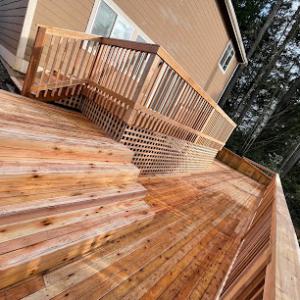
Supreme Northwest Construction offers a variety of residential construction services. The heart of this resides in exteriors such as roofing, decks, siding, windows and more. Give us a Call Today!
Port Orchard Roofing
Serving
4.9 from 181 reviews
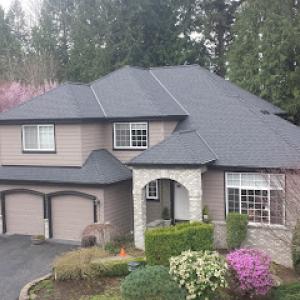
Port Orchard Roofing in Port Orchard, WA delivers reliable roof replacements and roof repair services designed for the unique weather challenges of the Kitsap Peninsula. Our team understands how heavy rain, wind, and moss growth impact local homes, ensuring each project is tailored for long-lasting performance. We provide residential and commercial roofing solutions with the same care we give our own homes, backed by years of experience serving the region. As trusted roofing contractors, we’re committed to quality workmanship, local expertise, and professional service you can count on.
LeMoine Roofing & Construction
(360) 464-5622 www.lemoineroof.com
Serving
5.0 from 184 reviews
LeMoine Roofing & Construction provides a wide range of construction services to meet your needs. We are dedicated to providing quality workmanship & customer service. We’ll provide you with a full consultation and free estimates. We fully explain available options so you can choose a construction plan & materials that are right for your situation.
Affordable Roofing by S.A.L.C.
(253) 377-8241 www.affordableroofingbysalcinc.com
Serving
5.0 from 9 reviews
Since starting my business in 2003, I’ve been recognized as a top Roofing Contractor in Kitsap County. I provide a quality roof using top-quality products at an affordable price. Owner/Operator with 25 years of experience. Licensed, Bonded, and Insured. Providing services to perform roof replacement, roof repairs, roof maintenance, and roof certifications. Whether you’re looking to repair an existing roof or replace one, I guarantee I can help you achieve the results you seek.
ACME Roofing
(253) 243-2024 acmeroofingwa.com
Serving
4.9 from 139 reviews
Acme Roofing provides the highest quality roofing services in Puyallup, WA, Tacoma, WA, Gig Harbor, WA, Lakewood, WA. We take pride in delivering the best roofing services including roof repairs, roof replacement, roof maintenance, and new roofing construction. Our local roofers are highly trained and experienced and offer the reliable services you can depend on for a strong and sturdy roofing system. At Acme Roofing, our goal is to exceed our customer’s expectations with superior quality workmanship. We are well known in the Puget Sound for following strict safety protocols while performing our roofing services. Whether you need roof repair, roof replacement, or any other roofing service, we can help!
JS Roofing
Serving
5.0 from 10 reviews
JS Roofing is a family-owned and operated roofing company. We are a trusted roofing contractor and gutter service proudly serving Gig Harbor, Fox Island, University Place, and surrounding WA communities. Founded by a father-son team, we specialize in roofing replacements, repairs, new roof installations, inspections, and emergency services. We also offer gutter installation, guards, siding, windows, doors, decks, and commercial roofing solutions. From shingle and metal to tile and TPO roofs, we handle it all with integrity and care. Known for our reliability and commitment to customer satisfaction, we go the extra mile to make every project seamless. Count on us for honest service and lasting results.
Bumble Roofing of South Sound
(253) 210-4350 bumbleroofing.com
Serving
5.0 from 69 reviews
Bumble Roofing of South Sound makes roofing easy with expert solutions tailored for both homeowners and businesses. Our trusted roof contractors are committed to delivering quality workmanship with honesty and transparency. With over 60 years of combined experience and more than 2,700 successful roof installations, repairs, and replacements, we’ve built a reputation you can count on. We offer one clear, upfront price and a full, detailed roof report—no haggling, no hidden fees, no gimmicks. Whether you need a simple repair or a full roof replacement, we’re here to make the process smooth, reliable, and stress-free. Visit us today and experience the Bumble Roofing difference.
During the winter months, relentless Puget Sound moisture and brisk winds can turn a roof opening into a fast-worsening disaster. Wet weather can push underlayment failures and flashing leaks from minor drips into active leaks within hours. In this market, a sudden wind gust or heavy shower can uncover decking and expose vulnerable edge details on shaded, moss-prone rooftops. Treat any active leak as an urgent problem, especially if it travels along fascia, vent penetrations, or chimney flashing. Do not delay a quick assessment or temporary mitigation when rain is driving through roof lines.
If water is entering the attic or interior, prioritize stopping the source without delaying the call for professional help. Use a bucket under any active drip and place temporary tarping or plastic sheeting over the most exposed sections, tying it down securely to withstand gusts. Clear debris from gutters and downspouts only from safe ground; avoid climbing on a slick roof during rain. If there is visible flashing failure around valleys or chimneys, do not attempt to reseal it alone-temporary sealant can buy time, but flashing components require a proper repair by a licensed roofer once daylight returns. Document conditions with photos from multiple angles, focusing on the source area, mast flashing, underlayment exposed edges, and any signs of wrinkled or lifted material.
Active roofing work is often delayed by winter rainfall and wind, and timelines can extend once a roof is opened. Communicate clearly with contractors about inevitable weather pauses, short-term moisture protection, and the risk of accelerated decking degradation if rain penetration continues. Schedule critical milestones for dry spells, prioritizing inspection, underlayment replacement, and flashing repairs when windows of dry weather appear. Keep access paths clear and maintain safe walkable zones on the ground to avoid secondary injuries when crews are forced to improvise rapid fixes.
Insurers in this area respond more to wind and moisture damage than to rare hail events, so thorough documentation matters. Compile dated photos of the leak in action, prior signs of moss infiltration, and any prior repairs. Record wind events, rainfall intensity, and the timing of observations. Maintain a simple log that links observed conditions to temporary mitigations and the recommended repair sequence. This record supports timely claims and helps prevent coverage disputes when a heavy season extends roof exposure.
After the weather calms, plan a targeted inspection of vulnerable edges, moss-prone shaded slopes, and flashing details. Proactive cleaning, moss management, and ventilation checks reduce moisture burden and extend the life of underlayment and decking once the rainy season returns. Prioritize securing proper ventilation in attic bays and ensuring ridge and soffit vents are free of blockages to maintain a dry, balanced roof system even during storms.
Find local contractors experienced in assessing and restoring roofs after hail, wind, and severe weather events.
Patriot Roofing
(253) 201-1152 www.patriotroofing.biz
1623 Stone Dr NW, Gig Harbor, Washington
4.8 from 308 reviews
Contractors Roof Service
(253) 858-3044 www.crsroofing.com
4600 Neel Ct NW, Gig Harbor, Washington
4.5 from 33 reviews

Custom Design Roofing
(253) 858-0909 www.customdesignroofingllc.com
6659 Kimball Dr, Gig Harbor, Washington
4.8 from 16 reviews
Typical local pricing is given per square, with asphalt shingles at 350 to 600, metal at 700 to 1100, clay tile at 900 to 1400, concrete tile at 1000 to 1800, wood shingles or shakes at 550 to 850, and synthetic or composite shingles at 500 to 900. In practice, a standard residential replacement in this marine climate will tend to land toward the middle of those ranges when conditions are average, but actual bids can drift upward if the roof is deeply shaded, damp, or has older decking that needs attention. The number you'll see for a full replacement includes stripping, disposal, new underlayment, flashing, ventilation upgrades, and the chosen roofing material. Expect contrasts between multi-level homes and single-story garages where crane access or staging costs add to the bottom line.
Costs in this area are often pushed upward by moisture-related tear-off conditions, replacement of wet or compromised sheathing, and the need to bring underlayment, flashing, and ventilation up to current expectations during re-roofing. Puget Sound moisture means more frequent timely removals, more careful protection of interior spaces during replacement, and longer drying times for any exposed decking. If sheathing shows rot or widespread moisture damage, estimates will include plywood or OSB replacement plus fasteners and sealants rated for high humidity. Proper ventilation retrofits-adding or upgrading ridge vents, soffit intakes, or powered exhaust-can add to the price but pays off in attic balance and roof longevity, especially on shaded, moss-prone slopes.
Scheduling during the region's drier season can affect labor efficiency and project duration because prolonged wet weather slows installation and can increase staging and protection needs. In practice, a late spring to early fall window often yields tighter crews and fewer weather-related delays, which helps keep costs closer to the bid's target. If a project starts in damp months, protectants, tarps, and temporary closures may be extended, and crews may need extra time to manage moisture before committing to full shingle installation. Expect a realistic timeline to stretch when consecutive storms occur, with higher potential for partial re-decking or additional underlayment checks.
Material choice drives the bulk of the variance. Asphalt shingles remain the most economical on a per-square basis, while metal and concrete or clay tiles push the square-rate higher, often with added weight considerations and fastener requirements. Wood shingles or shakes bring a distinct aesthetic but can incur higher maintenance costs in this marine climate due to moss and moisture. Synthetic or composite shingles offer a middle ground with good resistance to moisture and reasonable cost. When planning, balance initial price with long-term maintenance expectations and the protection needs of moss-prone, shaded roofs.
Don't let upfront costs delay a critical repair - these contractors offer payment plans to fit your budget.
Custom Design Roofing
(253) 858-0909 www.customdesignroofingllc.com
6659 Kimball Dr, Gig Harbor, Washington
4.8 from 16 reviews
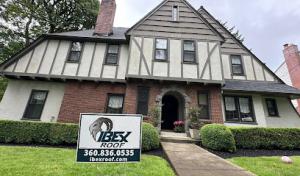
A full roof replacement in Gig Harbor typically requires a building permit through the City of Gig Harbor Building Division. The process starts with a clear scope of work and a roofing plan that outlines the chosen materials, ventilation approach, underlayment details, flashing configurations, and any structural considerations. The plan is reviewed for code compliance, drainage, and wind performance, and careful attention is given to whether current code updates affect the project. In practice, the permit pathway helps ensure that the work integrates with the home's existing moisture management and the local climate realities near Puget Sound. Submittals are often prepared by the roofing contractor, but it helps to review the package with a builder or a local roofer who understands the city's expectations for underlayment, ventilation, and flashing.
Inspections commonly occur at the removal or underlayment stage and again at final completion. The removal/underlayment inspection confirms that the deck and sheathing are prepared properly, that the chosen underlayment is correctly installed, and that any required ventilation pathways are in place before the roof is closed up. The final inspection verifies that the roof assembly meets the approved plan, including flashing at hips, valleys, chimneys, and penetrations, and that attic ventilation is functioning as intended. Weather patterns in Puget Sound mean inspection planning should account for potential rain delays, but the inspector will still expect tight adherence to installation details to prevent moisture ingress. If the project involves wind or structural verification, those checks may be added to the schedule to confirm resilience against local wind loads and roof framing integrity.
The city's review and inspection process places emphasis on proper underlayment, ventilation, and flashing details. Underlayment must be continuous and correctly lapped, with seals at penetrations and around the roof perimeter. Ventilation details-such as balanced soffit intake paired with ridge or continuous exhaust-should be clearly described and implemented to manage the marine moisture in this coastal environment. Flashing must be installed to maintain a water-tight interface at all transitions, including around chimneys, vent stacks, skylights, and where new decking meets existing structures. Some projects may also need wind verification or structural verification to meet current code expectations, especially on larger or multi-hip roofs where wind exposure and load paths are critical. Engage with the inspector early by keeping a detailed plan and a marked set of as-built drawings; that helps prevent last-minute held inspections. Practical coordination with the contractor and the City's plan reviewer reduces delays and supports a durable, code-compliant result.
In this local climate, documentation is your first line of defense. Washington insurers commonly want roof-condition documentation, photos, and a clear scope of work before approving or underwriting roof-related work. The better you show the current state and the planned repairs, the smoother the review. Photos should capture both typical sections and unusual problem spots-upslope and downslope views, attic vents, flashing details, and any signs of moisture ingress around dormers or skylights. A clear scope helps prevent back-and-forth delays that can stretch into weeks, especially when crews need to verify underlayment and ventilation nuance.
In the Gig Harbor area, carriers often favor roofs with updated underlayment and ventilation because moisture management is a recurring regional concern. That preference isn't cosmetic; it reflects real risks from marine humidity and shaded, moss-prone roofs. Prepare to document not only what was found, but what was recommended and installed to optimize drainage, vapor barriers, and airflow. If an underlayment upgrade or vent enhancement is part of the plan, include product details, installation notes, and contractor credentials to illustrate a proactive approach against moisture-related issues.
Because this market is not defined by chronic hail losses, homeowners should document wind-driven damage, leak pathways, wet interior areas, and visible moisture-related roof failures rather than focusing only on impact marks. Compile a timeline of weather events, interior staining or staining patterns on ceilings, and any interior mold or mustiness tied to roof leaks. A thorough record helps insurers see the complete picture and reduces the risk of under- or over-scoped repairs that can complicate claims.
Connect with contractors who help homeowners navigate the claims process from damage assessment to final approval.
Patriot Roofing
(253) 201-1152 www.patriotroofing.biz
1623 Stone Dr NW, Gig Harbor, Washington
4.8 from 308 reviews
Mountaintop Metal Roofing
(253) 242-2369 www.mountaintopmetalroofing.com
Serving
5.0 from 24 reviews
In this marine climate, skylights are common trouble spots where roof and glass meet. Small defects in flashing or sealant can become persistent leaks after long rainy stretches. When inspecting a skylight, look at the daylighting curb, the alignment of glazing with the roof plane, and the condition of the surrounding shingles or tiles. Wipe away any moss or debris that can trap moisture against the flashing saddle. If the skylight flange sits proud of the roof surface, confirm that a continuous bead of sealant has been applied and that the flashing counter-flashing overlaps the primary flashing.
Gig Harbor's wet climate makes flashing reliability at roof penetrations especially important because small defects can become persistent leak sources through long rainy periods. Start at the three most vulnerable penetrations: vents, skylights, and chimney/valley intersections. Pull back loose shingles at the edge of each penetration to inspect the flashing for cracks, corrosion, or broken solder joints. Recaulk with a high-quality exterior sealant compatible with the roofing material, and ensure the surface under the sealant is clean and dry before bedding in. Proper step flashing should shed rather than trap water as it travels along the roof plane.
Chimney-related roof work is common in this market, reinforcing that intersection details and water shedding around penetrations are a practical homeowner concern here. Inspect the chimney flashing at least annually, checking for rust, pulled nails, or gaps where mortar or brickwork meets metal. Ensure the chase cap is intact and that counter-flashing extends cleanly over the base flashing. Pay attention to any moss growth at the base of the chimney, which can wick moisture into the roof edge.
Set a seasonal inspection cadence focused on moss control, flashing integrity, and concealed leaks. In shaded sections, keep an eye on growing moss and consider a targeted cleaning and moss-resistant coating where appropriate.
Find contractors experienced in skylight installation, flashing, and leak repairs to bring natural light into your home.
Patriot Roofing
(253) 201-1152 www.patriotroofing.biz
1623 Stone Dr NW, Gig Harbor, Washington
4.8 from 308 reviews
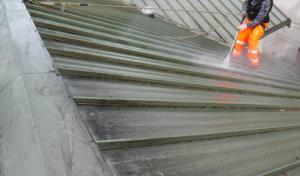
Flat and low-slope roofing exists as a practical addition in many local homes-on porches, additions, multifamily sections, and some mixed residential-commercial structures. In this wet marine climate, those sections show up more often than many homeowners expect, but they are rarely the main roof. They still demand careful detailing because water and moss behave differently on flat or gently pitched surfaces. When paired with a primary pitched roof, the chances of overlooked leaks grow if the low-slope portion is treated as an afterthought. Understanding where these sections end and the main roof begins helps keep the entire envelope watertight.
Low-slope sections dry slowly, especially in shaded patches where Puget Sound moisture lingers. This environment makes every flashing joint, seam, and edge detail a hotspot for moisture intrusion. The roof-to-wall transitions in these areas require robust integration with the underlying roof deck, rigid underlayment choices, and properly terminated edges. Moss-friendly conditions compound the problem: moss creates surface roughness that traps moisture and can lift edges if not addressed with compatible, sealing materials. Plan for continuous drainage paths and ensure that any membrane or sheet layer is fully adhered with compatible fasteners and edge seals.
When a low-slope section exists alongside a pitched roof, treat each area as its own drainage and drying zone while coordinating at penetrations and transitions. Emphasize proper insulation and ventilation at the interface to prevent condensation buildup inside the attic or overhangs. Flashings at skylines, gutters, and sheet-metal components should be continuous and integrated with the main roof's flashing plan. For maintenance, schedule targeted inspections after wet seasons and after any tree-related debris exposure, paying special attention to membrane integrity, seam adhesion, and moss growth at joist bays and edge channels.
Repair strategies diverge between the main roof and the low-slope portion due to different water-load profiles. When moss appears on a low-slope surface, address it with a moss-safe approach that preserves membrane integrity while restoring surface texture to improve drying. Ventilation at attic and under-eave spaces connected to these sections should be verified for unobstructed airflow to minimize condensate buildup. Regular, careful resealing of seams and re-seaming of edge details helps extend life and reduces the chance of slow leaks seeping into the structure.
Find specialists in TPO, EPDM, and built-up flat roofing systems for residential and commercial properties.