Last updated: Apr 19, 2026
In this river valley, the roof is most vulnerable to moisture during the long wet season. Mild winters bring persistent dampness on shaded slopes, where moss and algae can take hold even when the rest of the roof appears fine. A roof that ages in place with consistent damp exposure can deteriorate unevenly, making age alone a poor predictor of condition. When planning a full replacement, the timing should account for how long those shaded areas stay damp, not just the obvious wear.
Moss thrives where moisture lingers, and many Longview homes sit with portions of the roof shaded by trees or by the house itself. On those slopes, moss growth can hide substrate damage and create lift around flashing and nails. If you notice green growth that stays damp after a rain, treat the roof not as a cosmetic issue but as a sign of potential underlayment and deck compromise. In practice, this means coordinating underlayment and flashing checks with any planned replacement to prevent future leaks.
The city's climate favors full replacements during the dry season. Dry weather provides a window for tear-off, inspection, and installation without the constant threat of pre-existing moisture migrating into new layers. You'll want your crew to complete decking inspection and any repairs before new shingles go on, which reduces the chance of trapping moisture and extending the project. Scheduling during late spring through early fall often yields the most predictable progress and fewer weather-induced delays.
Winter storms and heavy rainfall can push tear-offs into a staggered schedule, leaving exposed decking vulnerable. If a project waits for a rain system to pass, you risk moisture intrusion into underlayment or sheathing once the installation resumes. A practical approach is to plan a firm start within the dry season, with a contingency period baked into the schedule for any late-season moisture that could cause a temporary hold. Communication with the crew about anticipated weather windows helps keep the project on track without compromising moisture protection.
Because moss growth correlates with damp exposure rather than age alone, you may reach a point where a roof looks acceptable from a distance but reveals rot or delamination up close. Before replacing, confirm that shaded sections-those most prone to moss-are dry enough to allow thorough underlayment and flashing installation. If you're weighing interim repairs, consider whether spot repairs will truly extend life or merely delay the inevitable full replacement until the dry season. The aim is to replace when the roof can be installed on a dry, stable surface with solid ventilation, rather than chasing successive wet-season delays.
In Longview, inspections specifically verify flashing details and underlayment because prolonged wet weather makes small water-entry defects more consequential. This isn't a city where a casual install will age gracefully on its own; the valley's damp stretches push any gap, seam, or misfit into the spotlight. If flashing around chimneys, dormers, or roof-to-wall transitions isn't tied in with a continuous membrane and properly lapped, moisture will find its way in through the smallest crevice. Underlayment isn't just a layer, it's a first line of defense against the constant drizzle. If it sits improperly nailed, torn, or not properly vented to shed back moisture, the roof's final surface can begin to fail long before it should. In practical terms, a failure point here isn't just a cosmetic drip line-it's warped decking, accelerated corrosion on metal contact points, and accelerated wear on fasteners.
Moss retention in Longview's damp seasons can shorten service life by holding moisture against roofing surfaces and at laps. Moss isn't just green decoration; it acts like a sponge, keeping wood and underlayment perpetually damp and lifting shingle edges with its root-like grip. When moss persists, granule loss can accelerate, and the protective granule layer can be compromised unevenly across the surface. That uneven exposure couples with freeze-thaw cycles to create small cracks that expand over seasons. Roofs with chronic moss growth often develop hidden leaks where the green rug hides the problem until interior damage becomes visible. The most immediate risk is the hidden rot and warping that moss-backed moisture encourages, which can undermine the integrity of fasteners, seals, and vent flashings over time.
Freezing temperatures in colder stretches can interfere with sealant performance and installation timing, especially when roofs are already moisture-loaded. Sealants and coatings contract and lose adhesion when they sit on wet or porous surfaces in subfreezing air, making future repairs harder and less reliable. If a roof is slated for replacement or major resealing during cold, wet periods, expect slower curing times, awkward handling, and higher rework risk. The moisture in the decking and in the underlayment can also trap cold air against the interior side, delaying proper nailing schedules and lap stitching. The practical consequence is a higher chance of micro-leaks forming during the first few freeze-thaw cycles after a project narrow window.
During the wet season, plan for extra attention to ridge venting and soffit ventilation, as poor airflow compounds moisture retention. Schedule flashing inspections when rain is light and you can observe transitions clearly, not just after a downpour when everything hides behind water streaks. If moss is already established, prioritize conservative cleaning that avoids lifting shingles or dislodging underlayment, and consider treatments that arrest regrowth without damaging the surface. For any upcoming re-roof or resealing, choose a window with dry, moderate temperatures to minimize sealant or adhesive failure and to ensure fasteners seat cleanly. A mindful approach to moisture, moss control, and cold-weather timing can extend the life of a roof much more than rushing repairs during a wet spell.
When you can't wait, these contractors offer fast response times to stop leaks and prevent further damage.
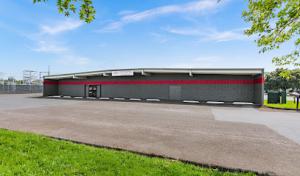
Safecover Roofing
(360) 916-1430 safecoverroofing.com
961 Industrial Way, Longview, Washington
5.0 from 114 reviews
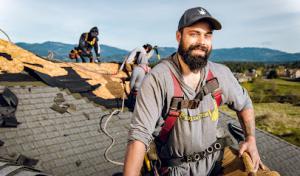
The Roof Doctor
(360) 727-1446 www.theroofdoctor.com
770 Commerce Ave, Longview, Washington
4.8 from 88 reviews
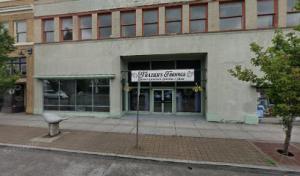
Black Bear Home Exteriors
(360) 762-4455 www.blackbearexteriors.com
1252 Commerce Ave, Longview, Washington
5.0 from 12 reviews
Asphalt shingles are a dominant material in Longview and are often chosen because they fit the city's large re-roofing market and moderate replacement budgets. In a landscape dominated by frequent rain and substantial moisture, asphalt remains a practical choice because of the balance between installation ease, repairability, and a wide range of warranties. Look for impact-resistant options and upgraded underlayment to help your roof shed rain promptly and resist moisture intrusion. In the damp valley setting, pay attention to roofline details that keep water moving quickly off the surface, especially around valleys, hips, and penetrations. Regular inspections after especially wet seasons help catch granule loss or edge lifting before moisture compromises sheathing.
Metal roofing is also common in Longview and appeals to homeowners looking for a roof that sheds the city's frequent rain efficiently. If choosing metal, consider panels with good seam durability and a finish that resists moss growth, since the combination of shade and persistent moisture in the valley fosters moss on low-slope sections and shaded eaves. Metal does well on homes with simple, straightforward roof geometries, but it's wise to coordinate with a skilled installer who understands Longview's climate quirks-proper underlayment, ventilation, and flashing are critical to prevent leaks around penetrations and roof-to-wall junctions. Thermal expansion can be more noticeable in winter, so ensure proper fastening patterns and sealant compatibility with the chosen system. For homes already showing moss in the gutters or on the shaded roof planes, a treated surface or moss-resistant coating on metal or regular moss management plan can extend life and preserve appearance without sacrificing performance.
Wood shingles and shakes in Longview need closer attention because the city's damp conditions increase moss and moisture-related wear compared with drier inland markets. If you opt for wood, choose slow-growing, rot-resistant species and install with adequate gaps to promote drainage and airflow. The moss tendency means more frequent cleaning and maintenance is part of the package, and you'll want to plan for more aggressive maintenance in shady spots and along north-facing elevations. A high-quality roof ventilation strategy helps keep the deck dry and reduces the risk of moss taking hold on the surface. For new installs, pairing wood with an underlayment designed for moisture control and a finishing treatment that resists fungal growth can buy extra life in the wet season.
Longview's climate creates pockets on roofs where moisture lingers-below overhangs, around dormers, and in valley intersections. In any material choice, design considerations that keep water from standing on the surface are essential. Prioritize continuous eave ventilation, ridge or soffit vents, and proper flashing at chimneys and sidewalls. When moss starts to appear, address it promptly with gentle mechanical removal and a moss-inhibiting treatment that's compatible with your roofing material. Regular inspections after the long wet season help catch early signs of moisture intrusion, surface staining, or moss encroachment that could compromise the roofing deck. If you see repeated moss growth despite maintenance, consider a material or protective coating strategy that minimizes moisture retention on the surface while preserving the roof's function.
Typical Longview material costs run about $350 to $750 per square for asphalt shingles, $600 to $1100 for metal, $900 to $1800 for clay tile, $800 to $1400 for concrete tile, $450 to $900 for wood shingles or shakes, and $1200 to $2500 for slate. These ranges reflect the mix of housing stock and the local supplier and crew dynamics, not just the rate card. When planning, expect a premium for turbo-winter work or for crews that have to shuttle material during wet periods. If moisture is a constant concern, factor in a small contingency for extra underlayment or temporary protection to keep exposed areas airtight during rain stoppages.
Wet-season delays can raise project costs when crews must protect exposed areas longer or reschedule around rain and wind. In practice, that means budgeting for weather holds in fall and winter, and recognizing that a dry spell in late spring or mid-summer often becomes the most efficient window for a full re-roof. Scheduling with a local crew who understands Longview's typical drizzle and gusts helps minimize tarps and waiting on wind-screening during installation. If a stormy stretch hits, expect a temporary re-prioritization of emergency leaks and re-roof tasks, which can push your project back a week or two. Build into the plan a cushion for these inevitable weather-driven delays so the timeline doesn't slip into the next season.
Moss pressure is a constant in this valley climate, and that affects both timing and the scope of work. Before re-roofing, expect crews to remove moss and inspect decking for moisture damage, soft spots, or cupping. In Longview, underlayment and flashing take on extra importance given the wet climate, so ensure the scope includes proper nailing, ventilation, and drip-edge sealing as part of the bid. If you're choosing lighter materials like asphalt or wood shingles, plan for a meticulous underlayment strategy to prevent moisture wicking. Clay and concrete tiles add weight and require structural checks; in damp seasons, their installation can extend due to handling and protection needs on the scaffolding and roof line.
If you aim to align with the dry-season window, target late spring or early summer for re-roofs, using asphalt shingles for a cost-effective, quicker install with solid wind resistance when properly fastened. For metal, plan for excellent longevity in this damp climate, but anticipate higher upfront cost and possible longer lead times for specialty trim. Tile options (clay or concrete) deliver long life but demand precise installation and heavier framing, which translates to longer schedules and higher total cost, especially in the wetter months when crews are slower to handle heavy materials. With slate, the same moisture considerations apply, plus significant weight and cost, so secure a longer project horizon and ensure roof structure can bear the load.
Get a clear picture of your project costs upfront - no commitment required.
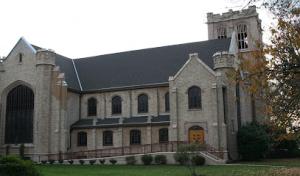
Weatherguard Inc. | Residential, Commercial, & Industrial Roofing Solutions
(360) 577-7200 www.weatherguardinc.net
1128 12th Ave, Longview, Washington
4.5 from 106 reviews
Safecover Roofing
(360) 916-1430 safecoverroofing.com
961 Industrial Way, Longview, Washington
5.0 from 114 reviews
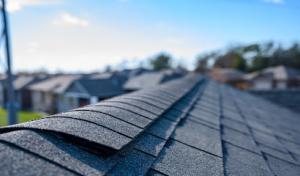
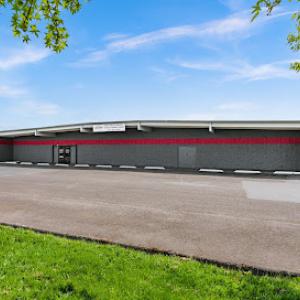
Safecover Roofing serves Longview, Kelso, Kalama, Castle Rock, and Cowlitz County. We handle roof replacement, repair, and inspection for residential and commercial properties — asphalt shingle, metal, TPO, and flat roofing systems. Washington-licensed and bonded with over 20 years of experience. Free inspections with written assessments. No pressure, no gimmicks — just straight answers and quality work.
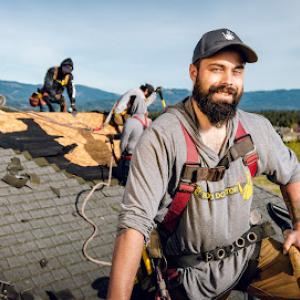
The Roof Doctor
(360) 727-1446 www.theroofdoctor.com
770 Commerce Ave, Longview, Washington
4.8 from 88 reviews
Since 1959, The Roof Doctor has been Western Washington's trusted family-owned provider of comprehensive roofing and home improvement services. Specializing in new roofing, re-roofing, repairs, cleaning, and 24/7 emergency services, they ensure homes and businesses remain protected and visually appealing. Beyond roofing, The Roof Doctor offers solar panel installations and various home improvement services, including decks, siding, windows, and doors, enhancing both energy efficiency and property value. With over 60 years of experience, highly trained crews, and a commitment to unparalleled customer service, The Roof Doctor delivers prompt, reliable, and quality craftsmanship tailored to each client's needs.
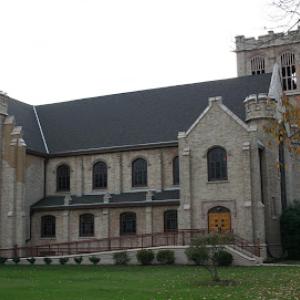
Weatherguard Inc. | Residential, Commercial, & Industrial Roofing Solutions
(360) 577-7200 www.weatherguardinc.net
1128 12th Ave, Longview, Washington
4.5 from 106 reviews
Weatherguard is a local trusted roofing expert, providing high-quality residential and commercial roofing services across Washington, Oregon, Idaho, and Alaska. From new roof installations to repairs and maintenance, we deliver durable, weather-resistant solutions to protect homes and businesses. Whether you need a reliable roofing contractor for your home, or a commercial roofing specialist in the Pacific Northwest, we’ve got you covered. Contact us today for a free estimate!
Black Bear Home Exteriors
(360) 762-4455 www.blackbearexteriors.com
1252 Commerce Ave, Longview, Washington
5.0 from 12 reviews
Your Home, Our Passion! At Black Bear Home Exteriors, we are a family-based home improvement company specializing in roofing, siding, windows, and decks. We provide expert roof installation, replacement, repair, maintenance, inspections (including insurance inspections), and emergency roofing services, backed by trusted GAF warranties. Our team also offers gutter installation, siding repair, window and door upgrades, painting, carpentry, and commercial roofing solutions. Serving Longview, Kelso, Castle Rock, Woodland, Ridgefield, and surrounding WA areas, we deliver quality products, competitive prices, and pride in every project.
Salas Roofing
Longview, Washington
5.0 from 4 reviews
We provide roofing services that include cleaning, installation, repairs, and even new roof construct needs. I have 12 years of experience and am willing to make house calls to look at the roof work that needs done. All estimates and bids are free. We are insured and bonded with all the proper licenses. License # SALASR*800OH
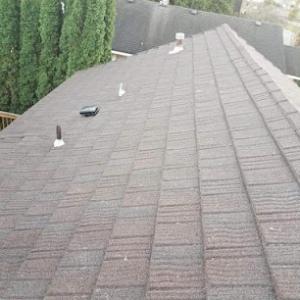
Pacific Performance
Longview, Washington
5.0 from 3 reviews
Pacific Performance INC has been providing services from North WA to South WA, for years. We're a family-owned business. We're looking forward to tackling your next project.
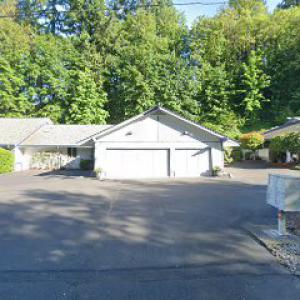
Columbia Valley Construction
2955 Glenwood Dr, Longview, Washington
5.0 from 1 review
Serving Cowlitz County since 2008, Columbia Valley Construction specializes in roofing, exterior painting, siding, and window replacement as well as interior painting and light carpentry. We serve the Cowlitz County community and are located in Longview, WA. Tyson Chapin, the owner, will be on site for the entire project and guarantees personal service as well as top notch quality on all projects we undertake. Free estimates on all jobs are available.
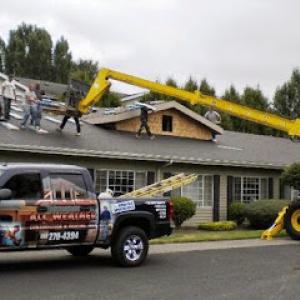
All Weather Construction & Roofing
(360) 270-4394 www.awcroofing.net
Serving
4.8 from 34 reviews
Roofing contractor General contractor
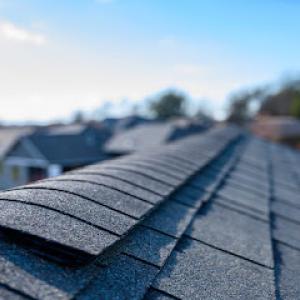
Taurus Roofing
(360) 200-2030 www.thebullroofing.com
Serving
5.0 from 37 reviews
Taurus Roofing is located in Kelso, WA but we provide roofing services in Cowlitz, Clark and Lewis County. We also serve the greater Bend Oregon area including Redmond, Prineville, La Pine, Sisters and Madras areas. We offer free estimates and a 50 year warranty on all of our new roofs installed with Malarkey Roofing Products.
All Top Roofing
(360) 425-5510 www.alltoproofingnw.com
Serving
4.6 from 21 reviews
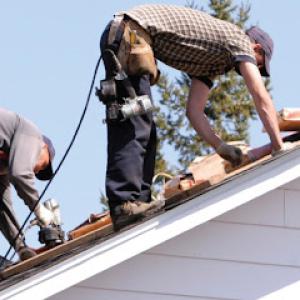
All Top Roofing is an owner-operated roofing company dedicated to serving the community since 2002. As a licensed, full-service roofing company, we strive to ensure every project, large or small is handled with the utmost integrity. Owner, Willie Lucier, and our experienced roofing crews provide the level of service, craftsmanship and professionalism that our customers expect. We are proud residents of this community and understand the importance of giving back. One of the ways we do this is by providing re-roofing projects at affordable costs to churches and charitable organizations.
BRG Roofing
(360) 323-1977 roofingcontractorlongviewwa.com
Serving
5.0 from 5 reviews
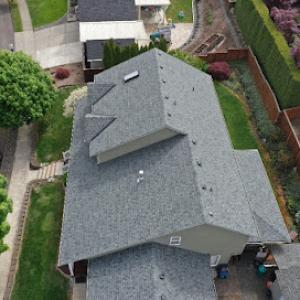
BRG Roofing: Your go-to for roofing, siding, shingles, flat roofs, and gutters in Longview, WA. Enjoy free estimates and exceptional discounts.
VC Contractor
(360) 998-7256 vccontractorllc.com
Serving
4.6 from 13 reviews
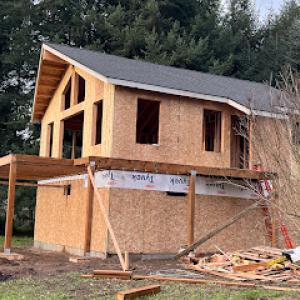
VC Contractor is a professional roofing repair in Longview, WA. We provide residential roofing repair, roofing replacement, roofing maintenance and cleaning. We’re based in Longview, Washington but serve Kelso, Castle Rock, Chehalis, Centralia, Kalama, Woodland, and Ridgefield, WA. With over 10+ years of experience in the Pacific Northwest, we are familiar with the common roofing issues that occur in our rainy climate. That is why we offer a wide assortment of roof services to protect your home from damage. We offer a 10-year warranty on roofing installations. If you have any questions or comments, please contact us. We provide free roofing estimates for your convenience.
A full re-roof in Longview typically requires a permit through the City of Longview Building Department. The process starts with submitting drawings or simple schematics for the roof replacement, showing the proposed underlayment, flashing transitions, and venting strategy tailored to the valley's wet climate. The plan check is not a formality; it is the city's way to verify that the project will meet local standards for moisture control, moss resistance, and proper nailing patterns. Because Longview's permit review closely scrutinizes underlayment and flashing details, having a complete, site-specific plan can prevent back-and-forth delays once work begins. Expect the plan check to address roof ventilation in relation to attic space, eave and rake ventilation, and the sequencing of any metal flashings around valleys, chimneys, and skylights.
Longview requires on-site inspections during and after the job to verify compliance with the approved plan and the city's building codes. Inspections focus on underlayment type and installation, flashing details at all penetrations and transitions, and the ventilation arrangement that supports moisture management in the damp river-valley environment. Inspectors will also check the nail patterns to ensure fasteners penetrate solid framing and are placed to resist wind uplift common to coastal and river valley conditions. It helps to schedule the inspection milestones in advance and have the contractor ready with the exact roof area, vent locations, and any retrofit components clearly identified. Addressing any noted corrections promptly keeps the project moving and avoids re-inspection fees.
Before pulling permits, gather a simple scope that specifies the roof type, underlayment material, flashing around chimneys and skylights, and the planned attic ventilation strategy. If moss or moisture-prone areas exist, document any preventative measures you intend to implement, such as improved underlayment seams or enhanced ridge ventilation, since inspectors will want to see a plan that addresses these local conditions. During the plan check, expect questions about roof access, debris containment, and a safe temporary roof or work platforms if the job spans multiple workdays. Once permits are issued, keep the project site tidy and maintain clear access for the Building Department's inspectors. Finally, be prepared for follow-up inspections after initial corrections, as the city maintains a careful eye on moisture control and secure installation practices in response to Longview's wet season realities.
In this river-valley climate, accurate records matter more than vibes after a wind or hail event. Washington insurers commonly evaluate roof claims using photos, contractor estimates, and condition documentation rather than relying on homeowner descriptions alone. After a storm, gather clear, dated photos of the entire roof, wiring, vents, and any visible flashing. Save service reports and any maintenance notes from the prior two to three years, focusing on moss control, cleaning, and any minor repairs that addressed moisture intrusion.
Wind and hail years can increase claim activity in the Longview area, so pre-loss roof photos and maintenance records matter more when regional storms hit. If a dry spell follows a wet season, use that window to refresh records: replace aging underlayment or damaged flashing, and document those steps with dated notes and receipts. Insurers may scrutinize pre- and post-storm conditions, so a concise log of how moisture-related wear progressed over time helps keep the claim grounded in reality.
Adjusters may ask for pre- and post-renovation condition notes, which is especially relevant in Longview where moisture-related wear can be mistaken for sudden storm damage. Maintain a simple file that contrasts roof surface condition, moss presence, ventilation status, and nail patterns before any repair or replacement. When you upgrade, include contractor notes that tie the work to moisture resilience, not just appearance. This minimizes confusion should an adjuster request historical context during review.
Connect with contractors who help homeowners navigate the claims process from damage assessment to final approval.
Safecover Roofing
(360) 916-1430 safecoverroofing.com
961 Industrial Way, Longview, Washington
5.0 from 114 reviews
On this side of the Columbia River valley, flat and low-slope roofs are common in both homes and small commercial buildings. The long wet season makes drainage performance matter more than you might expect, because standing water can linger on membrane and roll into seams if slopes are marginal. Moss and algae on adjacent slabs can seed into the drip edge and slow down flow. You want a deliberate design that directs water to flashings and outlets without creating troughs that hold moisture. Regularly check for sags, ponding, or debris that blocks gutters and scuppers, especially after heavy rains.
In this climate, flashing must seal where roof planes meet walls, chimneys, and vent pipes, and underlayment needs to lay flat with no folds that could trap water. The city inspection process closely checks these details on full re-roofs, and low-slope projects are under extra scrutiny because water moves slowly and leaks hide behind flashing. Expect close, methodical verification of step and counter flashing, perimeter edge metal, and penetrations. If flashing shows oxidation or gaps after a season, early rework beats a leak that sneaks into a living space.
Longview's wet rhythm means you should time maintenance around the rainy spell window, not after spotting a leak in mid-winter. Schedule moss control, debris removal, and flashing touch-ups during dry periods when materials can be sealed and inspected without rain slanting into joints. Proactive maintenance reduces the chance that a small moisture intrusion becomes a larger, slower-moving problem once the next wet season arrives.
When to act before the wet season: If slow dripping follows heavy rains, moss forms near flashings, or attic ceilings show damp spots, address it promptly. Delays let moisture creep into sheathing and insulation, increasing rot risk and stressing ventilation systems.
Find specialists in TPO, EPDM, and built-up flat roofing systems for residential and commercial properties.
Safecover Roofing
(360) 916-1430 safecoverroofing.com
961 Industrial Way, Longview, Washington
5.0 from 114 reviews
Weatherguard Inc. | Residential, Commercial, & Industrial Roofing Solutions
(360) 577-7200 www.weatherguardinc.net
1128 12th Ave, Longview, Washington
4.5 from 106 reviews