
Last updated: Apr 19, 2026
Winter snow loads and the spring storm cycle combine to stress roofs in this area quickly. The first priority is safety: get off any steep sections if you notice sagging or loose shingles, and arrange temporary protection to keep rain and melting snow from penetrating the attic or interior. A covered tarp or reinforced plywood over vulnerable sections buys you time between storms. Do not wait for perfect conditions to act-freeze-thaw cycles can worsen hidden damage overnight, and high winds can peel back compromised edges. Prioritize securing weak spots around chimneys, vents, and skylights, where water intrusion follows the path of least resistance.
The local insurance environment generally supports standard re-roof claims when damage is properly documented, and adjusters in this region often ask for photos and written records after wind or hail events. After a storm, move quickly to photograph all exterior damage from multiple angles: shingles lifted or missing, granule loss, dented metal, and any edge damage along eaves and gutters. Inside the attic, document stains, roof decking gaps, and signs of moisture. Create a simple timeline noting when wind or hail occurred, how much rain followed, and any temporary protections you installed. A clear, dated record helps both you and the adjuster move through the claim without delay, especially after the busy spring window when contractors are in high demand.
Seasonal demand spikes after regional storms can compress scheduling in Kaukauna and nearby Fox Valley communities, which affects how quickly inspections, temporary protection, and full replacements can be booked. If your roof shows visible damage or leaks, request an inspection sooner rather than later to avoid backlogs. Expect delays after major storm events; line up a trusted local roofer who understands the terrain and the freeze-thaw impact on decking and underlayment. Having a plan in place for inspection sequencing-emergency tarping, then an inspection, then an insurance-adjusted scope-can keep your project moving when the calendar tightens.
The Fox River Valley's freeze-thaw cycle magnifies hairline cracks into larger leaks if ignored. Hail strikes commonly create clustered impact zones that compromise shingles and underlayment; wind can peel edges and dislodge fasteners, accelerating wear on the southern and exposed facets of a roof. In colder months, snow loading shifts the need toward ice-dam prevention and proper ventilation; in spring, the focus shifts to hail damage mitigation and securing any vulnerable penetrations. Treat every storm as a potential trigger for a domino effect: a small leak today can become a full replacement need if not addressed promptly.
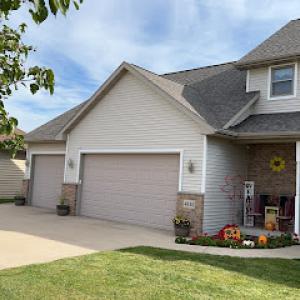
Badger Roofing
(920) 215-4052 www.badgerroof.com
Kaukauna, Wisconsin
4.9 from 64 reviews
Badger Roofing, owned and operated by Brian Daun & Brian Martin, proudly serves Sherwood, WI, and surrounding areas. With over 40 years of combined expertise, we specialize in residential and multi-family roofing, emphasizing shingle roofing solutions. As a locally owned and operated business, we prioritize clear communication and reliability. Our commitment to customer satisfaction ensures your roofing needs are met with precision and care. Trust Badger Roofing for quality craftsmanship and attentive service.
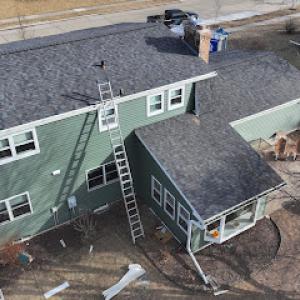
Flash Roofing & Repairs
(920) 443-5274 www.flashroofingwi.com
W5086 Amy Ave #1, Kaukauna, Wisconsin
5.0 from 28 reviews
Highest Quality Roof Replacements in Kaukauna. Servicing Neenah and Appleton, WI to Crivitz and surrounding areas. Professional, Honest, Reliable service. Our highly experienced crew's reputation is unbeatable. We also offer siding, gutters, and roof repairs.
Dripco Roof & Gutter Pro WI
(920) 809-2746 www.dripcowi.com
701 Quinney Ave, Kaukauna, Wisconsin
4.9 from 38 reviews
Dripco Roof and Gutter Pro, conveniently based out of Kaukauna, Wisconsin, specializes in offering comprehensive solutions for all your roofing and gutter needs. With a focus on providing high-quality installations, efficient repairs, and seamless gutter designs, their services are tailored to protect your property from harsh weather conditions and other potential threats. You can trust their experienced team to deliver superior results and enhance the durability and curb appeal of your home.
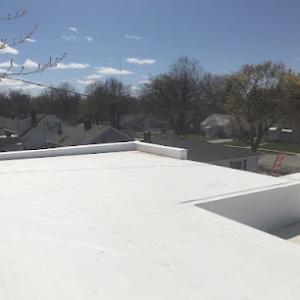
Beyond Roofing & Exterior
(920) 750-0889 beyondroofingandexterior.com
W5072 Amy Ave Unit 2, Kaukauna, Wisconsin
5.0 from 3 reviews
At Beyond Roofing and Exterior we are a Residential, Commercial and Industrial roofing company based in the Fox Cities. We can provide your business with custom roofing, gutters, etc while serving the State of Wisconsin and surrounding communities. Beyond Roofing and Exterior was started to provide integrity in our industry. Integrity means doing the right thing because it is the right thing to do. This means that we will not compromise on our honesty and will provide estimates that don’t include high mark ups or add on repairs that you don’t need.
Weinert Roofing
(920) 759-9820 weinertroofing.com
2001 Hyland Ave, Kaukauna, Wisconsin
4.0 from 4 reviews
Commercial & Industrial Roofing
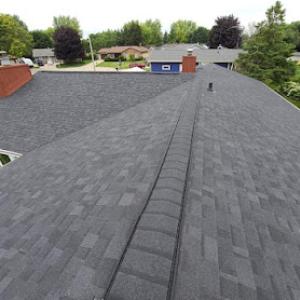
Roof Enforcements
(920) 740-4057 www.roofenforcementsllc.com
Serving
4.9 from 59 reviews
Roof Enforcements is a Woman Owned & Family Operated residential & commercial roofing company offering Asphalt shingles, synthetic, steal coated shingles, standing seam, corrugated, EPDM, TPO & Gaco coating roof installations and repairs. Free Storm damage and insurance claims assistance in Winnebago, Waupaca, Outagamie, Calumet, Fond du Lac, Green Lake and Waushara counties. We specialize in roofing insurance claims and storm damage roof restorations. Woman Owed & Family Operated since 2011.

Security-Luebke Roofing
(920) 766-3464 securityluebkeroofing.com
Serving
4.6 from 440 reviews
Residential and Commercial Roofing Contractor
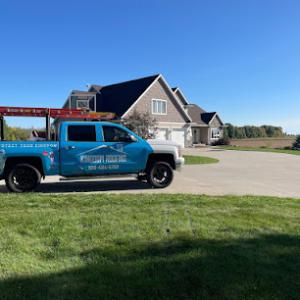
Kingdom Roofing
(920) 404-5760 www.kingdomroofingwi.com
Serving
4.9 from 136 reviews
When it comes to roof, siding, windows, gutters, and gutter protection replacement, Kingdom Roofing is the best choice in Wisconsin. Our team of experienced professionals is fully insured and 5-star rated, so you can trust that your project is done right. Kingdom Roofing offers industry leading warranties with ALL of their projects. Contact us today to get started on your roof replacement project.
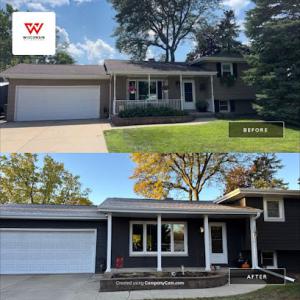
Wisconsin Exteriors
(920) 355-1602 wisconsinexteriors.com
Serving
5.0 from 96 reviews
Welcome to Wisconsin Exteriors, your trusted roofing contractor proudly serving the Fox Valley and surrounding areas. We offer expert roofing, siding, and gutter services with white glove care from start to finish. You'll receive personalized attention, including free inspections, detailed damage assessments, and expert insurance guidance. Our flexible financing options make your project affordable without compromising on quality. Schedule a free inspection today!
Appleton Roofing Solutions
(920) 816-1048 appletonroofingsolutions.com
Serving
5.0 from 51 reviews
At Appleton Roofing Solutions, we provide reliable and affordable roofing services for homes and businesses in Appleton, Wisconsin. Whether you need a fast roof repair, a full replacement, or a detailed inspection, our team delivers quality workmanship with honest service. We understand the impact Wisconsin weather can have on your roof, and we’re here to help protect your property year-round. From asphalt shingles to flat roofing systems, we handle all types of residential and commercial roofs. Our team shows up on time, communicates clearly, and gets the job done right the first time. Need help fast? Call today for a free estimate or to schedule your next roofing service.
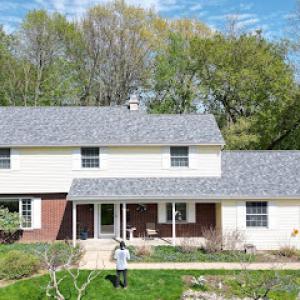
Appleton Roofing & Remodeling
(920) 956-9811 appletonroofingandremodelingllc.com
Serving
5.0 from 13 reviews
Appleton Roofing & Remodeling is a trusted local contractor specializing in roofing, siding, and gutter solutions for homes across the Fox Valley. Whether you're replacing a storm-damaged roof, upgrading your home's curb appeal, or installing seamless gutters, we bring top-tier materials, honest service, and long-lasting results to every project. Serving Appleton, Neenah, Menasha, and surrounding areas, we’re known for doing the job right — the first time, every time.
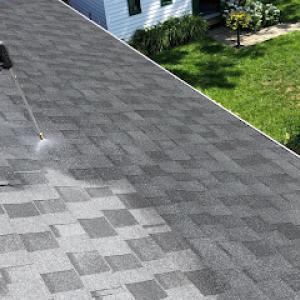
Nano Shield of Wisconsin
(920) 282-9652 www.nanoshieldwisconsin.com
Serving
5.0 from 9 reviews
Nano Shield of Wisconsin provides roof, concrete, and wood coatings for the Menasha, WI area.
Kaukauna's cold, snowy winters and repeated freeze-thaw cycles are a primary local driver of shingle aging, flashing movement, and leak development. The repeated transition from freezing nights to slightly warmer days pushes water into the minor gaps that already exist in shingles and flashing. When temperatures swing, those gaps between shingles and around vent flashing can open and close, gradually loosening seals and letting moisture work inward. Homes with aging roofs or marginal sealants feel the impact first, especially on south-facing slopes where sun exposure accelerates the cycle, or on roofs with older asphalt shingles that have started to curl at the edges. The key takeaway is that every freeze-thaw cycle is a small test of the roof's integrity; over several winters, those tests add up.
Winter conditions in Kaukauna shorten workable roofing windows and can delay tear-offs, deck repairs, and shingle sealing compared with late spring through early fall. Snow load, ground accessibility, and frozen substrates complicate even basic maintenance. If a project requires deck or substrate work, expect delays as the frozen or saturated ground limits safe ladder and equipment placement. Schedule repairs with a back-up plan for warm spells that may temporarily soften frozen surfaces, then refreeze. This pattern matters most after a harsh winter, when leak investigations and resealing take longer because crews must wait for dry, stable conditions to avoid trapping moisture beneath layers that are already stressed by cold damage.
Fall wind and temperature swings in this part of Wisconsin can accelerate failure on already aging roofs before winter snow arrives. Shingles that have accumulated wear from earlier seasons may lift or curl with a strong gust, exposing the underlayment to moisture. Flashing around chimneys, skylights, and vent pipes can begin to separate as fast-moving fall air cools and then warms rapidly, widening seams. In practical terms, this means pre-winter inspections should focus on edges, valleys, and any spots with prior patching. If a shingle line shows signs of cupping or edge curl, consider addressing it sooner rather than later, because the next freeze-thaw cycle could push that vulnerability into a leak.
When inspecting for freeze-thaw wear, prioritize the southern exposures and any roof slopes with visible sagging or inconsistent alignment. Look for granule loss in shaded areas, which often accumulate more freezing moisture and may indicate underlayment exposure. Pay close attention to flashing around dormers and vent stacks; in this climate, those are common leak pathways after a harsh winter. If winter storms push moisture under seals, it may travel along the underside of the shingles toward the eaves, making attic moisture and condensation symptoms more evident after the first warm day.
Directionally, plan around a window of opportunity in late spring to early summer when temperatures are reliably above freezing and the ground is accessible. This timing helps ensure proper resealing, flashing reseating, and shingle alignment without the disruption of a looming winter. For homes with older roofs, consider staged maintenance that targets the most vulnerable areas first-valleys, chimney flashing, and vent penetrations-so that minor repairs don't become major leaks once snow returns. In all cases, documenting observed wear and retaining weathered samples or photos can simplify any follow-up inspections after spring weather arrives.
Late spring through early fall is generally the preferred replacement window in Kaukauna because winter cold and snow reduce installation flexibility. That means scheduling around the ground thaw, dry days, and crews who can move ladders and long materials without risking frost damage or slippery footing. If timing aligns with school routines or peak storm activity, plan for a solid two- to three-week window to accommodate weather pauses and crew availability. In practice, you'll want to target mid-to-late spring or early fall when temperatures are mild, gutters aren't fully loaded with leaves, and the labor force can stay on track without extreme heat or freeze-thaw interruptions. A careful calendar check with your roofing contractor helps set realistic milestones for ordering materials, staging gear, and coordinating any exterior cleanup.
Spring scheduling in Kaukauna can still be disrupted by hailstorms and severe weather, so homeowners often need contingency planning even during the normal start of roofing season. Hail can flatten shingles, dent metal panels, or loosen flashing, which means inspections may occur in multiple phases rather than a single visit. If a severe late-spring rain or hail event hits, expect temporary delays as crews prioritize safety and damage assessment. Have a plan for access to the roof after a hail event, including moving vehicles and securing pets, and reserve flexibility in the second-week window for rescheduling. A practical approach is to reserve a primary target date but build in a backup slot a few days earlier or later to catch improved conditions or early debris cleanup.
Summer heat and humidity in Kaukauna can affect installation conditions and sealant performance, which makes crew timing and material handling more important than in cooler periods. Hot afternoons can reduce the working window and require more frequent hydration breaks, protective enclosures for underlayment, and careful sequencing of nails, sealants, and flashing. Plan for morning or late-afternoon work blocks when heat is most intense, and ensure crews can access shaded staging areas for fast-paced tasks such as laying underlayment, securing shingles, and applying sealant. Surface temperatures impact shingles and metal choices, so discuss heat-management strategies with the contractor, including ventilated attic space and coordinated ventilation during the project to minimize interior heat buildup.
To align with Kaukauna's climate, create a project timeline that buffers for wind and precipitation, especially in spring. Ensure the contractor performs a thorough pre-install walk-through to identify guttering, chimneys, and vent stacks that require extra attention, since spring storms often expose gaps or loose flashing. Develop a communication plan that anticipates weather-driven delays and clarifies when inspections, if any, will occur in full or in staged increments. By anchoring the project to late spring through early fall and building in weather contingencies, you reduce the risk of rework and keep the roof replacement moving smoothly despite the Fox River Valley's seasonal quirks.
Get a clear picture of your project costs upfront - no commitment required.
Asphalt shingles and metal roofing are the most practical mainstream choices in this area. They hold up well against the Fox River Valley's freeze-thaw cycles and spring wind and hail exposure, and they tend to stay within a more predictable budget. In typical Kaukauna housing stock, asphalt shingles offer straightforward tear-off and replacement, with metal providing a longer service life if you're looking at higher upfront durability. Among the higher-cost options, clay tile, concrete tile, slate, and fiber cement shingles demand more planning, heavier structural support, and careful installation details to handle our freeze-thaw cycles. Those materials can push the project over a typical budget, especially if the roof pitch or rafter structure needs reinforcement.
Asphalt Shingles: The most common choice lands in the low-to-mid range for a local roof project, roughly 320 to 520 USD per square. This keeps replacement timelines flexible and is typically easier to match with existing roof lines found across the city.
Metal Roofing: A step up in durability, metal roofs run about 650 to 1,100 USD per square. This option often pays back through superior wind resistance and a longer life, which matters when spring storms or harsh winters threaten typical shingle wear.
Clay Tile and Concrete Tile: Tile options begin at higher costs. Clay tile ranges from about 900 to 1,700 USD per square, while concrete tile sits around 750 to 1,300 USD per square. These choices bring distinctive aesthetics and excellent longevity, but they require compatible framing and careful installation to handle heavier loads.
Slate: If the roof is designed for it, slate is the premium path, roughly 1,500 to 2,800 USD per square. It delivers exceptional longevity but demands substantial structural capability and skilled installation.
Fiber Cement Shingles: A more economical yet durable alternative to natural slate or tile, fiber cement runs about 420 to 750 USD per square, offering good resistance to moisture and freeze-thaw cycles with a lighter structural load.
Pricing in Kaukauna can rise when storm demand surges across the Fox Valley, especially after wind or hail events that increase competition for crews and materials. This means planning ahead for the busy spring and early summer windows can help lock in crews and reduce surge exposure. Seasonal timing also matters: late winter-to-spring tear-offs may uncover sheathing replacement needs, which can add to both material and labor costs. Additionally, the overall project could be influenced by the rhythm of local scheduling and the flow of inspections as crews coordinate sequence with surrounding neighborhood workloads.
In Kaukauna, asphalt shingles remain a dominant material because they fit the area's typical residential re-roof market and are widely used for storm-related replacements. They pair well with the local seasonal cycle: cold snaps, thaw cycles, and the spring storms that mass in from the Wisconsin hinterlands. When choosing asphalt, look for laminated (architectural) shingles that offer better wind resistance and a higher tear strength, which matter after hail events and during rapid freeze-thaw cycles. The underlayment and roof deck condition often dictate how well asphalt performs after a harsh winter; a solid, properly installed underlayment helps prevent leaks during sudden thaws when snowmelt sits on a slightly raised seam. In practice, you'll notice these shingles install quickly, require less structural adjustment, and typically integrate with common existing drip edges and vents found on mid-century and newer homes in the area. If storm damage is a factor, asphalt shingles also reward prompt replacement with material that matches neighboring roofs, simplifying the inspection sequence after a claim and keeping repairs straightforward.
Metal roofing has a meaningful local presence and is often considered by homeowners looking for durability against snow, freeze-thaw exposure, and long-term maintenance concerns. In this market, metal panels or standing-seam systems perform well in high-wind and hail-prone springs, reducing the risk of blow-offs and punctures compared to some brittle composites. A metal roof can shed ice and snow more predictably, which helps with spring melt and reduces the risk of ice dams forming under older roofing. For Kaukauna homes, choosing a metal system that integrates with existing flashing and venting is important to minimize cold-weather leaks. Some homeowners appreciate the lighter yet sturdy nature of metal, which reduces load concerns on aging roof decks. When choosing color and finish, consider coatings designed for temperature fluctuations and the bright sun exposure experienced during summer days, which helps maintain appearance and longevity across the seasons.
Heavier materials such as clay tile, concrete tile, and slate are available in this market but are less common and can complicate replacement decisions in a city where storm response and practical re-roofing are major priorities. Clay and concrete tiles are more brittle in freeze-thaw cycles, and slate requires a robust supporting structure to carry the weight. In practice, installing these materials often triggers a structural assessment or reinforcement, which can delay storm-related repairs and complicate insurance documentation after severe weather. If a home already has substantial roof loads or limited attic space, these options may demand a staged approach or adapter selections to align with typical roof pitches and the observed maintenance history of local homes. When considering a move to heavier materials, verify compatibility with existing gutters, ice guards, and wind-rated fasteners to maintain reliable performance through spring hail and winter winds.
For any material, prioritize proven warranties, proper installation quality, and compatibility with the typical storm sequence-hail, wind, and rapid thaw. Storm-damaged roofs benefit from materials that balance repair practicality with long-term resilience, a factor that matters when documenting insurance claims after spring and winter weather. Consider a phased replacement plan if a full roof refresh seems heavy for the timing, and keep in mind how the local climate interacts with underlayment choices, ventilation, and attic insulation to maximize a roof's lifespan in this riverside climate.
Explore specialists in steel, aluminum, and standing seam metal roofs built to last 50 years or more.
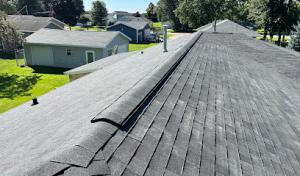
A building permit is typically required for a full re-roof in Kaukauna. The City of Kaukauna building department is the authority that issues permits and coordinates roofing inspections for these projects. Before any shingle or metal over lay occurs, make sure the permit is applied for and kept visible at the job site. Do not rely on a contractor's paperwork alone; the city requires an official record for the work and schedule.
Roofing work in this area follows a predictable sequence tied to permit milestones. Initial inspection happens once the roof deck and underlayment are in place but before new roofing material is installed, to verify sheathing, nailing patterns, and ventilation are up to code. In many cases, another inspection is conducted after sheathing replacement if the project involves substantial decking work or damage from freeze-thaw cycles. The City of Kaukauna typically reviews these steps within a 1 to 2 week window, so plan the timeline accordingly and coordinate with your contractor to avoid delays.
A completion inspection is standard after the new roof is installed to confirm all components meet local requirements and the work has been properly sealed against weather. Expect the inspector to check ventilation, flashing at eaves and chimneys, and the overall conformity with permit terms. If any outstanding items are found, the permit requires timely corrections, so address notes promptly to keep the schedule on track.
Coordinate with the contractor to align the permit issuance date with your anticipated start of work, and confirm who will be present for each inspection. Keep a copy of the permit and inspection receipts readily accessible for the inspector's review. If spring weather or ice damage contributed to the project's scope, document the related issues for the building department to streamline review and avoid back-and-forth delays.
Wind and hail events in this area push roofs beyond simple wear and tear, creating a more active claim landscape than you might expect elsewhere. Insurance teams expect clear cause-and-effect, detailed timelines, and corroborating evidence from the scene. A storm-driven roof isn't just about shingles lifting; it often involves damaged sheathing, hidden leaks, and faster wear on edge zones where wind gusts concentrate. Being prepared with a precise record of what happened helps prevent delays when a claim is filed.
Wisconsin insurers generally cover standard re-roof projects when documentation is complete, but some carriers apply stricter depreciation schedules or policy limits depending on roofing material. In practice, that means your file should tell a complete story: storm dates, observed damage, contractor findings, and any signs of water intrusion. A clean, professional estimate that aligns with the physical evidence can significantly smooth the adjustment process, especially after a rough winter or a severe spring storm.
For Kaukauna claims, homeowners should preserve photos, dates, contractor findings, and any sheathing or leak evidence because adjusters in this region commonly request detailed documentation. Take dated photos from multiple angles, note any ladder or attic access issues, and keep weather reports or hail size data if available. If inspectors visit, have your contractor summarize the scope, including any underlying substructure concerns that might influence coverage decisions. Clear, organized records reduce back-and-forth and help ensure the claim aligns with actual damage rather than assumptions.
Connect with contractors who help homeowners navigate the claims process from damage assessment to final approval.
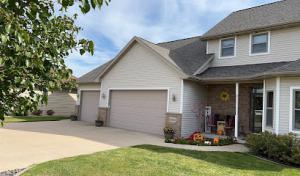
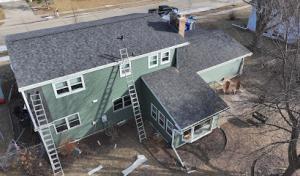
Flash Roofing & Repairs
(920) 443-5274 www.flashroofingwi.com
W5086 Amy Ave #1, Kaukauna, Wisconsin
5.0 from 28 reviews
In Kaukauna's freeze-thaw climate, roof penetrations and transitions are common leak points because repeated expansion and contraction can stress flashing details. Skylight openings create a path for ice and water to move between the roof plane and interior spaces, especially where sealant joints meet curb, curb-to-shingle transitions, and flashing trails. If a skylight was installed years ago or retrofitted without attention to the surrounding shingles, you may notice newly active leaks after a thaw-cycle or a heavy spring storm. The same dynamics apply at roof-to-wall transitions where siding or chimney flashing intersects the roofing plane, exposing more seams to moisture ingress when temperatures swing.
Local contractor signals show meaningful demand for skylight-related roofing work in this market, indicating that skylight integration and repair are a real homeowner concern here. If a skylight has aged seals, condensation can occur on the interior glass, and the surrounding flashing may begin to fail even if the rest of the roof looks solid. When considering a replacement or upgrade, expect options that improve drainage around the curb and bolster the membrane interface with the roof deck. A careful assessment should verify that the skylight flashing aligns with the existing shingle pattern and that the sealant lines remain supple after a winter. In practice, repairs often focus on resealing the curb, adding a compatible drip edge, and ensuring the chimney or vent stacks adjacent to the skylight do not share compromised flashing.
Chimney-related roofing work also appears regularly in the local contractor mix, which matters in older Wisconsin housing stock where flashing and masonry intersections often age differently than the field shingles. Masonry joints can trap moisture and expand differently than asphalt or metal components, creating micro-leaks that travel along flashing details into attic spaces. A cautious homeowner keeps an eye on rising exterior stains, musty attic odors after rain, or ice dams forming near the chimney line. Regular flashing checks around the chimney, careful resealing of any cracked mortar joints, and ensuring the combined layers shed water reliably can prevent small problems from becoming sizable repairs.
Find contractors experienced in skylight installation, flashing, and leak repairs to bring natural light into your home.
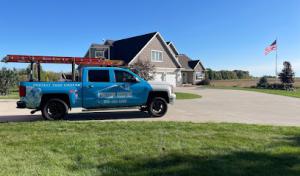
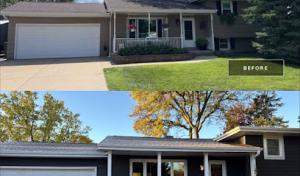
Flat-roof work exists in the Kaukauna market, but most homes still rely on steep-slope re-roofs. When a flat section is present, expect contractors to prioritize drainage performance and seasonal scheduling around the long freeze-thaw season. The region's typical storm patterns mean that low-slope roofs can accumulate standing water, ice backup, and accelerated wear from repeated freezes. Plan projects with this in mind, especially if existing drainage components show signs of aging or blockage.
On low-slope sections, proper drainage is not optional-it's a life of the roof issue. Start with confirming current drainage paths: confirm that scuppers and internal drains are clear, verify that deck slopes direct water toward outlets, and look for routine debris buildup in gutters and off-ridge areas. If the parapet or edge details trap water, adjust or widen channels to prevent puddling during spring thaws. In Kaukauna, a small offset in slope or a correctly chosen flashing detail can dramatically reduce ice dam risk and interior leaks when temperatures bounce between freezing and above-freezing.
Winter weather can delay repairs, so prepare for rapid protection whenever leaks are detected. Implement a temporary tarp or roof ladder system that covers the most active leak zones, especially along transitions to roof penetrations and corners. Keep a stock of tarps, heavy-duty tape, and a few sturdy fasteners for quick deployment after a storm. The goal is to limit interior damage and moisture intrusion while scheduling a permanent fix after winter conditions ease.
When inspecting after a thaw or a storm, focus on seams, flashing, and corner detailing where low-slope sections meet walls or parapets. Document the condition with clear photos from multiple angles for insurance and contractor reference. If a contractor identifies multiple compromised areas, plan staged repairs that address the highest-risk zones first, then sequence the remaining work to minimize ongoing water exposure through the shoulder seasons.
Find specialists in TPO, EPDM, and built-up flat roofing systems for residential and commercial properties.