Last updated: Apr 19, 2026
Storms in this market bring spring hail and gusty winds that trigger insurer documentation requests and adjuster site visits. You'll want to have clear, dated evidence ready the moment the front creeps through your neighborhood. Start by snapping wide-angle exterior shots from multiple angles, then close-ups of chipping shingles, dented gutters, and near-visible granule loss. Keep these images organized by date, and back them up in the cloud. When an adjuster schedules a visit, you'll be glad to hand over a thorough trail rather than scramble for scattered photos. In practice, that means matching the images to any pre-storm photos you may have, and noting visible issues like hail impacts on softened fascia, curled edges on shingles, or compromised boot flashing around penetrations.
Regular spring rain in the Milwaukee-area weather pattern can interrupt tear-off schedules and force temporary dry-in planning during replacement projects. If rain stalls the crew, you need a plan to keep the roof protected without compromising long-term performance. Insist on a documented dry-in plan and temporary waterproofing that aligns with what the insurer expects to see. Understand that even a single wet day can push the project back and complicate claim timing. Coordinate with the contractor to establish a realistic window for material delivery, crew travel, and weather contingencies, so you aren't left scrambling when a storm rolls through again.
Older roofs may face closer insurer scrutiny in Wisconsin claim handling, making pre-storm photos and maintenance records especially important before filing. Gather receipts for prior repairs, note any known weather-related failures, and keep a log of maintenance tasks like cleaning gutters or addressing loose flashing. These records help demonstrate the roof's baseline condition and can support your claim if hail or wind damage is disputed. If you've recently had a hail event or visible damage, prioritize issuing a concise, dated summary of what you observed, paired with the best available photos from before and after the incident.
Create a storm-ready binder: include recent photos, maintenance receipts, and a simple timeline of weather events over the last two years. Set up a digital folder with labeled copies of pre- and post-storm imagery, then share the folder with your insurer and contractor as soon as you notice damage. Establish a contingency plan with your roofing pro for rapid tarp or dry-in responses after a hail event, so you aren't left exposed between diagnosis and replacement. Finally, when an adjuster arrives, walk them through your photo timeline and point out discrepancies between pre-storm and post-storm conditions to avoid delays.
Cornerstone Roofing
(262) 323-3223 www.cornerstoneroofingwi.com
Brookfield, Wisconsin
5.0 from 39 reviews
Residential Roofing company serving the greater Milwaukee area
Immortal Exteriors
(414) 881-1605 www.immortalexteriorllc.com
18720 Pleasant St Suite 102 & 103, Brookfield, Wisconsin
4.9 from 49 reviews
Immortal Exteriors is a full exterior remodeling Company with the knowledge and experience to help you replace your roof, gutters, siding and windows. We use the highest level of quality products available. Our experienced installers focus on the details on every project. Our goal is 100% satisfaction. We want to be your go to contractor in Southeastern Wisconsin. Each consultation is 100% free and no pressure.
Odyssey Home Remodeling
(855) 913-3770 odysseyremodeling.com
14665 W Lisbon Rd # 2E, Brookfield, Wisconsin
5.0 from 26 reviews
Protect your largest investment with our affordable roof replacement, siding replacement, and window replacement services in Wisconsin. At Odyssey we take pride in installing quality products that are manufactured with the latest technologies, installed by certified professionals, and customized to meet both your needs and your budget. We have taken the time to narrow down the type of materials – and manufacturers of those materials – that provide the best value to our customers. Whether you are looking for architectural or designer shingles, DaVinci composite and metal roofing, or modern energy efficient windows and beautiful, long lasting siding – Odyssey Home Remodeling has partnered with the best to provide you with the best.
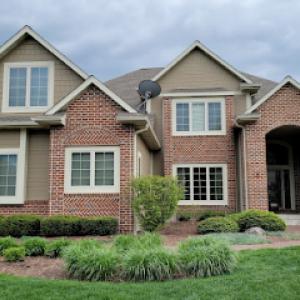
1-800-RITE-ROOF - Roofing Contractors
(262) 667-5220 1800riteroof.com
200 S Executive Dr Suite # 101, Brookfield, Wisconsin
4.9 from 40 reviews
When you are ready for home improvement, you want to work with a company you know you can count on for quality, integrity and value. Here at 1-800-RITE-ROOF, we have more than two decades of experience handling different exterior renovations and improving the homes and businesses of our local customers. We understand that each client has unique needs, which is why we apply customized solutions to each job we handle. This is to make sure we meet, or even exceed, their expectations. We have made it our goal to create and deliver the home improvement solutions that families, individuals, and business owners have come to expect from a professional roofing company.
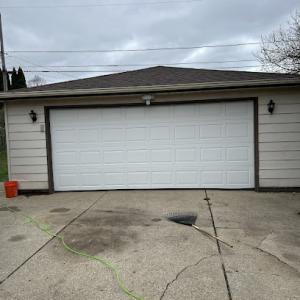
Isabel Construction
(262) 373-1931 isabelconstructionwi.com
4065 N 126th St, Brookfield, Wisconsin
5.0 from 15 reviews
Isabel Construction is your trusted local expert for roofing, gutters, and siding in Brookfield and the Greater Milwaukee area. As a family-owned and operated business, we take pride in delivering honest, reliable service with a commitment to 100% satisfaction. From roof repairs to full replacements, we offer free estimates, a best price guarantee, and a 2-year labor warranty. Whether it's residential or commercial, you can count on our skilled team for quality craftsmanship and peace of mind on every project.

AmeriPro Roofing
(262) 228-6560 www.ameriproroofing.com
150 S Sunny Slope Rd #108, Brookfield, Wisconsin
4.3 from 167 reviews
At AmeriPro Roofing we specialize in exterior home repair & storm restoration focusing on roof repair, roof replacement, siding and gutters. Since 2000, we have completed over 150,000 successful projects. We never complete a job until you’re fully satisfied. Our goal is to make your house look as good as the day it was built
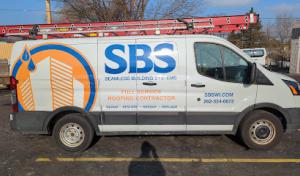
Seamless Building Systems
17145 W Bluemound Rd J212, Brookfield, Wisconsin
5.0 from 7 reviews
Seamless Building Systems provides commercial roof inspections, repairs, and installation to the Brookfield, WI area.
Over the Top Roofing & Construction
(414) 531-7663 overthetoproof.com
17700 W Capitol Dr Building 3, Suite 24, Brookfield, Wisconsin
3.7 from 74 reviews
Over the Top Roofing & Construction began with roofing. Many years later, we remain a regional leader-and with good reason. Our experienced Milwaukee roofing professionals are dedicated to upholding our exceptional quality standards, and delivering a product that is both durable and beautiful.
Loyal Family Renovations
(414) 299-8523 loyalfamilyrenovations.com
Serving
4.7 from 92 reviews
When it comes to Roofing, Siding, Windows, and more, no one compares to Loyal Family Renovations. With years of combined experience, Loyal Family Renovations has worked hard to build the trust of our clients in Waukesha and surrounding areas. Visit our website to learn more or better yet, call us today!
Ready Roof
(414) 441-2527 www.readyroof.com
Serving
4.9 from 23 reviews
Welcome to our top 1% ranked roofing company, where excellence and community are our top priorities. As a platinum level contractor, we provide the highest quality materials and services to ensure the best return on your investment. We actively give back to our community and believe in making a positive difference. Not Choosing us would mean missing out on the most reliable and trustworthy roofing experience in Milwaukee.
Buck Remodeling
(262) 589-8858 buckremodeling.com
Serving
5.0 from 20 reviews
Buck Remodeling is a trusted roofing contractor and remodeling company based in Waukesha, WI, proudly serving Brookfield, Pewaukee, Oconomowoc, Menomonee Falls, and surrounding Southeast Wisconsin communities. We specialize in roof replacement, roof repair, storm damage restoration, insurance claim assistance, siding installation, and gutter systems. As a full-service remodeling contractor, we also provide kitchen remodeling, bathroom renovations, basement finishing, home additions, and whole-home updates. Whether you need a full roof replacement or a complete interior remodel, our team delivers quality craftsmanship, clear communication, and dependable service from inspection to final walkthrough.
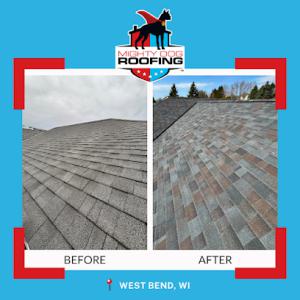
Mighty Dog Roofing of Milwaukee Metro
(262) 587-5867 www.mightydogroofing.com
Serving
4.9 from 150 reviews
When it comes to your home’s exterior, Mighty Dog Roofing delivers top-of-the-line services matched with the neighborly customer care our clients have come to love. Our team of skilled experts will conduct a free, detailed inspection of your home, treating it as our own. Whether your home needs a simple repair or a full roof replacement, expect to receive the transparent guidance you deserve. Whatever the case, our team will work to meet your safety and budget needs. We take pride in operating with quality materials, hiring skilled roofers, and providing our customers with a high-quality experience. See for yourself; our reviews say it all. Schedule your free, home inspection today!
In a neighborhood built for single-family living with steep slopes, the cold winters in Brookfield drive repeated freeze-thaw cycles that accelerate shingle brittleness, flashing movement, and leak development around penetrations. When temperatures swing above and below freezing, granules loosen, and the asphalt layers lose some flexibility. That brittleness shows up first at valleys, chimneys, vents, and roof-to-wall transitions. The result is small cracks that quietly widen after a heavy ice dam forms or a rapid thaw follows a storm. Attic decking and underlayment become more vulnerable when warm daytime air meets frozen shingles, so a minor wind-driven leak can intensify after several cycles.
Snow load followed by thaw-refreeze conditions in southeastern Wisconsin can expose weak attic ventilation and underlayment details during winter and early spring. If soffit vents are blocked by snow or insulation, heat build-up in the attic accelerates the deterioration of underlayment beneath the top layer. Ice dams push against the lower edges of shingles, forcing water to wick under and into the roof deck. In practical terms, this means hidden leaks can appear long after a visible drip starts, especially where penetrations and transitions meet the roof plane. A homeowners' habit of clearing the eaves only, without addressing attic airflow or vapor barriers, often leaves a slow drip that's easy to overlook until the weather warms and the thaw cycle repeats.
Replacement timing in Brookfield typically favors late spring through early fall because winter tear-offs are more difficult and material sealing is less predictable. If a hail event or windstorm damages a roof during the late season, plan for a window that avoids deep winter conditions. The goal is to minimize the risk of cold-weather adhesive failure and to ensure shingles seat properly before freezing temperatures set in again. When documenting storm impact, focus on two things: visible impact on the upper third of the roof and any signs of water intrusion around penetrations that align with thaw cycles. Insurance-driven decisions often hinge on timing, so create a clear record of damage after a storm, including dates, photos, and notes on attic ventilation performance observed during the cold months. A practical approach is to stage a replacement during a window with reliable sealing and favorable drying conditions, rather than forcing a late-season tear-off into a chill that challenges shingle adhesion and flashing performance.
Asphalt shingles remain the practical backbone of most Brookfield homes, balancing performance with a straightforward installation that fits typical suburban layouts. For many single-family roofs with standard pitch, asphalt delivers reliable protection against leaks, and the broader contractor network means easier access to qualified installers. In a market where re-roofing on steep slopes is common, the practicality of asphalt can reduce both disruption and downtime during replacement. However, the choice isn't one-size-fits-all: higher-end homes with distinctive lines or larger roof areas may benefit from alternatives that align with architectural style and long-term durability.
Freeze-thaw cycles drive the true lifespan of any roof in Brookfield. The region's winter temperatures push moisture management to the foreground: proper underlayment that can repel bulk moisture, robust flashing around chimneys and vents, and a well-ventilated attic to prevent heat buildup are essential. The material on top matters, but the layers beneath-underlayment and flashing-often determine how well a roof survives the spring thaw and fluctuating temperatures. When evaluating options, prioritize systems that offer continuous, waterproof protection at seams and integration with ridge and drip-edge details to minimize wind-driven leaks in storm events.
Clay tile, concrete tile, and slate appear on higher-end suburban homes, where roof framing and geometry can accommodate the added weight. In such cases, the project scope extends beyond the coating layer to structural considerations, including support framing and attachment methods that resist wind uplift. In Brookfield, you'll see these materials on distinctive silhouettes and custom homes, where homeowners prioritize longevity, curb appeal, and fire resistance. If you're considering a switch to a heavier material, a detailed structural assessment is essential to ensure the existing framing can carry the load without requiring extensive reinforcement.
The shape and age of a roof influence material suitability as much as climate does. Metal roofing, synthetic or composite shingles, and even slate can pair well with certain roof geometries and design vocabularies found in Brookfield's residential mix. Metal offers excellent longevity and wind resistance for steeper pitches, while synthetic shingles can mimic the look of natural products with potentially lower maintenance demands. For tile or slate, the roof's slope, eave overhangs, and drainage paths must be carefully considered, as improper installation can negate the benefits of a premium material. A local installation team with experience in the area will understand how seasonal wind patterns and storm exposure interact with these choices, ensuring a durable, weather-resistant finished product.
In this market, the typical price per square for a replacement varies widely by material and project scope. Asphalt shingles run roughly from 350 to 700 USD per square, while metal roofing lands between 600 and 1100 USD per square. Higher-end options such as clay tile, concrete tile, slate, and synthetic/composite shingles push costs upward, with concrete tile near 800-1500 USD per square and slate commonly 1200-2500 USD per square. Synthetic or composite shingles sit in a middle ground, about 350-700 USD per square. When evaluating bids, framing the numbers around these ranges helps separate material choice from labor-driven extras.
Weather patterns drive the annual replacement cadence. Spring storm periods bring hail and wind that trigger surge demand, tightening labor availability and compressing scheduling windows after an event. The local market's heavy re-roofing activity means bids can shift as crews reallocate to high-priority storm damage sites, potentially delaying start dates or extending project timelines. If a hail event hits, expect higher on-site coordination needs, especially on steep slopes where access and safety requirements add planning time.
Steep-slope suburban homes are the dominant stock, and these configurations amplify staging and safety considerations. Chimney flashing work, skylights, and precise step Flashing around roof penetrations are frequent scope items that contribute to cost variability. Cleanup expectations after completion matter too; owners often want drive-by street cleanliness and debris removal from yards and landscaping, which can add a modest line item but improve overall satisfaction. These items tend to pull the final price toward the higher end of the material range, even when the underlying roofing material is mid-range.
Anticipate permit-driven scheduling realities by building in buffers between material selection and the start of tear-off work. Weather delays in spring can extend timelines by days or weeks, especially if a long cooldown follows a heavy rain event. When estimating, consider ongoing weather patterns, typical spring wind gusts, and the probability of additional interior or exterior repairs discovered during teardown. A well-documented scope with clear expectations on flashing, skylight sealing, and debris cleanup helps avoid last-minute cost creep and aligns payment milestones with project milestones.
Get a clear picture of your project costs upfront - no commitment required.
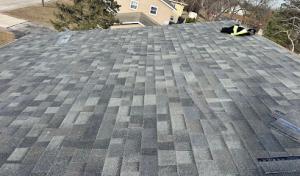
Immortal Exteriors
(414) 881-1605 www.immortalexteriorllc.com
18720 Pleasant St Suite 102 & 103, Brookfield, Wisconsin
4.9 from 49 reviews
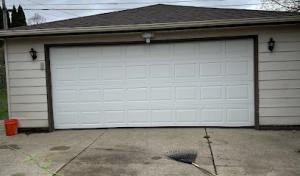
Isabel Construction
(262) 373-1931 isabelconstructionwi.com
4065 N 126th St, Brookfield, Wisconsin
5.0 from 15 reviews
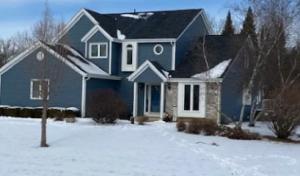
A full roof replacement in Brookfield typically requires a building permit rather than proceeding as informal maintenance work. Skipping the permit can trigger permit rework, stop-work orders, or insurance delays if a claim is involved. The contractor usually files the permit application and identifies the project scope and roofing materials before work begins, so you should expect a clear plan and a licensed installer taking responsibility for the paperwork. If the contractor can't produce a formal scope and material list up front, pause and demand it in writing before any shingle removal starts.
Before any tear-off, verify that the permit application reflects the exact roof type, attic ventilation plan, underlayment, flashing details, and drainage strategy. In Brookfield, inspections are commonly scheduled during and after installation to verify ventilation, underlayment, flashing, and drainage details, followed by a final completion inspection. Ask for a copy of the permit for your file and request the inspection checklist your contractor expects the inspector to use. This creates a traceable record should any storm-damage claim or warranty question arise later.
During installation, the inspector will typically verify that the attic ventilation is adequate and balanced with the new roof system, that the underlayment is correctly installed for the local freeze-thaw cycle, and that step-flashing transitions at chimneys and vents are properly integrated. They will also scrutinize ridge and drip-edge flashing, boot seals around vent pipes, and proper drainage setup on hips and valleys. After the crew finishes, a final completion inspection confirms that all components meet code and the project description on the permit matches what was installed. Prepare for minor corrections if anything is not up to standard on the first pass.
Coordinate with the contractor to schedule inspections promptly and to keep access clear for the inspector. Keep a copy of the permit, the project scope, and the final inspection report handy in case you file an insurance claim later. In a storm-prone area, any deviation from the approved plan-like changing materials or scope mid-project-should be approved in writing, and you should expect a revised permit or addendum. A thorough, documented process reduces the risk of delays and ensures the new roof stands up to Brookfield's demanding weather.
Wisconsin carriers serving Brookfield commonly use site visits by adjusters for hail and wind claims, so you should photograph first and preserve those images before any temporary repairs alter evidence. Your goal is to capture the roof in its pre-repair state, including any granule loss, dented metal flashings, lifted shingles, and stained or cracked areas. If a contractor covers damage with a tarp or secures loose panels, document the process and time-adjusters will want an unaltered baseline.
Brookfield homeowners with aging roofs should expect possible coverage limitations or depreciation questions and should gather installation dates, prior repair records, and inspection notes. Keep a file with receipts, old warranty paperwork, and any contractor notes from recent inspections. When the roof has lived through multiple winters and spring hail, adjusters will weigh remaining life and the impact of wear on replacement decisions. Clear documentation of past work helps support a fair assessment.
A clear claim narrative tied to a specific storm date is especially useful in this environment. Note the exact day, time, and local weather observations, along with nearby property impacts. If you can, gather chunk measurements of dented vent caps, hail impact marks on shingles, and wind-driven debris patterns. A tight, storm-focused story helps the adjuster connect the observed damage to a known event, reducing back-and-forth and expediting a determination.
In the claim process, keep communications organized by date and source. If an inspection is rescheduled, document the reason and new appointment details. Having a well-dated trail of events keeps the claim moving and reduces the chance of coverage disputes after temporary repairs have occurred.
In this market, low-slope drainage details consistently show up as leak sources after heavy rain events and during the winter thaw. When the roof transitions from a steeper plane to a flatter section, even small misalignments in flashing or membrane lap terms can trap water that travels toward a skylight curb. The typical problem spots are where the low-slope runs meet parapets, where the flashing receives foot traffic or debris, and where the edge of the flashing shelf sits against a vertical wall. Pay close attention to any signs that water has stood or crept under the membrane, especially around skylight bases and curb flashings. The skylight flashing needs a continuous, properly sealed counter-flashing that accommodates any building movement in freeze-thaw cycles. If you notice staining or soft spots near a skylight during attic checks, investigate the flashing joint, the square footage of the curb, and the condition of the sealant. This is a recurring point of failure that benefits from early detection and methodical resealing.
Fall leaves in Brookfield can complicate drainage paths and attic vent checks, especially where low-slope sections meet steeper roof planes. Leaves can blanket the top of low-slope drainage channels, forcing water to back up toward flashing seams and skylight rough openings. Inspect gutters and downspouts for clogs and verify that the scuppers or overflow points are not blocked by debris. In the attic, confirm that vent baffles and soffit vents are clear, as restricted intake can push moisture toward the attic insulation and toward low-slope seams. When a storm hits, the combined effect of leaf accumulation and a freeze-thaw cycle can stress sealants at skylights and transitions. Regular seasonal checks that clear debris from the roof surface and ensure smooth drainage paths help prevent slow leaks from becoming active leaks.
During a thorough inspection, start by tracing water paths from the skylight down into the low-slope transitions. Look for gaps in the sealant, loose fasteners, or lifted flashing tabs along the skylight curb and where the low-slope plane meets a steeper roof. Touch up or replace failing sealant, and confirm that counter-flashing overlaps are continuous and bent away from water flow. For drainage, run a water test across the low-slope area during a dry-down period, watching for ponding zones near flashings and transitions. If ponding persists, rework the slope or adjust the flashing to redirect water toward a functioning drainage path. These targeted checks reduce the chance of hidden leaks that emerge after the next rain event.
Find specialists in TPO, EPDM, and built-up flat roofing systems for residential and commercial properties.
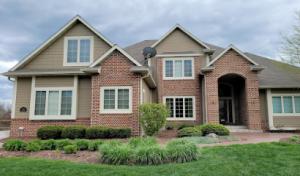
1-800-RITE-ROOF - Roofing Contractors
(262) 667-5220 1800riteroof.com
200 S Executive Dr Suite # 101, Brookfield, Wisconsin
4.9 from 40 reviews
Seamless Building Systems
17145 W Bluemound Rd J212, Brookfield, Wisconsin
5.0 from 7 reviews