
Last updated: Apr 19, 2026
Sheboygan sits directly on the Lake Michigan shore, so roofs are exposed to lake-driven wind and colder shoreline conditions than many inland Wisconsin locations. The combination of brutal winter cold, repeated freeze-thaw cycles, and humid summers creates a relentless cycle of ice formation along eaves, gutters, and valley lines. Ice dams aren't just a nuisance here-they are a real risk that can force interior leaks, warped sheathing, and accelerated wear on existing roof edges. On older steep-slope houses, uneven attic insulation and ventilation magnify the problem, leaving hot, moist attic air to melt roof snow at the colder eaves and refreeze into damaging dams.
Wind-load compliance matters locally because reroofs are inspected for roofing and wind-load standards, and insurer documentation often focuses on wind-related damage. A roof in this area must resist lake wind pressures that can peel shingles, lift edges, or push water under flashing. When you couple high wind with a poor ice-dam barrier, even a well-installed roof can fail at soffits, ridges, and valleys. The result is a costly cascade: water intrusion, accelerated deck decay, and repeated storm-driven damage that complicates repairs.
Start with a careful attic inspection once frozen weather subsides. Look for signs of inadequate ventilation: matted or blocked soffit vents, sagging insulation, or warm spots that indicate heat escape. In the attic, check for frost buildup on rafters and on the underside of roof sheathing in winter-these are red flags for insulation gaps. Exterior signs are equally telling: ice forming along eaves longer than usual, ice dams extending up roof slopes, and gutters packed with ice. On older homes, simple unevenness in rooflines or flashing gaps around penetrations can become focal points for water entry once dams start to melt.
If you're planning a reroof, prioritize a system designed to handle wind loads and to minimize ice dam formation. This means ensuring continuous, properly insulated attic space with balanced intake and exhaust ventilation, plus high-quality underlayment and continuous eave protection. Soffit-to-ridge ventilation should be airtight to prevent warm attic air from meeting cold roof surfaces. Consider upgrading to roofing materials with proven wind resistance and secure edge details that resist wind uplift. In the years between major replacements, install ice-damming barriers at eaves, step flashing, and valley flashing with corrosion-resistant, robust fasteners. For local reroofs, insist on a detailed wind-load plan and an integrated ventilation strategy that eliminates hot attic pockets, because there is no margin for delay when lake winds and winter storms collide.
Late spring through early fall is the preferred replacement window in this lakeside climate. Ice dams, wind-driven winter storms, and humid summers each introduce unique risks to the tear-off and installation process. Plan a reroof when temperatures are reliably above freezing and humidity is manageable enough to allow proper sealant behavior and shingle adherence. That means scheduling after the spring thaw settles and before the fall wind season ramps up, so crews can work at a steady pace without sudden weather interruptions.
Winter wind from the Lake Michigan shore can push crews to work with extra caution and secure materials more aggressively. When the roof is exposed to those gusts, temporary edge protection and careful material staging become essential. For reroofs on steeper slopes or on homes with older, taller profiles, wind-rated fasteners and improved underlayment become not optional but necessary. If a project starts in shoulder seasons, ensure the crew allocates time and space to manage wind-driven debris and to resecure any loose components as temperatures shift.
Ice dams are not just a winter concern; they influence the planning and sequencing of a reroof. Inactively monitored roofs can accumulate ice along eaves during thaw cycles, complicating deck inspection and moisture control. Expect a thorough dry-in sequence that prioritizes attic ventilation assessment and insulation checks before roofing begins. If the attic is marginally vented, address that first so the new roof can shed moisture effectively during the first winter back in service.
Spring rains and thaw cycles can saturate decking and underlayment areas. Use moisture meters to verify deck dryness prior to significant tearing or installation. If the deck shows elevated moisture, plan for extra drying time or staged work to prevent trap moisture under new shingles. Summer humidity demands aggressive deck drying and rapid sealing of any exposed gaps to avoid delayed sealing and potential wind uplift near the lake.
Ventilation is a recurring theme in this area. Before installing, test and confirm attic intake and exhaust works are balanced to prevent heat buildup and condensation under the new roof. If soffit vents are blocked by insulation or debris, clear pathways and adjust insulation depth to maintain airflow. On older homes retaining steeper pitches, ensure baffles are in place to preserve ventilation continuity behind the new shingles.
Choose materials with proven performance in wind exposure and temperature swings. On roofs facing strong lake winds, consider products with enhanced edge sealing and higher wind uplift ratings for the local climate. If space allows, coordinate color and profile changes with nearby homes to maintain neighborhood curb appeal while addressing ventilation and ice-dam resilience. For steep profiles and tall structures, favor installations that emphasize secure nailing patterns and proper shingle alignment to resist wind lift.
A practical approach is to stagger roof work to match seasonal weather windows. Begin with a thorough inspection and protective deck cover setup under favorable weather, then proceed with tear-off and underlayment on days with stable temperatures. Reserve the critical shingle lay-down for mid-morning to early afternoon when temperatures are steady, avoiding the lingering chill of mornings or the heat spike of late afternoons. Close with a comprehensive sealant and ridge vent check to ensure a durable finish through the next freeze-thaw cycle, while keeping a close eye on any signs of wind-driven damage after completion.
Asphalt shingles remain a dominant choice because they fit the steep-slope residential roofs common in this area and balance cold-climate performance with a favorable install profile. In freeze-thaw cycles, proper attic ventilation and a well-sealed underlayment become crucial to minimize ice dam risks. Look for shingles rated for cold climates, with a granular surface that sheds moisture efficiently. In practice, a well-ventilated roof deck helps keep the sheathing closer to outdoor temperatures, reducing the likelihood of warm attic spots that feed ice dam formation. When considering color and profile, choose a design that minimizes wind uplift at exposed eaves and gable ends, where lake winds can push moisture into the roof edge.
Metal roofing offers notable benefits for snow shedding and long-term durability, which aligns well with the lakeshore exposure and winter storms. The smooth metal surface reduces snow buildup, but attention to eave detail and fastener design matters more here than with other materials. In a windy, Lake Michigan-influenced climate, ensure ridge and edge closures are executed with precision to prevent wind-driven moisture from sneaking under the panels. A properly sealed metal roof uses corrosion-resistant fasteners and a robust flashing plan at transitions, valleys, and chimneys. If a metal roof is selected, reinforce the underlayment at the eaves and consider a standing-seam system that minimizes exposed fasteners, which can be vulnerable to cold-induced movement. Insight from local crews often points to careful installation at low-slope sections and overhangs where wind pressure concentrates.
Clay and concrete tiles appear in the local material mix but carry notable caveats for this climate. Their weight demands a structural assessment, especially on older steep-slope homes common in the area. Freeze-thaw cycles can affect tile integrity if water penetrates underlayment and freezes at the deck level, so the roof deck and underlayment selection must be engineered for the extra moisture load. In practice, tile roofs rely on a continuous, well-sealed air-tight underlayment system and a solid substrate with proper slope to promote drainage away from eave lines. For properties exploring tiles, plan for a more robust ventilation strategy and ensure fasteners and flashings are sized to accommodate potential thermal expansion. Tile installations benefit from careful detailing at penetrations and transitions to prevent ice dams from taking hold along the eaves.
Across material choices, the underlayment plays a pivotal role in freeze-thaw resilience. A cold-weather underlayment with high tear resistance and a proven track record in windy conditions helps keep moisture away from the deck. Ventilation must deliver steady air movement through the attic space to maintain a drier, cooler roof deck during winter and reduce warm pockets that foster ice dams. For steeper roofs, ridge vents paired with continuous soffit intake create a healthy flow that combats condensation and ice dam formation on Lake Michigan-facing slopes.
Wind exposure at the eaves and along overhangs deserves targeted attention. Regardless of material choice, ensure edge systems are designed to resist wind-driven rain and ice movement. Metal roofs benefit from precise edge flashings and secure seam transitions, while shingles or tiles require careful shingle or tile edge fastenings and ice barrier placement up to the allowable eave height. Local roofs with vulnerable eaves should feature a dedicated ice barrier at least three feet inside the interior walls to intercept meltwater before it reaches the gutter line.
In Sheboygan, Provided local cost ranges per square are: asphalt shingles 350 to 750, metal 600 to 1100, clay tile 1000 to 1800, concrete tile 900 to 1600, wood shingles or shakes 600 to 1200, and synthetic or composite shingles 450 to 900. The numbers reflect weather-driven demand swings and the mix of aging steep roofs found on many homes near the lakefront. A basic reroof on a standard single-family home will sit atop those ranges, but the exact figure depends on roof pitch, attic ventilation, and whether ice-dam prevention upgrades are added.
In Sheboygan, costs can rise when winter damage creates spring demand spikes, especially after wind or hail events that trigger many insurance-driven reroofs at once. If your roof has suffered wind scouring, loose shingles, or ice-dam risk, you'll likely see prices push toward the higher end of the local ranges as crews balance tight schedules and specialized ice-dam mitigation work. Plan for a window of higher activity in late spring when insurers authorize multiple replacements, and be prepared for slightly longer lead times if you need a premium product or a steep-waterproofing upgrade.
Steeper older rooflines, added ventilation or ice-dam prevention upgrades, and any documentation needed for unusual roof structures can increase local project complexity beyond a basic single-family reroof. In practice, that means more labor hours, potential scaffold or safety equipment needs, and sometimes custom flashing or ventilation components. For homes near the Lake Michigan exposure, ensure the chosen deck underlayment and venting strategy aligns with wind-driven moisture patterns and winter temperature swings.
Choosing material with Sheboygan's climate in mind matters. Asphalt remains a cost-effective default, but metal, tile, or synthetic options may better resist wind uplift and ice damming on steeper roofs. If ice-dam prevention is prioritized, budget for improved attic insulation, continuous soffit-to-ridge ventilation, and heat-tracing considerations where appropriate. Expect the higher end of the local ranges for premium or specialized installations on more complex roof geometries.
When arranging a replacement, gather evidence of prior damage and any insurance communications, especially after storm events. Having clear notes on roof features-ventilation, attic height, and unusual slopes-helps the contractor price the project accurately and reduces surprises once work begins. This is particularly important if your home features historic-style detailing or a mixed-roof layout that isn't a straightforward rectangle.
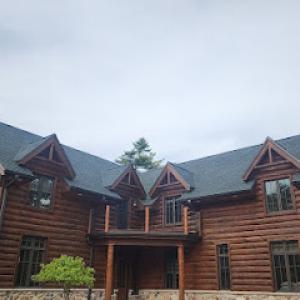
Gellings Roofing & Siding
(920) 693-2240 gellingsroofing.net
2123 S Business Dr, Sheboygan, Wisconsin
4.8 from 235 reviews
The best residential roofers are certified, qualified, insured, highly recommended, and they guarantee their work. Gellings Roofing & Siding is proud to be part of the Top 4% of all residential roofers in North America (Certified by GAF). If you're looking for the best, Gellings offers: .. + A 4.9 Star Review Rating on Google Reviews + 50 Yr Extended Warranties on our Roofs + A 5-10 Yr Workmanship warranty on Roof Replacements + Limited Warranties on Roof Repairs + 0% financing available .. “We have more than 20 yrs of experience in the exterior remodeling business. We provide outstanding warranties that meet or exceed industry standards because we believe in our products and workmanship. Let us prove it to you!" - Nick Gellings, President
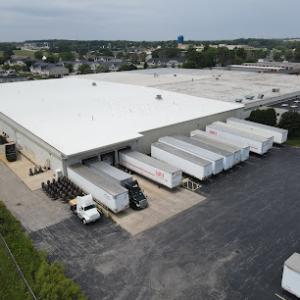
Precision Roofing Services
(920) 452-8399 www.precisionroofinginc.net
3037 Weeden Creek Rd, Sheboygan, Wisconsin
4.9 from 16 reviews
Precision Roofing Services has been installing commercial and industrial flat roofs and low-slope roofs since 1987. As specialists in new construction and reroofs (metal, rubber, built-up) we are one of few roofing contractors who do removal / reroof throughout the state of Wisconsin. Duro-Last, manufacturer of the membrane system we install, consistently rates our millions of square feet completed roof systems an average of 98 out of 100 for quality workmanship. Only the top 3% of roofing contractors achieve this status. We hot weld all seams, adhere to OSHA standards, and carefully inspect each project to maintain this elite standing. We also perform roof repair, roof maintenance, roof inspection and complimentary estimates for all work.
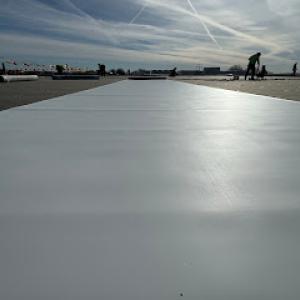
New Roofs
(608) 225-5426 newroofsinc.com
2705 Wedemeyer St, Sheboygan, Wisconsin
5.0 from 8 reviews
For homeowners looking for a roofing company with a wide variety of offerings and a large Commercial Roofing background. New Roofs has successfully completed many roofing projects and they ship wagon and surrounding areas.
Wigg Brothers, C & E Construction of Sheboygan
(920) 451-1158 www.wiggbrotherconstruction.com
1503 S 9th St, Sheboygan, Wisconsin
4.1 from 28 reviews
You can count on us to help you decide on the best way to maintain your roof and the rest of your home's exterior to maintain the integrity of your house. We can help you choose the best roofing materials, siding, windows, doors, and skylights for your needs – and assure you of proper installation. We can help you with concrete flat work, garages, decks, and patios.
Real Care Roofing
1908 N 1st St, Sheboygan, Wisconsin
4.0 from 4 reviews
At Real Care Roofing we take pride in working together with our clients to address their concerns regarding their home or business! Feel free to contact us! We're here to help!
CustomCraft Roofing & Construction
(920) 946-2566 www.customcraftroofing.com
Serving
4.9 from 176 reviews
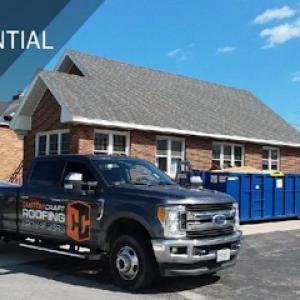
CustomCraft Roofing & Construction, LLC is a roofing contractor based in Oostburg, WI, serving residential and commercial clients. We specialize in residential shingle roofing system installation in Manitowoc, WI, roof replacement in West Bend, WI, and gutter system installation in Manitowoc, WI. Our services include asphalt shingle roofs, metal roofs, flat roofs, roof repair, and gutter installation in Manitowoc, WI. For commercial projects, we offer durable solutions like Duro-Last PVC roofs, commercial flat roofs, and commercial metal roofs. We are a Duro-Last Century Award winner (2014–2020), a CertainTeed Master Shingler, and a GAF Master Shingler certified installer. Contact us today to schedule your inspection.
Sheboygan Roofers
(920) 282-8949 rooferssheboyganwi.com
Serving
5.0 from 2 reviews
Hello and thanks for looking into Sheboygan Roofers! We are your local roofing company serving the greater Sheboygan County area. We help local residents and commercial businesses with roof repairs, new roof installations and damage restorations. Our unique blend of expert roofing technicians makes it possible for us to affordably price both large commercial roofing projects and small repair jobs, plus anything in between. We always provide free roofing quotes for any jobs so it's never a hassle for you to call. Be confident that this Sheboygan roofing company won't try to over-charge you or up-sell you some unnecessary work. We pride ourselves in our workmanship and our relationship with our clients. Call us and see why people love us!

JI Roofing & Siding
(920) 282-3880 jiroofingandsidingwi.com
Serving
5.0 from 30 reviews
JI Roofing and Siding in Manitowoc, WI, specializes in roof installation, repair, and replacement, siding installation and repair, new construction roofing, metal roofing, shingle roofing, and flat roofing services.
PHD Roof Doctor's
Serving
4.8 from 22 reviews
PHD Roof Doctor's, a Fredonia, Wisconsin based roofing contractor, offers comprehensive services for residential and commercial properties. Their expertise covers roof repair, installation, and inspections, ensuring the longevity and integrity of your building's roof.
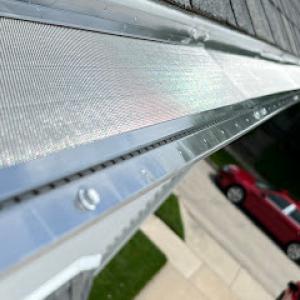
Lakeshore Roofing & Gutter Services
(920) 571-6613 lakeshoregutterservices.com
Serving
5.0 from 10 reviews
Lakeshore Roofing & Gutter Services protects homes in Manitowoc, Sheboygan and Brown Counties + surrounding areas with high-quality roofing solutions and seamless gutters. We specialize in roof replacement, repairs, and upkeep, as well as seamless gutter installation, repair, and maintenance. We are family owned & operated and pride ourselves in craftsmanship, reliability and affordability. Let Lakeshore Roofing & Gutter Services take care of all your roofing and gutter needs for a watertight, seamless experience!
Roofing & Restoration Services of America
Serving
4.6 from 19 reviews
A family-owned and BBB-accredited company with a nationwide reach, Roofing & Restoration Services of America has built up a reputation for honesty and trustworthiness that’s unparalleled in the industry. Our exterior remodeling company officially opened for business in 2010 in Texas, and now manages offices all across the nation. We specialize in best-in-class roofing, siding, and storm damage restoration for communities across all 50 states.
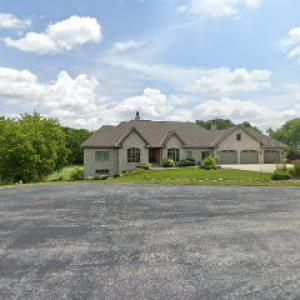
Poye
(920) 717-8664 poyeroofing.com
Serving
5.0 from 2 reviews
POYE: Wisconsin's trusted roofing and solar experts since 2020. We bring years of expertise to residential and commercial projects across the state. From minor repairs to complete roof installations and solar solutions, POYE delivers quality craftsmanship and reliable service. Discover the difference experience makes - let us help you protect your property and power your future with our Solar Shingle prices that can't be beat!
In Sheboygan County, a building permit is typically required for a full roof replacement. Knowing this upfront helps avoid delays or work stoppages once the project is underway. The roofing contractor commonly files the permit with the city or village, rather than the homeowner tackling the process alone. This arrangement streamlines the paperwork and helps ensure the permit reflects the actual roofing scope, including any wind-load considerations specific to your area.
Before work begins, verify that the contractor has the correct permit application for your exact roof configuration, including any unique features like skylights, vents, or complex roof lines. The permit should indicate compliance with current wind-loading standards and ventilation requirements, which are particularly important along the Lake Michigan shoreline where exposure can influence performance. If the project involves an unusual roof structure, be prepared for the possibility of extra documentation or supplementary plans even when reroofs for standard single-family homes receive limited plan review.
Once the roof replacement starts, the building department typically conducts a rough-in inspection to confirm that basic framing, ventilation, and underlayment installation align with code requirements and local wind-resistance expectations. A final inspection then verifies the completed roof meets all applicable standards, including fastening patterns, underlayment continuity, and proper installation of flashing around chimneys, vents, and edges. These inspections help ensure long-term durability in a climate with ice dam risk and strong wind exposure along the lakefront.
Plan ahead by confirming with the contractor which jurisdiction handles the permit and what information will be needed in the submission. Keep a copy of the permit on site during the project in case the inspector requests it, and schedule inspections promptly to avoid delays in sheet installation or final approvals. If the roof includes atypical geometry or a particularly tall or steep section, discuss with the contractor whether extra documentation or a brief engineering review might be prudent to preempt hold-ups at the rough-in or final inspection. In Sheboygan County, staying aligned with the local inspection expectations helps ensure your reroof not only looks good but also performs reliably against wind loads and winter ice dam scenarios.
Wind exposure from Lake Michigan can influence fastener patterns and edge detailing. While the general process remains the same, ensure the permit request and the installed plan clearly reflect any wind-related attic ventilation strategies and eave edge protection. Coordinating closely with a local contractor who understands these nuances can reduce the risk of rework during inspections and support a compliant, durable roof installation.
Wisconsin's insurance environment makes roof damage from wind and hail a common trigger for replacement. In this region, claims are often driven by the combination of lake exposure, heavy seasonal storms, and aging roof lines that were installed to suit earlier standards. The result is that a roof's condition after a storm-not just what you saw during the initial inspection-plays a central role in whether a claim moves forward. For a Sheboygan home, that means your roof is a frequent focal point for adjusters and insurers alike, and documentation becomes a practical asset from day one.
When a storm hits, rapid, thorough documentation is your best ally. Insurers may require detailed photo records, contractor statements, and confirmation that any reroof meets wind-load expectations before approving or closing a claim. Take clear photos from multiple angles, close-ups of lifted shingles, granule loss, and any signs of ice dam damage in winter. Gather dated invoices or notes from a licensed contractor, and have them attest that the planned replacement aligns with the roof's design wind resistance. Keep a simple, organized file so you can present a coherent history if the claim is reviewed months later.
Adjusters may schedule an on-site inspection, sometimes years after the initial storm. In a climate where quick visibility can evaporate due to temporary repairs or concealed damage, acting promptly matters. Document damage soon after a storm, before tarps or quick fixes obscure evidence. If a temporary repair is unavoidable, photograph it and note the date and scope, so the adjuster can distinguish between ongoing vulnerability and completed restoration. A thoughtful, well-documented file reduces back-and-forth and helps ensure the claim reflects the roof's real condition.
In neighborhoods with older homes, reroofing often reveals ventilation layouts that don't match modern comfort and efficiency standards. Attic spaces can hide surprising irregularities-too many roof penetrations, undersized soffit vents, or decks that need repair after decades of exposure. Each of这些 issues can quietly push heat into the attic and create uneven moisture cycles that show up as ice dams and accelerated wear once the new roof goes on. Expect to pause and address these hidden realities rather than assuming the attic was "fine" from inspection photos or ground-level looks.
Ice-dam problems in this city are often tied less to the outer roofing material itself and more to attic heat loss and ventilation imbalance in older structures. When warm attic air escapes toward the ridge or into soffits, meltwater can refreeze at the eave, trapping moisture against the roof deck and underlayment. The result is a slow drip that follows the rafters, sometimes undermining sheathing long before the shingles reveal trouble. A reroof that ignores attic airflow tends to replicate the very problem you hoped to fix, even if the surface looks pristine.
Homes near the lake endure persistent moisture and wind exposure, making flashing details and attic airflow more important than on a straightforward inland reroof. Wind-driven rain can exploit gaps around vent pipes, chimneys, and transitions where decks reveal their age. Expect pro-grade flashing and careful sealing at all transitions, not just the visible edges. If the attic lacks continuous venting along the ridge and eaves, a reroof may not deliver long-term peace of mind-you'll see repeated moisture or draft issues that force reconsideration of the entire roof system.
When work begins, plan for a thorough attic assessment that includes ventilation balance, deck integrity, and the condition of penetrations. Any hidden deck repairs or mismatched baffles require attention before shifting to surface materials. Treat the reroof as a system upgrade, not just a surface refresh, and you'll reduce the chance of ice dams returning with the next cold snap.