Last updated: Apr 19, 2026
In Morgan Hill, the dry season is when roofs go on best: installers can work longer hours, sealants cure properly, and underlayment stays protected from unexpected rain. You'll notice most residents prefer starting tear-offs and new roof installs after closing out the winter rains but before the peak heat of late summer. Plan your project to hit that late spring to early fall sweet spot, when the bulk of rain risk is past and crews can maintain steady progress without frequent weather-caused pauses. If a late-season heat wave or an unusual cold snap shows up, adjust the schedule with your crew so the most labor-intensive stages occur on the cooler days.
Winter storms and intermittent heavy rain can delay tear-off schedules and complicate underlayment exposure during active re-roof work. When a storm front moves through, protect exposed sheathing and flashing with temporary coverings and coordinate material deliveries to avoid standing exposed sections. Build in a two- to three-day buffer around forecasted storms, and have a plan for post-storm inspections to verify flashing integrity and nail patterns before final coverings go down. On days with higher wind risk, expect crews to pace work to prevent loose debris from becoming airborne, especially on exposed ridges and hips.
Late-summer and fall wildfire smoke and particulates can affect jobsite visibility, cleanup, and homeowner urgency when older roofs are already under insurance review. If smoke levels rise, coordinate with the crew to shift tasks toward interior work or non-exposed phases, and schedule air-quality-aware intervals for outdoor work when visibility and air are acceptable. Keep exterior cleanup tight during these periods to minimize soot settling on shingles, gutters, and nearby landscaping. Acknowledge to the homeowner that smoke days may extend project timelines modestly, and plan alternate days for inspections or final checks when air quality is poor.
During active tear-off, exposure of roof deck should be minimized, especially where winter rain could infiltrate. Schedule the most crucial underlayment and flashing work to occur during dry, mild days, with contingencies for rain-free windows. For homes with tile or metal options, coordinate lath, underlayment, and waterproofing details to avoid any backtracking if a storm lingers. If a sudden drizzle begins mid-teardown, have tarps and edge restraints ready to protect the exposed sections while crews reposition.
Older roofs under insurance scrutiny can push homeowners to accelerate replacements when conditions allow. Use the dry-season window to align material deliveries, crane-accessible locations, and staging areas before the usual autumn wind and smoke season ramps up. Communicate clearly with the homeowner about how the seasonal cycle influences coverage expectations, and lock in a realistic pace that avoids rushing critical sealant cures or flashing installations. A steady, predictable tempo during the dry season reduces rework risk and keeps the project aligned with typical insurance review timelines.
Morgan Hill presents a distinct pattern: wet winters that constrain roof work and long, hot, dry summers that accelerate aging, especially for lighter, lower-grade assemblies. The seasonal shift affects both replacement timing and the expected service life of different materials. When planning a roof project, align installation windows to seize the more temperate shoulder seasons between the peak December-February wet period and the peak June-August heat. A proper schedule reduces the risk of weather-driven delays and helps minimize heat exposure on newly installed surfaces. Because wildfire-season insurance pressure is a real factor locally, selecting a material with a favorable risk profile and durability under heat, wind, and debris can also influence the timing and scope of work approved by insurers.
Unlike markets that lean heavily toward a single material, Morgan Hill features a mix: asphalt shingles, metal roofing, clay tile, concrete tile, synthetic/composite shingles, and slate. This broad spread reflects homeowners' preference for performance under heat, wind-blown debris, and the evolving insurance landscape. Tile remains especially relevant, with a notable concentration of clay and concrete profiles that suit local microclimates and architectural styles. The result is a homeowner's toolkit rather than a one-size-fits-all solution, where each option brings its own balance of heat handling, weight considerations, and long-term resilience.
Asphalt shingles are common because they're versatile and cost-effective, but the hot, dry summers can accelerate wear on lower-grade bundles. In practice, choosing a higher-quality asphalt shingle with heat-reflective elements and a durable granule finish offers better resistance to sun exposure and wind-driven debris. For homes with intensified sun exposure or a need to minimize weight, a higher-performance architectural or laminated shingle can provide improved longevity. When pairing asphalt with underlayment and proper ventilation, look for products that maintain color stability and albedo to curb heat absorption.
Metal roofs stand up well to heat and wind and can explainable offer a longer service life with minimal maintenance, especially in the hotter portions of the year. They respond well to fire risk considerations and often carry favorable insurance impressions when installed with appropriate underlayment and puncture-resistant fasteners. If choosing metal, ponder panel profiles that complement the local roof geometry and eave overhangs to reduce glare and heat buildup. Lightweight metal can be an advantage on older structures, but ensure structural compatibility and consider a coating system that protects against thermal expansion and contraction in the cooling cycle.
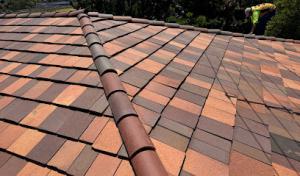
Clay and concrete tile occupy a strong position in this market due to their heat resistance and established aesthetic. Clay remains a timeless choice for Mediterranean-inspired architecture and tends to resist fading under sun exposure. Concrete tile can be heavier and may require structural evaluation, but it offers excellent thermal mass and a broad range of profiles. For tile installations, ensure proper underlayment, ventilation, and flashing to manage the cycle of wet winters and dry summers. Tile roofs typically handle wind well if installed with robust fasteners and correct installation practices, which is key for insurance considerations.
Synthetic or composite shingles provide a lighter alternative with improved impact resistance and a wider color palette, making them attractive for homes seeking a modern, low-maintenance option. Slate offers a premium, long-lasting option with distinct curb appeal, though installation demands careful attention to weight and roof structure. In heat-dense climates, slate and high-end synthetics benefit from quality underlayment and proper attic ventilation to prevent heat buildup and color degradation.
When comparing options, align material choice to climate exposure, roof slope, and existing structures. If wildfire risk or insurance scrutiny is a concern, emphasize materials with proven fire resistance ratings, strong wind performance, and favorable long-term durability. For homes with limited structural capacity, prioritize lighter assemblies like certain metal or synthetic options while planning for later roof upgrades if needed. In all cases, coordinate install timing to avoid late-winter rain and the hottest parts of summer, ensuring crews have safe working conditions and materials arrive during optimal weather windows. This practical approach helps preserve roof integrity across Morgan Hill's distinctive seasonal cycle.
If you're comparing quotes for a typical home, expect asphalt shingles to land around $350 to $650 per square, metal around $700 to $1200, clay tile from $1200 to $2100, concrete tile from $1000 to $1800, synthetic or composite shingles $500 to $900, and slate $1500 to $3000 per square. These ranges reflect Morgan Hill's mix of Mediterranean-style homes and the region's heavier, wind-susceptible tile and metal options. When you push for longer service life or higher wind resistance, you'll often see costs tilt toward the upper end of these bands.
Costs in this area can rise when you choose heavier tile or slate systems. Heavier roofs demand more labor, longer staging times, and closer coordination between crews, especially on multi-story homes or structures with complex angles. If your original roof used tile or slate, plan for a higher rebuild bill not just for materials, but for the extra time crews need to safely remove old layers and install new ones without compromising the roof edge or internal ceilings during the worst weather windows.
Seasonal demand affects pricing locally because dry-weather installation windows are preferred and winter rain interruptions can reduce scheduling flexibility. If you schedule during the peak dry season, you may encounter higher daily rates due to demand and limited crew availability. Conversely, you might snag a slightly better price by aligning the project with early spring or late fall gaps, provided you're able to tolerate potential delays from the tail end of winter or the early heat buildup before summer. For tile and slate especially, longer, uninterrupted stretches of dry weather matter because these installations take longer and require careful rain-proofing of underlayment transitions.
In this climate, heat, windblown debris, and wildfire-related considerations influence both your upfront cost and long-term value. Metal roofs tend to carry higher upfront costs but offer strong resilience to wind and embers; clay and concrete tile deliver excellent longevity and heat resistance but add to both material and labor expenses. Synthetic shingles provide mid-range pricing with decent performance in the heat and wind, while asphalt remains the most budget-friendly option, often serving as a practical stopgap if you anticipate future upgrades as budgets permit. If insurance scrutiny is a driver, discuss wildfire-rated product lines and impact resistance ratings with your contractor to align today's choice with tomorrow's coverage expectations.
Top Tier Roofing
(408) 337-6985 www.toptierroofing.com
16890 Church St Unit 16B, Morgan Hill, California
4.9 from 53 reviews
We are a family owned and operated residential roofing contractor that provides service to Santa Clara, San Mateo, and Santa Cruz County David Weber, the owner of Top Tier Roofing, has almost 2 decades of residential roofing experience. We are Diamond Certified, have 5 stars on Google and Yelp, A+ rating on Better Business Bureau, neighborhood favorite on Nextdoor, Google Guaranteed, and Talk of the Town Award 5 years running. And we have been voted Best of Morgan Hill several years. Let us know how we can serve you.

Crysta Fix Roofing
(669) 280-7900 crystafixroofing.best
15870 Monterey Rd, Morgan Hill, California
4.8 from 38 reviews
At Crysta Fix Artistry, we blend creativity with craftsmanship to transform walls into expressive, vibrant works of art. From timeless color refreshes to bold feature walls, our expert painters bring vision, precision, and beauty to every project — inside and out.
ACME Roofing Services
(408) 776-7663 acmeroofingservices.com
16475 Vineyard Blvd, Morgan Hill, California
4.5 from 21 reviews
Most roofing companies can find problems with your roof, but Acme Roofing Services will solve them! Our respected company helps home and business owners with minor repairs, as well as replacements to recover from natural disasters. With ACME Roof Services you will have the confidence of knowing you have shielded your home with the best protection from all the elements possible. Our certified team thoroughly inspects all residential and commercial projects and customizes a solution for the repair or replacement of your roof or exterior. Our team members have been specially trained and certified to assist customers with damage due to hail and high winds. Acme Roofing Services is an industry leader among residential.
Winter Roofing
(408) 363-8052 www.winterroofing.com
9670 Monterey Rd, Morgan Hill, California
5.0 from 4 reviews
Winter roofing is Serving San Jose, Morgan Hill, and rest of the SF bay area for all your roofing needs! We work on repairs, new roofs, Gutters, and large commercial systems.
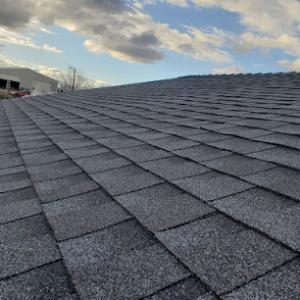
MY Tech USA Roofing Repair & Installation
(669) 345-4767 www.mytechusa.com
Serving
4.9 from 31 reviews
We offer a complete line of roofing services designed to help our clients. MY Tech USA Roofing handles both residential and commercial roofing including apartment complexes, condominium buildings, and other local establishments. Our roofing company are ready to diagnose and repair whatever roofing needs you have, no matter what type of roof you may have or how severe the damage may be. We service al Santa Clara County and the bay area. Call us for free estimate.
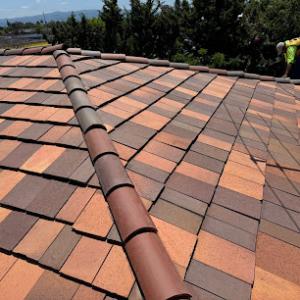
Royal Sinaloa Roofing
(408) 500-9222 www.royalsinaloaroofing.com
Serving
5.0 from 6 reviews
If your roof is hitting its 25-year life span, then hire a trusted roofer who can install you a new one. Royal Sinaloa Roofing in Morgan Hill, CA is a roofing contractor specialized in roofing repairs, installations and replacements. We have over a decade of experience in commercial and residential roofs and are licensed and insured for your peace of mind. When choosing a roofing contractor, hire a seasoned expert who can deliver. Royal Sinaloa Roofing in Morgan Hill, CA is trained in roofing installations, roofing repairs and roofing replacements. Our residential roofing crew is pleased to get your project underway and finished on time. We have worked on hundreds of homes since our introduction in 2008.
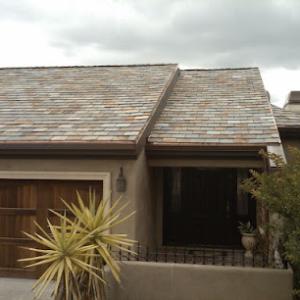
Signature Rain Gutters & Metal Works
(669) 202-8445 signatureraingutters.com
Serving
4.6 from 17 reviews
Offering Seamless Rain Gutter Installations (aluminum, steel & copper.) Maintenance & Repair, Gutter Cleaning, Gutter Guards and Custom Metal Decorative Works. Signature Rain Gutter & Metal Works, a division of Simmitri was born out of our customers’ needs for a more professional rain gutter and metal work service company. We have been in business since 1995 and pride ourselves on providing a dynamic customer experience that revolves around fine-tuned processes and procedures. Decades of dedication to professional and clean installations is what separates us from others. Since we came from a roofing background, we understand how important it is to properly install rain gutters on all the different types of roofs.

Stay Dry Roofing Company
(408) 475-7663 www.sanjoseroofingco.com
Serving
5.0 from 3 reviews
Stay Dry Roofing services all Santa Clara Counties and San Jose areas. From tile roofing in Japantown, Rose Garden, Sunol-Midtown, Willow Glen, Naglee Park, Burbank, Winchester, Alviso, East Foothills, Alum Rock, Little Portugal, Blossom Valley, Cambrian, Almaden Valley, Silver Creek Valley, Evergreen Valley, Edenvale, Santa Teresa, Seven Trees, Coyote Valley, and Berryessa. We also work on slope roofs, torch downs and commercial deck coatings. Being a 3rd Generation roofer with 21 years experience we have the newest and most up to date technology for your roofing needs. We provide great service since you deal directly with the owner and not a salesman or corporate company that just sees you as a number.
G West Roofing
(408) 985-3698 gwestroofing.com
Serving
5.0 from 24 reviews
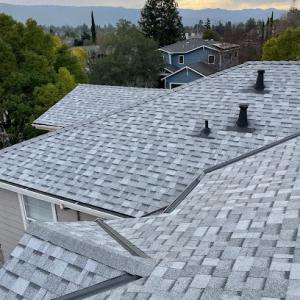
Our company was built with the commitment to ensure cost-effectiveness and high quality in every roofing project we are hired to work on for the community of San Jose, CA and the surrounding areas. Our company was founded under the great values of: Professionalism Commitment Diligence Cost-Effectiveness Contact our team today and get a free estimate for any of the services that we offer. If you hire us to do the job, we will work hard and smart until your expectations are exceeded. Contact our professional and reliable company today to save time and money on your project!
Top Home Roofers
(408) 443-2520 tophomeroofers.com
Serving
5.0 from 29 reviews
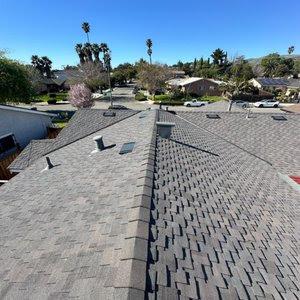
At Top Home Roofers, we offer a full range of roofing services, including precise repairs, complete roof replacements, new roof installations, and prompt emergency response. In the San Jose area, we are your one-stop roofing contractor. Our experienced roofing specialists are known for their reliability, skill, and attention to detail, providing top-notch services for both residential and commercial properties. Call us for a free estimate.
Captain Roofing
Serving
5.0 from 23 reviews
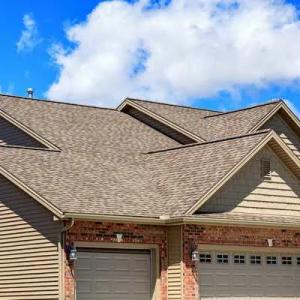
THE ROOFING EXPERTS IN SAN JOSE Do you live in San Jose, California, and are you looking for a team of roofing specialists to complete your project? Welcome to Captain Roofing! We are a locally owned and operated company with extensive experience in the industry. Whether you need to install a roof for the first time or need repair services, you can rely on us to deliver long-lasting results.
For a full re-roof, a roofing permit typically goes through the City of Morgan Hill Building Division. The process is designed to ensure that a new roof complies with local code requirements and our valley climate realities-heat exposure, wind-driven debris, and wildfire-season considerations. When you file, expect to provide project details such as the roof type, square footage, and the proposed materials. The Building Division staff can guide you on any neighborhood-specific stipulations, such as setbacks or historic-adjacent constraints, if applicable to your street. Having your permit package complete helps prevent delays once work begins.
Work on a re-roof generally receives two major confirmation checkpoints rather than a single end-of-project review. First, the underlayment or installation stage is inspected to verify that the roof deck is sound, underlayment is properly laid, fasteners are correct, and ventilation and flashing meet local standards. The second major inspection occurs at final completion, confirming that the selected roofing system is properly installed and that any penetrations or venting are sealed and functioning as intended. Knowing this sequence helps you coordinate with your contractor to avoid rework and scheduling hurdles.
Permit processing and inspection timing in this area commonly ranges from a few days to a couple of weeks, depending on Building Division workload and scheduling. It's prudent to plan around the wet-winter re-roof constraints and the dry-summer aging cycle, since inspections may be influenced by seasonal fieldwork demands. If weather or supply delays arise, the permit office can often provide updated timelines, but keeping your contractor informed of anticipated inspection dates reduces the chance of a hold-up.
Coordinate with your contractor early to align material delivery with the permit timeline, especially if choosing systems that require longer lead times. Have a clear communication line with the Building Division so you can respond quickly to any requests for supplemental information. Finally, keep a visible calendar for inspection windows and be ready to accommodate a short-notice visit, since timely inspections help keep the project on track and minimize exposure to weather-related disruption.
Morgan Hill homeowners face California-wide insurer scrutiny tied to wildfire exposure, with aging roofs more likely to trigger documentation requests or coverage questions. In this climate, the roof is not just a cosmetic shell but a data point insurers use to gauge risk. The material you choose can influence how a carrier views fire-related exposure, aging, and overall resilience. Asphalt, metal, tile, and composite options each carry different impressions of durability, maintenance needs, and long-term performance under heat, windblown debris, and ember exposure. When planning a replacement, think not only about the immediate weather season you just survived, but the long arc of wildfire season and the way carriers peer at each roof's age and condition.
After wind, rain, or smoke-related events, keep dated photos, permit records, and contractor findings because insurers increasingly want condition documentation before renewing or paying claims. In this market, a well-documented roof history helps demonstrate that a replacement or repair was timely and appropriate. Collect pre- and post-event images, notes on moss or hail impacts, and any hail reports from your local weather service. If you upgraded to a more fire-resistant material, save product specs and installation details. These records become practical evidence when a carrier asks for proof of age, condition, or improvements after a claim or renewal review.
When you time a replacement, align it with Morgan Hill's wet-winter, dry-summer cycle to minimize exposure risk and avoid back-to-back weather stress on an aging roof. In wildfire-prone markets, the choice of material matters for insurability: certain tiles and metals may provide better resistance to heat and embers, while some composites offer a balance of weight, installation ease, and durability. Plan ahead for post-event documentation from your contractor-notes on fasteners, underlayment, and fire-rated components can all influence future insurer decisions. Maintaining a conservative, well-documented approach helps you navigate insurance scrutiny without triggering alarm or unnecessary disruption.
Connect with contractors who help homeowners navigate the claims process from damage assessment to final approval.
Top Tier Roofing
(408) 337-6985 www.toptierroofing.com
16890 Church St Unit 16B, Morgan Hill, California
4.9 from 53 reviews

Crysta Fix Roofing
(669) 280-7900 crystafixroofing.best
15870 Monterey Rd, Morgan Hill, California
4.8 from 38 reviews
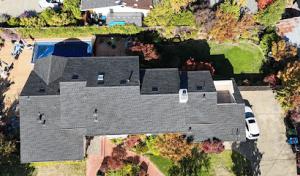
Morgan Hill's contractor signal mix shows unusually strong local demand for tile-roof and skylight work, signaling recurring homeowner pain points in this market. When you inspect a tile roof, focus first on the edges where tiles meet vents, skylight flanges, and perimeters. Debris buildup from spring wind and pollen can mask drainage issues until winter rains arrive. Clear the valleys and skylight surrounds regularly, and pay attention to flashing transitions as debris can pull on fasteners and loosen sealant over time.
On older roofs, leaks often trace back to penetrations and transitions rather than field material alone. Skylight flashing ages differently from the main roof covering, so treat perimeters as its own component. Check the curb flashing for corrosion, loose nails, and gaps where sealant has aged. If the skylight sits on a clay or concrete tile roof, verify that the flashing under the tile cap is continuous and that any mortar joints around the curb are intact. A common failure point is where tile detail around a skylight reduces airflow and traps moisture against flashing.
Tile details-especially around vents, chimneys, and skylight curbs-need careful evaluation. Windblown debris can wedge under a tile edge, lifting tabs and stressing the underlayment. Look for hairline cracks in the edge tiles and for areas where raised tile ridges alter drainage. Where tiles overlie flashing, confirm that the sealant remains flexible and that sealant lines are continuous without gaps. Small gaps here become larger leaks once winter rain arrives.
In spring, take a close walk around the roof line and note any debris-packed perimeters. Schedule a focused inspection of skylight frames and the surrounding tile details before the wet season, and designate a maintenance plan for seasonal debris clearing. If you detect flashing age or tile edge wear, plan targeted repairs rather than waiting for a full roof replacement, since these localized issues tend to drive most leaks on aging Morgan Hill roofs.
Find contractors experienced in skylight installation, flashing, and leak repairs to bring natural light into your home.
Top Tier Roofing
(408) 337-6985 www.toptierroofing.com
16890 Church St Unit 16B, Morgan Hill, California
4.9 from 53 reviews
Crysta Fix Roofing
(669) 280-7900 crystafixroofing.best
15870 Monterey Rd, Morgan Hill, California
4.8 from 38 reviews