Last updated: Apr 19, 2026
El Monte's long dry sunny stretches push asphalt and composite roofs into accelerated UV wear, especially on areas with dark shingles or reduced ventilation. The heat can dry out sealants, crack flashings, and push granules loose on asphalt shingles. If your roof uses a light-colored finish or reflective coating, you may see less surface heat gain, but the underlying membrane and underlayment still suffer from sun exposure. In practical terms, this means you should schedule a mid-year roof check to catch granular loss, micro-cracks, and any aging of surface coatings before a heat wave or a heat spike hits. Focus inspections on areas near roof penetrations, valleys, and edges where heat cycling stresses materials hardest. While you're up there, verify that attic ventilation remains balanced: too little intake or exhaust can trap heat, speeding deterioration of underlayment and adhesives. If you notice peeling sealant at skylight rims or around vent boots, plan timely resealing rather than waiting for a leak to show up.
Fall Santa Ana wind events in the San Gabriel Valley bring dry, gusty conditions that lift loose edges, displace tiles, and complicate temporary dry-in during active work. For homes with clay or concrete tiles, loose edges are a common early warning that something is loosening. Start of fall is a good time to walk the roof with a partner and verify that ridge caps, edge tiles, and batten closures remain secure. If you see lifted shingles or cracked fasteners, address them before the winds pick up. Debris control becomes critical during this season; wind-driven debris can clog gutters, damage exposed underlayment, or trap moisture near the fascia. A practical step is to clear leaves and pine needles from the upper roof and gutters, then install temporary edge protection or netting as needed during tear-offs or re-seal work. Santa Anas also increase the likelihood of rapid rain onset once the season shifts, so temporary dry-in plans should be reviewed with your contractor, ensuring tarps or waterproof membranes are ready to deploy during windy days.
November through February brings the wetter portion of the year, when rain events can interrupt tear-off schedules and reveal weaknesses in aging underlayment. This is the time to align your project calendar with weather forecasts, choosing windows with several dry days in a row for major work. If a roof needs a full tear-off, ensure that the interior is protected and that temporary coverings can maintain dry-in during multi-day cycles. Elderly or multi-layered roofs might show signs of underlayment wear under winter dampness-delamination, soft spots, or unusual pooling near transitions. If a planned replacement is blocked by rain, use the delay to perform high-priority maintenance: reseal flashing, re-tighten ridge caps, replace damaged drip edge, and inspect ventilation pathways to prevent moisture buildup in the attic. In homes with tile roofs, winter dampness can accentuate micro-cracking in tiles and mortar joints; document these tiles and plan replacements in the next dry season to minimize interruption.
Replacement timing hinges on how the heat, rain, and wind have interacted with your specific roof type. Asphalt and composite roofs may reach the end of their life earlier in this climate due to UV exposure, while clay and concrete tiles show age through cracked or hollow-sounding tiles and displaced mortar. If you notice persistent leaks after a heavy rain, widespread cracking, or consistent insulation or attic ventilation issues, that often signals readiness for replacement rather than incremental repairs. Plan a replacement window during late spring or early summer when extended dry spells reduce the risk of weather-related delays and allow for thorough dry-in before Santa Ana season. For tile roofs, ensure fasteners are seismic-appropriate and that underlayment is compatible with local seasonal cycles to withstand both heat and sudden rains.
Throughout the year, perform a lightweight but regular up-top check: after major wind events, after the first heavy rain, and at the start of the dry season. In late spring, verify edge tiles and ridge lines; in autumn, reinforce and protect perimeters against wind uplift; in winter, focus on underlayment integrity and interior moisture indicators. Coordinate with a trusted roofer who understands the area's unique blend of heat, rain, and Santa Ana winds, and who can adapt the schedule to the specific weather window forecasts for your neighborhood. By aligning maintenance and replacement planning with these seasonal dynamics, you reduce the chance of sudden failures and keep a roof that stands up to El Monte's climate year after year.
The combination of hot San Gabriel Valley sun, winter rain events, and the fall Santa Ana winds shapes how roofs age in this area. Clay and concrete tile are a common fit for Southern California aesthetics, but their longevity hinges on the underlayment and how well the roof system accommodates rapid temperature swings. In this climate, tiles often outlast the underlayment beneath them, making hidden water intrusion a key re-roof issue. Asphalt shingles, while a cost-conscious choice, age differently under relentless sun exposure and seasonal heat, with faster granule loss and surface aging becoming visible well before the roof reaches the end of its expected life. Rapid daytime heating in inland Los Angeles County increases thermal movement, which matters for flashings, ridge details, and metal transitions on mixed-material roofs. Understanding these drivers helps you spot trouble earlier and plan replacements before leaks or failed flashings drive up damage.
Clay and concrete tiles bring distinctive curb appeal and durability, yet the roof system behind them deserves careful attention. The tiles themselves are resistant to sun and wind, but the underlayment and fastenings bear the brunt of weather, movement, and moisture. When the underlayment fails, you can have water intruding under tiles long before you notice a roof failure from above. This is especially true in roofs with older underlayment or with seismic retrofits that alter how the roof system moves in the wind and during rain. If your home uses a clay or concrete tile array with mixed materials-such as metal transitions at valleys or along hips-the risk of hidden leaks increases where tiles ride over flashing and deck transitions. Regular checks for discoloration, staining, or soft spots around penetrations are crucial, because those cues may indicate water has slipped past the tile line and is saturating the deck.
Asphalt shingles remain a popular, economical choice, but the local sun punishes softer surface components. Extended sun exposure accelerates granule loss, which reduces the shingle's UV protection and its ability to shed water efficiently. Brittleness can develop in overheated days, making shingles more prone to cracking during cold snaps. Decay is often gradual, showing up as rounded edges along the shingles or dark streaks indicating moisture retention. When shingles begin to curl, blister, or cup, the roof's ability to shed rain and resist wind uplift declines. In mixed roofs where shingles meet metal at flashings or cornice lines, temperature-driven movement can widen gaps if the fasteners or sealants are nearing their life limit, inviting wind-driven water intrusion.
The inland heat cycle creates pronounced thermal movement, particularly at flashings, ridge lines, and where metal transitions occur on tile or composite roofs. Metal penetrations-valleys, vents, and edge details-expand and contract with daily highs and overnight cooling. Over time, that movement can loosen sealants, misalign flashing, and cause micro-leaks to develop at seams. Tile roofs that rely on underlayment for water control must ensure the underlayment remains intact and well-fastened under these dynamic conditions. If you have a roof with a mix of tile and shingle or tile and metal, inspect ridge vents and transition zones for glazing, gaps, or corrosion, as those spots are common failure points when thermal movement is not fully accommodated by the original design.
Climb and inspect at least twice a year, focusing on exposed fasteners, flashing seams, and edge details. Look for softened or blistered underlayment in areas where tiles overlap or where roof penetrations exist. In tile roofs, confirm that the battens and underlayment have not shifted, and watch for any unusual tile cracking or misalignment, especially after heavy Santa Ana gusts. For asphalt sections, monitor granule loss in gutters and downspouts and keep an eye on the overall surface for soft spots or bald patches. If you notice frequent leaks around penetrations or at transitions between materials, it's a signal to bring in a qualified roofer who understands the unique stresses of this climate and the specific roof composition on your home.
When you price a re-roof project, material cost is the first big driver. In this area, asphalt shingles run about $600-$900 per square, while metal roofs typically land in the $900-$1,400 range per square. If you're choosing traditional tile, clay costs are roughly $1,200-$2,600 per square and concrete tiles come in around $1,000-$1,900 per square. Synthetic or composite shingles sit between $550 and $850 per square, and slate can run $2,000-$3,500 per square. These numbers reflect the mix you'll see on El Monte homes, where older houses often balance style with the practicality of underlayment and fastener choices.
Costs in El Monte often rise when older tile roofs require underlayment replacement, deck repairs, or careful remove-and-reset work rather than a simpler shingle tear-off. If the roof deck has sustained moisture exposure or prior improper fastenings, you'll see extra charges for stabilization, plywood or deck repair, and more intricate tile setting. Tile systems-especially clay and concrete-tend to add labor time because setting each piece correctly matters for wind resistance and seismic concerns. In other words, what starts as a straight "tile replacement" can become a two-stage job: surface removal plus a controlled reassembly with proper underlayment and anchor points.
Scheduling outside peak winter rain interruptions and extreme summer heat can help reduce delays. In practice, that means aiming for spring or fall windows when temperatures are moderate and rain is less likely to interrupt daily progress. In El Monte, hot days push crews to adjust work hours and can slow tear-off and tile reset in the core of summer, which slightly increases labor cost if crews extend the project or add protective measures for heat exposure. You'll also find that projects exposed to Santa Ana wind events can require tighter fastening details, which adds to both time and cost.
Plan for a higher up-front cost if you're replacing more than just the visible roofing surface-underlayment, deck repairs, and careful remove-and-reset work add measurable lift to the bottom line. Compare bids carefully, ensuring each contractor explains whether they're just tearing off and replacing shingles or fully reworking underlayment and tile supports. If you're balancing tile-heavy aesthetics with durability, synthetic shingles can offer a mid-range option that aligns with local climate demands while keeping install times reasonable.
True Price Roofing
(626) 569-5581 truepriceroofing.com
3229 Durfee Ave, El Monte, California
5.0 from 36 reviews
Need trusted, affordable roofing contractor in El Monte, CA and nearby areas for your home or commercial property? At True Price Roofing, we’ve been delivering value-driven roofing solutions for over 20 years. We provide expert Roof Repairs, Replacements, Installations, Coatings, Roof Inspections, and Rejuvenation. From Shingle and Metal to Tile, Slate, Flat, TPO, Rubber, and Cedar Roofing. Contact us today for expert roofing in El Monte, CA and request your FREE estimate.
El Monte Roofing Contractors
(626) 323-8814 www.elmonteroofingcontractors.com
9906 Gidley St, El Monte, California
5.0 from 46 reviews
El Monte Roofing Contractors provides top-quality roof installation and replacement services for both residential and commercial properties in El Monte CA and the surrounding areas. Our experienced team is dedicated to delivering durable and reliable roofing solutions tailored to your needs. Whether you need a new roof for your home or a replacement for your business, we ensure excellent craftsmanship and customer satisfaction. Contact us today for a free estimate and let us handle all your roofing needs!
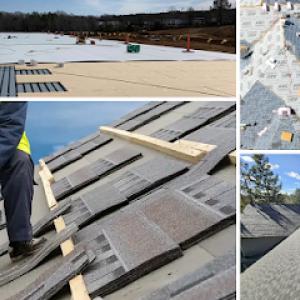
Fair Price Roofing
(626) 784-6119 fairpriceroofingelmonteca.com
11469 Garvey Ave, El Monte, California
4.9 from 37 reviews
Fair Price Roofing is a trusted roofing contractor in El Monte, CA, with over 20 years of experience providing affordable and long-lasting roofing solutions for homes and businesses. We specialize in all aspects of roofing El Monte, CA and nearby including Roof Repair, Roof Replacement, Roof Installation, Roof Coating, Roof Inspection, and Roof Rejuvenation. Our experienced crew works with all major roof types, such as Shingle, Metal, Tile, Slate, Flat, TPO, Rubber, and Cedar, ensuring durability and performance tailored to local conditions. Whether you're dealing with storm damage, leaks, or planning a full roof upgrade, we deliver honest pricing and expert results. Contact Fair Price Roofing today to schedule your FREE estimate.
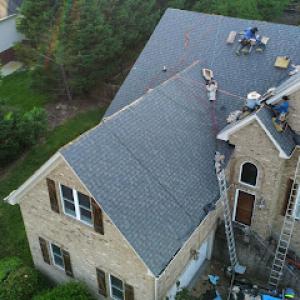
Classic Roofing
(626) 790-1884 elmonteroofingcontractor.com
10933 Main St 200 #21, El Monte, California
5.0 from 13 reviews
Welcome to Classic Roofing, where craftsmanship meets excellence! Elevate your property with our top-notch roofing services. Our skilled team specializes in Roof Installation, ensuring precision and durability that withstands the test of time. Upgrade your home or business with Roof Replacement, a seamless process that guarantees both aesthetic appeal and structural integrity. Count on us for swift and effective Roof Repair, resolving issues promptly. Explore the modern allure of Metal Roofing or the timeless elegance of Asphalt Shingle Roofing, tailored to your preferences. For commercial needs, our expertise extends to Commercial TPO Roofing. Whether it's New Construction Roofing, Classic Roofing transforms visions into reality.
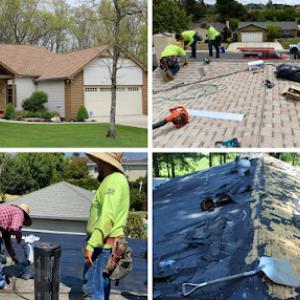
Value Wise Roofers
(626) 691-4958 valuewiseroofers.com
Serving
5.0 from 37 reviews
Looking for reliable and affordable roofing services in Bassett, CA? Value Wise Roofers offers over 20 years of experience providing top-quality roofing solutions. We specialize in roof repair, roof installation, roof replacement, and roof inspections. We also provide siding, gutter, skylight, roof waterproofing and window installation services to Basset homeowners. Whether you need shingle roofing, metal roofing, or flat roofing, our team delivers cost-effective solutions to keep your home secure and energy-efficient. Serving Bassett, CA, contact Value Wise Roofers for a free estimate today!
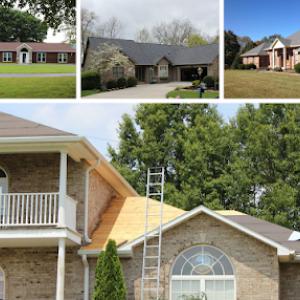
Baldwin Park Roofers
(626) 542-1397 baldwinparkroofers.com
Serving
5.0 from 34 reviews
For reliable and affordable roofing in Baldwin Park, CA, trust Baldwin Park Roofers. With over 20 years of expertise, we provide professional roof repair, roof installation, roof replacement, and roof inspections. We specialize in shingle roofing, metal roofing, and flat roofing. Our focus is on delivering long-lasting roofing solutions that meet your needs and budget. Serving Baldwin Park, CA and nearby areas —contact Baldwin Park Roofers today for a free estimate!
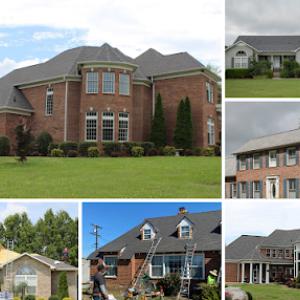
Cut Cost Roofing
(626) 772-6172 cutcostroofing.com
Serving
4.9 from 30 reviews
Cut Cost Roofing provides budget-friendly roofing services in South El Monte, CA with over 20 years of experience. We specialize in roof repair, roof installation, roof replacement, and roof inspections, working with shingle roofing, metal roofing, and flat roofing. Whether you need a small repair or a full roof replacement, we offer high-quality service at prices that won’t break your budget. Serving South El Monte, CA —contact Cut Cost Roofing today for a free estimate and ensure your home is protected!
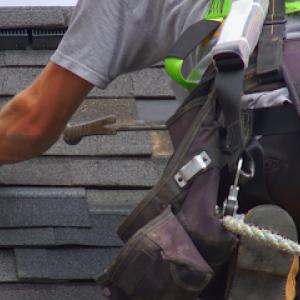
Hudson & Sons Roof Repair
(626) 790-2225 roofingbaldwinpark.com
Serving
4.7 from 71 reviews
Hudson & Sons Roof Repair is a trusted name when it comes to professional roof repair services. With our experienced team of professionals, we specialize in addressing a wide range of roofing issues promptly and effectively. Whether it's fixing leaks, replacing damaged shingles, or restoring the overall condition of your roof, we have the expertise and tools to get the job done right. At Hudson & Sons Roof Repair, we prioritize quality workmanship and customer satisfaction. Trust us to restore the integrity and functionality of your roof with precision and expertise.
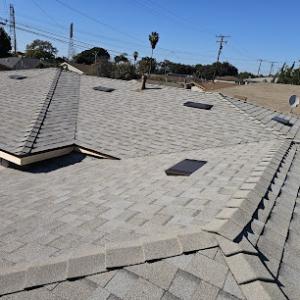
Tigers Roofing
(310) 879-3421 tigersroofing.com
Serving
5.0 from 20 reviews
🏠 Tigers Roofing Secure Your Shelter with Tigers Roofing – Exceptional Quality, Unmatched Experience! ✨ 🛡️ At Tigers Roofing, securing your shelter is our top-most priority. Operating with unrivaled expertise in Gardena, CA 📍, we set the gold standard in the roofing industry. Our unmatched experience, combined with our exceptional commitment to quality, ensures that we deliver solutions that not only meet but exceed your expectations 💪. 📞 Contact us today!!! 📧 tigersroofinginc@gmail.com
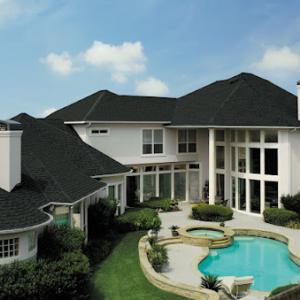
One Faith Roofing & Construction
(866) 733-2320 www.onefaithroofing.com
Serving
5.0 from 14 reviews
With more then 20 years of roofing and construction experience, we are your premier general contractor location serving much of the Los Angeles area of Southern California. Whether you are looking to build a new roof, repair your current roof or add on to your house. We can provide you with the services that you desire. We are general contractors, so we're not just limited to roofing. For a full explanation of what we can do for you fill out the contact form below, call or email us and we will be happy to answer what questions you may have. Thank you for visiting!
B.W. Roofing
(626) 900-1070 eliteroofing.homes
Serving
4.9 from 71 reviews
B.W. Roofing is a reputable roofing company known for its commitment to excellence and customer satisfaction. With years of experience in the industry, we offer a comprehensive range of roofing services tailored to meet your specific needs. Our skilled team of professionals is dedicated to delivering top-quality craftsmanship and superior results. Whether you require roof repairs, installations, or maintenance, we have the expertise to handle your project efficiently and effectively. At B.W. Roofing, we prioritize attention to detail and use high-quality materials to ensure the longevity and functionality of your roof. Trust us for reliable roofing solutions that meet the highest standards.

Superior Roofing Arcadia CA
Serving
5.0 from 13 reviews
Superior Roofing provides professional roofing services in Arcadia, CA, specializing in roof repair, roof replacement, and new roof installation for residential and commercial properties. Our experienced roofers work with asphalt shingle roofs, tile roofing, metal roofs, and flat roofing systems, addressing roof leaks, storm and wind damage, flashing repairs, and aging roofing materials with precision. We focus on durable workmanship, quality materials, and proper installation methods suited for San Gabriel Valley weather conditions. Homeowners and businesses in Arcadia trust Superior Roofing for honest assessments, clear communication, and reliable roofing solutions designed to protect their property year-round.
A full roof replacement in El Monte generally requires a permit through the City of El Monte Building and Safety Division. Before any shingle or tile comes off, you should confirm the scope with the department and line up the project paperwork. If the plan shows a change in roof type, attic configuration, or venting layout, the city examiner will expect clear, code-compliant details. That means your contractor should be prepared to submit drawings or sketches that demonstrate how the roof will hold up under the San Gabriel Valley sun, winter rain, and seasonal Santa Ana winds. Treat this as more than a box to check; it determines whether your neighbors' homes and your own window waivers get a smooth path through the permit desk.
Projects commonly go through rough-in and final inspection, with plan review attention on underlayment, ventilation, and seismic nailing requirements. The rough-in stage is your early alert that the roof deck and underlayment assembly meet the city's performance expectations for weather resistance and seismic performance. Ventilation details-soffit vents, ridge vents, and the balance with attic insulation-are scrutinized because poor ventilation accelerates heat and moisture damage, especially after hot summers and occasional heavy rains. Seismic nailing requirements are not abstract here; they reflect local expectations for fasteners that keep heavy tiles or shingles in place during wind events. Your contractor should coordinate these elements in your permit set to avoid back-and-forth that can stall the project.
If the re-roof affects solar equipment, electrical components, or drainage details, additional permits may be triggered beyond the base roofing permit. Modifications to solar panels, conduit runs, or inverters need to align with electrical and fire code requirements. Drainage changes-such as reconfiguring valleys, scuppers, or downspout routing-also invite more scrutiny to ensure stormwater flows do not jeopardize the structure or neighboring properties. If any of these shifts apply, expect a longer review timeline and additional inspections, rather than a fast-track path.
Find contractors who integrate solar panels or solar shingles into your roof for long-term energy savings.
El Monte homeowners operate within a broader Southern California insurance market where wind and wildfire-related risk have started to influence underwriting and how roof claims are evaluated. The combination of hot summer sun, winter rain events, and fall Santa Ana winds has a real effect on roof systems, and insurers are increasingly scrutinizing how the roof was maintained and whether previous damage or wear contributed to the loss. When a claim is filed, the adjuster will consider whether the roof materials and fastenings can withstand the unique Santa Ana pushes and the valley humidity that follows a rain event. Expect tighter scrutiny if your roof shows signs of aging, mismatched components, or nonstandard repairs.
California carrier pullbacks and tighter availability can make documentation quality more important when seeking approval for roof-related claims or replacement support. A clean, complete record helps bridge the gap between what happened and what the insurer believes is necessary to restore risk coverage. In practice, that means every communication matters: keep a dated log of damage observations, weather conditions, and any temporary protections you place after a storm. When a claim is in motion, the adjuster may request proof of preexisting conditions, prior repairs, and the roof's original design intent. If the documentation suggests the roof was near the end of its life before the event, expect closer evaluation and potentially more negotiation on scope and coverage. The absence of detailed history can slow decisions or influence the counteroffers you receive.
After wind or rain damage, homeowners in this region benefit from fast photo documentation, dated temporary protection records, and detailed contractor estimates because adjuster follow-up can be strict. Photos should clearly show edge damage, lifted shingles, granule loss, and any interior signs of leaks. Make sure images are time-stamped and tied to specific dates, ideally within 24 to 48 hours of the event. Temporary protections-tarps, boards, or sealants-should be noted with dates, locations, and the exact nature of the protection applied. When you obtain contractor estimates, insist on itemized scopes, material specifications, and installation methods that reflect the actual conditions and expected wind or rain exposure. Clear, objective estimates help prevent back-and-forth that stalls resolution and can preserve the likelihood of a timely settlement.
A frequent pitfall is underestimating the impact of long-term exposure on underlayment, decking, and fasteners, especially in a climate where heat accelerates aging and Santa Ana winds can introduce sudden stress. Insurers may question the necessity of full replacement if damage appears localized or cosmetic at first glance. Be prepared to show the connection between wind or water intrusion and the observed damage, and avoid delaying the claim with protracted contractor selection. A decisive, well-documented response that aligns with the adjuster's questions often yields smoother progress through the settlement process.
Connect with contractors who help homeowners navigate the claims process from damage assessment to final approval.
Fair Price Roofing
(626) 784-6119 fairpriceroofingelmonteca.com
11469 Garvey Ave, El Monte, California
4.9 from 37 reviews
The mix of residential and commercial properties in this area makes low-slope roofing a meaningful local service category, not just a niche add-on. Hot sun from the San Gabriel Valley and seasonal Santa Ana gusts combine with occasional winter rain to push wear on membranes and coatings in ways that traditional steep roofs don't see. Even when rainfall totals are modest, prolonged sun exposure can accelerate aging of exposed layers, leading to microcracking, color fade, and reduced waterproof performance. In commercial storefronts and multi-family buildings alike, this dynamic shows up as more frequent checks of edge seals, flashing, and deck integrity.
Low-slope systems rely on a continuous sheet or membrane that can be vulnerable at seams, penetrations, and terminations. In this climate, the sun's UV rays beat down on the surface longer each day, so coatings and membranes age unevenly-often fastest near roof penetrations, HVAC curbs, and parapet walls. When rain does arrive, the combination of heat-stressed joints and aging coatings can magnify the impact of modest precipitation, making timely restoration more practical than a full tear-off in many cases. The local market sees a steady interest in restoration options that extend life without the disruption of complete replacement.
Regular inspections are especially valuable for low-slope roofs in this area. Focus on edge details, flashings, and any signs of bubbling or loosening coating. If you notice chalking or loss of reflectivity, consider a professional assessment of coating performance and adhesion. A well-chosen coating can restore waterproofing and reflectivity, potentially delaying replacement. When planning maintenance, think about seasonal schedules that minimize disruption during Santa Ana windows and peak heat periods. Timely resealing and a refresh of reflective coatings can improve energy performance and local comfort.
Select coatings designed for flat or low-slope surfaces that handle high UV exposure and thermal cycling. Elastomeric and silicone-based options often provide robust waterproofing and flexibility, with warranties that cover UV resistance and seam performance. For aging systems, a rejuvenating coating program paired with proper surface prep, including cleaning and restoration of minor imperfections, yields the best balance of protection and performance. Color and reflectivity choices can help manage heat gain while aligning with practical roof aesthetics for commercial and residential façades alike.
Find specialists in TPO, EPDM, and built-up flat roofing systems for residential and commercial properties.
True Price Roofing
(626) 569-5581 truepriceroofing.com
3229 Durfee Ave, El Monte, California
5.0 from 36 reviews
Fair Price Roofing
(626) 784-6119 fairpriceroofingelmonteca.com
11469 Garvey Ave, El Monte, California
4.9 from 37 reviews
Classic Roofing
(626) 790-1884 elmonteroofingcontractor.com
10933 Main St 200 #21, El Monte, California
5.0 from 13 reviews
When Santa Ana gusts whip through the valley, small edge failures on older shingles or displaced tile pieces can turn into active leaks within minutes. The local contractor market prioritizes rapid tarping and dry-in, so you should act the moment you hear the first roar of wind. If you notice wind-driven movement, place a sturdy tarp or heavy plastic over the most exposed area and secure it with boards or weighted objects. Delays invite water intrusion that compounds interior damage quickly.
Edge failures and seam splits are common after a windy stretch, and Santa Ana winds magnify any vulnerability. Inspect around valleys, roof-to-wall connections, and any flat-roof penetrations first. If you see lifting, curling, or flashing tuck, treat those spots as high risk zones. In a wind event, temporary protection should cover these spots as a priority, not a luxury. Time matters because winter rain can follow any wind event.
Your plan should move from tarping to a dry-in within the same day of discovery. Call a local contractor who can assess and mobilize fast, documenting the extent of exposed underlayment and displaced pieces. If the interior shows signs of moisture, coordinate a same-day entry to check for penetration points and arrange expedited sealing or patching. A clear line of sight between wind damage and potential leaks helps prioritize repairs that prevent widespread interior water intrusion.
Once the immediate leak risk is contained, schedule a thorough inspection at the soonest practical opportunity. The aim is to address underlying damage, secure fasteners, and replace compromised components so a second round of wind events doesn't repeat the same failure.
When you can't wait, these contractors offer fast response times to stop leaks and prevent further damage.
Fair Price Roofing
(626) 784-6119 fairpriceroofingelmonteca.com
11469 Garvey Ave, El Monte, California
4.9 from 37 reviews