
Last updated: Apr 19, 2026
Baldwin Park homeowners typically favor dry-season replacement windows because the city has warm, dry summers and milder wetter winters. Plan roof work to start as soon as the dry season is underway and weather forecasts show at least two weeks of consistent sun. A solid window is typically late spring through early fall, when the risk of sudden downpours is lowest and crews can move through tear-off, underlayment, and shingle installation with fewer weather interruptions. If you're eyeing a roof replacement after a long, hot summer, aim to complete the project before any unexpected Santa Ana winds ramp up in fall.
Winter rainfall in the San Gabriel Valley can interrupt tear-off schedules and force temporary leak-control measures before crews can complete installation. In practice, that means planning with a contingency buffer: if rain is in the forecast, step back from a hard start date and coordinate with your contractor for a staged approach. Temporary tarps or leak-stop materials may be deployed to protect interior spaces during short storms, but long stretches of rain can push portions of the project into the next dry window. You'll benefit from a pre-season checklist: clear gutters and downspouts, trim nearby trees, and outline interior spaces that could be impacted by temporary leaks so you can prepare quickly should a shower arrive unexpectedly.
Santa Ana wind periods can blow dust and debris across exposed roof decks in Baldwin Park-area jobs, affecting staging, underlayment exposure, and daily scheduling. Anticipate higher debris loads and possible resequencing of tasks on those windier days. Communicate with the crew about protective coverings for underlayment and decking, and ensure staging areas stay clean to minimize grit that can prematurely wear fasteners or vent components. If a gusty day is forecast, consider pausing asphalt shingle installation to avoid wind-blown debris compromising the roof deck or exposing underlayment for longer than necessary.
Your choice of roof system can be influenced by the season, especially regarding heat tolerance and installation heat management. In the hot months, materials with strong heat resistance and fast installation cycles tend to perform well, reducing exposure time of underlayment to sun. If winter rain windows tighten, it's practical to select materials that can tolerate brief moisture during installation without compromising warranty protections. Discuss with the contractor how underlayment products will be protected during any rain-release periods and how fasteners are rated for dusty wind days.
Coordinate with the contractor to establish a phased schedule that aligns with Baldwin Park's dry-season peak and potential winter interruptions. Break the project into clear milestones: tear-off, underlayment inspection, flashing and vent checks, and final cap installations. Build in buffer days for windy periods and rain delays, and set daily targets that reflect the typical Santa Ana wind tempo. Favor crews that carry portable dust barriers and windbreaks to keep staging areas tidy even when gusts pick up.
As the project nears completion, verify that all penetrations are sealed, flashings are secure, and attic ventilation remains unobstructed. Inspect for any wind-driven debris impacts on ridge vents and coping, and confirm that temporary patches used during rain events have been properly removed or integrated into the final detailing. A thorough post-install inspection helps ensure the roof performs well through Baldwin Park's hot summers, irregular winter rain, and Santa Ana wind cycles.
In Baldwin Park, the rooftop landscape is a mix of asphalt shingles, metal roofing, clay tile, concrete tile, wood shingles or shakes, and synthetic or composite shingles. The heat of the San Gabriel Valley dominates the annual pattern, and that strong sun pushes heat performance and UV aging to the top of material-selection priorities. roofs with broad, low-slope or expansive sun exposure tend to show aging faster, so selecting a finish that resists fading, drying, and thermal cycling matters more here than in some milder climates. The Santa Ana winds can drive debris and exert gusts that test edge details and fasteners, so look for systems that emphasize wind resistance in both installation and design.
Asphalt shingles remain a practical choice for many Baldwin Park homes due to compatibility with existing roof decks and familiar installation methods. With hot summers and intermittent winter rain, you'll want shingles with good UV resistance and color options that can reflect a portion of the sun's heat. Architectural or laminated shingles typically offer better wind performance and longer life than traditional 3-tab varieties, and they tend to perform well on mid-sized, traditional ranch or bungalow roof lines common in town. If you choose asphalt, prioritize a high-quality underlayment and properly sealed transitions around chimneys, vents, and skylights to counter the heat-driven expansion and contraction that can loosen flashing over time.
Metal roofs provide excellent heat deflection and quick shedding of rain, which is advantageous during occasional winter downpours. Matte or ceramic-coated finishes can reduce heat absorption further, helping the roof stay cooler on the hottest afternoons. Metal works well on modern or updated homes where clean lines and a lighter roof profile fit the architecture, and it often pairs nicely with tile or stucco exteriors that are common in inland neighborhoods. If opting for metal, pay attention to panel seams, fastener types, and the potential for denting from wind-driven debris. A careful installation that includes a well-sealed underlayment and proper edge protection will pay off in longevity under Santa Ana gusts.
Clay and concrete tiles remain highly relevant in this market, appreciated for their classic look and long service life. The bold aesthetic suits many local home styles, and their thermal mass can help moderate attic temperatures. However, tile weight is a critical factor, especially on older re-roofs where the existing structure might not be prepared for heavy loads. If the plan is to re-roof with tile, ensure the roof frame and supports can handle the weight without compromising structural integrity. Tile systems also demand precise detailing around penetrations and gutters to prevent leaks, particularly in the winter rains when water movement is more pronounced.
Wood shingles or shakes offer a distinctive texture that complements certain architectural lines but require vigilance in this climate. They're more susceptible to UV aging, and in heat-soaked conditions, drying can lead to warping or cracking if not properly maintained. In Baldwin Park, blends of wood with other materials or high-quality, treated wood options can provide a favorable balance of aesthetics and performance. Synthetic or composite shingles mimic traditional looks with improved resistance to weathering and color fading; they can be a practical alternative for homeowners seeking low-maintenance longevity while preserving a familiar appearance.
Tile remains a strong option if the home already has a tile framework or if the aesthetic aligns with the neighborhood character. Yet, on older re-roofs, the weight and repair complexity become central considerations. If the existing structure has supported tile for decades, staying with tile can preserve value and curb appeal. If the structure is older or undergoes substantial deck modifications, switching to a lighter system such as certain synthetic shingles or treated metal may provide a more straightforward installation and long-term service life, given the climate realities described above.
Start with the Baldwin Park-provided ranges for budgeting. Asphalt shingles run roughly 350 to 700 USD per square, metal 800 to 1400, clay tile 900 to 1800, concrete tile 800 to 1700, wood shingles or shakes 600 to 1100, and synthetic or composite shingles 500 to 900. These figures reflect the city's mix of aging homes, tile-heavy stock, and asphalt overlays common in our neighborhoods. When you're pricing, itemize a midrange target and then add a cushion for the specific choices you'll consider, such as a thicker underlayment or a high-waterproofing membrane.
Costs in Baldwin Park can rise when winter rain delays labor sequencing or when hot summer conditions slow material handling and installation pace. In practical terms, expect higher daily labor costs if crews have to pause for storms or for heat-related safety measures. Scheduling windows in late spring and early fall often strike a balance between cooler days and manageable rain risk. If a project runs into heavy rain or a long dry spell, you may see extended timelines and incremental crew mobilization fees. Build a contingency into your plan for weather-driven delays that affect both timing and the ability to keep materials dry and staged properly.
Because re-roofing is especially prevalent in this market, tear-off, disposal, deck repair, and material-change decisions are often bigger cost drivers than on straightforward new-construction jobs. The decision to completely strip the old roof versus overlay can swing your cost by hundreds to thousands of dollars per square, depending on deck condition and the presence of plywood damage. If there's moisture intrusion or soft spots, deck repair becomes a near certainty and will widen the scope and price. Likewise, choosing to switch from tile to shingle, or from tile to metal, introduces new waste streams and fasteners, which push up disposal and material costs. Plan for a thorough deck inspection as part of the replacement quote, and itemize any structural repair or underlayment upgrades separately so the final number isn't a surprise.
Hudson & Sons Roof Repair
(626) 790-2225 roofingbaldwinpark.com
3223 Baldwin Park Blvd #478, Baldwin Park, California
4.7 from 71 reviews
Hudson & Sons Roof Repair is a trusted name when it comes to professional roof repair services. With our experienced team of professionals, we specialize in addressing a wide range of roofing issues promptly and effectively. Whether it's fixing leaks, replacing damaged shingles, or restoring the overall condition of your roof, we have the expertise and tools to get the job done right. At Hudson & Sons Roof Repair, we prioritize quality workmanship and customer satisfaction. Trust us to restore the integrity and functionality of your roof with precision and expertise.
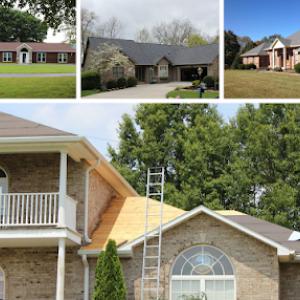
Baldwin Park Roofers
(626) 542-1397 baldwinparkroofers.com
13177 Ramona Blvd, Baldwin Park, California
5.0 from 34 reviews
For reliable and affordable roofing in Baldwin Park, CA, trust Baldwin Park Roofers. With over 20 years of expertise, we provide professional roof repair, roof installation, roof replacement, and roof inspections. We specialize in shingle roofing, metal roofing, and flat roofing. Our focus is on delivering long-lasting roofing solutions that meet your needs and budget. Serving Baldwin Park, CA and nearby areas —contact Baldwin Park Roofers today for a free estimate!
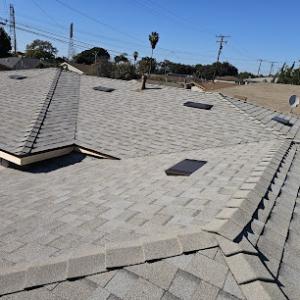
Tigers Roofing
(310) 879-3421 tigersroofing.com
Baldwin Park, California
5.0 from 20 reviews
🏠 Tigers Roofing Secure Your Shelter with Tigers Roofing – Exceptional Quality, Unmatched Experience! ✨ 🛡️ At Tigers Roofing, securing your shelter is our top-most priority. Operating with unrivaled expertise in Gardena, CA 📍, we set the gold standard in the roofing industry. Our unmatched experience, combined with our exceptional commitment to quality, ensures that we deliver solutions that not only meet but exceed your expectations 💪. 📞 Contact us today!!! 📧 tigersroofinginc@gmail.com
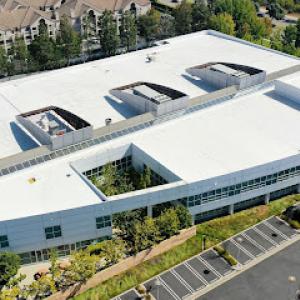
Highland Commercial Roofing
(626) 856-2076 www.highlandroof.com
5105 Heintz St, Baldwin Park, California
4.6 from 45 reviews
Highland Commercial Roofing offers expertise in commercial and industrial roof installation and maintenance. We begin with a thorough roof inspection at no cost to provide a variety of solutions for maintenance, repair, or a new roofing system. Our commercial roofers are skilled, dedicated, and highly trained master craftsmen who provide a quality service with extensive pros and cons to each option in order to help you make the best decision for your commercial property. Our production management team will work with you to develop a plan and construction schedule designed to minimize our impact on your business operations, or that of your tenants, during installation. Contact us today for a quote or more information.
Value Wise Roofers
(626) 691-4958 valuewiseroofers.com
Serving
5.0 from 37 reviews
Looking for reliable and affordable roofing services in Bassett, CA? Value Wise Roofers offers over 20 years of experience providing top-quality roofing solutions. We specialize in roof repair, roof installation, roof replacement, and roof inspections. We also provide siding, gutter, skylight, roof waterproofing and window installation services to Basset homeowners. Whether you need shingle roofing, metal roofing, or flat roofing, our team delivers cost-effective solutions to keep your home secure and energy-efficient. Serving Bassett, CA, contact Value Wise Roofers for a free estimate today!
Silvestre Roofing
(626) 806-4857 www.silvestreroofing.net
Serving
5.0 from 18 reviews
Silvestre Roofing was founded on the principles of quality craftsmanship, dedication, and a passion for excellence. Over the past 24 years, we have built a reputation in La Puente, CA, as a roofing company that homeowners and businesses can rely on. Our experience spans across various roofing services, from residential roof repairs to commercial installations, and our team of skilled professionals is committed to delivering top-notch results in every project we undertake. We believe in continuous improvement, which is why we stay up-to-date with the latest advancements in roofing technology and techniques.
True Price Roofing
(626) 569-5581 truepriceroofing.com
Serving
5.0 from 36 reviews
Need trusted, affordable roofing contractor in El Monte, CA and nearby areas for your home or commercial property? At True Price Roofing, we’ve been delivering value-driven roofing solutions for over 20 years. We provide expert Roof Repairs, Replacements, Installations, Coatings, Roof Inspections, and Rejuvenation. From Shingle and Metal to Tile, Slate, Flat, TPO, Rubber, and Cedar Roofing. Contact us today for expert roofing in El Monte, CA and request your FREE estimate.
Clear Cost Roofing
(626) 548-6854 clearcostroofing.com
Serving
4.9 from 34 reviews
Clear Cost Roofing is a dependable roofing contractor in Monrovia, CA and nearby areas, offering affordable and high-quality roofing services for both residential and commercial properties. With over 20 years of experience, we handle all aspects of roofing Monrovia, CA projects, including Roof Repair, Roof Replacement, Roof Installation, Roof Coating, Roof Inspection, and Roof Rejuvenation. Our skilled team works with a wide range of roofing systems—Shingle, Metal, Tile, Slate, Flat, TPO, Rubber, and Cedar —to ensure long-lasting results. Whether you're addressing storm damage, leaks, or planning a new roof installation, we deliver reliable craftsmanship at a fair price. Contact us today to schedule your FREE estimate and experience e
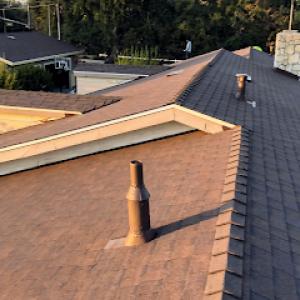
Mountain Pacific Roofing
(626) 364-9844 www.mountainpacificroofing.com
Serving
5.0 from 13 reviews
Welcome to Mountain Pacific Roofing, your number one roofing company in West Covina, CA and the surrounding area. We're a full-service company that specializes in commercial roofing and residential roofing. You can depend on our experts when it comes to repairing and installing a new roof system. There is no job too big or small for us to handle! With several years of industry experience, our family-owned and operated business is dedicated to providing the residents and business owners of West Covina with the best solutions to repair or replace their roofing. Our mission is to provide our clients with the same high level of service and quality that we expect ourselves.
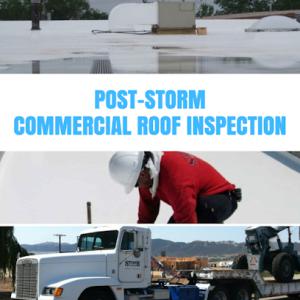
Stone Roofing Company
Serving
4.9 from 31 reviews
Contact Los Angeles County commercial roofers Stone Roofing Company at 1-800-31-STONE for your free roof inspection & consultation. A trusted roofer based in Azusa serving all of Southern California, Stone specializes in flat re-roofing, roof repair, re-roofing, roof coatings, installations & roof replacements for commercial & industrial buildings. From emergency roof leak repair to roof maintenance, Stone is capable of handling jobs of any size. Using the latest technology in digital estimating, we're dedicated to serving the needs of our customers & providing the highest levels of efficiency & quality. We excel in the application of all major roofing systems. Licensed, Insured & certified by every major roofing materials manufacturer.
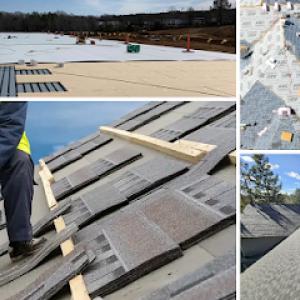
Fair Price Roofing
(626) 784-6119 fairpriceroofingelmonteca.com
Serving
4.9 from 37 reviews
Fair Price Roofing is a trusted roofing contractor in El Monte, CA, with over 20 years of experience providing affordable and long-lasting roofing solutions for homes and businesses. We specialize in all aspects of roofing El Monte, CA and nearby including Roof Repair, Roof Replacement, Roof Installation, Roof Coating, Roof Inspection, and Roof Rejuvenation. Our experienced crew works with all major roof types, such as Shingle, Metal, Tile, Slate, Flat, TPO, Rubber, and Cedar, ensuring durability and performance tailored to local conditions. Whether you're dealing with storm damage, leaks, or planning a full roof upgrade, we deliver honest pricing and expert results. Contact Fair Price Roofing today to schedule your FREE estimate.
J.N. Davis Roofing
(626) 815-1279 www.jndavis.com
Serving
4.6 from 18 reviews
Since 1929, J.N. Davis Roofing has been the trusted roofing contractor for homeowners and businesses across Covina and the San Gabriel Valley. Our licensed and insured team (CA Lic. #572125-C39) provides expert roof replacement, leak repair, new roof installations, flat roof systems, cool roof solutions, gutters, and skylights. Whether you need a quick roof inspection or a full re-roof, our experienced roofers deliver reliable workmanship backed by nearly a century of service. We proudly serve Covina, West Covina, Glendora, San Dimas, Azusa, Pasadena, and nearby communities.
Tile roofing is a major specialty in Baldwin Park, reflecting how often cracked-tile replacement, underlayment work, and matching repairs are needed rather than only full replacement. The heat of long summer days can bake tiles and accelerate grout and fastener wear, while Santa Ana gusts slam debris against the roof edge. When tiles crack or misalign, water can find its way to underlayment and sheathing, especially where clips or nails have shifted with age. Expect more frequent spot repairs on tile roofs than you might anticipate, and plan for careful color-matching and valley work that keeps the overall roof line visually coherent.
Underlayment in tile systems bears the brunt of weather shifts, and Baldwin Park homes often require replacing both broken tiles and the protective layer beneath. A common but painful scenario is discovering that the underlayment has softened or delaminated after a winter rain event, even if surface tiles look intact. Matching the original tile profile, color, and texture becomes a real constraint when only portions are replaced. The consequence is a compromise between sealing performance and curb appeal, with the risk that mismatched patches stand out and invite repeat underlayment work sooner than expected.
Flat and low-slope roofing represents another meaningful local specialty because garages, patio covers, additions, and some commercial-style sections are common here. Drainage and ponding performance become a real homeowner concern when water pools near transitions or perimeters. On these surfaces, even small depressions can hold water long enough to threaten edge flashing and adhesive bonds. Expect more meticulous attention to flashing, edge detail, and the interface where flat sections meet tile roofs. Poor slope or clogged drainage paths can translate into localized leaks that creep under edges or through seams.
Skylight-related leak work appears often enough to merit separate attention, especially where older flashing details meet tile or low-slope transitions. Skylights add complexity at the penetration point, and aging sealants around flashing can fail under heat cycles and wind-driven debris. In practice, a common issue is water finding its way through corroded metal flashing or worn sealant around the skylight curb, then migrating into attic spaces or interior joints. When planning repairs, scrutinize the junctions between skylight framing, tile edge, and intersecting low-slope surfaces to map every potential weak spot.
A practical approach is proactive patchwork: address small cracks or loose tiles before they propagate, and prioritize resealing flashing joints after heavy storms. In this climate, the goal is to keep underlayment protected and to maintain a continuous line of defense at all transitions. If frequent repairs become the norm, it may be time to evaluate the balance between tile integrity and the cost of more conservative repair strategies versus selective replacement.
Find specialists in TPO, EPDM, and built-up flat roofing systems for residential and commercial properties.
Baldwin Park Roofers
(626) 542-1397 baldwinparkroofers.com
13177 Ramona Blvd, Baldwin Park, California
5.0 from 34 reviews
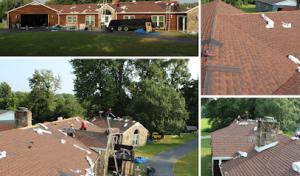
A full roof replacement in Baldwin Park typically requires a building permit reviewed by the City of Baldwin Park Building and Safety Department. The permit process is not just a bureaucratic step; it sets the framework for how the new roof integrates with existing structural components, attic ventilation, and drainage connections. The city prioritizes safe installation practices, especially given the heat, winter rains, and Santa Ana wind-driven debris common to the area. Knowing that a permit is part of the project scope helps you plan for timely materials coordination and contractor scheduling.
Plan check and permit issuance can add lead time, so it is prudent to start discussions early with a licensed contractor who understands local requirements. The plan review assesses whether the proposed roofing system, underlayment, flashing, and fasteners meet current code standards and local amendments. Larger scope changes or structural modifications may trigger additional review before work can proceed. Because inspections hinge on how the project is staged, preparing complete documentation-drawings for any structural alterations, venting details, and attic access considerations-can prevent avoidable delays.
Baldwin Park projects are generally inspected during installation, not solely at the end. Expect multiple touchpoints as the work progresses: the framing or deck condition, underlayment and flashing installation, and the final roof covering. Each inspection confirms that installation aligns with the approved plan and applicable codes, including wind uplift requirements for this seasonally windy region. The timing of these inspections is tied to the contractor's schedule, so coordinating with the Building and Safety Department and the chosen crew helps reduce downtime. If issues arise during installation, approvals or corrections may require coordinating a re-inspection, which is easier to manage when the project timeline remains transparent.
A final inspection is typically required after the roof is completed to verify that everything is installed correctly and safely. This post-completion check focuses on fascia and rake details, penetrations, venting, and drainage. If the finished product deviates from the permit plans, or if weather-related adjustments were made on-site, the inspector may request additional documentation or corrective work. Planning for this final review alongside the installation phase helps avoid last-minute scheduling conflicts and ensures the new roof meets both local expectations and climate-driven needs.
In this market, you will encounter a high-documentation environment where roof claims commonly require photos, condition records, and proof that work aligns with code and permit requirements. Keep a recent set of high-resolution images from the attic, crawlspace, and roof surface, taken before work begins and again after completion. If you've kept service logs for leaks, shingle lift, or tile movement, gather those notes as well. Insurers often push for a clear, dated narrative that links the damage to weather events and shows that the proposed fix meets standard construction practices. In this climate, where Santa Ana debris and heavy rain can both tempt premature conclusions, precise documentation saves time and reduces back-and-forth requests.
Claim timing can be affected by both adjuster response and permit status, which matters in Baldwin Park when winter leaks or wind-related damage create urgency but replacement still needs city review. Adjusters may schedule inspections after storms, but a delayed assessment can complicate timelines if interior damage worsens. If the roof was subject to repeated wind-blown debris or hail-like impacts, present a concise damage timeline that highlights leaks, moisture intrusion, and any fiberboard or underlayment concerns. Delays can cascade into dry-rot or attic air leaks, so prioritize timely communications with your insurer while keeping the necessary documentation organized.
Because storm-damage and insurance-claim specialists are active in this market, homeowners here are often navigating not just repairs but also insurer requests for detailed scope support before approval. Expect questions about shingle or tile compatibility, underlayment conditions, and whether the proposed repair path aligns with aging roof assemblies. Having a clear, inspector-approved scope on paper helps avoid surprises when the adjuster reviews the plan and pushes for complete, code-conscious replacement rather than piecemeal fixes.
Photograph all affected areas with dates, keep a running file of leaks by room and time, and prepare a simple before-and-after narrative. If an insurer asks for calculations or material specifications, gather manufacturer datasheets and crew notes that show conformance with typical Baldwin Park weather challenges. Treat each claim submission as a careful negotiation, aiming for a resolution that preserves the roof's long-term integrity without letting haste undermine quality.
Connect with contractors who help homeowners navigate the claims process from damage assessment to final approval.
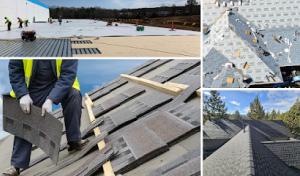
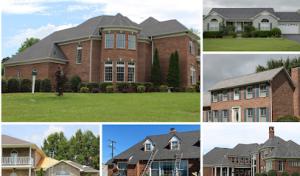
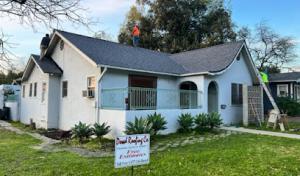
In a neighborhood where heat, sudden rain, and Santa Ana gusts can disrupt a re-roof, the local market prioritizes quick response and thorough cleanup. You should ask how soon a contractor can mobilize after a leak is detected or a storm hits, and request a concrete plan for protecting interior space during tear-off. Look for daily cleanup, tarping to control debris, and a final walk-through to confirm no nails or debris remain. A clear timeline and documented cleanup commitments help minimize disruption to family routines and outdoor spaces during active work.
Affordable pricing is common in the contractor pool, but Baldwin Park also hosts many long-established, family-owned firms. When evaluating bids, balance price with a proven track record in occupied-home projects. Seek references from nearby homes with similar roof types, and especially those with re-roofs performed without major interior disturbances. Local familiarity matters: ask how long the company has served this area, and whether crews understand the seasonal wind patterns and their impact on temporary protective measures and material storage on site.
Residential re-roofing dominates the local service mix, so verify experience with tear-offs on occupied homes, not just new installations. Ask for a staged plan that coordinates inspections and safety checks around family schedules. Ensure the contractor clearly outlines how debris containment, material staging, and waste removal will be handled to limit street clutter and hazards. If a leak is active, request a temporary protective layer for vulnerable ceilings and walls and a written schedule for expedited inspection and documentation of any contingency repairs that might be needed.
Most homeowners value contractors who can coordinate timing with exterior and interior inspections, including pre-existing vulnerabilities around windows and eaves. Inquire about daily site supervision, projected completion dates, and a dedicated contact for after-hours questions. Confirm that the final project includes a comprehensive cleanup, debris removal, and a walk-through with lingering concerns addressed before signing off. This local balance of speed, reliability, and careful housekeeping helps minimize disruption while delivering a solid, long-lasting roof replacement.
Get a clear picture of your project costs upfront - no commitment required.
Baldwin Park Roofers
(626) 542-1397 baldwinparkroofers.com
13177 Ramona Blvd, Baldwin Park, California
5.0 from 34 reviews