
Last updated: Apr 19, 2026
Rosemead's warm Mediterranean pattern means most full replacements are best scheduled in the dry part of the year rather than during the wetter winter period. The dry window typically runs from late spring through early fall, offering a steadier pace for tear-off, material staging, and flashing installation. Planning around that stretch minimizes weather-driven delays and keeps a roof project from dragging into the rainy season. If a reroof must start in late fall, build in extra contingency for rain interruption and extended dry days to finish the job before winter storms arrive.
Winter rains in the San Gabriel Valley can interrupt tear-off schedules and raise leak risk if underlayment or flashing is left exposed overnight. When coordinating a tear-off, aim to complete the removal and installation sequence in consecutive days, with the underlayment and flashing sealed up each night. If a mid-winter job becomes necessary, ensure the crew uses temporary waterproofing measures and keeps the roof reasonably protected during any gaps. Expect potential slowdowns when a storm fronts moves through, and plan short laptop-friendly inspections for after a dry-up to verify flashing seals and drip edges before the next rain.
Summer sun exposure in inland Los Angeles County accelerates aging of asphalt shingles and underlayment, so replacement timing is often driven by visible heat wear before major winter storms arrive. Look for signs such as cupping, curling edges, granule loss, or softened felt near eaves that indicate the roof is aging beyond its mid-life. If those cues appear, do not wait for a planned "perfect" dry spell-prioritize getting the roof into place before the first big winter rain events. In Rosemead, the heat can push materials closer to their limits within a single season, so a proactive approach helps prevent unexpected leaks after installation.
During the dry-season window, consistency matters. Keep exposure to moisture minimal during the critical phases of tear-off and installation. Ensure the underlayment chosen for the project is compatible with the local climate's temperature swings and winter humidity. A well-sequenced installation plan-tear-off, dry-in, flashing, and drip edge in a tight timetable-reduces risk that rising evening temperatures or late-day sea breezes compromise workmanship. If a temporary roof cover is required between stages, select coverings that shed water quickly and won't trap heat against underlayment or roof deck.
House stock in the area often features tile-heavy designs, which can influence reroof timing and the pace of work. Tile removal and deck assessment can be more labor-intensive, potentially extending the dry-season window by a few days. Coordinate with the contractor about daytime heat exposure and worker safety, particularly on steeper pitches or directly sunlit slopes. If a reroof must coincide with other exterior projects, establish a shared timeline that keeps the roof's critical stages on track and reduces repeated traffic on the bare deck.
A successful dry-season reroof concludes with a thorough leak check, especially for flashings around chimneys, vents, and Vallejo-style parapets common to the local mix of styles. Schedule a follow-up inspection after the first significant rainfall to confirm there are no slow leaks or hidden flashing gaps. In the meantime, keep a keen eye on any attic signs of moisture, such as staining or musty smells, and document any concerns promptly so they can be addressed before interior damage develops.
Set a target start date within the dry-season window, then back-schedule milestones: tear-off readiness, material delivery, flashing and ventilation setup, and final inspection. Communicate clearly with the roofing crew about expected weather contingencies and the plan for overnight protection during inevitable weather shifts. By locking in a dry-weather plan with built-in contingencies for rain and heat, you minimize the risk of leaks and schedule slippage when the first winter storms arrive.
In this part of the valley, clay and concrete tiles are a common sight on longer roof lines and traditional designs, but their weight means deck condition and underlayment age become critical factors during reroof planning. If the existing deck is sagging or has soft spots, those weaknesses can translate into faster aging of the waterproofing layer beneath the tiles. When planning a reroof, test for deck integrity first and replace or sister any compromised beams. Pay close attention to the underlayment age; in hot, dry months the underlayment takes the brunt of sun exposure and can become brittle or cracked even when field tiles still look serviceable. A proactive approach-replacing aged underlayment and upgrading fasteners at the same time-saves headaches when winter rains arrive.
Clay and concrete tiles shed heat well, but they do not seal like modern membranes by themselves. In Rosemead's dry-season window, leaks often stem from aged underlayment or compromised flashing that sits beneath the tiles. The heat accelerates aging of synthetic underlayments, and once winter rain starts, small breaches can become drips. Before reroofing, you should have the roof inspected for flashings at hips, valleys, penetrations, and along the eaves. If flashings show rust, loose fasteners, or lifting, address them now. Even with tiles that appear solid, a thorough check of the waterproofing layers below can reveal aged or degraded membrane seams that failed long before tiles show signs of wear. Ensure the installation plan accounts for potential thermal expansion and contraction, which can stress sealant joints around vents and vent flashing after a heavy Santa Ana wind season.
Santa Ana wind events can be especially punishing on exposed slopes, where ridge, edge, or field tiles can shift or detach, creating localized leak paths before the winter rains. To counter this, inspect ridge caps and edge tiles for proper seating and sealant integrity before the windy season sets in. Replacing cracked or chipped field tiles is not just about appearance-missing or loose tiles allow wind-driven rain to reach underlayment layers more easily. If a ridge line is particularly exposed, consider adding secondary fasteners or upgrading ridge venting details to reduce the chance of tile movement during gusts. A careful staging plan for tile replacement-matching color and profile to maintain curb appeal-helps prevent premature wear from mismatched materials, which can trap heat and degrade adjacent components.
In the hotter stretches, tiles act as the exterior face of a larger system that includes underlayment, flashing, and the roof deck. Keeping a tight, integrated window of reroof planning around the dry season means prioritizing underlayment age, deck condition, and flashing health. On roofs with significant slope exposure, maintain a routine check after Santa Ana events and before the first winter rains. A small investment in pre-season checks and targeted repairs now can slow the spread of leaks, preserve the roof's waterproofing integrity, and extend the life of both the tiles and the supporting structure.
Find contractors who specialize in clay and concrete tile roofs, known for their durability and curb appeal.

One Faith Roofing & Construction
(866) 733-2320 www.onefaithroofing.com
Rosemead, California
5.0 from 14 reviews
With more then 20 years of roofing and construction experience, we are your premier general contractor location serving much of the Los Angeles area of Southern California. Whether you are looking to build a new roof, repair your current roof or add on to your house. We can provide you with the services that you desire. We are general contractors, so we're not just limited to roofing. For a full explanation of what we can do for you fill out the contact form below, call or email us and we will be happy to answer what questions you may have. Thank you for visiting!
El Monte Roofing Contractors
(626) 323-8814 www.elmonteroofingcontractors.com
Serving
5.0 from 46 reviews
El Monte Roofing Contractors provides top-quality roof installation and replacement services for both residential and commercial properties in El Monte CA and the surrounding areas. Our experienced team is dedicated to delivering durable and reliable roofing solutions tailored to your needs. Whether you need a new roof for your home or a replacement for your business, we ensure excellent craftsmanship and customer satisfaction. Contact us today for a free estimate and let us handle all your roofing needs!
Fair Price Roofing
(626) 784-6119 fairpriceroofingelmonteca.com
Serving
4.9 from 37 reviews
Fair Price Roofing is a trusted roofing contractor in El Monte, CA, with over 20 years of experience providing affordable and long-lasting roofing solutions for homes and businesses. We specialize in all aspects of roofing El Monte, CA and nearby including Roof Repair, Roof Replacement, Roof Installation, Roof Coating, Roof Inspection, and Roof Rejuvenation. Our experienced crew works with all major roof types, such as Shingle, Metal, Tile, Slate, Flat, TPO, Rubber, and Cedar, ensuring durability and performance tailored to local conditions. Whether you're dealing with storm damage, leaks, or planning a full roof upgrade, we deliver honest pricing and expert results. Contact Fair Price Roofing today to schedule your FREE estimate.
Cut Cost Roofing
(626) 772-6172 cutcostroofing.com
Serving
4.9 from 30 reviews
Cut Cost Roofing provides budget-friendly roofing services in South El Monte, CA with over 20 years of experience. We specialize in roof repair, roof installation, roof replacement, and roof inspections, working with shingle roofing, metal roofing, and flat roofing. Whether you need a small repair or a full roof replacement, we offer high-quality service at prices that won’t break your budget. Serving South El Monte, CA —contact Cut Cost Roofing today for a free estimate and ensure your home is protected!
Classic Roofing
(626) 790-1884 elmonteroofingcontractor.com
Serving
5.0 from 13 reviews
Welcome to Classic Roofing, where craftsmanship meets excellence! Elevate your property with our top-notch roofing services. Our skilled team specializes in Roof Installation, ensuring precision and durability that withstands the test of time. Upgrade your home or business with Roof Replacement, a seamless process that guarantees both aesthetic appeal and structural integrity. Count on us for swift and effective Roof Repair, resolving issues promptly. Explore the modern allure of Metal Roofing or the timeless elegance of Asphalt Shingle Roofing, tailored to your preferences. For commercial needs, our expertise extends to Commercial TPO Roofing. Whether it's New Construction Roofing, Classic Roofing transforms visions into reality.

Gold Tech Roofing & Exteriors
(626) 900-0757 alhambraroofers.com
Serving
4.9 from 86 reviews
Gold Tech Roofing & Exteriors is a premier provider of top-quality roofing and exterior solutions. With our extensive knowledge and advanced techniques, we deliver outstanding craftsmanship and exceptional results. Whether you need a new roof installation, roof repairs, or exterior renovations, our skilled team is here to meet your needs. We work with a wide range of materials and offer customized solutions tailored to your specific requirements. Count on Gold Tech Roofing & Exteriors for reliable, long-lasting solutions that enhance the beauty and durability of your property.
Family Roofing
(213) 205-0552 montereyparkcaroofing.com
Serving
5.0 from 15 reviews
Family Roofing is your trusted roofing contractor in Monterey Park, CA, dedicated to delivering top-notch roofing solutions for residential and commercial properties. Whether you need roof installation, roof replacement, or expert roof repair, our skilled team ensures quality craftsmanship and long-lasting results. We specialize in metal roofing, asphalt shingle roofing, and durable commercial TPO roofing, tailored to meet your specific needs. From reliable flat roofing to comprehensive new construction roofing services, we bring innovation, efficiency, and professionalism to every project. With Family Roofing, you’re guaranteed exceptional service and peace of mind, knowing your roof is in expert hands. Protect your property today!
True Price Roofing
(626) 569-5581 truepriceroofing.com
Serving
5.0 from 36 reviews
Need trusted, affordable roofing contractor in El Monte, CA and nearby areas for your home or commercial property? At True Price Roofing, we’ve been delivering value-driven roofing solutions for over 20 years. We provide expert Roof Repairs, Replacements, Installations, Coatings, Roof Inspections, and Rejuvenation. From Shingle and Metal to Tile, Slate, Flat, TPO, Rubber, and Cedar Roofing. Contact us today for expert roofing in El Monte, CA and request your FREE estimate.
Value Wise Roofers
(626) 691-4958 valuewiseroofers.com
Serving
5.0 from 37 reviews
Looking for reliable and affordable roofing services in Bassett, CA? Value Wise Roofers offers over 20 years of experience providing top-quality roofing solutions. We specialize in roof repair, roof installation, roof replacement, and roof inspections. We also provide siding, gutter, skylight, roof waterproofing and window installation services to Basset homeowners. Whether you need shingle roofing, metal roofing, or flat roofing, our team delivers cost-effective solutions to keep your home secure and energy-efficient. Serving Bassett, CA, contact Value Wise Roofers for a free estimate today!
Western Roofing
(213) 474-7358 montebelloroofingcontractor.com
Serving
5.0 from 12 reviews
Welcome to Western Roofing, where sky-high quality meets unbeatable service! Elevate your home with our premier Roof Installation, blending expert craftsmanship and top-notch materials. Discover a new horizon of durability with our Roof Replacement service, tailored to exceed your expectations. Our skilled team ensures a seamless Roof Repair experience, restoring your peace of mind. Unleash the power of modern design with our Metal Roofing options or embrace classic charm with Asphalt Shingle Roofing. For commercial spaces, our expertise extends to cutting-edge Commercial TPO Roofing. From New Construction Roofing to the sleek appeal of Flat Roofing, Western Roofing is your trusted partner in reaching new heights of style and protection!

Woody's Roofing
(818) 583-0850 woodysroofing.com
Serving
4.9 from 184 reviews
Welcome to Woody's Roofing, a beacon of excellence in the roofing industry for over two decades. Our commitment to quality, craftsmanship, and customer satisfaction has solidified our position as a trusted partner for homeowners and businesses. Beyond providing top-tier roofing solutions, we believe in building lasting relationships with our clients, ensuring their properties are not only secure but also aesthetically pleasing.
Baldwin Park Roofers
(626) 542-1397 baldwinparkroofers.com
Serving
5.0 from 34 reviews
For reliable and affordable roofing in Baldwin Park, CA, trust Baldwin Park Roofers. With over 20 years of expertise, we provide professional roof repair, roof installation, roof replacement, and roof inspections. We specialize in shingle roofing, metal roofing, and flat roofing. Our focus is on delivering long-lasting roofing solutions that meet your needs and budget. Serving Baldwin Park, CA and nearby areas —contact Baldwin Park Roofers today for a free estimate!
In Rosemead, the mix of hot inland days, Santa Ana wind events, and winter rain shapes how different roof systems perform. Asphalt shingles remain a common, lower-cost option that blends with many neighborhood styles, but the inland heat and UV exposure can shorten appearance life compared with cooler coastal parts of Los Angeles County. Metal roofing is present in the local market and tends to hold up well through dry summers, yet attention to detailing at penetrations and along edges matters during strong wind events and when winter rain arrives. Material choice often comes down to balancing upfront cost, sun exposure, and compatibility with the home's existing roof structure and the surrounding roofscape.
Asphalt shingles are a straightforward option for homes with a traditional roof footprint and a desire to minimize disruption during replacement. In this climate, choosing a sealed, good-quality shingle with a high UV resistance helps resist fading and edge wear from long summer sun. Look for shingles with a enhanced asphalt formulation and a reflective granule surface to mitigate heat buildup on attic spaces. If the roof has long, uninterrupted planes, you'll appreciate shingles that provide excellent wind uplift resistance and a solid warranty. For homes with layered or complex roof lines, careful nailing patterns and proper alignment stay critical to prevent cupping and storm-driven leaks during winter rains.
Metal roofing can perform well through Rosemead's dry season, offering durability and potential energy savings. A standing-seam profile or a high-quality metal shingle that matches the home's roofline helps maintain the neighborhood's aesthetic. The key with metal is detailing at penetrations, edges, and transitions to walls or chimneys. Tight seals around vents, skylights, and valley areas reduce the risk of wind-driven lift and water intrusion during Santa Ana events and winter rain. When selecting metal, consider paint longevity and coating options that resist sun exposure, as fading can occur more quickly under inland heat. Installation precision matters: ensure flashing, fasteners, and sealants are appropriate for hot-weather expansion and contraction.
Although not the focus of asphalt and metal, the surrounding housing stock in the area often features tile or tile-like appearances. If the home already incorporates tiles or a terracotta look, a metal roof that mimics a tile silhouette can offer a cohesive look while delivering the performance benefits of metal. Conversely, if the design leans toward asphalt-era simplicity, a solid-color asphalt shingle can blend in without drawing attention to roof form, while still providing reliable protection against seasonal rain.
In practice, homeowners balance upfront cost, sun exposure, and compatibility with the existing roof structure and neighborhood roof style. For a reroof with minimal disruption, match the system to the home's silhouette and slope, ensure that attic ventilation and insulation support the chosen material, and plan for wind and rain protection through proper edge detailing and flashing. For many Rosemead homes, a well-chosen asphalt or metal option will deliver reliable performance when paired with careful installation and attention to weather-related vulnerabilities.
The most popular roofing material in the US. Find pros who install, repair, and replace asphalt shingles.
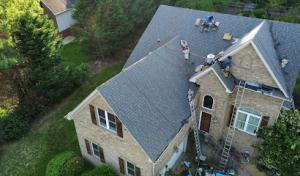
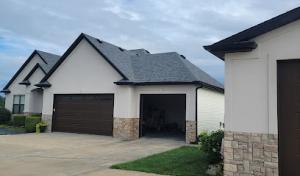
In this climate, Rosemead's mild but wetter winter pattern makes flashing failures around valleys, walls, chimneys, and roof penetrations more noticeable once seasonal rains begin. When the first heavy showers arrive, failures that might have gone unseen during dry spells become obvious as moisture wicks under flashing and finds its way into ceilings and walls. The result is a sudden need for emergency patchwork that often feels rushed and reactive.
Valleys are notorious trouble spots, especially where multiple planes meet and metal or membrane flashing has aged through inland summers. If you see any staining or feel dampness near a valley, treat it as a flashing failure risk rather than a surface leak only. Chimney has a similar vulnerability: the apron and counter-flashing can separate over time, allowing rain to sneak behind siding, attic insulation, and fascia. Wall flashings where siding meets roofing material are another frequent failure point, particularly on brittle or weathered flashings that never quite bond to the substrate after heat cycles. Skylight perimeters are common trouble spots when roofs have been heat-aged through several inland summers before substantial winter storms arrive; brittle sealants and compromised flashing around the skylight frame invite immediate water intrusion once rainfall starts.
Older penetration details, including vent pipes and attic exhausts, often show their weakness first under the winter load. If a seal around a vent or pipe looks cracked, dried, or loose, water will follow the path of least resistance and travel along the fastener line into the attic or wall cavity. A heat-aged roof with multiple summers behind it tends to produce minute gaps at these points that grow with time and pressure from rain, wind-driven spray, and debris. Roof penetrations should be treated as ongoing maintenance items, not one-off repairs, especially before the first substantial storms.
Heavy winter storms can also create muddy access and debris conditions around homes, complicating leak response and rooftop staging. When footing or ladder placement is uncertain due to mud, prioritize pre-storm prevention rather than post-storm patchwork. Clear primary pathways and inspect from a safe position before the rain arrives. If water intrusion is detected, staging a repair quickly is critical to limit interior damage and keep the rest of the roof sections dry during ongoing rain events.
Find contractors experienced in skylight installation, flashing, and leak repairs to bring natural light into your home.
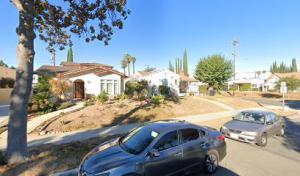
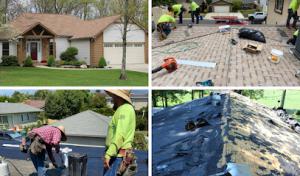
In Rosemead, your material choice drives not just the look of the house but how you budget for a reroof. Asphalt shingles sit on the lower end of the cost spectrum, while clay or concrete tile sit at the higher end due to weight, longer install times, and more labor-intensive work. When planning, use the per-square ranges provided: asphalt shingles at the lower end, and clay or concrete tile at the upper end. This helps you set realistic expectations for a typical suburban roof with a mix of standard footprint and heavier tile accents.
If you're leaning toward asphalt, expect a straightforward install that minimizes deck prep. In Rosemead, costs generally run from about 350 to 700 USD per square for asphalt shingles, a range that aligns with the dry-season window where labor tends to be more available. For metal roofing, you'll be in the 800 to 1500 USD per square range, reflecting faster installation on a lighter substrate but still significant material outlay. Clay tile tops the scale in the 1000 to 1900 USD per square bracket, with concrete tile typically 900 to 1700 USD per square, driven by the need for careful handling and more trips up and down the ladder due to tile fragility and securement requirements.
Costs in Rosemead can rise when older tile roofs need underlayment replacement, deck repairs, or careful tear-off and reset work rather than a simple overlay-style replacement. The region's heavy tiles demand a robust underlayment to guard against the Santa Ana-wind-driven wind-driven leaks, and decks often require attention after decades of exposure to sun and heat. If the existing roof has mismatched or damaged decking, expect additional labor, material, and coordination time that pushes the project toward the higher end of the tile ranges.
Scheduling pressure before winter rains and after wind or storm events can affect labor availability in the broader Los Angeles County market. Dry-season windows are essential for clean tear-offs and controlled installations, especially with tile systems, to minimize leak exposure during construction. A tighter schedule means less downtime and potential price bumps from scarce crew availability, so align reroof timing with a clear dry period and anticipate a flexible window if a storm-adjacent start is needed.
Don't let upfront costs delay a critical repair - these contractors offer payment plans to fit your budget.
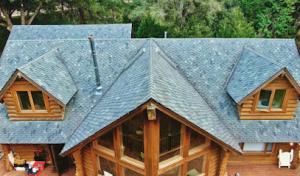

A full reroof in Rosemead typically requires a permit through the City of Rosemead Building & Safety. The contractor generally submits the reroof scope and material information to the city as part of the permit process. That upfront step isn't a formality: it sets expectations with inspectors about underlayment, flashing, ventilation, and roof ventilation requirements. If a permit isn't secured, a repair or replacement may not meet code and could complicate insurance claims after a leak.
Rosemead inspections commonly occur at rough-in and final stages to verify underlayment, flashing, ventilation, and overall code compliance. During rough-in, the focus is on securing proper underlayment, nailing patterns, and flashings around penetrations before shingles or tiles go on. The final inspection confirms that roof venting matches the attic layout, drainage works without cross-channeled leaks, and that materials meet the approved plan. Expect downtime between stages if the city requests corrections or additional documentation.
Because dry-season windows can tempt rushed work, coordinate closely with the contractor to avoid gaps that allow weather intrusion while the permit is pending. If a leak appears before the final inspection, document the issue promptly and communicate with the contractor and the city about temporary protections and rescheduling. Keeping a clear line of communication helps prevent delays that could collide with winter rain risk. After the job, ensure all stamped permit records and inspection clearances are filed with your insurance provider and homeowners association, if applicable.
Even when the work sits on a routine roof replacement, the city's records expect accurate material lists, fastener types, and a clear scope of work. The contractor should supply a final set of stamped drawings and a completed inspector's checklist as part of closure. You may need to present these documents when renewing or updating insurance and when applying for any local permits for future improvements. Keeping a personal file with the permit number, inspection dates, and contractor notes helps you respond quickly if the HOA or a adjuster requests proof of code compliance. Ask for copies and store them safely too.
In Rosemead, the insurance environment has tightened, and carriers are watching wildfire exposure even if the immediate repair is triggered by wind or rain. That means your homeowners policy decisions-whether it's renewal or a new policy-can hinge on regional risk assessments that extend beyond the roof's surface. When a claim is filed after a storm, the carrier may pause to review overall wildfire risk in the valley, the age and condition of the roof, and how weather patterns have shaped the home's vulnerability. The outcome can influence not just coverage, but the timing of payouts and the availability of certain endorsements.
Insurers operating in this market often require detailed, paper-based proof to approve a claim or renewal. Photos of the current roofing state, close-ups of damaged or aging components, and a documented history of prior damage help establish a clear timeline. Include roofing material information and the name and credentials of the contractor who performed previous work, along with invoices that verify when repairs were completed. This isn't a one-time task; having a well-organized file streamlines processing if a new issue arises during the dry season or after winter rains.
Even if the immediate concern is leaks from a storm, insurers judge risk through the broader lens of wildfire exposure and weather patterns that shape that exposure year to year. A roof system that looks sound but sits atop a home with limited defensible space or a history of heat-related wear may trigger a more cautious underwriting stance. In practice, this means preparing for potential scrutiny and ensuring that documentation reflects not only current damage but the roof's resilience against the valley's dry heat and Santa Ana wind cycles.
Keep a current, photograph-backed log of all roof-related work, including the materials used and the contractors involved. When approaching a claim or renewal, present a concise narrative linking recent weather events to the observed damage and maintenance history. Avoid gaps in documentation, and be ready to provide access to prior service records so the insurer can assess risk with a complete picture rather than a snapshot of a single incident.
Connect with contractors who help homeowners navigate the claims process from damage assessment to final approval.
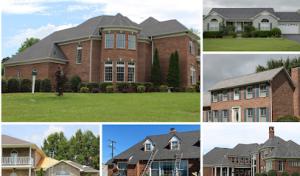
In this market, flat and low-slope roofs show up on additions, patio covers, and commercial properties, even as many homes keep pitched roofs. The demand reflects practical spacing and shade-oriented living spaces, where a durable flat surface can be a utility play for skylights or a future solar setup. For homeowners planning reroofs or upgrades, expect frequent conversations about decking condition, drainage, and how a flat section will tie into surrounding pitched surfaces. When working on additions, coordinate with existing flashing details to avoid future leaks at transitions and ensure the framing carries the load without creating standing water. A cautious approach to surface prep and a well-sealed edge detail are essential, especially on surfaces that face long summer sun and Santa Ana exposure.
Roof coatings are a familiar specialty here because they can extend service life on low-slope surfaces that bake under summer heat. A reflective or elastomeric coating can reduce cooling loads and improve roof integrity without a full tear-off. When coatings are considered, assess substrate compatibility, curb flashing, and any existing penetrations that require extra sealing. Coating projects deserve meticulous surface cleaning, patching of any membrane blisters, and careful choice of coating that remains flexible in temperature swings. Regular maintenance cycles-cleaning debris and inspecting sealants-keep these coatings performing across the dry season and into the wetter months.
Solar-related work pops up with increasing frequency, so planning reroofs around panels matters. If panels are present or planned, ensure the sequence allows for clean penetrations and robust flashing around racking, inverters, and conduit routes. Discuss future accessibility for panel maintenance and how new penetrations interplay with old hardware. In Rosemead, coordinating roof surface preparation with potential solar installations helps prevent retrofit complications and protects the long-term watertight integrity of the roof.
Find specialists in TPO, EPDM, and built-up flat roofing systems for residential and commercial properties.