Last updated: Apr 19, 2026
Duarte sits directly below the San Gabriel foothills, so roofs here are exposed to hotter sun and downslope wind events than many more coastal Los Angeles County communities. The Mediterranean climate means long dry summers that push UV exposure, while the winter rainy season brings the risk of leaks if flashing or underlayment aren't up to it. This combination shapes how a roof ages and when to watch for trouble, especially on homes that sit near hillside edges or under mature trees where debris collects and wind channels can intensify.
Foothill sun drives accelerated aging of roofing systems. Ultra-violet light breaks down surface coatings and seams, and heat cycling makes roofs expand and contract. In Duarte, this means selecting materials with strong UV resistance and robust underlayments. For asphalt shingles, pick products with high asphalt stability and good granule adhesion, and plan for a roof deck with a durable, wind-resistant underlayment. If considering tile or metal, look for finishes rated for southern California sun and confirm color choices that minimize heat absorption. In practical terms, discuss reflective or cool-roof options with your contractor to lower heat build-up at the fascia and along the eaves, where sun exposure is most intense.
Santa Ana wind periods in fall can blow dust, small branches, and debris onto roof valleys and around penetrations, which is a recurring maintenance issue for homes near hillside edges and mature trees. You should expect a seasonal uptick in cleaning tasks: clear valleys, gutters, and around penetrations after windy spells. Pay special attention to roof penetrations (vents, flues, skylights) and to ridge vent areas where wind-driven debris can loosen fasteners or lift flashing if joints aren't tight. Consider installing or upgrading weatherproof sealants and choosing fasteners with corrosion resistance to withstand gritty dust and occasional dust-laden moisture.
The winter rainy season is when underlayment failures and flashing defects are most likely to show up as active leaks. In Duarte, the tendency is to see leaks appear around roof-to-wall flashings, chimney bases, and vent penetrations during sustained rain. Durable underlayment choices matter more here because wetting cycles and wind-driven rain can exploit marginal areas. When re-roofing or replacing, insist on a proven wind-rated underlayment and continuous flashing with proper overlaps, sealed joints, and counterflashing where applicable. Make sure valleys are properly lined and not reliant on a single layer of protection; double-check that valley metal or shingle detail is designed to shed water quickly rather than trap it.
Develop a seasonal routine that begins with a fall wind preparation check. Before Santa Ana events, inspect ridges, penetrations, and flashings, and clear the roof of loose debris. In late fall and winter, schedule a thorough inspection after the first heavy rains to look for signs of moisture intrusion, rusted fasteners, or compromised underlayment. In spring, re-check for UV-related cracking or granule loss, particularly on asphalt shingles, and reseal any exposed fasteners or flashing scuppers. Throughout the year, maintain a regular debris-clearing cadence, especially near trees and hillside edges, to reduce wind-blown clogging and moisture retention that can accelerate aging. In Duarte, treating the roof as part of the hillside landscape-integrating vegetation management and debris control with roof care-helps extend life and reduce the odds of surprise leaks during wet periods.
Clay tile and concrete tile are especially relevant in Duarte because San Gabriel Valley housing stock includes many Mediterranean and ranch-style homes where heavier tile systems are common and visually expected. Those heavier roofs bring a distinct look and a proven track record against the Santa Ana sun, but they also demand a strong underlayment and careful roof framing checks before replacement. The thicker profile of tiles can help shed heat more slowly in the peak heat of summer, which can influence attic temperatures and insulation needs. When considering color and texture, choose hues that reflect the light rather than absorb it, helping keep the attic cooler without sacrificing the visual rhythm of the neighborhood.
Asphalt shingles remain a practical option for homeowners balancing cost against sun exposure, but prolonged heat and UV can shorten the appearance life of lower-end products faster than in cooler coastal markets. In Duarte, the sun's intensity accelerates color fading and surface granule loss on basic shingles, so durability and warranty terms matter more than price alone. If asphalt is your choice, consider architectural or dimensional shingles with a UV-resistant top layer and a longer expected service life. They can provide a favorable compromise between upfront cost and longevity while still offering a broad palette to match Mediterranean and ranch-style exteriors.
Clay tile offers exceptional heat resistance and a distinct, lasting aesthetic. Its weight requires a well-engineered deck and underlayment, and preparation for wind-driven rain and debris is essential. Clay tiles can tolerate the Santa Ana winds when installed with proper fasteners and clips designed for high-worce wind zones. If the home has multiple roof planes or skylights, ensure the tile layout minimizes potential for wind-driven uplift gaps around penetrations. The color retention and texture of clay deliver a traditional look that often aligns with the architectural language of local neighborhoods.
Concrete tile sits between clay and asphalt in terms of weight and price, but it typically provides stronger impact resistance and a robust fire-performance profile. In hot, sunny conditions, concrete tile often exhibits excellent long-term color stability and can be lighter on the roof deck than clay while still delivering a heavy, classic silhouette. Proper alignment and venting are important to prevent moisture buildup beneath the tiles during shoulder-season rains or heat spikes that create condensation.
Wood shakes and shingles carry a notable downside in the foothills where wildfire concerns shape both material choice and insurer comfort. Even when the look is preferred, heavy scrutiny and more stringent underlayment requirements can tilt decisions toward non-wood options. If wood is kept in consideration, pair it with a high-quality ignition-resistant underlayment and wide headlap underlayment strategies, and be prepared for higher maintenance and candid conversations with insurers about risk. Tile systems, whether clay or concrete, generally align better with wildfire-era expectations and often yield more favorable long-term confidence for coverage and replacement planning.
Begin with your roof's footprint and structural support. Heavier tile systems require verification of roof framing, deck strength, and updated underlayment. Evaluate ventilation to manage attic temperatures-tile roofs pair well with continuous soffit and ridge venting to reduce heat buildup and extend shingle or tile life. Consider a color and texture plan that respects the surrounding streetscape while addressing glare and solar heat gain. Finally, discuss wind-fastening details with the installer, including clips, fasteners, and sealants designed for high-desert wind regimes, to ensure the roof remains secure through Santa Ana events.
Find contractors who specialize in clay and concrete tile roofs, known for their durability and curb appeal.
In Duarte, dry-month scheduling matters because full tear-offs are less likely to be interrupted outside the winter rain pattern typical of inland Los Angeles County. When you plan a re-roof, targeting a long stretch of dry days minimizes the risk of sudden weather delays pushing your project into unexpected weeks. Align your tear-off with a clear stretch in late spring or early fall, when afternoon humidity is low and overnight temps aren't unpredictable. This isn't about convenience; it's about keeping crews moving, reducing exposure to blowing dust, and avoiding the creeping risk of rust and accelerated roof penetration from a lingering wet roof deck.
Fall scheduling can still be tricky even in dry weather because Santa Ana winds can disrupt tear-off days, material staging, and temporary dry-in work. Santa Anas arrive with little warning and can gust through the foothills, lifting lightweight materials and forcing crews to halt work for safety. Have a contingency plan: secure tarps, nominate a protected staging area, and arrange flexible start times so crews can shift around a stubborn wind window. If a wind advisory appears, consider pausing the tear-off rather than risking lift or damage to underlayment or newly installed components. Clear communication with the roofing crew about your preferred dry-in strategy will pay off when winds spike.
Summer replacements are common in Duarte, but crews must work around high roof-surface temperatures that can affect labor pace and material handling. Hot surfaces can shorten the curing window for underlayment adhesives and complicate shingle installation or tile setting. Schedule the hottest weeks with cooler morning starts and planned midday breaks when the sun rides highest. Water and shade become part of the practical plan: ensure water access for crew hydration and a shaded staging zone for tools and unused materials. If a heat peak appears, adjust the daily pace to protect workers and preserve material integrity, rather than pushing through a dangerous grind.
Lock in a weather-aware window at least two weeks out, with a written plan for shifting days if Santa Anas or heat waves threaten. Build in a buffer for unexpected wind gusts and brief storm pockets, especially during late summer. Communicate a clear dry-in strategy with the crew, including what constitutes acceptable dry conditions and what triggers a pause. With foothill conditions and wildfire-era sensitivities, a disciplined schedule focused on dry days, wind preparedness, and temperature-aware work pacing reduces risk and keeps a re-roof project on track.
When you can't wait, these contractors offer fast response times to stop leaks and prevent further damage.

Clear Cost Roofing
(626) 548-6854 clearcostroofing.com
Serving
4.9 from 34 reviews
Clear Cost Roofing is a dependable roofing contractor in Monrovia, CA and nearby areas, offering affordable and high-quality roofing services for both residential and commercial properties. With over 20 years of experience, we handle all aspects of roofing Monrovia, CA projects, including Roof Repair, Roof Replacement, Roof Installation, Roof Coating, Roof Inspection, and Roof Rejuvenation. Our skilled team works with a wide range of roofing systems—Shingle, Metal, Tile, Slate, Flat, TPO, Rubber, and Cedar —to ensure long-lasting results. Whether you're addressing storm damage, leaks, or planning a new roof installation, we deliver reliable craftsmanship at a fair price. Contact us today to schedule your FREE estimate and experience e

Stone Roofing Company
Serving
4.9 from 31 reviews
Contact Los Angeles County commercial roofers Stone Roofing Company at 1-800-31-STONE for your free roof inspection & consultation. A trusted roofer based in Azusa serving all of Southern California, Stone specializes in flat re-roofing, roof repair, re-roofing, roof coatings, installations & roof replacements for commercial & industrial buildings. From emergency roof leak repair to roof maintenance, Stone is capable of handling jobs of any size. Using the latest technology in digital estimating, we're dedicated to serving the needs of our customers & providing the highest levels of efficiency & quality. We excel in the application of all major roofing systems. Licensed, Insured & certified by every major roofing materials manufacturer.

Highland Commercial Roofing
(626) 856-2076 www.highlandroof.com
Serving
4.6 from 45 reviews
Highland Commercial Roofing offers expertise in commercial and industrial roof installation and maintenance. We begin with a thorough roof inspection at no cost to provide a variety of solutions for maintenance, repair, or a new roofing system. Our commercial roofers are skilled, dedicated, and highly trained master craftsmen who provide a quality service with extensive pros and cons to each option in order to help you make the best decision for your commercial property. Our production management team will work with you to develop a plan and construction schedule designed to minimize our impact on your business operations, or that of your tenants, during installation. Contact us today for a quote or more information.
B.W. Roofing
(626) 900-1070 eliteroofing.homes
Serving
4.9 from 71 reviews
B.W. Roofing is a reputable roofing company known for its commitment to excellence and customer satisfaction. With years of experience in the industry, we offer a comprehensive range of roofing services tailored to meet your specific needs. Our skilled team of professionals is dedicated to delivering top-quality craftsmanship and superior results. Whether you require roof repairs, installations, or maintenance, we have the expertise to handle your project efficiently and effectively. At B.W. Roofing, we prioritize attention to detail and use high-quality materials to ensure the longevity and functionality of your roof. Trust us for reliable roofing solutions that meet the highest standards.
Casanova Roofing
(888) 338-0123 www.casanovaroofing.com
Serving
4.6 from 18 reviews
At Casanova Roofing, we bring over 25 years of experience to every project, ensuring high-quality roofing solutions for both commercial and residential properties. Based in Monrovia, CA, our team stands out in the roofing industry due to our unwavering commitment to safety, reliability, and customer satisfaction. Unlike our competitors, we emphasize the use of top-tier materials and offer exceptional attention to detail in every job.
Mighty Roofing
(626) 727-9229 azusaroofingcontractor.com
Serving
5.0 from 11 reviews
Welcome to Mighty Roofing, where excellence meets expertise in every shingle! Elevate your property with our stellar services. Need a roof that withstands the test of time? Our skilled craftsmen specialize in Roof Installation, ensuring durability and style. Upgrade confidently with our Roof Replacement service, tailored to your aesthetic preferences. Did you get leaks or damage? Fear not! Mighty Roofing excels in Roof Repair, restoring your peace of mind. Explore innovation with our sleek Metal Roofing options or opt for classic charm with Asphalt Shingle Roofing. For commercial spaces, trust our expertise in Commercial TPO Roofing. Whether it's New Construction or rejuvenating a Flat Roof, Mighty Roofing has you covered!
Tigers Roofing
(310) 879-3421 tigersroofing.com
Serving
5.0 from 20 reviews
🏠 Tigers Roofing Secure Your Shelter with Tigers Roofing – Exceptional Quality, Unmatched Experience! ✨ 🛡️ At Tigers Roofing, securing your shelter is our top-most priority. Operating with unrivaled expertise in Gardena, CA 📍, we set the gold standard in the roofing industry. Our unmatched experience, combined with our exceptional commitment to quality, ensures that we deliver solutions that not only meet but exceed your expectations 💪. 📞 Contact us today!!! 📧 tigersroofinginc@gmail.com
Baldwin Park Roofers
(626) 542-1397 baldwinparkroofers.com
Serving
5.0 from 34 reviews
For reliable and affordable roofing in Baldwin Park, CA, trust Baldwin Park Roofers. With over 20 years of expertise, we provide professional roof repair, roof installation, roof replacement, and roof inspections. We specialize in shingle roofing, metal roofing, and flat roofing. Our focus is on delivering long-lasting roofing solutions that meet your needs and budget. Serving Baldwin Park, CA and nearby areas —contact Baldwin Park Roofers today for a free estimate!
Hudson & Sons Roof Repair
(626) 790-2225 roofingbaldwinpark.com
Serving
4.7 from 71 reviews
Hudson & Sons Roof Repair is a trusted name when it comes to professional roof repair services. With our experienced team of professionals, we specialize in addressing a wide range of roofing issues promptly and effectively. Whether it's fixing leaks, replacing damaged shingles, or restoring the overall condition of your roof, we have the expertise and tools to get the job done right. At Hudson & Sons Roof Repair, we prioritize quality workmanship and customer satisfaction. Trust us to restore the integrity and functionality of your roof with precision and expertise.
J.N. Davis Roofing
(626) 815-1279 www.jndavis.com
Serving
4.6 from 18 reviews
Since 1929, J.N. Davis Roofing has been the trusted roofing contractor for homeowners and businesses across Covina and the San Gabriel Valley. Our licensed and insured team (CA Lic. #572125-C39) provides expert roof replacement, leak repair, new roof installations, flat roof systems, cool roof solutions, gutters, and skylights. Whether you need a quick roof inspection or a full re-roof, our experienced roofers deliver reliable workmanship backed by nearly a century of service. We proudly serve Covina, West Covina, Glendora, San Dimas, Azusa, Pasadena, and nearby communities.
Dowd Roofing
(626) 857-1070 dowdroofing.com
Serving
5.0 from 39 reviews
Since 1979, Dowd Roofing has provided residential and commercial roofing, roof repair, and much more to Glendora, CA and the surrounding areas. Dowd Roofing takes integrity and dependability very seriously when it comes to your projects, from whole roof replacements to storm damage maintenance. We work on asphalt roofing, concrete tile roofing, spray coating, leak plugging, inspections, and more. With over 35 years of experience, you know we are still in business for a reason, Call us today to schedule an estimate, or contact us through our website.
Value Wise Roofers
(626) 691-4958 valuewiseroofers.com
Serving
5.0 from 37 reviews
Looking for reliable and affordable roofing services in Bassett, CA? Value Wise Roofers offers over 20 years of experience providing top-quality roofing solutions. We specialize in roof repair, roof installation, roof replacement, and roof inspections. We also provide siding, gutter, skylight, roof waterproofing and window installation services to Basset homeowners. Whether you need shingle roofing, metal roofing, or flat roofing, our team delivers cost-effective solutions to keep your home secure and energy-efficient. Serving Bassett, CA, contact Value Wise Roofers for a free estimate today!
In this foothill town, Duarte cost differences show up most clearly when a home has lightweight asphalt shingles versus heavier tile systems. Lightweight shingles keep the project closer to base material pricing, while tile systems demand more labor, more accessory replacement, and careful loading logistics to avoid deck damage or structural strain. When you're weighing bids, expect tile to incur higher mobilization and labor surcharges, even before any underlayment upgrades or wind-resistance additions.
The usual price ranges reflect common roof profiles you'll see around town. Asphalt shingles run roughly from 350 to 700 dollars per square, while metal roofing sits between 800 and 1600 dollars per square. Clay tile can range from 900 to 2500 dollars per square, with concrete tile often landing 700 to 1400 dollars per square. Wood shingles or shakes are generally 450 to 900 dollars per square, and slate is 1200 to 2800 dollars per square. Those figures are base material costs; the total project price will climb with underlayment, flashing, ridge venting, and any wildlife or fire-safety upgrades prompted by insurer expectations.
Homes near the foothill edge or on steeper residential streets incur higher staging and delivery complexity. Elevated driveways, narrow cul-de-sacs, or winding approaches can slow material drop-offs and require extra crane or pulley setup, which adds to both time and cost. Flat tract areas deeper in the valley usually see smoother logistics and fewer surcharge items, translating into leaner totals even for the same roof size and material.
If an older Duarte home needs deck repair, upgraded underlayment, or added wind-resistance details to satisfy current expectations from inspectors or insurers, total project cost can move well above base material pricing. Wind uplift requirements, especially on exposed ridges or south-facing slopes, often trigger higher-quality underlayment, enhanced fasteners, and more meticulous sealant work. Additionally, re-flashing around penetrations and retrofit repairs to soffits or fascia can add to the budget, but these steps improve long-term performance under Santa Ana winds and wildfire-era scrutiny.
When budgeting, separate material costs from labor and staging surcharges, then add a contingency for potential underlayment or wind-resistance upgrades. In Duarte, the mix between lightweight asphalt and heavier tile will drive both your base estimate and the likelihood of seeing extra charges as the project scope shifts to meet local expectations.
Don't let upfront costs delay a critical repair - these contractors offer payment plans to fit your budget.
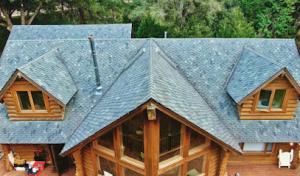
A full roof replacement in Duarte typically requires a building permit through the City of Duarte Building & Safety division rather than being treated as minor maintenance. This means the project starts with an online or in-person application, a plan check, and confirmation that the proposed materials and anchorage meet local codes. The permit process also helps ensure that your chosen underlayment, decking, and flashing align with foothill climate demands and fire codes.
Duarte inspections are commonly scheduled at rough, underlayment, and final stages, so homeowners should expect the job to be sequenced around municipal sign-offs instead of a single end-of-job visit. The rough inspection confirms framing and roof deck integrity before any underlayment goes down. The underlayment inspection checks for proper overlap, venting, and wind-resistance provisions. The final inspection validates completed installation, flashing details, and clearance from any code violations. Coordinating these visits with the contractor helps prevent delays.
Some Duarte projects can trigger added review when the roof type changes or when structural or wind-resistance issues are involved, which matters for heavier materials and major re-roof conversions. Switching from a lighter shingle to tile, metal, or heavy slate can prompt deeper structural evaluations and wind-load calculations. If the project changes the roof's curvature, ridge height, or eave detailing, expect a higher likelihood of review items from Building & Safety.
Prepare the site so inspectors can access attic spaces, roof penetrations, and any venting devices without obstruction. In foothill conditions, clear access to the attic hatch, crawlspaces, and exterior walls near eaves is especially helpful. Have your contractor provide a written checklist with the permit number on hand, and ensure any work around fire-safety features (like ember-resistant details) is properly documented for the inspector.
The sequence of inspections often mirrors the practical needs of Duarte's climate: verifying wind-resistance details early helps prevent later rework after hot Santa Ana winds. If a change in roofing product is proposed mid-project, discuss the plan with the Building & Safety division promptly to avoid misalignment with the permit scope. Keeping the project aligned with Duarte's permit expectations reduces surprises and keeps the timeline focused on safe, code-compliant restoration.
Because this foothill city sits at the base of the San Gabriel foothills, the sun is fierce, Santa Ana winds can snap at shingles, and the wildfire landscape keeps insurers paying close attention to roof systems. The age of the roof, the condition of underlayment, and wind-resistant installation details are not theoretical risks here; they drive real underwriting questions and renewal outcomes. When a roof is overdue for replacement or shows signs of past wind damage, insurers will scrutinize materials and installation methods more than in milder climates. A durable underlayment and a wind-conscious fastener pattern aren't just builders' preferences-they're insurance-oriented necessities in this terrain.
Insurers serving inland Southern California have become more selective, so Duarte owners replacing older roofs may need contractor documentation and photos to support renewals or avoid coverage issues. In practice, gather and preserve a clear trail: pre- and post-installation photos, detailed scope of work from the contractor, product specs, and notes about wind-rated fasteners and underlayment. This isn't merely for a claim later; it helps demonstrate compliance with current expectations during the underwriting review. If a carrier asks for proof that the roof meets modern standards, your organized file can shorten the back-and-forth and reduce questions that stall a renewal.
After wind or rain damage in Duarte, keeping dated photos, permit records, and contractor scope documents can help when a carrier requests proof that the roof was updated to current standards. The timeline and clarity of those records matter: dated evidence of replacement materials, installation methods, and any reinforcement features can make the difference between a straightforward claim and a drawn-out process. In the foothills, proactive documentation is a practical safeguard against coverage hiccups when wildfires and wind events test the resilience of your roof.
Connect with contractors who help homeowners navigate the claims process from damage assessment to final approval.
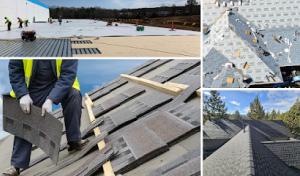
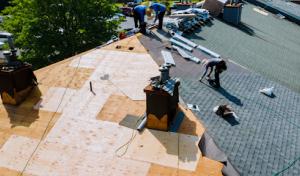
Across Duarte's foothill homes, leaks often become obvious during winter storms after months of unnoticed summer UV deterioration in flashings, pipe boots, and exposed sealants. The heat in the San Gabriel foothills can bake through the smallest gap, so a tiny crack or squeeze in a metal flashing can balloon into a carpet of drips after a cold front moves in. Inspecting these areas in a dry spell is not paranoia-it's practical, because the underlying membranes may already be compromised even when the shingles look fine from the ground. Focus on toe boards, vent collars, and transitions where a breeze can pry seals loose over time.
Tile roofs common in the San Gabriel Valley can hide underlayment failure even when the field tiles still look serviceable from the ground, which is a frequent source of homeowner confusion. A tile may be intact, but the underlayment beneath can delaminate or wear through, allowing water to migrate to the roof deck in stealth. In Duarte, a quiet rain can expose years of UV-damaged moisture barriers that never showed a single leak on a sunny day. If you notice a slight discoloration or a sagging edge near any valley or flash line, treat it as a warning sign rather than a cosmetic issue.
Debris buildup from wind events around valleys, skylights, and roof-to-wall transitions is a practical issue for Duarte homes with nearby trees and foothill gust exposure. Shingle granules, pine needles, and small branches can trap moisture and abrade seals at critical joints. Valleys are prime trouble spots-heavy debris here can mask a slow leak that only becomes visible after a storm. Regular clearing and targeted cleaning of these transition zones reduce the odds of an unseen water path into the attic or ceiling.
Find contractors experienced in skylight installation, flashing, and leak repairs to bring natural light into your home.

Although pitched residential roofs are common, the local contractor market shows meaningful demand for flat and low-slope work, reflecting garages, patio covers, multifamily sections, and commercial buildings along major corridors. In these cases, the slope is not just a detail; it governs drainage performance and long-term underlayment choice. When planning a low-slope installation or retrofit, start with a precise assessment of roof plane drainage, scuppers, and edge detailing. A small change in pitch or a well-placed containment channel can prevent ponding from becoming a chronic problem during the wet season.
Roof coatings are especially relevant in this hot inland climate because reflective restoration can be part of extending service life on eligible low-slope systems exposed to prolonged summer sun. For Duarte properties, a high-reflectance top coat paired with a compatible base system can reduce surface temperatures and slow material degradation. Look for coatings with infrared-reflective pigments and proven adhesion to your substrate. In practice, this means verifying compatibility with the existing deck or membrane, checking for stone-dud or mineral surface concerns, and planning for annual inspections to confirm coating integrity after heat waves.
Low-slope sections should not be treated as an afterthought. Start with substrate readiness: clean, dry, and free of debris; address any blisters, punctures, or seam deterioration; and confirm venting and drainage paths are unobstructed. The choice of underlayment matters just as much as the coating. In sun-baked zones, consider a high-performance synthetic or modified bitumen layer that resists UV exposure and remains flexible with temperature swings. For metal or concrete decks, ensure the coating system provides crack-bridging properties and corrosion resistance, especially along edge details and penetrations.
Low-slope sections still need careful drainage planning before winter rains, since ponding problems may stay hidden during the long dry season. Map out low points, confirm slope gradients meet spec, and plan for a secondary drainage route if a primary path becomes blocked. Regular inspections after the first winter storms help catch early signs of surface wear, edge seepage, or seam leaks. In this market, proactive edge detailing and robust seam materials are common-sense upgrades that pay dividends when monsoon-like precipitation returns.
Find specialists in TPO, EPDM, and built-up flat roofing systems for residential and commercial properties.