
Last updated: Apr 19, 2026
Harbor City sits in the Los Angeles Harbor area, so roofs can see marine-layer moisture and fog even though the neighborhood is inland from the immediate waterfront. That coastal moisture cycles with salty air and fog as a constant backdrop, especially on early mornings and in late fall. The combination of damp mornings and hot afternoons creates a unique wear pattern: moisture-driven aging that accelerates deck and underlayment deterioration, followed by rapid UV exposure on sunny days. This means roof systems here don't follow a one-size-fits-all failure timeline; they age through a blend of wet-and-dry cycles rather than freezes-thaw cycles.
Step by step, this is how aging shows up and what to look for. First, check the sheathing and underlayment for moisture staining or soft spots, particularly in areas that are shaded by one side of the house or where roof deck joints align with old penetrations. In this climate, condensation and marine mist can infiltrate seams more readily, so pay attention to fastener corrosion around vent pipes, skylights, and chimney flashing. Second, UV aging progresses quickly on southern and western exposures. Shingles or tiles that look sun-bleached, have chalky surfaces, or exhibit accelerated granule loss are signaling sustained UV exposure. The wind is not just a gust; it's a stress test that can lift edges, loosen fasteners, and wedge flashing into vulnerable gaps. Third, salt-laden air compounds corrosion on metal components, including copper and flashing hardware. Regular visual checks for green or white corrosion crusts along seam intersections matter, especially near the coast or any property that sits closer to dune or marsh edges.
The seasonal rhythm here is a driver of replacement timing. Dry-season work is the practical preference because winter rainfall can interrupt tear-off and expose decking to moisture during the critical window of roof replacement. If a roof system needs complete tear-off, planning for a dry stretch-typically late spring through early fall-helps ensure fast, uninterrupted deck exposure, clean sheathing, and a solid, dry installation base. This timing also aligns with the driest windows for material handling and coating cures, reducing the chance of moisture entrapment that can compromise new underlayment. For repairs, the dry season offers similar benefits, allowing sealants and patching compounds to cure without rain-induced washout.
Understanding wear patterns helps you distinguish between quick fixes and full replacements. In this climate, repairs that merely cover exposed fasteners or reflash a small section may buy time, but continuing moisture intrusion can undermine the entire deck. If deck sagging or widespread soft spots appear, or if multiple roof planes share a common underlayment that shows signs of moisture damage, consider a broader replacement plan rather than piecemeal fixes. Also pay attention to flashing integrity around chimneys, vent stacks, and where a roof intercepts heavy wind corridors. Santa Ana wind events can push moisture-laden air into gaps, so flashing and edge radii should be inspected after any major wind spell, not just after rain.
Ventilation matters in this coastal inland microclimate. A well-vented attic reduces heat buildup that accelerates aging of shingles, tiles, and underlayment. Look for balanced intake and exhaust, with soffit vents aligned to promote consistent upward air movement. When venting is insufficient, you will notice faster curling of asphalt shingles or faster softening of underlayment in attic-facing areas. If your roof is a tile or shake system, ensure the underlayment beneath is rated for prolonged exposure to coastal humidity and heat, and that fasteners and clips are corrosion-resistant. Regular inspections should target edge seals, flashing continuity, and any signs of wind-driven lifting in the most exposed planes.
Finally, long-term planning for Harbor City rooftops should factor in the local climate's pacing: coastal moisture, strong sun, and Santa Ana pressure. Your maintenance calendar should emphasize annual or semiannual inspections, with extra checks after seasons of heavy wind or damp coastal air. By focusing on moisture ingress points, UV-damage indicators, and wind-driven wear, you can align replacement timing with the area's natural rhythm and minimize emergency repairs.
In this coastal microclimate, heat from late summer and the Santa Ana winds don't just dry things out-they aggressively age the underlayment, ridge lines, and roof penetrations. When those winds gust from the east or northeast, they pull dried air over the roof deck, increasing fatigue on flashing seals and shingles that have already endured summer sun. By the time the Santa Anas arrive, small, quiet failures can become loud, costly problems in a matter of days. The result: leaks that show up after a strong windstorm or a dry Santa Ana day suddenly followed by a cold front. This is not a drill-timely inspection and targeted repairs matter now, not later.
Winter rain in the basin often exposes defects that look minor but behave like full-blown leaks. A loose valley seal, a cracked step flashing, or a poorly sealed vent boot can turn a dribble into a torrent after a series of storms. The local pattern is that tiny defects can lie dormant through dry spells, then activate with the first sustained downpour. Because leaks may appear at joints and terminations rather than across a broad surface, the early signal is often staining or dampness near penetrations rather than visible water running across a ceiling. If a roof shows even a minor drip after a storm, the prudent move is an emergency repair to cap the defect before it widens.
Coastal humidity and fog cooperate with cooler mornings to foster algae or moss on surfaces that stay damp longer, especially on traditional organic shingles or older substrates. The problem compounds where morning drying is slow due to marine fog banks rolling in along the hills. Moss and algae not only look unsightly but can trap moisture against the roof deck, accelerating deterioration of shingles and fasteners. In Harbor City's climate, a quick, targeted cleaning and a biocide treatment can slow growth and protect the deck, but only if the underlying roof is sound and the seals are intact. Regular inspections after prolonged damp spells are essential to catch growth before it penetrates the roof's edge details.
To maximize roof life in this coastal environment, emphasize ridge and flashing integrity, choose shingles or tiles with proven coastal performance, and align maintenance cycles with seasonal stress periods-late summer through fall, and the heart of winter rainfall. Random, reactive repairs lag behind the accelerated aging caused by marine humidity, sun exposure, and Santa Ana events. A proactive plan that targets underlayment protection, sound flashings, and clean, algae-control measures will keep a Harbor City roof drier, stronger, and leak-resistant longer.
When you can't wait, these contractors offer fast response times to stop leaks and prevent further damage.
Modern Solution Roofing
(661) 339-3278 www.modernsolutionroofing.com
Serving
5.0 from 27 reviews
At Modern Solution Roofing, we’re not just a roofing company, we’re your neighbors with innovative, reliable roofing solutions, delivered with integrity ,expert craftsmanship, and unwavering commitment to customer satisfaction. We specialize in roof replacement, re roof, roof repair We’re local roofers, proudly serving Santa Clarita as a trusted, owner-operated company. 10+ years of experience in SCV, San Fernando Valley and Los Angeles County. We hold a C39 roofing license, full insurance, bonded, and workers’ comp, because your peace of mind matters. Free estimates. No hidden fees or pushy up sales. We’re proud to support our military, ask about discounts for active duty and veterans.
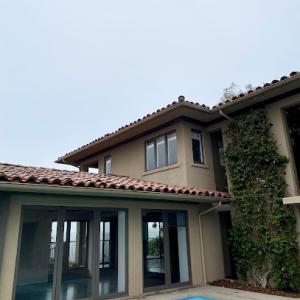
Watershield Roofing
(424) 221-2118 watershieldroofingco.com
Serving
5.0 from 24 reviews
Watershield Roofing in Los Angeles, CA is a roofing company that offers expert installation, repair, and maintenance services for both residential and commercial properties. Our skilled team, quality materials, and commitment to customer satisfaction ensure durable and stunning roofs. Choose Watershield Roofing for all your roofing needs. Call today to schedule an appointment!
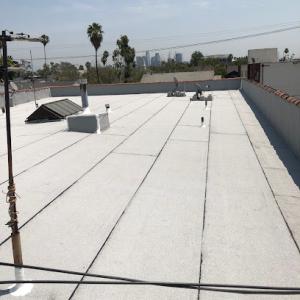
One Roofing Solution
(323) 543-7482 oneroofingsolution.com
Serving
5.0 from 23 reviews
Protect your largest investment with our reliable roofing services. We are a locally owned and operated roofing company currently serving Maywood, CA and surrounding communities. If you want to make your roof last as long as possible, it is vital that you never put off a roof repair. Small issues with roofing become big issues in a hurry. No matter how major or minor the repair you need, we are here to help. We offer roofing services, roof installation, and roof repair.
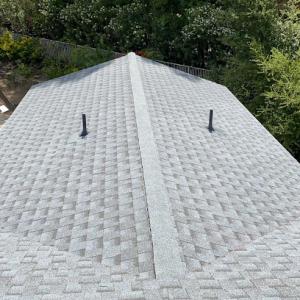
AEL Roof Leak Repair Los Angeles
Serving
5.0 from 23 reviews
AEL Roofing Leak Repair Los Angeles are a team of professional roofers that can handle roof leak repair and replacements on residential roofs, commercial roofs, or specialty roofs. We are one of the top roofing companies in the greater Los Angeles area, and we have experience working with a wide variety of products, including composition shingles, asphalt shingles, metal roofs, tile roofs, PVC, and TPO. We can also work with flat roofs, roof coating, PVC, and single ply roofing, and there are many more options available. Be sure to consider us when you’re choosing a roofer for your next project. Looking forward to work with you ! AEL Roofing Leak Repair Los Angeles
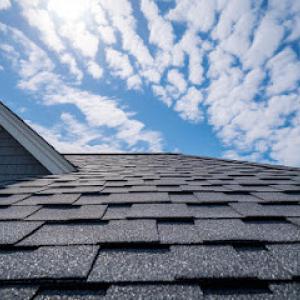
NR Roofing CA
(626) 654-4714 nrroofinglosangeles.com
Serving
4.7 from 42 reviews
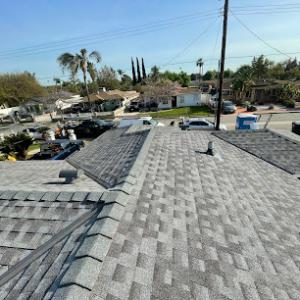
Roof repair & Installation Services in Pasadena California: NR Roofing CA repair and install all types of roofs in Los Angeles County California.
United Master Roofing
(626) 627-3959 www.unitedmasteroofing.com
Serving
5.0 from 18 reviews
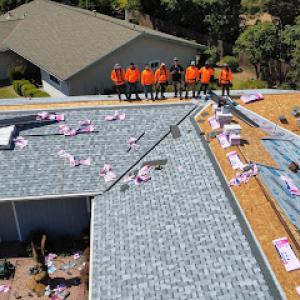
We are a small local family-run business dedicated to meeting all your roofing needs. We offer a wide range of services from repairs, maintenance, and replacement to installations. We promise to give you the best quality of work for your home or business.
Ark Roofing & Construction Los Angeles
(818) 233-0002 arkroofingco.com
Serving
5.0 from 17 reviews
Ark Roofing and Construction is Los Angeles trusted roofing contractor, specializing in expert Roof Replacements, Roof Repairs, and full-service Residential Roofing. We help homeowners protect their properties with high-quality Asphalt Shingle Roofs, Tile Roofs, and Flat or Pitched Roof systems tailored to Southern California's climate and codes. With years of hands-on roofing experience across the LA area, we understand the unique challenges Los Angeles homeowners face—heat, sun exposure, and aging roofing systems. Whether you're dealing with a leaking roof, storm damage, or simply time for a full Roof Replacement, our team delivers clean, reliable, and professional roofing services from start to finish.
Action Roofing
Serving
5.0 from 42 reviews
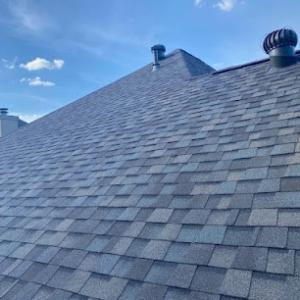
ACTION ROOFING, INC. is your trusted neighborhood roofing service, proudly serving the Torrance, CA area. Located on Lockness Avenue, we're dedicated to providing top-quality roofing solutions for your home or business. When you need reliable roofing expertise close to home, think ACTION ROOFING.
Premium Legacy Roofing & Construction
(661) 513-7514 www.premiumlegacyrnc.com
Serving
4.6 from 19 reviews
Are you looking for top-notch roofing and concrete services in Santa Clarita, CA? At Premium Legacy Roofing and Construction, we pride ourselves on providing excellent value to our customers with unbeatable quality at approachable pricing. Our expertise ensures your projects move swiftly, delivering exceptional results every time. Specializing in roofing services such as roof replacement and tile roofing, we are your go-to partner for all your general home renovation needs. Additionally, we excel in concrete services, providing durable solutions for your property. Let's transform your home into the space of your dreams! Contact us today to get started.
Canovas Roofing
(310) 935-2504 www.canovasroofing.com
Serving
5.0 from 37 reviews
We are a family business specialized in the installation of all types of roofs and we build porch pergolas in addition to offering a wide variety of services to the needs of your roof and project, we strive to offer the highest quality of service to offer solutions for each customer with their needs as a priority.
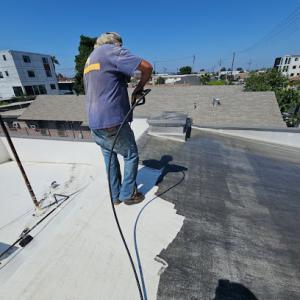
A1 All American Roofing
(310) 320-0224 a1roofingcorp.com
Serving
4.7 from 72 reviews
At A-1 All American Roofing, we deliver quality roofing with integrity and confidence. Our mission is to set the standard in Southern California with unmatched customer service, reliable workmanship, and a commitment to supporting our team’s personal, professional, and financial success as the company grows. Guided by our core values—Inspirational, Disciplined, Accountable, Transparent, Aligned, and Results-Oriented—we specialize in roof replacements, repairs, inspections, and maintenance for residential, commercial, and multi-family properties. From shingles to flat roofs, we use only proven materials and industry-leading installation. We also are fast, reliable and respond to any emergency. State of California License Number 1130235
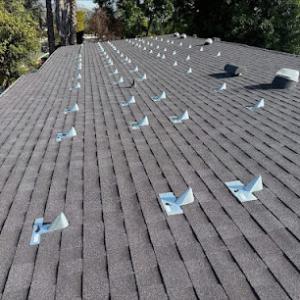
AAA Roofing Services
(818) 654-5977 www.aaaroofingsvc.com
Serving
4.7 from 16 reviews
AAA Roofing Services is a family owned full-service roofing company that prides itself in providing the highest level of quality and workmanship on all of our commercial and residential services. With over hundreds of satisfied customers; our referrals are our biggest attribute and we are confident you will not want to look else where.
The dominant local material mix includes asphalt shingles, and they remain a practical choice for many low- to moderate-slope homes with tighter budgets. In areas with marine moisture and fog, asphalt provides decent moisture resistance when kept in good condition, but you should expect faster wear if panels face full sun on the west-facing side or if wind-driven rain becomes a frequent pattern. A reinforced underlayment and a quality starter row help defend against wind uplift along coastal exposures. For a Harbor City home with a mixed landscape of shade and sun, asphalt can be refreshed more easily during maintenance cycles, offering a straightforward path to a timely replacement if needed.
Metal roofing fits many Harbor-area designs and weather patterns, especially on homes with stronger exposure to sun and Santa Ana gusts. Metal sheds heat well, resists moisture infiltration, and can ride out wind events with less risk of shingle blow-off. In coastal microclimates, consider a coated or painted finish that reduces heat absorption and resists salt spray. Metal systems pair well with standing-seam installation, which minimizes penetrations and enhances wind performance. If the structure already relies on composite or tile aesthetics, a metal retrofit can maintain curb appeal while improving long-term durability against sun exposure and winter moisture.
Clay tile remains a common choice on many low- to moderate-slope layouts around the Harbor area, especially where tile systems define the architectural character. Clay provides excellent durability against sun and heat when properly installed; however, it can be vulnerable to weight and breakage from severe wind events and impact. In foggy, moist winters, ensure proper underlayment and drainage to prevent moisture penetration at fasteners and hips. Selection favors reinforced battens and appropriate underlayment to maintain performance in the coastal climate while preserving the traditional look that resonates with local housing stock.
Concrete tile offers solid durability against sun and rain and is well-suited to heavier roof assemblies common in area neighborhoods that mimic South Los Angeles and Harbor-area architecture. It handles coastal moisture well when installed with correct underlayment and ventilation. Wind resistance improves with proper fastening patterns and matching hip-and-ridge detailing. For homes that want long service life and a capable response to Santa Ana wind events, concrete tile balances performance with the region's architectural expectations and local weather patterns.
Wood shingles or shakes deliver distinctive texture that complements many Harbor City styles, but they require proactive maintenance in a coastal climate. Sun exposure accelerates drying and cracking, while moisture from winter rains can lead to rot if ventilation and drainage aren't adequate. In areas with salt spray, finish coatings and sealants must be maintained to slow thinning and surface checking. If selecting wood, choose species and treatments known for outdoor resilience, and plan for more frequent inspections and potential early replacement in response to wind-driven debris or moisture-related deterioration.
Synthetic or composite shingles provide design flexibility that matches several local home looks while offering improved resistance to moisture and wind relative to some traditional options. These materials often come with layered protection against sun and salt exposure, making them a practical compromise for homes that want long-term durability without sacrificing curb appeal. When evaluating synthetic choices, verify fiber content and warranty coverage for coastal conditions, including continued performance under foggy mornings and bright afternoons. This alignment helps ensure the roof remains visually consistent and structurally resilient amid Harbor City's coastal microclimate.
Flat-roof specialization is notably active in this market, reflecting the presence of low-slope rooflines on portions of local residential and mixed-use buildings in Los Angeles neighborhoods like Harbor City. That skew toward flat and low-slope designs means you will see more built-up and engineered membrane systems than you might expect on steeper homes. In these setups, the plan isn't just about a surface to walk on; it's a weather shell that must handle marine moisture, coastal fog, and strong sun. On homes with flat or near-flat sections, materials chosen for durability against daily capillary action, UV exposure, and wind-driven moisture matter more than purely aesthetic choices.
On low-slope roofs here, winter ponding and slow drainage after rain are more important failure triggers than snow load or ice damming. That means the long soak times after showers or coastal drizzle can stress membranes, coatings, and flashing joints. Watch for shallow ponding near edges or in depressions after storms. If runoff channels are insufficient, even modest ponding can accelerate delamination, surface wear, and interior leaks around penetrations. Plan for regular flattening or re-sealing of transitions where water tends to linger.
Roof coatings are an active local specialty, which fits Harbor City's warm-summer climate and the prevalence of restoration decisions on aging low-slope systems. A well-chosen coating can extend service life, reduce heat uptake, and refresh an aging roof surface without full replacement. When selecting a coating, prioritize products with good UV stability, moisture resistance, and elasticity to accommodate slight roof movement. Coatings also buy time between major overhauls, especially on structures with frequent sun exposure or nearby coastal moisture.
Begin with a post-rain check for any pooling residual after 48 hours, then quarterly inspections to spot edge settlements, flashing wear, and hail or wind damage. Keep gutters and scuppers clear to prevent new ponding. In between inspections, note any obvious blisters, cracks, or loss of coating adhesion, then plan targeted maintenance or coating refreshes before the dry season. This proactive approach aligns with the local mix of residential and mixed-use flat-roof designs and helps sustain performance under Harbor City's coastal climate.
Find specialists in TPO, EPDM, and built-up flat roofing systems for residential and commercial properties.
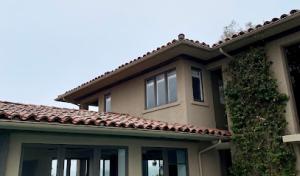
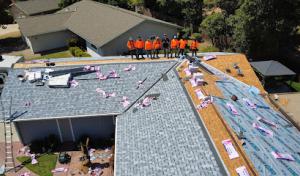
Tight schedules and Los Angeles-based pricing shape re-roofs in this coastal Los Angeles area. Full re-roofs typically require city oversight and pacing around inspections, so plan for multiple milestones rather than a single-day swap. Local pricing should be framed around Los Angeles labor and permitting conditions, where crews must coordinate access, safety, and staging with nearby properties. Dry-season demand tightens the calendar because homeowners prefer to avoid winter rain exposure during tear-off, which can push lead times and project pacing. Expect weather windows to drive crew availability and, at times, overtime during peak months.
Heavier systems, especially tile, bring more than just material cost. Tear-off, disposal, and any deck or structural corrections uncovered on older Los Angeles homes add to the bottom line. If a structure carries clay or concrete tile, anticipate higher total costs once waste removal and potential reinforcement work are factored in. Asphalt shingles remain the most budget-friendly entry point, but even these can rise when the project encounters concealed rot or truss work discovered after tear-off. Synthetic and metal options offer longer life but still ride the same scheduling and permitting rhythm that affects pricing and availability.
Pricing here aligns with Los Angeles labor norms and the local market's premium on reliable, weather-resistant installations. Asphalt shingles sit in the lower to mid range, with metal and concrete/tile options driving higher numbers once removal, disposal, and any required structural work are included. The given cost ranges reflect both materials and the labor-intensive nature of re-roofs in this area, where access, debris management, and careful nail sealing against coastal moisture are routine considerations. Heavier systems can push total project costs above the basic material price, especially if the roof deck needs reinforcement or extensive bracing to meet aging-home realities.
Develop a phased plan that aligns with crew availability and weather windows, and build in a buffer for unexpected findings once tear-off begins. When choosing a heavier system, request a detailed breakdown that isolates tear-off, disposal, and any deck or structural corrections so you can compare apples to apples across bids. For coastal homes facing persistent moisture and sun exposure, prioritize warranties and install practices that emphasize deck sealing, proper underlayment, and venting to maximize the roof's life in this climate.
Get a clear picture of your project costs upfront - no commitment required.
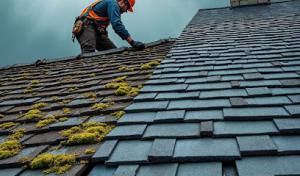
In Harbor City, roofing projects don't go through a standalone local office-the Los Angeles Department of Building and Safety (LADBS) handles the permits. That means the process follows Los Angeles rules, not a separate neighborhood office. Understanding who signs off and when inspections occur helps prevent surprises as the project progresses, especially given the coastal climate and Santa Ana exposure that can influence venting and flashing choices.
A building permit is typically required for a full re-roof, and inspections are scheduled during installation and after completion. Inspections verify that the new roof meets code, including underlayment, nailing patterns, and ventilation responses to coastal moisture and sun exposure. If the project changes venting arrangements or uses certain materials, plan check may be needed, so the scope cannot be rushed or left vague. A clear plan helps avoid back-and-forth with the plan reviewer and reduces the risk of costly rework.
Plan check may be triggered by material changes, venting adjustments, or structural modifications tied to the roof swap. Before work begins, define the scope in detail: roof type, ventilation strategy, flashing method, underlayment, and any changes to deck structure. Missing or ambiguous details can stall approvals and push the schedule into unfavorable weather windows. In this climate, where marine moisture and sun drive wear, making accurate venting and drainage decisions upfront is especially wise.
Coordinate early with a licensed contractor who understands LADBS expectations and Harbor City's coastal conditions. Gather existing plans, if available, and prepare a scope that anticipates possible plan-check comments. Budget time for plan check review, permits, and the required inspections, so the project remains on track when marine fog and Santa Ana wind cycles peak. An organized submittal reduces delays and helps a reroof align with Los Angeles permitting timelines.
California's insurer pullbacks are making roof decisions feel more consequential in this coastal-influenced pocket of Los Angeles. Homeowners may face stricter underwriting, higher premiums, or tighter scrutiny on what condition the roof is really in. In practice, that means your insurer could push for more thorough documentation, and adjustments in coverage terms may follow if the roof shows its age or materials lack recent maintenance. The effect is local: a roof that might have been a routine replacement a few years ago can now be a decision point that affects overall policy stability.
Adjusters in this market routinely request detailed condition records and wind-mitigation-related documentation. Santa Ana wind exposure and weathered roof assemblies amplify concerns about uplift and fasteners, so expect requests for photographs, past repair receipts, and evidence of proper nailing patterns or protective sealing. If your attic or crawlspace storage reveals moisture signaling history, that information travels with the claim. Having a well-organized packet-inspection dates, dated professional assessments, and repair timelines-can smooth the process and reduce last-minute surprises.
State wildfire-risk considerations increasingly influence replacement choices even in Los Angeles coastal-influenced communities. Insurers may weigh ember resistance, roof age, and the presence of ignition-prone materials more heavily when evaluating risk. That means decisions about material type, underlayment, and retrofits that improve fire resistance can indirectly shape what a policy will cover and how cleanly a claim might be handled if exposure events occur. Being proactive about credible, verifiable upgrades helps with both coverage clarity and real-world resilience.
Connect with contractors who help homeowners navigate the claims process from damage assessment to final approval.
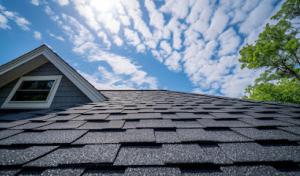
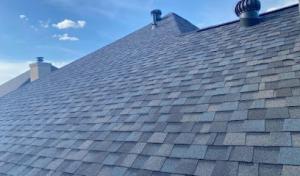
Skylights are a common leak source during winter rain events, and this market sees more penetrations than you might expect. Start by inspecting the skylight curb and flashing where it meets the roof deck. In Harbor City, sealants around penetrations age quickly under sun and salty marine air, but the flashing itself is often the real culprit. Check for loose or cracked glazing, dried caulk joints, and any signs of condensation inside the skylight well. If water stains trace down the interior sheetrock after a rain, focus first on the curb flashing, not just the skylight dome. A quick test is to run a light rain over the skylight on a dry day and look for drips at the flashing seam. If leaks appear, plan for flashing re-sealing or curb detail upgrades rather than a full cover replacement unless the curb has warped.
Chimney-related roofing work is prevalent on older Los Angeles homes, where flashing transitions often fail before the main roof. Inspect the intersection of chimney flashing with the roof plane, including step flashing, counter-flashing, and the vented chase around the chimney. Look for rust, bending, or gaps where mortar joints have shifted. In areas with Santa Ana winds or heavy sun, flare-ups in sealant compounds around the chimney can form hairline cracks that let water travel laterally. For repairs, address failed step flashing first, then, if needed, reseal the chase cap and ensure the counter-flashing is properly seated. Do not overlook sealant life near the chimney; once cures become chalky or brittle, performance drops quickly.
During dry spells, test for dry roof-to-penetration connections by inspecting the sealant consistency and looking for shrinkage or cracks. In winter, prioritize a targeted leak diagnosis around penetrations-skylights and chimneys-over broad roof-cover replacements. Establish a routine check after heavy rains, especially following Santa Ana wind events, and plan targeted flashing or curb work when signs of aging appear.
Find contractors experienced in skylight installation, flashing, and leak repairs to bring natural light into your home.