Last updated: Apr 19, 2026
Perris homeowners face heat that pushes roof surface temperatures well into the day, which can affect installation conditions and accelerate aging on exposed roofing materials. The combination of hot sun, dry air, and Santa Ana wind patterns means scheduling your reroof must account for both weather and the wear that heat-driven cycles put on underlayment and fasteners. This section lays out practical timing guidance that aligns with local conditions and the reroof workflow you'll encounter in this community.
Spring and fall emerge as the most workable windows for a reroof project. In spring, the air is cooler, but you still want dry conditions long enough for a solid dry-in. Fall offers a longer stretch of milder days before winter fronts arrive, which helps with underlayment handling and reduces the risk of heat-driven distortion in shingles or tiles. Winter rain can interrupt dry-in and prolong projects, while the peak heat of midsummer can complicate tear-off, add stress to the underlayment, and push crew productivity into the lower gear. Because of these dynamics, aim to complete tear-off and roof installation within a window where you can reliably avoid heavy afternoon heat and ensure sufficient dry weather for the membrane and sealants to cure properly.
Autumn Santa Ana wind events can disrupt scheduling in this area, increasing debris-control needs during tear-off and exposing ridge, edge, and tile attachment details to gusts. When those winds arrive, crews must secure materials, tarps, and loose debris, which can slow progress and raise the risk of weather-related backsliding on flashing and fastener engagement. If a Santa Ana pattern is forecast, consider staging the work to avoid the most gusty days, especially around high-profile areas like ridges, chimneys, and transitions to tile edges. If you already have a project on the books, plan extra debris containment, confirm anchor points for temporary windbreaks or edge protection, and adjust the sequence so sensitive details are addressed during calmer periods.
First, establish a two- to three-week dry window in your planning-one that avoids peak heat (typically late spring and mid-summer) and accommodates occasional spring rain or fall wind spikes. If your area is trending hot into early spring, consider starting with non-structural tasks (surface prep, fascia work, or partial tear-off) during the warmest hours and reserve the most exposed steps for cooler mornings or late afternoons. This staggered approach helps prevent premature underlayment exposure and reduces the chance of heat-related material handling issues.
Second, coordinate with the contractor to identify a preferred sequencing that minimizes time the roof surface remains exposed to sun and wind. For example, align tear-off with the most favorable days for underlayment application and flashing installation, then complete shingles, tiles, or metal work during a consistent cool period to optimize sealant performance and fastener longevity. If a plan-check or staged inspection regime is part of your local process, build in buffer days around expected inspection milestones so weather or wind delays don't cascade into a longer downtime.
Third, build contingency around extreme heat days and wind events. Have a plan for what gets postponed (noncritical detailing, decorative vent work) and what must proceed (penetration flashing, ridge vent sealing) when conditions are favorable. In hot months, extend work hours conservatively into cooler parts of the day, but avoid excessive heat exposure for crews and building materials where UV exposure can degrade certain underlayment faces or affect sealant curing.
Exposure to high surface temperatures accelerates aging for exposed roofing materials and can influence tear-off and installation dynamics. Tile and concrete tile, in particular, must be handled carefully during hot midday hours to prevent cracking or breakage. Asphalt and synthetic shingles-though more forgiving-still benefit from cooler application periods to maximize adhesive performance and edge sealing. The choice of underlayment should consider UV exposure and the potential for accelerated curing or drying when temperatures spike. Discuss with the contractor which sequences reduce UV exposure risk to the roofing deck, especially when installing complex tile patterns or vent-heavy roof sections.
The combination of heat, wind, and dry conditions elevates safety considerations. Ensure crews establish robust debris-control measures and secure all loose materials at the end of each day. Santa Ana winds can shift quickly, so preplan wind-resistant securing methods for all tarps, hip tiles, and edge details. If you have nearby vegetation or risk from wildfire-aware insurance considerations, coordinate with the team to maintain a defensible space around the work area and to manage sparks or embers during any cutting or grinding tasks.
Because this reroofing environment includes plan-check and staged inspection requirements, align the schedule with anticipated review dates. Communicate weather-based adjustments early, so inspection windows can be preserved or re-scheduled without compromising the dry-in or ventilation setup. The goal is to complete each phase under favorable conditions to satisfy the city's oversight steps while limiting the exposure of underlayment and deck materials to heat and UV stress.
Clay and concrete tiles are a staple of the local roofscape, especially on older homes with preserved or upgraded tile layouts. Cracked tiles show up as hairline fractures from hail, heat cycles, or foot traffic during maintenance, but in Perris the sun and Santa Ana winds accelerate micro-cracking and can turn a small crack into a noticeable gap. Slipped or displaced pieces often trace back to long-term tile creep or poor initial fastenings that were stressed by wind uplift. Underlayment aging becomes more visible when cracked tiles expose the roof deck to moisture and heat, leading to soft spots or staining in attic spaces, particularly where ventilation is limited. Flashing around chimneys, valleys, skylights, and roof-to-wall transitions bears extra scrutiny in hot, dry climates; heat cycling and wind-driven debris can loosen seals, allowing rain and dust to intrude and gradually corrode metal components. On older homes, you'll frequently encounter degranulation on the underlayment or a weathered membrane showing signs of dehydration, which increases the risk of hidden leaks after a few hot seasons.
Asphalt shingles remain a common choice for budget-conscious reroofs and quick refreshes, with a market that tends to favor speed and cost. In this climate, prolonged sun exposure translates into faster fading of the mineral grains and a more obvious aging process on the roof surface. Granule loss can leave areas of the shingles looking bald, which not only affects curb appeal but also reduces UV protection for the mat underneath. That accelerated aging makes replacement timing more noticeable than in milder, cooler coastal markets, where you might see a slower march toward granule loss and color fade. In Perris, heat can also amplify thermal movement between shingles, so you may notice more frequent micro-cracking at the edges or near roof penetrations. For a homeowner, this pattern is a practical reminder that the option you choose should balance heat resilience, wind uplift performance, and a look that still reads as a coherent roof across the street.
Because tile-heavy subdivisions sit side by side with areas chasing a more affordable reroof, decisions often hinge on both appearance and performance under heat. If your deck and structure support it, preserving the tile look can be compelling: it preserves the local aesthetic, weight considerations are already accounted for in the existing structure, and a tile reset can refresh cracked or displaced pieces without a full tear-off. However, reset or replacement must consider the underlayment's condition and the possibility of hidden damage; heat can age the underlayment quickly, and wind can impact new tile placement if not properly secured. Switching to an asphalt or metal roof is a common path for homeowners chasing lower maintenance or improved wind performance, but it alters the roof's character and may require structural appraisal to handle the different weight and insulation profile. The best choice balances how your roof performs under heat, how you want it to look, and how the structure handles the load and energy performance.
During a routine inspection, look for cracked or chipped tiles, loose fasteners, and any soft spots in the deck where tiles have shifted. Check for granule loss in asphalt shingles, especially along ridges and eaves where weathering is most evident. Inspect flashing around penetrations for signs of corrosion or lifting, and test attic ventilation by noticing heat buildup in the attic on hot afternoons. If you observe persistent water marks on ceiling patches after dry, windy periods, that can indicate underlayment wear or flashing failures. In Perris' heat and wind mix, addressing these indicators promptly helps avoid more extensive damage and preserves the roof's performance over time.
Find contractors who specialize in clay and concrete tile roofs, known for their durability and curb appeal.
TMC Roofing
(951) 840-9935 www.tmcroofing.com
1654 Illinois Ave #20, Perris, California
5.0 from 55 reviews
Dry, wildfire-prone periods in the Inland Empire bring more than just ignition risk; they shift how roof material choices are viewed by underwriters and mortgage insurers. In this market, carriers in higher-risk inland pockets tighten coverage, adjust deductibles, and scrutinize roof age and condition more closely when you file or renew a policy. That means the material you pick for a reroof can influence future renewals as much as today's premium. When recommending a replacement, think about how your chosen roof stands up to wind-driven damage, embers, and the heat that never seems to quit during peak season. The more heat- and wind-resilient your system is, the more smoothly renewals may proceed, and the less friction you'll encounter if a claim reopens after a windy spell or a flare-up elsewhere on the hillside.
Because wind and wildfire questions often surface after a loss, thorough documentation matters in this area. Pre-loss roof photos, clear material disclosures, and a complete record of prior repairs help establish the roof's history and current condition. When a claim arises, especially if wind-driven damage or wildfire exposure is suspected, having a well-organized file can streamline conversations with the insurer and reduce back-and-forth delays. Keep digital copies of any contractor invoices, notes from past inspections, and warranties that survive the roof you choose. If ignition-protection features or fire-resistive ratings are part of the conversation, precise labels and product data sheets should be easy to present to underwriting.
Heat, UV exposure, and gusty Santa Anas drive a particular need for timely reroofs and thoughtful material selection. A roof that performs well in heat and resists wind uplift can lower the risk of a claim-related dispute during a renewal or after a wind event. In the context of underwriting, the age of the roof and the condition of flashing, vents, and fasteners become even more consequential after a wildfire season or a windy stretch. If you anticipate a claim, prioritize materials with strong wind performance and proven fire resistance, and coordinate with a reputable local contractor who understands how these conditions interact with your home's design and the local plan-check realities.
Connect with contractors who help homeowners navigate the claims process from damage assessment to final approval.

Cloud Nine Roofing & Construction
(951) 385-8011 www.cloudnineroofing.com
Serving
5.0 from 46 reviews
TMC Roofing
(951) 840-9935 www.tmcroofing.com
1654 Illinois Ave #20, Perris, California
5.0 from 55 reviews
TMC Roofing is the trusted local roofing contractor serving Riverside, Temecula, Perris, and surrounding Inland Empire and Southern CA communities. Family-owned and licensed, we specialize in roof inspections, leak repairs, storm damage restoration, re-roofs, and 24/7 emergency roofing. Whether you need a small roof repair in Riverside, a full replacement in Temecula, or an urgent roof inspection in Perris, our team delivers reliable workmanship, honest pricing, and warranties. We work with shingle, tile, flat roofs, and more for residential and commercial projects. Realtors, property managers, and homeowners trust TMC Roofing for quality results that keep Southern California homes safe and protected. Call today for a free roof inspection.
Armada Roofing
1211 Witt St, Perris, California
4.8 from 21 reviews
Dreaming of a sturdy roof over your head? Armada Roofing, Inc., located in Perris, CA, are the roofing contractors you can trust to protect your home. We bring expertise and dedication to every project, ensuring quality workmanship and lasting results. From repairs to complete roof replacements, Armada Roofing, Inc. delivers peace of mind with every shingle. Let us safeguard your investment and enhance your home's value.
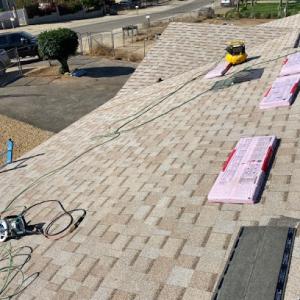
Mezas Roofing
21740 Elmwood St, Perris, California
4.7 from 12 reviews
Licensed Roofing Contractor! Serving all of the IE, Orange County and LA Area. Free Estimates! We offer labor warranty for free!
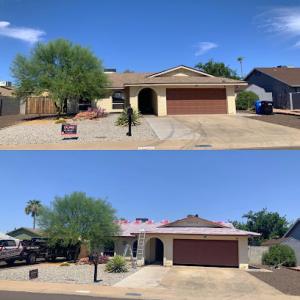
Cal Pro Roofing
(951) 420-1251 www.calproroofing.com
26561 Placentia Ave, Perris, California
4.1 from 17 reviews
Reliable Roofing Professionals As a premier company specializing in residential and commercial roofing services, we are determined to providing customer service that is second to none. Whether you have a new construction project or need to replace an old or damaged roof, we offer roof repair & replacement and gutter installation services here.
High Class Crew
Perris, California
5.0 from 2 reviews
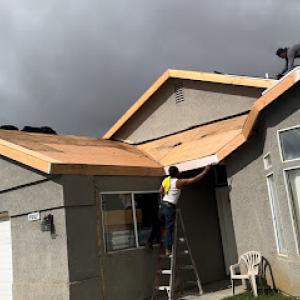
High Class Crew provides professional Roofing & painting services. Call 951-452-5050 to request our services or hear more about us. If you need to reroof your home or office or if you need a new roof itself, choose the top-rated roofing services for reliable work and optimal results. * Roofing Services Commercial & Residential Small and Big Repairs, new installation Tile, Shingles, Metal * Free Estimates * Painting Services * power washing * Exterior Painting Services

Cloud Nine Roofing & Construction
(951) 385-8011 www.cloudnineroofing.com
Serving
5.0 from 46 reviews
At Cloud Nine Roofing and Construction, we specialize in top-tier residential and commercial roofing services across Southern California. Whether you need roof repairs, replacements, or installations, our skilled team delivers exceptional craftsmanship using high-quality materials. From asphalt shingles to tile roofs and flat commercial systems, we've got you covered. With decades of experience, prompt service, and a commitment to customer satisfaction, we ensure your roof is built to last. In addition to roofing, we offer expert painting, drywall, concrete, carpentry, and landscaping services to complete your project needs. Call today for a free estimate! Licensed, bonded, and insured.
Latchford Roofing & Construction
(951) 600-7764 latchfordroofing.com
Serving
5.0 from 144 reviews
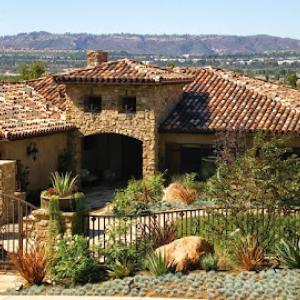
Latchford Roofing has been providing high quality roofing services in Murrieta and Temecula CA since 1988. We are dedicated to providing superior workmanship and excellent customer service, and pride ourselves on maintaining an outstanding reputation. At Latchford Roofing, we treat every roofing project - large or small - as a priority. We are owner-operated, and our clients appreciate that the owner, Brian Latchford, is personally involved in every project. Every member of Latchford Roofing comes well equipped with many years of experience in the roofing industry. They have the training, certifications, and expertise to properly install or repair your roofing system. We look forward to adding you to our list of satisfied clients.
Golden Hill Roofing Company
(951) 842-6584 goldenhillroofingcompany.com
Serving
4.9 from 51 reviews
Are you looking for a reliable local roofing company with the highest quality services? Look no further than Golden Hill Roofing Company! Our family owned business has been happily serving customers for years, meaning you can trust that you're getting top-notch services for all your roofing needs. From fixing small cracks and holes to full roof installations, we can do it all. Nothing is too challenging for us. Our team of highly trained and experienced roofers are always prepared to deliver excellence. We take great pride in giving our customers the best experience possible when it comes to our services.
IE Stay Dry Roofing
(909) 784-5325 iestaydryroofing.com
Serving
5.0 from 6 reviews
Your roof is the first protection your home has from the elements, so maintaining its integrity is vital towards preserving the structure and value of your home. At IE Stay Dry Roofing, we offer an entire range of roofing services that will meet the needs of your home and exceed your expectations in terms of quality, service and our low, competitive price. A third generation roofer, Javier Garcia is the owner of Stay Dry Roofing and he has served the Riverside, California community over the years with professionalism, top quality service and care. Javier understands that meeting the needs of Inland Empire residents and businesses means providing the best in roofing services.
J & R Elite Roofing - Moreno Valley
(951) 902-3258 jnreliteroofing.com
Serving
5.0 from 52 reviews
At J & R Elite Roofing, located in Moreno Valley, we offer top-quality roofing services for residential and commercial clients. Our specialties include TPO/PVC, shingles, tile, torch, and hot mop roofing. We proudly serve all of the Inland Empire, Orange County, and Los Angeles County, providing quality repairs and complete reroofs. With a commitment to excellence, we aim to surpass client expectations with every project. Contact us today for a free roofing quote!
AFFORDABLE ROOFING for all
(909) 272-4622 www.affordableroofing4all.com
Serving
5.0 from 37 reviews
RESIDENTIAL ROOF EXPERTS AND CERTIFIED COMMERCIAL ROOF COATINGS licence# 1134429 insured and bonded
TMH Roofing
Serving
4.9 from 41 reviews
TMH Roofing is a 3rd generation, family owned roofing company that specializes in residential and commercial roof applications. We are licensed, bonded, fully insured, and pride ourselves on our communication and customer service. With years of experience in composition, tile, silicone, and flat roof systems, no job is too big or too small.
A full reroof requires a permit through the City of Perris building department rather than being treated as a minor no-permit repair. That means your project file will start with a permit application and move toward a formal plan review, even if the scope seems straightforward. If the project includes tear-off, disposal, and replacement of decking or underlayment, the permit process is especially likely to flag those elements early.
Plan check and scope clarity are core elements in this market. Reroof projects commonly go through plan check before approval, which makes outlining material specifications, underlayment choices, flashing details, ventilation strategy, and any added attic insulation critical before work begins. Expect questions about roof slope, existing venting adequacy, and any firewall or attic access considerations. Having product data sheets, installation details, and a clear sequence of work ready for submittal helps keep the review smooth and reduces back-and-forth delays.
The inspection sequence is a practical marker of progress. City inspections in Perris are commonly scheduled after tear-off and again after roof installation so the city can verify underlayment, flashing, ventilation, and overall code compliance before final sign-off. That means you should plan for at least two distinct inspection milestones: one to confirm tear-off integrity and substrate condition, and a second to validate contiguous installation and venting. If the plan check identifies a need for additional repairs or modifications to existing penetrations, address those items before proceeding to the next inspection to avoid rework.
A careful approach to documentation saves time on the permit path. Collect and organize shop drawings, product data sheets, and manufacturer installation notes that pertain to your chosen assembly. Document any deviations from standard practice (for example, special flashing around service entries or skylights, or a nonstandard ventilation strategy) with a clear justification and notes for the inspector. If the project triggers an updated attic ventilation calculation or upgrades to meet current code, have those calculations ready for review.
Finally, coordinate with the contractor on the sequencing of tear-off, installation, and inspections. Because the process hinges on plan check clearance and staged inspections, alignment between roofers, material delivery windows, and inspection appointments reduces exposure to weather and minimizes rework under the strict Perris inspection cadence.
Get a clear picture of your project costs upfront - no commitment required.
Cloud Nine Roofing & Construction
(951) 385-8011 www.cloudnineroofing.com
Serving
5.0 from 46 reviews
In the reroof market around this area, the numbers you'll see for asphalt, metal, and tile are shaped by Inland Empire heat, Santa Ana wind exposure, and the need to clear City of Perris plan checks and staged inspections. The pricing below reflects what homeowners typically encounter when planning a reroof that stands up to the sun and blowing debris.
Typical Perris pricing runs about 420 to 760 USD per square for asphalt shingles. For many homes, this remains the most practical balance of upfront cost, local weather resilience, and ease of repair after a wind event. Asphalt sits nicely on many older roof decks, but the reroof window can tighten when temperatures spike or when crews are delayed by seasonal scheduling. If a homeowner is weighing short-term budget against long-term service life, asphalt is usually the easiest path to predictable costs and a straightforward reinstall.
Metal roofing runs about 700 to 1100 USD per square in this market. Metal is favored where heat reflection and wind resistance matter most, and it often negotiates better long-term maintenance in hot, sun-exposed zones. In practice, metal jobs may involve more specialized labor, and accessibility challenges on steeper slopes can influence both price and timing during reroofs.
Clay tile typically ranges from 900 to 1500 USD per square, while concrete tile sits around 900 to 1400 USD per square. In Perris, tile roofs can cost more not only because of material price but because broken-tile handling, underlayment replacement, flashing work, and reset labor are common on reroof jobs. Expect more meticulous coordination for tile reroofs, particularly when crews must source intact color blends and reseal flashings to maintain waterproofing and wind resistance.
Wood shingles or shakes come in around 700 to 1100 USD per square, and synthetic or composite shingles run 550 to 900 USD per square. Synthetic options can be attractive when UV and heat exposure demand a lighter, more flexible underlayment, but installation complexity varies with deck condition and attic ventilation must-haves. Seasonal demand swings in Perris can affect pricing because winter rain delays and late-summer or fall wind concerns can compress scheduling into the preferred spring and fall reroof windows.
Don't let upfront costs delay a critical repair - these contractors offer payment plans to fit your budget.

Tile and shingles dominate most homes, but the local contractor market also handles flat and low-slope projects-think additions, patio covers, garages, and homes with mixed rooflines. Inland Empire heat, Santa Ana wind exposure, and wildfire-aware insurance decisions all push reroof timing and material choices toward durable, weather-ready options. In this climate, a low-slope area isn't a cosmetic afterthought; it's a critical line of defense against heat buildup, wind-driven debris, and sudden rain events.
In Perris winters, even relatively mild rain can reveal drainage and flashing weaknesses on low-slope sections that may not show up on the steeper main roof. Pay attention to where water pools, where gutters drain, and where flashing meets the main roof. A common weak point is the transition from a pitched roof to a flat or low-slope section, which can trap moisture and lead to hidden leaks. Inspections should focus on seams, penetrations, and edge detailing that direct runoff away from interior spaces.
Homeowners with mixed roof systems often need reroof planning that separates the main pitched roof from lower-slope sections with different membranes, coatings, and inspection concerns. Selecting compatible materials that manage heat gain, UV exposure, and wind uplift across all sections is key. Consider how a single project coordinates slope changes, flashing details, and membrane transitions so that inspections and warranty expectations stay straightforward.
Create a simple inspection checklist for the low-slope areas after heavy wind events or early-season rains. Track drainage performance, verify that membrane seams remain intact, and confirm that edge trims and termination bars are secure. For additions or patio covers, plan early in the project for how those sections will tie into the existing roof system, including future access for inspections and potential repairs.
Find specialists in TPO, EPDM, and built-up flat roofing systems for residential and commercial properties.
TMC Roofing
(951) 840-9935 www.tmcroofing.com
1654 Illinois Ave #20, Perris, California
5.0 from 55 reviews
Cloud Nine Roofing & Construction
(951) 385-8011 www.cloudnineroofing.com
Serving
5.0 from 46 reviews
In this climate, long days of intense sun and high UV exposure take a toll on roof penetrations. Flashing under solar arrays or skylights needs to stay durable as temperatures swing and materials expand and contract. You'll notice that sealants and transition boots age faster where heat concentrates, so choosing high-quality flashing and matching roof penetrations to the same material family helps prevent leaks after the hottest weeks of summer.
The local contractor signal mix shows notable demand for skylight and solar-related roofing work, meaning many Perris homeowners need reroof planning around existing penetrations rather than simple open-field roof replacement. When a reroof is on the books, expect a higher level of coordination around existing vents, intakes, and mounting brackets. A thoughtful plan that sequences new underlayment, flashing, and water-shedding details around every penetration reduces the chance of surprises once the new roof is in place.
On Perris reroofs, penetrations deserve extra attention during inspection because underlayment, flashing, and water-shedding details are commonly checked by the city before final approval. Ensure that step flashings under skylights are integrated with proper counter-flashing, that solar mounts have non-penetrative clamping options where possible, and that the roof deck around penetrations is clean, dry, and solid before the final shingles are set.
Begin with a precise penetration inventory before any material is stripped. Seal around vents and skylights separately from the field, then integrate flashing as an assembly with the chosen roofing material. Confirm that each penetration's flashings are continuous with the drip edge and valley systems, and build a small redundancy into water-shedding details to account for heat-driven expansion. This targeted approach keeps a reroof durable through the hottest seasons.
Find contractors who integrate solar panels or solar shingles into your roof for long-term energy savings.
Cloud Nine Roofing & Construction
(951) 385-8011 www.cloudnineroofing.com
Serving
5.0 from 46 reviews