Last updated: Apr 19, 2026
Colton's hot Inland Empire summers push dry weather to the top of the calendar. That favors scheduling roof work when the skies stay clear and storms stay away, but extreme surface heat can complicate asphalt shingle handling and slow crews during midday hours. If a replacement or major repair is planned, aim for a start when mornings are cool and the shade line is still long enough to keep materials from cooking on the deck. If you have an asphalt shingle project, consider heat-aware timing: mornings should be chosen so bundles and shingles are not sitting in direct sun for more than a few minutes before installation. Heat can cause shingles to curl or become brittle when handled, and it speeds up tar and adhesive tack, which can affect alignment and nail drive. In practical terms, target windows when daytime highs stay in the mild range and shade is available for staging areas. That helps crews work efficiently without pausing for heat relief breaks or slowing when plastic strapping and underlayment experience extra stretch. If a mid-summer project must proceed, prep the site with reflective tarps over the decking and ensure plenty of water on hand for both crew and protective measures.
Fall Santa Ana wind events in the San Bernardino Valley bring quick, gusty blowouts that raise debris exposure and create installation-day risks for underlayment and newly staged materials. On days with forecasted high wind risk, the plan should shift to securing loose materials first thing, with underlayment fastened down extra firmly, and a temporary cover method ready for exposed decking. If sheets or bundles must be left overnight, use wind-rated fasteners and edge restraints so nothing becomes a projectile when gusts spike. Expect more debris in the air-dust, leaves, pine needles from nearby yards-and prepare the site accordingly: a quick sweep before the crew returns, extra tarps over exposed decking, and a careful layout for tool storage so nothing is scattered by wind. This is also the moment to revisit nailing patterns and flashing installation sequences, since wind can affect the way underlayment sits and seals around penetrations. When Santa Ana conditions are forecast, consider delaying nonurgent high-risk tasks and use the lull periods for finish-detail work that's less dependent on wind stability.
Winter arrives with a more defined rainy period, so replacement delays and exposed-deck risks are more likely then than during the long dry season. In Colton, it is prudent to avoid starting a major roof project that leaves the deck and interior vulnerable to rain during winter storms. If the schedule calls for a deck replacement or a tile project that creates exposed roof sections, finish the most weather-sensitive steps before the wet season begins, and save the last tasks-such as final flashing, sealant touch-ups, and closeout inspections-for a dry spell. When rain chances rise, crews will pivot to temporary weatherproofing and cover management rather than full exposure work. Make sure ground protection and temporary barriers are in place to keep water from running into attic spaces or over soffits. If a storm is forecast mid-project, a short pause to protect the structure can prevent days of rework later. Communicate a clear fallback plan: what tasks must be secured, what can be safely delayed, and how long water exposure can be tolerated at any given stage.
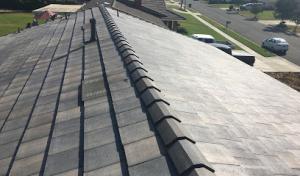
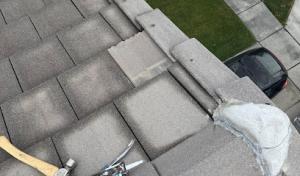
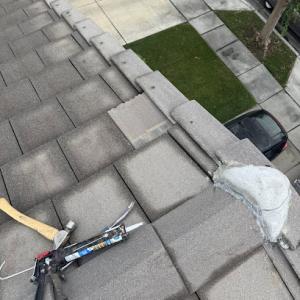
Clay tile and concrete tile dominate the Colton roofscape, aligning with the Inland Empire's sun-soaked, long hot seasons. You can expect excellent durability from the visible tiles, but thermal performance hinges on what lies beneath. In these systems, the roof's longevity is often driven by the underlayment and how well it manages heat transfer and moisture. Clay and concrete tiles themselves trap heat less than metal in direct sun, but their effectiveness depends on a well-ventilated attic, properly installed insulation, and an underlayment that remains watertight despite repeated heat cycles. When the tiles stay cool to the touch, the interior stays more comfortable and the membrane beneath is less stressed by expansion and contraction.
In Colton's wind-and-heat cycle, tile systems rely heavily on sound underlayment because the visible tile can outlast the waterproofing layer beneath it. The underlayment acts as the first line of defense against moisture intrusion during Pacific gusts and sudden downpours. Valleys and flashings are particularly critical: when these areas falter, water can seep in at the joints even if the field tiles appear sound. The long-term performance of a clay or concrete tile roof often comes down to the integrity of these hidden details. Pay attention to sealant integrity at roof penetrations like vent stacks, skylights, and HVAC penetrations, especially after seasons of heat stress and high winds. An inspection that focuses on these points can catch deterioration before it travels to the visible tile.
Seasonal exposure in this part of the Inland Empire means heat waves, Santa Ana winds, and winter rainfall all wear on roofs in different ways. Timing a roof project around extreme heat reduces the risk of accelerated drying failures and thermal shock to underlayment materials. Scheduling exterior work during the cooler shoulder seasons helps preserve the underlayment while you replace flashing details and reseal penetrations. If a replacement is unavoidable in peak heat, choose a contractor who prioritizes midday shade, controlled heat stress on crews, and materials that expand and contract compatibly with tile. In Santa Ana wind events, a well-sealed ridge and overhangs reduce wind-driven water infiltration and lift. Consider upgrading cementitious or synthetic underlayment products used beneath the tiles to better handle rapid temperature swings and wind-driven spray.
Older tile roofs in this portion of the region often need attention at flashings, valleys, and penetrations before the field tiles themselves appear fully worn out. Valleys are frequent trouble spots where debris buildup concentrates moisture, and a compromised valley flash can undermine a long-span tile run. Flashings at chimneys, vents, and skylights require periodic resealing as the metal expands and contracts with heat. If a roof shows staining near penetrations or along the valley lines after winter rains, it's a sign to inspect the sealant and waterproof membrane beneath the tiles. In brief, a silent but steady routine inspection of the underlayment and flashings can keep a clay or concrete tile roof performing well through Colton's most demanding seasons.
Find contractors who specialize in clay and concrete tile roofs, known for their durability and curb appeal.
Jimgov Roofing
(909) 957-1252 jimgovroofing.com
1967 Pennsylvania Ave, Colton, California
5.0 from 23 reviews
Local Roofer
(909) 645-5745 www.localrooferus.com
890 W H St, Colton, California
5.0 from 13 reviews

Jimgov Roofing
(909) 957-1252 jimgovroofing.com
1967 Pennsylvania Ave, Colton, California
5.0 from 23 reviews
Commercial and residential roofing company new roof and repair specialists
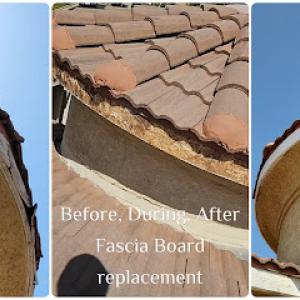
All Pro Roofing
(833) 477-6626 www.allproroofingca.net
Colton, California
5.0 from 21 reviews
Navigating roofing issues can be stressful, from leaks to damage needing urgent repair. In San Bernardino, CA, and the surrounding areas, All Pro Roofing emerges as a beacon of reliability in this turbulent world. With 35 years of personal industry experience, we excel in pinpointing and resolving roofing dilemmas without unnecessary charges or subcontracting. Our comprehensive management and skilled crew ensure each project is executed flawlessly, offering you not just repairs, but a lasting investment in your property's value and safety.
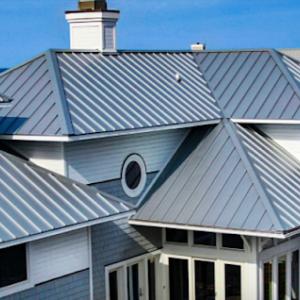
Local Roofer
(909) 645-5745 www.localrooferus.com
890 W H St, Colton, California
5.0 from 13 reviews
Local Roofer provides dependable roofing support for homeowners needing long-lasting repairs or full replacements. As the most skilled roofing contractor in Colton, we inspect roofs, resolve leaks, install new systems, and guide clients toward strong, reliable options. We use proven methods and steady planning to ensure every project is handled with professionalism and clear communication. Moreover, we also specialize in commercial roof installation in Colton, offering durable solutions for offices, warehouses, and industrial buildings. Our team focuses on long-term strength, structural reliability, and installation that supports daily operations. Contact us today and learn how we can support your building’s protection.

Atlas Roofing
(818) 536-7661 atlasroofingpro.com
Serving
5.0 from 63 reviews
Atlas Roofing is a veteran-led, licensed, and insured roofing company proudly serving Los Angeles, San Francisco, San Diego, and Portland. We specialize in residential and commercial roofing, offering services such as new roof installations, repairs, maintenance, and custom rooftop decks. Our commitment to quality craftsmanship and customer satisfaction is backed by flexible financing options and comprehensive warranties. With a diverse selection of premium materials—including shingles, tiles, and flat roofing systems—we tailor solutions to meet your aesthetic and budgetary needs. At Atlas Roofing, we stand behind our work, ensuring your property is protected with durable, high-quality roofing solutions.
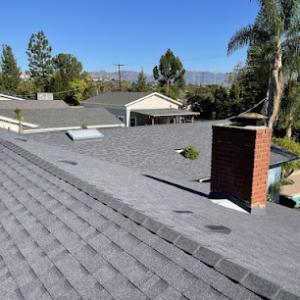
Mercer Roof & Leak Repairs
(909) 497-2697 mercerroofleakexperts.com
Serving
5.0 from 17 reviews
Mercer Roof & Leak Repairs provides fast, reliable service to protect your home or business from water damage. Our team specializes in finding and fixing roof leaks, repairing storm damage, and restoring your roof’s strength with durable materials. We focus on quick response, skilled workmanship, and clear communication, making the process smooth and worry-free. When leaks or damage threaten your property, Mercer Roof & Leak Repairs is the trusted choice for dependable solutions.
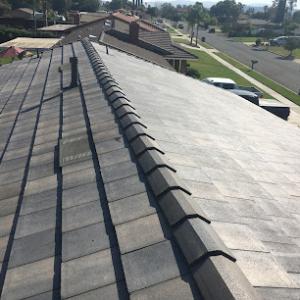
Alpha Roofing Company
(909) 435-7576 www.roofinghighland.com
Serving
4.8 from 68 reviews
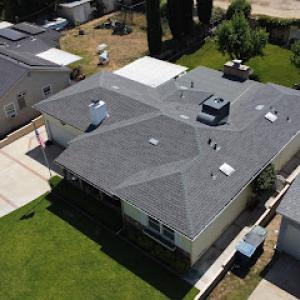
Founded in 2016, Alpha Roofing Company has built a reputation for impeccable craftsmanship and unrivaled customer service throughout San Bernardino. Boasting a skilled team of specialists, they cater to residential and commercial roofing needs of all sizes, offering comprehensive services from minor repairs to extensive installations. Their profound knowledge and dedication ensure the longevity and integrity of every roof they touch.
Better Roofing
(909) 370-1000 www.betterroofca.com
Serving
4.5 from 64 reviews
We’re the go-to roofers of the Inland Empire—keeping your home or business covered with skill and care! A strong roof is no joke, and our crew makes sure yours is built to last. With top-notch service, ongoing safety training, and a promise to do things right (not just fast), we bring you peace of mind at competitive rates. Whether it’s your family’s nest or your company’s HQ

Riverside Roofing
Serving
5.0 from 6 reviews
Riverside Roofing has a team of trained roofers ready to help with your roofing services. With our quality roof inspections, we help you spot every issue and offer a free roof repair quote. Need help remodeling a roof? We got you covered better than your new roof
Berry Roofing & Solar
(951) 905-5116 www.berryroofing.com
Serving
4.8 from 230 reviews
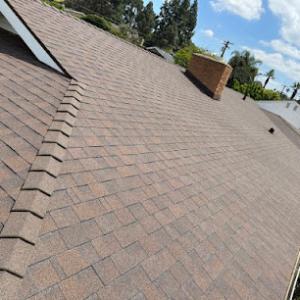
Since 1994, Berry Roofing & Solar has provided residential and commercial roofing services across Riverside, San Bernardino, and Orange County. We specialize in composition shingles, clay and concrete tile roofs, and low-slope systems, including TPO and Owens Corning Deck Seal. Our licensed and insured crews perform roof replacements, commercial reroofs, and clean, efficient installations using premium materials and proven systems. Family-owned, Owens Corning Preferred, and GAF certified, we offer manufacturer-backed roof system warranties along with workmanship warranty coverage. Proudly serving Riverside, San Bernardino, Rancho Cucamonga, Ontario, Chino, Corona, Murrieta, Irvine, San Clemente, and nearby cities.

Summit Solar & Roofing
(909) 881-2699 www.summitsolarandroofing.com
Serving
4.7 from 116 reviews
Solar and roofing contractor serving the Inland Empire and helping property owners restore their homes and businesses with energy-efficient upgrades.
Inland Empire Roofing
Serving
4.6 from 14 reviews
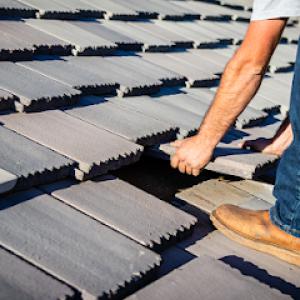
Residential roofing contractor specializing in reroofs and repairs.
Howard & Sons, Inc. Roof Specialists
Serving
4.6 from 54 reviews
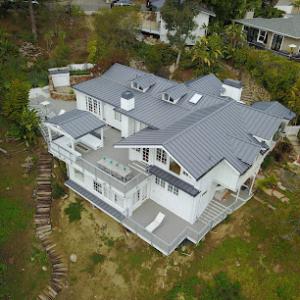
Howard & Sons, Inc. is a family owned construction company. The owner, Dustyn Howard has over 25 years of experience in the construction and roofing industry. Howard & Sons, Inc. is licensed under the state of California, and is also fully insured and bonded.
In this market, typical Colton material ranges run about $350 to $650 per square for asphalt shingles, $600 to $1100 for metal, $900 to $1400 for clay tile, $750 to $1300 for concrete tile, $550 to $1000 for wood shingles or shakes, and $450 to $850 for synthetic or composite shingles. Those figures reflect the Inland Empire's blend of housing stock and local labor. When you're budgeting, a full replacement bill often lands toward the higher end of a material's range if the job includes underlayment tear-off, flashing updates, or tile breakage that needs careful handling.
Costs in Colton frequently rise on tile projects because broken-tile replacement, underlayment tear-off, and flashing updates add labor beyond a straightforward shingle re-roof. If the roof has many penetrations, valleys, or transitions, the crew will spend extra time removing old material and ensuring water-tight integration with new underlayment. Concrete and clay tiles also require careful handling to avoid breakage, which can push material and labor costs higher than asphalt equivalents. As a homeowner, you'll want to budget for occasional tile repair during the project, especially if existing tiles show microcracking or brittleness.
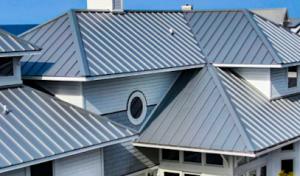
Asphalt shingles sit lowest on the price curve and tend to deliver solid value for performance in heat and wind. Metal roofing sits at the higher end but can offer lower maintenance over time and excellent wind resistance. Tile options-clay or concrete-provide durability and a distinctive look but come with higher upfront costs and longer installation windows. Wood shingles bring a classic aesthetic but require careful maintenance and are sensitive to timing in dry, hot spells. Synthetic or composite shingles sit between asphalt and higher-end options, offering ease of installation and good durability at a middle price point.
Pricing can also move with timing. Scheduling during a heavy wind season or after a hail event can create surge demand in this Inland Empire corridor, nudging prices upward. Weather-related scheduling disruptions during the rainy season can push material handling and labor availability, delaying replacements and potentially influencing material mix decisions. When you're planning, think about aligning the project with a window of dry weather and moderate temperatures to minimize labor delays and keep a steady pace from tear-off through final sealing.
The most popular roofing material in the US. Find pros who install, repair, and replace asphalt shingles.
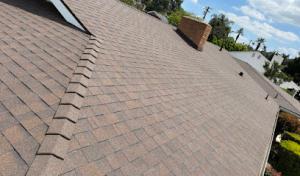
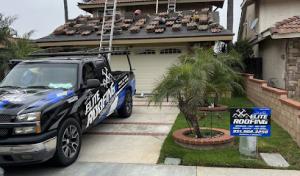

A full roof replacement in Colton typically requires a building permit through the City of Colton Building and Safety Department. This isn't a formality to rush through; the permit ties your project to code compliance, weather windows, and safe work practices that protect your home during a hot Inland Empire summer. Before any crew boots in, make sure the permit is filed, plans are stamped, and the schedule aligns with a realistic warm-season or shoulder-season window rather than chasing a last-minute rush.
City review commonly focuses on underlayment, flashing, and venting compliance before final approval. This is where many projects stall if details aren't precise. Expect inspectors to check that the underlayment type matches the roofing system, seals around chimneys and vents are continuous, and flashing transitions are integrated with surrounding materials. If you're replacing tile or metal, have your contractor prepare a clear plan showing row-by-row installation details, fastener patterns, and venting compatibility. A tidy, code-aware package can prevent re-inspection delays that push work into weather-constrained stretches.
A final inspection is required after the work is completed, and plan check timing can vary with department workload and weather conditions. Weather often dictates the pace: during heavy Santa Ana winds or winter rains, plan checks and inspections may stall or slow, so build a buffer into the schedule. Coordinate with the permit desk for anticipated inspection days, and keep the project accessible for inspectors. Missing a required inspection or delaying a single step can trigger rework, extending the exposure of roof deck and vulnerable components.
Because Colton's climate swings-from intense heat to winter rain-align the replacement to a stretch with predictable weather and minimal activity disruption. Ensure your contractor has all required permit information, a clear sequence for underlayment and venting installations, and ready access for final inspection walkthroughs. Any deviation from approved plans should be documented and approved to avoid post-completion hold-ups that complicate a project already bound to local requirements.
Your roof endures more than one hazard at a time. Santa Ana wind events can gust through and lift shingles, expose edges, and whip around ridge components, all while the next storm system charges in. Winter rain then arrives with a different agenda, pressing against vulnerable spots and forcing water toward penetrations and flashing. On many Colton homes, these forces don't compete; they cooperate to stress the same weak points. The result is not a single failed area but a progression of wear that weakens the roof's ability to shed water when a weather system moves through. Recognize that you're not dealing with a single crisis-it's a moving target that demands timely detection and targeted attention.
In fall, wind-driven debris becomes the first line of attack. Debris rattles along exposed edges, scrapes against flashing, and can pry loose fasteners near ridges long before the rainy season fully sets in. If you notice lifted shingles, exposed fasteners, or granular loss in the drip edge zone, treat it as a warning signal. These aren't cosmetic issues; they're gaps that let rain and dust infiltration begin to sneak into the roof system. Prioritize securing edge and ridge components, resealing vulnerable flashing, and clearing debris from valleys and transition zones. Acting now reduces the risk of amplified leaks once the winter rains hit.
When winter rain follows this wind wear, leaks tend to appear at penetrations, valleys, and weak underlayment points rather than across the broad field. Flashing around vents, skylights, and chimneys can fail where wind-driven movement has already stressed seals. Valleys accumulate pooling water and can deteriorate faster after prior edge wear. Underlayment weak points reveal themselves in localized drips and staining, not as uniform roof-wide seepage. If you see moisture staining near penetrations or hear occasional drips after a storm, inspect those exact junctions first and address any gaps or tears before the next round of storms.
After a windy spell, walk the roof with extreme caution or arrange a professional inspection focused on edges, ridges, and flashing. Look for lifted shingles, torn sealant, exposed nails, and damaged drip edges. After rain, prioritize penetrations, valleys, and underlayment seams in your assessment. Schedule quick repairs on any compromised flashing or sealant, and reinforce weak points before the next storm cycle arrives. In this climate, timely attention to these patterns protects your home from cascading damage and saves you from larger headaches later.
Find local contractors experienced in assessing and restoring roofs after hail, wind, and severe weather events.
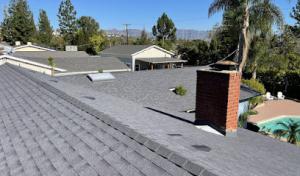

Colton homeowners operate within a broader Inland Empire insurance environment where wildfire exposure, wind events, and hail have contributed to premium pressure and coverage fluctuations. That pressure isn't just a number on a bill; it changes how insurers view risk, especially for aging roofs or those with visible wear. Even if a roof is still serviceable, the perception of risk can tighten coverage options and tighten renewal terms during severe weather seasons. The consequence is that decisions around when to act on roof projects can ripple into coverage stability for years to come.
Carriers increasingly expect detailed roof photos, age information, prior claim history, and itemized estimates when evaluating damage or renewal risk. In practical terms, that means your documents need to be thorough and organized before any claim or policy review. Photos should clearly show all elevations, hips, valleys, and any flashing or fastener issues. An itemized estimate that distinguishes deck, underlayment, and surface material helps avoid back-and-forth delays. If roof age or a history of leaks exists, insurers will scrutinize those details closely, so anticipate a longer documentation trail than you might expect.
During high-risk periods, adjuster response can take longer, and some policy changes or renewals may push homeowners toward roof replacement to maintain coverage. Santa Ana wind events and the peak of wildfire season can trigger faster turnover in risk assessments, while winter rains can spotlight latent leaks that influence renewal discussions. If a renewal looms right after a damaging event, expect the process to drag as carriers verify condition reports and compare risk against new underwriting criteria. Thoughtful preparation-keeping files current, scheduling timely assessments, and matching repair plans to documented needs-can reduce the chance of coverage gaps when the next weather swing arrives.
Connect with contractors who help homeowners navigate the claims process from damage assessment to final approval.
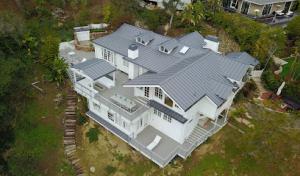
Although pitched tile and shingle roofs are common, the local contractor mix shows meaningful demand for flat-roof work on low-slope sections, additions, patios, and commercial-residential overlaps. Flat roofs in these pockets behave differently in the Inland Empire climate, especially where additions meet original roofing or where a patio cover sits over living spaces. You'll often see flat or low-slope areas that require careful detailing at parapets, edge seals, and transition zones to keep water from tracking inward.
In Colton's high-sun environment, roof penetrations tied to solar equipment need careful flashing and waterproofing coordination during re-roofing. Plan for a dedicated sealant schedule around mounts, conduits, and rack hardware, and verify that the new roof membrane ties smoothly into existing drip edges and counter flashing. In practice, insist on continuous, corrosion-resistant flashings that extend under roof membranes and around any skylights or vents near solar installations. A proactive approach reduces the risk of heat-related aging at penetrations and minimizes post-install leaks during Santa Ana cycles.
Low-slope areas are especially vulnerable when winter rain follows prolonged dry heat that has already aged membranes, sealants, or transition details. If a re-roof involves low-slope sections, inspect the entire drainage path before installation-scuppers, internal drains, and downspouts must be free of debris and aligned with proper slope. Ensure the new system uses compatible sealants for extended exposure to sun and wind, and verify that transitions from flat to higher-slope sections are flashed with consistent materials to prevent water wicking and ponding.
Find specialists in TPO, EPDM, and built-up flat roofing systems for residential and commercial properties.