Last updated: Apr 19, 2026
You'll find that most full reroofs go smoother when the roof is dry and the days are reliably clear. In this area, the hot, dry summers give you a predictable window, typically late spring through early fall, when long, uninterrupted work days make tear-off, underlayment, and new roofing installation flow without rain interruptions. The winter months bring more frequent rain and higher chances of wind-driven leaks, so plan to push the bulk of the work into the dry season if possible. When a winter project is unavoidable, expect additional protective measures and a tighter sequence: tarp protection over exposed decking, careful staging of materials to withstand rain events, and more frequent inspections for moisture intrusion during intermittent storms.
Heat in the Sacramento Valley doesn't just press on you; it expands materials on the roof. Asphalt and metal systems react quickly to afternoon heat, and you'll notice faster expansion and potential buckling if installation pace lags during peak temperatures. If a tear-off takes place in the heat, schedule the most critical stages-roof deck inspection, underlayment alignment, and starter courses-during cooler morning hours. Ventilation matters year-round, but in hot summers, ensure soffit and ridge vents are measured and installed to match the attic's airflow needs. A properly vented attic reduces condensation risk and helps long-term shingle or panel performance. If the plan includes a breathable underlayment, confirm it's rated for high-heat exposure and that overlap seams are sealed before they soften in the afternoon sun.
Winter rain cycles require active protection strategies. Tarps aren't just for stopping drips; they shield the decking from soaking rains between tear-off days and cover exposed flashing and underlayment while crews reposition. In west-slope rain events, you can expect more frequent interruptions and the need to re-secure tarps after wind gusts. Schedule the most critical weather-sensitive steps for dry periods, with contingency slots for weather days. Keep a list of backup tarps, weighted edges, and quick-release fasteners on site so a sudden shower doesn't derail the sequence. If a project strays into the heart of winter, you'll rely more on temporary seals and rapid dry-in checks to reduce the risk of water intrusion before a full dry-out window.
Spring wind and storm periods can drop branches, leaves, and grit onto working roofs, interrupting tear-off or dry-in progress. In high-wind mixes, plan for daily debris mitigation: walkable work zones, secure edge protection, and timely debris removal before the next rain line. Build a buffer into the schedule for potential wind events that push crews to pause and re-seal exposed areas. A well-protected roof during these months minimizes the chance that dust or grit gets beneath flashing or into joints, which helps keep leak risk down as the project resumes.
From start to finish, keep a steady, methodical sequence. Begin with decking and flashing checks, ensuring any damaged boards are replaced before underlayment goes down. Verify ventilation openings align with the attic's needs and that any ridge vents won't be obstructed by new flashing. When the underlayment is installed, double-check seam sealing, especially around hips, valleys, and transitions to chimney protrusions or vent pipes. During dry-in phases, perform a controlled test by lightly spraying water at key joints to confirm the flashing's performance before the final roof cover is installed. If a leak test reveals a weakness, address it promptly rather than proceeding, to avoid repeating the interruption later in the season.
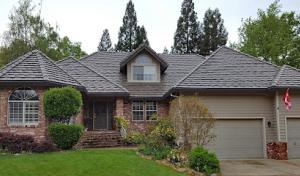
The hot, dry summers and winter rain cycles in this area push a practical approach to reroofing that balances heat management with rain protection. In a neighborhood where asphalt shingles, metal roofing, clay and concrete tiles, wood shingles or shakes, and slate share the streets, the best choice hinges on how the roof behaves under sun exposure, sudden downpours, and the long-term durability of the waterproofing system beneath. The outer layer matters, but the condition of underlayment, venting, and flashing is what keeps the roof leak-free after the first storm of the season.
Metal roofing can be particularly appealing when the thermometer climbs. Its reflective surface and low heat absorption help reduce attic temperatures and cooling load, which translates into less heat transfer into living spaces on hot afternoons. Asphalt shingles remain a mainstream option in this market due to their lower upfront styling flexibility, ease of install, and reasonable performance in mixed conditions. Clay and concrete tile are common fits for the broader Sacramento-region housing stock, offering strong durability and a distinctive look, but they demand careful attention to the underlying underlayment because the outer tile can outlast the waterproofing layer beneath. Slate and wood shingles or shakes bring character and mid- to high-end performance, though they require ongoing attention to flashing details around dormers, chimneys, and valleys to prevent wind-driven leaks during winter storms.
In this climate, the waterproofing layer under tile or shingles often ends up doing the heavy lifting after decades in sun and rain. Clay and concrete tile roofs rely on underlayment to seal the roof deck; a degraded or improperly installed underlayment can fail long before the outer layer shows wear. You want a robust, well-ventilated system that stays dry behind the visible tiles. Likewise, asphalt and metal roofs benefit from a high-quality underlayment that resists temperature cycling and moisture intrusion. When choosing a roof type, check that the underlayment is compatible with the chosen material and that installation specifics accommodate long-term durability in hot, UV-intense summers followed by winter rain.
Ventilation plays a central role in West Sacramento's comfort and roof longevity. A well-vented attic reduces heat buildup in the summer, protecting the roof deck, reducing the likelihood of shingles curling or tiles lifting, and moderating indoor temperatures. This is especially important for hot-dry summers when roof decks can expand and contract rapidly. Flashing around penetrations-chimneys, vents, skylights, and valleys-needs meticulous attention. Proper flashing with corrosion-resistant materials prevents leak paths that a cold winter rain could exploit. A roof that breathes well and is flashed correctly lessens the chance of moisture seeping into the deck or insulation, which in turn protects the interior from storm-driven leaks.
When evaluating options, consider how each roof will respond to the distinct seasonal cycle here: scorching afternoons, brief lull periods, and winter rain storms. Metal roofs shine in heat tolerance and potential long-term maintenance ease, but ensure color and coating choices minimize heat absorption while providing durable UV resistance. Clay and concrete tiles provide cool, shaded surfaces and classic aesthetics, yet plan for a robust underlayment and precise installation to cover every joint and fastener. Asphalt remains a strong value option requiring vigilant underlayment and flashing details in vented roof spaces. Wood shingles and slate offer unique character; installation quality and flashing integrity are critical to preventing leaks in transitional weather. No matter the material, the joint health of underlayment, ventilation, and flashing is the deciding factor for staying dry through West Sacramento's seasonal swings.
Summer in the valley is hot and dry, while winter brings cold mornings and meaningful rain. That pattern drives reroof timing decisions: you'll want dry, accessible weather for tear-off and installation, but you also have to plan for potential winter rain interrupts that can push the project out. In practice, when a roof needs substantial underlayment and venting work, crews move faster on clear weeks, but wet spells can compress schedules and extend labor time. If you're weighing a reroof, target a window of dry, mild days, but allow a buffer for possible rain delays that are common in the winter season.
Typical local pricing ranges are about $350 to $700 per square for asphalt shingles, $700 to $1,200 for metal, $1,000 to $2,500 for clay tile, $900 to $1,800 for concrete tile, $600 to $1,100 for wood shingles or shakes, and $1,200 to $3,000 for slate. In a hot-dry summer climate, metal can offer energy savings but may require premium attic venting to keep the deck cooler during long heat waves. Clay and concrete tiles stay cooler in the sun but add weight and installation complexity, which translates to a higher labor cost per square. Wood shingles can be economical upfront but may demand extra weatherproofing care in the rainy season. Slate is durable but the heaviest option, often needing additional structural support and staged work.
Costs in West Sacramento can rise when winter rain compresses scheduling, when tear-off reveals damaged decking after leak exposure, or when heavier tile systems require more labor and staging. A careful assessment of decking is worth doing before committing to a full tear-off. If decking shows soft spots or rot after leak exposure, the project can expand beyond a straightforward reroof, raising both material and labor costs. Conversely, a relatively simple underlayment and venting upgrade on a dry-season schedule can keep costs closer to the lower end of the range, provided there are no surprises beneath the old roof.
Ventilation and flashing play a pivotal role in this climate. Proper attic venting reduces heat buildup that can accelerate shingle aging and degrade underlayment performance during long summers. In hot conditions, ensure ridge and soffit vents are unobstructed and that the attic has balanced airflow. Flashing around chimneys, skylights, and wall penetrations must be carefully sealed to resist winter rains, while still permitting airflow during summer. If the roof uses heavier tile systems, plan for more labor staging and equipment to handle the extra weight and to ensure accurate flashing and counterflashing details. Overall, a well-vented, properly flashed roof is the best defense against heat-related wear and winter leaks, aligning long-term durability with the seasonal rhythms of the valley.
Don't let upfront costs delay a critical repair - these contractors offer payment plans to fit your budget.


Elevated Roofing
West Sacramento, California
5.0 from 10 reviews
Our mission is to provide high-quality roofing solutions to our customers, ensuring their homes and businesses are protected from the elements. We strive to exceed customer expectations with expert craftsmanship, exceptional service, and a commitment to excellence in every aspect of our work. Our goal is to earn the trust and loyalty of our customers through honesty, integrity, and reliability in all that we do. As a family-owned business, we treat every customer like a member of our own family, providing personalized service and building lasting relationships based on trust and reliability.
C S I Roof Removal Inc,
520 Glide Ave # G, West Sacramento, California
4.4 from 9 reviews
-Roof Installations -New roof installations & full roof replacements (asphalt, metal, tile, flat roofs). -Roof Repairs -Fix leaks, damaged shingles, and other roofing issues. -Roof Inspections -Comprehensive roof assessments to catch potential problems early. -Roof Maintenance -Routine inspections, debris removal, and upkeep to extend roof life. -Emergency Roof Services -24/7 emergency repairs for storm or accident damage. -Gutter Installation & Repair -Install & repair gutters to ensure proper water flow and prevent damage. -Roof Coating & Sealing -Protective coatings to improve durability and energy efficiency. -Attic Insulation & Ventilation -Enhance roof performance with proper insulation and ventilation solutions.
Future Roofing & Remodeling
West Sacramento, California
5.0 from 2 reviews
At Future Roofing & Remodeling, we believe that every community should have a home construction company that they can trust to repair and create their homes with expert efficiency and attention to detail. Ensure your home renovation project runs smoothly by hiring a professional contractor. We handle all your home renewal needs, from gutter repair to wood floor installation. Our roofing contractor has years of experience repairing the most disastrous roofing issues. For quality residential roofing services, call our West Sacramento, CA office today! We take pride in providing our community with quality, professional home renovation and repair services. Call our office for an estimate today.
Honesty First Roofing
Serving
3.7 from 3 reviews
Honesty First Roofing is a leading roofing service based in Knights Landing, CA and serving the Woodland, CA area that you can trust to fix your roof. Our services are designed to prevent roof damage from causing bigger, more expensive problems in your home. If your home has already been affected by a leaky, damaged roof, we’ll repair it or install a new roof to ensure your home will be safe for years to come. To speak with a roofing contractor in Knights Landing or Woodland, CA, call us today at 530-908-6630.
Sacramento Roofing
(916) 619-3928 sacramentoroofcontractors.com
Serving
5.0 from 9 reviews
Sacramento Roofing is your reliable roofing contractor in Sacramento, CA, with a reputation for quality workmanship and honest pricing. We specialize in asphalt shingle and metal roof installation, flat roof repair, and fast emergency roof services. Our team also delivers expert siding installation, window replacement, and gutter solutions. From leak detection to storm-ready upgrades, we protect your home from top to bottom. With years of local experience, premium materials, and responsive service, we’re the top choice for roofing, siding, windows, and gutters in Sacramento and surrounding areas.
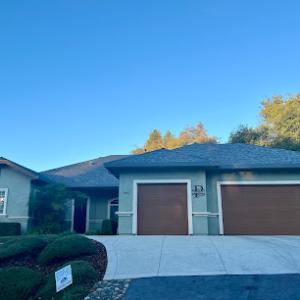
Straight Line Roofing & Construction
(530) 672-9995 www.straightlineconstruction.com
Serving
4.9 from 234 reviews
For more than 23 years, Straight Line Roofing has provided quality service that has been and continues to be the cornerstone of our business and our relation with our communities. We are proud to offer professional residential exterior home improvement services for roofing, solar and siding. Our services include, roof repairs, roof replacements, siding, gutters, and more. Need fast roof repairs? Our Quick Roof Repair Service is here to give you the quick repairs you need without having to wait. From roof inspections and estimates to repairs and clean up, you can enjoy fast repairs with one point of contact. Get the repairs you need within hours. Not days. Call today for professional Sacramento exterior home improvement services.

Grandmark Roofing
(916) 900-0187 www.grandmarkroofing.com
Serving
4.8 from 161 reviews
Established in 2014, Grandmark Roofing is a Sacramento-based roofing contractor serving California. Our experienced team tackles residential and commercial projects, from repairs and inspections to replacements and maintenance. Grandmark Roofing prioritizes quality materials, modern techniques, and exceptional customer service to deliver durable, long-lasting roofs.

Powers Roof Service
(916) 316-2700 www.powerstileroofrepair.com
Serving
5.0 from 232 reviews
We specialize in roof repair, roof leak repair, and roof maintenance for tile roofs. We do tile roof repairs every day so we know our stuff. We offer quality, honest and professional repairs. We have over 20 years experience and doing things the right way is what we believe in. We are Licensed contractors (CCL #960930), Bonded & Insured. We carry work mans compensation insurance, a $2M liability policy and we stand behind our mission to provide top quality service and craftsmanship to our customers.
Sacramento Roofing Service & Contractors
Serving
5.0 from 18 reviews
As the premier auto sunroof destination in Sacramento, Obil Roofing excels in both repair and installation services. Our dedicated technicians bring vehicles to life with meticulous care, transforming every drive into a breathtaking experience. We specialize in enhancing your vehicle's aesthetic and value, offering seamless solutions that align with your unique needs. With an unwavering commitment to quality and craftsmanship, Obil Roofing stands as the top choice for Sacramento drivers seeking expert sunroof services.
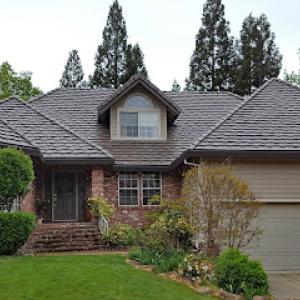
Bardo Ramirez Roofing
(916) 459-0416 bardoroofing.com
Serving
4.7 from 26 reviews
Bardo Ramirez Roofing specializes in installation of Thermo-ply Protective Sheathing Roofs with blending performance, energy efficiency, durability and style. With more than 25 years in experience in the roofing industry and certifications from Owens Corning, and Bartile, we guarantee quality installation to our homeowners.
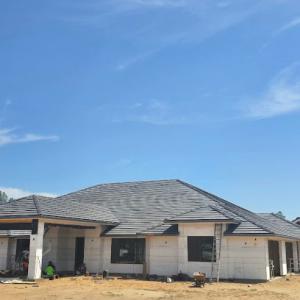
PRC 13 Roofing
(916) 229-9243 www.metalroofingsacramento.com
Serving
4.9 from 73 reviews
With more than 20 years of experience, we have developed tried and true processes that allow us to efficiently and effectively assist residential and commercial customers care for their homes and businesses. By working with only top-notch materials from brand names that you know and trust, we are able to guarantee our labor and offer long warranties on all of the products we sell. With many options for new gutters, siding and roofing, including shingle, tile and our specialty, DECRA metal roofing, we’re sure to have a selection that suits your style and your budget. Give our nearby construction company a call to learn more about our products, or to request an estimate for the cost of roofing, siding or gutters in Sacramento.
VIK Quality Roofing
(916) 220-6036 vikqualityroofing.com
Serving
5.0 from 40 reviews
VIK Quality Roofing: Your trusted source for superior roofing in Sacramento. With decades of expertise, we offer installation, repairs, and maintenance services. Our commitment to quality materials and workmanship ensures durable and reliable roofing. Count on us for transparent communication and customer satisfaction.
In this community, reroof projects kick off with a building permit from the City's Building Division. The process is not a check-the-box moment; it's a review that weighs how the reroof will perform through hot, dry summers and rainy winters. Expect some lead time for permit approval and inspection scheduling, even if your project is straightforward. Planning ahead is essential: the permit sets the pace for material choices, flashing details, and underlayment requirements that are scrutinized before any work begins.
The Building Division performs plan review before work begins, and field inspections during and after installation. This isn't just a formality; inspectors look closely at how underlayment is installed, whether proper venting is planned and installed, and how flashing is integrated with walls, chimneys, and roof penetrations. In a city with floodplain-adjacent terrain and intense summer heat, those details directly influence leak prevention and long-term performance. You should anticipate a back-and-forth period with the plan reviewer to confirm substrate, ventilation, and flashing details align with local expectations.
Before submitting drawings or a permit application, gather any existing attic ventilation data, roof deck evaluations, and a clear plan for underlayment type and seam placements. When arranging inspections, coordinate with the Building Division for the rough-in, then the final inspection after installation. If the project timeline stretches due to weather or scheduling, communicate early with both the contractor and the city to avoid a drawn-out pause that could expose roofing materials to alternating heat and rain cycles. Remember, the goal of these checks is to prevent leaks and ensure the roof system remains durable through West Sacramento's seasonal shifts.
California's homeowners insurance market has tightened in wildfire- and weather-exposed areas, and the low-lying, hot-dry summers plus winter rain cycles around the Sacramento River basin are prime examples. In this climate, insurers are scrutinizing roof condition and replacement history more closely than before. That means the history of a reroof, the materials chosen, and how well previous work was documented can influence whether a policy is renewed and how it's written. In your area, where roof aging can show up quickly after a heavy rain season or an unusually hot spell, having a clear record helps you avoid gaps in coverage or unwanted rating changes when a policy is up for renewal.
Before binding or renewing coverage, insurers may ask you to provide roof photos, material specifications, age information, and details about any prior claims. This is not about complicating your life, but about proving your roof's resilience against both rain intrusion and heat-related wear. In practice, you should expect to assemble a straightforward, organized package: photos that show flashings, underlayment, ventilation, and any visible wear; a simple bill of materials from the contractor; and a dated record of roof age and major repairs. Keeping this information readily accessible can smooth the process when a new policy term starts or when a carrier re-evaluates risk after a severe season.
Coverage terms and pricing may shift based on roof type and age, making durable material choices more consequential during reroof decisions. Materials known for longevity and effective ventilation-especially in this market's hot summers and wet winters-can be seen as lower risk over time. Insurers will consider how well a roof manages heat gain, moisture drainage, and potential leak sources around penetrations. Properly documented, high-quality installations that demonstrate adherence to good flashing, venting, and underlayment practices can support more favorable renewal outcomes.
As you plan reroofing, build a simple, local-practical documentation routine. Photograph the existing roof at multiple angles, note the age, and keep a file of the contractor's material specs and notes on flashing and venting improvements. After replacement, store the new warranty, installation dates, and any follow-up maintenance. In this market, the combination of transparent documentation and durable, well-installed roofing choices helps you navigate insurance decisions with less guesswork and more confidence when a renewal or new policy is on the line.
Connect with contractors who help homeowners navigate the claims process from damage assessment to final approval.
Straight Line Roofing & Construction
(530) 672-9995 www.straightlineconstruction.com
Serving
4.9 from 234 reviews

Tile roofs in this market demand close attention to flashing details at every penetration-vents, fans, chimney flashings, and especially transitions where upper planters or parapets meet the roofline. A shallow bed of underlayment can hide a slow drip, but the West Sacramento rain pattern will reveal itself after a storm if flashing isn't sealed and lapped correctly. When inspecting, look for uniform metal flashings that extend a quarter inch under the tiles and rise above the underlayment, with no gaps where water can back up. If you see cracking or loose fastening around penetrations, mark it for repair before the tear-off to avoid tear-down-induced leaks.
This climate shifts from hot-dry summers to winter rains, so venting must be balanced and continuous around the roof plane. In reroofs, ensure roof vents tie smoothly into the new underlayment and are not boxed in by tile work. A common leak point is where vent collars meet new flashing; use compatible sealant and flashing sleeves designed for tile systems. Do not assume a tile roof's health can be read from its surface-color or slight staining can hide a failing seal around a vent or stack. The inspection emphasis in this area targets these precise leak vectors, so confirm venting paths are clear and properly vented.
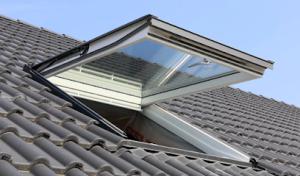
Homes with skylights need careful tie-ins during reroofing because curb and flashing details become vulnerable during tear-off and replacement. Verify that skylight curbs are properly flashed, with a continuous bead of sealant and raised flashing that integrates with the tile pattern. The edge where the curb meets the tile should shed water efficiently, not trap it. If a skylight is set low in the roof plane, pay special attention to the top edge of the curb during tear-off; misalignment here can mimic a larger roof issue in a single storm.
Because tile roofing is a meaningful specialty in this market, homeowners should pay close attention to flashing details at penetrations and transitions rather than judging roof health by tile appearance alone. A visually sound tile field can conceal failing underlayment or loose flashing that will leak once winter rains arrive. During reroofing, request a priority check of all transition points and penetrations, and verify that flashing, venting, and curb details are thoroughly lapped and sealed before final inspection.
Find contractors experienced in skylight installation, flashing, and leak repairs to bring natural light into your home.
Sacramento Roofing Repair Group
(916) 307-6747 sacramentoroofingsolutions.com
Serving
5.0 from 16 reviews
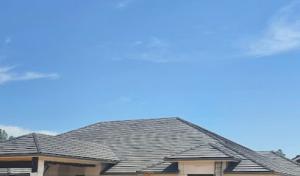

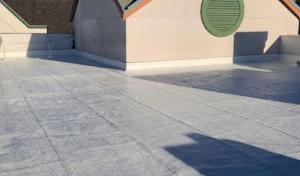
Flat-roof specialization is notably active in the local contractor market, indicating a meaningful share of homes, additions, garages, or mixed-use buildings need low-slope roofing expertise. In this climate, you'll see a mix of new flat roofs and older decks or porches converted to living space. Your project should lean on a pro who understands membrane choices, drainage details, and long-term ponding prevention in this area.
Hot-dry summers push you to complete minor repairs before the wet season starts, so you're not piecing together tar-and-gravel patches after a few July dust storms. If you're reroofing, coordinate downtime with the wet season window so underlayment protection isn't compromised by sudden rain. For additions, plan the low-slope section first if possible, ensuring the drainage plane aligns with the rest of the roof so the new area drains into the existing system without creating hidden ponding. In winter, a roof that's already sealed and vented properly reduces the risk of interior leaks when storms roll in.
On low-slope sections, every nail, seam, and edge detail matters. Ensure the membrane overlaps aren't stressed by expansion and contraction from heat in summer and cooling rain in winter. Slope should be sufficient to guide water toward a primary drain, with a secondary drain or scupper as backup. Venting too-the attic or crawlspace end-must support moisture removal, especially along roof penetrations and edge flashings.
Roof coatings are a practical restoration option for some flat roofs here. A reflective or elastomeric coating can extend life between full reroofs, provided the substrate is sound and the system is compatible with existing membranes. Consider coating projects as part of your maintenance plan in the offseason to minimize disruption during the rainier months.
Find specialists in TPO, EPDM, and built-up flat roofing systems for residential and commercial properties.
C S I Roof Removal Inc,
520 Glide Ave # G, West Sacramento, California
4.4 from 9 reviews
Straight Line Roofing & Construction
(530) 672-9995 www.straightlineconstruction.com
Serving
4.9 from 234 reviews
Sacramento Roofing Repair Group
(916) 307-6747 sacramentoroofingsolutions.com
Serving
5.0 from 16 reviews
Solar roofing is an active specialty in this market, so reroof planning often needs to account for existing or future panel layouts. If panels are already installed or on order, the roofer must map every mounting point, seam, and edge where flashing travels beneath the panels. In practice, that means aligning shingle or panel attachment patterns with the racking and ensuring that underlayment seams remain protected under any potential panel array. When panels are anticipated, choose a roof deck and underlayment strategy that accommodates future additions without requiring a full teardown. This local context favors a coordinated plan that minimizes rework, reduces labor friction, and preserves roof integrity at all penetrations.
Hot, sunny Central Valley conditions place additional stress at mounting points, penetrations, and flashing terminations. Elevated temperatures can cause fasteners to back out slightly or for plastic components to expand and creep, especially where multiple layers intersect around vents, chimneys, and rafter tails. A reroof in this climate benefits from carefully sealed and pre-planned flashing transitions, with metal flashings sized to accommodate expansion. Warranties often hinge on the continuity of the drip edge, kickout details, and the way counter flashings are integrated with standing seams or shingles. The practical takeaway is to bring solar-facing penetrations into the design early, so each flashing lap is optimized for long-term leak resistance and cosmetic alignment.
Homeowners should align reroof timing with any solar removal and reinstallation logistics to avoid duplicate labor and flashing disruptions. If panels are temporarily removed for a reroof, coordinate with the solar contractor to ensure a seamless reassembly-and to confirm that flashing around racking feet remains continuous. Scheduling a reroof to finish before or after a panel removal, rather than in the middle of work, minimizes the risk of exposed gaps and unnecessary resealing. An experienced local roofer can offer a staged approach: complete roof deck and underlayment work first, then integrate panel mounting passes once the roof is mechanically sound and venting is verified.
West Sacramento's climate cycles demand robust ventilation and an underlayment that provides reliable rain resistance during the winter wet season. As reroofing proceeds, verify that ventilation endpoints remain unobstructed by any solar hardware plans and that ridge and soffit vents provide continuous air exchange. Ensure primary and secondary underlayment layers are continuous across penetrations, with extra attention paid to any areas where future panels might cross. This focus helps prevent heat buildup and reduces the likelihood of leaks around mounting points once the sun returns.
Find contractors who integrate solar panels or solar shingles into your roof for long-term energy savings.