
Last updated: Apr 19, 2026
Dover commonly sees roof problems from late-summer storms and hurricane remnants that track up the Delmarva region with heavy rain and wind. Those systems slam the roof with driving rain, lift shingles at the edges, and push water toward vulnerable zones around chimneys, vents, and skylights. The result is sudden leaks that can show up long after the storm passes if flashing and edge details aren't solid. Humid summers compound the issue, feeding mold growth in attic spaces and accelerating deterioration of sealants and asphalt tabs when moisture cycles with heat.
Winter freeze-thaw cycles in central Delaware can open vulnerable roof edges and flashing details, especially on older re-roofed homes. Water that wicks into tiny gaps freezes, then expands, prying apart laps and nail heads. Over multiple cycles, that micro-cracking widens into real leaks that track under shingles and along fascia boards. When a late-season storm arrives with warm, heavy rain followed by a rapid cool-down, the combination can push flashings out of alignment or bend vent collars, creating predictable leak patterns that show up in ceilings well after the first frost.
Dover's humid conditions and repeated temperature swings accelerate wear at penetrations, sealants, and shingle tabs more than a purely dry inland climate would. Start with the predictable trouble spots: near roof-to-wall transitions, around chimneys and vents, and at the rake and eave lines where wind-driven rain can pry up edges. Look for hairline cracks in asphalt shingle tabs, lifting around fasteners, squeezed or missing sealant beads, and rust on metal edging. In the attic, pay attention to wet insulation, staining along the rafter tails, and any musty odor-all signs that water has found a path inward.
If a storm is forecast, clear gutters and downspouts so water can shed away from the fascia without backing up. After a heavy rain, inspect exterior edges from the ground with binoculars or a ladder-safe approach; note any lifted tabs, flashing gaps, or dark stains along seams. If you notice active dripping indoors, prioritize higher spots first-often near penetrations or along ridge lines-and arrange for a quick professional assessment to verify flashing integrity, sealant condition, and shingle adhesion. For homes with previous re-roofs, pay close attention to older, still-flexible sealants that may have degraded; these are common leak culprits after late-summer downpours. Acting promptly can keep a small issue from becoming a costly, widespread problem when the next season arrives.
In this area, asphalt shingles dominate replacements because they fit the large re-roofing market and the broad range of older residential homes. The typical Dover climate-humid summers, freeze-thaw winters, and late-season tropical rain events-puts repeated stress on flashing and roof edges. Asphalt is familiar to most local crews, easy to repair, and widely stocked, which helps when you need rapid storm repairs after a heavy rain or a wind event. If you're replacing a roof on an aging home with standard eaves and simple ridgelines, asphalt can deliver reliable performance with straightforward maintenance: keep a careful eye on the edging, scuppers, and any mismatched or punctured shingles that might have come loose during a tropical storm.
Metal has a meaningful niche locally because homeowners looking past repeated storm exposure often want stronger wind and water-shedding performance. When you expect higher wind loads or more aggressive rain, metal's seam-and-pan design sheds moisture quickly and resists wind uplift better than typical shingles. Metal also tends to hold up to the freeze-thaw cycle because its surface doesn't absorb moisture. If you're considering metal, plan for color and panel layout choices that align with the home's style and the structure's ventilation needs. A well-sealed metal roof requires careful flashing at transitions and penetrations, so talk through these details with a local contractor who understands how Dover's wet springs and late tropical systems can stress joints.
Tile and wood products exist in the market but are less common in Dover, so homeowners considering them need to account for installer availability and repair matching. Clay or concrete tiles can offer long service life and a distinctive look, but installation quality is critical to weather performance. Tile roofs are heavier, so structural assessment is essential, especially on older houses that may have settled or shifted. Repairs are more specialized, and matching broken pieces can be a challenge after a wind-driven impact or a heavy thaw cycle. If you pursue tile, prioritize crews with recent Dover experience and a track record of matching colors and textures for a cohesive look after weather-related repairs.
Wood shingles and shakes provide a classic appearance but demand more maintenance in this climate. They can be susceptible to moisture absorption, splitting, and insect activity if not properly vented and sealed. In late-season rains and winter freezes, the wood can expand and contract, affecting fasteners and edge detailing. If wood is on the table, ensure a robust underlayment system and a local carpenter or roofer who can match repairs to the existing grain and profile for a seamless finish when patches are needed after storms. In Dover, certification of installers who can handle wood in storm-prone conditions is especially important to sustain performance over time.
Dover's strong re-roofing market means pricing often depends on tear-off complexity, decking repairs, and how many leak-prone details are uncovered on older homes. When a roof is already showing signs of age-soft spots, cupped or curled shingles, or rusty flashing-the job quickly shifts from a simple shingle swap to a full system upgrade. In practice, expect costs to reflect how much decking needs to be replaced or stabilized, whether underlayment must be fully refreshed, and how many penetrations (vent pipes, chimneys, dormers) demand careful detailing. The result is that two roofs of similar size can diverge by several hundred dollars once the inspection reveals rotten boards or compromised soffits. In short, the more unknowns uncovered during the tear-off, the higher the final bill.
Storm-related demand spikes in central Delaware can tighten scheduling and push labor pricing upward after major wind and rain events. Late-summer tropical systems and winter freeze-thaw cycles both test Dover roofs, but the aftermath is when prices swing. If a town-wide storm drains a contractor's calendar, you'll see longer waits and higher bid numbers. Plan with a contingency: book early after a big event, and expect bids to reflect not just material costs but the premium for scarce crews who can handle complex re-roofs under tight weather windows. Those delays also increase the likelihood of additional leak-prone details being uncovered once work begins.
Material choice matters sharply in Dover because the local market actively supports asphalt and metal, while less common systems may carry higher sourcing or specialty labor costs. Asphalt shingles remain the most cost-effective and commonly stocked option, with typical square-based pricing reflecting ease of installation and broad dealer support. Metal roofs, favored for their durability and wind performance, can push costs upward but often offer longer-term value in this climate. Clay or concrete tiles and wood shingles enter the mix less frequently; sourcing and specialized labor for these systems can elevate both material and installation expenses. If your home has a history of wind-driven leaks, metal might deliver faster resilience, yet consider the weight and decking integrity before committing.
Begin with a thorough, local-tilt inspection focusing on flashing, edge details, and penetrations. If the inspection reveals rotten decking or significant leak-prone detailing, set aside a buffer of 10-20 percent above the initial estimate to accommodate unforeseen repairs. Compare bids from two or three reputable Dover-area crews who understand the seasonality of storm recovery and can sequence tear-off, decking work, and finishing details efficiently. Finally, discuss schedule flexibility and weather contingency plans upfront, so the project can weather the central Delaware climate without derailing your budget.
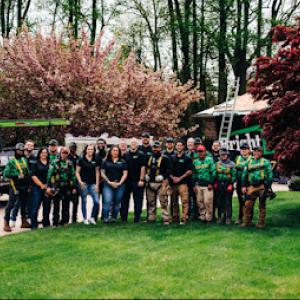
Bright Side Roofing
(302) 496-5445 trustbrightside.com
4 Mifflin Rd, Dover, Delaware
4.8 from 398 reviews
Bright Side is helping commercial and residential property owners with roofing needs. We are a family business that has become a household name within the Delaware region. We serve residents in many communities, including Dover, Middletown, Lewes, Rehoboth, Hockessin and Newark.

Panda Exteriors
(302) 391-6695 www.pandaexteriors.com
8 W Loockerman St Suite 201, Dover, Delaware
4.9 from 58 reviews
When you need any kind of exterior renovation services handled, call the roofers at Panda Exteriors. We promise to deliver the highest quality of work you'll find in the area; thanks to the outstanding qualities we bring to every job we undertake: 100% Satisfaction Guarantee Always, GAF Master Elite Certified, Free Online Estimates or Over the Phone, 30+ Years of Experience in the Industry, A+ BBB Rating & Accreditation, and so much more. Don't compromise on quality for your roofing and exterior restoration needs. Trust our experienced roofers for unparalleled work at unbeatable prices. Contact us today with any questions; we're excited to do business with you.
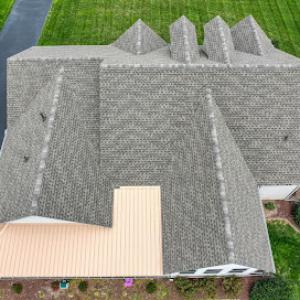
Roofing & Siding Specialist
(302) 653-0524 www.roofingandsidingspecialistde.com
Dover, DE
5.0 from 15 reviews
Since 1993, Roofing & Siding Specialist has been the trusted name for superior roofing services in Clayton, DE. With decades of dedicated experience, we pride ourselves on delivering exceptional craftsmanship and reliable solutions for every home. We understand the unique needs of our community, ensuring your roof is built to last and protect your most valuable asset. Choose the local experts who have been serving Clayton with integrity and excellence for over 30 years.
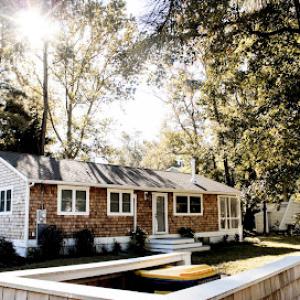
MRHunter Exteriors
(302) 672-0072 www.hunterexteriors.com
1246 S Little Creek Rd, Dover, Delaware
4.7 from 26 reviews
We are a locally owned and operated company with over 20 years of industry experience that values honesty and integrity and treats your home improvement project as if it were our own. We offer a wide range of roofing expertise and experience to meet the specific needs of our clients. We specialize in a variety of exterior work including roofing, siding, decks, windows, and more. We pride ourselves on the quality of our work as well as our commitment to outstanding results. We look forward to building lasting relationships and guarantee your satisfaction!
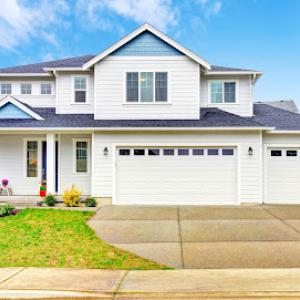
Home Genius Exteriors
(302) 924-8470 homegeniusexteriors.com
383 W North St A, Dover, Delaware
5.0 from 7 reviews
Elevate your home with Home Genius Exteriors, setting the standard in Dover by offering full-service solutions for roofing, siding, windows, doors, gutters and insulation. We support our veterans and communities by supporting local and national charitable organizations through our Home Genius Cares initiative. With an Owens Corning® Platinum Preferred designation, we also offer flexible payment options, industry leading warranties and a wide range of premium products tailored for your home. It’s time for a different experience, entrust your next home project to a genius and schedule your free inspection today!
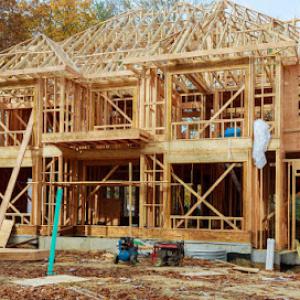
Carvers Construction
Dover, DE
3.0 from 4 reviews
Carvers Construction is a professional construction company located in Camden Wyoming DE. If you are looking for trusted and experienced remodeling specialists near you. don't hesitate to contact us now and get your free estimates!
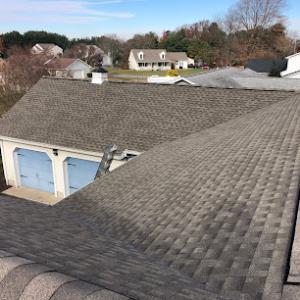
Perfect Peak Exteriors
(302) 545-8398 www.perfectpeakexteriors.com
Serving
5.0 from 22 reviews
Make roofing easy with Perfect Peak Exteriors! Family-owned and operated in Dover, DE we offer professional roof repair, roof replacement, and roof maintenance services to our community. We also offer all chimney work, gutters, siding, windows and doors. We have 10 years of experience serving residential and commercial clients. A responsible, honest roofing/exterior company you can count on, we are fully licensed and insured for your protection.
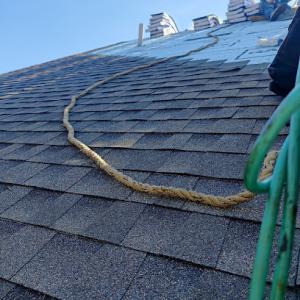
Delaware Exteriors
(302) 382-6908 deexteriors.com
Serving
5.0 from 500 reviews
Delaware Exteriors is a trusted full-service exterior remodeling and restoration company serving homeowners and businesses throughout Delaware. We specialize in roofing, siding, windows, doors, decks, gutters, skylights, and storm damage repair, offering high-quality installations, replacements, and repairs tailored to your needs. Our team is committed to delivering exceptional craftsmanship, energy-efficient solutions, and reliable service, ensuring your property is protected, beautiful, and functional year-round. From residential upgrades to commercial roofing projects, Delaware Exteriors combines experience, attention to detail, and personalized service to help you maintain and enhance the value of your property.
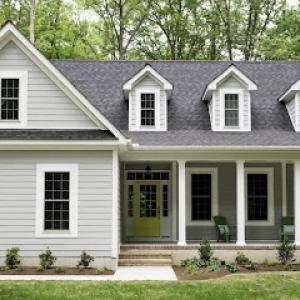
JM General Contractor
(302) 277-7173 www.jmgeneralcontractors.com
Serving
5.0 from 45 reviews
JM General Contractor is a trusted, family-owned general contracting and roofing company serving homeowners, business owners, and property managers across the Tri-State area, including New Jersey, Pennsylvania, and Delaware. With over 14 years of hands-on experience, we specialize in high-quality residential and commercial construction services that enhance the value, function, and aesthetics of your property. Our core services include roofing installation and repair, siding and gutter systems, windows and doors, and custom decks, porches, and outdoor structures. Whether you’re building from the ground up, renovating your home, or upgrading a commercial space, our team delivers fine craftsmanship and reliable service on every project...
Roof USA
(302) 897-0542 www.roofusade.com
Serving
4.9 from 76 reviews
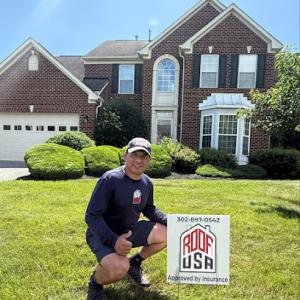
Roof USA is Delaware’s premier roofing contractor—GAF- and Owens Corning-certified, serving New Castle and Kent County including Newark, Bear, Middletown, Dover and more! With 5+ years of experience and over 100 roof replacements (primarily referrals), we specialize in full roof replacements, storm damage repairs, and insurance claim assistance. We work on shingles, metal, flat, slate, and cedar-shake roofs. Expect free inspections, next-day service in most cases, transparent pricing, and our Price-Lock Guarantee—meaning you pay only your deductible when approved. Trust Roof USA for fast, professional roofing solutions that protect your home. Hablamos Español
Padilla Konstruction
(302) 276-6678 padillakonstruction.com
Serving
5.0 from 35 reviews
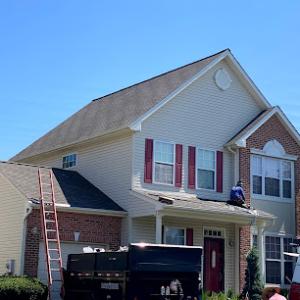
Padilla Konstruction Roofing Group is proud to offer a variety of services to help best serve you: Residential Roofing Commercial Roofing Service Multi-Family Roofing Service Roof Replacement Roof Repair Gutter Replacement Padilla Konstruction Roofing Group is a Delaware-based company that prides itself on quality work and customer service. We’re committed to providing our clients with honest answers and thorough work, because we know that reconstruction of any type – whether it’s strictly cosmetic or the result of a natural disaster – is a stressful time.
Newark Affordable Roofing- Roofing contractor
(302) 496-5164 www.newarkaffordableroofing.com
Serving
5.0 from 27 reviews
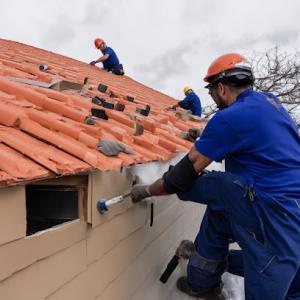
Newark Affordable Roofing is your trusted roofing contractor in Newark, Delaware, offering expert roof installation, roof repair, roof replacement, and maintenance services for residential and commercial properties. As one of the top roofing companies near Newark, Delaware, we focus on quality craftsmanship, reliable solutions, and exceptional customer service to ensure the safety and protection of your property. Whether you need roofers near Newark, Delaware for a small fix or a complete metal roofing installation, we have you covered. Contact us today for a free consultation and experience the difference with Newark Affordable Roofing!
Most Dover roofing projects require a building permit through the City of Dover before work begins. This isn't a formality to gloss over: the city uses the permit to capture essential details about the project, including the scope, materials, and contractor information. When a permit is secured properly, the work can proceed with confidence that the project aligns with local codes and safety standards. Before submitting, gather the key facts about the roof replacement or repair, such as square footage, the type of roofing material planned, and any structural modifications. The city's review process helps prevent small problems from becoming costly leaks once the first strong tropical system or a late-season storm passes.
Roofing permit applications in Dover typically require project details, and the city expects a final inspection after completion. In practice, this means providing a clear description of the work, the proposed materials, and the contractor's license information. Some applications request roof drawings or diagrams showing fastener patterns, underlayment types, and flashing details. Having these items ready can speed things along. The goal is to ensure that the installation will perform well under Dover's mix of humid summers, freeze-thaw cycles, and occasional wind-driven rains. If the contractor uses standardized product data sheets, make sure those are attached to the submission to avoid back-and-forth.
Dover inspections commonly focus on underlayment, flashing, and the correctness of shingle or tile installation rather than treating roofing as a no-paperwork repair. Expect the inspector to verify that underlayment is properly installed, flashing around chimneys, vents, and edges is continuous and sealed, and that shingles or tiles are aligned and fastened to manufacturer and code specifications. After installation, a final inspection confirms the roof's ability to shed storm-driven water and resist wind uplift, particularly relevant after late-summer tropical events or winter cycles. If adjustments are needed, addressing them before calling for the final inspection can save re-checks and delays.
Start planning for permitting early, especially during peak storm season when inspection slots may fill quickly. Your contractor can guide the scheduling, but you retain the responsibility to ensure documents are complete and accurate. Keep a simple file of all permit numbers, inspection dates, and approved changes. For homes with aging edges or flashings, anticipate possible minor updates during the permit review to reflect the actual installation details. A well-documented permit path reduces weather-driven delays and helps confirm that the roof will perform through Dover's distinctive climate patterns.
Connect with contractors who help homeowners navigate the claims process from damage assessment to final approval.
Bright Side Roofing
(302) 496-5445 trustbrightside.com
4 Mifflin Rd, Dover, Delaware
4.8 from 398 reviews

Panda Exteriors
(302) 391-6695 www.pandaexteriors.com
8 W Loockerman St Suite 201, Dover, Delaware
4.9 from 58 reviews
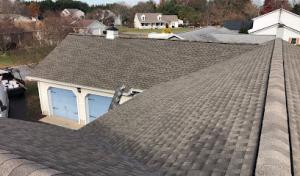
In Dover's inland-but-coastal climate, the roof edge and the transitions where flashing shifts from one plane to another take repeated punishment from expansion and contraction during the freeze-thaw cycle. Those joints aren't glamorous, but they're the first line against wind-driven rain and late-season tropical downpours. When edges curl, nails loosen, or sealant separates, a drip line quietly creeps inward. The warning signs aren't always dramatic: a wet ceiling near the eave, damp plywood behind gutters, or a sudden scuttle of attic condensation after a storm. Inspecting these zones after storms is not optional.
Skylights are a frequent local headache because heavy wind-driven rain can exploit aging seals and flashing details around the rim. In homes that have seen a few re-roofs, the original skylight flashing may be buried beneath newer layers, hiding misalignments and gaps. A small weep of water at a skylight corner during a windy rainstorm can foretell bigger problems as winter returns. In those cases, the perimeter needs a careful check-shims, sealants, and proper flashing must cooperate to shed water rather than trap it.
Homes that have been re-roofed more than once in this market may hide layered flashing and underlayment issues that only show up during prolonged storms. Multiple penetrations, mismatched materials, or concealed nails can corrode and loosen over time. The longer a storm lingers, the more those hidden details reveal themselves. Look for unusual staining along interior ceilings, soft spots on attic decking, or any warped plywood near transitions. When symptoms persist, the culprit is often an overlooked transition or a forgotten vent boot.
Pract practically, this means watching key clues after every heavy rain and treating any sign of moisture as a warning. An attic check can catch a loose nail or displaced flashing before a leak becomes a stain that travels across a ceiling. If you notice damp insulation, musty air, or staining near a skylight or eave, contact a roofer who understands Dover's wind-driven rain and freeze-thaw patterns and can verify flashing alignment.
Find contractors experienced in skylight installation, flashing, and leak repairs to bring natural light into your home.
Bright Side Roofing
(302) 496-5445 trustbrightside.com
4 Mifflin Rd, Dover, Delaware
4.8 from 398 reviews
MRHunter Exteriors
(302) 672-0072 www.hunterexteriors.com
1246 S Little Creek Rd, Dover, Delaware
4.7 from 26 reviews
Home Genius Exteriors
(302) 924-8470 homegeniusexteriors.com
383 W North St A, Dover, Delaware
5.0 from 7 reviews
While the area is known for pitched-roof work, low-slope sections on additions, porches, and mixed rooflines create a separate leak risk. In Dover, those transitions sit under heavy late-summer rains and the winter freeze-thaw cycle, which can stress flashing and drainage points more quickly than the main roof. Treat any add-on or porch roof as its own potential leak source, even if the primary house roof is newer.
Heavy rain from tropical remnants is especially hard on low-slope transitions where drainage slows and flashing details matter more. Start with a careful water-test-style inspection after a major rain event: look for wet spots along ridges where the low-slope meets the main deck, and pay attention to flashing seams, step flashing, and counter-flashing at the corner joints. In Dover's climate, dirt and algae buildup along the edge can hide small gaps that become big leaks once the water flow increases.
Homeowners in Dover often need contractors who can handle both the main shingle roof and attached low-slope sections during one replacement project. When evaluating bids, insist on a single crew and a unified flashing plan across the different roof planes. Ensure the contractor pages the low-slope's underlayment to match the main roof system and details a seamless transition at all penetrations. Have the contractor map all terminations-vents, skylights, chimneys-and verify that each transition uses high-quality sealant and properly integrated flashing.
During installation, emphasize proper slope and drainage on the low-slope section to avoid ponding. Confirm that the drip edge and gutter lines direct water away from seams and walls. For added resilience, request reinforced edge protection at corners and a secondary seal at the intersection with the main roof. Finally, schedule a follow-up inspection after the first significant storm to verify that all transitions remain watertight.
Find specialists in TPO, EPDM, and built-up flat roofing systems for residential and commercial properties.
MRHunter Exteriors
(302) 672-0072 www.hunterexteriors.com
1246 S Little Creek Rd, Dover, Delaware
4.7 from 26 reviews
First State Roofing & Exteriors
(302) 222-4065 www.firststateroofingexteriors.com
Serving
5.0 from 80 reviews