Last updated: Apr 19, 2026
In a neighborhood built up during a quick growth phase, many homes share builder-era roof age and similar siding and gutter systems. A storm season can trigger neighborhood-wide replacement cycles after the same weather events, so you should expect neighbors to be dealing with similar issues within a short window. When one roof shows a problem, nearby roofs are likely to follow, especially if they use the same asphalt shingle products and attic venting layouts. On a subdivision-wide scale, this means timing and methodical planning matter more than ever before, because a single hailstorm can cascade into multiple projects and temporary shelter needs across several homes.
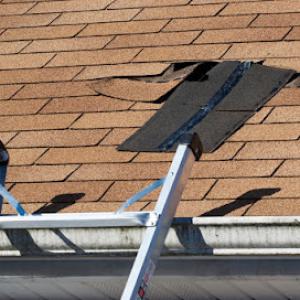
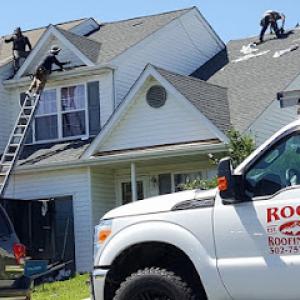
Spring's wind bursts and late-season hail are a major local trigger for inspections, temporary tarping, and documenting damage for insurance. After a storm, you'll see crews on driveways and street lanes, sometimes with tarps, sometimes with visible ladder lines along the ridges. The urgency is real: filaments of granules in gutters or on shingles can be early signs, but wind can also force exclusion from attic ventilation or loosen edge shingles that quietly age toward failure. If you notice discoloration, lifted tabs, or new granule loss after a wind event, prioritize a professional assessment before moisture work becomes a scramble.
Because many homes use asphalt shingles, adjusters and contractors often have to separate true storm damage from age-related granule loss and prior wear. Look for new impact marks, punctures in a way that corresponds to specific hail angles, and fresh flashing around chimneys or roof penetrations. Contrast that with uniform wear on shingles of the same age, which is more likely from years of sun exposure and freeze-thaw cycles. Document dates, magnify close-up photos of damaged areas, and note whether damage tracks line up with a single storm event or span multiple years. This distinction shapes repair strategy and insurance conversations.
Act quickly to protect your interior from water intrusion if a roof shows exposed deck or sagging areas. Place sturdy tarps over compromised sections, and ensure attic access is clear for inspections. Keep a detailed log of who visits, what they inspect, and what temporary measures are taken. This log becomes crucial when insurers request a timeline of events and repairs. If you're grappling with multiple homes in a subdivision, coordinate with neighbors to share inspection windows and set expectations with contractors to reduce repeated access and disruption.
With neighborhood-wide replacement cycles in mind, start by prioritizing roofs with visible storm damage and aging signs that threaten the deck or attic. Develop a phased plan that aligns crew availability with the local spring-to-summer weather window, aiming to minimize exposure and bulk traffic on each street. A coordinated approach can reduce overall disruption and help maintain consistent performance across the subdivision. In all cases, a careful assessment of venting, attic insulation, and underlayment condition should accompany any shingle replacement to ensure the long-term health of the roof system.
Late spring through early fall is the preferred replacement window in Middletown because cold-weather installation can complicate sealing while summer heat can soften materials and stress crews. If you're staring at a leaky roof or aging asphalt shingles, aim to contractors' schedules that align with these months. Start planning so the crew can wrap up before autumn storms bring heavier moisture and cooler nights. The goal is to avoid the most extreme heat of peak summer and the first frosts of late fall, which can disrupt shingle adhesion and shingle alignment.
Winter freeze-thaw cycles in Middletown raise the risk of ice damming and flashing movement, making leak diagnosis and patch durability more difficult. If a project must extend into late fall or early winter, expect longer project timelines and heightened attention to attic ventilation and insulation to minimize condensation. When temperatures dip, sealants may not cure properly, and improper flashing movement can create hidden leaks that show up only after a thaw. If winter work becomes unavoidable, verify the crew's use of temperature-appropriate sealants and their plan to monitor and re-seal high-stress joints after the first thaw.
Fall presents its own challenges. Fall leaf drop and wet conditions in Middletown can trap moisture in valleys and gutters right when many homeowners are trying to finish projects before winter. Leaves clog valleys and scuppers, and damp, cooler days slow drying times for underlayment and membrane products. A practical approach is to schedule completion before leaf fall accelerates, and to arrange gutter and valley cleaning as a parallel step so moisture doesn't linger where flashing sits. If rain is forecast during the installation window, be prepared to pause and protect newly exposed edges with temporary coverings to avoid wind-driven water intrusion.
Match the project timeline to the local weather pattern. Monitor the long-range forecast for extended dry spells in late spring or early fall, and book crews with enough lead time to accommodate a sane pace for detailed tasks-especially calcium-grade underlayment, ridge vent work, and valley flashing. Communicate with the contractor about anticipated storms and plan for tarp protection and securement of loose materials when the forecast shows heavy rain. In subdivision settings, permit inspections and neighbor noise considerations can influence start times, so align your schedule with the earliest available inspection slot and acceptable work hours.
Coordinate around attic conditions. Before the first nail goes in, confirm attic ventilation and insulation are adequate to reduce condensation that can compromise sealants and fasteners. If your house has experienced condensation or heat buildup, address those issues ahead of the re-roof so the new system sits on a properly conditioned deck. Finally, maintain access to the work area. Middletown homes often share tight lot lines and forward-facing driveways; ensure a clear path for material delivery and debris containment so crews can work efficiently without back-and-forth delays.
Paddy's Roofing, Siding & Chimneys
(302) 691-9891 www.gopaddys.com
5207 Summit Bridge Rd, Middletown, Delaware
4.9 from 169 reviews
Paddy’s is a local family owned and operated business. Paddy’s is located in Newark, DE, where most of our employees, including the owner, have lived for most of their lives. The owner, “Paddy,” founded the business with the main goal of customer satisfaction in mind. At Paddy’s we strive for excellence and to ensure that we always leave our customers not just happy, but educated. We feel it is our job to not only repair your home but to leave you with an understanding of what was wrong and how it was repaired.
Roof It - Delaware Roofing Contractors
420 Boyds Corner Rd Suite C, Middletown, Delaware
5.0 from 43 reviews
Elevate your roofing experience with Roof It, Middletown's premier roofing contractor. Specializing in Roof Replacement, Metal Roof installations, and meticulous Roof Repair solutions, our seasoned team ensures every project reflects excellence. We prioritize customer satisfaction, backed by years of expertise in safeguarding properties against water damage. From Gutters and Downspouts maintenance to seamless installations, our commitment to quality shines through. Facing insurance claims post-storm damage? Trust Roof It to streamline the process, providing expert guidance and impeccable repairs for your peace of mind. Contact us today to discover why Roof It is the top choice for roofing solutions in Middletown, DE.
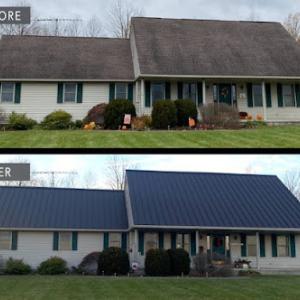
Diamond State Roofing
(302) 344-8177 diamondstategutter.com
343 S Parkway Dr, Middletown, Delaware
4.8 from 51 reviews
Diamond State Roofing & Gutters is your trusted partner in safeguarding and enhancing your home's exterior. Based in Delaware, our seasoned team specializes in a comprehensive range of roofing and gutter services, tailored to withstand the local climate. From meticulous installations and durable repairs to routine maintenance and seamless upgrades, we ensure top-notch quality and reliability. Whether you need robust gutter systems to manage heavy rainfall or expert roofing solutions to protect and beautify your home, we are committed to delivering excellence and customer satisfaction. Trust us to handle your roofing and gutter needs with precision and care, enhancing the longevity and aesthetics of your property.
DB Home Remodeling Solutions - Townsend, DE.
(800) 426-9612 dbexteriors.com
Serving
5.0 from 83 reviews
DB Home Remodeling Solutions (serving the areas of Townsend, New Castle County, & Kent County, Delaware) is capable of creating beautiful affordable and durable roofing, siding, gutters and accessory solutions for your home. A certified residential and commercial company since 2015 serving in Delaware, Pennsylvania and New Jersey areas with our own roofing and siding professionals performing our job to your needs. Our quality materials protects and assures your roof for years and we offer a good and long warranty coverage. Call today to ask about our specials for new roof installation, replacement of your existing roof system or to get a free estimate. We look forward to work with you.
Apple Remodeling
(302) 333-7395 appleroofing.biz
Serving
4.9 from 95 reviews
APPLE ROOFING PEACE OF MIND, ENDURING LEGACY & MASTER ELITE QUALITY ~ GAF CERTIFIED PLUS ROOFING CONTRACTOR ~ DELAWARES PREFERRED NAME FOR ROOFING ~ SERVING ALL OF SUSSEX COUNTY, KENT COUNTY, & NEW CASTLE COUNTY DELAWARE ~ FAMILY OWNED AND OPERATED
R. Short Roofing
(302) 592-1952 www.rshortroofing.com
Serving
5.0 from 64 reviews
R. Short Roofing is a family-owned and -operated business committed to delivering results that are nothing short of excellent. Having been in business since 2013, we have earned a great reputation for our commitment to quality assurance, professionalism, and exceptional customer service.
Diamond State Roofing & Restoration
(888) 600-7188 www.diamondstr.com
Serving
5.0 from 49 reviews
Diamond State Roofing and Restoration is a trusted roof, siding and gutter installation and restoration specialist dedicated to providing top quality services at very reasonable prices. We are a locally owned, service-oriented company that truly cares about our customers’ insurance-based or personal roofing and restoration needs. From start to finish, we make sure to provide personalized roofing, siding and gutter solutions that are tailored to your needs through your homeowner's insurance. Our goal is to provide top-notch roofing, siding and gutter services that exceed your expectations without exceeding the agreed budget for your insurance claim or project.
MOT Roofing
(302) 598-9717 www.motroofing.com
Serving
4.8 from 24 reviews
Your home is your biggest investment, and you should protect it as such. So when it comes to ensuring that your roof is properly maintained, it only makes sense that you hire the best. As a family owned and operated business, MOT Roofing will treat your home as if it was ours. We are known for our quick response times and top-quality work. Don't trust the roof of your home to just any company - put your home in good hands by calling MOT Roofing today.
Rock Roof
(302) 757-2350 www.rockroofingde.com
Serving
4.8 from 45 reviews
With over 30 years of roofing experience, Rock Roofing was established in 1985 by second generation roofer, Ted Rock. The goal was, and still is, to provide homeowners in Delaware, Maryland and Pennsylvania with highly skilled roofing services at a fair price. Rock Roofing has relied primarily on word of mouth versus advertising to keep overhead to a minimum, so these savings could be passed on to our loyal customers. Residential and Commercial Rock Roofing prides itself in being roofing specialists and experts.
A. Parker Contracting
(302) 377-1193 www.delaware-roofing.com
Serving
5.0 from 31 reviews
A. Parker Contracting, the best local, small family run companies for roofing Wilmington DE residents use, has been installing and repairing roofs in Delaware and surrounding areas for over 40 years. As one of the top roofers Wilmington DE residents utilize, A. Parker Contracting believes in keeping it simple. Our customers deserve the highest quality materials, professional installation, a reliable labor warranty & the lowest possible prices. As the most efficient roofers in Wilmington DE, we deliver exactly that. We pride ourselves as the Wilmington DE Roofers that listen to your needs and deliver the exact product you are looking for. One call does it all, with A.Parker Contracting, your roofer Wlimington DE loves!
Dynamic Remodel & Repair
(302) 543-5573 dynamichomeremodel.com
Serving
4.9 from 153 reviews
Dynamic Remodel and Repair is a family-owned roofing, siding, decks, windows and doors contractor located in Wilmington, DE. Dynamic Remodel and Repair serves residential customers in New Castle County, PA, Southern Chester County PA, and in Southeastern Pennsylvania like Montgomery County, PA and Delaware County PA. We have been providing a wide array of services including roof replacements, roof repairs, siding replacement, siding installation, window replacements, and other exterior remodeling services for over 15 years. Apart from our roofing expertise, you can always trust Dynamic Remodel and Repair for your home improvement needs. We provide free on-site estimates and have financing available. Contact us today for more information!

Kirkin Exteriors
(302) 832-7663 kirkinroofing.com
Serving
4.8 from 438 reviews
Kirkin Exteriors is a trusted, full-service roofing and exterior contracting company serving Delaware and the surrounding region. With a reputation built on craftsmanship and reliability, the team specializes in roof repair, replacement, and energy-efficient solar shingle installation. Kirkin also provides expert siding repair, seamless gutter systems, and high-performance window and door installations designed to boost curb appeal and lower energy costs. Known for delivering affordable, timely, and high-quality results, Kirkin Exteriors is committed to protecting and enhancing homes across the Mid-Atlantic with durable, weather-resistant solutions.
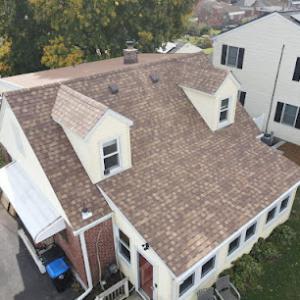
Asphalt shingles are the dominant roofing choice in Middletown, aligning with the town's large stock of detached suburban homes and making them the baseline for cost and replacement planning. In fast-growing subdivisions, these roofs typically face a mix of storm exposure and freeze-thaw cycles, so opting for dimensional or architectural shingles with good wind resistance and a proven 30-year or longer life helps balance practical performance and value. When you assess aging shingles, focus on the wear patterns you see, such as curling, cupping, or lifted edges, which signal moisture intrusion risks behind the fascia and underlayment. Regular inspections after heavy storms are especially important in this setting because unseen hail or wind uplift can initiate core damage that isn't obvious from the ground.
Metal roofing is present but still a specialty segment locally, usually considered by homeowners prioritizing longer service life and better shedding of snow and rain. In subdivisions with taller trees and variable wind patterns, metal can offer superior durability and faster water shedding after a storm. It also tends to reflect more solar heat, which can help reduce attic heat gain in sun-heavy exposures. If you're weighing metal, pay attention to panel attachment methods, the compatibility of flashing with existing penetrations, and how the roof transitions into valleys and skylight or vent areas. A well-designed metal system can outperform asphalt in harsh winters, but it requires precise detailing and professional installation to prevent issues around roof-to-wall joints and soffit drainage.
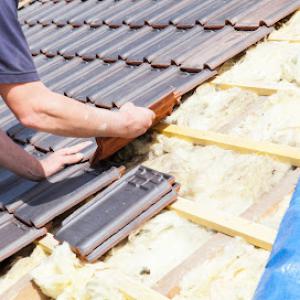
Tile, wood shake, and synthetic products exist in the market but are less common in Middletown and can require closer review of roof structure, accessory detailing, and contractor experience. Clay and concrete tiles offer long service life and strong impact resistance, but their weight demands a reinforced structure and careful assessment of attic space, underlayment, and rafter spacing. Wood shakes convey a distinctive look but demand diligent maintenance to prevent rot, insect damage, and ember susceptibility in storm-affected areas. Synthetic shingles and composite options aim to mimic natural materials while offering lighter weight and lower maintenance; they can be a good compromise when a subdivision constraints roof loads or when a homeowner wants a specific appearance without the full weight of real tile. If considering these options, verify compatibility with existing chimneys, skylights, and venting, and ensure the contractor has experience with the chosen material on structures similar in age and layout to yours.
In a suburban growth area, the right material balances performance with the realities of rapid subdivision development-tight lot lines, multiple rooflines, and town-managed inspection rhythms. You should evaluate how well a given material sheds water and snow, how it performs in freeze-thaw cycles, and how it ages under long exposure to wind-driven rain. Consider the roof's slope and the ability to maintain attic ventilation, because good airflow helps extend any roof's life in this climate. For any option, ask for detailed flashing plans, especially around penetrations and valleys, and request examples or references from neighbors with similar roof types. A careful match between material, roof structure, and local weather patterns will help your home withstand Middletown's signature seasonal stresses.
Middletown's dominant suburban housing stock means many re-roofs are straightforward steep-slope jobs, with clean lines and standardized layouts. For typical modest-to-average footprints, per-square pricing often stays competitive, but larger homes on newer subdivisions can push total tear-off, underlayment, and disposal costs higher than the sticker price suggests. When planning, think beyond the per-square rate and account for the extra labor and dumpster time a bigger footprint demands. In practical terms, a standard steep-slope re-roof of a 1,000-square-foot section may ride in the lower end of the range, while a full tear-off on a larger home can add up quickly even if the per-square price stays favorable.
Asphalt shingles remain the most common, with a broad pricing band that reflects quality and warranty. In Middletown, you'll often see asphalt projects priced from about 350 to 750 USD per square. Metal roofs bring higher upfront costs but longer service life and lower maintenance-roughly 700 to 1,200 USD per square. For those considering heavier, more durable tiles, clay runs roughly 900 to 1,600 USD per square, while concrete tile sits around 800 to 1,400 USD per square. Wood shingles or shakes typically land between 500 and 900 USD per square, and synthetic or composite shingles occupy an intermediate position, about 550 to 900 USD per square. Remember that the price per square captures material and installation, but not all associated site tasks.
Even with competitive per-square pricing, larger roofs expand the total bill through extra underlayment, more disposal weight, and longer installation windows. If the project includes full tear-off, expect additional charges for waste handling and possible disposal-day surcharges. In subdivisions with uniform roof lines, crews can work efficiently, keeping the rate reasonable; in newer homes with sprawling footprints, the total cost can climb due to extra square footage and more complex edge work around dormers or large overhangs. Plan for a realistic total by mapping the roof's squares and factoring in waste allowance and disposal timing.
After regional wind or hail events, price pressure and longer lead times can occur as quick-response crews get booked across the county. In those windows, a project may shift from a quoted mid-range to a higher overall cost, and scheduling flexibility becomes a real asset. If you're targeting a specific window, lock in materials and timeline early to minimize post-storm price bumps and delays.
Don't let upfront costs delay a critical repair - these contractors offer payment plans to fit your budget.
A full re-roof in Middletown typically requires a permit through the town's building department rather than being treated as a purely informal maintenance job. That distinction matters because a permit signals that work will meet local standards for wind resistance, fire safety, and drainage, and it brings the project under official review. In subdivisions that are growing fast, the town's requirements can sometimes feel like an extra hurdle, but skipping them can lead to headaches later-ranging from inspection hiccups to denied finishes if the permit trail isn't clear. Understanding this early helps protect you from unexpected delays when you're trying to complete a project before the next season's storms hit.
Homeowners should expect at least a rough inspection during installation and a final inspection after completion in Middletown. The rough check typically covers how the new roof is being hung, where starter courses and fasteners are placed, and whether any ventilation or flashing details align with code expectations. The final inspection confirms that the work is finished to spec and that the roof system will perform under the local climate, including freeze-thaw cycles and seasonal wind events. If deficiencies are found, the contractor may need to return to correct them, which can extend the timeline and complicate coordination with subdivision inspection windows.
Because Middletown is an incorporated town with its own building review process, homeowners should confirm permit responsibility up front instead of assuming the contractor can proceed without town approval. Some projects in newer subdivisions drift into informal arrangements that look quicker but can trap you in a loop of rework or forced exposure to weather while you await approvals. Ask the contractor for the permit contact, the expected inspection milestones, and what documentation will be submitted. If a permit is issued in your name or your address, make sure all laydown areas, debris management, and disposal plans align with local expectations. In the end, clear, early confirmation helps keep your project on track and your home's exterior weather-ready through Middletown's storm season.
Delaware's insurance market is generally stable, but Middletown homeowners still face closer scrutiny on wind and hail claims when roofs are older or show pre-existing wear. That means a claim on a well-maintained, newer roof is more straightforward than one on a roof that has already seen several seasons of heat, freeze-thaw cycles, or prior repairs. If your shingles or flashing show signs of aging, expect investigators to weigh whether damage happened suddenly from a storm or gradually from long-term exposure. The distinction matters, because it can influence settlement outcomes and the scope of replacement.
In this area, thorough photo documentation, date-stamped storm records, and a clearly written contractor scope are especially important when multiple homes in the same area report damage after the same event. Take clear photos before any temporary tarps or fixes, focusing on missing shingles, lifted edges, hail impact marks, and damaged vents or gutters. Keep a dated log of wind speeds, hail size, and the exact time the event occurred if possible. When discussing repairs with a contractor, insist on a written scope that itemizes each repair area, material type, and installation method. This makes it easier for the adjuster to see whether the scope aligns with observed damage rather than with general wear.
Adjusters reviewing Middletown claims may distinguish between sudden storm-created damage and deterioration tied to age, heat exposure, or prior repairs. If a claim is denied or limited, request specifics in writing about what evidence supports the decision. Provide your contractor's scope along with dated, detailed photographs that connect each repair item to visible damage. Keep all records organized in a simple binder or digital folder, so if multiple homes in the subdivision report similar issues, the reviewer can compare notes quickly. Clear timelines, paired with concrete evidence, help ensure the claim reflects actual storm impact rather than existing conditions.
Although this market is known for steep, durable shingles, some homes and additions include low-slope sections over porches, rear extensions, or attached areas that fail differently from the main shingle roof. In these spots, standing water and slower drainage are common, especially after heavy rain or during wet fall transitions. Freeze-thaw cycles can aggravate any minor drainage issues, driving faster deterioration of underlayment and flashing if not addressed.
Low-slope sections are more vulnerable to standing water, flashing errors, and leak tracing problems during wet periods. In Middletown, this shows up where valleys tie into porches, low-perimeter decks, or transitions between roof planes. Pay attention to any staining or damp spots along the eaves or near interior ceiling lines directly beneath these areas after a storm. If a roof contractor notes porous underlayment or compromised flashing around these joints, address it promptly to prevent hidden leaks from threatening insulation or framing.
Homeowners replacing the main roof should verify whether low-slope sections are included in the permit scope and inspection sequence. When planning, confirm that the replacement plan accounts for proper slope, adequate drainage, and compatible flashing materials at transitions. Use a low-slope-appropriate underlayment or moisture barrier where warranted, and request careful flashing at all penetrations. In subassemblies tied to the main roof, insist on thorough leak testing and a detailed walkthrough of this area with the contractor after installation, since these sections often reveal issues later in the season.
Find specialists in TPO, EPDM, and built-up flat roofing systems for residential and commercial properties.
First State Roofing & Exteriors
(302) 222-4065 www.firststateroofingexteriors.com
Serving
5.0 from 80 reviews