
Last updated: Apr 19, 2026
A Smyrna roof faces a rapid mix of spring wind events, summer thunderstorms, winter freezes, and fall nor'easters. Damage often appears as lifted shingles, flashing leaks, or moisture intrusion at different times of year. If you hear wind howling or see hail, treat the roof as compromised the moment the event ends. Step onto the attic or ceiling with a flashlight and look for active leaks, dripping from flashing, or damp insulation. If you spot active water, prioritize containment: place a heavy-duty tarp over the most vulnerable area and use plastic or rubber sheeting to direct any runoff away from electrical fixtures and living spaces. Every minute counts when moisture can travel along seams and under shingles.
Delaware insurers routinely review roof age, material, installation quality, and storm documentation. Smyrna homeowners need date-stamped photos and clear records immediately after wind or hail events. Photograph the entire roof from multiple vantage points, focusing on lifted edges, broken shingles, torn flashing, and any interior signs of water staining or ceiling bulges. Keep a dated log of each event, noting wind speeds if known, time of day, and the areas most affected. Save all communications with insurers and contractors in one folder-digital copies with timestamps are best. These records speed up claim decisions and help you distinguish hail damage from gradual wear.
Local contractor signals show unusually strong demand for emergency repair and storm damage work, making fast tarping and leak containment a primary homeowner concern. If a tarp is needed, call a reputable contractor who can deliver a properly secured tarp system within hours, not days. A temporary seal around vent pipes, skylights, and chimneys can prevent further water intrusion while you arrange permanent repairs. Do not delay on interior mitigation-exposed insulation and drywall can deteriorate quickly in Smyrna's moisture cycle. Keep a safe path for contractors; clear entrances and provide access to the attic so professionals can inspect beneath the roof deck without needless delays.
Some minor, dry afternoon leaks may be managed temporarily by using clean, absorbent towels and non-penetrating sealants around small flashing gaps. However, any sustained dripping, visible structural movement, or interior staining requires a professional assessment. For peak storm seasons, establish a quick-response plan with a trusted local roofer before the next wind event. Ask for masthead photos of previous storm repairs to verify workmanship and to compare with your current situation. Time is a critical factor when infiltration can continue to spread through attic spaces and into living areas.
Once the roof is stabilized, schedule a thorough professional inspection to assess lift points, flashing integrity, and the overall installation quality. Prioritize repair strategies that address the specific Smyrna exposure: wind-driven uplift, continuous moisture ingress paths, and the way seasonal temperature shifts stress materials. Keep a standing list of trusted contractors who understand local moisture patterns, and maintain consistent documentation for any future events so that insurance reviews proceed with minimal friction.
Pricing in Smyrna follows the familiar material spectrum, but local weather patterns and housing stock push some numbers higher after big regional storms. Typical local pricing runs about $350-$650 per square for asphalt shingles, $600-$1000 for metal roofing, $900-$1600 for clay tile, $800-$1400 for concrete tile, $1200-$2600 for slate, and $450-$900 for fiber cement shingles. These ranges reflect common residential jobs and the compressions that happen when storms spike demand across central Delaware.
When a nor'easter rakes through town and wind-driven rain causes leaks, costs can climb quickly. After a storm event, crews are in short supply and may charge a premium due to demand for inspections, tear-off, and reinstallation. In Smyrna, it's not unusual to see bids shift upward in the days and weeks following a major wind event, especially if multiple nearby towns are competing for the same crews and inspection slots.
Full replacement pricing is also affected by several Smyrna-specific factors. Roof complexity is common in neighborhoods with a mix of older homes and newer additions, which can slow tear-off and installation and push per-square costs higher. If hidden moisture damage is found after tear-off, the project may extend beyond a simple shingle swap, increasing material and labor totals. Costs in Smyrna can rise after regional storm activity when demand surges across central Delaware and nearby communities compete for the same crews and inspection slots.
Material choice matters for long-term value in this area. Asphalt shingles are the most common entry point and typically offer the lowest up-front cost, while metal roofing provides longevity that can be advantageous in wind-prone seasons. For those with historic or stylistic homes, clay tile, concrete tile, and slate offer durability and curb appeal, but require a bigger initial investment and a skilled crew familiar with Sussex County weather and local roof decks. Fiber cement shingles strike a balance between cost and performance, often appealing to homeowners seeking a mid-range option with decent longevity.
In planning, consider how the local storm cycle may affect both price and scheduling. If a storm-hit window shifts, be prepared for potential delays or bid reevaluation as crews recalibrate availability. Understanding these local pricing anchors helps set realistic expectations and informs decisions when responding to wind-driven rain events in Smyrna.

First State Roofing & Exteriors
(302) 222-4065 www.firststateroofingexteriors.com
202 E Mt Vernon St #1, Smyrna, Delaware
5.0 from 80 reviews
First State Roofing & Exteriors, located at 202 E. Mt Vernon St. #1, Smyrna, DE, is your trusted expert for all roofing and exterior needs in Central Delaware. We offer a range of services, including roof repair, roof replacement, roof installation, and emergency roof repair. Our experienced team specializes in residential, commercial, and multi-family roofing, including asphalt shingle, metal, slate, and EPDM roofing. We also provide roof inspections, maintenance, and specialized services like skylight installation and storm damage repair. Enhance your home’s curb appeal with siding installation, gutter repair, and energy-efficient roofing options. Contact us today for quality craftsmanship and reliable service.
Best Construction
(302) 678-4749 bestconstructioninc.com
107 Pee Wee Ct, Smyrna, Delaware
4.9 from 95 reviews
Best Construction is a Delaware construction company that specializes in roofing, siding, windows, and rain gutters. Whether you're in need of an entirely new roof or replacement windows in Delaware, we can help. We have over 26 years of industry experience and we can provide you with exceptional results. At Best Construction our focus is on safety, quality, and outstanding customer service. Buy now, pay later- financing is available! Please visit our website for more information and to apply.
Diamond State Roofing & Restoration
(888) 600-7188 www.diamondstr.com
Serving
5.0 from 49 reviews
Diamond State Roofing and Restoration is a trusted roof, siding and gutter installation and restoration specialist dedicated to providing top quality services at very reasonable prices. We are a locally owned, service-oriented company that truly cares about our customers’ insurance-based or personal roofing and restoration needs. From start to finish, we make sure to provide personalized roofing, siding and gutter solutions that are tailored to your needs through your homeowner's insurance. Our goal is to provide top-notch roofing, siding and gutter services that exceed your expectations without exceeding the agreed budget for your insurance claim or project.
Roofing & Siding Specialist
(302) 653-0524 www.roofingandsidingspecialistde.com
Serving
5.0 from 15 reviews
Since 1993, Roofing & Siding Specialist has been the trusted name for superior roofing services in Clayton, DE. With decades of dedicated experience, we pride ourselves on delivering exceptional craftsmanship and reliable solutions for every home. We understand the unique needs of our community, ensuring your roof is built to last and protect your most valuable asset. Choose the local experts who have been serving Clayton with integrity and excellence for over 30 years.
R. Short Roofing
(302) 592-1952 www.rshortroofing.com
Serving
5.0 from 64 reviews
R. Short Roofing is a family-owned and -operated business committed to delivering results that are nothing short of excellent. Having been in business since 2013, we have earned a great reputation for our commitment to quality assurance, professionalism, and exceptional customer service.
Apple Remodeling
(302) 333-7395 appleroofing.biz
Serving
4.9 from 95 reviews
APPLE ROOFING PEACE OF MIND, ENDURING LEGACY & MASTER ELITE QUALITY ~ GAF CERTIFIED PLUS ROOFING CONTRACTOR ~ DELAWARES PREFERRED NAME FOR ROOFING ~ SERVING ALL OF SUSSEX COUNTY, KENT COUNTY, & NEW CASTLE COUNTY DELAWARE ~ FAMILY OWNED AND OPERATED
DB Home Remodeling Solutions - Townsend, DE.
(800) 426-9612 dbexteriors.com
Serving
5.0 from 83 reviews
DB Home Remodeling Solutions (serving the areas of Townsend, New Castle County, & Kent County, Delaware) is capable of creating beautiful affordable and durable roofing, siding, gutters and accessory solutions for your home. A certified residential and commercial company since 2015 serving in Delaware, Pennsylvania and New Jersey areas with our own roofing and siding professionals performing our job to your needs. Our quality materials protects and assures your roof for years and we offer a good and long warranty coverage. Call today to ask about our specials for new roof installation, replacement of your existing roof system or to get a free estimate. We look forward to work with you.
Bright Side Roofing
(302) 496-5445 trustbrightside.com
Serving
4.8 from 398 reviews
Bright Side is helping commercial and residential property owners with roofing needs. We are a family business that has become a household name within the Delaware region. We serve residents in many communities, including Dover, Middletown, Lewes, Rehoboth, Hockessin and Newark.

Panda Exteriors
(302) 391-6695 www.pandaexteriors.com
Serving
4.9 from 58 reviews
When you need any kind of exterior renovation services handled, call the roofers at Panda Exteriors. We promise to deliver the highest quality of work you'll find in the area; thanks to the outstanding qualities we bring to every job we undertake: 100% Satisfaction Guarantee Always, GAF Master Elite Certified, Free Online Estimates or Over the Phone, 30+ Years of Experience in the Industry, A+ BBB Rating & Accreditation, and so much more. Don't compromise on quality for your roofing and exterior restoration needs. Trust our experienced roofers for unparalleled work at unbeatable prices. Contact us today with any questions; we're excited to do business with you.
Perfect Peak Exteriors
(302) 545-8398 www.perfectpeakexteriors.com
Serving
5.0 from 22 reviews
Make roofing easy with Perfect Peak Exteriors! Family-owned and operated in Dover, DE we offer professional roof repair, roof replacement, and roof maintenance services to our community. We also offer all chimney work, gutters, siding, windows and doors. We have 10 years of experience serving residential and commercial clients. A responsible, honest roofing/exterior company you can count on, we are fully licensed and insured for your protection.
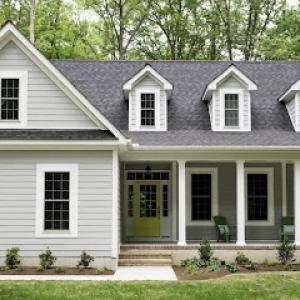
JM General Contractor
(302) 277-7173 www.jmgeneralcontractors.com
Serving
5.0 from 45 reviews
JM General Contractor is a trusted, family-owned general contracting and roofing company serving homeowners, business owners, and property managers across the Tri-State area, including New Jersey, Pennsylvania, and Delaware. With over 14 years of hands-on experience, we specialize in high-quality residential and commercial construction services that enhance the value, function, and aesthetics of your property. Our core services include roofing installation and repair, siding and gutter systems, windows and doors, and custom decks, porches, and outdoor structures. Whether you’re building from the ground up, renovating your home, or upgrading a commercial space, our team delivers fine craftsmanship and reliable service on every project...
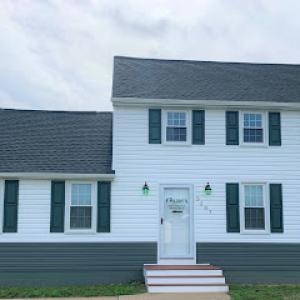
Paddy's Roofing, Siding & Chimneys
(302) 691-9891 www.gopaddys.com
Serving
4.9 from 169 reviews
Paddy’s is a local family owned and operated business. Paddy’s is located in Newark, DE, where most of our employees, including the owner, have lived for most of their lives. The owner, “Paddy,” founded the business with the main goal of customer satisfaction in mind. At Paddy’s we strive for excellence and to ensure that we always leave our customers not just happy, but educated. We feel it is our job to not only repair your home but to leave you with an understanding of what was wrong and how it was repaired.
Spring through fall is the preferred replacement window in Smyrna because Delaware's cold-season moisture and freeze-thaw conditions can complicate tear-offs and installation quality. In practice, that means limiting roof work to times when the sun is higher and temperatures are consistently above freezing at night. Early spring can still offer workable days before heavy spring storms, but the window tightens as soon as wet conditions or ice form on the roof deck. When planning, aim for a stretch with reliable dry days, steady daytime temperatures, and minimal wind so adhesive cures and sealing details set properly. This phased approach helps crews complete underlayment, ventilation checks, and shingle or panel alignment without frequent disruption from moisture intrusion.
Summer scheduling in Smyrna still requires caution because humid heat can affect material handling and sealant performance even when days are long. Heat softens certain sealants and can shift fasteners slightly if a crew handles or stores materials on a bare roof for extended periods. If a job runs deep into July or August, plan for cooler afternoon starts or early morning sessions to keep workforce safety and material performance in check. Humidity can also create mirage-like glare on the roof surface, making it harder to spot laps or gaps. A practical approach is to stage materials during cooler hours, verify sealant compatibility with high humidity, and allow extra inspection time after warm days to confirm proper adhesion and flashing integrity before the next rain event.
Fall can be productive for roofing in central Delaware, but nor'easters bring heavy rain and gusts that can disrupt open-roof work and inspection timing. In practice, autumn work benefits from longer cool, dry spells that sit between storms, yet the risk profile shifts when the season turns windy. Book critical tasks-like roof deck inspection, substrate repair, and flashing installation-during calmer weeks and reserve more exposed steps for days when winds are forecast to stay moderate. Keep a close eye on the forecast for back-to-back rain or sudden gusts, and have a contingency plan for a quick shutdown if rain pressure increases or wind gusts exceed safe working thresholds.
Across all seasons, align tear-off and installation phases with reliable drying periods, especially after wet nights or thunderstorms. Maintain a simple, weather-aware checklist: confirm deck integrity after any freeze-thaw cycles, verify attic ventilation is ready to prevent moisture buildup, and protect interior spaces from wind-driven leakage by using temporary barriers during active roof work. When storms threaten, communicate a clear response plan to homeowners-lay out expected timelines for tarp placement, temporary cover, and the sequence of inspections to minimize disruption and moisture exposure. In Nor'easter-prone periods, target initial inspections immediately after a dry window to confirm roof line security and identify any damage that requires prompt attention.
A full roof replacement in Smyrna typically requires a permit, with plans reviewed by the local building department before work proceeds. The process is designed to verify that the project adheres to current code requirements, including structural considerations, ventilation, and drainage. Knowing that the review can take a little time helps you plan around weather windows, especially in a climate that sees frequent nor'easter-driven wind events and freeze-thaw cycles. When you prepare to pull permits, gather the project scope, roof layout, and any special features such as skylights or venting systems so the department has a clear picture of what will be installed.
Plans submitted for review should show a clear layout of nailing patterns, ventilation strategy, flashing details, and eave and rake edge treatment. In this jurisdiction, inspectors look beyond a visual finish and expect to see how the roof is actually fastened, how attic ventilation is balanced with soffit and ridge intake, and how flashing is integrated around chimneys, vents, and transitions to walls. The emphasis on installation details is practical: it reduces leak potential during storm events and ensures the roof functions as a cohesive system under the region's humidity and wind loads. If there are any updates to the existing structure, such as reinforcing roof joists or altering attic ventilation, these should be reflected in the submission.
Inspections commonly occur during and after installation, not solely as a final check. Expect an on-site review of nailing patterns, the quality of underlayment, vent compatibility, and flashing workmanship as the roof goes on. The inspector may verify that each stage meets the approved plan, including spacing and fastener type for chosen roofing materials. Be prepared to address any issues the inspector flags before moving to the next phase. This approach helps catch potential problems early, reducing the chance of rework and associated delays later in the project.
Scheduling can be affected by weather and department workload, so permit and inspection timing will influence project start dates. If spring storms or heavy fall winds align with your permit window, expect some scheduling variability. It helps to coordinate with your roofing contractor to align ledges, scaffold setup, and material deliveries with anticipated inspection dates. Communicate clearly about any adjustments in the plan so the building department can reissue approved documents if necessary, and keep a predictable line of communication with the inspector to minimize delays during critical installation moments.
Asphalt shingles are a dominant choice in Smyrna because they fit the area's broad range of home styles and price points, but they are vulnerable to wind lift and moisture-related aging in Delaware's humid climate. For homes here, choose a high-wire, short-cut shingle with a strong warranty and a reinforced underlayment. A quality underlayment helps resist rain intrusion during heavy storms, and a properly sealed drip edge matters in every roof transition. In areas that see frequent Nor'easter winds, insist on accurate fastener adherence and edge detailing to minimize lift risk after storms.
Metal roofing is increasingly relevant in this market because it handles repeated wetting well and can be attractive for homeowners planning for long service life through Delaware's mixed seasonal weather. Panels or standing-seam profiles with robust flashing are essential where wind-driven rain is common. Metal can shed water quickly, reducing moisture exposure to sheathing, but installation quality matters just as much as the material itself. Pay attention to the attic ventilation and the roof-to-wall transition, where improper sealing can lead to condensation and moisture pockets over the years.
Clay tile, concrete tile, slate, and fiber cement shingles are present locally but require careful structural and flashing planning, especially where freeze-thaw cycling can exploit installation defects. These materials bring distinctive aesthetics but add weight and vulnerability to thermal movement. Ensure the roof structure can bear the load, and insist on precise flashing at chimneys, skylights, and valleys. In areas with moisture and temperature swings, factory-primed flashings paired with field-applied sealants reduce capillary action that can invite leaks.
After wind-driven rain events, focus on rapid assessment for concealed damage. Inspect valleys, rake edges, and around roof penetrations for wind uplift signs and moisture intrusion. Maintain a routine inspection schedule that targets winter freeze-thaw impacts, especially around flashing and seams. Set up a simple documentation routine: photos of damaged areas, timestamps after storms, and notes on any interior indications of leaks. This evidence helps when coordinating with a contractor or insurer in the wake of a storm.
Explore specialists in steel, aluminum, and standing seam metal roofs built to last 50 years or more.
First State Roofing & Exteriors
(302) 222-4065 www.firststateroofingexteriors.com
202 E Mt Vernon St #1, Smyrna, Delaware
5.0 from 80 reviews
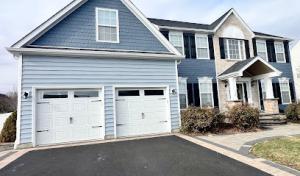
DB Home Remodeling Solutions - Townsend, DE.
(800) 426-9612 dbexteriors.com
Serving
5.0 from 83 reviews
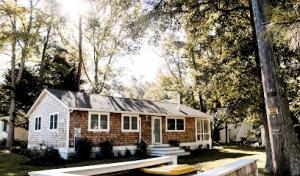
In Smyrna, repeated winter freeze-thaw cycles can widen small defects around flashing, exposed fasteners, and roof penetrations that may not leak noticeably until spring rains arrive. Those micro-cracks or loosened sealant spots often start invisible to the eye, but after a few cycles they can become slow leaks or wind-driven gaps. The takeaway is to pay attention to areas where metal flashing meets shingles, around dormers, vents, and chimneys, and to check for hairline lifted edges after the coldest snaps. A cautious homeowner will note any dampness on ceilings near corners after a thaw and plan a targeted inspection before the next freeze.
Warm, humid Delaware summers increase the importance of attic ventilation because trapped moisture and heat can shorten roof life and worsen shingle wear. When the attic runs hot, adhesive seals dry out and shingles become brittle sooner, especially under attic penetrations and near ridge lines. The result can be accelerated aging, premature granule loss, and more rapid onset of curling or buckling on darker asphalt or composite products. Prioritize a balanced, unobstructed attic venting path and consider adding soffit and ridge vents if the airflow feels insufficient on long or steep roofs.
The local inspection emphasis on ventilation and flashing reflects the fact that these details are common failure points under central Delaware weather conditions. Regular, seasonally timed checks should focus on flashing seams around skylights, vent stacks, and transitions to gutters. Look for pulled caulk, rust stains, or dried sealant that needs re-sealing before the next big thaw. If noting any movement or water streaks after wind-driven rain, treat it as a warning sign and address it promptly to protect the roof's structure and interior.
In this town, Delaware insurers commonly assess roof age, material type, and installation quality after storms, so older roofs may face closer scrutiny even when damage is visible. That means a seemingly small leak can trigger a deeper review of what's under the shingles and whether prior work met expected standards. Knowing this helps you set expectations before you file and avoid surprises when the adjuster arrives.
Adjusters in this market may request photos, permit details, and documentation of completed work, making organized records especially important for homeowners replacing a roof after a claim. Start building a file as soon as you notice damage: dated photos from multiple angles, a simple roof plan if you can sketch one, and receipts or contractor notes for any prior repairs. Keep a log of weather events that could have impacted your roof, such as how long a nor'easter persisted or how rapidly rain moved through after a wind event. When you present your claim, you want a concise narrative backed by verifiable evidence rather than memory alone.
Because the regional insurance environment is shaped by recurring wind and hail losses, carrier-specific endorsements can affect whether repair versus replacement is approved. It's common to encounter situations where a single hail strike on a common roof type triggers more stringent review or a preference shift toward full replacement, even if a repair would seem sufficient. Expect conversations about material compatibility, flashing integrity, and previous installation quality. If you anticipate a larger claim, consider having your contractor provide a technical summary that aligns with what the adjuster typically seeks-clear, model-specific details that corroborate the claim's scope.
Skylight-related work is notably active in the Smyrna market, suggesting that leak-prone transitions and curb flashing are a recurring homeowner issue locally. Wind-driven rain from Delaware storm systems can expose weak flashing details around skylights, chimneys, and roof-wall intersections before field shingles fail. In this climate, small gaps become serious fasteners for moisture, especially after a harsh winter or a nor'easter.
During replacement planning, Smyrna inspections that focus on flashing details make these transition areas especially important. Inspectors typically look at curb flashing where the skylight sits, around edge joints, and at the intersection of roof deck and wall. Pay particular attention to intersections where interior stains, musty smells, or peeling paint appear near attic access or ceiling soffits after a wind event. If the skylight is older than a decade, assume sealant degradation and check for loose fasteners.
When replacing a skylight, specify a continuous, integrated flashing system rather than spot patches. Ensure the curb flashing is sealed with a compatible, flexible sealant that remains watertight in freeze-thaw cycles. Use a flashing boot that extends onto both the skylight frame and the surrounding roof plane, with a drip edge that channels water away from the curb. In areas with higher gusts, choose a wind-rated skylight unit and verify that the flashing is mechanically secured to the roof deck with corrosion-resistant fasteners.
After a wind-driven rain event, document any new leaks, wet insulation, or staining at skylight and roof-wall junctions. Take clear photos from interior and exterior angles and note the date and observed wind direction. This evidence supports timely, thorough insurance documentation and helps prioritize flashing repairs during the next inspection cycle.
Find contractors experienced in skylight installation, flashing, and leak repairs to bring natural light into your home.
First State Roofing & Exteriors
(302) 222-4065 www.firststateroofingexteriors.com
202 E Mt Vernon St #1, Smyrna, Delaware
5.0 from 80 reviews
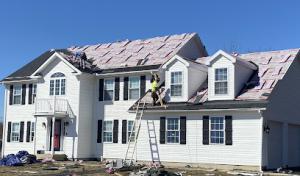
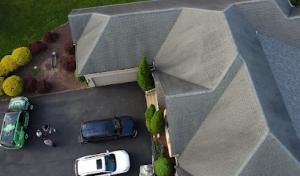
In this market, the mix of local crews leans toward re-roofing rather than niche new-construction work. That alignment matches homeowners who are replacing aging roofs after storms or wear, so look for teams that list a steady track record with re-roofs on typical Smyrna-style homes. You want a crew that understands how wind-driven rain can rattle shingles and flashings, and that treats your project as a plan-to-completion task, not a quick drop-in job.
Cleanup is a strong local hiring signal. Smyrna homeowners clearly value crews that protect landscaping and leave properties free of tear-off debris. Ask about the crew's cleanup process and whether they conduct daily site checks to minimize yard damage and stray nails. A crew that uses ground cloths, magnet sweeps, and wind-proof containment shows they respect the home and neighborhood during every phase of tear-off and install.
Quick response matters after a storm, and long-established family-owned operators tend to be the norm here. Preference goes to crews that can set expectations, show up when contracted, and communicate clearly if weather or material delays occur. You'll notice a difference in a crew that has a local operating presence and a reputation for dependable service over a purely lowest-bid offer.
Ask for recent re-roof cases similar to yours, including photos of storm-affected homes and successful leak prevention outcomes. Request a written scope that covers tear-off, decking inspection, flashing replacement, and shingle installation details. Verify bonding and insurance coverage, and clarify who is the point of contact on site each day. A clear plan with named crew leaders makes the project smoother from tear-off through final walk-through.