
Last updated: Apr 19, 2026
Seminole sits in Pinellas County on the Gulf side of the peninsula, so roof planning must assume tropical storms and hurricane exposure from June through November. That means your roof should be built and maintained with wind resistance and water shedding as non-negotiable priorities. The Gulf breeze carries salt and sand into every edge vent and seam, so corrosion resistance and fast-drying materials matter. When a storm forecast tightens, you're evaluating not just replacement options but long-term resilience against the next strong front, with careful attention to venting, edge protection, and surge points along hips and ridges.
Local project timing is routinely affected by a pattern of summer thunderstorms, heavy rainfall, and high humidity that can interrupt tear-offs and slow drying of roofing components. Plan for delays if a roof is being removed during peak thunderstorm windows or after a heavy rain event that leaves the deck damp. Scheduling should include contingency days for weather-driven holds, with crews able to tarp and seal vulnerable edges quickly to minimize interior exposure. Expect that drying times for underlayment and sheathing can extend beyond typical timelines, especially in the humid season when moisture moves slowly through Florida materials.
Florida's current insurance environment makes wind-related roof documentation and mitigation details especially important after storms. Your roofing project should emphasize high-wind anchors, secure fasteners, and fortified edge barriers. If you're replacing a roof, insist on components rated for higher wind pressures and ensure the installation pattern matches the most stringent local guidance for hurricane zones. Then document those choices meticulously: product types, fastener counts, and attachment methods-because insurers and adjusters will look for evidence of enhanced resilience in the wake of a claim.
Choose materials that hold up to salt spray, frequent rain, and heat. Asphalt shingles with durable adhesive coatings, metal roofs with corrosion-resistant finishes, and concrete or clay tiles designed for Florida wind zones all deserve serious consideration. For a home facing frequent downpours, a roof system should promote rapid drainage and minimal ponding. If a roof replacement is planned in a window with unsettled weather, discuss temporary protection options that keep the deck dry while crews work, so interior spaces don't absorb the season's humidity.
After a storm, the first priority is safe access and rapid leak containment. Ensure you have a trusted local contractor who can assess wind and impact damage quickly, provide a clear scope, and execute prioritized repairs before further rain arrives. The most effective approach blends robust, wind-rated materials with a fast, well-coordinated inspection and documentation process. This combination reduces uncertainty when insurance reviews occur and shortens the path back to a secure, weather-tight roof.
Sebastian-level sea air stings fasteners and shingle edges, and Seminole homeowners know that Florida's hurricane-season realities drive how insurers price and reprice roofs. Insurers may demand thorough documentation of prior roof condition, storm-related damage, and wind-mitigation features before approving or pricing coverage. That means your file isn't just a one-time snapshot; it's an ongoing record that can influence not only a claim but whether a replacement is even considered affordable in the first place. If a roof hasn't aged gracefully against salt spray and heavy rains, those gaps show up in the paperwork and can slow or complicate a repair path.
Because re-inspections are a real possibility when wind-mmitigation elements or structural work are involved, keeping permit records, inspection approvals, and photo documentation together is critical. This city's housing stock often blends decades of upgrades with newer touches, so a thorough trail helps demonstrate resilience and compliance in the eyes of adjusters. Your files should show visible wear-and-tear, prior patchwork, and the exact locations where wind-rated features exist on the roof. When a claim comes, you'll want a clear timeline: what was damaged, when the damage occurred, and what mitigation steps were already in place. A clean chronicle can shave weeks off a review and prevent a denial based on missing context.
The volatile homeowners insurance market in Florida has led to carrier pullbacks and higher premiums, which directly affects whether you repair, replace, or upgrade roofing systems. In Seminole, you'll notice that insurers scrutinize the interplay between wind ratings, shingle or panel compatibility, and existing roof age. When you're contemplating a repair or replacement after a storm, the stronger your wind-mitigation story-photos of upgraded fasteners, secondary water barriers, and compliant nailing patterns-the more your claim stands on solid ground. If a portion of the roof is replaced, be ready for a potential trigger of a re-inspection to confirm the project's impact on wind resistance and overall safety.
Your best defense is a calm, organized kit: dated photos of the roof from multiple angles, notes on observed damage, a log of weather events that coincide with leaks or impacts, and copies of prior inspection approvals. Store this both digitally and in a physical folder you can bring to meetings with your insurer. In Seminole, where salt air and summer downpours complicate every repair choice, a well-kept documentation habit can keep your claims process from sputtering at the worst possible moment.
Connect with contractors who help homeowners navigate the claims process from damage assessment to final approval.
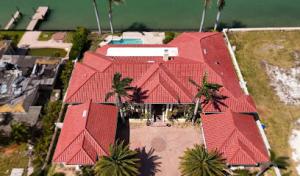
PITCH Roofing
(727) 353-0503 pitchroofing.com
7835 Seminole Blvd, Seminole, Florida
4.8 from 139 reviews
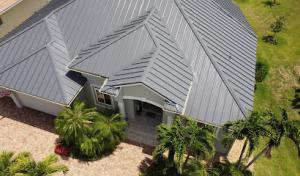
Reroof America Contractors FL
(813) 344-3334 www.reroofamerica.com
8100 Bryan Dairy Rd Suite 100, Seminole, Florida
4.8 from 52 reviews
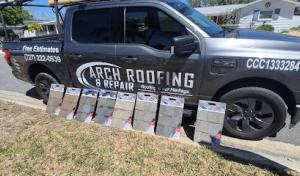
Arch Roofing & Repairs
(727) 222-0939 archroofingrepairs.com
8511 91st Ter N, Seminole, Florida
4.6 from 41 reviews
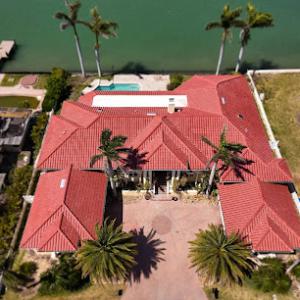
PITCH Roofing
(727) 353-0503 pitchroofing.com
7835 Seminole Blvd, Seminole, Florida
4.8 from 139 reviews
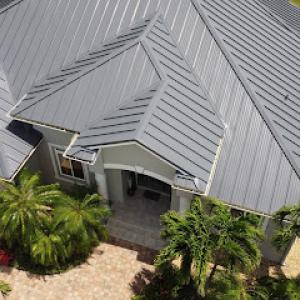
We’re PITCH, a specialized roofing company that means business. Dedicated to doing things the right way, we don’t just build roofs. We build trust. Working hand in hand with our customers, we use transparency, honesty, and reliability to guide you through every step of your project. We’re good that way.
Reroof America Contractors FL
(813) 344-3334 www.reroofamerica.com
8100 Bryan Dairy Rd Suite 100, Seminole, Florida
4.8 from 52 reviews
From Tampa to Clearwater and St. Petersburg, Reroof America delivers roofing, hail damage repair, storm restoration, gutters, siding, and windows. We serve both residential and commercial clients with Florida-approved, hurricane-rated systems. Our licensed team offers full insurance claim support and free inspections. Serving the Tampa Bay area with high-quality, code-compliant roofing solutions designed for Florida’s storm season.
Arch Roofing & Repairs
(727) 222-0939 archroofingrepairs.com
8511 91st Ter N, Seminole, Florida
4.6 from 41 reviews
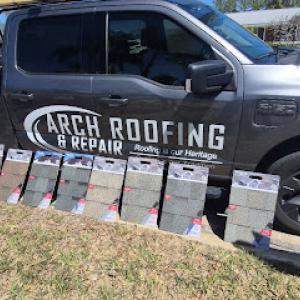
Our mission is to be the premier contractor in Florida, by providing long-lasting value in our products and services, and long-lasting relationships with all of our clients. This has been achieved through professional project management, prompt customer service, the anticipation of any project issues, and high attention to detail. At Arch Roofing & Repair, we will not ask to finalize a job until each client is 100% satisfied with the work. Our core values are built around honesty and integrity. We understand that our reputation and your recommendation are what will carry our company for many more years to come. Give us the opportunity to earn your business, and you will see why we are considered one of the best Roofing Contractors in FL!
All South Professional Roofing
(813) 727-1640 allsouthroofs.com
13033 Park Blvd, Seminole, Florida
4.8 from 16 reviews
All South Professional Roofing is made up of experienced professionals who wanted to provide quality and honest services to the homeowners in our area. Our goal is simple – to take care of our customers, always do right by them, and provide service you won’t hesitate to recommend.
Trust Roofing
(813) 560-2998 www.trustroofing.com
Serving
5.0 from 1355 reviews
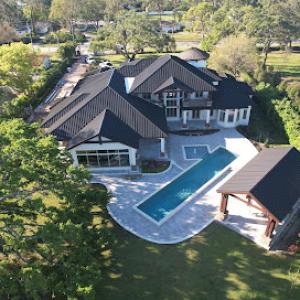
Trust Roofing is a family owned and operated roofing service company. We specialize in commercial roofing as well as all types of residential roofs including shingles, metal, tiles, gutters and all forms of roof repairs. We take immense pride in offering the best in customer experience and quality of work. We also offer great financing options and no job is to big or small! When you call in, you get an experienced team that brings decades of roofing experience to each job. We go above and beyond to ensure you get the best service possible at a great price. We have completed countless roofs to incredible results. Call today or visit our website or our local office in Largo for more information or to schedule a free estimate!
IBEX Roofing
(727) 498-8437 ibexroofing.com
Serving
4.4 from 78 reviews
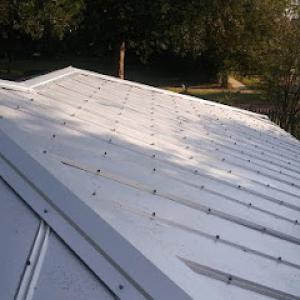
Combining years of experience with a dedication to client satisfaction, IBEX Roofing, LLC has established itself as the local leader in Roofing Companies, Roofing Contractors and Roofers.We offer all phases of residential and commercial roofing. Our portable metal roofing machine manufactures the “TRUE 2” inch standing seam metal roof system. The biggest and baddest roof your money can buy. We also offer custom metal fabrication in our sheet metal shop that works hand in hand with our portable metal machine to provide complete metal roof packages.
Aqua Proof Roofing
(727) 527-8309 www.aquaproofroofing.us
Serving
4.6 from 32 reviews
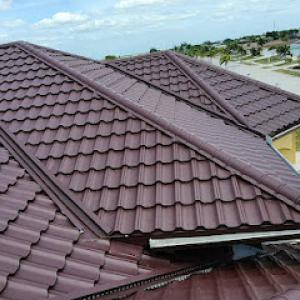
Aqua Proof Roofing: Largo, FL's Trusted Roofers. Your premier roofing Largo Florida experts for residential & commercial needs. Specializing in durable, waterproof solutions, we offer top-tier roof repair Largo, roof replacement Largo FL, and new roof installation Largo. As leading Pinellas County roofers and Tampa Bay roofing contractors, we use advanced techniques & quality materials for superior protection. Count on us for thorough roof inspection Pinellas and exceptional service. Enhance your property’s longevity & appeal. Contact Aqua Proof Roofing in Largo, FL for a free consultation!
Blue Sky Roofing
(727) 205-4413 www.blueskyroofing.com
Serving
4.9 from 225 reviews
Reach for the sky with Blue Sky Roofing, South Florida's premier roofing experts! Specializing in both residential and commercial roofing systems throughout the Bay Area, we're dedicated to providing top-quality craftsmanship and reliable service. Need a new roof or expert gutter solutions? We've got you covered. Meeting deadlines is our priority, and we pride ourselves on clear, detailed estimates delivered within 24 hours. Discover the Blue Sky Roofing difference and experience roofing done right!
RoofSource
(813) 374-0516 roofsourceinc.com
Serving
5.0 from 91 reviews
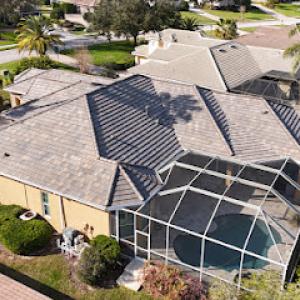
RoofSource, located at 14219 Walsingham Rd Suite 0, is the premier local roofing company you can rely on for top-notch residential and commercial roofing services. Specializing in tile roofing, shingle roofing, metal roofing, and storm damage repair, our team of tile roofing experts and skilled professionals is dedicated to providing comprehensive roof leak repairs and replacements throughout Central Florida. As a trusted roofing contractor, we ensure exceptional craftsmanship and durability. Whether you're searching for "roof companies near me" or need immediate roof repair, RoofSource is here to help with our commitment to quality and customer satisfaction.
Proud American Roofing
(813) 500-2004 proudamericanroof.com
Serving
4.9 from 57 reviews
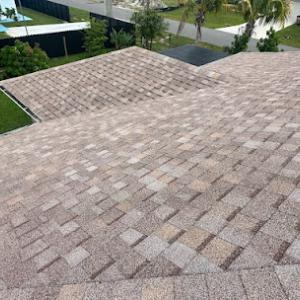
Proud American Roofing is a roofing contractor in Largo serving East, Central and West Florida. Our roofing company offers residential roofing, commercial, roof repair, asphalt shingle roofing, metal roofing and more. Customers love us because of our comprehensive roof warranties and our affordable roof financing options. We also have industry affiliations and certifications such as Tamko and GAF. If you want to experience how your most trusted Largo and Clearwater roofing company embraces our motto “Proud to roof America, one roof at a time. ", call us now for a free estimate!
Duralast Roofing & Construction Largo FL
(727) 584-8400 duralastroofs.com
Serving
4.3 from 88 reviews
At Duralast Roofing and Construction Largo, we are a trusted roofing company in Largo, FL over 35+ years of expertise, serving homeowners and businesses across Seminole, Harbor, Clearwater, Pinellas County, and St. Petersburg. Our skilled roofing contractors provide expert installations, repairs, and replacements, with specialties in durable metal roofing and storm damage repair. Whether you need reliable roofers for maintenance or a complete roof upgrade, our team delivers quality craftsmanship and dependable service you can count on. With a strong commitment to safety, integrity, and customer satisfaction, we proudly stand as one of the top roofing companies in the Largo area and beyond.
Fortress Roofing
(727) 230-8845 fortressroofinginc.com
Serving
4.6 from 42 reviews
Located in Largo, FL, Fortress Roofing has established itself as a trusted and reliable name for both residential and commercial roofing services across the entire Tampa Bay area. Our team of professionals is fully licensed and certified, ensuring we bring a high level of expertise and quality craftsmanship to every project we undertake. Whether you need a brand-new roof installation, timely repairs to address leaks or damage, or routine ongoing maintenance to extend the life of your roof, we have the skills and experience to get the job done right. We pride ourselves on offering a diverse selection of high-quality roofing materials to perfectly suit your property's specific needs, budget, and aesthetic style.
In Seminole, the dominant residential roofing mix includes asphalt shingles, metal roofing, clay tile, concrete tile, wood shingles or shakes, and synthetic or composite shingles. Each system has a distinct strength profile for the Gulf-adjacent climate. Asphalt remains a flexible, quick-dry option for many older homes, while metal offers robust wind resistance and corrosion tolerance when properly installed. Clay and concrete tile shine where sun and humidity challenge other materials, but their weight, fastener needs, and hurricane-season performance require careful planning. Wood shingles or shakes bring a classic look but demand tighter moisture control and more frequent maintenance in this humidity-heavy environment. Synthetic or composite shingles provide a balanced option with easier installation and often good algae resistance, though system choices vary by local contractor.
Seminole's Gulf-adjacent air and persistent humidity make corrosion resistance, fastener performance, and algae or moisture tolerance more important than in inland Florida markets. When evaluating a roof, pay attention to fastener coatings, underlayment choices, and drip-edge details that resist salt spray. A metal roof should use galvalized or aluminum-coated panels with corrosion-resistant fasteners, and sealants around roof penetrations must be rated for coastal exposure. Tile systems benefit from corrosion-resistant fixings and proper grout or set mortar that can handle salt-laden winds. For asphalt and composite shingles, look for long-term algae resistance and laminated designs that hold up under frequent afternoon downpours. In all cases, the orientation of the home matters: ridge accessibility, eave overhangs, and nearby landscaping influence wind-driven moisture paths.
Tile and metal are especially relevant locally because contractor specialization data shows strong market activity in both systems, alongside a still-active asphalt shingle segment. If choosing tile, ensure the roof can support the weight and that battens and fasteners are rated for hurricane-season wind pressures. Concrete tiles often perform well in salt air but require careful spacing and seismic or hurricane-grade installation details. For metal roofs, consider standing-seam profiles with concealed fasteners and a durable coating system designed to resist corrosion and hail. Contractor teams should demonstrate experience with coastal installations, including proper attic ventilation to reduce moisture buildup behind tiles or metal panels.
Maintenance becomes a quarterly habit in a salt-air climate. Inspect after tropical storms for wind uplift around hips and ridges, and check for loose fasteners or damaged sealants. Algae and staining are common on clay, concrete, and asphalt in humid seasons; treat with roof-safe cleaning methods recommended by local pros to avoid harming coatings. If you anticipate insurance or wind-related documentation needs, lean on roof shapes and fastener details that align with typical coastal wind mitigation expectations, and request written confirmations from contractors on wind-resistance features and coating warranties. This practical diligence matters most when replacing or upgrading in a hurricane-season window. Seminal of the climate is the need for sound fastener treatment, corrosion-resistant materials, and installation workmanship that stands up to salt spray and seasonal deluges.
In this market, you should frame local cost expectations around the provided per-square ranges for common materials, with asphalt shingles at the lower end and clay tile at the upper end. For Seminole, typical installed costs run from about 350 to 700 USD per square for asphalt shingles, up to 900 to 1700 USD per square for clay tile, with metal, concrete tile, wood, and synthetic options filling the middle. Heavy tile systems and corrosion-conscious metal choices are common considerations in the local mix, not outliers.
Weather pressure and storm demand can push prices higher after major hurricanes or multi-day downpours. In Seminole, costs can rise after major storms because demand surges across Pinellas County for emergency repairs, full replacements, and inspection scheduling. If your roof is flagged during post-storm assessments, expect scheduling and material lead times to extend, and be prepared for possible price adjustments driven by supply and demand.
Material choice matters more here because heavier tile systems, corrosion-conscious metal options, and synthetic alternatives are all active parts of the local market rather than edge cases. Clay tile sits toward the high end of the spectrum, while asphalt shingles remain the most cost-efficient. Metal options vary by gauge and coating, which influences both upfront cost and long-term resistance to salt spray and humidity. Synthetic or composite shingles offer a middle ground, balancing resilience with cost sensitivity.
A practical replacement plan starts with a critical assessment of your roof's structure and exposure. If your home has older sheathing or mixed roof types, the replacement may involve additional framing or underlayment upgrades to handle heavier tiles or wind-resistant systems. In areas exposed to Gulf winds, consider options with enhanced edge fastening, impact-resistant shingles when feasible, and a layout that minimizes wind uplift. While budgeting, factor in that local material selections and installation schedules can shift costs during storm season, and align expectations with the per-square ranges for Seminole's common materials.
Don't let upfront costs delay a critical repair - these contractors offer payment plans to fit your budget.
Arch Roofing & Repairs
(727) 222-0939 archroofingrepairs.com
8511 91st Ter N, Seminole, Florida
4.6 from 41 reviews
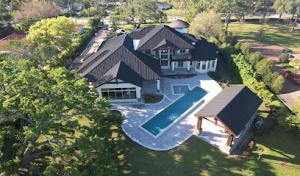
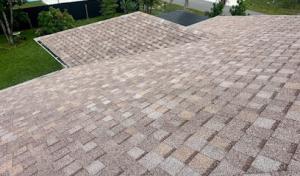
Most full roof replacements in Seminole require a building permit from the City of Seminole Building Department. The process is typically handled by the roofing contractor, who files for the permit on your behalf rather than you submitting the paperwork yourself. When you sign the contract, confirm that the contractor will obtain the permit and manage the submission timeline, including any required plans or documentation. In practice, the city expects accurate project details, including the type of roof, underlayment specifications, and any structural or wind-mitigation work that accompanies the replacement.
As part of the permit cycle, expect a plan review to ensure compliance with local building codes and wind-mmitigation standards relevant to this coastal area. The reviewer may request additional information, such as roof deck attachments, nailing patterns, and product data for approved materials. If your project includes updated wind-mitigation features, make sure the contractor includes those details in the submittal package. Timelines can vary, but having clear product specs and installation methods ready helps prevent delays when the city looks over the project plans.
Inspections commonly occur at key milestones, starting with rough-in during the early framing or roof deck work. This check confirms structural integrity and that the roof structure is prepared to receive underlayment, fastening, and ventilation as designed. A second inspection is typically scheduled after the roof is largely installed and before finishes are completed. Having the roof partially exposed at the time of inspection can help the inspector verify attachment methods, flashing details, and interfaces with existing walls or chimneys. Coordinate timing with your contractor to ensure access for the building official.
A final inspection is required before the permit can be closed. This inspection verifies that all components are properly installed, inspected, and compliant with applicable codes, including any wind-mitigation criteria. If the project involved structural work or wind-mitigation items, re-inspections may be needed to confirm corrections or upgrades were completed to the inspector's satisfaction. Keep in mind that rain or coastal conditions can influence scheduling, so plan for potential weather-related delays and maintain clear access to the roof and interior attic spaces as requested.
Confirm with the contractor that permit numbers, inspection milestones, and corrective-action procedures are documented and accessible. Maintain copies of all permit-related communications, inspection approvals, and any city-issued notices. If a weather event or emergency triggers an expedited assessment, stay in close contact with the contractor and the building department to align on the required steps and timelines.
Flat-roof specialization is meaningfully present in the Seminole market, indicating that low-slope leak and drainage issues are a real local service category rather than a rare exception. The Gulf air, summer downpours, and hurricane-season exposure all conspire to stress the membrane, seams, and edge drains on these systems. When drainage isn't doing its job, even a small amount of standing water can lead to accelerated deterioration, mold growth, and hidden rot that surprises you during a routine inspection.
High humidity and frequent dew cycles can keep moisture in contact with underlayments longer than you expect, especially on low-slope assemblies. Trapped moisture compounds the risk of slow leaks, accelerated rust on metal components, and compromised sealants. In a coastal Florida climate, that moisture lingers, which means problems don't always show up on the first sunny day. A neglected drainage path invites staining, soft spots, and the kind of interior damage that can blow through a dry-out budget in a hurry.
Focus on the primary drainage paths first. Inspect scuppers, parapet gutters, and any interior downspout connections for blockages, rust, or crushed sections. Seasonal rains tend to push debris toward these outlets, so clear them after heavy storms or during a routine spring check. Watch for surface ponding after a rain and note whether water drains within a reasonable period. On low-slope roofs, even small elevations from debris or coarse granules can create standing water that invites longer-term trouble.
If you notice persistent ponding, sudden changes in the roof feel underfoot, or a pattern of damp spots along edges after rain, a qualified roofer should assess drainage performance and potential membrane or flashing issues. Given the coastal, humid environment, an inspection that includes a moisture scan of the underside of the decking can reveal hidden trouble before it becomes a visible leak. Early action protects the structure and saves on more extensive repairs down the line.
Find specialists in TPO, EPDM, and built-up flat roofing systems for residential and commercial properties.
Arch Roofing & Repairs
(727) 222-0939 archroofingrepairs.com
8511 91st Ter N, Seminole, Florida
4.6 from 41 reviews
Duralast Roofing & Construction Largo FL
(727) 584-8400 duralastroofs.com
Serving
4.3 from 88 reviews
Skylights and solar penetrations show up frequently in Seminole contractor data, and that means a homeowner should plan for them when any roof work is on the schedule. The combination of salt-soaked Gulf air, heavy summer downpours, and hurricane exposure makes penetrations a primary source of leaks if flashing or seals fail. In practical terms, expect that a roof replacement will involve reworking or upgrading existing skylight surrounds and any solar attachments, not merely replacing shingles or tiles.
In Seminole's heavy-rain climate, every penetration requires meticulous flashing and careful sealants. Check the surrounding roof deck for signs of prior flashing repairs, corroded metal, or loose fasteners that create weak points during a storm. When planning repairs, insist on a continuous, integrated flashing plan that ties skylight flanges or curb mounts into the main roof waterproofing system. During hurricane season, increase inspection frequency for signs of wind-driven water intrusion around penetrations after any storm, and have a quick-access plan for temporary protective measures if leaks appear.
Because many local jobs are re-roofing projects rather than standalone additions, penetrations often have to be integrated into the replacement plan rather than designed from scratch. Coordinate with the contractor to reproduce or upgrade curb details, flashing returns, and sealant lines so that skylights and solar mounts sit flush with the new roof surface. If the existing penetrations are aging or mismatched to the new underlayment, consider re-flashing or replacing the entire curb assembly to prevent future leaks. Ensure flashing materials and seals are rated for coastal exposure and compatible with the chosen roof type.
Find contractors experienced in skylight installation, flashing, and leak repairs to bring natural light into your home.
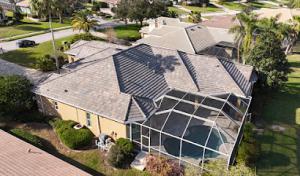
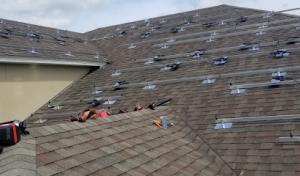
In Seminole, contractor signals show homeowners strongly prioritize quick response and cleanup, which aligns with the storm-driven repair urgency and dense residential re-roofing activity after a hurricane season. When a storm hits, you should expect a local contractor to stage on-site within 24 to 72 hours for a preliminary assessment, weather permitting. A responsive team will document wind-related damage, take photos, and provide a written scope of work within a few days. Cleanup and tarp installation should follow promptly to prevent further interior damage, especially during the Gulf-salt humidity cycle. Ask about storm-tracking communication practices: will the crew call or text updates, and who will be the main point of contact during the claim period?
Warranty offerings are common enough in this market to compare carefully, especially when homeowners are balancing insurance constraints with long-term replacement decisions. Expect workmanship warranties that cover installation defects for several years, and manufacturer warranties on the roofing materials themselves. In practice, read the fine print on what triggers a claim, whether exclusions apply after certain events, and if wind or impact resistance is covered beyond the initial installation. A reliable Seminole contractor will outline whether the warranty remains valid if metal fasteners are exposed to salt air or if concrete or clay tiles are repointed or reseated after a wind event. Clarify transferability to future owners and whether routine maintenance (like cleaning debris or resealing flashing) voids the warranty. Keep a documented record of all communications and post-storm inspections, as this strengthens any future warranty claim.
The local market includes many long-established and family-owned operators, so homeowners are often choosing between speed-focused storm responders and tenure-based residential roofers. A practical approach is to pair a fast, storm-ready contractor for immediate temporary protections with a second, more tenure-focused firm for the long-term replacement work. If speed-focused crews propose a large scope quickly, request a phased plan that details material warranties, installation methods, and a written inspection checklist for the finished roof. For tenure-based roofers, verify their references, past project photos, and whether they consistently coordinate with insurers on documentation and wind-mmitigation-related items. In all cases, insist on a clear line of communication, a written project timeline, and a final walkthrough to confirm that the roof and any associated flashing, gutters, and vents meet your expectations before signing off.