
Last updated: Apr 19, 2026
Deerfield Beach sits on Florida's Atlantic coast in Broward County, where June through November hurricane season strongly shapes roof replacement timing and product selection. When the season pushes storms into your area, the window for upgrading to a wind-ready system narrows quickly. The pressure isn't just on surviving a single storm; it's on creating a roof that minimizes damage during back-to-back wind, rain, and salt-air exposure. Your priorities must start with a roof system that can be inspected and re-secured promptly after a major event, not after the next wave hits. If a storm is forecast, you want to know you can accelerate suppliers, crews, and inspections without sacrificing quality or safety.
Strong seasonal winds in this coastline area demand attachment details that go beyond ordinary fasteners and sealants. Look for a system that uses corrosion-resistant fasteners, higher nailing patterns for sheathing, and engineered clips or straps that help resist uplift. In a high-wind environment, edge securement matters just as much as the center of the roof. Pay close attention to how the ridge, hips, and rakes are fastened, and ensure the roof deck is solidly braced to prevent flutter or shedding under heavy gusts. Ask for a tested nailing schedule and confirm it aligns with the chosen roofing product's wind resistance rating. In a region where tropical downpours arrive with little warning, the underlayment should be premium-grade and continuous, not interrupted by gaps or misfits that can let wind-driven rain seep under the surface.
Because salt air accelerates corrosion, the underlayment and flashing must resist chemical attack while still performing under heat and humidity. Choose a breathable but water-impervious underlayment that can handle thermal expansion and contraction without cracking. Flashings around chimneys, vents, and skylights should be continuous and corrosion-resistant, with properly integrated closures to prevent salt-laden spray from creeping beneath the edges. Edge detailing is critical: counter-flashing, sealed perimeters, and secure drip edges prevent wind-driven water from lifting tiles or shingles. In this coastal climate, you're not just replacing a surface; you're upgrading the entire edge system to stand up to relentless exposure.
With intense sun, humidity, and salt air, material selection becomes a balance between wind resistance and long-term resistance to corrosion and heat aging. Tile products often excel in durability and wind performance when properly installed, but the glazing and coatings must be appropriate for the salty environment. Metal roofs can offer exceptional wind uplift resistance, but coatings must be chosen to resist salt corrosion and heat-induced deterioration. Synthetic or composite shingles can provide favorable weight and UV resistance, yet you'll want to verify their performance in both high winds and coastal humidity. Fiber cement and concrete tiles bring their own strengths, but installation practices and fastener choices determine whether the system stays resilient under Florida's hurricane cycles. Your strategy should favor products with proven coastal performance, paired with an installation method that prioritizes continuous weather barriers and robust edge security.
Review the roof's current attachment and flashing details, then schedule a coastal wind-rated assessment with a contractor who has Florida experience. Demand a wind-resistance-focused installation plan that includes enhanced fastener schedules, corrosion-resistant hardware, and a continuous underlayment system. Confirm edge and ridge details are reinforced to endure tropical gusts. Finally, ensure maintenance habits align with this coastal reality: timely inspections after storms, prompt repairs of any lifting, and proactive treatment of any corrosion-prone components. In this climate, a hurricane-ready roof isn't just about surviving a single event; it's about maintaining a continuous barrier against wind-driven rain, salt, and sun year after year.
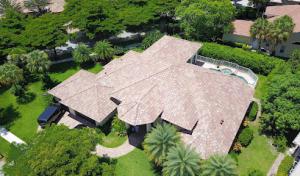
In Deerfield Beach, tile roofing is unusually prominent, matching the prevalence of South Florida Mediterranean-style and coastal residential architecture seen across the area. That mix shapes what works best when you replace a roof: durability against salt spray, wind resistance, and a rhythm of materials that families recognize from nearby neighborhoods. When you plan a hurricane-ready replacement, the goal is to balance weight, fastening method, and long-term performance without losing the curb appeal that coastal houses often rely on.
Concrete and clay tile dominate this market, and that pair of materials brings distinct advantages and responsibilities. Concrete tile offers robust impact resistance and a broad color range, while clay tiles provide a classic, Mediterranean look with proven longevity in hot, salty environments. But weight is a real factor: both concrete and clay are heavier than asphalt or some metal options, so your structure must be capable of handling the load, and fastener patterns should align with the existing deck and retrofit needs. When you choose tile, plan for a proper underlayment and a fastening strategy that resists uplift in high-wind events. Look for interlocking or batten systems that help distribute loads evenly and keep panels from shifting during storms.
Metal panels can deliver quick installation and strong wind performance, but coastal salt exposure wears on flashings, seams, and fasteners over time. Choose metal with a low-porosity coating and consider color systems that resist heat buildup, since this climate favors reflected heat management. If you opt for metal, specify corrosion-resistant fasteners and continuous sealants at all joints. Premium flashings, stainless-steel or hot-dip galvanized components, and reinforced edge details help prevent corrosion from salt spray. For either material, ensure the edge details and hip-and-ridge intersections are designed to shed moisture efficiently-coastal roofs trap salt-laden air and dampness more readily.
Replacement matching matters more here than in inland markets. If replacing tile with tile, maintain consistency in weight class and bonding patterns to avoid overloading any one rafter line. When switching from one tile type to another, preserve the lath or batten spacing and confirm that the deck can handle the redistributed loads. Underlayment should be high-performance and salt-tolerant, with a durable membrane that resists wind-driven rain. Seams, hips, and valleys require attention to prevent water intrusion during heavy storms, so plan for continuous, properly installed flashings and sealants that perform under coastal conditions.
Begin with a roof evaluation that notes current corrosion points on metal components, if present, and the alignment of fasteners with the expected wind loads. Prioritize tile and metal systems with proven coastal performance and supplier warranties that address salt exposure. Finally, ensure the replacement plan accounts for weight, mounting technique, and seamless integration with existing architectural details so the finished roof looks, performs, and lasts as long as possible in this coastal climate.
Find contractors who specialize in clay and concrete tile roofs, known for their durability and curb appeal.
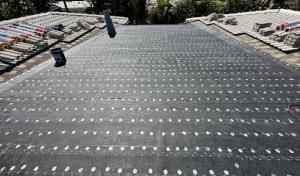
RAINSHIELD ROOFING CORP (Suntek)
(954) 282-9111 www.rainshieldroofing.net
550 NW 39th Terrace, Deerfield Beach, Florida
4.9 from 187 reviews
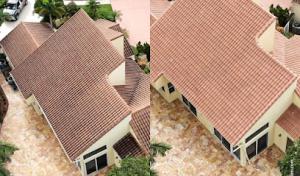
Phoenix Roofing Group
(954) 304-9422 www.phoenix-roof.com
1717 SW 1st Way, Deerfield Beach, Florida
5.0 from 72 reviews
Crest Roofing
(954) 586-5866 www.crestroofingfl.com
250 SW 12th Ave, Deerfield Beach, Florida
5.0 from 62 reviews
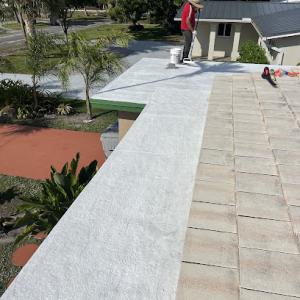
Johns Roofing Services
(954) 406-0990 www.johnsroofingservices.com
801 SE 17th St, Deerfield Beach, Florida
5.0 from 88 reviews
Why choose us? Weather you’re facing issues with leaks, wear and tear or simply looking to replace your roof, our team of experienced professionals is here to assist you every step of the way. Our Services Include: Roof repairs and maintenance. New roof installations. Emergency roofing services. Johns Roofing Services is a highly esteemed roofing contractor recognized for its exceptional roofing services and positive client feedback. Our commitment to excellence has made a significant impact in South Florida for many years. Contact us today to speak with one of our specialists and schedule a free estimate. Thank you for considering Johns Roofing Services. We look forward to the opportunity to serve you with your next roofing project.
RAINSHIELD ROOFING CORP (Suntek)
(954) 282-9111 www.rainshieldroofing.net
550 NW 39th Terrace, Deerfield Beach, Florida
4.9 from 187 reviews
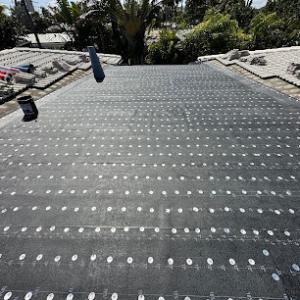
RainShield Roofing (formerly Suntek Roofing) is a family owned roofing company that has built a reputation for excellence through commitment to customer satisfaction and quality workmanship. We are a full service roofing company providing tile roof repairs, shingle roof repairs, flat roof repairs, roof replacements, fascia repairs, skylight installations, and silicone roof waterproofing services. Our team of highly skilled and experienced professionals takes pride in every project we undertake, no matter how big or small. By choosing our roofing company, you can trust that your roofing project will be completed on time, on budget, and to your complete satisfaction. Roofer based out of Deerfield Beach / Boca Raton.
Phoenix Roofing Group
(954) 304-9422 www.phoenix-roof.com
1717 SW 1st Way, Deerfield Beach, Florida
5.0 from 72 reviews
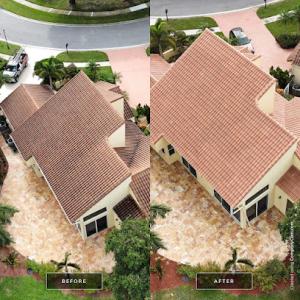
Phoenix Roofing Group, located at 1717 SW 1st Way , Deerfield Beach FL 33441, excels as a top-tier roofing contractor dedicated to serving your needs. Our team specializes in roof repair, roof replacement, and emergency roof repair, ensuring safety and durability for your property. As a leading roofing company near you, we cater to both residential and commercial roofing demands, offering high-quality solutions such as metal roofing and flat roof repair. Trust Phoenix Roofing Group for unparalleled craftsmanship and reliable services. Choose us for all your roofing needs and experience exceptional customer satisfaction. Contact us today!
Crest Roofing
(954) 586-5866 www.crestroofingfl.com
250 SW 12th Ave, Deerfield Beach, Florida
5.0 from 62 reviews
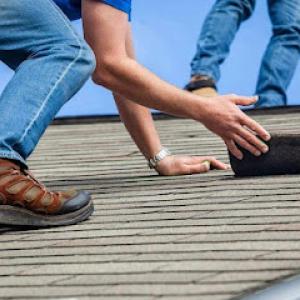
Crest Roofing provides residential and commercial roofing installation, repairs, maintenance, leak detection, and roof inspections in Florida’s Broward, Miami-Dade, and Palm Beach counties.
Qualitech Roofing Services
(754) 326-9233 qualitechroofingservices.com
239 Goolsby Blvd, Deerfield Beach, Florida
4.9 from 72 reviews
At Qualitech Roofing Services, we specialize in professional roofing solutions designed to protect your home or business. From re roofing and complete roof replacement to emergency roof repair and regular roof maintenance, our certified team delivers reliable results every time. We handle residential roofing, commercial roofing, shingle roofing, flat roof repair, and metal roofing services with precision and care. Whether it’s storm damage, roof leak repair, or a full inspection, we provide affordable and high-quality roofing services tailored to your needs. Trust a licensed and local roofing contractor committed to excellence. Contact Qualitech Roofing Services today for your roof estimate!
Weather Recovery Solutions
(954) 999-6600 weatherrecoverysolutions.com
968 S Deerfield Ave, Deerfield Beach, Florida
5.0 from 48 reviews
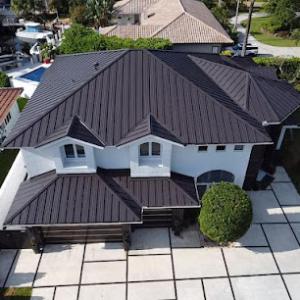
Weather Recovery Solutions is a Veteran-Family Owned Roofing Company with over 20 years of experience, that believes costumer satisfaction is the most important part of the project. We love what we do, and we show it.
Renegade Roofing
(954) 580-5085 www.renegaderoofingco.com
37 NE 1st Terrace E, Deerfield Beach, Florida
4.9 from 93 reviews
Renegade Roofing in Deerfield Beach specializes in professional roof replacement services tailored to South Florida’s climate. From heavy rainstorms to strong coastal winds, homes in the area face unique challenges that require durable and reliable roofing solutions. Our team handles every step of the replacement process with care, ensuring long-lasting protection and improved curb appeal for your property. Whether replacing storm-damaged shingles or upgrading an aging roof, we focus on quality workmanship and local expertise. Homeowners throughout Broward County choose us as trusted roofing contractors dedicated to professionalism, precision, and dependable results.
All Phase Construction USA
(754) 253-5376 www.allphaseconstructionfl.com
590 Goolsby Blvd, Deerfield Beach, Florida
4.8 from 128 reviews
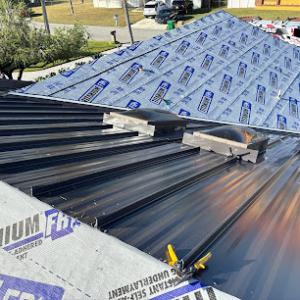
All Phase Construction USA is a dual-licensed roofing and construction contractor headquartered in Deerfield Beach, Florida. We serve residential and commercial clients throughout Broward County and Palm Beach County with roofing systems built for South Florida’s climate and code requirements. Our team works daily in high-wind and coastal environments, coordinating with local inspectors and permitting offices. We specialize in tile, metal, shingle, and flat roofing systems, providing inspections, repairs, and full replacements based on documented conditions. With over 20 years of experience and thousands of completed projects, All Phase Construction USA is trusted for straightforward assessments and code-compliant roofing.
DMA Contracting
440 Federal Hwy Suite 202A, Deerfield Beach, Florida
4.8 from 61 reviews
Got Roof Problems?
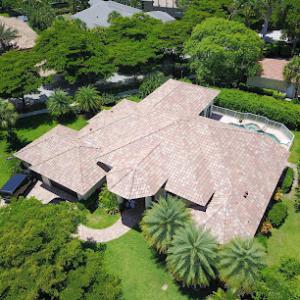
Graboski Roofing & Solar
(561) 726-8528 www.graboskiroofing.com
1071 SW 30th Ave, Deerfield Beach, Florida
4.5 from 176 reviews
Graboski Roofing & Solar, based in Deerfield Beach, FL, provides expert roofing services and solar solutions tailored to South Florida homes. With decades of industry experience, they bring trusted credentials and a proven track record to every project. Their team focuses on quality craftsmanship, long-lasting materials, and energy-efficient solutions built to withstand Florida’s harsh weather. From roof repairs and replacements to innovative solar integrations, they ensure each job is done right the first time. Known for professionalism, reliability, and durable results, they are committed to protecting homes while helping clients save energy and reduce long-term costs.
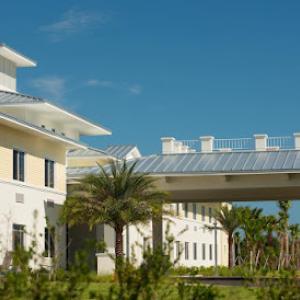
Southern Coast Enterprises
(954) 426-3312 southerncoastenterprises.com
272 NW Eller St, Deerfield Beach, Florida
4.5 from 59 reviews
Southern Coast Enterprises, a family-owned and operated roofing contractor in South Florida for over three decades, excels in tile, metal, shingles, flat roofs, and waterproofing services. They offer comprehensive solutions for both residential and commercial projects, including reroofing, repairs, and new construction. Southern Coast Enterprises is committed to providing high-quality, durable roofing systems tailored to the needs of every customer. Their team of skilled professionals ensures efficient and prompt services, striving for complete customer satisfaction.
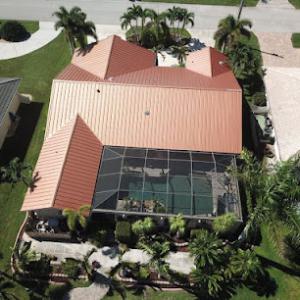
Coastal Roofing & Waterproofing
(844) 730-7663 www.mycoastalroofing.com
10 Fairway Dr #129, Deerfield Beach, Florida
3.9 from 30 reviews
Coastal Roofing and Waterproofing is a properly licensed and insured roofing contractor. We have 3 locations throughout the state and are equipped to respond to any of your roofing needs.
In this coastal mix, you'll commonly compare asphalt shingles at 350 to 650 USD per square, metal at 700 to 1100, clay tile at 750 to 1200, concrete tile at 800 to 1250, synthetic/composite shingles at 450 to 900, and fiber cement shingles at 500 to 950. Those ranges reflect how Deerfield Beach homes balance affordability with coastal durability. If you're replacing a typical two-story residence, you'll size the square footage the same way you would in inland Broward, but expect some premium for wind-rated fasteners and coastal-grade components.
Costs can rise when you opt for coastal-grade fasteners, upgraded underlayment, and wind-focused installation details that are particular to Broward County exposure. A re-roof that prioritizes hurricane resilience often uses reinforced nail patterns, better deck ventilation, and corrosion-resistant metal or coatings on fasteners. These improvements push the price up by a noticeable margin, especially when you choose metal or concrete/clay tile systems. If you expect direct exposure to tropical winds, plan for these add-ons as part of the core budget rather than a later upgrade.
Clay tile and concrete tile offer strong wind performance and long lifespans in this environment, but they come with higher upfront costs and heavier roof loads. Synthetic/composite and fiber cement shingles offer a middle ground, delivering decent wind resistance with lighter weight and moderate price shifts. Asphalt remains the most budget-friendly upfront option, yet you'll want to weigh its performance in salt-spray conditions and potential for quicker replacements after severe events. In practice, a Deerfield Beach home often benefits from a hybrid approach: durable tile where wind exposure is highest, and asphalt or synthetic where the roof plane allows, always aligned with a reliable underlayment and fastener strategy.
Pricing can also move upward after tropical events, when South Florida demand surges for tear-offs, emergency dry-ins, and re-roof crews across Broward County. If a storm event is on the radar, expect contractors to book out weeks to months and to adjust material availability. Planning ahead-selecting a system type and ordering materials before peak season-helps keep costs closer to the base ranges. Build in a contingency for expedited timelines and possible overtime or storm-related crew surcharges, which tend to appear in the wake of a major hurricane or tropical storm along the coast.
Don't let upfront costs delay a critical repair - these contractors offer payment plans to fit your budget.
Qualitech Roofing Services
(754) 326-9233 qualitechroofingservices.com
239 Goolsby Blvd, Deerfield Beach, Florida
4.9 from 72 reviews
Weather Recovery Solutions
(954) 999-6600 weatherrecoverysolutions.com
968 S Deerfield Ave, Deerfield Beach, Florida
5.0 from 48 reviews
In this coastal area, a full re-roof project typically requires a building permit, and most homeowners rely on the roofing contractor to handle the permit pull. That arrangement keeps the process moving and helps ensure the project aligns with local code requirements, wind-resistant standards, and Broward County amendments that are common on storm-prone shores. Expect the contractor to provide the permit application, plan review materials, and any required wind mitigation documentation if applicable. Having the permit in hand before arranging deliveries and staging can prevent delays once the work begins.
Local inspections in this market don't wait until the end of the job to surface. Inspections commonly occur at critical milestones, including underlayment installation, the nailed pattern, ventilation compliance, and the final completion inspection. The underlayment inspection confirms a waterproof, code-compliant layer beneath the finish material, which matters greatly for coastal humidity and salt exposure. The nailed pattern check ensures fasteners and fastener spacing meet current wind-load requirements, a crucial factor for Deerfield Beach's exposure to hurricane winds. A ventilation inspection verifies that ridge vents, soffit vents, and overall attic air flow meet design specifications to prevent moisture buildup and heat-related issues that can compromise the roof deck. The final completion inspection confirms everything is properly installed, flashed, and tied into the home's envelope.
Processing times can vary, so it helps to plan for potential pauses between stages. In this climate, tasks tied to weather windows-like wind mitigation reporting or supplemental documentation for low-slope or tile systems-may influence the schedule. Some projects
may need wind mitigation documentation as part of the local approval or closeout process; having that paperwork ready or requested early can streamline the final steps. Coordination between the contractor, city inspectors, and any required third-party wind- or structural-certifying professionals reduces the likelihood of re-inspections or added delays. Keeping copies of permit cards, inspection approvals, and any corrective work notes in a single file makes it easier to track status and respond quickly if the city requests an update during the course of the project.
In this coastal pocket of Broward, the insurance market moves with the storms. Wind and hail claim activity spikes after tropical storms, and insurer pullbacks can tighten coverage choices on a homeowner's roof. Deerfield Beach homeowners know that a quick decision after a strike is not always met with a simple yes or no from the company. The kept coverage and settlement options can shift as carriers reassess risk, which means the broad choice tree-repair, partial replacement, or full re-roof-might tilt toward options that feel more certain to close a claim quickly. Understanding that dynamic helps when planning ahead for a storm season and discussing scenarios with a local, experienced adjuster or roofing pro who has navigated similar tides.
The sequence of events after a wind event matters almost as much as the damage itself. Lifts, loose shingles, granule loss, and any signs of water intrusion should be photographed promptly from multiple angles. In beachfront-adjacent neighborhoods where salt air accelerates corrosion and tile seams endure repeated exposure, early dry-in work can buy time but it also creates a trackable record you'll want to share with the adjuster. Keep dated notes on when coverings were lifted, when tarps or temporary barriers were placed, and any interior moisture findings. Clear, timestamped documentation reduces back-and-forth and helps establish a credible timeline for repairs.
Adjuster timelines tend to stretch during peak storm periods, and documentation demands can shape whether a homeowner chooses repair, partial replacement, or full re-roofing. When a claim lingers, the risk of secondary damage rises, especially in homes with aging underlayment or old sealing details that struggle against salt spray and hurricane gusts. A prudent approach is to align expectations with your roofing professional about what constitutes a reliable dry-in and what upgrade of underlayment or fasteners might be prudent given coastal exposure. In practice, the path chosen should support long-term resilience against another season's winds, rather than offering a quick patch that could become a repeat claim.
Connect with contractors who help homeowners navigate the claims process from damage assessment to final approval.
Renegade Roofing
(954) 580-5085 www.renegaderoofingco.com
37 NE 1st Terrace E, Deerfield Beach, Florida
4.9 from 93 reviews
All Phase Construction USA
(754) 253-5376 www.allphaseconstructionfl.com
590 Goolsby Blvd, Deerfield Beach, Florida
4.8 from 128 reviews
Graboski Roofing & Solar
(561) 726-8528 www.graboskiroofing.com
1071 SW 30th Ave, Deerfield Beach, Florida
4.5 from 176 reviews
Heavy afternoon summer rain in Deerfield Beach can interrupt tear-off and dry-in schedules, making project timing more volatile than in drier markets. When skies darken and the Gulf breeze shifts, crews may have to pause mid-tear-off to protect exposed decking and new underlayment. Have a rain contingency window in your project calendar, and communicate a clear backup plan with your contractor so work can resume the moment the downpour eases.
The local contractor signal mix shows unusually strong demand for emergency repair and quick response, reflecting how often homeowners need leak control during stormy periods. If a sudden drip appears near a skylight or joint, expect a rapid mobilization, sometimes within hours. Build a priority protocol with your roofer: a dedicated number for urgent leaks, defined triage steps, and a temporary patch plan to bridge the worst of a passing storm.
During hurricane season, temporary protection and rapid response matter because repeated rain bands can turn a small opening into interior damage quickly in South Florida humidity. A proactive approach-covering exposed edges, sealing vents, and buckling roof lines promptly-limits mold risk and interior water intrusion. Keep a stash of high-grade tarps and a dedicated contact list so help can reach you fast when the next band rolls in.
Coordinate staggered start times to align with favorable weather windows, and confirm with your crew who handles emergency leaks during off-hours. If a storm forecast looks aggressive, arrange a short-term protective plan and ensure you're reachable for rapid decisions. You'll reduce exposure and keep the project and your home safer when rain becomes a factor again.
When you can't wait, these contractors offer fast response times to stop leaks and prevent further damage.
Johns Roofing Services
(954) 406-0990 www.johnsroofingservices.com
801 SE 17th St, Deerfield Beach, Florida
5.0 from 88 reviews
Phoenix Roofing Group
(954) 304-9422 www.phoenix-roof.com
1717 SW 1st Way, Deerfield Beach, Florida
5.0 from 72 reviews
Qualitech Roofing Services
(754) 326-9233 qualitechroofingservices.com
239 Goolsby Blvd, Deerfield Beach, Florida
4.9 from 72 reviews
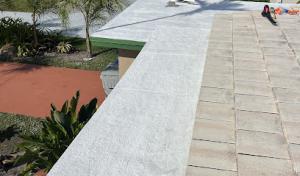
Flat and low-slope roofing has a meaningful presence on commercial buildings, multifamily properties, and some residential additions in this market. The flat sections are common where South Florida-style additions and carports meet the main home, and they need different treatment than pitched ceramic tiles or metal.
Frequent rain and high humidity make drainage performance and ponding-related wear more consequential on low-slope sections. In Deerfield Beach, a slow-draining panel or a blocked scupper can lead to accelerated wear and localized leaks. Plan for a roof system that emphasizes positive drainage, reliable seals at transitions, and clearly defined water outlets. Address potential ponding areas during design, including proper slope, deck coatings, and proper detailing around obstructions.
The local market shows active demand for roof coating services, suggesting restoration is a real consideration for some low-slope roofs instead of immediate full replacement. A reflective, elastomeric or silicone coating can extend life, reduce heat gain, and improve water shedding if the substrate remains sound. Focus on surface preparation, patching loose fasteners, addressing any cracks, and choosing a coating compatible with the existing membrane or substrate. Expect a shorter lifespan than a full replacement, but consider coating when the underlying structure is solid and reroofing is not currently necessary.
If replacement is in the plan, select systems with proven coastal performance. A mechanically attached or fully adhered membrane with reinforced seams can resist wind-driven rain and salt exposure more effectively than older, less sealant-dependent options. In addition, ensure flashings and edge details are designed for high humidity, frequent rain, and potential salt spray at coastal interfaces. For added longevity, pair any flat or low-slope setup with reinforced insulation and a durable topcoat that tolerates UV exposure and heat typical of this climate.
Find specialists in TPO, EPDM, and built-up flat roofing systems for residential and commercial properties.
Johns Roofing Services
(954) 406-0990 www.johnsroofingservices.com
801 SE 17th St, Deerfield Beach, Florida
5.0 from 88 reviews
RAINSHIELD ROOFING CORP (Suntek)
(954) 282-9111 www.rainshieldroofing.net
550 NW 39th Terrace, Deerfield Beach, Florida
4.9 from 187 reviews
Phoenix Roofing Group
(954) 304-9422 www.phoenix-roof.com
1717 SW 1st Way, Deerfield Beach, Florida
5.0 from 72 reviews
In this wind-driven rain environment, penetrations such as skylights and solar attachments need careful flashing and sealing to avoid leak paths during tropical weather. Every step of installation or replacement should anticipate how coastal winds push water toward seams, joints, and fastener zones. A single compromised flashing bead can become a chronic entry point after a pressure-driven shower passes through.
The local contractor market shows enough skylight and solar-roofing activity to make penetration detailing a practical concern for homeowners planning upgrades during re-roofing. When you plan, coordinate flashing material choices, differential movement between roof covers, and the matching of sealants to extreme humidity and heat. Request inspection of existing penetrations and a plan that prioritizes unified treatment rather than piecemeal fixes.
Coastal exposure means hardware and flashing durability around roof penetrations can matter more here than in inland neighborhoods. Stainless steel, marine-grade fasteners, and corrosion-resistant flashing finishes resist salt spray longer, but they require correct installation techniques. Ensure fasteners are sized to resist wind uplift without crushing the surrounding roofing material, and that gaskets remain pliable after heat cycles.
Skylights and solar mounts introduce multiple potential leak paths if not sequenced properly with the roof cover. Avoid dual-layer assemblies that trap moisture or rely on low-grade sealants that degrade under sun exposure. Think in terms of continuous drainage and accessible inspection points so that you can verify seals after heavy rain storms or strong gust events.
Treat penetrations as ongoing maintenance topics rather than one-time fixes. Periodic re-sealing, flashing checks, and rapid attention to any intrusion signs protect the roof deck and underlying sheathing over time. In this climate, a proactive cadence saves more headaches than reactive patching after a storm.
Find contractors experienced in skylight installation, flashing, and leak repairs to bring natural light into your home.
RAINSHIELD ROOFING CORP (Suntek)
(954) 282-9111 www.rainshieldroofing.net
550 NW 39th Terrace, Deerfield Beach, Florida
4.9 from 187 reviews
In Deerfield Beach, workmanship quality has outsized importance because roofs are routinely tested by heat, humidity, salt air, and hurricane-season wind. When a re-roof is on the table after a storm, the balance between warranty coverage and actual on-the-roof performance matters as much as the material choice itself. Look for clarity on what is covered and for how long, especially after a harsh season.
For tile- and metal-heavy projects in this coastal Broward market, homeowners often need clarity on both manufacturer coverage and installer responsibility for flashings, fasteners, and leak callbacks. Manufacturer warranties typically address material defects and finish integrity, but they assume proper installation. Installer warranties should explicitly cover workmanship, including flashings, seepage control, and resealing of penetrations. Ask for both written coverage terms and a timeline that aligns with anticipated heat exposure and salt-air conditions.
Documented post-storm callbacks are a practical safeguard. Require the contractor to commit to a response window for leaks detected after a storm, and request a written protocol for diagnosing and addressing issues without creating new problems. In this market, leak calls often surface after a few hot, humid weeks; a responsive contractor who records and honors these callbacks can save reputational and cosmetic headaches later.
Compare bids not just on the sticker price, but on who stands behind the work after the attic is closed and the horizon bright with sun. Favor contractors that offer a transferable warranty, a clear post-storm service policy, and a detailed scope of work showing who handles flashings, fasteners, and any roof deck repairs. This combination typically yields the most durable, hurricane-ready result for coastal homes.