
Last updated: Apr 19, 2026
Peak hurricane season runs June through November, and the inland Central Florida heat with daily tropical-storm wind and rain events can bite quickly. A roof that looks fine after a storm may still be hiding serious damage just beneath flashing, underlayment, or tile edges. Afternoon storms from May through October can push moisture through even small flashing or underlayment failures, turning a minor leak into active interior damage before a full replacement can be scheduled. Don't wait for a perfect sunny day to inspect-storm-energized vents, ridge lines, and valley flashings can fail in the hours after a storm passes.
If you notice staining, drips, or damp attic insulation after a rain, act fast. Start with a careful interior check: note any ceiling spots, bulges, or new odors that indicate hidden water. On the exterior, look for lifted shingles or tiles, detached flashing, or granule loss at gutters and downspouts. In Lake Mary's climate, fast response is critical because interior leaks can spread through attic spaces and into living areas within days. If leakage is found, keep occupants safe, contain the area, and call a pro to assess the roof promptly. Temporary measures like tarping or plywood can limit further water intrusion, but must be applied with care to avoid creating more damage or injury.
Florida insurers commonly require thorough photo documentation, detailed estimates, and timing records. After a storm, gather clear photos of all affected roof areas: close-ups of damaged shingles, flashing, underlayment, and any exterior signs of water intrusion. Include wide shots showing the roof and surrounding features to establish the extent of damage. Maintain a dated file of notes: when the damage was first observed, when temporary protections were placed, and any communications with adjusters or contractors. Timeline records help demonstrate wind and rain impact patterns and support the claim, particularly in a market where responses are time-sensitive.
A reliable contractor will perform a thorough roof inspection and provide documentation that aligns with insurer expectations. Expect a detailed scope that names affected components, areas of repair or replacement, and the sequence of work. Move quickly on scheduling a reputable assessment, but avoid rushed contracts or vague estimates. Insurers often request independent verification of storm-related damage, so precise measurements, photos, and notes are valuable. In this context, prioritizing safety and accuracy reduces back-and-forth claims delays and sharpens the path to restore protection sooner.
First, protect the interior by stopping further water intrusion as soon as safely possible. Second, document with timestamped photos of all observed damage, both interior and exterior. Third, contact a licensed roofer with experience handling storm claims and who can coordinate with your insurer on the necessary documentation. Fourth, establish a clear plan and a realistic timeline for temporary fixes and permanent replacement, so the house remains protected while you navigate the claim process. In this climate, timely action is the most effective mitigation against progressive water damage and the ensuing headaches of a delayed settlement.
Late fall through early spring is typically the best replacement window in this area because conditions are drier and cooler than the wet-season months. When planning a re-roof, aim for a stretch from November through March to minimize rain interruptions and to keep tear-off and dry-in crews moving without weather setbacks. A clear, steady stretch helps keep underlayment from drying too quickly or getting compromised by heavy dew and nightly humidity swings. If a contractor can align two adjacent homes on the same street into a single tear-off, the crew can maximize the dry spells and reduce overall project time, which matters in this subtropical climate where heat and sudden showers can chew up a schedule.
From May through October, frequent afternoon showers can interrupt tear-off and dry-in scheduling, so crews often need tighter weather windows. That means you should expect shorter daily work blocks and a few contingency days built into the project plan. If a storm front rolls through, tarping and securement become critical to prevent wind uplift on exposed decks or delicate underlayment. In practice, you'll want two things: a reliable crew with a backup plan for late-day rain and a weather-smart sequence that prioritizes deck protection, lath, and the first layers of underlayment during the narrow dry spells. Don't hesitate to coordinate with neighbors on access and staging; minimizing on-street congestion helps the crew keep to tight windows when storms roll in.
Late-spring heat in Central Florida increases sun exposure on roof decks, underlayments, and trim, which can accelerate aging if an already failing roof is left in place. If inspections reveal marginal decking or compromised underlayment, delaying a repair through the hottest weeks can risk faster deterioration. When timing is flexible, schedule a replacement to land right after the peak heat but before the heaviest part of the rainy season, so the roof components can settle and any sealants cure in steadier temperatures. For homes with high-heat exposure, plan for additional sun-shading considerations during tear-off, such as temporary protective barriers or scheduling the most sun-intensive tasks in the early morning.
Coordinate with the contractor to lock in a window that avoids back-to-back storm fronts and respects the property's orientation to prevailing afternoon showers. Start with a thorough roof prep: secure loose gutters, protect landscaping, and confirm that attic ventilation remains adequate during the dry-in phase. If a leak is detected, address it promptly within the chosen window to prevent interior damage from afternoon downpours that can drift across a roof deck, especially when underlayment and flashing are being installed. Finally, ensure a focused post-install inspection that verifies flashing at valleys, vent stacks, and chimneys, since the aftercare in the first few weeks can determine long-term performance in this climate.
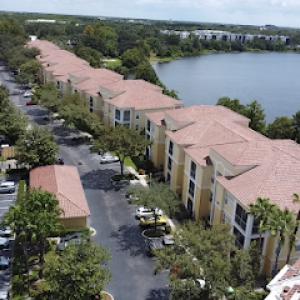
Top Notch Roofing
(321) 299-3591 roofingtopnotch.com
289 Seminole Ave, Lake Mary, Florida
4.9 from 109 reviews
Top Notch Roofing specializes in high-end projects, delivering exceptional craftsmanship and meticulous attention to detail for luxury residential and commercial properties. We use premium materials that enhance both the beauty and durability of our roofs, embracing the challenge of complex designs to provide tailored solutions that match our clients’ visions. With a commitment to quality, safety, and sustainability, we collaborate closely with architects, builders, and homeowners, ensuring that every project is a masterpiece. Experience seamless service and excellence with us as your trusted roofing partner.
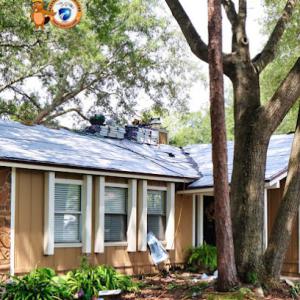
Beaver Home Services
(407) 793-0844 beaverhomeserv.com
600 Rinehart Rd STE 3156, Lake Mary, Florida
4.9 from 63 reviews
Beaver Home Services is a trusted roofing contractor in Lake Mary, FL, providing expert roof inspections, roof repair, roof installation, chimney repairs, gutter installations, maintenance and emergency tarp services. As a leading roofing contractor, we efficiently handle insurance claims, install 75-100 new roofs per month, and specialize in asphalt shingles, metal, tile, and shake roofing. Count on Beaver Home Services for honest estimates and quality workmanship that exceeds expectations.

Roof Pros USA
(407) 831-7663 www.roofprosusa.com
Serving
4.8 from 129 reviews
Roof Pros USA is a leading roofing contractor based in Central Florida, bringing over 19 years of expertise to residential roofing services. Our dedicated team of professionals uses top-quality materials and advanced equipment to deliver exceptional results on every project. We specialize in a comprehensive range of roofing services, including repair, replacement, installation, maintenance, and inspections across various roofing systems like tile, shingle, metal, and flat roofs. Committed to client satisfaction, we offer personalized service, competitive pricing, and reliable workmanship to ensure peace of mind for every customer.
Roof Maxx of Deltona, FL
Serving
5.0 from 171 reviews
Roof Maxx of Deltona provides a cost-effective, environmentally friendly alternative to traditional roof replacement. Our plant-based bio-oil treatment restores the flexibility of asphalt shingles, extending your roof’s life by up to 15 years with three simple treatments. Proudly serving Deltona, Sanford, Volusia, and Seminole Counties, we offer discounts for military, police, firefighters, and seniors. Enjoy peace of mind with our five-year transferable warranty and commitment to protecting both your roof and the environment. Contact us today for a free, no-obligation estimate and see how Roof Maxx can rejuvenate your roof!
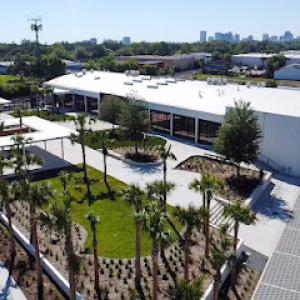
Edge 2 Edge Roofing
(877) 488-3343 www.edge2edgeroofing.com
Serving
5.0 from 152 reviews
Edge 2 Edge Roofing is a family-owned company, with a commitment to delivering a quality product at a fair price, while insisting on superior customer service. Since 2010, we have worked hard to establish and maintain our reputation as Southeast’s premier commercial roofing company. Focusing on the customer is part of our culture. We pride ourselves on running the company with small business service, but with large business capabilities.
Allstate Exteriors & Restoration Services
(321) 529-3402 www.allstateexteriorsinc.com
Serving
4.9 from 61 reviews
Since 2002, Allstate Exteriors has proudly served Sanford, Florida, as a family-owned roofing, siding, and gutter company. Our team delivers quality craftsmanship and personalized service on every project. As an Owens Corning Platinum Preferred Contractor with an A+ BBB rating, we’re committed to protecting and enhancing homes across Central Florida. Call today to schedule your exterior home improvement consultation!
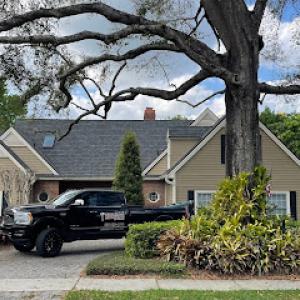
Winter Springs Roofing & Repair
(321) 316-4774 winterspringsroofingandrepair.com
Serving
4.5 from 104 reviews
Winter Springs Roofing & Repair has provided customers quality roofing and chimney services in Orlando, FL since 1983! Our services include tile roof repairs and restoration, chimney repairs and remodeling, skylight installation and replacement, re-roofing projects, carpentry and waterproofing work, and much more for both residential and commercial roofs. With years of previous experience in new home construction and roofing, we are your area leader in evaluating, troubleshooting, and repairing roof-related problems! We are BBB accredited: ST CERT CCC1330777 - ST LIC RC29027154. Call us today for immediate service and see why satisfied Orange and Seminole County clients choose us!
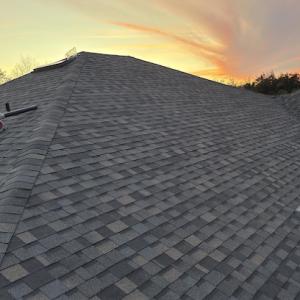
New Standard Roofing Orlando
(407) 512-0144 newstandardroofingorlando.com
Serving
5.0 from 111 reviews
For high-quality roofing services in Orlando, New Standard Roofing Orlando is the best option. As seasoned Florida roofers, we are pleased to provide Orlando and the Central Florida region with superior materials and skilled labor. Stone-coated steel shingles, polymer-modified shingles, and lifetime metal roofing are the areas of expertise for our Orlando roofers. We take care of everything with care and accuracy, from leak repairs and roof repairs to complete roof replacements and new roof installations. Searching for trusted roofers near me? Look no further than New Standard Roofing Orlando—where every roof is built to last and every customer matters.
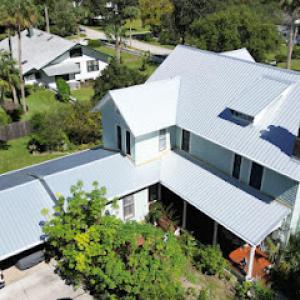
TruGrit Roofing
(407) 772-6942 trugritroofing.com
Serving
4.9 from 65 reviews
TruGrit Roofing is a trusted commercial roofing contractor based in Longwood FL, serving Orlando and surrounding Central Florida areas. We specialize in metal, aluminum, asphalt shingle, tile, torch down, and EPDM roofing systems for warehouses, offices, and industrial buildings. Whether it’s a full roof replacement or a new installation, our team delivers high-quality, Florida code-compliant roofing with fast turnaround and expert craftsmanship.
Raptis Roofing
(321) 444-6484 www.raptisroofing.com
Serving
4.9 from 135 reviews
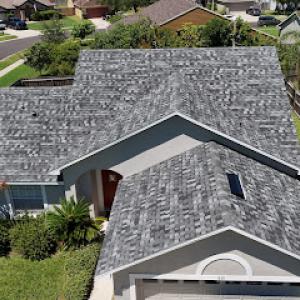
Experience top-notch roofing services with Raptis Roofing! We specialize in quality installations, repairs, and inspections. Trust our skilled team for reliable solutions that prioritize durability and customer satisfaction. Your roof, our expertise – a perfect match for a secure and stylish home
Storm Shield Roofing & Restoration
Serving
5.0 from 43 reviews
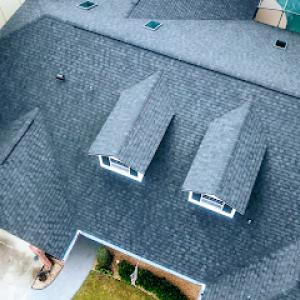
Storm Shield Restoration is a locally owned and operated roofing contractor located in Sanford, FL. We specialize in assisting you with storm damage and insurance claims to help get your insurance carrier to replace your roof if need be. We are here to protect and we cater to all roofing types, delivering unparalleled service and quality. We look forward to serving you and your family. Call us for a free evaluation of your current roof situation and a professional opinion without any obligation or pressured sales approach.
JTO Roofing & Solar
(407) 904-4711 jtoroofingandsolar.com
Serving
4.8 from 113 reviews
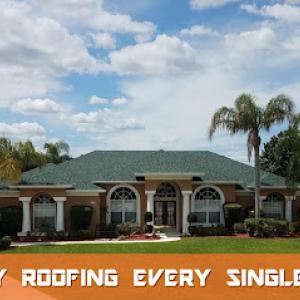
JTO Roofing and Solar is a family owned local roofing & solar contractor in Sanford, FL. We use top quality products both in roofing and solar. We are committed to serving the community where we do business. We are with you every step of the way during the process of installing your roof or solar. We are also there after the install. Since we do roofing and solar if there is ever an issue we just take care of it. We also do repairs and softwash cleaning of your roof and/or panels. Contact us today : (407) 732-7500.
In this suburban Central Florida fabric, the most common replacements you'll see are asphalt shingles, metal roofing, clay tile, synthetic or composite shingles, slate, and EPDM for low-slope sections. Asphalt shingles remain a practical staple for many homes because they balance familiar appearance with straightforward installation. Metal roofing is popular where a longer service life and better wind resistance are valued, especially on homes with modern silhouettes or premium sheathing. Clay tile features prominently on styles that lean toward the Mediterranean and Tuscan influences seen in several Lake Mary neighborhoods, offering distinct curb appeal and a solid track record for heat performance when properly vented. Synthetic or composite shingles provide a robust option that mimics the look of natural materials while often delivering improved impact resistance and lighter weight. Slate, though less common due to higher upfront cost, is still chosen in homes aiming for a timeless, premium aesthetic. EPDM serves a specific niche: low-slope sections where a flexible, durable rubber membrane handles pooled water and long heat exposure without the weight of traditional membranes.
Tile and metal have strong local relevance in this market, reflecting the architectural mix found across suburban Central Florida communities and the demand for wind- and heat-conscious upgrades. Tile offers excellent heat resistance when installed with proper underlayment and drainage, but it requires careful attention to fastener patterns and reliable sealing at edges and penetrations to minimize wind-driven losses during intense storms. Metal roofing, on the other hand, brings outstanding wind performance and quick snowmelt (even if snow isn't a frequent factor here, the trait translates to overall rain shedding). In Lake Mary, metal roofs are often selected for their longer service life and their compatibility with modern or contemporary facades. When considering either material, the underlying roof deck should be prepared to support weight (tile) or the option to install a suitable underlayment system that matches Florida's humidity and temperature swings. The goal is a seamless integration between panels or tiles, flashing details, and a drainage plan that prevents water from pooling on transitional areas or at parapets.
Roofing materials perform best when paired with an underlayment designed for Florida's mix of ultraviolet exposure and frequent heavy rain events. For tile and metal installations, choose an underlayment that resists tearing under wind loads and remains pliable in heat, ensuring a watertight seal at seams and along eaves. Fastening quality matters more here than in many other markets: improper nailing or screwing can lead to wind uplift or water intrusion, especially after a storm that drives debris across the surface. Drainage design is equally critical in residential layouts where roof lines, valleys, and parapets direct water toward gutters and downspouts. A well-thought-out drainage plan reduces the risk of overflows after downpours and minimizes staining or water infiltration at transitions between roofing materials. In areas with coastal humidity and inland heat, these design choices compound the performance of each material, shaping a roof that stands up to both sun and storm.
For low-slope sections, EPDM offers the resilience necessary to resist punctures and puncture-induced leaks during seasonal deluges. While less visible from street level, these areas require meticulous detailing around edge flashings, penetrations, and transitions to steers water away from the structure. In homes that blend different roof typologies, ensuring compatible fastening, overlap, and sealant choices between low-slope and steep-slope portions helps maintain a cohesive, durable roof system that stands up to Lake Mary's weather patterns.
Provided local pricing ranges run about $350 to $700 per square for asphalt shingles, $700 to $1,200 for metal, $1,000 to $2,300 for clay tile, $550 to $900 for synthetic/composite shingles, $1,800 to $3,500 for slate, and $4 to $8 per square foot for EPDM. These figures reflect the mix of suburban homes with varied roof footprints and angles common to the area. A straightforward shingle replacement tends to be on the lower end, while heavier or specialty systems push the total. In practice, the choice of material drives not only the price per square but also the labor rhythm, accessory needs, and the overall install timeline.
In Lake Mary, costs can rise after major storm periods when demand spikes across Seminole County and nearby Central Florida markets, tightening labor and scheduling. When a Saturday afternoon thunderstorm turns into a multi-day wind event, contractors shift from steady schedules to emergency callbacks, and material lead times tighten. If a replacement is triggered by wind or hail damage, expectations should include potential supply delays and a premium on expedited labor. The result is a higher total outlay than quiet-season work, even for the same roof size and material type.
Material choice has an outsized effect locally because tile and metal are both active specialties in this market, and heavier systems can require more labor, accessory work, and longer installation timelines than basic shingle replacements. Clay tile, for instance, adds weight, which can necessitate structural checks and longer rigging on steep or complex rooflines. Metal introduces its own scope, including attic condensation control and precise flashing around vents and chimneys. Synthetic/composite options sit between, offering durability with typically simpler handling than tile. EPDM is common for flat sections or low-slope areas, priced at $4 to $8 per square foot, which can influence decisions on hybrid roof layouts.
To set expectations, estimate the total by multiplying the square footage by the per-square rate for your chosen material, then add for accessories, underlayment upgrades, and any required structural or ventilation enhancements. After a storm, anticipate some premium for rapid scheduling and material access. If the roof covers a mix of shallow and steep sections, or incorporates unusual penetrations, reserve a contingency of 5-15 percent for unexpected labor. A properly documented scope-photos, notes on wind or hail impact, and a clear material spec-helps streamline insurance discussions and contractor coordination during the peak season.
Don't let upfront costs delay a critical repair - these contractors offer payment plans to fit your budget.
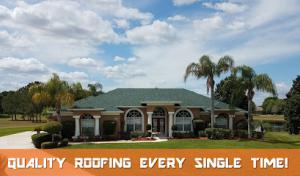
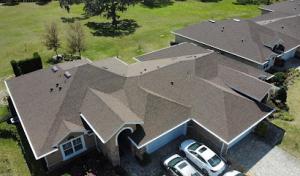
A full roof replacement in Lake Mary requires a building permit issued by the City of Lake Mary. The permit is not a formality; it governs the scope of work, materials, and workmanship to ensure the project aligns with local codes and neighborhood standards. Before any shingle, tile, or metal goes up, a homeowner should verify the permit path with the city's building department, because missing approvals can stall the project or trigger rework. In neighborhoods with mix of tile roofs and metal accents, the permit process also confirms that roof penetrations, venting, and flashing details meet drainage and hurricane-mound standards that Florida homeowners rely on.
The city coordinates roofing inspections, and homeowners should expect at least a tear-off inspection and a final approval before the job is considered complete. The tear-off inspection checks that the old roofing surface has been removed to a clean, structurally sound deck and that any underlying issues, such as damaged sheathing or compromised decking, are addressed before new material is installed. The final inspection confirms that the installed roof meets code requirements, including underlayment, fastener patterns, and wind-resistance ratings appropriate for Central Florida's seasonal storms. In practice, this means scheduling inertia-materials and crews may be ready, but the inspection window can push the start date back if city staff are tied up or technicians arrive with the wrong documentation.
Because scheduling and approval run through the local building department, permit timing can affect start dates and final closeout even when materials and crews are ready. It is common for weather to align poorly with inspection availability, especially during the height of the storm season or after a recent multi-day event. Plan for the possibility that an inspection will require a window rather than a single day, and coordinate a contingency in the project timeline for an additional inspection pass if corrections are needed. Building staff may request a scope change or additional notes if structural concerns are uncovered during tear-off or if certain fastener and flashing details do not meet the latest Florida code amendments.
Keep a centralized folder with all permit numbers, inspection dates, and notify-to-start timelines. Have a clear line of communication with the contractor so that any city-required amendments are addressed promptly. For storm-damaged roofs, retain records of prior wind or hail events and any related insurance correspondence, since the permit and inspection trail often intersects with post-storm claim processing. When the final approval is granted, confirm that the city lien-release or final inspection sticker is filed with the permit record, and store that documentation with the roofing papers for long-term reference.
In the Florida high-claim environment, your roof claim after a big Central Florida storm can quickly become a paper-heavy process. Insurance carriers sharpen their review by demanding thorough documentation, and the Lake Mary homeowner should expect closer scrutiny of photos, timelines, and repair scopes. Storm damage patterns-shingle lifting, flashing failures, and latent leaks-need clear, dated images that show the progression from the initial impact through the repair plan. A careful file that captures every detail strengthens your position when adjusters evaluate the scope of needed work and any post-storm wear that could complicate coverage decisions.
After widespread weather events, adjuster availability can slow claim timelines, and that ripple effect touches final repair or replacement decisions. In practical terms, that means your project may stall while multiple claims are reviewed, estimates compared, and contractor availability is verified. For Lake Mary families juggling work, school, and a shifting storm season, it pays to have a realistic calendar for inspections and possible interim safety steps. Expect longer windows for on-site evaluations, then for the insurer to issue approval or request further documentation before any material work begins.
Assignment-of-benefits concerns have touched roofing claims in Florida, and Lake Mary homeowners should review paperwork carefully and keep their own copies of photos, estimates, and inspection records. Relying on a single copy held by a contractor or an insurer can create misalignment if a dispute arises. Maintain a personal, organized archive that traces every stage: initial damage photos, third-party assessments, claim correspondence, and final repair documentation. This simple practice helps ensure you retain control over your own evidence and can reference exact dates and findings if questions arise during the claim process.
Connect with contractors who help homeowners navigate the claims process from damage assessment to final approval.
Top Notch Roofing
(321) 299-3591 roofingtopnotch.com
289 Seminole Ave, Lake Mary, Florida
4.9 from 109 reviews
Beaver Home Services
(407) 793-0844 beaverhomeserv.com
600 Rinehart Rd STE 3156, Lake Mary, Florida
4.9 from 63 reviews

In Lake Mary, repeated wind-driven rain from summer storms often exposes weaknesses first at flashing transitions, penetrations, and roof-to-wall intersections rather than across the entire field of the roof. Flashing around chimneys, vent pipes, and skylights can curl, lift, or fail where wind shear concentrates. If you notice musty attic smells after a storm, or damp patches near seams, those areas deserve urgent attention before they creep into living spaces.
Penetrations are high-risk spots because fasteners and sealants take the brunt of seasonal humidity and heat. Valleys and step-flash details around chimneys or plumbing stacks can deteriorate faster than the surrounding material when heat cycles are frequent. Inspect these locations after strong storms, looking for hairline cracks, coating peeling, or rust on flashing. Addressing small issues promptly keeps water from tracking along roof seams into the attic.
The interface where the roof meets the wall is a common failure point, especially after heavy rains that pool near soffits or gutter lines. Poor integration of the wall flashing with the roof edge invites water entry at the eave line or along fascia boards. If you see staining along ceilings adjacent to exterior walls, expect that water has found a retreat path through these junctures.
Low-slope sections, attached porch roofs, and similar transitions are locally important because flat-roof specialization is active in this market and these areas often behave differently from the main pitched roof. Water tends to sit or flow irregularly on these surfaces, creating blisters, pooled moisture, or edge leaks that propagate inward if ignored. Regular checks at these zones pay off when summer storms arrive.
On older roofs, prolonged heat and humidity can shorten service life when replacement is delayed after visible wear or minor leak onset. The heat cycles can dry and brittle vulnerable joints, expanding weaknesses during sudden downpours. If minor stains or a few cupped shingles appear, treat them as warning signs rather than cosmetic blemishes. Early repair preserves integrity.
Find specialists in TPO, EPDM, and built-up flat roofing systems for residential and commercial properties.
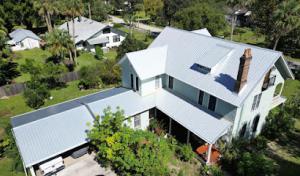
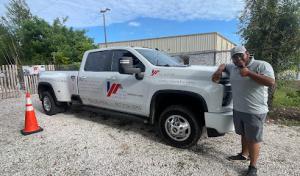
The local contractor pool is heavily weighted toward re-roofing and quick-response service, which matches homeowner demand after leaks and storm events. When a roof shows wind-driven damage or sustained leaks, you'll notice a cluster of bids from nearby outfits that can mobilize rapidly. In practice, that means look for firms that keep crews ready for same-day or next-day tarp work and can outline a clear sequence from inspection to replacement.
Long-established, family-owned, and licensed residential contractors are well represented locally, while manufacturer-certified firms are present but less common. Prioritize a contractor with at least a few years of local projects, a track record of neat, properly treated debris containment, and verifiable references from neighbors who faced similar weather events. A steady team that follows a predictable process tends to minimize on-site disruption and protect your landscaping, driveway, and curb appeal.
Seek a firm that documents a thorough roof inspection, clearly identifies storm-related damage, and can distinguish between repairable issues and full replacement needs. Ask how they handle debris control, edge protection, and daily cleanup-cleanups are a major local hiring signal and a strong predictor of a tidy, responsible jobsite. Confirm they carry proper liability coverage and workers' compensation, and that their crews are trained in wind-driven shingle lift, roof ventilation, and flashing adjustments for Florida storms.
Start with two or three neighborhood references from the last 12 months and request written assessments that outline scope, anticipated timeline, and a documented cleanup plan. Compare response times and ask for a dedicated point of contact who will manage storm-related coordination and insurance communication, so you're not left negotiating with multiple voices during a claim.
When storm damage is suspected, insist on an organized intake that includes photos, a simple damage map, and a proposed replacement schedule. A trusted local roofer will provide a concise, owner-friendly summary that helps you communicate with your insurer and move the project forward without delays.