
Last updated: Apr 19, 2026
Cocoa homeowners plan roofing work around the June-November Atlantic hurricane season because storms and heavy rain can delay tear-offs and expose roof decks to moisture. That window isn't just about rain dates; it's about when a roof can be safely stripped and a new one installed without leaving the deck exposed to salt air, humidity, and sudden wind shifts. When a storm threat rises, consider staging the project so critical phases-like decking inspection, underlayment, and final protection-are sequenced to minimize open roof exposures. If a storm enters the forecast, a proactive plan with your contractor reduces the odds of a rushed, error-prone re-roof attempt after a gusty event.
In this Brevard County market, storm damage and emergency repair are unusually prevalent contractor specialties, reflecting how often homeowners need rapid tarping and post-storm assessment. The priority after any hail, wind, or driving rain is to secure the roof quickly. A durable tarping solution that resists wind uplift and can be installed in damp conditions buys critical time to evaluate underlying structure, identify hidden moisture, and prevent further interior damage. Post-storm assessments should document all affected components, from fascia and soffits to attic insulation and decking, because those notes feed into insurance discussions and the scope of replacement. If a storm hits, don't delay a professional inspection-early capture of damage prevents misinterpretation later and supports a more accurate restoration plan.
Florida wind-resistance requirements shape replacement timing after storm damage because older roofs may trigger more extensive code-related upgrades during a full re-roof. A roof with a history of wind-related failures, insufficient nailing patterns, or marginal underlayment might move from repair to full replacement sooner than expected. The exact timing hinges on how the existing shingles, underlayment, and flashing integrate with current wind standards. When the technician uncovers recurring vulnerabilities-such as valley leakage, improper nail placement, or degraded decking due to prior moisture-accepting a full re-roof during the same visit can save multiple callbacks and reduce risk during future storms. The goal is to align replacement with the strongest, most durable configuration allowed by the code, rather than patching around aging, wind-prone components.
Begin with a pre-season readiness check that targets coastal humidity and salt exposure. Inspect near the edges, eaves, and penetrations where moisture tends to accumulate and corrosion accelerates fast. Build a one- to two-week emergency plan with your contractor for sudden storm threats: identify preferred tarping methods, stockpile fasteners and flashing materials, and confirm emergency contact times for after-hours inquiries. When a storm warning circulates, confirm that temporary protections are in place and that any quick repairs are documented for insurance purposes, including photos that show before and after conditions. Post-storm, prioritize a thorough roof deck inspection to verify that moisture didn't penetrate unseen seams or battens, which can undermine ventilation and insulation quality.
Choose a contractor who has proven experience with hurricane-driven timing and rapid response. Ask about deployment strategies that minimize deck exposure, and request a plan that details sequencing from tarping to decking inspection to underlayment and final coverings. Clear communication about acceptable install days within the hurricane season reduces the risk of scheduling conflicts caused by weather, accessibility issues, or supply delays. In Cocoa, the right partner understands that timing isn't a luxury-it's a lifesaver for the roof, the attic, and the interior of the home when a storm moves through.
In a setting defined by salt-air and persistent humidity, the corrosion risk for metal components and fasteners rises markedly. Attachments matter more here than inland Florida markets, because every fastener encounter with salt spray and humid air compounds the potential for underlayment and panel fastener corrosion. When you plan a roof that will sit near the waterline or endure sea-breeze winds, choose metal-related hardware and clips rated for coastal conditions, and pair them with corrosion-resistant coatings. The goal is a system that maintains clamping force and seal integrity even after years of exposure to salty air and high humidity. If a retrofit uses any non-coastal-grade fasteners, consider upgrading to a compatible, corrosion-resistant line and verify that all flashing connections are matched to those fasteners for a cohesive, durable attachment.
Hot sun and year-round UV in east-central Florida compress the life expectancy of some asphalt systems compared with cooler climates. In practice, that means shingle selections and installation details should emphasize heat resistance and reflective properties. For asphalt, look for products with UV-stable granules and broad granule film that minimize brittleness and granule loss under sustained sun. Avoid premium assumptions about lifespan without confirming vertical and attic ventilation support; heat buildup under the deck can accelerate aging, especially on roofs with limited overhang or poor attic air exchange. In dense coastal neighborhoods, a well-sealed, properly vented roof deck helps keep shingle temperatures lower, which in turn helps the shingle wear pattern stay even across the field and edges.
Tile and metal are both active specialties locally, matching Cocoa-area demand for materials that perform under wind exposure but require careful installation and compatible accessories. Clay and concrete tiles perform well when fastened with proper underlayment, rigid battens, and wind-rated clips that match the tile profile. In environments with coastal humidity, ensure the chosen tiles have appropriate edge and hip-ridge details to reduce wind-driven infiltration paths. The installer should verify that fasteners, sealants, and flashing are compatible with the tile's weight and expansion characteristics. Because these materials can be heavier, confirm that the roof structure and deck can carry the additional load, and align with a ventilation plan that avoids heat buildup beneath the tile layer.
Cocoa's coastal winds demand attention to wind ratings, edge details, and accessory compatibility. The benefit of choosing a wind-rated roof system is not only improved resistance to gusts but also a clearer path for future maintenance. Pair roof assemblies with high-quality underlayment and flashing that are rated for coastal wind exposure, and ensure ridge and hip terminations are secured with wind-appropriate fasteners. The installation sequence matters: correct underlayment overlap, precise alignment of metal flashing with tile or shingle edges, and careful sealing at penetrations reduce the likelihood of wind-driven leaks. In practice, this translates to a methodical, component-aware approach where every layer is evaluated for its role in wind resilience.
Given the hurricane-driven climate, you want a roof that can be assessed quickly after a storm and documented thoroughly for insurance purposes. Keep a visible, weatherproof record of material choices, fastener types, flashing configurations, and any retrofit updates that address coastal corrosion. A proactive maintenance rhythm-seasonal inspections, targeted repairs on vulnerable seams, and prompt re-sealing around penetrations-helps maintain performance during the region's storm cycles. When considering replacements, prioritize systems with proven coastal performance, clear attachment details, and a track record of resisting corrosion and wind uplift under Cocoa's exposure.
A full re-roof in Cocoa typically requires a building permit administered through Brevard County rather than a city-only roofing process. This distinction matters because county rules, inspections, and review timelines can be different from what a neighborhood contractor might expect. When you begin planning, contact the Brevard County Building Department to confirm the current submittal checklist for your address and the intended roof type. Early clarity about whether wind-resistance compliance or product approvals are required can prevent delays once the project is underway. If the roof type you choose triggers a plan review, secure the necessary documentation before scheduling any work, so the contractor can move forward without back-and-forth hold-ups.
County inspections are conducted at multiple stages, including rough-in and final, so scheduling and passing inspections directly affect project duration. The rough-in phase typically happens after roof decking and underlayment are installed but before the final shingles or tiles are laid. A hiccup at this stage-whether from framing, underlayment integrity, or ventilation details-can push back the entire timeline. The final inspection checks that the installation complies with applicable wind-load requirements, wind-driven rain provisions, and product approvals if relevant. Because Brevard's storm-exposure environment adds wind and moisture considerations, a timely inspection cadence often reduces the chance of rework. Plan ahead for potential weather-related delays and coordinate with the county inspector about the preferred inspection window given storm season expectations.
Certain roof types may require plan review or added documentation, especially where wind-resistance compliance and product approvals are part of the submittal. If a high-wersatile system-such as enhanced underlayment, anchor attachments, or specific fastener patterns-is planned, you may need to present engineered drawings, manufacturer specifications, or wind-resistance certifications. Keep copies of all product data sheets, installation manuals, and any third-party test results on site. For tile and metal options, verify whether the chosen materials have Brevard-recognized approvals or Florida Building Code endorsements; missing or mismatched documentation can stall the permit approval or trigger resubmittals. Auratized products or new configurations sometimes require additional review, so involve your contractor early in gathering the necessary documentation. This proactive approach helps align the county review with your project schedule, particularly during hurricane season when permitting activity tends to surge.
Given the hurricane-driven climate in the Atlantic exposure zone, timing a re-roof around the typical storm window is prudent. If a hurricane event is forecast, the county will prioritize rapid response permitting to minimize unprotected roofing exposure. Work with a locally familiar contractor who understands both the permit workflow and the hurricane-season scheduling realities. They can help you align the plan review, permit issuance, rough-in, and final inspection windows to reduce downtime between phases. By keeping this coordination tight, you protect your roof investment and improve the odds of a smooth, code-compliant re-roof that stands up to Brevard's unique wind and humidity challenges.
Florida's high storm-claim environment hits Cocoa homeowners directly, with carriers often requesting detailed proof of roof age, warranties, and wind-mitigation-related features. In practice, that means you'll be asked to demonstrate how your roof was built to resist Florida winds, and how long those protections were expected to last. Without solid records, underwriting reviews can stall or lead to weaker claim support. The sequence you build now shapes both post-storm outcomes and renewal conversations later.
The balance between insurability and your material choice is sharpened by wind-related documentation. If a roof uses features such as upgraded underlayment, reinforced fasteners, or impact-rated components, having manufacturer specifications and installation statements ready can tilt insurer decisions in your favor after a storm. Different materials respond differently under wind pressure and salt-laden humidity, so clear documentation about product lines and installation standards matters when a carrier evaluates risk after a loss.
When a storm hits, Cocoa's coastal humidity and Atlantic exposure accelerate wear, corrosion, and fastener degradation. The more you can show about the roof's pre-storm condition, the better the case to recover your investment. Dated photos from multiple angles, a concise timeline of maintenance, and any inspection sign-offs help. If a manufacturer or contractor provided guidance or warranties, keep that paperwork accessible. In practice, your file thread should extend to permit records and any formal wind-mitigation certifications that exist for your roof system, because insurers often request these during claims and when evaluating a policy renewal.
Because insurer availability and renewal terms have tightened in recent years across Florida, Cocoa homeowners often weigh insurability alongside material choice and replacement timing. Expect that carriers may ask for proof of the roof's age, prior claim history, and whether wind-mitigation features were installed to current standards. The sharper your documentation, the smoother the review process, and the less ambiguity there is about when and how a replacement or repair occurred.
Organize a centralized file now: product data sheets, installation manuals, warranty terms, and any periodic inspection notes. Gather photos that show the roof's condition before any storm, and preserve records for any upgrades or repairs. If a wind-mitigation certificate exists, ensure it is current and accessible. If a storm strikes, your prepared archive can shave time from claim processing and support a clearer path toward reinstatement and coverage continuity.
BFARR Contracting
(321) 481-2595 bfarrcontracting.com
310 Brunson Ave Suite 106, Cocoa, Florida
5.0 from 111 reviews
Since 2016, BFARR Contracting has been a trusted leader in roofing, solar, window, and electrical services in the Cocoa, FL area. Our expert team specializes in comprehensive solutions for residential, commercial, and new construction projects. From roof and siding installations to solar panel setups, window replacements, and gutter services, we ensure superior craftsmanship and lasting results. We also offer advanced electrical services, including EV charging station installations, whole-house generators, and electrical panel upgrades to meet all your needs.
Can-Am Roofing & Solar of Florida
(321) 735-7103 www.canamroofingservices.com
340 King St, Cocoa, Florida
4.9 from 175 reviews
Can-Am Roofing is a family owned roof building, repair and replacement company based in Rockledge, FL. We specialize in insurance claims and fighting for the best deal possible for our customers. As a fully licensed, bonded and insured business, we guarantee the best industry practices and standards for each aspect of service, from installation to safety. If your roof has been affected by storm damage, hail damage, tree damage, or any other type of damage give us a call! Our jobs are usually finished in 2-3 business days and are guaranteed to be finished with perfection. We service roofing repairs in the following areas: Rockledge, Cocoa, Cocoa Beach, Melbourne, Titusville, Kissimmee, Palm Bay, Mims, Viera, Port St. John and more!
Eagle Roofing & Construction
(321) 507-4975 eagleroofingofflorida.com
2100 W King St, Cocoa, Florida
4.9 from 86 reviews
Eagle Roofing and Construction, a Cocoa roofing company, is your trusted partner for quality roofing solutions. With 30 years of experience, we specialize in delivering services customized to meet each client's unique needs. Our seasoned roofing mechanics use only high-quality materials, allowing us to offer a 10-year craftsmanship warranty. We pride ourselves on clear communication and accurate proposals, providing detailed estimates to set clear expectations and minimize unexpected costs. From the initial estimate to the final invoice, you can rely on Eagle Roofing and Construction for dependable service and a customer-first approach. Trust us with your roofing needs and experience our dedication to quality and satisfaction.
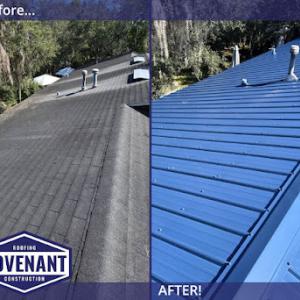
Covenant Roofing & Construction, Inc.® - Cocoa, FL
(321) 321-7719 covenantrooffl.com
823 N Cocoa Blvd, Cocoa, Florida
4.8 from 231 reviews
Covenant Roofing® proudly serves homeowners and business owners of the Cocoa metro area and coastal Central Florida. For more than 35 years, Covenant Roofing® has put the customer first with a deep commitment to honesty, integrity, communication, workmanship and quality. We believe - whether repair, re-roof or new construction - "The Difference Is The Promise."®
RenewPro Roofing & Coatings
(321) 214-4400 www.renewpro.llc
310 Brunson Avenue Suite 102, Cocoa, Florida
4.8 from 198 reviews
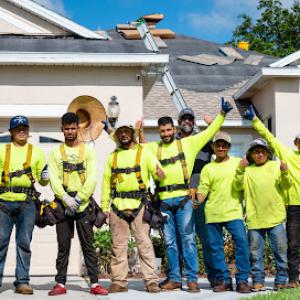
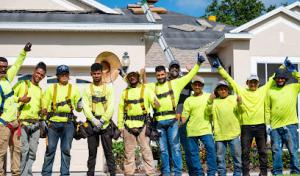
Serving the Space Coast since 2012, RenewPro Roofing and Coatings L:LC tackles residential and commercial roofing needs. Their team of experts boasts over 100 years of combined experience, specializing in repairs from storm damage and complete roof replacements for asphalt, metal, and wood. Contact us today for a free roof inspection.
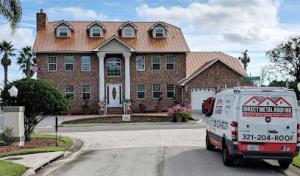
Direct Metal Roofing
(321) 335-0438 directmetalroof.com
3815 N Cocoa Blvd Suite 117, Cocoa, Florida
4.8 from 412 reviews
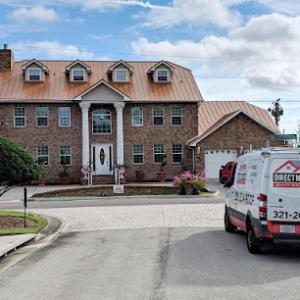
Direct Metal Roofing is a roofing contractor in Cocoa and Titusville, FL serving Titusville Cocoa, Merritt Island, Cape Canaveral and nearby areas. Our roofing company offers residential roofing, commercial roofing, asphalt shingle roofing, metal roofing and more. We also specialize in insulation and gutter installation. Customers love us because of our comprehensive roof warranties and affordable financing options. We also have industry affiliates such as CertainTeed and Owen's Corning. If you want to experience how your most trusted Cocoa and Titusville roofing company embraces our motto "Premium Roofing Without the Premium Price Tag", call us now for a free estimate! LIC: CCC 1336006
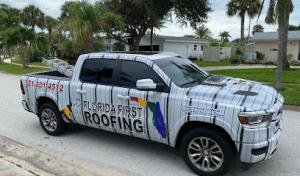
Florida First Roofing
(321) 301-4512 www.floridafirstroofing.com
3815 US-1 unit no. 13, Cocoa, Florida
4.6 from 41 reviews
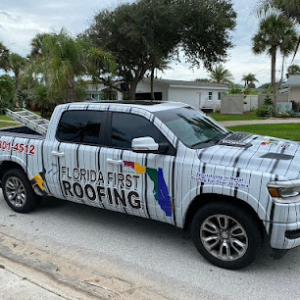
Florida First Roofing offers roofing services throughout the State of Florida. These services include roof inspections, new construction, roof replacement, repair, and design consultation on Metal Roofs, TPO Membrane Roofs, Shingle Roofs, Wood Shake Roofs, Slate Roofs, as well as all roofing systems approved for installation in Florida.
Barfield Contracting & Assoc.
(321) 454-4531 www.barfieldcontracting.com
223 Willard St, Cocoa, Florida
4.0 from 141 reviews
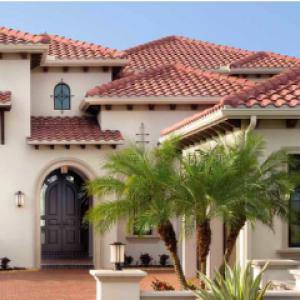
Barfield Contracting and Associates is a state licensed roofing contractor. We service all of Brevard County and Central Florida. Good quality roofing is a vital aspect to any structure. At Barfield Roofing we pride ourselves on our guarantee to provide quality service for all of our customers needs. Our experienced roofers specialize in their respective fields, so our customers will always be provided with the best workmanship. Our work is started in a timely manner and warranties are provided for workmanship and materials when the roofing project is complete. Barfield Contracting offers free estimates for leaks and re-roofs. Barfield Contracting and Associates is a GAF Factory-Certified Master Elite® Roofing Contractor.
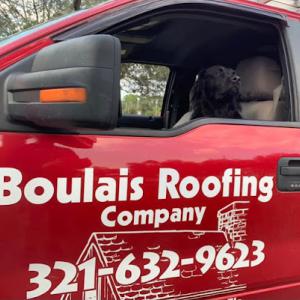
Boulais Roofing
(321) 632-9623 boulaisroofingcompany.com
7149 Carillon Ave, Cocoa, Florida
5.0 from 7 reviews
Roofing Contractor Seamless Gutter Installer Soffit and fascia work
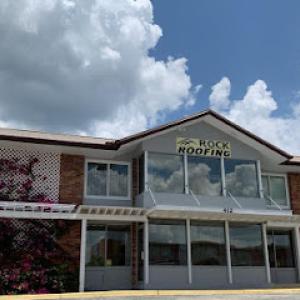
Rock Roofing
(321) 504-6282 www.rockroofing.net
412 High Point Dr, Cocoa, Florida
3.7 from 18 reviews
We are a Cocoa/Brevard local roofing contractor that has revolutionized the way homeowners shop for home improvements. Give us a call and set up an appointment today!
Wiedmann Dennis Roofing Repair & Maintenance
4961 Mango Ave, Cocoa, Florida
5.0 from 2 reviews
State Licensed, Insured, Free Estimates
Launer Roofing
455 Espanol Ave, Cocoa, Florida
3.7 from 3 reviews
30 yrs experienced 17 yrs in business. Roof replacements and repairs Shingle,tile, and flat roofs Offering a 10 year warranty on all installations
In Cocoa, pricing for asphalt shingles runs roughly from 350 to 550 USD per square, depending on the shingle class and installation specifics. Hurricane-season demand spikes can tighten labor availability and extend scheduling, pushing project start times and potentially delaying replacements after a storm. The local market favors asphalt for cost-conscious re-roofs, but the labor window matters: quicker crews during dry weather can save days in a tight storm cycle. Accessory packs like underlayment and starter courses add to the base, and wind-rated varieties may carry a small premium when aiming for Brevard County wind-code performance.
Metal roofs in this area typically run from 700 to 1200 USD per square, with higher-end systems offering better wind resistance and longer service life. The exposed Atlantic humidity accelerates corrosion considerations, so choosing coatings and fasteners suitable for coastal air is practical here. Storm response logistics influence scheduling more for metal than for asphalt, since panel installation and lid-to-eave detailing can require precise sequencing. Labor demands reflect the specialty nature of metal systems, making the install window more sensitive to demand during hurricane season.
Clay tile sits around 900 to 1800 USD per square in Cocoa, depending on profile, weight, and substrate preparation. Tile systems bring coastal aesthetics together with a robust storm-ready profile, but installation requires careful coordination of lattice, battens, and moisture-control details. The market's hurricane-season demand spikes can slow tile crews due to higher overall project complexity and limited tile-handling windows. Accessory requirements and roof-penetration work add to soft costs, especially when ensuring wind-driven uplift performance.
Concrete tile typically ranges from 850 to 1600 USD per square. Locally, concrete tiles offer strong wind performance and mass for heat dissipation, but the heavier weight can necessitate structural checks and potential deck reinforcement. Scheduling can be affected during busy hurricane months, as crews with the right equipment are in high demand across Brevard County. Subtle corrosion considerations from coastal humidity influence fastener choices and coating considerations, adding to soft costs beyond the base material price.
Synthetic or composite shingles run about 500 to 900 USD per square. These options often provide a balanced mix of price, weight, and coastal performance. In Cocoa, the choice can influence installation labor needs and accessorial work, particularly around underlayment compatibility and wind-rated seals. During storm-season peaks, availability of specialized crews can tighten, affecting both timing and overall project cost.
Slate pricing sits between 1000 and 2500 USD per square, reflective of its long-term durability and specialized installation. In a coastal market, slate requires careful fastener selection and moisture control, which can drive labor time up during peak demand periods in hurricane season. While slate can offer a premium sustainment, soft costs tied to wind compliance detailing and documentation may push the overall expense beyond the base material range.
Get a clear picture of your project costs upfront - no commitment required.
Direct Metal Roofing
(321) 335-0438 directmetalroof.com
3815 N Cocoa Blvd Suite 117, Cocoa, Florida
4.8 from 412 reviews
Wiedmann Dennis Roofing Repair & Maintenance
4961 Mango Ave, Cocoa, Florida
5.0 from 2 reviews
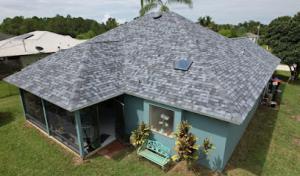
In Cocoa, the combination of flat and low-slope designs with coastal humidity makes drainage and membrane details a recurring challenge. The area's summer storms push water toward the slowest points, and that persistent exposure accelerates wear on elastomeric membranes, seams, and edge details. When a home adds a flat or low-slope section, the risk isn't just a single leak-it's a pattern of moisture that can travel along the deck.
Ponding is the first red flag. If a shallow pool sits for more than a day after a thunderstorm, the membrane buries itself in heat, expands, and can delaminate at fold lines or around penetrations. Flashing weaknesses show up where parapets, skylights, or curb-mounted units meet the membrane; in heavy rain, those joints are the first to ooze water behind the vapor barrier. Penetrations-such as plumbing stacks or HVAC lines-are frequent trouble spots because curb flashings and sealants struggle with expansion and salt-laced air. Skylight penetrations are a distinct specialty; even minor misalignments invite interior moisture that travels along the substrate before pooling becomes visible.
Regular inspections after storms are non-negotiable: look for darkening, blistering, or soft spots that signal moisture behind the membrane. Check drainage channels and scuppers for obstructions that cause runoff to linger. Inspect flashings around the perimeter and at all penetrations for cracked sealant or loose metal. If a flat roof section is under a continuous weather load, plan proactive resealing or membrane reseaming before the next storm season. Pay attention to curb flashings around skylights-these are often the first to require adjustment or replacement to curb leaks before interior damage occurs.
Find specialists in TPO, EPDM, and built-up flat roofing systems for residential and commercial properties.
RenewPro Roofing & Coatings
(321) 214-4400 www.renewpro.llc
310 Brunson Avenue Suite 102, Cocoa, Florida
4.8 from 198 reviews
Florida First Roofing
(321) 301-4512 www.floridafirstroofing.com
3815 US-1 unit no. 13, Cocoa, Florida
4.6 from 41 reviews
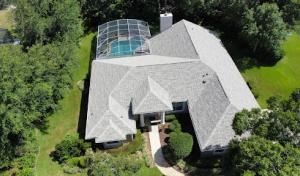
The local market is dominated by re-roofing rather than new construction, so homeowners are usually hiring for replacement logistics, tear-off management, and occupied-home work. Contractors coordinate tarp protection, stage equipment, and material staging to limit disruption when leaks or storms strike. The emphasis is on planning that preserves interior space and keeps occupancy safe while crews work on the roof above.
Cleanup included and quick response are among the strongest signals in this market, reflecting concern about nails, debris, and fast scheduling after leaks or storms. Look for crews that sweep the yard, pocket portable magnets for nails, and use a daily cleanup routine. A project foreman should provide a clear timeline and options for daytime and after-hours access so interior rooms stay dry during a storm season.
Long-established, family-owned, and locally owned firms all have visible presence in the contractor pool, but affordability remains a major hiring factor. You will often see mid-sized crews with established reputations and predictable scheduling windows. Local firms tend to bundle tear-off, disposal, and waste containment into a single package, which helps minimize surprises when storms press a fast timeline.
To hire well, start with a quick damage assessment, verify references from neighbors, and request a written plan for storm readiness, debris cleanup, and occupied-home protection. Communication should be steady: expect weekly updates, same-day responses to urgent leaks, and transparent notes about itemized milestones. The right contractor aligns timing with hurricane-driven urgency and coordinates closely with your insurance carrier to document damage and progress. Also consider storm-damage response policies, on-site safety checks, and how the crew handles occupied-home access, attic venting, and attic insulation concerns. Schedule a post-storm follow-up inspection to verify flashing and gutter connections, and clarify warranty timelines and what triggers coverage in the coastal climate. That clarity saves days and headaches later in Cocoa.
Get a clear picture of your project costs upfront - no commitment required.
Direct Metal Roofing
(321) 335-0438 directmetalroof.com
3815 N Cocoa Blvd Suite 117, Cocoa, Florida
4.8 from 412 reviews
Wiedmann Dennis Roofing Repair & Maintenance
4961 Mango Ave, Cocoa, Florida
5.0 from 2 reviews