
Last updated: Apr 19, 2026
Acworth faces spring hail, high winds, and thunderstorm activity that drag on through summer, not a single short season. That means damage can arrive in waves, sometimes days apart, and roofs that looked fine yesterday can show wear after the next storm. In this climate, securing a fast, accurate assessment and documenting every hit is essential to avoid delayed settlements or denied claims.
Georgia's active storm activity keeps adjuster schedules crowded, especially during peak periods. Expect timelines to stretch when multiple storms roll through. If a hail event hits, you should begin the claims process promptly, even if damage isn't obvious from the ground. Photograph the roof from multiple angles, note any denting, lifted shingles, granule loss, and interior signs of roof deck exposure around attic access. Secure a professional inspection as soon as safely possible to flag issues that aren't obvious from the ground. Quick action helps you lock in accurate estimates before weathering or further storms complicate the damage.
Local contractors often emphasize storm damage and insurance claim help because post-storm assessment is a primary homeowner need. Schedule a certified roof inspector with storm-damage experience, ideally someone who understands common Acworth issues-hail bruising on asphalt, lifted edges from gusty winds, and moisture intrusion from storm-driven leaks. If shingles show curling or missing granules after a storm, treat that as a red flag. Have them document everything in a written report with photos, measurements, and suggested repairs. This report will be your backbone when meeting the adjuster and negotiating settlement.
Create a clear, dated record of all affected areas: exterior roof surfaces, flashings around chimneys or vents, gutters and downspouts, and attic insulation or decking if leaks are present. Save weather reports for the storm dates, and keep a log of all communications with the insurance company, contractors, and any temporary repairs. If temporary tarping or board-ups are needed to prevent further damage, photograph those actions and keep receipts. In a market where post-storm help is actively marketed, use the inspector's objective findings to distinguish legitimate, timely repairs from overestimates. Your goal is to move from assessment to repair as quickly as possible, while ensuring the scope aligns with actual, documented damage.
After the first storm pulse, maintain regular contact with the adjuster and your contractor. If the weather allows, arrange final repairs while the claim is active to minimize the risk of new damage during a subsequent storm. In a city-scape where neighborhoods-whether in the City boundary or Cobb County routes-often face similar threats, staying proactive with timely inspections and precise documentation will keep repair timelines from stretching when the next front comes through.
Find local contractors experienced in assessing and restoring roofs after hail, wind, and severe weather events.
Wright Construction & Roofing
(770) 231-0097 www.wrightroofingllc.com
4391 Commanche Dr, Acworth, Georgia
5.0 from 72 reviews
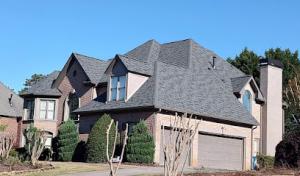
NBS Roofing
(470) 729-0678 www.nbsroofinginc.com
4439 Carnes St, Acworth, Georgia
5.0 from 71 reviews
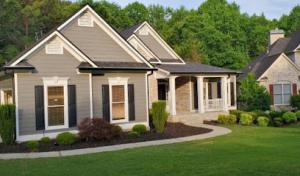
Bravo Company Roofing
(404) 783-5785 www.bravoroof.com
37 Bluestone Ct, Acworth, Georgia
4.9 from 223 reviews
Wright Construction & Roofing
(770) 231-0097 www.wrightroofingllc.com
4391 Commanche Dr, Acworth, Georgia
5.0 from 72 reviews
Wright Construction and Roofing is a trusted, family-owned roofing company based in Acworth, GA, delivering honest, high-quality roof replacements and storm restoration services across a 40-mile radius. With over 45 years of combined construction experience, we specialize in asphalt shingle roofing and storm damage restoration. As a fully licensed Georgia contractor, we handle every project from inspection to completion with personal attention and no pushy sales tactics. Customers work directly with the owner—ensuring clear communication, fair pricing, and reliable results. When it comes to getting your roof done right, count on Wright Construction and Roofing.
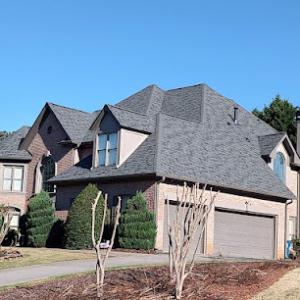
NBS Roofing
(470) 729-0678 www.nbsroofinginc.com
4439 Carnes St, Acworth, Georgia
5.0 from 71 reviews
NBS Roofing, Inc. is your local roofing partner in Metro-Atlanta, North Georgia and Greater Nashville, proudly serving the community with over 50 years of combined experience. Voted Georgia Business Journal’s Best of Georgia in both 2023 and 2024, we specialize in top-quality roof replacements, specialty roof replacements, repairs, and inspections. Our team is committed to educating homeowners, not selling, ensuring transparency and trust every step of the way. Contact NBS Roofing, Inc. today for award-winning service you can rely on!

Bravo Company Roofing
(404) 783-5785 www.bravoroof.com
37 Bluestone Ct, Acworth, Georgia
4.9 from 223 reviews
Looking for reliable roof repairs, replacements, or installations in Acworth, GA? Bravo Company Roofing provides expert roofing services using high-quality asphalt shingles with energy-efficient options. We serve Acworth, Marietta, Kennesaw, Woodstock, and beyond, offering free inspections, storm damage repair, and insurance claim assistance. They are veteran owned and operated. Licensed & Insured, Affordable financing, 5-Star Rated Georgia's most trusted roofing company!
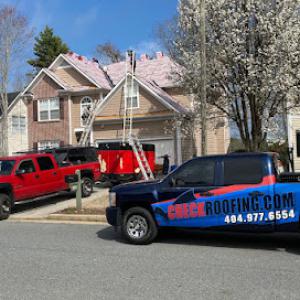
Check Roofing
(404) 334-9938 www.checkroofing.com
4413 S Main St, Acworth, Georgia
4.9 from 114 reviews
Check Roofing is a brick & mortar family business located in the historic district of downtown Acworth, Ga. Servicing the entire Atlanta Metro area, we take pride in supporting the local economy. We are a local roofing company that specializes in Insurance Claim Restoration, offering FREE roof inspections and and no-obligation appointments. All project managers and inspectors in the field are HAAG Certified and have the knowledge and the skills to offer our customers solutions to just about any problem. Whether it's a small roofing repair job or an insurance claim roof replacement project, our experience is what sets us apart from our competitors. Call our office to schedule your free appointment and let us check your roof for free today!
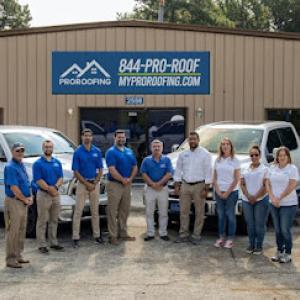
Pro Roofing & Siding
(770) 777-1733 www.myproroofing.com
5333 Bells Ferry Rd, Acworth, Georgia
4.8 from 281 reviews
Pro Roofing & Siding – Trusted Roofing Experts in Metro Atlanta Pro Roofing & Siding is a top-rated roofing company serving Metro Atlanta, including Woodstock, Marietta, Acworth, and surrounding areas. We specialize in roof replacement, roof repair, and roof inspections for residential and commercial properties. In addition to expert roofing services, we provide high-quality siding installation, professional exterior painting, seamless gutters, energy-efficient insulation, and durable window replacements. With over 17 years of industry experience and multiple Consumer’s Choice Awards, we are your go-to contractor for protecting and enhancing your home or business. Contact us today for a free estimate and experience superior craftsmanship...
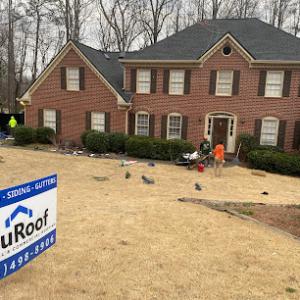
BluRoof
(678) 498-8906 www.bluroof.com
4825 Cobb Pkwy N, Acworth, Georgia
5.0 from 35 reviews
BluRoof has become Atlanta’s top roofing company, serving homeowners and businesses throughout the Metro Atlanta. We offer a wide range of roofing services, from repairs to replacements to insurance claims. We also offer gutter and siding services, so we can take care of your entire home exterior.
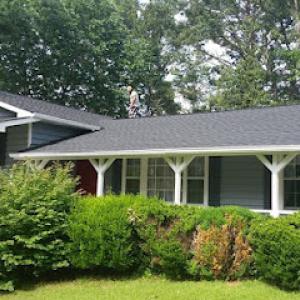
Mancilla Roofing & Construction
(678) 855-1919 mancillaroofing.com
6985 McCurley Rd, Acworth, Georgia
4.9 from 53 reviews
Whether you're re-roofing, adding on, or building your dream home, you can count on Mancilla for all your roofing needs, Replacing, repairing, or constructing your home's roof can be a costly endeavor. Ensure timely completion and affordable pricing from Mancilla Roofing & Construction today, A major home repair like a roof replacement can be stressful. First, it is a big expense. Secondly, this may be your first time dealing with such a situation, and you wonder who you can trust to get the job done right the first time. We understand. At Mancilla Roofing & Construction, we want to make the process stress-free, and enjoyable for our customers. Each project starts with a FREE, no pressure, no obligation consultation in order to find out ...
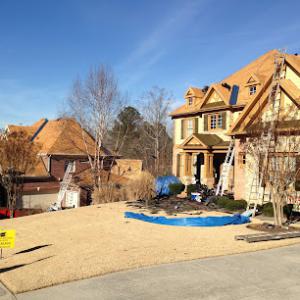
Academy Roofing
(678) 384-7663 academyroofing.co
4463 Cherokee St Suite 200 #3, Acworth, Georgia
4.7 from 194 reviews
Academy Roofing is an award-winning contractor trusted across Atlanta for delivering expert workmanship, honest guidance, and lasting results in the roofing industry.
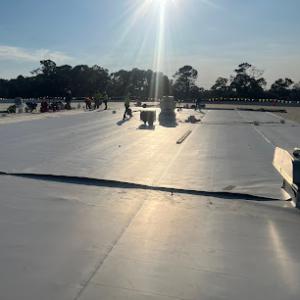
American Commercial Roofing
(800) 674-9535 www.americancommercialroof.com
6460 GA-92 #101, Acworth, Georgia
5.0 from 17 reviews
American Commercial Roofing offers residential roofing repairs, restoration, and replacement options as well as commercial roofing repairs, commercial roofing restoration, and commercial roofing replacements. American Commercial Roofing offers high quality roofing solutions and looks to lead with sustainability top of mind.
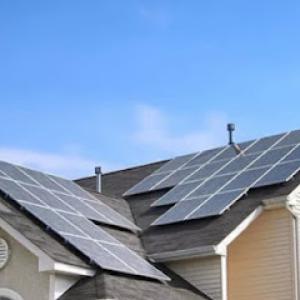
SGR LLC - Solar, Gutters, Roofing
6934 Recreation Ln, Acworth, Georgia
5.0 from 17 reviews
SGR is a Locally, Family Owned Company. We are licensed and insured and work in Georgia, Alabama, Tennessee, South Carolina, and North Carolina. Our Head Quarters are based in Northwest Georgia. We are big enough to get the job done, and small enough to care. We proudly serve our Customers and clients Solar, Gutters & Roofing. We understand that these 3 Components must work together and should be built to last in unison. We service homes that need minor Roof repairs with the same care and service we offer when replacing Huge commercial roofs for our clients. Our Strong Partnerships with Owens Corning, Firestone, Gaco, Byosolar, Sunnova, Sunrun, Ikeco, Kaldrea, Lakeside Homes, and Gutter Tech, has enabled us to be the guide to help our
Noble Roofing & Restoration
5232 E Holiday Ct, Acworth, Georgia
5.0 from 15 reviews
At Noble Roofing and Restoration, our roofing contractors have decades of experience in roofing repair and roofing insurance claims. We have been serving the communities of Acworth, Marietta, Alpharetta, Sandy Springs, Woodstock, Smyrna, Roswell, and Kennesaw for many years. Our installers are both GAF and Owens Corning certified, and we pride ourselves in being roofing insurance claims specialists. In fact, we do so much insurance claim work that we are able to handle all of the paperwork for you from start to finish. In addition to our excellent residential roofing repair and service, we offer up to $1,500 in extraneous exterior repairs to make your roof more sound, like rotten wood replacement. Need roofing work? Call us today!"
Georgia Roof Repair
(770) 899-4282 www.garoofrepair.com
2100 Tycoon Dr, Acworth, Georgia
4.0 from 23 reviews
Roofing
Spring arrives with mild intervals between thunderstorms, which makes it a practical time to schedule a roof replacement. The weather tends to be more forgiving than the deep heat of July, and the longer daylight hours help crews stay on track without the summer rush. For storm-prone neighborhoods, this is when crews can work around the tail end of spring storms and still finish before the heat climbs. Start planning early in the season to lock down dates that avoid heavy rain events, which can slow crews and complicate material handling. If a winter cold snap leaves lingering moisture in the attic or decking, a careful contractor will allow a brief cure period before roof work begins to prevent moisture from seeping into new layers. You'll want to confirm that skylights, vents, and chimneys are protected as the first shingle rows go down, so late-season wind gusts don't disrupt the installation.
Acworth's hot, humid summers accelerate aging in some shingles and make midsummer tear-offs harder to schedule around frequent thunderstorms. If a summer replacement is necessary, target early morning start times to beat the heat and arrange for shaded staging areas on the property. Communicate with the contractor about daily heat limits for workers, and ensure hydration and safety protocols are in place. Plan for possible afternoon pauses when lightning or heavy rain arrives, with a clear contingency for rerouting tarps and securing exposed decking. While asphalt and composite products can tolerate heat, extended sun exposure during installation can affect sealants and fasteners, so confirm that the crew will cover bare sections promptly and seal edges once the weather eases. Expect longer completion windows during peak storm season, and keep trees and property items trimmed back to reduce debris load and wind-driven damage.
Spring and fall are typically the preferred replacement windows here because they avoid peak summer heat and reduce disruption from winter cold snaps. Fall offers cooler, more stable air and fewer storm interruptions than summer, making scheduling more predictable. Permitting a window of dry, non-extreme weather helps the roof go on with fewer pauses for rain or heat stress. Fall also aligns well with material lead times that can extend into late summer; booking early helps ensure the crew has a solid sequence from underlayment to final shingle lay-down before the first cold snap.
Occasional winter cold snaps and rain can pause roofing work in Acworth even though winters are generally mild. If work falls during a cold spell, adhesive and sealant performance can suffer, slowing progress or compromising warranties without proper temperature conditions. Winter storms can trigger mid-project delays, especially when crews need to pause to protect indoor spaces from drafts or to manage ice on ladders and walks. When planning a replacement across seasons, a practical approach is to set a primary window in spring or fall and reserve a back-up date for a brief winter lull, so the project doesn't extend into the peak of the next hot season.
In storm seasons, having a plan for rapid assessment after hail or high wind is essential. Ensure the contractor conducts a health check of the existing roof before a full replacement is scheduled, so they can identify moisture intrusion, torn underlayment, or damaged decking early. Keep a dated storm log and photograph impact points to document the condition for rapid insurance conversations later. Establish a clear line of communication with the crew for temporary tarping or quick repairs to prevent further damage while waiting for dry, calm weather to resume full replacement. This approach helps minimize disruption and reduces the risk of weather-related setbacks.
Asphalt shingles remain a dominant choice in Acworth, and for good reason: they balance value with solid performance in a climate that combines high summer heat, humidity, and frequent thunderstorm activity. In practical terms, the heat and humidity can shorten the life of a roof if ventilation and installation quality are weak. When evaluating asphalt, prioritize shingles with good granule adhesion and a stout sealant. Pair them with a well-designed attic ventilation plan and a roof deck that's dry and properly felted to resist moisture-driven failures after heavy rain events.
Metal roofing is also common locally because it handles repeated rain events well and appeals to homeowners planning for long-term durability in a storm-active market. Metal tends to shed water quickly, which helps during intense downpours, and its resilience against hail is a standout feature in this region. If selecting metal, pay attention to panel gauges, fastener types, and corrosion resistance in coatings that perform well under hot sun. A properly sealed metal system with continuous eave and ridge ventilation reduces heat buildup and minimizes the risk of condensation-related issues inside the attic.
Higher-end materials used in Acworth include clay tile, slate, wood shakes, and synthetic/composite shingles, but their suitability depends on structure, slope, and how the roof handles local storm exposure. Clay tile and slate bring exceptional longevity and a refined look, yet they demand a strong structural support system and careful framing to manage weight. Wood shakes offer character and good performance when treated and installed with proper underlayment, but they require diligent maintenance to prevent moisture absorption and mold in humid periods. Synthetic or composite shingles can provide a balance of durability and lower maintenance, with performance tuned to handle heat and hail resistance.
The combination of Acworth's humidity and heat means attic ventilation is not optional-it's a frontline defense against moisture buildup and peak daytime temperatures that age a roof faster. A well-ventilated attic helps prevent ice damming in shoulder seasons and reduces the overall stress on roofing materials during summer storms. Proper installation quality matters just as much as material choice: even premium products can underperform if nails are set too shallow, improper flashing directs water, or underlayment is misapplied. In storm-prone neighborhoods, a careful inspection of ridge lines, hips, and valley protection contributes to long-term performance and energy efficiency.
Storm exposure in this area often means inspecting after hail, wind, or heavy rain. For asphalt and metal roofs, look for granule loss, denting, loose flashing, or lifted seams, and address concerns promptly to prevent moisture intrusion. With clay, slate, or wood options, monitor for cracked tiles, loose shakes, or degraded sealants around penetrations. Regular maintenance-clear gutters, trim overhanging branches, and verify attic venting-keeps a roof resilient through Acworth's distinctive storm cycle.
The most popular roofing material in the US. Find pros who install, repair, and replace asphalt shingles.
Wright Construction & Roofing
(770) 231-0097 www.wrightroofingllc.com
4391 Commanche Dr, Acworth, Georgia
5.0 from 72 reviews
Bravo Company Roofing
(404) 783-5785 www.bravoroof.com
37 Bluestone Ct, Acworth, Georgia
4.9 from 223 reviews
Check Roofing
(404) 334-9938 www.checkroofing.com
4413 S Main St, Acworth, Georgia
4.9 from 114 reviews
Typical Acworth pricing runs about $350 to $650 per square for asphalt shingles, $700 to $1300 for metal, $1000 to $1900 for clay tile, $600 to $1100 for wood shingles or shakes, $500 to $900 for synthetic/composite shingles, and $1300 to $2800 for slate. In practical terms, a storm-damaged roof that needs full replacement often shows up with a mix of impacted sections and undamaged areas, which can tilt the final bill toward the higher end if roofers are juggling several urgent jobs at once. When hail and high-wind events happen, crews may face tighter windows and shorter task lists, nudging material and labor charges upward even for straightforward re-roofs.
Storm-driven demand spikes in Acworth and the broader Cobb County market can push labor scheduling and pricing upward after hail and wind events. That means a fast turnarounds become harder to lock in, and emergency response windows can push up material carry costs and overtime. If a storm hits during peak season, expect several days of queue before a crew can start, and be prepared for minor price inflations as suppliers adjust to the surge in demand. The practical takeaway is to secure a reliable contractor promptly after the initial claim, but avoid rushing into the cheapest option without verifying work quality and warranty terms.
Costs here also move based on whether the home is inside Acworth city limits or in an unincorporated Cobb County area with a different permit path, plus roof complexity common in suburban re-roofing work. The city corridor often sees slightly steadier scheduling, while the unincorporated areas can experience variable lead times depending on contractor availability and access to preferred suppliers. For budgeting, this means a realistic expectation range should be built in early, with a contingency for minor elevations after severe hail or multi-day wind events.
Roof complexity-valleys, dormers, multiple ridges, and old decking conditions-acts as a multiplier on the base square rate. Clay tile and slate roofs typically carry the highest per-square costs, while asphalt remains the most common and predictable. In neighborhoods with mixed roofing materials, expect crew coordination to influence both schedule and price. A solid evaluation from a local roofer who understands Acworth's summer thunderstorm pattern helps align expectations with actual storm-related needs.
Get a clear picture of your project costs upfront - no commitment required.
NBS Roofing
(470) 729-0678 www.nbsroofinginc.com
4439 Carnes St, Acworth, Georgia
5.0 from 71 reviews
Pro Roofing & Siding
(770) 777-1733 www.myproroofing.com
5333 Bells Ferry Rd, Acworth, Georgia
4.8 from 281 reviews
A full re-roof in Acworth typically requires a permit, and the filing path depends on where the property sits. If the home is inside city limits, the permit goes to the City of Acworth Building Department. If the property sits outside city limits, the permit goes to Cobb County. The distinction matters because the review cycle and the exact submission requirements can differ between the two offices. In neighborhoods where the county handles review, it is common for homeowners to interact with a different set of inspectors and to experience slightly longer timelines during peak storm seasons. Knowing which agency reviews the project from the outset can prevent last-minute delays when the crew is ready to start.
Inspections are typically scheduled at key milestones such as rough-in and final, with the roofing contractor usually coordinating the process. The rough-in inspection focuses on the roof deck, underlayment, and ventilation work, ensuring everything is properly installed before shingles or other coverings go on. The final inspection confirms that everything is complete and up to code, including flashing, venting, and any required eaves or soffit work. Being responsive to an inspector's questions and having documentation ready-like contractor license verification-speeds things up. In high-wind and summer thunderstorm conditions, getting inspections lined up promptly helps avoid weather delays that can push projects past more favorable windows.
Some Acworth-area neighborhoods rely on county review rather than city review, which can influence the timeline and the documentation requested. In either path, proof that the roofer is properly licensed is commonly requested during permitting. It's not unusual for the reviewer to ask for recent project photos, a scope of work, and a material list, so having a clear, written plan available at submission is beneficial. If any neighborhood HOA or county restrictions apply, those rules can intersect with the permit process, so double-checking signage, waste disposal, and staging areas early helps prevent hold-ups once construction begins.
The roofing contractor typically coordinates the permit process, but you still have a role in confirming the correct agency is listed, valid license numbers, and that the plan matches the actual repair or replacement scope. Keep copies of all permit approvals, inspection schedules, and communication with the building department. If any adjustments are requested by inspectors, respond promptly with updated drawings or specifications. Quick, organized documentation minimizes rework and keeps the project moving after a storm, which is essential given Acworth's storm-prone patterns and the short windows for post-storm recovery.
Because Georgia sees frequent storm-related roof claims, you should expect carriers to ask for thorough photo documentation of the old roof before replacement. Take clear, dated pictures from multiple angles-both close-ups of damaged shingles and wide shots of the entire roof line. Include eaves, valleys, chimneys, vent covers, and any metal flashings. If you have attic access, snap a few photos of roof sheathing and any signs of water intrusion or ventilation issues. Insurers increasingly want a complete before-and-after narrative, so your photos should tell the full story of the roof's condition prior to any work.
Adjusters in this market may request material specifications and wind or water mitigation details as part of claim review. Have readily available the roof type, underlayment, and shingle grade, plus any recent wind or hail-related repairs you've had. If your contractor installed additional attic insulation, upgraded underlayment, or added ice-and-water shield in vulnerable areas, document that, along with the dates. A concise written note from the contractor about the roof assembly can speed the process and reduce back-and-forth.
Coverage remains generally available in Acworth, but claim handling can slow during busy storm periods, making early documentation especially important. Start your file as soon as you suspect damage, not after a storm has passed. Keep a log of dates you contacted the insurer, who spoke with you, and what was promised. Store all photographs, repair receipts, and correspondence in a single organized folder. If you do not have immediate access to high-speed imaging, use a phone camera but ensure lighting is adequate and reflections are minimized for accurate detail.
Before meeting an adjuster, review the home exterior for loose shingles, lifted tabs, or granule loss, and note any water stains on ceilings or walls. When possible, provide the adjuster with both a professional assessment and homeowner observations. This combination helps validate the claim and keeps the process on a steady, transparent track.
Connect with contractors who help homeowners navigate the claims process from damage assessment to final approval.
Wright Construction & Roofing
(770) 231-0097 www.wrightroofingllc.com
4391 Commanche Dr, Acworth, Georgia
5.0 from 72 reviews
NBS Roofing
(470) 729-0678 www.nbsroofinginc.com
4439 Carnes St, Acworth, Georgia
5.0 from 71 reviews
Bravo Company Roofing
(404) 783-5785 www.bravoroof.com
37 Bluestone Ct, Acworth, Georgia
4.9 from 223 reviews
Skylights are a common point of water intrusion on local homes, especially when roof lines meet skylight curbs and flashing. After a wind-driven rain or a summer thunderstorm, shingles around the skylight may look intact while flashing beneath the curb is compromised. Start with a careful exterior inspection from ground level and then from a safe ladder angle to verify that the flashing seals along the skylight flange are continuous. Look for hairline gaps, lifting flashing seams, or any signs that the curb is pulling away from the roof deck. Inside, check for staining or damp patches near the skylight interior seal, as this can indicate slow leaks that don't show up right away. If you notice condensation between the panes or damp drywall around the skylight framing, treat it as a high-priority repair target.
Chimney intersections are a frequent source of leakage on older or more complex suburban rooflines in this area. The joint where chimney brick or stonework meets roof shingles is a natural weak spot for flashing, counter-flashing, and mortar deterioration. After strong winds and driving rain, sealant around the chimney step flashing can crack, and counter-flashing can loosen, allowing water to creep down along the chimney-to-roof plane. Inspect the chimney apron and step flashing from the roof if safe to access; from the attic, look for rust-colored or dark damp spots along the joint and any daylight visible through flashing gaps.
After a storm, prioritize any active leaks first by protecting interiors with temporary tarps or buckets, then address flashing failure around skylights and chimneys. When scheduling repair, confirm that flashing materials match existing roof coverings and that counter-flashing behind brickwork is properly integrated. For homeowners contemplating DIY, avoid disturbing shingles adjacent to the skylight or chimney more than necessary; improper resealing can worsen leaks. A local contractor familiar with typical Acworth roofline layouts can offer targeted curb-and-flashing remedies, reduce future leak risk, and coordinate timely follow-ups if storm damage reveals hidden rust or mortar deterioration.
Find contractors experienced in skylight installation, flashing, and leak repairs to bring natural light into your home.
Mancilla Roofing & Construction
(678) 855-1919 mancillaroofing.com
6985 McCurley Rd, Acworth, Georgia
4.9 from 53 reviews
Academy Roofing
(678) 384-7663 academyroofing.co
4463 Cherokee St Suite 200 #3, Acworth, Georgia
4.7 from 194 reviews
American Commercial Roofing
(800) 674-9535 www.americancommercialroof.com
6460 GA-92 #101, Acworth, Georgia
5.0 from 17 reviews