Last updated: Apr 19, 2026
Locust Grove faces a unique mix: spring hail, rapid wind gusts, summer thunderheads, and autumn tropical storm remnants. This isn't a single-threat climate, but a rolling pattern that puts repetitive stress on roofing surfaces. Hail can leave micro-pits and shallow bruising across shingles, while high wind can lift edges or loosen flashing. Summer storms bring driving rain and rapid temperature swings that stress underlayment and attic spaces. When you've watched this pattern unfold over multiple seasons, you recognize that a small ripple on a roof can become a bigger problem quickly if left unchecked.
Georgia claim activity around hail and wind makes documenting roof condition critical. Pre-loss photos, post-loss photos, and detailed contractor estimates carry real weight with insurers here. You'll want clear evidence of prior roof-age, visible hail hits, and any exposed decking or compromised underlayment after a storm. In practice, this means snapping wide-angle shots of entire roof planes, close-ups of displaced or damaged granules, and images of attic ventilation or signs of moisture intrusion. Keep a dated log of each severe event and any contractor notes that reference impact zones, trapped moisture, or warped decking. This approach helps align your claim with the insurer's expectations in this market.
The local contractor signal mix shows storm damage, insurance-claim help, and emergency response as core offerings. When a storm rolls through, you'll see crews that can shift from temporary tarping to full deck restoration, all while coordinating with insurance timelines. Locust Grove homeowners frequently tap into emergency response for immediate protection, followed by damage documentation and a phased repair plan. This pattern isn't a one-off service; it's a recognized cycle that keeps risk down and repairs on track. If you're navigating a claim, choosing a contractor who can deliver rapid assessment, storm-dpecific documentation, and insurer-ready estimates is especially valuable.
Start with a rapid, thorough exterior inspection after every significant storm-look for lifted shingles, torn flashing, and wet spots on the ceiling inside the attic. Photograph damage from multiple angles and note the exact date of the storm. If you suspect decking or underlayment damage, don't wait for a leak to become obvious; schedule a professional assessment promptly to avoid drying-in costs escalating later. When you contact an insurer, provide the pre-loss portfolio you've assembled along with the contractor's detailed estimate and clear roofi ng-age information. Acting quickly and keeping organized documentation can dramatically influence claim outcomes in this market.
Find local contractors experienced in assessing and restoring roofs after hail, wind, and severe weather events.

Build-Tek Construction
(404) 273-9271 www.buildtekga.com
1391 New Hope Rd, Locust Grove, Georgia
5.0 from 187 reviews
Platinum Pro Roofing & Construction
(678) 759-1886 www.platinumproroofing.com
Serving
4.8 from 60 reviews

Build-Tek Construction
(404) 273-9271 www.buildtekga.com
1391 New Hope Rd, Locust Grove, Georgia
5.0 from 187 reviews
At Buildtek Roofing, we provide high-quality roofing, gutter, and exterior services across Georgia. Whether you’re a homeowner needing a roof replacement, a real estate agent needing fast inspections, or a property manager requiring reliable repairs, our licensed and insured team delivers fast, professional, and honest service. - Google Guaranteed -Over 150 5-Star Reviews -Free Roof Inspections & Detailed Reports -Residential & Commercial Roofing Experts Serving McDonough, Locust Grove, Fayetteville, Griffin, Newnan, Senoia, and surrounding areas. With over 20 years of professional experience, customer satisfaction is always our top priority.
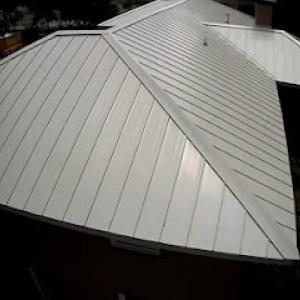
Timeless Tin Metal Roofing
(404) 427-3222 timelesstin.com
Locust Grove, Georgia
5.0 from 4 reviews
We install metal roofs for the residential and commercial market.
Southeastern Roofing & Repairs
4408 GA-42 Suite A, Locust Grove, Georgia
5.0 from 2 reviews
QUALITY ROOFING AND RENOVATIONS AT AN AFFORDABLE PRICE
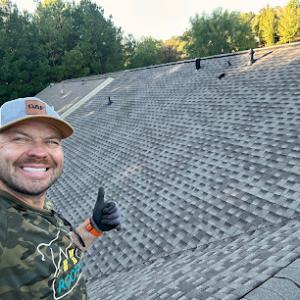
ABM Services & Renovations
(770) 288-2368 www.abmservicesandrenovations.com
Serving
4.8 from 93 reviews
For over 15 years , ABM Services & Renovations has worked to provide exceptional roofing installs in the Metro Atlanta area ! From specialty roofing like slate , wood shake, standing seam metal , porcelain tile & more to traditional asphalt shingles as well as TPO and other Commerical Roofing Products . ABM ( Roofing ) also installs gutter systems , specialty metal like copper gutters , chimney caps and flashing . ABM (Roofing) specializes in new construction , reroofs as well as Insurance Claim Work . Owner , Andy Matyszewski is well known and respected in the industry by General Contractors , Architects , Designers , Homeowners and Manufacturers . ABM is GAF Master Elite Installer & CSSB Certified , & BBB A+
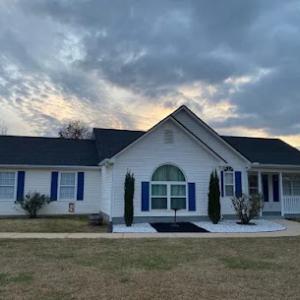
Tiger Roofing
(678) 916-8880 www.tigerroofingpros.com
Serving
5.0 from 85 reviews
Tiger Roofing, based in McDonough, GA, is more than just a roofing company; we’re a family-owned and operated business that believes in merging old-school values with the latest technology. With over 34 years of experience in roofing insurance replacements and an additional 5 years in private roofing replacements, our expertise is second to none. Punctuality and availability are core aspects of our exceptional customer service.
Platinum Pro Roofing & Construction
(678) 759-1886 www.platinumproroofing.com
Serving
4.8 from 60 reviews
We are a locally owned and operated roofing and construction company who have been proudly serving Henry County and surrounding areas since 2010. We are a fully licensed and insured company with 20+ years of experience in roofing, painting, siding, gutters, and other aspects of restoration, both residential and commercial.
Zytek Roofing
(404) 268-1900 zytekroofing.com
Serving
4.8 from 145 reviews
At Zytek Roofing, we take immense pride in being the top-rated local, family-owned roofing contractor located in Mcdonough, GA. We've earned a stellar reputation as insurance claims specialists and stand as a preferred contractor by Owens Corning. We provide exceptional customer service, comprehensive insurance expertise, cutting-edge roofing technology, Zero-Money down, and a stress-free process from claims to installing a new roof. Your home is your sanctuary, and we take that responsibility seriously. Let us protect what matters most to you and choose your locally trusted roofer. Experience the difference that quality, commitment, and community can make!
Absolute Roofing & Gutters
(678) 819-3880 www.absoluterg.com
Serving
4.7 from 14 reviews
At Absolute Roofing and Gutters, we take pride in providing top-quality roofing services to homeowners and businesses in the McDonough area. With years of experience in the industry, our skilled team of roofing professionals is dedicated to delivering reliable and durable roofing solutions. From roof repairs to complete roof replacements, we handle projects of all sizes with precision and attention to detail. Our commitment to using premium materials ensures that your roof withstands the test of time and the elements. In addition to roofing services, we also offer expert gutter installations and repairs to protect your property from water damage and maintain optimal drainage.
Total Roof Solutions
(678) 824-8982 www.totalroofsolutionsllc.com
Serving
4.7 from 107 reviews
Total Roof Solutions is your trusted roofing contractor in McDonough, GA, delivering expert residential and commercial roofing and gutter services to the Atlanta area. Fully licensed, bonded, and insured, we specialize in roof replacements, repairs, and exterior renovations with a focus on quality and customer satisfaction. As an Owens Corning Platinum Preferred Contractor and Trust Dale Certified business with an A+ Better Business Bureau rating, we are committed to providing durable, dependable solutions you can count on.
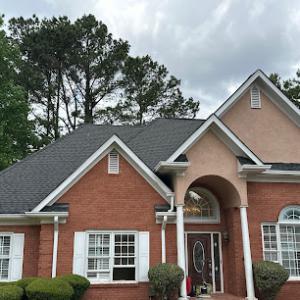
Top Pitch Services
(404) 826-0121 toppitchservice.com
Serving
4.7 from 218 reviews
Top Pitch Services, a construction company serving Georgia, Missouri, and Tennessee, has been dedicated to exceptional craftsmanship and unwavering customer satisfaction for decades. This premier construction company provides a comprehensive range of roofing services, from repairs to new installations and inspections, ensuring that your roof remains in top condition. With a team of experienced professionals committed to providing only the highest quality workmanship, Top Pitch Services is the ideal partner for all your roofing needs.
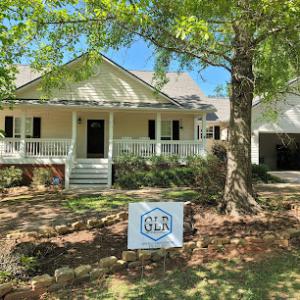
Graceful Living Roofing
(770) 758-6264 www.gracefullivingroofing.com
Serving
4.9 from 32 reviews
Graceful Living Roofing is a roofing contractor that specializes in roof installations, repairs, gutters, and emergency tarp jobs. They also assist with insurance claims. Graceful Living Roofing is committed to providing their customers with the highest quality roofing services at a competitive price. Their team of experienced and certified roofers is dedicated to getting the job done right, on time, and within budget. Graceful Living Roofing is fully licensed and insured, and they offer a satisfaction guarantee on all of their work.
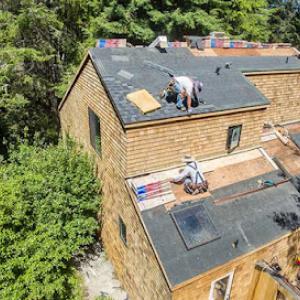
Structured Home Services
(404) 217-1363 www.structuredhomeservices.com
Serving
4.8 from 12 reviews
Structured Home Services is a home improvement company specializing in roofing, patios, bathroom and kitchen remodeling, room additions, and more. We want to help make the house of your dreams a reality. We are licensed and insured with over 25 years of experience in the industry. Call today.
Locust Grove's hot, humid summers push asphalt shingles into a faster aging curve when heat sticks to the roof deck and old shingles soak up moisture from frequent summer storms. The combination of prolonged heat exposure, muggy nights, and drenching rain cycles accelerates fiber-fiber wear, chalking, and granule loss on common asphalt shingles more than you'd see in cooler climates. Metal roofing fends off some of that heat load but expands and contracts with the humidity, which can loosen fasteners if a roof isn't properly installed or maintained. In practice, you'll notice faster granule shedding, more frequent weathering of sealants, and a higher likelihood of minor leaks where flashing sits against older decking after a heavy storm. These conditions matter most if your roof is already a few seasons old or shows signs of prior damage from summer storms.
Replacement work goes smoother when the forecast offers a clean stretch of drier weather. In Locust Grove, a window with mild sun, limited afternoon downpours, and dry days reduces glueing delays, keeps attic temps tolerable for workers, and minimizes deck warping or flashing misalignment during installation. Summer heat and humidity can complicate material handling and adhesion, while sudden storms interrupt work and complicate insurance timelines. If a full roof replacement is needed, plan for a dry spell in late spring or early fall when temperatures are comfortable, winds are typically steadier, and the crew can maintain consistent ventilation for seal-downs. When scheduling, align start dates to periods with few storm interruptions, and build in a couple of contingency days for weather swings so the crew can keep the project on track without compromising workmanship.
Locust Grove tends to see frequent storm cycles that can slam flashing and vent penetrations. If a roof shows signs of prolonged attic moisture or damp decking after a storm, address ventilation as part of the plan. A well-ventilated attic helps reduce heat buildup that can warp sheathing and soften seals around flashing, especially near valleys and penetrations. During a full replacement, insist on properly spaced attic vents and eave intake for steady air exchange. This matters more when the climate bounce between hot days and humid nights, which can otherwise trap moisture and accelerate deterioration of underlayment and decking. If you detect persistent mildew, damp attic corners, or a musty odor after storms, treat it as a signal to re-evaluate ventilation and insulation as part of the project scope.
Winters here are milder, and deep-freeze stress is less pronounced than in colder regions. Still, winter temperature swings and occasional freezes can affect seal-down performance. Allow for temperature-friendly materials and equipment handling during installation windows that dip into cooler nights. Ensure that sealants used for flashing and joints cure properly in lower humidity periods, and confirm that drainage systems remain clear to prevent ice damming if a rare cold snap arrives. In practice, plan for staged work if weather flips from hot, sticky conditions to a string of cool, dry days, so the crew can establish solid sealing while temperatures permit.
Storm-driven damage often requires prompt assessment and documentation for insurance purposes. Local weather patterns mean that damage may appear after a major downpour or a quick, intense storm, and timely reporting can affect claim outcomes. When a contractor opens a claim discussion, ensure photos capture shingle wear, flashing gaps, and any decking issues exposed after a storm. If possible, align the replacement timing with dry periods to keep the job moving smoothly from mitigation through final seal-down. Clear communication about anticipated weather impacts helps keep insurance reviews and scheduling on track, reducing delays that can crop up during Locust Grove's storm-prone months.
Locust Grove faces hot, humid summers with frequent summer storms, strong winds, and hail exposure. The roof market here reflects that reality: asphalt shingles are the dominant practical choice, offering solid performance for the climate and typical home designs found in recent exurban development along I-75. Metal roofing, while less common, has a meaningful local specialty presence and pairs well with larger roof footprints and modern forms. When evaluating materials, it helps to tailor the choice to heat buildup, wind-driven rain, hail resistance, and the reliability of flashing and attic ventilation during heavy storm cycles.
Asphalt shingles remain the workhorse option for most homes, thanks to ease of installation, compatibility with a wide range of deck conditions, and good all-around performance in heat and storms. Look for shingles with a high wind rating and a robust granule blend to guard against sun exposure and hail impact. In practice, the shingles should be installed with properly aligned flashing at all valleys, penetrations, and roof-to-wall transitions, plus well-sealed step and boot flashings. Because attic ventilation drives long-term comfort and moisture control, ensure the chosen system includes adequate soffit intake and ridge or turbine venting to prevent heat buildup that can shorten the roof's life in hot months.
Metal roofs show up with a distinct local presence, especially on newer or larger homes and certain architectural styles common in the area. They tend to perform well under heat, shed rain quickly, and resist wind-driven debris in storms. For Locust Grove's climate, choose metal panels rated for high wind resistance and installation methods that emphasize a watertight flashing plan at eaves, ridges, and roof penetrations. A careful evaluation of attic ventilation remains essential; metal roofs often require precise over-underlayment and venting strategies to keep attic temperatures down and prevent condensation issues in humid conditions.
Clay tile, concrete tile, synthetic/composite shingles, and slate are available in this market, but the contractor signal mix suggests they are far less common than storm-focused shingle and metal work. If considering these options, anticipate heavier roof loads and the need for structural assessment to confirm deck capacity, plus specialized flashing details for tile or slate transitions. Synthetic or composite shingles can offer improved impact resistance and longer service life, but still benefit from the same emphasis on ventilation and proper attic airflow. Tile and slate deliver distinct aesthetics and longevity when matched with appropriate structure and high-quality installation, yet their higher weight and more exacting installation requirements make them a selective choice in this market.
material selection should be tied to resistance against heat buildup, wind-driven rain, hail exposure, and the need for reliable flashing and ventilation performance during frequent summer storms. In practice, that means prioritizing systems with proven performance in hot, storm-prone conditions, ensuring that flashing around chimneys, vents, and skylights is continuous and well-sealed, and that attic ventilation is designed to remove heat and moisture efficiently. If choosing metal, verify the panel seams and penetrations are sealed against wind-driven rain and that a robust underlayment is used beneath for additional protection. If sticking with asphalt, focus on a high-quality shingle line with strong impact resistance and ensure the installation emphasizes thorough ventilation planning and deck inspection during any full replacement.
In this area, typical local cost ranges run about $350-$700 per square for asphalt shingles, $700-$1300 for metal, $1100-$1900 for clay tile, $900-$1800 for concrete tile, $600-$1100 for synthetic/composite shingles, and $1500-$3200 for slate. Those figures reflect variations you'll notice from contractor to contractor and by the exact roof pitch, complexity, and any special detailing on the gables or dormers. If your home is a standard single-story with a straightforward 3:12 pitch, you'll likely land in the lower portion of the range for the chosen material. A steeper or more complex roof, or one with multiple valleys, can push bids toward the upper end. In practice, you'll usually see asphalt shingle projects staying well under the cost of premium options, while clay or slate push your overall price well above the asphalt baseline.
Storms along I-75 corridor-adjacent neighborhoods can slam scheduling, especially after hail or high-wind events that produce a flurry of insurance inspections and quick tear-offs. In Henry County, that surge means contractors may book out several weeks or more, and you'll notice pricing tightening as crews become scarce. If a large storm hits, expect more aggressive timelines and potentially higher demand for deck and attic work assessments. Planning ahead and securing a qualified contractor before the dust settles helps you avoid the rush pricing that shows up after widespread damage.
Locally, a full replacement often uncovers underlying decking issues once the old roof is removed. If decking is damaged or rotten, replacements or repairs are required, which adds to the material and labor cost. Inspectors commonly flag flashing and attic ventilation when a full replacement is in play; even minor adjustments can shift the final approval timeline and budget. A thorough tear-off may reveal greater needs for underlayment and venting upgrades to prevent moisture problems in the hot, humid months typical here. Your contractor should present a clear path: extent of decking replacement, flashing adjustments, ventilation improvements, and a breakdown of how these items influence final price.
Storm-related claims can influence when you proceed with a roof replacement. Insurance timing often dictates start dates, so align your project with an approved scope and a clear payment plan from the insurer. Budget is affected not only by material choice but also by any required repairs to the decking, flashing, or ventilation that arise during tear-off. Having a contingency fund for deck remediation and possible upgrade to ventilation helps you avoid delays once work is underway.
Get a clear picture of your project costs upfront - no commitment required.
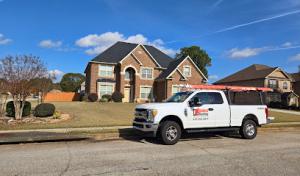
A full roof replacement in Locust Grove typically requires a permit, with submission including contractor license information and project details before work proceeds. This isn't just paperwork for the city to file away; it gates the project, and missing or sloppy applications can stall your schedule and invite stop-work orders. The permit process also acts as a checkpoint against rushed work on warm-season storms, especially after a hail event or high-wind incident. Make sure your contractor locks in the exact scope, materials, and sequence before the permit is issued, so you don't have to renegotiate mid-project.
The local building department's final inspection is more than a glance and a nod. The focus is on decking, underlayment, flashing, and ventilation to ensure the roof can perform in the area's hot, humid climate and during seasonal storms. Decking integrity matters in a county where rapid development can push newer homes into corner cases of slope, venting, or attic load. Underlayment needs to be continuous and properly fastened to resist moisture intrusion in late-summer humidity. Flashing around chimneys, walls, and vents must be integrated and sealed to prevent leaks during intense storms. Ventilation is checked not as an afterthought but as a system that affects attic temperatures, shingle life, and overall roof performance.
Inspectors in Locust Grove may require corrections before final approval, so homeowners should expect closeout timing to depend on passing inspection rather than just finishing installation. A contractor who treats the final inspection as a formality risks delays and added trips to the site. Be prepared for a second visit if a deficiency is found-this is common after weather-driven replacements where decking or ventilation details are freshly exposed. The best approach is to coordinate pre-inspection walkthroughs, ensuring decking boards are solid, underlayment overlaps are clean, flashing is properly integrated, and attic ventilation is balanced for the post-work condition.
Before work begins, confirm the permit submission includes the exact scope, ladder and access plans, and a clear sequence for major milestones. Keep a dedicated file of all inspection notices, corrections, and approved changes. If a correction is requested, address it promptly with the contractor and arrange a quick reinspection window to keep the project moving. In this climate, the permit and final inspection aren't just formalities; they're safeguards that protect your investment from moisture problems and improper installation that could surface after a few hot, stormy seasons.
Locust Grove sits in a Georgia insurance environment where periodic hail and wind events regularly drive roofing claims and influence whether repair or replacement is financially realistic. In storms that sweep across Henry County, you may see fluctuating outcomes from insurers depending on the visible damage, age of the roof, and the type of shingles installed. Expect that a single major event can trigger a cascade of investigations, depreciation concerns, and review cycles that stretch into weeks rather than days.
Insurers in this market may adjust coverage based on roof age and shingle class, making material choice and documentation more consequential than in lower-claim regions. As the roof matures, eligibility for certain repairs versus a full replacement can shift, and the class of shingles you select-whether more durable or more common-can influence what the insurer considers acceptable. Thorough documentation of previous repairs and the condition of decking and flashing strengthens the position during claim review.
Because claim practices and the broader Georgia regulatory environment can affect timelines and approvals, Locust Grove homeowners need organized records from first inspection through final contractor estimate. Start with the initial public-adjuster or roofing contractor assessment, then gather every estimate, photos, and correspondence. Keep a clean, time-stamped trail of decisions, weather events, and any insurer questions. Having this streamlined record set helps reduce delays at critical junctures and supports a smoother path from evaluation to payout.
In the wake of a hail or wind event, prioritize a rapid, organized response: photograph the roof from multiple angles, note attic moisture or visible decking issues, and document flashing integrity. When presenting to insurers, a coherent chronology that links damage to a proposed repair or replacement plan can temper disputes about scope. This careful approach helps protect you from protracted disputes and unexpected denials during Georgia's active storm seasons.
When a storm rolls through Henry County, the fastest responders are the ones homeowners notice first. Locust Grove projects tend to favor contractors who can commit to quick on-site assessments, fast decking checks, and immediate temporary measures if needed. Re-roofing is common after serious wind or hail events, and homeowners prioritize contractors who can handle residential work with a reliable cleanup afterward. Affordability matters, but speed and practical execution beat lengthy timelines, especially during the hot and humid months when heat and humidity complicate roof work.
A notable share of local contractors market long-established businesses, chimney work, and both commercial and residential capability. That mix reflects a mature local roofing market where teams often juggle multiple job types and keep crews ready for quick scheduling. Locust Grove homeowners frequently encounter firms that advertise decades of local presence, which can translate into smoother coordination for storm-related repairs and coordinated attic ventilation checks during a full replacement.
Because only a smaller portion of contractors prominently signal manufacturer certification, licensing, or warranty messaging, verify credentials and closeout details directly. Ask for written proof of manufacturer certifications where relevant, confirm the scope of the warranty in plain terms, and insist on a documented closeout checklist that includes debris removal, flashing verification, and attic ventilation restoration. Do not assume these items are standard; confirm they appear in the contract and final invoice.
When reviewing bids, prioritize contractors who demonstrate clarity on scope, timeline milestones, and a cleanup plan that leaves the site ready for the next season. Ask about crew size for residential work, the approach to flashing in eave and chimney areas, and how attic ventilation will be inspected and restored as part of a full replacement. In Locust Grove, practical execution and reliable follow-through are the true indicators of a job well done.
Locust Grove's inspection emphasis on flashing and ventilation aligns with a local risk profile where storm-driven rain can expose weak transitions even when field shingles look serviceable. This means you should treat the edges where roof deck meets walls, chimneys, and skylights as true weak points, especially after a heavy downpour.
When you're evaluating a roof replacement or a repair, focus on step and counter-flashing where the roof meets siding or a parapet. In a neighborhood with frequent warm-season storms, flashing can loosen from vibration or heat cycling long before shingles fail. Ensure attic ventilation is not blocked by insulation or debris, because insufficient venting inflates the risk of condensation behind flashing and accelerates wood rot. If you notice damp insulation or stained decking near a ridge or penetrations, line up a quick inspection with a roofer who has experience coordinating flashing work with ventilation upgrades.
Chimney-related work appears frequently in the local contractor market, suggesting roof-to-wall and chimney flashing details are a recurring concern for homeowners here. Check the mortar joints at the base, the condition of the chimney cap, and the counters flashing that drapes down over the chimney side. If you see efflorescence, cracking, or gaps where the flashing meets brick or siding, schedule a focused assessment. Even small gaps can channel rain into the attic during a summer gully-washer, so prioritize proper sealant compatibility and a continuous flashing plane around the chimney.
Skylight service is present but not dominant in Locust Grove, making it a secondary specialty that matters most when leak tracing involves penetrations rather than broad roof-surface failure. Inspect the flashing ring and curb area for nicks, creases, or loosening seals. If a leak trails along a skylight, verify the pan and flashing are integrated with surrounding shingles and that drainage around the skylight is unobstructed.
Look for damp insulation or dark staining near flanges, walls, or chimneys. Run fingers along flashing seams to feel for looseness or gaps, and listen for dripping inside the attic after rain. If the roof deck shows signs of sagging, hairline cracks around penetrations, or loose granules at the eave, call a local pro promptly to determine if flashing and ventilation upgrades are warranted.
Find contractors experienced in skylight installation, flashing, and leak repairs to bring natural light into your home.