Last updated: Apr 19, 2026
Spring thunderstorms and occasional hail are a common trigger for storm-related shingle damage in this area. When you hearropy thunder roll and see hail or a rising wind event, your first move is to assess visible damage from ground level without climbing on a compromised roof. Look for missing shingle tabs, granule loss, dented metal flashings, exposed underlayment, or staining on ceilings inside the attic. If you suspect compromised decking or active leaks, avoid running water or standing on the roof, and call a local roofing pro for a rapid on-site evaluation within 24 to 48 hours if weather allows. In Jackson, the window between the event and a professional assessment narrows quickly because storm activity tends to trigger a surge in claims, so timely triage sets the pace for the rest of the process.
After the hit, document thoroughly: timestamped photos from multiple angles, close-ups of damaged shingles, clouded or curled edges, and any interior evidence of leaks. Create a simple threat map of your roof by noting the approximate locations of damage relative to the chimney, vents, and eaves. If possible, collect weather data from local stations for the day of impact to corroborate the storm's severity. A well-organized file helps speed up claim handling, since adjusters in this region often see a surge after regional thunderstorm events. Store these records in the cloud and bring hard copies to the first insurance meeting.
As soon as damage is suspected, notify the insurer and request an adjuster visit. In Georgia, claim activity remains common after severe storms and hail, so expect scheduling to extend beyond the first few days if the storm coincides with a busy period. Be clear about the extent of damage and your intent to pursue a full roof replacement if warranted. If an adjuster can't reach your property promptly, ask for a provisional assessment from a licensed contractor who can provide an objective, written scope to accompany the claim. Your goal is to align the adjuster's inspection with daylight conditions and a dry forecast, which helps ensure accurate measurements and safe access.
Weather delays matter because they push both the claim and the replacement timeline. After a regional thunderstorm event, a backlog forms as homeowners rush to secure inspections and permits. In this region, the time between the initial assessment and a formal replacement begins to stretch when rain remains in the forecast. Plan for flexibility in scheduling, and communicate with your contractor and insurer about preferred inspection dates that minimize rain risk. If a lengthy squall pattern lingers, request temporary mitigation measures-such as tarping or weather-resistant sealant-to protect exposed decking and interior spaces while awaiting full repair authorization.
Jackson homeowners often navigate a storm-driven replacement cycle, where the need for quick leak control competes with the reality of permit backlogs and the contractor's calendar. A staged approach helps manage risk: stage one covers rapid leak containment and minor repairs to stop interior damage, while stage two handles full shingle replacement or metal installation once the adjuster finalizes the scope. Maintain ongoing documentation of any new damage that appears during the wait period, especially after subsequent storms that can reopen or exacerbate existing write-ups. Clear, frequent communication among homeowner, insurer, and contractor reduces the chance of misalignment and helps ensure a smoother path from claim acceptance to a completed roof.
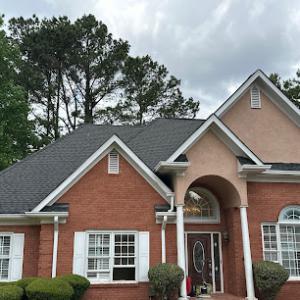
Top Pitch Services
(404) 826-0121 toppitchservice.com
2063 Hwy 36 E, Jackson, Georgia
4.7 from 218 reviews
Top Pitch Services, a construction company serving Georgia, Missouri, and Tennessee, has been dedicated to exceptional craftsmanship and unwavering customer satisfaction for decades. This premier construction company provides a comprehensive range of roofing services, from repairs to new installations and inspections, ensuring that your roof remains in top condition. With a team of experienced professionals committed to providing only the highest quality workmanship, Top Pitch Services is the ideal partner for all your roofing needs.
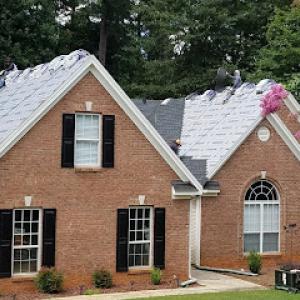
The Roofer Direct
(770) 837-7931 www.therooferdirect.com
102 Tall Pines Dr, Jackson, Georgia
4.8 from 13 reviews
40 years’ experience working with insurance companies, we are proud of our reputation as storm restoration specialists with integrity. We handle your entire claim for you. From our initial inspection to verify damage, to communicating directly with your Insurance Company. We will make sure, at your direction, that everything is repaired on your home from top to bottom. We have heard the horror stories about storm repair contractors who take an upfront deposit and then never show up again. At The Roofer Direct you can have peace of mind knowing no money is required upfront for our services. Payments are accepted only after all of work has been completed to your satisfaction (not before). That's just how we do business!
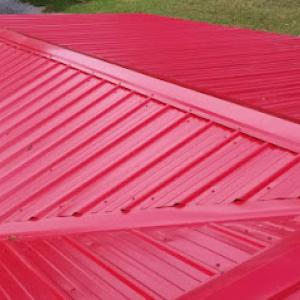
Phoenix Metal Roofing
152 Barnetts Bridge Rd, Jackson, Georgia
3.7 from 6 reviews
Local roofing company specializing in the installation of metal roofing systems.
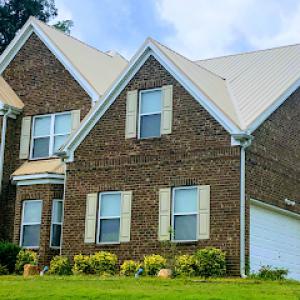
Thompson Metal Roofing
1065 Nelson St, Jackson, Georgia
2.9 from 19 reviews
The team members here at Thompson Metal Roofing are prepared to give you the best experience in all of your metal roofing and exterior home repair needs. Let us make your home more beautiful than you’ve ever imagined!
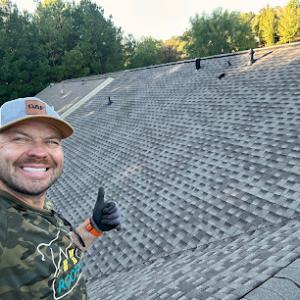
ABM Services & Renovations
(770) 288-2368 www.abmservicesandrenovations.com
Serving
4.8 from 93 reviews
For over 15 years , ABM Services & Renovations has worked to provide exceptional roofing installs in the Metro Atlanta area ! From specialty roofing like slate , wood shake, standing seam metal , porcelain tile & more to traditional asphalt shingles as well as TPO and other Commerical Roofing Products . ABM ( Roofing ) also installs gutter systems , specialty metal like copper gutters , chimney caps and flashing . ABM (Roofing) specializes in new construction , reroofs as well as Insurance Claim Work . Owner , Andy Matyszewski is well known and respected in the industry by General Contractors , Architects , Designers , Homeowners and Manufacturers . ABM is GAF Master Elite Installer & CSSB Certified , & BBB A+
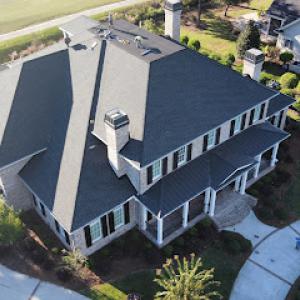
Oconee Designer Roofing & Painting
Serving
5.0 from 13 reviews
Oconee Designer Roofing & Painting is a full-service roofing & painting contractor that provides quality roofing services to businesses and homeowners. We are dedicated to providing our clients with the highest level of customer service and workmanship possible, and we are proud to offer a wide range of roofing & painting services, including: new roof installation, roof replacement, roof repair, new construction roofing, and exterior/interior painting.

Build-Tek Construction
(404) 273-9271 www.buildtekga.com
Serving
5.0 from 187 reviews
At Buildtek Roofing, we provide high-quality roofing, gutter, and exterior services across Georgia. Whether you’re a homeowner needing a roof replacement, a real estate agent needing fast inspections, or a property manager requiring reliable repairs, our licensed and insured team delivers fast, professional, and honest service. - Google Guaranteed -Over 150 5-Star Reviews -Free Roof Inspections & Detailed Reports -Residential & Commercial Roofing Experts Serving McDonough, Locust Grove, Fayetteville, Griffin, Newnan, Senoia, and surrounding areas. With over 20 years of professional experience, customer satisfaction is always our top priority.
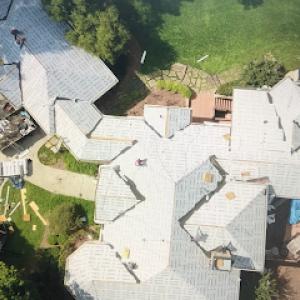
Lake Country Roofing
(470) 771-9680 www.lakecountryroofingga.com
Serving
5.0 from 231 reviews
•Proudly serving Georgia with 10+ years of experience in professional roofing. •Commercial & Residential •Lake Country Roofing is a GAF Certified Plus Contractor. •Providing quality inspections, repairs, and full roof replacements. •Loyal, Committed, and Reliable to existing and potential customers and their homes. Give us a call today if you are looking to find a professional, yet friendly business that treats you less like a customer, and more like a friend, and let LCR provide all your roofing needs!
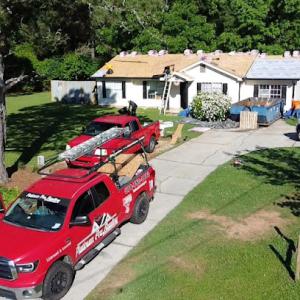
Platinum Pro Roofing & Construction
(678) 759-1886 www.platinumproroofing.com
Serving
4.8 from 60 reviews
We are a locally owned and operated roofing and construction company who have been proudly serving Henry County and surrounding areas since 2010. We are a fully licensed and insured company with 20+ years of experience in roofing, painting, siding, gutters, and other aspects of restoration, both residential and commercial.
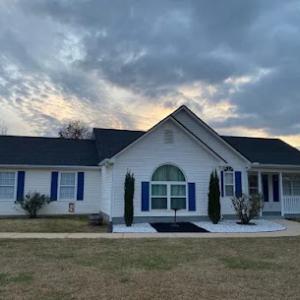
Tiger Roofing
(678) 916-8880 www.tigerroofingpros.com
Serving
5.0 from 85 reviews
Tiger Roofing, based in McDonough, GA, is more than just a roofing company; we’re a family-owned and operated business that believes in merging old-school values with the latest technology. With over 34 years of experience in roofing insurance replacements and an additional 5 years in private roofing replacements, our expertise is second to none. Punctuality and availability are core aspects of our exceptional customer service.
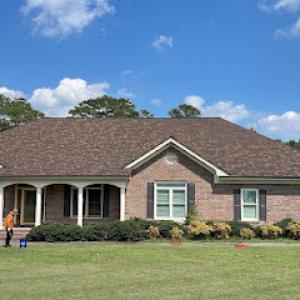
Zytek Roofing
(404) 268-1900 zytekroofing.com
Serving
4.8 from 145 reviews
At Zytek Roofing, we take immense pride in being the top-rated local, family-owned roofing contractor located in Mcdonough, GA. We've earned a stellar reputation as insurance claims specialists and stand as a preferred contractor by Owens Corning. We provide exceptional customer service, comprehensive insurance expertise, cutting-edge roofing technology, Zero-Money down, and a stress-free process from claims to installing a new roof. Your home is your sanctuary, and we take that responsibility seriously. Let us protect what matters most to you and choose your locally trusted roofer. Experience the difference that quality, commitment, and community can make!
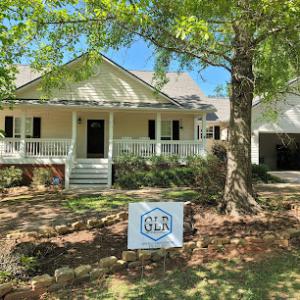
Graceful Living Roofing
(770) 758-6264 www.gracefullivingroofing.com
Serving
4.9 from 32 reviews
Graceful Living Roofing is a roofing contractor that specializes in roof installations, repairs, gutters, and emergency tarp jobs. They also assist with insurance claims. Graceful Living Roofing is committed to providing their customers with the highest quality roofing services at a competitive price. Their team of experienced and certified roofers is dedicated to getting the job done right, on time, and within budget. Graceful Living Roofing is fully licensed and insured, and they offer a satisfaction guarantee on all of their work.
In this market, residential and specialty materials commonly show up as asphalt shingles, metal roofing, clay tile, slate, fiber cement shingles, and EPDM rubber roofing. That mix reflects a need to handle hot, humid summers, frequent thunderstorms, and the wear from UV exposure. When you're choosing a roof, the material's behavior in high humidity and rapid weather swings matters as much as how it looks. The right choice balances wind resistance, moisture management, and aging patterns under Jackson's specific climate.
Asphalt shingles remain a practical, widely available choice for homes with a traditional silhouette. In this area, look for shingles with a strong granule adhesion and a reflective or cool- asphalt layer to mitigate heat buildup. A key detail is choosing underlayment and ridge ventilation that promote rapid drying after thunderstorms. Because moisture exposure accelerates aging, ensure the attic has adequate insulation and a robust venting plan to keep the roof deck from absorbing excess humidity during Georgia's steamy summers. Strong edge closures and wind-resistant fastening can help with summer gusts along the I-75 corridor.
Metal roofs perform well under storm-driven cycles and can shed water quickly after a downpour. In Jackson, metal's longevity helps offset heavy UV exposure, but metal panels require careful sealing at joints and penetrations to prevent future leaks during severe thunderstorms. If choosing metal, prioritize concealed-fastener or properly sealed exposed-fastener systems and consider an insulated panel option to curb condensation in humid months. Color selection matters too: lighter tones reflect heat, while darker hues may help with snow but heat up faster in July storms.
Clay tile and slate offer excellent longevity and a distinctive curb appeal, but they demand a solid roof deck and careful installation to handle heavy rain and rapid temperature shifts. In hot, humid summers, these materials benefit from a well-vented attic and a moisture-tensing underlayment so expansion and contraction don't invite leaks. Clay tile, in particular, can be brittle in hail and sudden impacts, so consider impact-resistant options and proper spacing to reduce stress during severe weather.
Fiber cement shingles provide a longer life with some resistance to moisture and temperature swings. They tolerate the heat well and resist rot better than wood, making them a sensible option in this climate. Ensure the installation uses proper flashing at roof penetrations and solid fasteners to counteract wind uplift during storms. They pair well with reinforced underlayment and a solid ventilation strategy to slow moisture-driven aging.
EPDM appears in this market to support low-slope and flat sections where storms pool water or where mechanical equipment sits. For Jackson, the emphasis is on seamless seams, tight edge details, and a robust drip edge to channel rain away from walls. Regular inspections after heavy rainstorms matter here, as build-up and ponding can highlight vulnerabilities that aren't visible on steeper roofs. A practical approach is to pair EPDM with a reflective white or light-colored top layer to curb heat gain on exposed sections.
When you're choosing, match the roof type to the existing structure, the typical storm load, and how the attic is vented. Given the area's storm-driven replacement cycle, prioritize systems with proven wind uplift resistance, solid flashing details, and a clear plan for moisture control. For homes with mixed slopes or flat sections, consider EPDM where appropriate, then ensure every transition-between deck, underlayment, and finish-holds up under Jackson's thunderstorm tempo.
Replacement work in this area tends to line up best in spring or fall. Summer heat and humidity speed up material stress and complicate installation conditions, especially when you're chasing plenty of humidity and afternoon storms. Fall is generally the window with fewer heat-related headaches, clearer scheduling, and a better chance at dry-in success before winter fronts move in. Use the cool, dry days of late September through November to target tear-off, shingle lay, and proper venting setup, so you're not fighting heat while you try to get a solid seal.
Fall can be favorable, but tropical storm remnants still roll through occasionally and bring sudden rainfall that can interrupt tear-off or dry-in schedules. Plan for a buffer week or two around expected storm paths and keep a flexible start date. If a storm stalls over the area or nearby, you'll want to pause work, cover exposed decking, and reassess the forecast before resuming. Your crew should stage materials to minimize exposure to rain and use temporary weatherproofing where needed. A dry, cooler window is ideal for shingle adhesion and flashings, but you'll still need to account for late-season humidity that can affect curing times.
Winter fronts and occasional freezing rain can affect scheduling and material handling even though winters are usually mild. If a cold snap hits during the project, you may need to pause to prevent shingle tabs from sticking oddly or to avoid ice-related hazards on the roof edges. Keep deck protection ready and ensure proper tarp coverage for lingering moisture during stagnant spells. When temps hover around freezing, nights can frost up fast, so plan for cold-weather adhesive considerations and ventilation to prevent moisture buildup in the attic space after a late finish.
Storm-driven damage requires a proactive approach to timelines. After a severe thunderstorm or hail event, start with a quick roof assessment to determine the extent of surface damage and look for breached shingles, lifted tabs, or exposed nails. If you suspect hidden damage, arrange a professional inspection to verify insulation and underlayment conditions. When insurance coordination is part of the project, document the damage promptly with photos and keep a clear log of dates and weather conditions to support claims and scheduling. A timely response reduces the risk of secondary leaks and minimizes interior disruption once a replacement is underway.
In this area, a full roof replacement typically requires a permit through Butts County, and the permit is usually handled by the contractor rather than the homeowner. That means you should expect your roofer to submit the project details, secure the authorization, and keep you informed about timing. If the contractor delays or misses a step, the county can pause the project, which in turn drags on everything from supply deliveries to storm repairs after a thunderstorm. Being upfront about who handles the paperwork helps prevent surprises when the inspector shows up.
The local process commonly includes a rough-in or roof inspection followed by a final inspection after completion. The rough-in checks that the structure, underlayment, and venting basics are in place before the visible shingles or panels go on. The final inspection confirms the work meets code and that the roof system, penetrations, and flashing are properly finished. If a storm incident triggers urgent work, the inspection cadence can shift, so expect some flexibility in scheduling and be prepared to accommodate an inspector's note or a required retest.
The department often requires attic access and proper venting review, so you should plan ahead for space to move, inspect, and verify insulation and airflow. This is not a paperwork box to check off; it directly affects moisture control and the long-term performance of the roof system. Re-inspections may be issued if work pauses for any reason or if the project scope changes. A pause could happen after weather events or material delays, so staying aligned with the contractor on inspection readiness helps avoid a prolonged standstill.
Coordinate with the contractor to confirm who submits the permit and who handles any follow-up documentation. Keep clear records of inspection dates, attic access arrangements, and venting details. If work is interrupted by weather or supply gaps, ask for a written re-schedule plan and a quick confirmation of any required re-inspection steps so you can respond promptly and keep the project moving.
Local cost ranges run about $350 to $700 per square for asphalt shingles, $500 to $900 for metal, $900 to $1600 for clay tile, $1200 to $2500 for slate, $550 to $900 for fiber cement shingles, and $4.50 to $7.50 per square foot for EPDM. For a typical residential reroof in hot, humid summers and quick-hit storm years, you'll notice the asphalt option remains the most common entry point, but a hail event can push material choices and lead times toward metal or elastomeric membranes. In this market, the value of the roof isn't just the price per square; it's the performance against heavy rain, wind-driven debris, and summer heat, which can shorten the life of cheaper shingles if installation timing slips.
Storm-driven demand spikes in the Jackson area can raise scheduling pressure and labor availability after thunderstorm and hail events. When a thunderstorm arrives with hail, crews can be booked days or weeks out, and material shortages may appear just after a big event. If you're weighing metal versus asphalt, the metal crew may carry tighter schedules due to specialty labor needs, while asphalt crews with regular shingle installations might still have more local availability, albeit with weather-related delays of their own. Expect timelines to tighten quickly after a regional hail event, and plan accordingly for a faster decision window so your leak response isn't stalled by a full calendar.
Permit processing, inspection coordination, and any required re-inspections in Butts County can add time-related cost pressure even when material pricing is stable. While the material math stays constant, the clock can run long if you hit a busy week for inspectors or if weather forces a pause between storm season and re-checks. If you're leaning toward clay tile or slate for longevity, remember they require more precise framing and longer lead times in this climate, which can extend scheduling pressure beyond the initial installation window. Have a clear plan for sequencing: roof removal, temporary protection, material delivery, and final inspection slots, all aligned to a reasonable storm-season calendar.
Don't let upfront costs delay a critical repair - these contractors offer payment plans to fit your budget.
In Jackson's storm-prone claim environment, insurers commonly expect photo documentation, moisture logs, and proof of roof age when evaluating damage. After a thunderstorm or hail event, you want to have clear, timestamped images of the roof from multiple angles, plus interior photos of any signs of leaks. If a roof is older, demonstrate its age with a recent roof certification or a written assessment from a licensed contractor. Delays and mismatches between photos and reports can slow or jeopardize settlements.
Keep a simple moisture log that records date-stamped observations of leaks, damp ceilings, or attic condensation. Note any temporary tarping or mitigation steps you take, and photograph those measures. Insurers increasingly scrutinize timing: the longer water sits, the more likely a claim may be questioned or denied if no timely action is shown. Consistency in documentation helps bridge gaps between field notes, contractor reports, and adjuster questions.
Some Georgia insurers may ask for wind mitigation documentation or verification that a roof replacement was completed, which can affect underwriting and premiums. Gather receipts, contractor letters, and any prior inspection reports that establish the roof's age and workmanship. Having these ready helps insurers assess risk more accurately and can prevent underwriting delays later in the process.
Because claim activity is common after severe storms and hail in Georgia, homeowners in Jackson benefit from aligning contractor records, inspection paperwork, and insurer communications early. Share a consolidated packet with your adjuster that includes photos, the moisture log, age proof, and any wind-related findings. Clear, proactive documentation reduces surprises when a claim is reviewed.
Connect with contractors who help homeowners navigate the claims process from damage assessment to final approval.
Top Pitch Services
(404) 826-0121 toppitchservice.com
2063 Hwy 36 E, Jackson, Georgia
4.7 from 218 reviews
The Roofer Direct
(770) 837-7931 www.therooferdirect.com
102 Tall Pines Dr, Jackson, Georgia
4.8 from 13 reviews
ABM Services & Renovations
(770) 288-2368 www.abmservicesandrenovations.com
Serving
4.8 from 93 reviews
In this area, repeated moisture exposure from hot, humid summers and frequent thunderstorms makes leak tracing and water intrusion control a recurring concern. Small leaks can hide for weeks behind insulation or inside wall cavities, creating hidden rot and mold. When you suspect a leak, start at the most recent storm entry point and work methodically toward the interior. Pay close attention to vent boots, skylights, and chimney flashing, as these joints are common failure points after heavy rains. A careful moisture map across attic bays helps identify hidden trouble spots before they show up as staining on ceilings.
UV-related aging is a local wear factor because summers are hot enough to accelerate deterioration of exposed roofing materials. In clay, concrete, and fiber cement, you may notice chalking, faded color, or hairline cracks forming on sun-exposed faces. Asphalt shingles can lose granules more quickly in hot sun, leaving the underlying mat vulnerable to granule-free shingles and accelerated debonding at the tabs. Regular visual checks after the peak of summer storms can catch delamination or curling early, before water intrusion starts.
Weather-related pauses during replacement can trigger re-inspections locally, so partially completed roofs and temporary dry-in periods carry more scheduling risk than in steadier climates. If an installation stalls due to storms, gaps in underlayment or improper dry-in can lead to rapid moisture migration once sun returns. That makes thorough back-malling and resealing essential after any restart. When planning a repair after a storm, confirm that flashing, fasteners, and underlayment have been re-sealed and that any temporary coverings are removed promptly to avoid wind-driven uplift or water pooling.
Wind uplift can loosen edge fasteners or ridge cap, especially with metal or asphalt systems. Flashing around chimneys and vents can split or corrode from repeated thermal cycling. Moss and algae thrive in humidity, holding moisture against the deck and accelerating wood rot on older structures. If you notice soft decking, high attic humidity, or persistent leaks near eaves and valleys, address them promptly to prevent larger, more costly repairs.
When you can't wait, these contractors offer fast response times to stop leaks and prevent further damage.
Top Pitch Services
(404) 826-0121 toppitchservice.com
2063 Hwy 36 E, Jackson, Georgia
4.7 from 218 reviews