
Last updated: Apr 19, 2026
Morrow sits in Clayton County's south-metro Atlanta weather pattern, where summer afternoon thunderstorms are frequent enough to disrupt tear-off schedules and expose open roofs to sudden rain. That means a roof project can be stalled mid-work by a pop-up storm, leaving vulnerable edges or freshly exposed decking to moisture. When a storm rolls in, the risk is not just a delayed repair; it is the possibility of further wind-driven damage or rain intrusion that can complicate claims later on. If a roof is in the middle of replacement or repair and a thunderstorm hits, document the scene quickly and clearly. A rushed drying-out period can turn a simple leak into rot or mold, which complicates both performance and claims efficiency.
Fall can bring remnants of tropical systems into north-central Georgia, creating wind-driven rain and gust damage that often triggers local roof inspections and insurance claims. Those late-season gusts tend to target edges, chimneys, hips, and flashing details where water finds a seam. If a storm leaves debris or fascia lifting, that becomes evidence insurers will want to see when evaluating hail or wind impact. In this season, inspections often turn into a review of roofing material age and installation quality alongside visible wind damage. Plan for a rapid response after a storm: a prompt touchdown inspection, careful photo records, and a clear list of compromised areas helps insurer adjusters move efficiently through the claim.
Georgia insurers commonly require photo documentation, inspection findings, and material/age details after wind or hail events, which matters in a market where storm-related roofing service is highly prevalent in the local contractor market. Your claim will proceed more smoothly if the project file shows a before-and-after sequence, timestamps on photos, and notes that highlight area-specific vulnerabilities-such as ridge lines, valleys, and transitions between different roof types. When an adjuster arrives, a cooperative, organized presentation of findings reduces back-and-forth and speeds approvals. Keep a concise summary of observed damage, the suspected cause (wind, hail, or debris), and any preexisting conditions that might influence coverage decisions.
Timing is the hinge point. The thunderstorm-heavy warm season can push tear-offs into rain windows, which risks water intrusion and may complicate your claim narrative. If a major storm targets the area, initiate documentation promptly and schedule a field assessment at the soonest available clear day. Insurers often require timely repair or mitigation notes, so plan to address urgent leaks first, then outline the remaining scope. In practice, this means prioritizing tarping and temporary protections immediately after a storm, followed by a rapid, documented evaluation to support the claim and minimize exposure to further weather damage. Use professional photos from multiple angles, close-ups of flashing and vents, and a dated log of rainfall events that correspond to observed damage. This concrete record helps ensure the claim reflects the actual conditions and supports a smoother path to restoration.
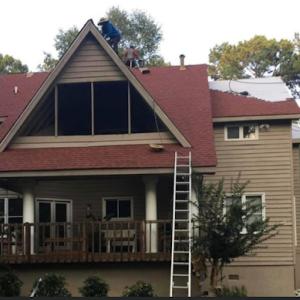
North American Home Improvements
5731 Trammell Rd Suite2, Morrow, Georgia
5.0 from 5 reviews
North American Home Improvements is here to serve all of your needs with 100% professionalism and efficiency. Specializing in over 5 trades, we promise to do our best to fulfill complete satisfaction. Our goal is to exceed expectations with quality work and dependable services. Thanks for becoming apart of North American Home Improvements family.

Inya Perfect Construction
(678) 254-8444 www.inyaperfect.com
Serving
5.0 from 88 reviews
We are currently working in your area replacing roofs damaged by wind and hail due to the last wind storm that caused damage to GA state as well as your community. we work with all insurance companies. We are here to help; call today to schedule an appointment, we have a good deal for you!
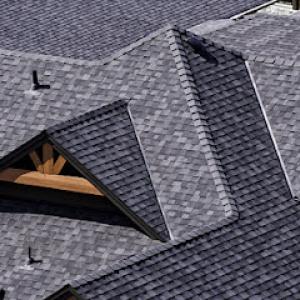
B & W Roofing & Gutters
(678) 565-7420 www.bandwroofingandgutters.com
Serving
4.3 from 51 reviews
B & W Roofing and Gutters provides roofing and construction services to the Atlanta, GA area. We specialize in commercial and residential roofing, gutters, siding, exterior renovations, and more.
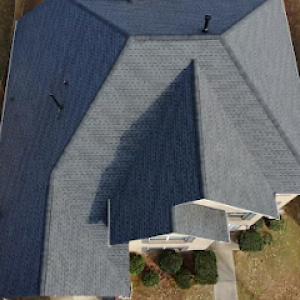
ExP Contractors
(404) 974-4969 exproofingcontractors.com
Serving
4.9 from 171 reviews
ExP Contractors and Roofing, the trusted roofing contractor in Forest Park, GA, brings over 9 years of expertise in delivering exceptional roofing solutions. As a licensed and bonded full-service firm, we specialize in roof repair, asphalt shingle replacement, storm damage repair, hail damage repair, and roof inspections for both residential and commercial properties. Our commitment to excellence is backed by an A+ BBB rating, 5-star Google reviews, and GAF Certification, ensuring quality and customer satisfaction every time. Discover why we’re the go-to choice for roofing in Forest Park, GA. Visit our website for more information or call us today to experience the ExP Contractors and Roofing difference!

Do Right Roofing
(404) 796-5937 www.dorightroofingatl.com
Serving
4.9 from 40 reviews
At Do Right Roofing, we focus on quality customer service and premier craftsmanship. Your home is your most precious asset. We understand that and help you protect your home with the best roofing available. We also do siding work, paint jobs (interior and exterior), roof repairs, and complete gutter replacements. We're as transparent as possible with each and every client so they know the complete process. We offer the best prices and can back that up by beating any competitor's written estimates by 10%. Our owner, Josh, received a formal education and graduated from Georgia State University with a BA in Economics and a minor in Political Science. We'll treat your roof as if it were our own. See why we're the most trusted roofing company!
Mid-South Roof Systems
Serving
4.6 from 33 reviews
Mid-South Roof Systems delivers large-scale flat roofing solutions for commercial applications such as big-box retail, distribution centers, and manufacturing facilities nationwide. We are one of the top 10 commercial roofing contractors in the U.S., and work alongside world-class clients. Call us today!
Ponce's Exteriors
(404) 510-5370 poncesexteriorsllc.com
Serving
5.0 from 7 reviews
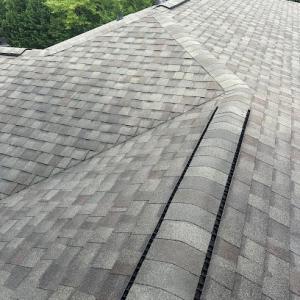
🏡 Experience the Difference with Ponce's Exteriors Founded with a passion for excellence🛠️, Ponce's Exteriors has proudly served the Ellenwood community for nearly 30 years. Our journey began with a simple mission: 👉 To provide top-notch exterior services that homeowners can trust and rely on. Over the years, we've built a reputation for: 🔹 Integrity 🔹 High-quality craftsmanship 🛠️ 🔹 Exceptional customer service 🤝 As a family-owned and operated business, we take pride in building strong relationships with our clients. Every project is a collaborative effort, where your needs and preferences are always our top priority.
AEC King Construction
(404) 671-4350 aeckingconstruction.com
Serving
4.7 from 27 reviews
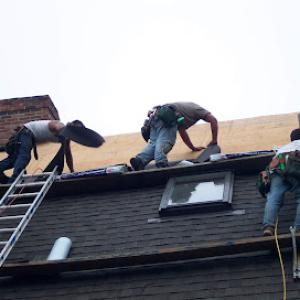
A provider of professional roofing services, AEC King Construction, Inc. is your source for quality roofing services in Riverdale, GA. We have 17 years of experience and offer roof repair and roof replacement services including flat foam installation and siding installation. At our company, our focus is on ensuring your roofing system has the strength and structure it needs. If you are interested in a new roof, we have a wide selection of materials and will help you select the best option for your needs and budget. Founded in 2015, AEC King Construction, Inc. serves the community of Riverdale, GA, and neighboring areas. We have the expertise and experience to provide you with quality customer care.
Morrow Roofing & Seamless Gutters
(404) 366-3303 www.morrowroofingandsiding.com
Serving
4.0 from 54 reviews
Morrow Roofing & Seamless Gutters provides residential roofing, repairs, and gutters in the South Metro Atlanta area. Operated and family owned by the original owner.
Empire Roofing Global Remodeling & Restoration
(470) 207-8586 empireroofingglobal.com
Serving
5.0 from 114 reviews
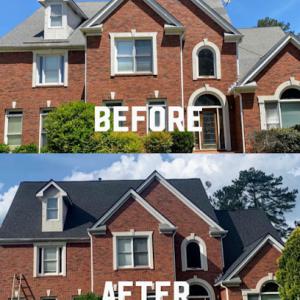
Empire Roofing Global, Remodeling and Restoration offers: New Roof Installation Roof Repairs Gutter Cleaning, Repair, and New Gutter Installation Remodeling Restoration Storm, Wind, Hail Damage, Free Inspection Insurance claims for roofing, interior damage, and restoration. Roof replacements and repairs, gutters, siding, 15 years of experience in Single Family Homes, HOA's, Town Homes, Apartment Communities and Commercial Buildings. We are Insured and Bonded, Specialized in Emergency Services, Insurance Claim Approval/ Damage Assessment and Insurance Claim Assistance/ Storm Damage. Financing Available. Call us today for your free Roof Inspection!! Veteran Owned
Matallana Contracting
Serving
5.0 from 16 reviews
Matallana Contracting is a trusted roofing expert with reliable and efficient roofing solution at the lowest price guarateed. Book an appointment today!
Home Right Solutions
(678) 410-8108 homerightsolutions.net
Serving
4.9 from 41 reviews
Transform your home with our unique and captivating roof replacement services in McDonough. At Home Right Solutions, LLC, we specialize in creating roofing solutions that stand out, providing both functionality and aesthetic appeal. Our experienced team ensures a seamless process, from consultation to installation, tailored to your specific needs. Elevate the curb appeal and durability of your home with our unparalleled craftsmanship. Ready for a roofing upgrade? Contact Home Right Solutions, LLC today for a free estimate. Let us bring a touch of uniqueness to your home with our top-notch roof replacement services in McDonough. Your dream roof is just a call away!
Asphalt shingles dominate the local market, but the hot, humid summers in this area can accelerate granule loss, heat aging, and algae-related staining compared with cooler climates. When choosing asphalt, look for higher albedo options or algae-resistant blends to slow staining and reduce heat buildup in the attic. In Morrow, a roof installed with appropriate attic ventilation helps combat heat pressure and prolongs shingle life. Consider architectural or thicker 30-year style shingles rather than basic 3-tab products, since the extra asphalt and profile tend to weather storms better and resist curling after heat cycles. In a typical home, ensure the shingle tabs are correctly aligned to shed heavy rainfall quickly and minimize wind uplift during afternoon thunderstorms.
Metal roofs handle frequent rain events well, shedding water rapidly and resisting common wind-related lifting. In this area, the key to metal success is installer expertise around fasteners, flashing details, and attic ventilation. Choose a standing-seam or panel profile with a through-fastened or concealed-fastener system based on the slope and exposure of the roof. Pay attention to sealant performance around roof penetrations and transitions to chimneys, vents, and skylights, since humid conditions can challenge long-term seals. A well-ventilated attic paired with an appropriately integrated vapor barrier helps prevent condensation that compromises metal edge details and underlayment. For lighter roof decks or existing homes, verify structural compatibility so the fasteners and clips perform as designed during strong spring storms.
Clay and concrete tile appear in the market and suit certain styles, but attention to structural load is essential. In Morrow, the combination of hot afternoons and heavy summer rains can stress underlayment and edge details if tiles are not properly seated and secured. When replacing lighter roofing on existing homes, ensure the structure can carry the heavier tile, or select a lighter concrete tile option with appropriate underlayment and fastener spacing. Edge details become crucial for wind-driven rain events common to the region; secure roof-to-wall connections and flashing around perimeters, vents, and chimneys to prevent leaks after severe thunderstorms. On both clay and concrete, check for uniform tile alignment to minimize wind uplift and ensure a tight ridge cap to maintain weather resistance during storm cycles.
In hot, storm-prone weather, timing the installation window to avoid peak thunderstorm periods reduces exposure to wind-driven rain during work. Regardless of material, ensure attic ventilation is considered during both installation and ongoing maintenance to manage humidity and heat buildup. Regular inspections after heavy rainstorms or hail events help catch loosening shingles, lifted edges, or disturbed flashing before interior damage occurs. For all material choices, a quality underlayment remains a stable line of defense in humid conditions, but its condition is particularly relevant when replacing lighter roofing on older homes. When planning maintenance or replacements, coordinate with a roofer who understands how local storm patterns interact with chosen materials, providing edge detail reinforcement, secure fastener patterns, and appropriate ventilation strategies to withstand Morrow's typical storm cycles.
In Morrow, a full roof replacement typically requires a permit filed through the Clayton County Building Department or the applicable local city building office. The permit is not optional, even if you're coordinating with an insurance claim after a storm, and it helps ensure the installation meets county and local safety standards. Before tearing off, confirm that your contractor has the correct license and a current project address on file with the issuing authority. A typical plan check and processing window can affect scheduling, so coordinate your start date to avoid spring rain delays or peak summer storm periods. The window matters because weather in the south metro area can compress or extend the time needed to move from approval to tear-off.
Local inspections commonly occur at tear-off and again at final completion. These checks pay particular attention to installation quality, ventilation, and drainage. Ventilation is critical in hot, humid summers, as improper attic airflow can shorten shingle life and raise indoor humidity, which in turn stresses the roof assembly during storms. Drainage assessment ensures gutters, downspouts, and eaves are installed to handle big downpours and tropical-system winds that can push rain sideways. If your roof involves taller or steeper pitches, plan ahead for scheduling the inspection window and have access clear so inspectors can move quickly around the perimeter and attic space.
A short plan check and processing window can affect scheduling, which matters when homeowners try to avoid spring rain delays or peak summer storm periods. Start by compiling a simple plan set that includes roof dimensions, vent placement, and any existing ventilation upgrades you want, such as ridge vents or attic fans. Your contractor should submit these with the permit application and coordinate utility disconnects if necessary. Keep a dated timeline handy, including expected tear-off days, material delivery windows, and the anticipated final inspection. Because weather in this region can flip from calm to stormy quickly, build contingency time into the schedule for possible rain delays and post-storm safety checks.
If an insurance claim is involved, ensure the insurer has the permit number and the approved plan. Some adjusters want to see the plan review letter and final permit card on site. Contractor staging areas should be clearly separated from driveways and entry points to maintain access for emergency services during storm season. Ask the contractor to provide a written sequence of work that aligns with permit milestones, including tear-off, decking inspection, underlayment, and shingle installation. A well-communicated plan helps prevent missteps when late-spring thunderstorms roll through the area and pressure the project timeline.
Asphalt shingles run about 350 to 700 per square, a familiar range for homes with standard decks and a straightforward tear-off. Metal roofing tends to land higher, roughly 700 to 1300 per square, reflecting its longer life and heavier install needs. Clay tile projects usually fall between 1100 and 1800 per square, with concrete tile from 900 to 1500 per square, both common on newer, more stylistically oriented homes in the area. Wood shingles or shakes sit around 600 to 1100 per square, while synthetic or composite shingles offer a more affordable 600 to 1000 per square. For a typical homeowner, these are baseline numbers before the local weather and inspection quirks push costs upward.
After a widespread storm season, prices can rise quickly as demand surges for re-roofing, emergency dry-in, and insurance-scope work across the south Atlanta metro. If your roof needed attention after a thunderstorm, you're likely to see higher bids from nearby crews who can mobilize fast and manage insurance-related documentation. This isn't just about the material-labor, disposal, and expedited scheduling all factor into the final tally. Expect the biggest jumps where shingles or tiles are damaged by wind-driven impact or driving rain, and where crews must work around tight weather windows to avoid long delays.
Several local factors routinely push final pricing above base material rates. Tear-off complexity matters if the deck is brittle or if old layers resist removal. Ventilation corrections flagged during inspection can add modest but real costs to the scope. Weather-related scheduling inefficiency-catching storms, heat, and humidity-often translates into longer project timelines and higher labor charges. When you're planning, it helps to line up a couple of bids, anticipate temporary protective cover-ups, and build in a buffer for those storm-season delays that are common in this area.
Get a clear picture of your project costs upfront - no commitment required.
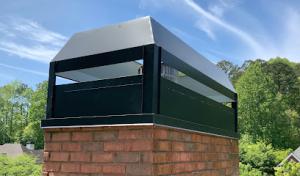
Georgia is an active wind and hail claim environment, so homeowners should expect adjusters to review roof age, material type, and whether damage is storm-related versus wear. In the warm, storm-prone season, a quick claim decision can hinge on how clearly damage is tied to a single event versus long-term wear from sun and humidity. If a roof is near the end of its expected life, expect questions about replacement feasibility and whether a roof can be repaired without compromising structure or ventilation. Documented evidence matters: dated photos from multiple angles, plus notes on when you first noticed trouble. Honest, precise reporting can prevent disputes later, especially if you can show a pattern of exposure to heavy rain, hail marks, or wind-driven debris. When you speak with an adjuster, keep your timing consistent; a vague description can lead to back-and-forth that delays work during storm season.
Some insurers in Georgia have tightened underwriting or raised premiums in high-claim periods, which can affect replacement decisions for older roofs. That means a claim may be treated more like a renewal risk than a straightforward damage reimbursement. If the insurer's stance shifts, you may face stricter depreciation timelines, deductible handling, or limitations on material options. Do not assume a standard outcome; ask for a written explanation of what the adjuster can and cannot cover given age and chosen material. The goal is to align expectations before any roof work commences, so a contractor's assessment can be weighed against policy terms rather than weathered myths about what is "covered." Having a clear concept of the insurer's reserves, appraisal options, and potential for a second opinion can save time and reduce stress when storms roll in again.
Because local contractors heavily market storm and claim assistance, homeowners need organized photo records, date-of-loss notes, and inspection documentation before filing. Start with a clean, labelled photo set that shows the entire roof, signs of wind damage, and any interior leaks traced to the roofline. Keep a dated log of when you noticed issues, when a contractor looked at the roof, and any temporary fixes you applied. When you present this bundle to the insurer, you sharpen your position and reduce the chance of misinterpretation about what happened and when. Store copies in a cloud folder and in a labeled physical file, so requests from the carrier or a public adjuster can be met promptly, even if weather deteriorates again.
Connect with contractors who help homeowners navigate the claims process from damage assessment to final approval.
South East Roofing & Gutters
7183 Jonesboro Rd STE # 200C, Morrow, Georgia
4.8 from 21 reviews

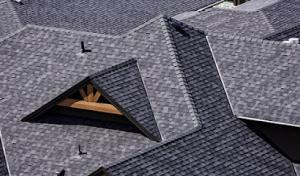
Spring in this area is often wet enough to slow tear-off work and extend deck drying times before underlayment and shingles go down. You'll want to plan for occasional rain spells that pause progress and compress the install window. The humidity can also affect fastener and underlayment handling, so crews lean on extra precautions to prevent moisture intrusion during a rainier spring. If you choose spring, expect potential delays and build in a cushion for weather interruptions.
Summer heat and frequent thunderstorms make spring and fall the preferred replacement windows locally, both for crew safety and for reducing weather interruptions. The heat itself can affect the ease of handling bundles and applying shingles, while sudden storms require rapid sheltering and tarp management. Target mornings with cooler temperatures and watch the afternoon thunderstorm pattern and winds. Short, well-coordinated days help keep material temps and worker safety in check.
Fall often provides a more predictable schedule with cooler air and fewer gapping rain events than summer. A dry, steady window enables quicker tear-off and consistent shingle setting, which helps with wind resistance and warranty coverage concerns. Crews can work at a comfortable pace without the day-long heat stress that drives fatigue. If storms reappear late in the season, plan for contingency days and proper stormproofing of exposed areas.
Winter in the area is usually moderate rather than severe, but cool damp conditions can still affect shingle handling and nail setting on some installation days. Early frosts or dew can slow crews at start or end of the day, and damp air can impact fastener performance. When choosing a winter slot, prioritize dry mornings and consider shorter work bouts with careful moisture management.
Coordinate closely with the chosen crew about expected storm dates and have a plan for rapid tarp deployment when showers threaten progress. In any season, aim for a window with fewer consecutive storm days and ample daylight to finish each phase of the installation.
Repeated thunderstorm exposure in this area makes flashing details at chimneys, wall intersections, and roof penetrations especially important over time. A quick glance at many homes shows how a small seal, once compromised, can become a pathway for water across seasons of heavy rain and wind. When replacing shingles, ensure the step and end flashing are properly integrated with thorough caulking, but also verify that the metal transition around the chimney is continuous and free of gaps. Inconsistent flashing here is one of the most common stealth leak sources after a storm.
Skylight service appears often enough in the local market to suggest that penetrations and curb details are a recurring concern for area homeowners. Whether it's a skylight, vent, or attic access, every penetration needs a dedicated, flashed collar system that conforms to the slope and surrounding shingles. Keep an eye on the sealant around curb fittings, and inspect for any settling that can open micro-gaps after a season of heavy rain. Even small drips at these points can turn into indoor moisture if left unchecked.
Ventilation and drainage are specifically checked during local final inspection, so homes with past moisture issues may need more than just new shingles during replacement. Ensure attic intake and exhaust vent balance is achieved to prevent condensation that weakens sheathing over time. Proper drip edges, downspout placement, and gutter efficiency are essential to directing water away from vulnerable seams. A careful eye on roof-to-wall interfaces will help keep moisture from finding its way into sheathing and insulation.
Moisture indicators inside the attic or ceiling-dark spots, musty odors, or peeling paint-signal more than a cosmetic problem. These signs often trace back to exterior leak points that were overlooked during a renewal or were aggravated by the previous storm season. When planning any repair, treat flashing, penetrations, and curb details as part of a holistic approach rather than a quick shingle swap.
Find contractors experienced in skylight installation, flashing, and leak repairs to bring natural light into your home.

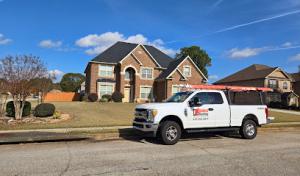
In the local market, the first impression after a storm is often measured by speed. Homeowners here value a contractor who can show up quickly, assess damage, and outline a practical plan for a re-roof in the same weather window. The south-metro storm pattern means a short, hot, humid window can compress scheduling, so you want a roofer who can promise and deliver a realistic timeline without sacrificing quality. Look for firms that routinely handle storm-driven jobs and understand how to stage a project around continued unsettled weather rather than delaying needed work.
Cleanup quality is a tangible signal of a contractor's respect for your property. After tear-off and replacement, you should see a tidy jobsite, plastic containment, and daily debris removal. A credible team leaves the site swept and free of nails, with daily cleanup noted in the orientation or contract summary. If debris or roofing scraps are left scattered for days, that flags a low priority on site condition and a higher risk of later repair needs or nuisance calls.
Long-established, family-owned and residential-focused firms are well represented around here, and они tend to offer steady relationships, predictable schedules, and straightforward communication. You'll also encounter manufacturer-certified crews and drone-inspection providers, though they are less common. Expect these options to bring different strengths: the former for hands-on, local know-how and predictable service, the latter for faster initial assessments. Your decision should balance local reputation with the ability to coordinate around storm windows and your property's needs.
Ask for recent local projects with contactable references and a quick on-site assessment after a storm event. Check the company's area focus to ensure they'll stay with your project through finish, including tarping, roof removal, and careful reinstallation. Request a detailed scope of work that outlines the sequence of stages, the materials to be used, and daily cleanup expectations. Confirm the crew size and supervision plan, and ensure someone is available for post-install follow-up of any warranty questions.