
Last updated: Apr 19, 2026
The humid subtropical pattern brings frequent spring and summer rainfall that can turn minor shingle or flashing damage into active interior leaks quickly. A single heavy downpour after a storm can find its way through a cracked cap shingle, lifted flashing, or deteriorated sealant, seeping into ceilings and attic spaces before you notice. In this climate, quick triage is essential: treat any shingle curling, loose fasteners, or flashing gaps as a warning sign, not a one-off nuisance.
When the rain has just stopped, step outside with a flashlight and a tape measure to spot soft spots on the roof deck, lifted shingles, or granule loss in valleys and along eaves. Look for water stains inside the attic near vents, chimneys, or along joints. If a storm delivered hail, inspect hail impact marks on shingles, metal trim, or siding-these dents can mask hidden cracks that allow leaks to form once temperatures shift and moisture moves. Prioritize documenting damage while it's fresh: take wide photos from ground level and close-ups of any damaged areas, plus a quick video walk-through of the interior attic and ceiling spots.
If active leaking is observed during a rain event, install a temporary, surface-level seal to slow intrusion: clean the area, apply a waterproof roof tarp or heavy-duty plastic with secure fasteners around edges, and avoid stepping on damaged shingles to prevent further breakage. Do not delay professional help for more than a few hours if water continues to enter; even small leaks can widen rapidly as rain persists. Contact a local emergency repair team that has experience with Rossville-style weather patterns, focusing on crews who can stabilize flashing, reseal penetrations, and perform a rapid interior containment if needed.
Spring storms often trigger insurance reviews, so detailed documentation matters. Compile a dated sequence of photos showing weather conditions, affected roof sections, and interior water intrusion angles. Keep records of any temporary fixes, the dates they were applied, and the names of contractors consulted. If a claim is filed, provide a concise timeline of damage progression from the first observed leak to the completion of a temporary seal. Clear photos of flashing, vent boot corners, and chimney abutments that show pre- and post-storm conditions can shorten the adjustment process.
Neighborhood demand here leans toward emergency repair, storm damage service, and insurance-related roof work. Look for a contractor who can respond within 24 hours for urgent repairs, can distinguish between shingle wear and storm-induced damage, and has clear experience navigating the insurance process. Ask for a written scope that prioritizes temporary stabilization, water intrusion control, and a plan for a full repair once conditions permit. For best results, choose a crew with a local track record of navigating the seasonal spikes in spring and summer, and who can coordinate backup materials if weather delays occur.
As the season shifts, establish a quick visual cadence: after every heavy rain or hail event, perform a focused roof and attic check, especially around vents, chimneys, and skylights. Address minor issues promptly to prevent them from becoming interior leaks during the next storm cycle. In this town, staying ahead on flashing integrity and sealant condition is the most reliable defense against the next round of spring rainfall.
C.m.d
(423) 308-9608 chavezmdrywallllc.com
Serving
4.8 from 30 reviews
We are building our business on clear, consistent communication. Homeowners deserve to have their products installed correctly so they perform to their full potential.

American Roofing Company
(800) 385-0781 www.roofyou.com
Serving
4.8 from 339 reviews
Located 3611 East 40th Street, Chattanooga TN 37407. American Roofing Company is your trusted partner for all roofing needs in the Southeastern United States. As a leading roofing contractor, we specialize in Roofing Services, Roof Replacement, Residential Roofing, and comprehensive Roof Inspections. Our expertise extends to Storm Damage Roof Repair and Emergency Roof Repair, ensuring your home remains protected in all weather conditions. Established in 2009, we pride ourselves on exceptional craftsmanship and a 100% Leak-Free Guarantee backed by robust warranties. Choose American Roofing Company for integrity, reliability, and superior roofing solutions. Call us today for a free estimate!
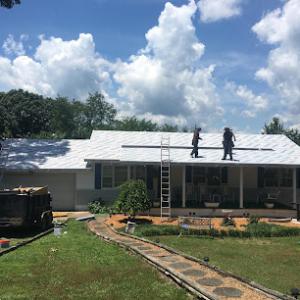
Rocky Top Roofing
(423) 693-7286 rockytoproofing.net
Serving
5.0 from 31 reviews
Rocky Top Roofing is Tennessee’s trusted roofing company for roof replacements, storm-damage inspections, and insurance-claim guidance. We combine experienced roofing crews with the power of a licensed Public Adjuster partner to help homeowners get accurate assessments and honest results—without the games, delays, or lowball offers homeowners often face. We specialize in hail damage, wind damage, roof repairs, full replacements, emergency tarping, winter roof protection, and insurance claim documentation. If your roof was damaged by a storm, we provide a free, no-obligation inspection and a clear explanation of your options so you never feel pressured or misled. As a local Tennessee company, we serve homeowners across Hamilton County
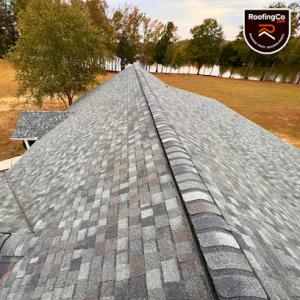
RoofingCo.com
(423) 565-0050 www.roofingco.com
Serving
5.0 from 213 reviews
Chattanooga’s best roofers for roof repair, roof replacement, and shingle installation. We also specialize in siding repair, siding installation, and deck building or restoration. Our experienced team delivers quality craftsmanship and trusted service for residential and commercial properties.
Ak Roofing & More
Serving
4.5 from 22 reviews
Small but mighty roofing team operating together for 12+ years in Chattanooga, TN. Licensed, bonded and insured. We will treat your roof like its our own!
Your Choice Roofing & Remodeling
(423) 760-1837 yourchoiceroofingchatt.com
Serving
4.9 from 35 reviews
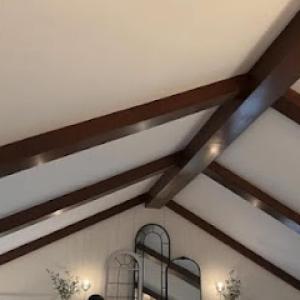
At Your Choice Roofing & Remodeling, we bring years of expertise in roofing, exterior improvements, and home remodeling to Chattanooga and North Georgia. Whether you need a durable new roof, emergency repairs, or a home makeover, our team delivers high-quality results with every project.
Pro Shield Exteriors
(423) 244-8535 proshieldexteriorstn.com
Serving
5.0 from 11 reviews
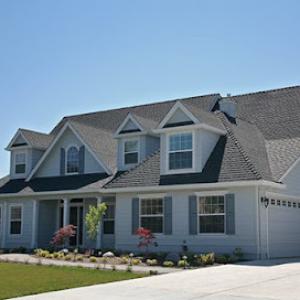
Pro Shield Exteriors, LLC is Chattanooga's go to solution for roofing and siding needs. We provide installation and repair services for commercial and residential roofs, hardy & vinyl siding, windows, and flooring as well as interior and exterior painting services. With nearly 30 years of contracting experience in Chattanooga, we serve Chattanooga, North Georgia, and the surrounding areas. At Pro Shield Exteriors, LLC we pride ourselves on providing high quality services in a timely manner. To do this, we stick to our schedules, keep you updated on any changes, and use only the best material for your new roof, siding, windows, or repairs. If you're ready for a quote or have any questions about our services give us a call at (423) 244-8535
Guardian Roofing of Tennessee
(423) 503-2162 www.yourguardianroofer.com
Serving
5.0 from 107 reviews
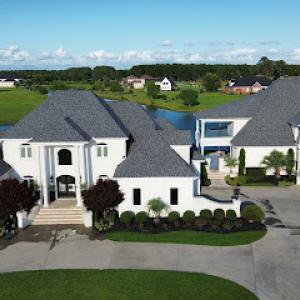
We offer exceptional service with reliable work to protect your home, and most importantly your family. Our team of Guardian roofing professionals can easily walk you through the entire process of a new roof with a free non-obligatory estimate. As a preferred vendor, we offer services for residential property owners. Whether you have a small leak, need a new roof, or a repair we can offer you peace of mind at competitive prices. We offer quick turnaround times on many different roofing services including repairs, upgrades, and installations. We are rated CertainTeed's highest level of installer, ShingleMaster SELECT as of 2023.
Sentri Roofing
(423) 417-3276 sentriroofing.com
Serving
4.9 from 436 reviews
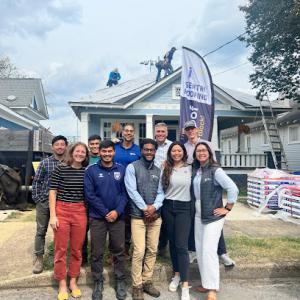
At Sentri Roofing, we recognize the significance of not just meeting, but surpassing your expectations when it comes to roofing services. Based in Chattanooga, TN, and with over 12 years of extensive expertise in the roofing sector, our team brings unparalleled knowledge and proficiency to every project. Our comprehensive services cater to a wide array of needs, whether you’re navigating the intricacies of a roof insurance claim, in urgent need of emergency tarp roofing, or seeking expert solutions for commercial roofing projects. Trust Sentri Roofing to deliver excellence and reliability, ensuring your roofing requirements are met with the highest standards of quality and service.
Restore Roofing
Serving
5.0 from 20 reviews
Replacing your roof can be stressful. At Restore Roofing, we provide quality roofing so you can have peace of mind and enjoy your home, stress-free. Our team of professionals can provide a wide variety of different roofing services. Our services include shingle and meta re-roofing, roofing repair and removal, and roofing inspections. Call us today if you are looking for roofing services in the Chattanooga area.
Tri State Roofing Contractors
(423) 803-4742 www.tstateroofing.com
Serving
4.9 from 33 reviews
Tri-State Roofing Contractors, LLC provides professional commercial and industrial roofing, waterproofing, sheet metal, and specialty roofing services in Chattanooga, TN and surrounding areas.
Noahs Roofing & Remodeling
(423) 954-7759 noahs-roofing.com
Serving
4.5 from 36 reviews
A family-based roofing company that is focused on providing customers with honest pricing and on-time project delivery throughout Chattanooga, TN.
In this market, asphalt shingles and metal roofing are the most established practical choices, strongly represented by local contractor specialties. Asphalt shingles are familiar to most houses in town, easy to repair, and quick to install after a spring storm. Metal roofing, with its high resistance to wind and rapid shedding of moisture, shows up on newer homes and upper-story additions where long-term durability matters. If a roof replacement is on the horizon after a heavy season, expect a common choice to be either familiar asphalt or a metal option, with local crews offering well-worn install sequences for each. Clay and concrete tiles appear on a subset of homes, but they're less commonly signaled by builders here, and wood shakes or synthetic composites sit further down the list, signaling a smaller but present market segment. This mix means you'll often see a straightforward choice between asphalt and metal, with specialty options available if a project taps into a particular aesthetic or structural promise.
The hot, humid summers here accelerate heat exposure and moisture-related aging. That translates to algae staining on shingles, faster granule wear, and the need for ventilation that actually moves air. When evaluating materials, look at how a roof system manages heat and moisture. Asphalt shingles with algae-resistant layers, better granule retention, and watertight underlayment perform better in prolonged humidity. Metal roofs should be evaluated for coating longevity and panel seams that tolerate expansion from heat. Ventilation becomes a performance driver: attics with adequate airflow reduce condensation in the winter and prevent heat buildup in the summer, preserving insulation and living space. In practice, ask contractors about ridge and soffit vent balance and whether a ventilation baffle system is installed to keep roof decks dry during spring storms. For new construction or re-roofing, consider underlayment choices designed for humid climates, such as a self-sealing membrane plus a breathable underlayment to move moisture without creating puddles on the deck.
Spring storms demand a plan you can execute quickly. Don't wait for a leak to test your readiness: pre-inspect after winter and again after heavy rains. Check for loose granules on shingles, lifted edges, and any signs of moisture intrusion around flashing and chimneys. If a leak appears, respond by locating the highest point of water entry and tracing along the roof line to identify the source, then protect interiors with tarps or plastic sheeting until a professional can seal flashings and reseal the deck. For asphalt, ensure surrounding shingles aren't cupping or curling, and verify that algae stains aren't masking underlying moisture damage. For metal roofs, inspect panel seams for loose screws and sealants that may have degraded after the winter. In all cases, document damage with clear photos from multiple angles and keep a simple timeline of when storms hit, when leaks appeared, and when a contractor was contacted.
Storm-related roof damage often requires insurance documentation. Start by compiling a concise damage log that includes dates of each storm event, observed roof conditions, and any interior moisture signs. Photograph roofs from ground level and from ladders where safe, focusing on flashing, edge details, and any debris or hail impact marks. Maintain copies of prior roof work orders or contractor notes, and store them with current estimates. When choosing a restoration path, prefer materials and installation approaches that maximize water-tightness and ventilation-two factors insurers commonly value after storm events. If a contractor recommends a partial replacement, ensure the scope clearly shows what portions of the roof are new versus existing, and keep a line-by-line record of work performed to assist the claims process. Finally, maintain a calm, consistent line of communication with both your insurer and the chosen contractor, and request written confirmations for all key decisions and changes to the plan arising from spring storm conditions.
A practical approach: upgrade attic ventilation where it's lacking, particularly in homes with hip or valley roofs that trap heat. If algae staining is prevalent, discuss with the contractor a treatment plan that preserves shingles while reducing staining and moisture retention. For asphalt, consider higher-quality shingles with better granule adhesion and algae resistance. For metal, ask about coating options that extend color longevity and reduce heat absorption, along with confirmed panel fastening methods for wind resilience. Regular maintenance after heavy rains-including gutter cleaning and flashing checks-helps sustain performance through the humid season and supports smoother insurance documentation when storms strike.
Your roofing project in this valley-spread area runs in solid local ranges. For asphalt shingles, expect about $350 to $550 per square, which is a common starter choice for many Rossville homes with shallow slopes or existing plywood. If metal is on the menu, budgeting $600 to $1000 per square reflects the faster install and the durability a southern Georgia heat and spring storms demand. Clay tile lands in a higher band, roughly $900 to $1400 per square, with concrete tile following at around $800 to $1400 per square. Wood shingles or shakes sit around $650 to $1100 per square, a choice some older homes still pursue for that rustic look, while synthetic or composite shingles come in at $550 to $900 per square. These ranges are practical guides for planning, not exact bids, and they mirror local supply dynamics and the typical material mix you'll see after a spring event.
Autumn generally offers the most workable replacement window locally, thanks to cooler temps and the lull after summer storms. In spring, the picture shifts: storm-driven demand can tighten contractor availability in Rossville and affect both scheduling and pricing. Summer heat and humidity push production timelines if crews need to slow for moisture checks, and a winter cold snap or occasional freezes can interrupt progress mid-project. When you map out a replacement, build in a few weeks of stretch time for weather-related delays and a backup plan if a storm pushes projects back. That extra cushion isn't a luxury here; it's a practical way to guard against scheduling conflicts when the forecast turns volatile.
Spring storms in this valley often leave surprise leaks or accelerated wear on flashing, valleys, and shingles. If you suspect damage after a storm, document everything with clear photos that show the affected areas and any interior moisture. Create a simple runoff map or note the flow path to guide a quick assessment, and keep a running log of dates and contractor visits. In many cases, you'll want to call in a storm-damaged assessment before choosing a full replacement route. Early documentation can streamline insurance conversations and help you separate emergency tarping from permanent repair decisions. If a leak is evident, prioritize temporary containment-tarps or boards-to limit interior damage while you arrange an assessment and quotes from two or three local roofers.
Because autumn often presents the most workable window, start gathering bids in late summer and set expectations for a fall start. If spring events have already pushed scheduling into late spring, lock in a target installation date as soon as possible and confirm availability with a few nearby crews. Have a clear sense of your preferred material by mid-summer to avoid being pushed into a late-season selection that could impact lead times. In practice, a well-timed plan pairs your material choice with a realistic calendar that accounts for storm-driven demand, helping you balance cost, quality, and project completion before the heavy winter weeks arrive.
Get a clear picture of your project costs upfront - no commitment required.
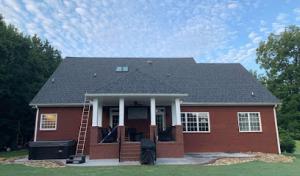
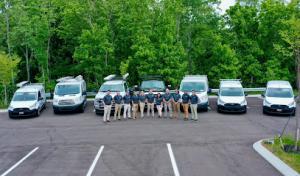
A full roof replacement in Rossville typically requires a building permit. This is not a generic nation-wide process; the permit pathway is tied to the City of Rossville and Catoosa County permit office structure rather than a large standalone metro system. The local approach rewards timely, accurate documentation because inspections are scheduled around predictable city workflows rather than a distant regional department. If you're replacing an entire roof, your permit packet should show roof type, square footage, existing structural concerns, and any changes to ventilation or attic insulation. Having these details ready helps keep the project moving through the proper channels.
Permit handling is coordinated through the local city-county framework. Start with the City of Rossville building department to file the permit application, then expect some coordination with Catoosa County if the project involves setbacks, drainage alterations, or utility work that falls outside city limits. A homeowner or contractor submitting the application should include a clear scope of work, contractor license information, and proof of any required approvals from homeowners associations if applicable. Because this process is scoped to the local offices, plan for a few days of queue time during busy seasons, especially after spring storms when roof work spikes.
Roof jobs commonly move through an initial inspection and a final inspection after completion. The initial inspection usually occurs after framing or decking work is in place and before the roof covering is installed, to verify header layouts, ventilation, and rooftop penetrations are prepared correctly. The final inspection confirms the roof is finished per code, that flashing is properly installed, and that vents and drainage meet local requirements. If weather or access issues slow progress, communicate any delays to the building department promptly; local offices are typically more forgiving when they're kept informed and have a clear schedule.
Before submitting, double-check that your permit packet includes the roof plan, material type, and a current contractor license or proof of property ownership if you're doing the work yourself. Keep a digital copy of all inspection approvals and any cited corrections. On the day of inspections, ensure access is clear to the roof and attic spaces, and have a nearby contact ready in case the inspector has questions about drainage or ventilation changes. This local, straightforward approach helps reduce delays and aligns with how Rossville handles storm-damaged roof projects.
When hail or wind tears through a spring storm, insurers in Georgia commonly want documentation of the damage, including recent photos and an inspection report, before approving roof-related claims. In this area, those checks are routine, and timing matters. Take clear photos from multiple angles after a storm, capturing gutters, shingles edges, and any lifted granules or dented metal. An independent or licensed roof inspection that notes specific damage and its likely cause can help your claim ride through the adjuster's desk with fewer questions. Be ready to explain how the damage aligns with the storm's timeline and to show any prior wear that could complicate coverage.
Adjusters may request supporting damage assessments, which matters in Rossville because spring storm activity is a recurring trigger for roof claims. If there are ceiling stains or interior water marks, document them promptly, including the date you first noticed them and the room's position relative to the roofline. Keep a simple record of when you contacted the insurer, who responded, and what their field report noted. A concise narrative tied to photos often speeds the process. Having a written list of neighboring properties that sustained similar damage can also help demonstrate the storm's impact beyond your own roof.
An inspection report that clearly ties to the hail and wind events strengthens the file. Expect the insurer to want to see evidence of wind uplift, punctures, or moisture intrusion. If a claim is delayed, you can request a reinspection or a supplemental assessment, particularly after additional storm activity that season. In Rossville, where moisture moves quickly through the valley air, prompt documentation of any moisture-related concerns can prevent small leaks from becoming larger, more complex exposure items.
There is no statewide insurer pullback noted here, but some carriers have tightened underwriting after severe storm years in parts of Georgia. That reality makes timely, thorough documentation even more important. If a claim is denied, review the insurer's written rationale carefully, and consider an independent opinion to verify the scope of hail or wind damage. In practice, solid documentation and a prudent, stepwise approach reduce the chance of costly delays or surprises as the process unfolds.
Connect with contractors who help homeowners navigate the claims process from damage assessment to final approval.
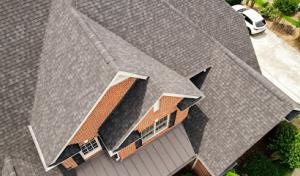
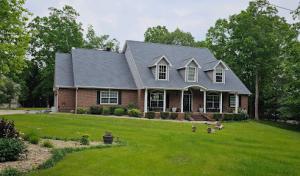
In this market, the strongest signals point to contractors who can respond quickly after a storm, finish temporary leak mitigation, and wrap up with thorough cleanup. You'll notice many crews advertise rapid on-site arrival, same-week assessments, and debris removal included in the project. When you call after a leak, expect a quick tarp or board-up, then a dated plan for permanent repair. A clean jobsite isn't an afterthought here; it's part of the promise that helps homes dry faster and neighbors trust the finish.
Spring storms drive demand for re-roofing, not just patchwork. Local crews lean toward full replacement when shingles or underlayment show widespread wear, expanding your options beyond temporary fixes. Ask for a clear scope: which underlayment, flashing, and venting are included, and how the new roof will shed late-season rain. Because Rossville homes sit in a humid valley, insist on moisture-resistant materials and proper ventilation detail. The emphasis is on durable, prompt re-roofing that minimizes future storm exposure.
A smaller share of contractors advertise manufacturer certification, drone inspections, or long-established branding. That means you should verify credentials, references, and the exact scope of work directly. Have the contractor walk through the leak's origin, show roofing material compatibility, and provide a written up-front plan with milestone dates. Ask for real-world examples from nearby neighbors and confirm that cleanup includes disposal of debris, nails, and worn underlayment.
Post-storm documentation matters. Request a detailed repair plan, a materials list, and coverage notes aligned with your insurer's expectations. Insist on written communication that traces the sequence from tarping to final cleanup. After each milestone, require photos or a brief report showing progress, so you can file insurance documentation confidently and avoid gaps between inspection and reimbursement.
Get a clear picture of your project costs upfront - no commitment required.