
Last updated: Apr 19, 2026
Thunderstorms roll through this part of northwest Georgia with a readiness that keeps your roof on a tight edge. Spring hail can bruise shingles and shove granules loose, while strong winds lift edges and expose flashing. Heavy rain then finds any gaps or imperfect seals. In Ringgold, it's not just aging shingles that fail the test-it's the combination of uplift, granule loss, and flashing entry that shows up as a leak path after a storm event. When the next line of storms rolls in, you should assume your roof needs a careful post-storm check, especially if you notice shingle curls, lifted tabs, or granules in gutters. Acting quickly to confirm what happened above your head can save you from slow leaks and bigger interior damage.
The local insurance environment weighs a precise, evidence-backed picture set more than a quick summary. Start with a thorough exterior walk-around, timing your photos to capture the moment the storm event ended. Photograph all visible damage to the roof surface, focusing on lifted edges, hail dents, swollen flashing around chimneys or vents, and any granule loss visible in gutters or on the ground. Take close-ups and wide-angle shots that show the overall roof condition and the specific problem spots. Inside, photograph ceiling stains, attic condensation, and any signs of moisture that trace back to flashing failures rather than obvious age-related wear. When you file, include a written note that separates fresh storm damage from prior wear, with dates if you can recall them. This separation matters for your adjuster to distinguish what changed after the storm versus what was already present.
After the storm, you're not just submitting pictures; you're conveying a narrative of what happened and when. A clear timeline helps: the storm's arrival, the lull, and the subsequent onset of leaks or damp spots. If you had weather-pertinent symptoms-shingle curls, buckling, or sudden attic moisture-anchor those details to the corresponding dates. Your notes should include any on-site observations from the day after, like a loose edge catching wind or evidence of water intrusion around flashing joints. Clear, honest descriptions prevent a dispute later about whether damage came from an event versus aging. Insurers here scrutinize whether new damage aligns with recent storm activity, so your report should leave no ambiguity about the storm's impact on your roof.
Contractor signals in Ringgold lean toward rapid emergency response-tarps, leak stabilization, and claim-assistance services arrive within hours after a major event. That immediacy is both a blessing and a trap: you gain urgent protection, but you can also encounter aggressive pressure to sign up for repairs or services before your claim is fully evaluated. If a contractor offers tarp-only services or urges you to start work before an adjuster visits, proceed with caution. Ask for a written scope that explicitly separates emergency stabilization from permanent repair, and request contractor documentation that shows what is being proposed as temporary versus permanent. Keep a log of who visits, what they inspect, and what they promise. If a claim is disputed or delayed, you can request an independent adjuster or a second opinion to corroborate the damage your roof sustained from the most recent storm.
Meanwhile, you should minimize additional moisture intrusion. If you notice active leaks, place simple, temporary support or tarps as directed by a professional, but avoid further disturbance to compromised shingles or flashing that might be misconstrued as existing wear. Do not remove or replace suspect shingles before the adjuster's inspection, unless you're preventing imminent interior damage. A calm, documented approach-photos, notes, and a coordinated plan with your insurer-helps keep your claim on track. In Ringgold, storms are a familiar rhythm; your preparation and your careful, well-documented response can turn a stressful event into a controlled restoration, with the right evidence guiding your claim to a fair resolution.
All Roofing & Remodeling
(423) 413-0438 www.allroofingchattanooga.com
Ringgold, GA
4.7 from 16 reviews
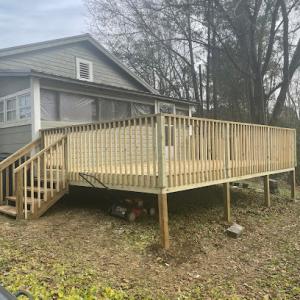
Established in 2003, All Roofing & Remodeling offers a comprehensive approach to Chattanooga's roofing and remodeling needs. Our experienced staff tackles projects from roof repair to deck construction, ensuring quality craftsmanship throughout.
Patriot Exterior Services
(423) 618-7810 www.patriotexteriorsga.com
Ringgold, GA
5.0 from 7 reviews
Patriot Exterior Services provides expert roofing, siding, and gutter solutions across North Georgia and the Chattanooga area. Specializing in asphalt shingle, metal, and TPO roofing, we offer a seamless process from free onsite evaluation to written quote within 48 hours. Whether it’s storm damage restoration or new construction, our team provides quality workmanship and 5-year warranties on full remodels. Insured and locally operated. Locally owned and committed to integrity, Patriot Exterior Services provides inspections, emergency storm support, craftsmanship and financing.

Toppers Roofing
(423) 605-4485 toppersroofing.com
52 Running Oak Dr, Ringgold, Georgia
4.4 from 20 reviews
We are a local family-owned business that has been running for 25 years, specializing in commercial and residential roofing. Using the best materials, techniques, and skilled roofers aiming for excellence every time. We work with all major insurance companies and are licensed, insured, and bonded. Don't hesitate to make that call for the best roofing experience that you and your family deserve.

Flat Roof Group
Ringgold, Georgia
5.0 from 1 review
Your Roof Is In Good Hands With Us Meet our team of experienced commercial roofing contractors in Ringgold, GA Are you a business owner seeking to repair, replace, install or fortify your commercial building's roof? Don't settle for any old roofing company. Flat Roof Group, Inc. is a commercial roofing company that specializes in roofing services specifically for businesses in Ringgold, GA and surrounding areas. You can depend on our commercial roofing contractors for a wide range of services, including: Commercial roof repair Commercial roof replacement Commercial roof installation Commercial roof coating
Guardian Roofing of Tennessee
(423) 503-2162 www.yourguardianroofer.com
Serving
5.0 from 107 reviews
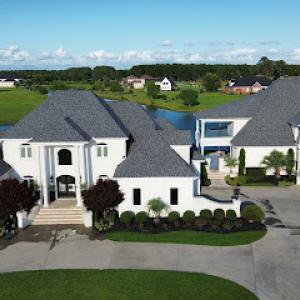
We offer exceptional service with reliable work to protect your home, and most importantly your family. Our team of Guardian roofing professionals can easily walk you through the entire process of a new roof with a free non-obligatory estimate. As a preferred vendor, we offer services for residential property owners. Whether you have a small leak, need a new roof, or a repair we can offer you peace of mind at competitive prices. We offer quick turnaround times on many different roofing services including repairs, upgrades, and installations. We are rated CertainTeed's highest level of installer, ShingleMaster SELECT as of 2023.
Jaco Contracting
(423) 825-9902 jacocontracting.com
Serving
5.0 from 46 reviews
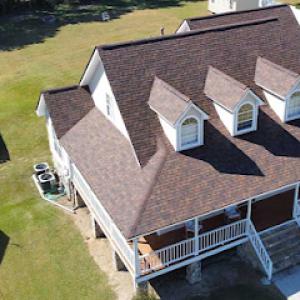
Jaco Contracting is a roofing contractor in Chattanooga, TN serving East Brainerd, Ooltewah, Calhoun, and nearby areas. Our roofing company offers residential roofing, asphalt shingle roofing, metal roofing, residential roof repair, residential roof replacement, residential flat roofing, commercial roofing, and more. Customers love us because of our comprehensive roof warranties and our affordable roof financing options. We also have industry affiliations and certifications such as Owens Corning Platinum Preferred Contractor, GAF Master Elite, and many more. If you want to experience how your most trusted Chattanooga roofing company embraces our motto "Uh Oh, Better Call Jaco!", call us now for a free estimate!
Lepards Roofing & Remodeling
Serving
4.1 from 28 reviews
Lepard’s Roofing & Remodeling is a locally owned and operated contractor that has been serving Catoosa County for 18years. Offering a full range of roofing and remodeling services, we are ready to take care of all your roof and remodeling needs. From kitchen remodeling to complete roof makeovers, we deliver top-quality craftsmanship at the most affordable prices
Southern Guardian Roofing
(423) 508-4907 www.southernguardianllc.com
Serving
5.0 from 231 reviews
Southern Guardian Roofing is your premier roofer in Chattanooga, TN, providing expert roof replacement and repair services. With a commitment to quality and customer satisfaction, we also specialize in gutter replacement to ensure your home is fully protected. What sets us apart? We offer a lifetime workmanship guarantee and meticulously document every step of the process for transparency and peace of mind. Our trustworthy, friendly, and personal approach ensures that your roofing needs are met with the utmost care and professionalism. Contact Southern Guardian Roofing today for reliable service and lasting results.
RemoteRoof
Serving
5.0 from 4 reviews
RemoteRoof is an easy way to get a detailed proposal for the cost to replace your roof. We are a roofing contractor offering CertainTeed products!
Quality Exteriors
(423) 556-6696 qualityexteriors.com
Serving
5.0 from 71 reviews
Quality Exteriors, based in Chattanooga, TN, is a trusted roofing company providing expert roof replacement and repair services for homes and businesses across the greater Chattanooga area. Since 2006, our family-owned team has delivered durable, high-quality roofing solutions built to withstand the region’s heavy rain, humidity, and storm damage. We specialize in residential and commercial roofing backed by GAF Master Elite® and President’s Club certifications. Known for craftsmanship and professionalism, Quality Exteriors is the Chattanooga roofing contractor homeowners rely on for dependable service, lasting results, and locally trusted expertise.
R&Z Roofing Installations
(423) 400-5372 rzroofinstallationsllc.com
Serving
5.0 from 11 reviews
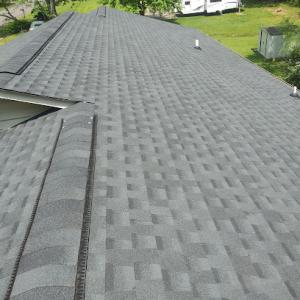
We serve the NW Georgia and Chattanooga area, free inspections and free estimates, best prices in the area.
Lee Roofing
(931) 644-8663 www.leeroofingcompany.com
Serving
4.9 from 129 reviews
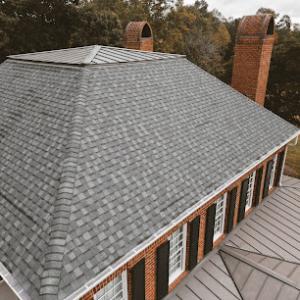
Servicing the Tennessee valley and its surrounding areas, Lee Roofing is here to ensure the safety of our community – one roof at a time. With affordable rates, emergency response, and extensive roofing services, our veteran-owned company is here for you whenever you need us. We implement our core values of integrity, respect, honesty, and results into every roofing job we take on. Rely on Lee Roofing for all your roofing needs; we offer roof installations, replacements, repairs and maintenance services. Free quotes are always offered. Call us today to schedule your next roofing project.
Asphalt shingles remain the dominant practical choice in Ringgold. They're familiar to local crews, widely available, and straightforward to install on most homes in the area. The hot, humid summers and frequent rain accelerate surface aging, so expect the top surface to show wear sooner than in drier climates. When choosing asphalt, look for thicker, architectural shingles with good wind resistance and manufacturer warranties geared to high-humidity environments. Regular inspections after the spring storm season are essential because wear can progress from cosmetic granule loss to potential leaks more quickly than anticipated. In a typical Ringgold home, the gutter line and dormers often reveal the first signs of aging, so schedule checks there and around any roof penetrations. Maintenance steps are practical: keep the valleys clear, address any missing or damaged shingles promptly, and consider algae-resistant options if your home experiences persistent shade or overgrowth around the roofline.
Metal roofing has strong local relevance in the contractor market and is often considered by homeowners looking for better wind performance and faster rain shedding during repeated thunderstorm cycles. Metal systems can handle Ringgold's wind uplift demands well, especially on exposed ridges or steeper pitches. If choosing metal, consider a profile that reduces the potential for wind-driven leaks at penetrations and edges. The installation requires skilled crews familiar with Ringgold's typical attic ventilation configurations and with flashing detail around chimneys, vent pipes, and skylights. Metal roofs respond well to rapid rain shedding, which can lessen the duration of ponding on slopes during heavy storms, but soft underlayment compatibility and proper sealant choices around fasteners are critical to prevent slow leaks. Maintenance is simpler in some respects, yet any denting from hail or hail-adjacent impacts should be inspected promptly, as local hail patterns can vary year to year. A practical approach is to pair a metal roof with proven underlayment and annual inspections to catch fastener wear or corrosion early, especially on coastal-facing or tree-laden sides of the house.
Tile, slate, and synthetic options exist in the market but are less common locally, so homeowners should account for installer availability and the need for crews experienced with heavier or specialty systems in northwest Georgia. Clay and concrete tiles bring durability and a distinct aesthetic, but they add weight and require structural assessment to ensure the existing framing can carry the load. Slate and high-end synthetics offer longevity, yet installations demand crews with specific expertise and careful flashing details to manage thermal movement and wind uplift in a humid climate. In practice, these materials tend to be chosen for renovations where roof shape, roofline complexity, and home style align with their strengths. Planning ahead for longer lead times and confirming that local contractors have recent experience with the chosen system helps avoid delays. If a tile or slate option is pursued, insist on a detailed installation plan that addresses underlayment, ridge venting, and wind-driven rain scenarios typical of Ringgold's spring storms.
Regardless of the chosen material, storm readiness matters. After each thunderstorm or hail event, perform a targeted walkthrough focusing on valleys, drip edges, penetration points, and any areas showing discoloration or granule loss. Keep high-quality photos and notes to document wear and damage over time. If the home has unique features-skylights, dormers, or standing-seam joints-verify that flashing and sealants are intact and compatible with the selected roof type. In a humid climate, regular cleaning of debris from gutters and roof intersections reduces moisture retention at eave lines and reduces corrosion risk for metal systems. Routine inspections by a trusted local contractor can help catch early signs of trouble before they progress into leaks, especially during the heavier spring storms Ringgold faces each year.
In Ringgold, replacement timing is heavily influenced by humid summer conditions and frequent rain, making drier and milder periods more favorable for tear-off, decking review, and shingle installation. When the humidity drops and the sky clears for a stretch, crews work faster, adhesives cure properly, and roof decks stay drier during the critical phases of removal and reapplication. Pushing work into the peak of summer or the heart of a monsoon season often means longer tear-off times, higher risk of water intrusion, and more interruptions from afternoon pop-up storms.
Spring and late fall are the most workable windows for major roof work in this area. After the last of the cold snaps, you usually get several weeks of steady, calm weather that supports thorough deck inspection and proper shingle seating. In contrast, winter fronts and occasional freezing conditions can slow installation pace and affect adhesive performance, especially on projects pushed into colder weather. If a project must run into winter, expect lighter crews and possible delays, but using mid-winter dry spells when highs stay above freezing can still yield solid results.
Spring storm activity can disrupt scheduling and create short-term demand spikes for labor and materials after hail or wind events in the Ringgold area. Thunderstorms bouncing from the plains to the foothills around this region can pop up with little warning, forcing crews to pause or shift timelines. When a hail event hits, roofs are quickly marked for assessment, and the chain of supply tightens as local crews book out weeks in advance. If your schedule hinges on contractor availability, plan with extra buffer in spring to account for weather delays and rush-demand logistics.
Begin with a dry weather assessment window. Choose a stretch of at least a few days with no rain, moderate humidity, and mild temperatures for the tear-off and deck inspection. Inspect the underlayment, confirm venting, and address any attic moisture concerns before the new shingles go on. Schedule installation to finish before the hottest part of summer if possible, but avoid pushing into winter conditions when adhesive performance could falter. If a storm system looms during a planned tear-off, install temporary protective measures to minimize water intrusion and protect interior spaces.
During execution, track daily forecast accuracy and wind uplift risks. Strong afternoon storms can require temporary roof covers or work stoppages to safeguard exposed decking. After the replacement, verify that all attic penetrations, flashing details, and vent seals remain weather-tight as the weeks following installation bring seasonal humidity changes. In Ringgold, the goal is a steady, dry install period followed by a well-sealed, long-lasting roof that can withstand the summer humidity and the next round of storm activity.
Get a clear picture of your project costs upfront - no commitment required.
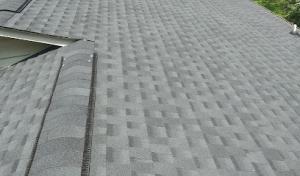
Typical Ringgold projects align with the statewide material tiers, but the local weather and housing stock tip the scales a bit. Asphalt shingles generally run about 350 to 600 USD per square, a range you'll see most often for midwest-style ranches and classic gable roofs around town. If you lean toward metal, plan for roughly 700 to 1000 USD per square, a step up that pays for faster installation and stronger wind uplift resistance prized after spring storms. When you look at tile or slate, the price jumps noticeably: clay tile sits around 900 to 1400 USD per square, concrete tile from about 800 to 1200 USD per square, and slate can push well beyond, from 1200 up to 2400 USD per square. Those higher numbers reflect not only the material cost but the specialized installation and longer lead times those systems require.
Local demand swings are a real factor here. After a hail event or a strong thunderstorm pattern, crews that can handle full replacements book out quickly and material timelines can tighten, pushing up both availability and price. If you're replacing during a peak cycle, expect longer scheduling windows and a tighter window to lock in favorable terms. The nature of Ringgold's storm exposure means you'll often see quick-response crews needed to manage wind uplift risks on exposed ridges and taller homes, which can add a bit to labor charges, even if the base material price stays within the ranges above. If the home sits on a steep pitch or has multiple transitions (hip-and-valley roofs), the installation becomes more intricate, nudging the per-square cost upward for labor.
Base material cost is only part of the picture. In this market, installation practices that meet local conditions-proper underlayment, correct nailing patterns for wind zones, and careful flashing around chimneys and skylights-can shift final pricing beyond the raw material subtotal. Fully replacing an older roof often reveals decking or sheathing issues that must be addressed, which adds to the bill but protects long-term performance against leakage during heavy spring storms. If you're weighing synthetic or composite shingles, you'll notice a middle ground on both price and performance, offering a balance of durability and cost that fits many Ringgold homes with moderate roof complexity.
Don't let upfront costs delay a critical repair - these contractors offer payment plans to fit your budget.

In Ringgold, a full roof replacement typically requires a building permit. The usual practice is that the contractor files the permit with the local building department, not the homeowner. This means you'll want to confirm your contractor is handling permit submission, pull notices, and any required plans with the city. Keep a copy of the permit and all correspondence handy, since the city's records will reference the project and the approved scope. If a homeowner is ever asked to step into permit duties, it's a red flag; reputable local roofing pros handle the full permit process to keep everything compliant from the start.
Before the work begins, ask the contractor to provide a clear notice of the permit number, project scope, and the anticipated timeline. Since Ringgold's climate brings frequent storms and spring hail risk, it's prudent to document existing decking, underlayment, and visible flashing conditions. A simple photo log and a written checklist signed by the contractor can help during the final inspection. The goal is to show that decking is sound, underlayment is appropriate for the roof type, and nailing patterns will meet code requirements. Missing or vague documentation can slow the process after completion.
A post-completion inspection is part of the local process to verify that materials, installation, and workmanship meet code requirements. The inspector will typically focus on decking condition, underlayment quality, and nailing pattern as evidence that the roof is installed correctly and safely. Be prepared to provide access to the attic space and to demonstrate proper ventilation and attic insulation continuity if requested. If any discrepancies are found, the contractor will need to address them promptly to secure final clearance.
Wind uplift requirements may apply depending on current code updates in the area. After storm seasons, enforcement can tighten, and proper nailing, securement of ridge and hip caps, and edge details become more scrutinized. It's important to ensure your contractor is familiar with the latest Ringgold-area wind provisions and can translate those into the on-site installation. Ask for confirmation on wind-rated underlayment, nailing schedules, and any city-specific fastener requirements before the project starts. The final inspection will verify these elements as part of compliance.
In a neighborhood of peaked roofs and metal vents, documenting storm history matters. Insurers pay close attention to how often claims are filed and what the roof shows in photos taken before any new damage. You should keep dated roof photos and maintenance records ready, especially after severe thunderstorms or hail events. Concrete advantages come from visible wear being explained before trouble strikes, so a careful album of yearly inspections can make a meaningful difference when a claim review happens.
Wind mitigation features and hail history influence coverage opportunities and discounts, making material choice and installation quality part of the insurance decision rather than only a construction choice. Asphalt shingles, metal, tile, and synthetic options each carry their own record of performance in this climate, so your selection should align with how exposure and pounding rain interact with your roof's age. If a recent storm proves or disproves a prior hail track record, that history informs both eligibility and the potential for premium adjustments. A well-installed system with proper sealing and fastener patterns tends to support a stronger insurance profile over time.
After a loss, homeowners should expect requests for detailed inspection notes and damage documentation that clearly tie observed issues to a recent storm event. The notes should describe the sequence of events: when the storm occurred, what components were affected, and which areas show new damage versus preexisting wear. Photos taken from multiple angles and at consistent dates help establish the connection between the event and the observed damage, reducing delays in processing and helping prevent second-claim disputes. A careful, organized record set becomes an essential part of the repair narrative.
In Ringgold, after thunderstorms and hail, homeowners expect tarping, debris removal, and leak control to happen fast. The right roofer should demonstrate how they respond to storms, how quickly they can secure a site, and how debris and leaks are handled during the first 24 to 72 hours. Since re-roofing is more common than niche roof types in the local contractor mix, you should verify that a given company regularly handles the exact material you want rather than assuming broad specialization. Look for a contractor who can describe a realistic post-storm plan that minimizes exposure to additional weather damage while the project is underway.
Because a smaller share of contractors advertise manufacturer certification, drone inspection, or long-established local tenure, those differentiators are meaningful here. Ask specifically how they document damage for insurance, whether they use drone or manual inspection, and how they verify alignment with your chosen material. A reputable local roofer should be able to show recent projects using the same product you select, with photos and a simple scope of work. If a company avoids material-specific references or cannot confirm ongoing manufacturer-supported installation guidelines, treat that as a red flag.
Your home's roof type will guide the selection. If you choose asphalt shingles, metal, tile, or synthetics, ensure the crew has a track record with that exact line and color. Obtain a straightforward explanation of the installation sequence, from decking checks to underlayment and fastener choices, and ask for a written outline of site protection, debris removal, and tarp-off procedures for storm-prone days.
In this market, timely communication matters more than ever. Request a single point of contact, preferred channels, and daily or triage-style updates during the first 48 hours after a storm. Confirm how they document repairs for insurance and how they capture before-and-after photos for your records. A reliable Ringgold roofer will provide a concise, photo-backed estimate and a clear schedule that aligns with weather windows.
Ask for recent references, especially from customers who pursued the same material you want. Check available certifications, but prioritize demonstrated performance and responsiveness over credentials alone. Plan a quick, in-person walk-through of your roof to confirm their familiarity with your exact setup and to identify any immediate tarp or leak-control needs.