Last updated: Apr 19, 2026
In this part of Hamilton County, the storm corridor northeast of Chattanooga means wind-driven rain can hammer roofs hard in a short window. Shingle loss and sudden leaks aren't rare after a fast-moving line, even if the day felt dry at noon. Look for lifted tabs, missing granules, or dark streaks along ceilings and walls after every storm. If the attic shows fresh daylight or damp spots near ridge lines, treat it as a signal to investigate further rather than assume it will dry out on its own. The risk isn't just water in the attic; damaged decking or compromised underlayment can lead to hidden rot that compounds quickly in humid summers.
Time matters the moment the wind gusts peak. Move vehicles and outdoor furniture away from the drip edge, and safeguard any valuable insulation or wiring exposed to attic leaks. If you notice active dripping, place a temporary tarp or plastic sheeting over the affected area to slow active infiltration until a contractor can reach the site. Don't attempt permanent repairs yourself during a storm window; tarping is a short-term shield, not a fix. Keep a flashlight handy in the attic and nearby rooms to track where moisture concentrates as the storm ends and daylight returns.
Once the weather eases, do a brisk external and internal sweep. Start on the highest roof plane reachable safely and work down-elevation-by-elevation photos give a clear, stepwise view of where shingles lifted or where flashing pulled away. Photograph the extended edges of the roof, any missing shingles, and the condition of nearby vent flashing. Inside, photograph every room with suspected leaks, focusing on staining patterns, bulging ceilings, and mold-prone corners. In Ooltewah, where humidity and spring moisture persist, interior water spots can proliferate quickly, so set a routine to document within 24 hours of the storm's end.
Insurers in this corner of Tennessee scrutinize wind and hail claims closely. Start with date-stamped photos that capture the damage as it appears the day after the storm. Include close-ups of shingles, granule loss, and flashing, plus wide shots showing how much area the damage covers. Interior documentation should pair with the roof photos: note the exact room, approximate ceiling height, and the time and date of each leak. Elevation-by-elevation roof photos-again, taken promptly-help the adjuster see the scope, from ridge to eave, and from vulnerable low sections to higher planes. Create a simple, chronological file that you can share with your insurer and your contractor.
The local contractor market emphasizes rapid post-storm assessments and tarping, not just planned replacements. That means you'll likely encounter firms that prioritize immediate containment and thorough damage documenting over a single, big-ticket fix. When choosing who to call, prioritize crews that can demonstrate rapid arrival, secure tarping capability, and a clear plan for the next steps after the first assessment. Communicate clearly that the goal is to limit further damage while you finalize the insurance process and scheduling for permanent repair.
Keep the attic ventilated to slow condensation buildup; close any openings that invite fresh rainwater, but avoid blocking soffit vents completely. Use a bucket or tarp to collect persistent leaks in a controlled way, and create a simple, safe path for water toward an exterior exit if possible. Record daylight entering through roof nailing zones or flashing seams, and monitor any changes in water flow over the first 24-72 hours after the storm. In this area, where the spring climate can keep moisture high, you'll reduce secondary damage by acting quickly, documenting thoroughly, and coordinating closely with a trusted, local emergency repair team.
Asphalt shingles run about 350 to 650 USD per square in this market, while metal roofing sits between 700 and 1200 USD per square. Clay tile typically falls in the 800 to 1800 USD range, concrete tile 750 to 1500 USD per square, slate 1200 to 2600 USD, and copper roofing 1800 to 3800 USD per square. These figures reflect the Ooltewah supply chain, labor rates, and the way local crews price projects in suburban Hamilton County. When you're budgeting, use these ranges as anchors rather than exact quotes, and expect that small-to-medium repairs may come in lower while full replacements on steeper or complex layouts will trend higher within these bands.
Spring storm periods in Hamilton County pull crews into emergency repairs and insurance-related re-roofing, tightening scheduling and labor availability. If you're planning a roof project in late spring or early summer, expect longer lead times and possible price bumps related to higher demand. Inventory for materials like clay, concrete, and slate can also tighten after a busy storm cycle, which may nudge per-square costs upward toward the top end of the ranges. Building a contingency into your project timeline helps avoid weekend delays and last-minute price jumps.
Homes in this area often feature steeper residential rooflines common in the suburban development patterns here. Steeper pitches increase labor complexity, safety measures, and equipment needs, which can push the final cost toward the higher end of the per-square ranges, especially for materials that require precise installation like slate, clay tile, or copper. If your roof has multiple planes, dormers, or skylights, expect the installer to itemize trim, underlayment, and flashing more extensively, with each additional feature adding to the square-foot cost. In practice, a straightforward, single-plane installation of asphalt shingles will stay closer to the lower end, while a multi-plane, high-end material project will sit closer to the upper end of the listed ranges.
Given the spring storm environment and insurance-driven re-roofs, you should prepare for documentation and scope alignment early. Collect prior roof photos, note any wind, hail, or leak evidence, and ensure your chosen contractor understands the insurance-adjustment process. The cost ranges above give you a framework for evaluating insurer-approved scopes versus replacement decisions, and they help you benchmark bids during the post-storm surge when crews and materials can be tight.
Southern Guardian Roofing
(423) 508-4907 www.southernguardianllc.com
Serving
5.0 from 231 reviews
Southern Guardian Roofing is your premier roofer in Chattanooga, TN, providing expert roof replacement and repair services. With a commitment to quality and customer satisfaction, we also specialize in gutter replacement to ensure your home is fully protected. What sets us apart? We offer a lifetime workmanship guarantee and meticulously document every step of the process for transparency and peace of mind. Our trustworthy, friendly, and personal approach ensures that your roofing needs are met with the utmost care and professionalism. Contact Southern Guardian Roofing today for reliable service and lasting results.
Best Choice Roofing
(423) 401-9746 bestchoiceroofing.com
Serving
4.8 from 102 reviews
Best Choice Roofing is your trusted roofing expert and the Best Choice when it comes to choosing a Chattanooga roofing company with a commitment to impeccable customer service and expert roof replacement, roof repairs, and custom roofing services. In business since 2009, Best Choice Roofing’s industry-leading contributions to the roofing industry include a customer-first mentality, a dedication to top-quality products and a leadership team focused on the growth of its people. Because of this framework, we have created a loyal base of customers all over the United States.
A & A Roofing
(423) 490-1149 www.roofingchattanooga.net
Serving
5.0 from 6 reviews
A & A Roofing provides residential and commercial roofing services in Chattanooga, TN and the surrounding areas.
Local Roofer - Chattanooga
(423) 444-0697 localroofertn.com
Serving
5.0 from 85 reviews
Local Roofer is a Chattanooga-based roofing company serving Ooltewah, East Brainerd, Harrison, and surrounding areas. We specialize in roof replacements, roof repairs, storm damage inspections, gutters, and preventative maintenance. Free inspections available and financing options offered.
CH Roofing
(423) 355-1091 chroofingtn.com
Serving
4.9 from 98 reviews
CH Roofing TN is your experienced roofing company, providing roof repair and replacement services to our friends in and near the Chattanooga, TN area. Our goal is ensuring every homeowner gets the quality roof they want when our work is done. With knowledgeable roofing experts ready to discuss your options, answer questions, and provide you with a no cost estimate, you can count on our company always catering to you. We stand behind all our work and our products with a nice warranty, to add to your peace of mind.
Langley Roofing
(423) 407-2606 www.langleyroofs.com
Serving
4.8 from 1404 reviews
You do not have to look far to find why many Chattanooga area homeowners have consistently called Langley Roofing for their residential roofing needs. Langley Roofing of Chattanooga has a wide range of experience and service. Our level of service is found in our quality, detail, and craftsmanship. Chattanooga's Langley Roofing is a locally owned and operated roofing contractor. We are licensed, bonded and insured. Serviing the greater Chattanooga area including: Chattanooga, TN - Ooltewah, TN - Signal Mountain, TN - Hixson, TN - Ringgold, GA - Soddy Daisy, TN - Cleveland, TN - Soddy Daisy, TN - Harrison, TN - Rossville, GA - Lookout Mountain, GA - Lookout Mountain, TN - Chickamauga, GA - Apison, TN - Fort Oglethorpe, GA - Dunlap, TN
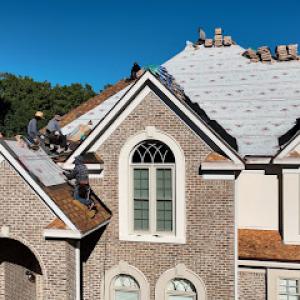
Roofing Chattanooga
(423) 344-5499 www.roofingchattanooga.com
Serving
5.0 from 16 reviews
Roofing Chattanooga is a roofing contractor and roofing repair company. We will roof new homes or re-roof current homes or businesses.
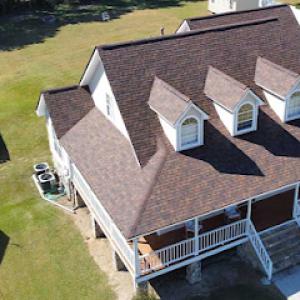
Jaco Contracting
(423) 825-9902 jacocontracting.com
Serving
5.0 from 46 reviews
Jaco Contracting is a roofing contractor in Chattanooga, TN serving East Brainerd, Ooltewah, Calhoun, and nearby areas. Our roofing company offers residential roofing, asphalt shingle roofing, metal roofing, residential roof repair, residential roof replacement, residential flat roofing, commercial roofing, and more. Customers love us because of our comprehensive roof warranties and our affordable roof financing options. We also have industry affiliations and certifications such as Owens Corning Platinum Preferred Contractor, GAF Master Elite, and many more. If you want to experience how your most trusted Chattanooga roofing company embraces our motto "Uh Oh, Better Call Jaco!", call us now for a free estimate!
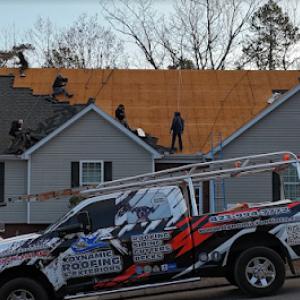
Dynamic Roofing & Exteriors
(423) 280-7952 dynamicroofintn.com
Serving
4.9 from 60 reviews
"Trusted Local Professionals Roofing" Dynamic Roofing and Exteriors is a locally owned roofing contractor serving Chattanooga Areas and northwest Georgia. We focus on installing warranty-backed, high quality roofing systems and always make sure our clients expectations are exceeded. We understand the importance of having a roof that is not only functional but also aesthetically pleasing, which is why we take the time to carefully listen to our clients’ needs and preferences before starting any project. Our team is committed to going above and beyond to ensure that our clients’ expectations are exceeded. We offer top-rated local roofing services you can trust.
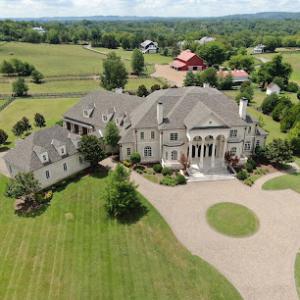
Quality Exteriors
(423) 556-6696 qualityexteriors.com
Serving
5.0 from 71 reviews
Quality Exteriors, based in Chattanooga, TN, is a trusted roofing company providing expert roof replacement and repair services for homes and businesses across the greater Chattanooga area. Since 2006, our family-owned team has delivered durable, high-quality roofing solutions built to withstand the region’s heavy rain, humidity, and storm damage. We specialize in residential and commercial roofing backed by GAF Master Elite® and President’s Club certifications. Known for craftsmanship and professionalism, Quality Exteriors is the Chattanooga roofing contractor homeowners rely on for dependable service, lasting results, and locally trusted expertise.

Mighty Dog Roofing of Greater Chattanooga
(423) 250-2798 www.mightydogroofing.com
Serving
5.0 from 88 reviews
When it comes to your home’s exterior, Mighty Dog Roofing delivers superior services matched with the neighborly customer care our clients have come to love. Our team of home exterior experts will conduct a free, detailed inspection of your home, treating it as our own. Whether your home needs a simple repair, full roof replacement, siding, gutters & guards, soffit & fascia, windows, doors, painting, or a new deck expect to receive the transparent guidance you deserve. Whatever the case, our team will work to meet your needs. We take pride in operating with quality materials, skilled trades people, and providing our customers with a superior experience. See for yourself; our reviews say it all. Schedule your free, home inspection today!
Alpha Roofing
(423) 641-5588 roofingalpha.com
Serving
5.0 from 35 reviews
At Alpha Roofing, your satisfaction is our top priority. As experienced roofing contractors based in Cleveland, TN, we are dedicated to providing exceptional service with unparalleled attention to detail. With a commitment to quality craftsmanship and customer-centric approach, we aim to transform your roofing project into a seamless experience. Trust Alpha Roofing to deliver unrivaled solutions that exceed expectations and ensure your property's lasting protection and aesthetic appeal.
For Ooltewah homeowners, full roof replacements commonly require permit review through the applicable Hamilton County or City of Chattanooga building department pathway, depending on jurisdiction. The first step is to identify which authority handles your address. If the project sits inside the City of Chattanooga's boundaries or its planning umbrella, expect the city's process; if not, the Hamilton County process applies. This distinction matters because the timing, submittal requirements, and inspection cadence differ between the two routes. Do not assume a purely informal reroof can bypass permit review-in this area, the oversight is real and designed to keep storm-damaged roofs safe and weather-tight.
Local review is not merely paperwork. Plan submission usually accompanies the permit request, and the review team will look for a sound attachment method, venting compliance, and correct underlayment details suitable for the humid conditions and spring storm exposures around the Chattanooga basin. Expect to provide basic roof details: roof line, overall square footage, venting layout, and the proposed materials. The reviewer will verify that steep-slope and low-slope sections meet code requirements and that all penetrations-such as plumbing vents or dormer flashings-will be sealed to resist moisture ingress during heavy spring rain. Inspections are generally scheduled at rough-in (as the roof deck and underlayment are installed) and at final (after shingle installation and flashing are complete). This two-step inspection cadence is typical, not optional.
In this area, homeowners should plan for possible scheduling lag because permit and inspection timing can stretch by a week or two when department workload is heavy. The spring season, when storms are frequent and repairs surge, often brings higher demand for inspections. If weather windows compress, inspectors may need to queue ahead of your project, especially if you're coordinating with other trades for a complete roof replacement. Build in some flexibility for weather delays and permit processing hangups. A proactive approach-having plans ready, all materials ordered ahead of installation, and a dedicated contractor who can align with the department's inspection slots-helps minimize downtime.
Gather typical permit documents early: a site plan showing the roof scope, structural notes if any deck modifications accompany the reroof, and product data sheets for the selected underlayment and venting strategy. If storm damage is involved, keep records of the damage assessments and any temporary repairs you've already completed, along with contractor estimates. Insurance documentation may later reference the permit history and inspection approvals, so organize these records in a dedicated file. If a leak was present, note the location and severity, and ensure that, once permits are issued, the chosen solution addresses the leak path comprehensively-especially around penetrations and chimney or vent guards. This approach keeps repairs compliant and reduces the chance of rework after the permit is approved.
The humid, hot summers in this northeastern Tennessee corridor drive attic temperatures well above ambient roof temperature, which accelerates both heat buildup and moisture movement. Roof systems here benefit from robust attic ventilation to reduce condensation risk, limit shingle aging, and keep interior living spaces cooler. A practical approach is to pair continuous soffit intake with ridge or high-velocity exhaust so air moves from eave to peak. If soffit vents are blocked by insulation or storage, open channels or removed baffles can restore airflow. In addition, consider periodic checks for moisture at attic surfaces after storms, since heavy humidity can disguise slow leaks or attic insulation compression that traps damp air.
Spring and fall are the windows that reliably suit roofing work in this market. Summer heat and humidity can slow crews, affect material handling on steep pitches, and complicate adhesive-curing timelines for certain products. A well-timed spring project minimizes the impact of heat on fasteners, sealants, and underlayments, while autumn work benefits from cooler days and drier conditions before winter. Plan for ventilation upgrades or roof deck work during these shoulder seasons to keep interior temperatures manageable and projects progressing steadily.
Winters here are milder than in the higher elevations, yet cold snaps can still impact shingle-based installations. Temperature-sensitive adhesives and sealants may underperform if work begins during periods of sustained cold or rapid temperature swings. When scheduling winter shingle work, prioritize mid-mall days where sun exposure can modestly warm the roof surface, and avoid evenings with frost risk. If a project spans into colder weeks, crews may adjust to nailing patterns or use temperature-appropriate products to maintain warranty and performance, while preserving ventilation integrity in the attic.
Spring storm activity can spike attic moisture through rain-driven leaks or hail impact. Proactively inspect slopes after storms, focusing on flashing, vents, and fastener banks. When leaks appear, document damage promptly with dated photos and a written note of affected areas, then sequence emergency repairs to prevent further interior moisture. For insurance documentation, maintain a simple, organized folder of weather events, contractor notes, and the timeline of roof-related issues, which can streamline claims and ensure the most critical damage is prioritized during storm response.
In this area, asphalt shingles and metal roofing are the dominant practical choices. The mix fits the suburban housing stock and the local contractor specialization signals you'll find plenty of experience installing both. Spring storms, humid summers, and the way homes are framed around White Oak Mountain and the Chattanooga basin all influence how a roof behaves over time. The goal is to pick a system you can rely on for weather cycles, while keeping installation crews familiar with the local roof profiles and eave details that show up in typical Ooltewah homes.
Asphalt shingles are the straightforward, go-to option for most homeowners here. They install quickly, preserve a clean look with minimal upkeep, and pair well with a wide range of house styles common to the area. When choosing, prioritize a higher-grade shingle with good impact resistance and a weathered color that hides staining from spring storms and summer humidity. Pay attention to attic ventilation and underlayment choices, since efficient airflow helps the shingle system resist the seasonal heat and moisture swings. Local crews will guide you on wind ratings that align with the stronger storm lines that can sweep through the county in spring and early summer.
Metal roofing is a stronger-than-average presence among contractors, making it a realistic mainstream option rather than a rare specialty. A metal system can handle humid summers and the cyclical storm activity well, with advantages in longevity and energy performance. When evaluating metal options, confirm compatibility with standard rafter spacing, and check for proper flashing around chimneys, skylights, and roof penetrations. Insist on a detailed installation plan that includes sealant continuity at joints and plant-safe coating choices. Local crews often have tested setups for metal roofs that minimize noise and thermal conduction concerns, provided the attic is ventilated and insulated properly.
Clay tile, concrete tile, slate, and copper appear in the market but require attention to structural load and installer experience. The heavier systems demand a careful assessment of existing rafters and any necessary reinforcement. Detailing around eaves, penetrations, and transitions to walls needs seasoned hands to avoid cracking or leaks, especially after spring storms. If you're weighing these options, prioritize contractor portfolios that show successful installs on homes with similar roof heights and hip-and-valley configurations, plus a proven approach to drainage and valley protection.
Your decision hinges on how your roof decking and attic space manage humidity and heat, along with how the local crew handles flashing and ventilation details. In practice, this means prioritizing contractors who routinely work with the common suburban roof geometries and who can demonstrate a consistent track record with the material you favor. For most yards, asphalt shingles and metal roofing offer the most reliable, cost-effective balance of performance, ease of maintenance, and local workmanship credibility.
The Ooltewah insurance environment reflects regular storm and wind exposure, so claim outcomes often depend on thorough documentation rather than assuming obvious approval. After a spring storm line or a sudden hail event, a claim can hinge on how clearly the damage is demonstrated-clear photos, labeled locations, and dated timelines matter. Relying on a sweeps-through-the-attic impression or a quick fix note can slow progress or invite questions.
In this Tennessee market, carriers may examine hail and wind claims more closely and may ask for comprehensive photos and engineering-style detail before approving full replacement scope. Expect requests for close-up shots of dimpling or granule loss on shingles, evidence of algae or moisture intrusion, and any fastener or flashing vulnerabilities. An adjuster may want an exterior elevation view showing the roof plane, plus interior views where water intrusion is suspected. Prepare to supply a professional assessment if a claim reaches the replacement level.
For homeowners, keeping records of prior repairs, leak history, and post-storm interior staining can materially affect how adjusters interpret whether damage is sudden storm loss or older wear. Develop a simple, consistent photo log: date-stamped images from multiple angles, then a separate folder for interior signs of past leaks. Note when gutters overflowed, when attic vents showed condensation, and any repairs that preexisted the storm. If there was a temporary patch, document the patch location and duration. This clarity helps avoid disputes over causation and scope.
After a storm, quick, organized communication matters more than ever. Call or email the insurer with a dated summary of observed damage, then follow up with the photo dossier and any independent expert assessments. Delays often stem from incomplete information; having a ready, logical sequence of images and notes reduces back-and-forth and shortens the path to a fair determination.
Connect with contractors who help homeowners navigate the claims process from damage assessment to final approval.
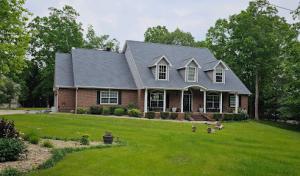
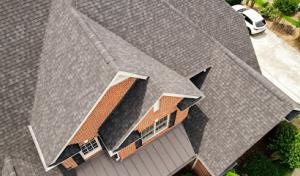
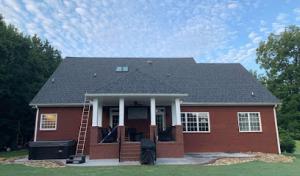
Spring in this area brings burst storms, slick roofs, and potential leaks that can turn into bigger problems fast. The local market data shows quick response and cleanup included as standout homeowner priorities, which fits a storm-driven service environment where leak containment speed matters. When a crew arrives, you'll want to see them stage tarps, wheelbarrows, and absorbent materials within hours, not days. A quick-response crew should also communicate a clear plan for containing a leak, protecting interior finishes, and preventing secondary damage as they work.
Re-roofing is more prevalent in the local contractor mix than niche specialties, so homeowners here should verify whether a company regularly handles full replacement permitting and inspection coordination in Hamilton County. Ask explicitly how often the firm manages the entire process-from tear-off to final inspection-so you aren't left chasing permits or staggered visits after a storm. If a contractor's emphasis skews toward repairs rather than replacements, you'll want a precise timeline and scope of work in writing to avoid drift or repeated call-backs after the first heavy rain.
Because only a smaller share of local firms visibly emphasize manufacturer certification or licensing in marketing signals, Ooltewah homeowners should ask directly about credentials, insurance coverage, and warranty administration. Confirm that materials come with manufacturer-backed warranties and that the crew is trained to install per those specifications. Insurance coverage matters for both liability and workers' compensation; request a current certificate of insurance and verify it with the insurer. Finally, insist on a defined warranty administration process: who you call, how claims are tracked, and how long issues will be resolved once they're reported, especially if wind or hail stress test the new roof during a late-season storm.
Get a clear picture of your project costs upfront - no commitment required.