
Last updated: Apr 19, 2026
Hixson sits in the Hamilton County/Chattanooga market where spring hail, wind, and heavy rain are a common trigger for roof replacements and insurance claims. After a storm, pay attention to this neighborhood-specific pattern: bruised shingles, exposed underlayment, and granule sheen on the yard or gutters. Shingle bruising can be subtle at first, but in hot, humid days that follow, those bruises can propagate into leaks and accelerated aging. If the roof has visible hail marks or a dull, chalky appearance on shaded surfaces, treat it as a high-priority cue to inspect with a practiced eye or bring in a professional quickly. Delays into summer magnify moisture intrusion risk because heat softens damaged areas and can hasten leaks behind the attic insulation.
Spring winds in this corridor sweep through tree-lined streets and can fling sticks, hail, and shingle fragments against steep slopes. In these neighborhoods, wind damage often shows up as lifted tabs, blown granules, and loosened flashing at joints and chimneys. The pattern to watch for: a single storm creates a cascade of micro-damage that isn't fully visible from the ground. After the next rain, you may notice damp spots spreading from overhead areas that previously looked intact. Because the climate is hot and humid, moisture can infiltrate quickly once the protective granules are gone. Do not wait for a perfect dry spell to check the attic; a musty smell or damp insulation after a wind event signals the clock is ticking.
Tree cover is common in Hixson-area neighborhoods, and that reality drives a specific set of storm-related risks. Limb impacts can nick the edge of the roof or tear up fascia, while clogged gutters trap water against edges, promoting rot and ice damming in shoulder seasons. After wind events, inspect for gutter sag, downspout backups, and moss or algae staining near eaves, which can mask underlying leaks. Debris accumulation from branches can generate leaf mats that trap moisture on the shingle surface, accelerating wear in humid conditions. If trees are adjacent to the house, the chance of hidden shingle damage or siding moisture increases, making it essential to clear and inspect regularly after each storm cycle.
The hot, humid conditions here intensify algae staining and moisture-related problems when repairs are delayed into summer. Stains aren't just cosmetic; they indicate moisture retention and surface degradation that can compromise the roof deck. After a heavy rain or hail event, look for dark streaks or greenish patches on north-facing slopes or shaded sections. Treat these signs as urgency indicators: algae growth often accompanies microcracking and granule loss, which hastens permeation if left unchecked. A timely inspection helps prevent minor blemishes from becoming major water intrusion problems as heat intensifies.
If a storm hits, document visible damage with photos from multiple angles, focusing on edges, flashing, and vent areas. Schedule a rapid assessment with a trusted local roofer who understands the seasonal weather patterns here and can differentiate hail bruising from normal wear. Prioritize repairs that restore weather-tightness quickly, and coordinate with your insurer for a timely claim review. In the weeks following a storm, conduct a focused interior check for signs of moisture intrusion-dark spots on ceilings, attic condensation, or unusual attic warmth-as indicators that exterior damage may have progressed beyond visible surfaces.
Storm activity in the Chattanooga-Hixson corridor brings periodic hail and high-wind events that leave roofs marked with dented shingles, lifted edges, and accelerated algae staining from spring moisture. The local climate-with humid valley conditions and tree-rich neighborhoods-means roofs sit under a constant cycle of moisture, shade, and storm runoff. That combination often translates to more frequent claim activity after spring storms, even when damage isn't immediately obvious from the ground. Understanding that pattern helps you approach a potential claim with a clearer eye and steadier expectations.
Adjusters in this market commonly expect documentation that proves what happened and what you needed done. Before-and-after photos are a baseline you should capture as soon as it's safe to do so after a storm. Take wide shots of the entire roof and close-ups of any visible damage, including hail pockmarks, lifted granules, worn valleys, and any telltale signs of moisture intrusion along eaves and penetrations. Along with photos, provide a detailed scope that explains what was inspected, what was damaged, and what materials or work were necessary to restore the roof to its pre-storm condition. Receipts for temporary protections-such as tarping-and for any work initiated to prevent further damage also help establish a clear timeline. Keep copies of every communication with the contractor and the insurer, including notes from phone calls and emails. This level of documentation reduces back-and-forth and speeds through the review process when weather-related factors are involved.
Because coverage outcomes can vary significantly by insurer and policy type, start gathering evidence as soon as you suspect damage. A visual inventory of exterior signs-streaking, staining, or lifted shingles-helps frame the extent of the claim. If interior moisture is suspected, note the location and date of any dampness or ceiling staining, then document any related repairs or mitigation steps taken to prevent further damage. When a claim is filed, attach the photos with a clear timestamp, a concise damage description, and a line-item scope that mirrors the contractor's estimate. Consistency between the photos, the scope, and the estimate reduces questions and supports a smoother claim evaluation. If an adjuster requests a second opinion or a contractor's assessment, provide it promptly. In this market, timely, organized documentation can influence not just approval, but the speed of recovery to a weather-tight roof.
Connect with contractors who help homeowners navigate the claims process from damage assessment to final approval.
Force Roofing Systems
(423) 558-0429 forceroofingsystems.com
5010 Austin Rd #100, Hixson, Tennessee
4.9 from 19 reviews
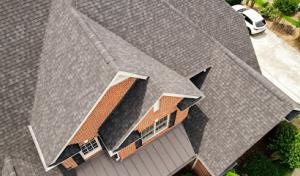
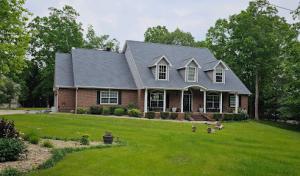
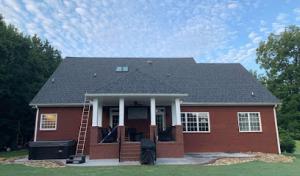
Force Roofing Systems is a reliable roofing contractor serving Chattanooga, TN and nearby areas including Hixson, Ooltewah, East Brainerd, Red Bank, and Lookout Mountain. We deliver expert residential roofing, commercial roofing, and multi-family roofing services, with a wide selection of materials such as asphalt shingles, metal roofing, and tile roofing systems designed for performance and longevity. Our services also include gutter installation and storm damage repair. Force Roofing Systems stands apart with 10- and 25-year workmanship warranties, affordable financing options, and discounts for military members and first responders. As GAF Master Elite® and Owens Corning Preferred Contractors. Contact us today for a free estimate.
Tennessee Roofing & Construction
(423) 842-8826 www.tnroofingconstruction.com
8427 Hixson Pike, Hixson, Tennessee
3.7 from 6 reviews
We are a locally owned, commercial roofing and general contracting company located in Chatanooga, TN that performs a wide range of construction services throughout Tennessee, Georgia and Alabama. Commercial clients like Red Lobster, Cracker Barrel Old Country Stores, Winn Dixie/Bi-Lo Stores, and Chick-fil-A restaurants trust us to install their roofing systems and products. Our team has experience in all areas of roofing and construction including commercial, hospitality, industrial and residential construction. When it comes to your home or business, you can trust your construction needs to the experts at Tennessee Roofing & Construction based out of Chattanooga, TN. TRC is licensed, insured and bonded.
National Roof
(615) 734-0020 www.nationalroofco.com
7505 Middle Valley Rd, Hixson, Tennessee
5.0 from 1 review
National Roof delivers expert roofing solutions for residential, commercial, and multi-family properties. From apartments, townhomes, and condominiums to businesses and single-family homes, our team combines quality craftsmanship with top-grade materials to ensure durability, protection, and style. Whether you need a new installation, timely repair, or ongoing maintenance, we provide tailored services designed to safeguard your investment, enhance curb appeal, and keep your property performing at its best. With precision, care, and reliable service, we’re committed to roofing that stands the test of time.
Dynamic Roofing & Exteriors
(423) 280-7952 dynamicroofintn.com
Serving
4.9 from 60 reviews
"Trusted Local Professionals Roofing" Dynamic Roofing and Exteriors is a locally owned roofing contractor serving Chattanooga Areas and northwest Georgia. We focus on installing warranty-backed, high quality roofing systems and always make sure our clients expectations are exceeded. We understand the importance of having a roof that is not only functional but also aesthetically pleasing, which is why we take the time to carefully listen to our clients’ needs and preferences before starting any project. Our team is committed to going above and beyond to ensure that our clients’ expectations are exceeded. We offer top-rated local roofing services you can trust.

Don Grant Roofing
(423) 894-3781 dongrantroofing.com
Serving
4.9 from 37 reviews
Don Grant Roofing is Chattanooga’s trusted choice for top-quality commercial and residential roofing solutions. Whether you need a complete re-roof, a brand-new installation, or reliable roof repairs, our experienced team delivers craftsmanship you can count on. We specialize in a wide range of roofing systems to suit the unique needs of Tennessee properties, including durable metal roofs and high-quality shingle roofs. From small leaks to large-scale commercial projects, we are committed to protecting your investment with superior materials and professional service. Contact Don Grant Roofing today for an estimate and experience the difference in quality and care.
Winters Roofing
(423) 225-1819 www.wintersroofinginc.com
Serving
4.9 from 39 reviews
Winters Roofing provides residential and commercial roof installation, repair, and replacement services in the Chattanooga, TN area.

Moore's Roofing & Remodeling
Serving
4.8 from 16 reviews
Protect your largest investment with our reliable roofing services. We are a locally owned and operated roofing company currently serving Ooltewah, TN and surrounding communities. If you want to make your roof last as long as possible, it is vital that you never put off a roof repair. Small issues with roofing become big issues in a hurry. No matter how major or minor the repair you need, we are here to help. We offer roofing services, roof installation, and roof replacement.
Roofing Chattanooga
(423) 344-5499 www.roofingchattanooga.com
Serving
5.0 from 16 reviews
Roofing Chattanooga is a roofing contractor and roofing repair company. We will roof new homes or re-roof current homes or businesses.
CH Roofing
(423) 355-1091 chroofingtn.com
Serving
4.9 from 98 reviews
CH Roofing TN is your experienced roofing company, providing roof repair and replacement services to our friends in and near the Chattanooga, TN area. Our goal is ensuring every homeowner gets the quality roof they want when our work is done. With knowledgeable roofing experts ready to discuss your options, answer questions, and provide you with a no cost estimate, you can count on our company always catering to you. We stand behind all our work and our products with a nice warranty, to add to your peace of mind.
Mendez Construction & Roofing
(423) 596-8624 mendezconstructionroofing.com
Serving
4.7 from 41 reviews
Experience excellence in roofing with Méndez Construction in Chattanooga, Tennessee. With 15 years of industry expertise, we lead in delivering high-quality services backed by a skilled team and premium materials. From flawless installations to reliable repairs, we guarantee exceptional results. Our commitment to customer satisfaction and professionalism sets us apart. Trust us for your roofing needs and experience the Méndez Construction difference.
Mighty Dog Roofing of Greater Chattanooga
(423) 250-2798 www.mightydogroofing.com
Serving
5.0 from 88 reviews
When it comes to your home’s exterior, Mighty Dog Roofing delivers superior services matched with the neighborly customer care our clients have come to love. Our team of home exterior experts will conduct a free, detailed inspection of your home, treating it as our own. Whether your home needs a simple repair, full roof replacement, siding, gutters & guards, soffit & fascia, windows, doors, painting, or a new deck expect to receive the transparent guidance you deserve. Whatever the case, our team will work to meet your needs. We take pride in operating with quality materials, skilled trades people, and providing our customers with a superior experience. See for yourself; our reviews say it all. Schedule your free, home inspection today!
Chattanooga Roofing Company
(423) 228-8123 www.chattanoogaroofingco.com
Serving
4.8 from 234 reviews
Chattanooga Roofing Company serves the Chattanooga, Ooltewah, Hixson, Cleveland, and North Georgia areas for all of your roofing and exterior home improvement needs. Over the last seven years, our region has experienced hail damage and strong winds, making expert roofing services essential. We specialize in roof replacements, roof repairs, storm damage repairs, metal roofing, commercial roofing, and flat roofing. In addition to roofing, we offer vinyl siding installation, window replacement, and gutter installation, ensuring your home stays protected and energy-efficient. We take pride in delivering top-quality craftsmanship while leaving your property as clean as when we arrived. Look at our reviews and choose us to improve your property.
In this part of the Chattanooga area, residents face hot, humid summers and a steady rhythm of spring storms. That combination pushes shingles and panels to endurance tests: heat accelerates aging of exposed asphalt shingles, and wind-driven rain can lift edges on a steep-slope roof if the underlayment and fasteners aren't up to spec. Nearby trees add a layer of challenge, dropping needles and shade while contributing moisture retention that can promote algae growth on lighter shingle colors. On a typical Hixson home, the roof endures a few strong wind gusts each spring and occasional hail, which stresses the material that sits exposed to sun and seasonal moisture.
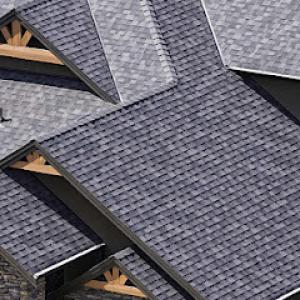
Asphalt shingles are a dominant local choice because they balance cost, ease of installation, and familiar appearance with most housing stock. In hot, humid summers, the asphalt's protective layer can degrade faster than in cooler climates, so you may notice more color fading and granule loss after several seasons of repeated sun exposure. Algae staining is a common concern in steamy periods, especially on north-facing or shaded slopes where moisture lingers. If the roof hosts a canopy of trees, you'll want to keep gutters clear and ensure proper ventilation to prevent heat buildup under the shingles, which can accelerate wear and reduce service life.
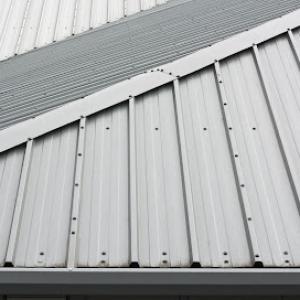
Metal roofing is increasingly common for homeowners who prioritize durability against repeated rain and wind events. In this market, metal acts as a strong ally during heavy storms, resisting wind uplift and providing reliable water runoff. Metal's reflective qualities can reduce heat transfer into the attic, which helps with cooling costs in the long run. For homes with limited attic ventilation, metal can pair well with a well-designed underlayment system to minimize condensation and ice dam risks in shaded or overhung areas. Color choices that resist fading and the right fastener strategy-stainless or coated screws and concealed or painted seams-help maintain appearance after years of exposure to valley humidity and storm activity.
While steep-slope reroofing remains the core local use case, the surrounding mix includes clay tile, concrete tile, synthetic slate, and some low-slope membranes. Those options offer durability and curb appeal for select homes, especially where shade from mature trees or specific architectural styles call for a longer-lasting or more distinctive look. If a homeowner is leaning toward a traditional texture with heavier appearance, asphalt or metal can still be compatible with certain accents or overlays, but careful detail work is needed to manage transitions between materials.
When evaluating asphalt versus metal, consider how often the roof will be exposed to direct sun, the typical wind load from spring storms, and the presence of tree canopy that influences moisture retention and algae risk. For a home with extensive shading and a desire for a classic look at a moderate price point, asphalt remains a solid, familiar option with proactive maintenance. For homes repeatedly tested by wind, heavy rain, and hail, metal offers ongoing durability with careful attention to fasteners, underlayment, and color stability to maximize long-term performance. Both materials pair well with a robust roofing system that includes proper ventilation, a quality underlayment, and timely maintenance after storm events.
Local pricing in the Hamilton County/Chattanooga market can surge after hail and high-wind events, when contractor schedules tighten and material crews are stretched thin. In spring and early summer, you'll notice price spikes that show up in both the per-square costs and the overall project timeline. When a big hail event hits the corridor, you're not just paying for the material; you're paying for faster turnaround and available crews. Expect quotes to reflect these storm-driven demand spikes, especially for steep-slope homes common in this neighborhood.
For a steep-slope residential roof, the material choice drives most of the total project cost. Asphalt shingles sit at the lower end of the spectrum, with typical per-square costs in the advertised range, while metal, tile, and synthetic options push the total higher. In this area, clay and concrete tile bring premium prices, and EPDM is most often reserved for low-slope or hidden sections, not the primary steep-slope surface. The contrast between asphalt shingles and metal can be substantial once tear-off and disposal are included. Synthetic slate and higher-end tiles can magnify the gap further, especially on larger roofs with complex geometry.
Costs can rise when tear-off and installation are slowed by spring rain, summer heat, fall debris, or winter freezes that interrupt project sequencing. In Hixson, those interruptions are common after storm-driven damage, because crews must juggle insurance-driven timelines with weather windows. If a project stalls, you'll likely see extended labor charges and potential price flex in your materials due to production delays. Plan for a window of possible cost growth if your schedule overlaps with peak storm recovery periods.
With steep-slope homes, the material choice between asphalt shingles, metal, tile, synthetic slate, and occasional low-slope EPDM becomes a major determinant of total cost. Consider long-term durability, maintenance needs, and insurance impact alongside upfront price. In the Chattanooga-Hixson corridor, metal often delivers strong resistance to wind and hail, but asphalt remains a sensible choice for budget-minded homeowners who want to balance reliability with value. Synthetic slate offers a middle ground, blending aesthetics with a more favorable weight and ease of installation, though it commands a higher price than asphalt.
Get a clear picture of your project costs upfront - no commitment required.
Force Roofing Systems
(423) 558-0429 forceroofingsystems.com
5010 Austin Rd #100, Hixson, Tennessee
4.9 from 19 reviews
4 Seasons Roofing & Gutters
(423) 704-1015 4seasonsroofingandgutters.com
Serving
5.0 from 35 reviews
Before any full roof replacement begins, a permit is typically required in the Hamilton County/City of Chattanooga area. The local process is not optional; rushing past it can mean work stoppages, fines, or having to redo sections that were inspected too late. If the project is a full reroof, expect the permit office to ask for basic project details, and in some cases, supporting items such as site plans or material specifications. Having those documents ready helps keep the job moving and reduces the risk of delays that can linger through a storm season.
The building department will review the reroof plan to ensure it meets current code and any neighborhood stipulations. In Hixson, that review often focuses on ventilation, underlayment choices, and how the new system integrates with attic and moisture management in a humid valley environment. If the reviewer flags an item, the contractor may need to adjust details or provide additional product specs. Expect a back-and-forth process if the home sits on a slope, near tall trees, or has unusual penetrations that affect flashing and weatherproofing. Providing clear, property-specific information helps avoid costly backtracking.
Inspections are typically performed after tear-off and again after completion to verify installation before the job is fully closed out. The tear-off inspection confirms that the old roof is removed, the deck is dry, and the new underlayment is properly installed. The final inspection checks nail patterns, flashing around chimneys and vents, and proper venting to prevent moisture buildup in the valley shelf and eaves. If an inspection fails, schedule adjustments promptly to minimize prolonged exposure to weather and the risk of rework. Understanding that these steps are not merely bureaucratic hurdles but safeguards for your home helps keep the project aligned with local conditions-especially after spring storms where proper roof installation and drainage are decisive for long-term durability.
Spring in Hixson can bring hail and heavy rain that both damage roofs and delay active replacement projects. After a storm, debris and moisture can hide problems, so inspections become essential before any reroof decision. If a wind event follows hail, crews will need time to clear the site, haul away debris, and protect landscaping. Plan for a window where temporary tarping or protective underlayment can be established promptly to minimize interior moisture intrusion. Communication with the contractor about expected field conditions helps prevent delays when the first usable weather day arrives.
Summer heat in this part of Tennessee affects crew pace and material handling, which can influence installation timing on exposed roofs. High daytime temperatures stress shingles and sealants, so many crews shift work to early mornings or slightly cooler afternoons. On steep slopes, roofers may pause during peak heat to protect materials and safety gear. If a replacement is underway, expect occasional afternoon delays after storms, and plan for longer timelines if the roof line is highly exposed to direct sun or sudden gusts.
Fall wind and rain can create debris-related schedule changes, while winter freezes can delay tear-off and installation during colder periods. Fallen leaves and branches can clog valleys and gutters, so crews prioritize cleanups before steady shingle work resumes. Gusty days may force short stoppages on exposed roofs to keep materials secure. A planned autumn start benefits from clear forecasts and a buffer for unexpected weather events that push cleanup and alignment tasks into late-year weeks.
Winter freezes can delay tear-off and installation during colder periods. Frozen lath or underlayment slows progress, and contractors often adjust sequences to protect vulnerable layers. If temperatures hover near freezing, a project may pause overnight to prevent material damage. In practice, scheduling around mid-60s daytime goals helps maintain steady progress while reducing the risk of back-to-back cold snaps interrupting a sequence.
EPDM rubber roofing exists in the local material mix, but it represents a smaller segment of the Hixson market than steep-slope residential reroofing. When you encounter additions, porches, or commercial-style roof areas, EPDM offers a flexible option that can blend with existing low-slope sections without creating a heavy visual contrast. This material tends to perform well in a humid valley climate, provided drainage and seam integrity are prioritized from the start.
Low-slope sections in this humid Chattanooga-area climate demand careful attention to drainage. Repeated rain exposure can reveal weak points quickly, especially where slopes are marginal or where drainage channels were not properly planned during installation. Pay particular attention to edge flashing, internal drains, and terminations at penetrations. Seam performance is critical: ensure fully adhered or mechanically fastened seams are specified for the anticipated rainfall patterns, and verify that transition details to any steeper roofing areas are sound to avoid ponding at transitions.
This topic is most relevant for additions, porches, and commercial-style roof areas rather than the typical main house roof. In Hixson, many additions use low-slope or hybrid configurations to extend living space or cover utilities, making EPDM a practical choice for a cohesive system. For these projects, a thorough review of substrate condition and moisture history is essential. If the space under the roof has high humidity, consider vapor retarders and adequate ventilation to prevent condensation issues that can compromise the membrane over time.
Because rain exposure is a defining factor here, establish a proactive inspection routine. After heavy spring storms, check seams, flashings, and edge seals for any signs of separation or pooling near drains. Gentle cleaning of debris from the membrane surface helps prevent accelerated wear, but avoid harsh scrubbing that could degrade the membrane surface. A local pro can perform a detailed annual inspection focused on seam integrity, ballast condition if applicable, and flashing performance around penetrations.
When choosing between EPDM and other low-slope options in this market, prioritize compatibility with surrounding materials and future access needs. Consider how your addition connects to the main roof, ensuring a continuous waterproof line. If moisture control and easy repair access are priorities, EPDM can offer a straightforward, serviceable solution that aligns with practical maintenance in this climate.
Find specialists in TPO, EPDM, and built-up flat roofing systems for residential and commercial properties.
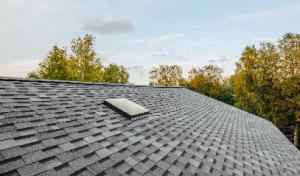
After spring hail, strong winds, or heavy rain, you're looking for a contractor who answers the call fast. Local signals show homeowners expect crews to arrive quickly, identify leaks, and stage temporary precautions to prevent interior damage. A rapid diagnostic helps minimize interior exposure and keeps the project from dragging on through rainy spells common in the valley. In practice, that means scheduling within a few days, not weeks, and having a clear plan for tarping vulnerable areas.
Cleanup is a major market expectation here. Homeowners want debris hauled away and the yard left pristine after scaffolding and roof work. Expect crews to sweep gutters, remove old shingles, and haul off broken branches or yard debris in a single pass. A thorough cleanup reduces second-floor staining from dust and keeps driveways free of nails or shingle fragments, which makes the end result feel finished and safe.
The local market leans toward residential re-roofing by locally owned or family-owned companies. That means you'll often find simpler communication, predictable schedules, and a willingness to walk you through the process step by step. Many of these firms offer free inspections or discounted initial reviews, and some employ drone-based roof assessments to quickly gauge damage from above when climbs aren't ideal.
Free inspections remain a common entry point, with drone or aerial reviews used to supplement on-site checks. You'll want clarity on what the inspection covers, how long it takes, and whether debris removal is included in the service. A reputable local contractor will explain the findings in plain terms and outline the next practical steps for repair or replacement.
Prioritize a contractor who provides transparent communication, a solid cleanup plan, and a proven track record with storm-related damage in nearby neighborhoods. A family-owned flag often signals dependable scheduling, accountable warranties, and ongoing service if leaks reappear after the first heavy rain.