
Last updated: Apr 19, 2026
Spring hail, summer thunderstorms, and autumn winds deliver a relentless cycle of impact and wear to roofs on Chicago Heights homes. Visible shingle damage may be obvious, but moisture entry points often hide behind gutters, soffits, and attic vents. The risk is not just from a single event but from the accumulation over multiple seasons, which can undermine decking and attic condensation control. When a storm hits, act fast: inspect the exterior from ground level for lifted tabs, bruising, or granule loss, then check the attic or ceiling for signs of moisture, staining, or a musty smell. Do not delay addressing a suspected breach, because delayed leaks compound interior damage and complicate insurance documentation.
Illinois roof claims commonly hinge on photo documentation, material identification, and depreciation, making same-day condition records especially important after local hail or wind events. Photograph every angle of visible damage and any areas where shingles are cupped, cracked, or missing granules. Capture close-ups of hail impact marks and wind-damaged edges, then photograph roof lines from a ladder-safe distance to show uniform wear or scattered damage. Identify materials on the roof-brand, color, and shingle type-and note any fasteners or underlayment if accessible. Keep a dated log entry after each storm: time, conditions, and a brief description of observed damage. If moisture shows in the attic, document the exact location with a note on possible entry points, such as roof seams or failed flashing. Insurance adjusters in Chicago Heights often rely on these materials, so organized, same-day records can shape your claim without frustrating back-and-forth.
The local contractor market shows unusually strong concentration in storm damage, emergency repair, and insurance-claims work, indicating that post-storm response is a primary homeowner need. When choosing help, prioritize firms with a documented track record of rapid on-site assessment, careful moisture mapping, and clear communication about depreciation and replacement timelines. Seek a crew that can perform a thorough initial triage, isolate leaking areas, and stabilize the roof while awaiting the full replacement plan. Because the market tilts toward storm-related work, expect high demand and potential scheduling pressure. Ask for written timelines, a field-confirmed damage scope, and a plan for interim protection if heavy rain is forecast.
Visible shingle damage can mask deeper moisture pathways. Immediately protect interiors by tarping affected sections and sealing any exposed attic penetrations. If pooling or active leaks are present, arrange temporary repairs to minimize further damage while awaiting a full replacement decision. Track all communication with contractors and insurers in a single log, noting who visited, what was observed, and what the next steps are. Once a decision is reached, insist on a comprehensive, staged plan that addresses deck integrity, underlayment, flashing, and proper attic ventilation to prevent repeat moisture intrusion through Chicago Heights' signature freeze-thaw cycles.
Snow load, ice retention, and relentless thaw-refreeze cycles quietly wear down roofs in this part of the country. Shingles and underlayment are repeatedly stressed by alternating freezing and warming, which can loosen granules, curl edges, and weaken seals. In Chicago Heights, those micro-breaks accumulate year after year, and the stormy spring season often reveals the damage that frost and wind have been silently engineering all winter long. The result is not always dramatic at first glance, but it compounds over seasons, reducing protective performance just when storms begin to rage.
Moisture that finds its way through small defects-perhaps a slipped flashing, a raised shingle, or a thin edge seam-can become a larger problem once a freeze locks in and expands. In this climate, that expansion is not gentle: it can push seams apart and tease apart underlayment layers just enough to channel water toward the interior by late winter. The neighborhood patterns you see after a harsh spell-dark streaks along fascia, damp plywood smells in the attic, or streaks on ceilings after a thaw-are warning signs that the cycle has workshopped hidden vulnerabilities into leaks. A quick check after a heavy thaw can catch issues before spring storms arrive, but the warning is clear: what seems minor in February often proves costly in March.
Small flashing irregularities or a handful of loose granules in gutters might feel like a minor nuisance, but in this climate they can be symptoms of deeper fatigue. Pay attention to fasteners along roof edges and joints; exposed fasteners are more vulnerable to winter moisture and wind-driven rain. Look for aging seal strips around chimneys and vents that show stiffness or cracking. If there is consistent attic condensation, or if attic insulation has developed cold spots after a particularly cold season, those are red flags that warrant closer inspection. The pattern to watch for is not a single drip, but a recurring drip that appears after a set of thaw cycles, signaling a roof that has moved past its winter resilience.
Replacement timing in this part of the country is driven less by age alone and more by whether winter cycling has compromised the roof's critical seals before spring storms arrive. Edges, fastener exposure, and the most vulnerable flashing corners are the first places to watch for failure. When the winter has left multiple compromised seals or exposed fasteners, a proactive plan to replace or reinforce those sections can prevent a cascade of leaks once harsh spring weather returns. If the roof has endured several harsh seasons in a row, evaluating the overall integrity of the underlayment, edge metal, and flashing becomes a practical step before mid-spring storms arrive.
Typical local pricing ranges are about $350 to $650 per square for asphalt shingles. In Chicago Heights, those numbers can drift higher during spring and storm seasons when hail and wind claims spike across the south suburbs. If you're watching costs, material choice matters: asphalt keeps the initial budget practical, and you'll often see quicker turnaround on teardown and replacement compared to heavier options. Ventilation and attic temperature control influence underlayment needs and labor, but the core cost per square remains anchored in the shingles themselves, with minor adjustments for roof complexity and access.
Metal roofing runs about $700 to $1200 per square in this market. The heavier snowpack and freeze-thaw cycles in the area can make metal a durable, long-term option, but installation complexity and roof geometry drive the gap between low and high ends. In Chicago Heights, metal can be a favorable choice if a homeowner anticipates wind-driven events or wants a longer service life with lower maintenance. Expect higher upfront costs than asphalt, but potential savings over decades through reduced repair frequency and improved insulation performance in extreme seasons.
Clay tile typically ranges from $900 to $1800 per square, while concrete tile sits from $900 to $1900 per square. These heavy systems bring substantial structural considerations in this neighborhood, especially for homes with older framing or less robust support. Freeze-thaw exposure matters here: tile systems need careful detailing to prevent cracking from moisture expansion, and ventilation plays a bigger role in maintaining temperature balance near the attic. In Chicago Heights, cost sensitivity to labor scope rises when replacing or reinforcing with tile, and the higher price brackets reflect both material and installation demands.
Synthetic or composite shingles span roughly $450 to $900 per square. They offer a middle ground between asphalt and heavier tile options, with resilience to impact and better dimensional stability in fluctuating temperatures. Local installers may highlight their hail resistance and quicker installation as practical advantages in the south suburbs, where demand can surge after storms. The price range mirrors that practical balance between initial cost and expected performance in freeze-thaw conditions.
Slate is typically in the $1800 to $3800 per square range. In this market, slate's substantial weight and long-term durability appeal to homeowners planning a long horizon for replacement timing. The high upfront cost is paired with a potentially extended lifespan, but the structural assessment must confirm the roof can bear the weight, especially in weather cycles featuring repeated freeze-thaw and wind-driven debris.
Chicago Heights costs can rise after regional hail and wind events when demand surges across the south suburbs and contractors are balancing emergency repairs with full replacements. Material choice matters more here because freeze-thaw exposure, ventilation requirements, and the structural demands of heavier tile or slate systems can change labor scope and replacement complexity. When planning, consider not only the base per-square price but also the added needs triggered by the seasonal storm pattern, attic air flow, and potential reinforcement that may be required to maintain a durable, weather-resilient roof.

Gali’s Restoration
(708) 980-5646 galigutters.com
208 E 26th St, Chicago Heights, Illinois
4.9 from 73 reviews
Since 2021, Gali's Restoration has been the premier choice for all your home exterior and interior needs. This family-owned business specializes in providing top-tier roofing, siding, and gutter services. With a comprehensive approach, they also expertly handle storm and water damage restoration, alongside professional drywall and flooring work. Fully licensed, insured, and bonded, Gali's Restoration proudly serves everyone, delivering peace of mind and quality craftsmanship with every project.
L&L General Contractor
(708) 856-7537 landlgeneralcontractor.com
1333 West End Ave unit 1043, Chicago Heights, Illinois
5.0 from 44 reviews
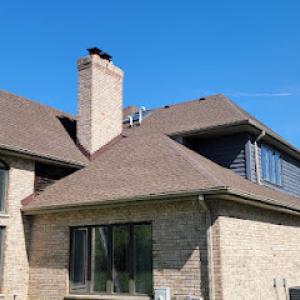
Hello, We are trained professionals who have been doing roofing for 20 years now. Call us if you have any problems with your home repairs License, insurance, bond, Very good quality, free estimates, affordable prices,
Sanchez Roofing & Construction
(708) 275-7819 sanchezroof.com
289 W 15th Pl, Chicago Heights, Illinois
4.8 from 31 reviews
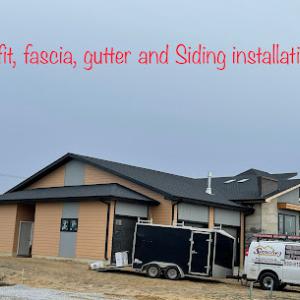
Established in 2010, Sanchez Roofing and Construction stands as a beacon of excellence in Hammond, Indiana, and the surrounding 50-mile radius. With a passion for providing exceptional construction services, our team of dedicated professionals brings a wealth of experience and unwavering commitment to delivering high-quality results. From roof installation and siding to window replacements and gutter maintenance, we offer a comprehensive range of services to meet the diverse needs of both residential and commercial clients. With a focus on exceptional craftsmanship and unwavering customer satisfaction, Sanchez Roofing and Construction is the ideal choice for your next construction project.
M&M Home Remodeling Services - Crete
Serving
4.7 from 1391 reviews
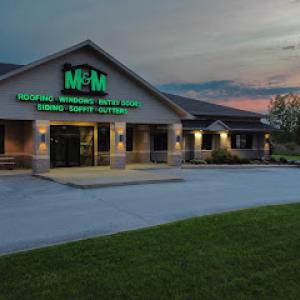
Since 1976, M&M Home Remodeling Services has been helping homeowners in Crete and the surrounding communities improve and protect their homes. We specialize in roofing, siding, windows, doors, gutters, and insulation—delivering expert craftsmanship and lasting results on every project. Our team is dedicated to making the remodeling process simple, stress-free, and affordable, offering flexible financing options and industry-leading warranties. Whether you’re looking to increase curb appeal, improve energy efficiency, or safeguard your home from the elements, we’re here to help. Contact our Crete office today to schedule your free consultation.
Rapid Restoration
(708) 986-6437 www.rapidrestoration24.com
Serving
5.0 from 87 reviews
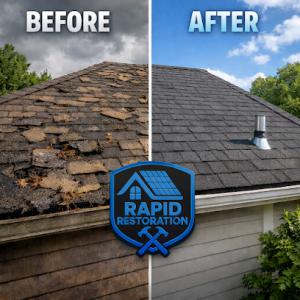
At Rapid Restoration, we specialize in delivering top-notch restoration services tailored to meet your home improvement needs. With expertise in roofing, siding, and gutters, we ensure that your property not only looks its best but is also protected from the elements. Our skilled team is dedicated to providing high-quality workmanship and exceptional customer service on every project. In addition to our hands-on restoration services, we also offer comprehensive public adjusting services. Our knowledgeable adjusters work on your behalf to navigate insurance claims, ensuring that you receive fair compensation for any damage to your property.
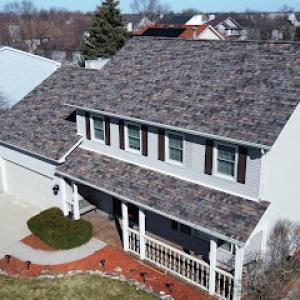
Highrise Exteriors
(815) 272-7777 www.highriseroofing.net
Serving
5.0 from 59 reviews
Are you looking for a qualified, honest roofing contractor? Look no further! HighRise Exteriors offers free roof inspections and a wide selection of residential and commercial exterior services. We proudly serve the Chicagoland area and provide our professional home exterior services. We specialize in asphalt shingle roofs, flat roofs (EPDM and TPO), and sarnafil for commercial, industrial, roof inspections, and residential roofs. We also have note-worthy experience with sidings, soffit and fascia, gutters, leak calls, patch repairs, and much more!
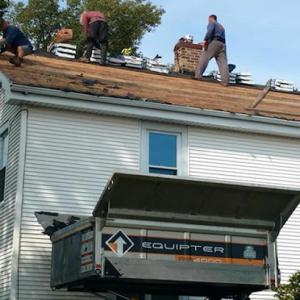
Jim's Roofing
(708) 316-1599 www.jimsroofingbeecher.com
Serving
4.5 from 40 reviews
Jim's Roofing, based in Beecher, IL, is a trusted roofing specialist with over 20 years of experience, proudly serving the South Suburbs of Chicagoland and the Northwest Indiana area. We provide expert roofing and gutter solutions for both residential and commercial properties, delivering quality craftsmanship and reliable service. Contact Jim's Roofing Monday through Friday for all your roofing needs and experience the difference of working with seasoned professionals.
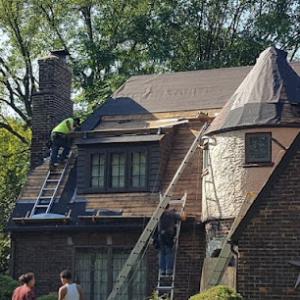
Illiana Roofing
(708) 946-2895 illianaroofing1.com
Serving
4.3 from 16 reviews
Illiana Roofing is the premier roofing contractor providing exceptional service throughout Beecher, IL, and nearby areas like Crete, Grant Park, Monee, Peotone, Homewood, Flossmoor, and Bradley. Since 1985, we have built a reputation for reliability and excellence, offering comprehensive roofing solutions including top-quality replacements, repairs, gutter installations, siding maintenance, and the construction of fascia and soffits. Known for our shingle roofing expertise, every project is handled with the utmost professionalism, whether it's an emergency repair or a complete reroof. We are committed to delivering reliable services that meet your budget. Join the many satisfied homeowners who trust Illiana Roofing for their home projects.

Reliance Roof Troop
(219) 777-0284 www.reliancerooftroop.com
Serving
5.0 from 238 reviews
Reliance Roof Troop is a family-owned roofing contractor serving Schererville and surrounding areas. We focus on roof replacement in Schererville, offering reliable and durable roofing services that stand the test of time. We focus on roof repairs, replacements, and coatings using premium materials that protect your home for years to come. Our services also include siding installation, siding repairs, windows, gutters, and attic blown-in insulation. At Reliance Roof Troop, we are committed to providing high-quality solutions with no pressure or gimmicks. We focus on what matters most: delivering long-lasting results that protect your home. Call Reliance Roof Troop today to get started with your roofing needs!
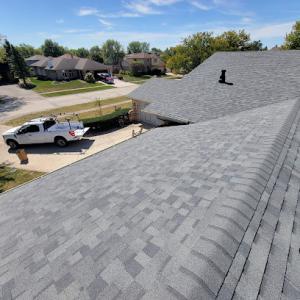
Maksym Construction
(773) 372-2547 maksymconstruction.net
Serving
4.9 from 47 reviews
At Maksym Construction, we are a family-owned roofing company committed to quality craftsmanship and exceptional service. Since 1998, we’ve been helping homeowners protect and enhance their homes with expert roofing solutions. We specialize in roof installation, replacement, and repairs, along with shingle replacement, flat roofs, skylights, gutters, soffit, fascia, and ventilation. Our team also provides emergency roof repairs, inspections, moss removal, flashing repair, and protective coatings to extend the life of your roof. Trust Maksym Construction for reliable, high-quality roofing. Raising Roofs, Raising Standards!
JE Roofing & Construction
Serving
4.6 from 12 reviews
All exterior home remodeling. Roofs (Re-roof and Tear offs), Repairs, Siding, Gutters and Downspouts, Soffit/Fascia, Windows, Doors, Blown In Insulation, Tuckpointing, Snow Removal.
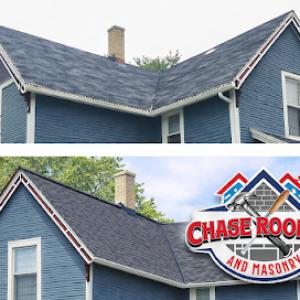
Chase Roofing & Masonry
(219) 743-0451 chaseroofingnwi.com
Serving
4.5 from 91 reviews
Chase Roofing & Masonry – Family-Owned Craftsmanship Since 1975 For nearly five decades, Chase Roofing & Masonry has proudly served homeowners and businesses across Northwest Indiana and Chicagoland with unmatched quality, integrity, and care. Established in 1975 as a family-owned and operated company, our legacy is built on old-fashioned values and modern expertise—a combination that continues to set us apart from the rest. At Chase Roofing & Masonry, we believe every customer deserves more than just a completed job—they deserve peace of mind. That’s why we go above and beyond on every project, treating every home as if it were our own. From minor roof repairs to full replacements and detailed masonry restorations, our skilled team deliv
In this area, most full re-roofs require a building permit issued by the Village of Chicago Heights Building Department rather than being handled informally by the contractor. The process starts with your chosen licensed roofer submitting the permit application and the project details to the village. Expect the plan to outline roof materials, ventilation provisions, insulation adjustments if needed, and any structural considerations. The permit acts as a formal authorization to proceed and provides a clear trail for inspections and future property transactions.
A key feature of the local process is the plan review stage, which usually occurs before any underlayment is covered. During plan review, inspectors check that the proposed roof system aligns with local codes, including attic ventilation and insulation continuity. This is especially important in this region, where freeze-thaw cycles and storm stress can expose gaps in ventilation or insulation. Your contractor should coordinate with the Building Department to ensure the plan satisfies Chicago Heights requirements and addresses any unique climate considerations for your home.
On-site inspections occur at several pivotal moments. The first is typically before underlayment is installed or covered, ensuring that ventilation paths, flashing details, and roof deck integrity meet code. A final inspection follows completion of the installation, confirming that all components-underlayment, flashing, fasteners, and venting-are properly installed and that the project has been finished to code. Timely scheduling of these inspections is crucial to avoid work being covered or rework later in the project.
Permit coordination is not merely a formality; it affects the overall pacing and compliance of the reroof. Licensed contractors should handle the permit application, keep the village informed of any changes, and arrange inspections. Homeowners should maintain a clear line of communication with both the contractor and the Building Department, especially if changes to ventilation or insulation details arise during work. This collaboration helps ensure that the final roof system performs well under local freeze-thaw cycles and storm conditions.
Before work begins, have the permit number and inspector contact details on site for quick reference. Keep copies of the plan review feedback and any village conditions noted in writing, and share them with the roofing crew. If a complication arises during installation-such as adjusting venting or addressing an existing vent stack-request guidance from the Building Department promptly to keep the project on track and compliant.
The South Suburban Chicago climate brings repeated freeze-thaw cycles, hail, and windy days that test a roof year after year. Asphalt shingles dominate locally because they fit the budget range many homeowners target while still being widely available for storm-related replacement work. When a hail claim or wind event hits, you want a material that can absorb impact and shed snow without becoming a maintenance headache. In Chicago Heights, a roof that stands up to the cold months and rapid temperature swings without curling or lifting is a practical choice for the long haul. The goal is a system that resists granule loss after hail, maintains adequate sealant strength, and stays tightly secured through seasonal winds.
Metal roofing has a meaningful but smaller presence in the local market and is often considered by homeowners looking for stronger performance against snow shedding and long-term weather exposure. It can be a solid option if you expect heavy snow loads, want higher wind resilience, or prefer a longer interval between major replacements. The trade-off is weight, installation nuance, and potential color or finish considerations that matter in winter sun and midwestern storms. Tile, synthetic, and slate options appear in the local material mix but require closer evaluation in Chicago Heights because heavier systems and specialty installs can complicate replacement planning and contractor selection. If you lean toward these, plan for precise structural checks, compatible underlayment, and a contractor with proven experience in your strata or neighborhood style. Synthetic shingles can mimic look and texture while staying lighter than natural tile or slate, which can ease installation and retrofit concerns while still offering good performance in freeze-thaw cycles.
When evaluating options, start with the roof's exposure and eave conditions. Areas with frequent hail storms benefit from impact-resistant shingle classifications or metal panels with reinforced fasteners. Consider color and finish as a factor for solar gain during long winter days, since cooler color choices can help manage ice dam risk in borderline warmth conditions. If replacement is anticipated in a storm season, coordinate the material selection with an installer who understands the local inspection sequence and how underlayment and flashing should be integrated before the next step. In neighborhoods with similar houses, the choice often comes down to balancing long-term performance with the ease and speed of replacement, especially after a heavy storm.
Skip over the glossy promises and look at the real weak points on homes around town: skylight perimeters and low-slope transitions. A Chicago Heights contractor signals meaningful local demand for skylight repair and low-slope roofing help, which strongly suggests these are recurring leak sources in the area. The combination of north wind drafts, frequent freeze-thaw cycles, and late-winter ice can push water right where flashing ends and sealing begins to fail. When the sun finally bakes a thaw, moisture can seep along edges that seemed solid last season, long before any visible roof trouble shows up on the main field.
Winter ice and spring moisture set up a slow-bloom problem around skylights. The perimeter often sections and refreezes, while seals contract with the daily temperature swings. In summer, heat and movement stress the sealant and flashing, widening gaps that seem minor at first but become obvious water routes after a heavy rain. Low-slope areas behave the same way: they collect runoff, and any misalignment or aged sealant there becomes a primary failure pathway, even when the rest of the roof still looks reasonably intact.
During reroofing, attention to detail around skylights and low-slope transitions matters. Local inspections occur before underlayment is concealed and after final installation, making flashing quality and tie-ins especially important. If a contractor overlooks the perimeters or batches a rushed sealant job in a tight corner, the inevitable thaw cycle and heat exposure will reveal those shortcuts. Expect robust, properly integrated flashing that develops clean, continuous water channels from the skylight flash to the field of the roof as the standard to aim for. A cautious homeowner should insist on thorough flashing tests and a plan for replacing aging sealants at these critical junctions.
Find contractors experienced in skylight installation, flashing, and leak repairs to bring natural light into your home.
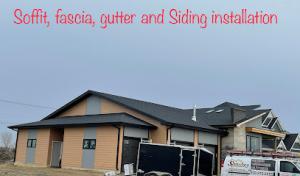
Sanchez Roofing & Construction
(708) 275-7819 sanchezroof.com
289 W 15th Pl, Chicago Heights, Illinois
4.8 from 31 reviews
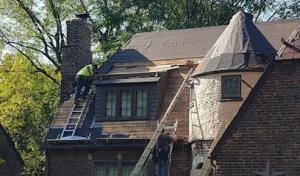

In this climate, hail and wind claims are common enough that adjusters tend to scrutinize scope, material type, and visible evidence closely. When a claim comes in after a storm, expect questions not only about what failed, but about how the roof was performing beforehand. Clear, labeled photos of damage, plus a simple timeline of when shingles visibly changed or failures appeared, can help. For a roof with unusual materials or a nonstandard profile, the adjuster may request independent opinions to verify necessary replacements rather than repairs. In practice, you'll want to show a continuous record from the first sign of trouble through the repair decision, not just the moment the claim is filed.
Depreciation can materially affect payouts on older roofs in this market. If the roof has significant life left but shows wear from repeated freeze-thaw cycles, a contractor should document which issues are storm-related and which are progressive wear. Insurers often separate these. Your project notes should spell out how storm events accelerated problems that would have appeared over time anyway. This clarity supports a fair split between replacement needs and wear-related maintenance, and it helps avoid a mismatch between the estimate and what the adjuster considers recoverable.
Because curb appeal and material matching may be reviewed during claims, homeowners with tile, slate, metal, or synthetic roofs should document existing products before repairs begin. Take wide shots of the entire roof and close-ups of edge details, flashing, and transitions into walls and chimneys. Gather any product tags, installation dates, and manufacturer warranties. If repairs involve matching materials, keep samples or a record of the exact profile and color. Having a well-organized packet helps the contractor communicate scope to the insurer and reduces back-and-forth that can delay settlement.
Start with a storm-damage assessment that notes missing or broken shingles, lifted edges, or granule loss. Have the contractor provide a written scope that differentiates storm-related damage from aging or wear. Photograph before work, during key milestones, and after completion, with attention to matching details and flashing work. When submitting the claim, include the contractor's scope, photos, and a concise narrative tying each item to an observed condition. This approach narrows questions and supports a smoother, evidence-based settlement.