
Last updated: Apr 19, 2026
In Frankfort, the roofing season is shaped by cold winters with snow that give way to spring hail and thunderstorms. The result is a damage discovery pattern that often starts after winter and spikes through the spring storm cycles. Homeowners should be ready to act quickly as soon as wind-driven hail yields dents, lifted shingles, or compromised flashing. The region's late-winter ice can mask problems that become obvious once temperatures rise and storms re-enter the forecast. Be attentive to tremors in the roofline, loosened granules on gutters, and unusual granule deposits at downspouts after a strong storm, especially those that follow long stretches of cold weather.
Freeze-thaw cycling accelerates wear at critical edges and transitions. In this part of Will County, repeated freezing and thawing stress breaks down shingle edges, flashing transitions, and vulnerable roof penetrations before any hail-season work even begins. A shingle that looks intact after a thaw might already be compromising the seal, allowing wind-driven rain to creep under the surface during the next thaw or hail event. If a contractor finds a roof that has endured multiple freeze-thaw cycles, the urgency increases: those edges and penetrations are prime failure points once spring storms arrive. The takeaway is simple-address subtle signs early, because delayed response can transform minor wear into widespread damage under a single hail core or brisk wind gust.
Late spring to early fall is the typical installation window locally because winter snow, ice, and temperature swings can delay tear-offs and full replacements. When the calendar turns to milder weather, the pace of repairs accelerates, and crews coordinate around busy production schedules. However, that same window is a race against storm seasons that return with little warning. If a roof needs patching after a hail event, plan for expedited assessments and a clear path to full replacement if multiple penetrations or structural concerns surface. Delays can compound the problem, turning a manageable repair into a larger project with steeper disruption and extended exposure to moisture.
Knowing what to look for helps you prioritize a timely response. After any spring hail event, inspect for lifted or curling shingles, creased edges, and outer flashing that shows prying or displacement. Check the intersections where the roof meets walls, vent pipes, and chimney flashing. Gutters and downspouts can reveal hidden damage through increased granule wash or dented components. If damage is suspected, don't wait for a second round of storms to test the roof's resilience-confidence in a quick, professional assessment can prevent minor issues from spiraling into leaks and interior damage.
This period also calls for a practical damage-plan mindset. Prepare to document the storm event with photos, notes on affected areas, and dates of observations. Share this information promptly with a trusted local contractor who understands the seasonal rhythms and the constraints imposed by late-spring to early-fall schedules. A timely, targeted response minimizes further exposure to weather and helps keep a repair project on track during Frankfort's characteristic storm cycles.
Asphalt shingles sit as the dominant practical choice in Frankfort, blending familiar installation and predictable performance for the typical steep-slope homes that populate the suburban grid. You'll also encounter metal, clay tile, concrete tile, synthetic/composite shingles, and slate in replacement plans, though each brings distinct behaviors under Frankfort's climate. Metal offers strong wind and impact resistance with a lighter footprint, while clay and concrete tiles deliver long-term durability at a heavier weight. Synthetic options mimic asphalt or tile aesthetics with a more forgiving installation, and slate is the premium path for a traditional, durable look.
The area experiences hot summers and cold winters, which means thermal movement and freeze-thaw cycles matter more here than in milder Illinois markets. Your roof must tolerate expansion and contraction without compromising fasteners or underlayment. Shingle textures and grit sizes impact resistance to hail, a seasonal reality in late spring through fall. If your home already shows signs of wind-driven uplift or hail denting, stepwise improvements-like choosing a stiffer underlayment paired with a more robust starter course-can help weather a longer repair window. In practical terms, plan for materials that maintain a tight seal after temperature swings.
Heavier systems-clay tile, concrete tile, and slate-require careful scrutiny of structural suitability on typical Frankfort suburban homes. If the existing rafters or sheathing show signs of long-term stress, a structural assessment becomes essential before selecting a heavier replacement. In many neighborhoods, the roof deck was built for lighter loads, so introducing heavier coverings might necessitate reinforcing members or upgrading attic ventilation to prevent excessive heat buildup. When weighing options, consider how a heavier system will interact with your attic space, fascia, and local wind exposure.
In this market, the choice should align with the roof geometry and the home's aesthetic lineage. Metal can deliver a clean, modern profile with quick installation and strong resilience to wind and hail. Tiles offer distinctive curb appeal and fire resistance, but weigh the decision against roof pitch, existing framing, and potential need for reinforcement. Synthetic and composite shingles provide a balanced path, often delivering improved impact resistance without the mass of tile. Whatever you choose, ensure the selected product is compatible with your roof's pitch, valley configurations, and flashing details to maintain a durable, weather-ready seal through Frankfort's seasonal shifts.
In this area, hail and wind events can suddenly tighten the schedule across Frankfort and neighboring southwest suburbs. When a big hail storm rolls through, crews are booked up quickly and materials can disappear from supply aisles just as fast. That surge pushes labor rates higher for a few weeks, and it can push a straightforward re-roof into a tighter window with less room for weather delays. You'll notice more premium on faster timelines and on crews that can mobilize within a few days rather than weeks. Planning a spring or late-spring replacement around clean weather helps, but when a storm hits, expect pricing to drift upward until the rush subsides.
Most homes in this market feature steep-slope roofs, which means higher labor time and more safety measures compared to flatter builds. The steep pitch increases the number of hours to tear off damaged shingles, dispose debris, and reinstall underlayment and shingles. If hail has damaged flashing around valleys, chimneys, and roof-to-wall transitions, those components often get replaced, adding material lines to the bill. Decking issues exposed by wind-driven events can prompt extra inspections and possible decking repairs, which add to both cost and project duration. In practice, a straightforward shingle swap can become a multi-day job when the roof plane is tall and weather windows are narrow.
With severe weather, flashing tends to take a beating at corners, transitions, and edge details. Replacing or resealing these pieces is common in Frankfort after a damaging event and can be a meaningful line item in the estimate. Underlayment damage from hail or freeze-thaw cycles compounds the work, since you don't see leaks until after the next thaw or wind event. While some insurers or contractors bundle these tasks into a single "re-roof" price, the reality is that each additional flashing detail or upgraded underlayment requirement adds cost. If storm exposure has been heavy, expect a higher likelihood of underlying issues that require professional assessment before the first nail goes in.
The local market leans toward steep-slope installations with asphalt shingles as the baseline, but metal, clay, and concrete options are common enough to influence price dynamics during peak seasons. Material costs swing not only by the type but by color and dimensional profile, which affect waste and cutting time on a tall roof. In late spring through fall, you'll see value shifts as suppliers balance demand and transportation schedules. If you're shopping for a specific look or a high-end option, be prepared for longer lead times and tighter scheduling in the wake of storm activity.

Mortenson Roofing Company
(815) 464-7300 mortensonroofing.com
9505 Corsair Rd, Frankfort, Illinois
5.0 from 24 reviews
Mortenson Roofing Company, Inc, founded in 1937, provides tile, slate, and copper roofing services. Based in Frankfort, Illinois, we serve the Chicagoland and Northwest Indiana areas. Our offerings include roof installation, repair, and restoration, as well as custom architectural copper work like gutters and standing seam roofing. Known for exceptional craftsmanship, fully trained roofers, and guaranteed work, we also provide free quotes and insurance claim assistance. Contact us today for a free quote!
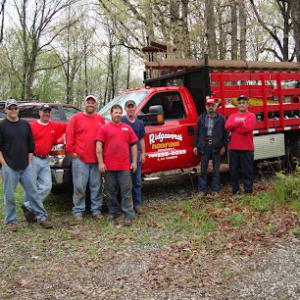
Ridgeworth Roofing
(708) 598-0039 ridgeworthroofing.com
121 Ontario St, Frankfort, Illinois
4.5 from 8 reviews
Ridgeworth Roofing, a leading roofing contractor in the Chicago area, specializes in industrial, commercial, and warehouse roofing services. Our expertise ranges from meticulous roof installation to comprehensive roof maintenance. Whether you need a new commercial roof installation, a detailed warehouse roof inspection, or robust industrial roof maintenance, our skilled team is equipped to handle your specific needs. We pride ourselves on delivering top-notch commercial roof repair, ensuring every project meets the highest standards of quality and safety. Our industrial roofing contractors are not only experts in installation but also excel in industrial roof repair and maintenance.
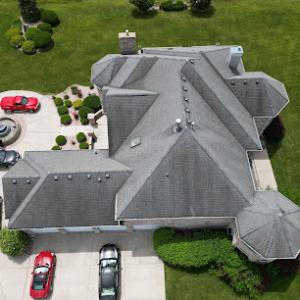
Roof Maxx of Orland Park, IL
Serving
5.0 from 46 reviews
Roof Maxx® is a scientifically formulated and 100% safe, plant-based roof rejuvenating spray treatment that was developed by renowned scientists from the world’s largest private research and development company.

Americanstruction
(815) 859-9055 www.americanstruction.com
Serving
5.0 from 72 reviews
Americanstruction is a majority woman-owned and family-operated roofing company proudly serving Mokena and the greater Chicagoland area. As a licensed and insured roofing contractor, we specialize in roof replacements for both residential and commercial properties. With over 75 years of combined experience, our team also provides expert siding, gutters, and window services to protect and enhance your home or business. We understand the challenges local weather brings, from heavy snow to strong summer storms, and tailor solutions for lasting results. Every project is handled with care and professionalism, making us trusted roofing contractors in Mokena.
Pro JP Roofing Contractors
(708) 694-8003 mokenaroofingcontractors.com
Serving
5.0 from 47 reviews
We are a reputable Mokena roofing company that can help with all your roofing needs. From minor roof repairs to full roof replacements, we have a highly skilled and experienced team to handle any project We offer a full range of roofing services, including roof repair, shingle installation, roof installation, roof replacement and flat-roof maintenance We are committed to delivering high-quality, reliable services at an affordable price Contact us today to schedule a consultation, and discover the difference working with a trusted and reliable roofing company can make for your business
AmeriPro Roofing
(708) 716-0424 www.ameriproroofing.com
Serving
4.4 from 42 reviews
At AmeriPro Roofing we specialize in exterior home repair & storm restoration focusing on roof repair, roof replacement, siding and gutters in Mokena, IL. Since 2000, we have completed over 150,000 successful projects. We never complete a job until you’re fully satisfied. Our goal is to make your house look as good as the day it was built.
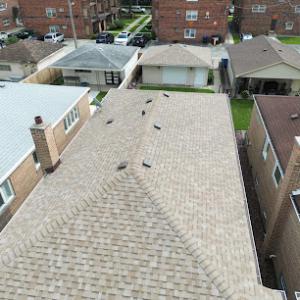
TopHat Roofers
(708) 864-4096 www.tophatroofers.com
Serving
5.0 from 42 reviews
TOPHAT ROOFERS is a professional and well established company with experience in all of your roofing, siding and gutter needs, whether it's repairs or replacement. We work with all insurance companies for hail, storm, and wind damage your property may sustain. Call today for your obligation free Inspections.

Roofing Staff & Remodeling
(708) 897-9909 roofingstaff.com
Serving
5.0 from 220 reviews
Roofing installation, Gutter installation, Siding installation.
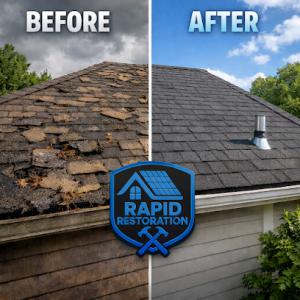
Rapid Restoration
(708) 986-6437 www.rapidrestoration24.com
Serving
5.0 from 87 reviews
At Rapid Restoration, we specialize in delivering top-notch restoration services tailored to meet your home improvement needs. With expertise in roofing, siding, and gutters, we ensure that your property not only looks its best but is also protected from the elements. Our skilled team is dedicated to providing high-quality workmanship and exceptional customer service on every project. In addition to our hands-on restoration services, we also offer comprehensive public adjusting services. Our knowledgeable adjusters work on your behalf to navigate insurance claims, ensuring that you receive fair compensation for any damage to your property.

Johnny & Roofing Contractors
(708) 840-7112 roofingcontractorstinleypark.com
Serving
5.0 from 46 reviews
Our roofing company Tinley Park located stands out for its credibility and can address every roofing challenge you have. From small-scale repairs to comprehensive roof overhauls, our adept team is on standby. We specialize in an extensive roster of roofing tasks, such as roof restoration, shingle setup, and regular flat-roof upkeep. Prioritizing premium, budget-friendly solutions, we invite you to book a consultation and witness the advantages of engaging with a trustworthy roofing Tinley Park team.
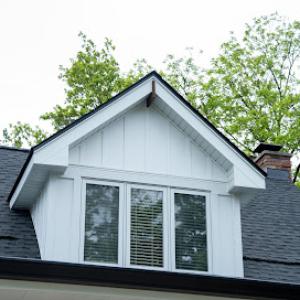
Rosales Roofing
(708) 864-4076 rosalesroofingllc.com
Serving
5.0 from 36 reviews
"Rosales Roofing is a family-owned and operated roofing & exteriors company established in 2010. We specialize in steep slope asphalt-based shingles and roofing products. As well as wood, metal, engineered fascia and soffit, Aluminum, metal, and copper gutters, Wood, vinyl, and engineered siding. Other services we offer are preventative roof maintenance, gutter cleaning, gutter guard installation, and commercial/industrial repairs. Give us a call to get started today!
EverRoof Roofing Company
(708) 840-7101 roofingcompanytinleypark.com
Serving
4.9 from 32 reviews
EverRoof Roofing Company, proudly serving the Tinley Park area, is your trusted partner for high-quality roofing solutions. Our experienced team of roofing contractors near Tinley Park is dedicated to providing expert roof repair, replacement, and new roof installation for both residential and commercial properties. We understand that every roof has unique needs, which is why we offer personalized service—from helping you choose the best materials to addressing routine maintenance or urgent repairs. With a reputation for professionalism, precision, and reliability, EverRoof Roofing Company ensures your project is completed to the highest standards.
A full re-roof in Frankfort typically requires a permit submitted to the village building department with project scope and roofing material details. That means you'll want a clear description of the roof type, total area, and the exact materials planned for install. Because Frankfort uses an inspection-based approval process, it's essential to confirm who is handling permit submission and inspection coordination before work starts. Ask the contractor to provide the permit contact and the schedule for when plans are filed, when inspections are expected, and what documentation will be needed at each stage. Keep a copy of the approved permit on site, along with any plan sheets the village requires, so that everyone is aligned from Day One.
Village inspections are scheduled during and after the work, with attention to installation quality, flashing, ventilation, and code compliance. The inspector will check that the roof deck is sound, underlayment is properly installed, and fasteners meet local wind and snow-load standards for the area. Flashing around chimneys, vents, skylights, and along the eaves must be integrated and sealed to prevent leaks. Ventilation details-such as ridge and soffit ventilation balance-are reviewed to ensure attic moisture control and energy performance. Drip edges should be installed per code before shingles or other coverings are applied, and valley flashing must be properly integrated with the chosen roofing material. Expect at least one follow-up inspection if a deficiency is found, and plan for that timing in coordination with your contractor's schedule.
Because Frankfort uses an inspection-based approval process, homeowners should confirm who is handling permit submission and inspection coordination before work starts. Verify that the contractor's team knows the exact address, parcel, and project scope the village has on file, and ensure they provide access to all areas the inspector will need to review. Ask for a pre-work meeting with the contractor to align on inspection windows, required documentation, and a plan to address any non-compliance items quickly. Have clear contact information for the village building department, and establish a point person for reporting weather-related delays or storm-driven adjustments to the scope.
During late spring through fall, timing can hinge on weather and storm activity. Hail, wind, and freeze-thaw cycles common in the area can trigger expedited reviews or trigger urgent post-storm inspections, so maintain open lines of communication with the village and the contractor. Document any pre-existing damage with photos, and keep a copy of all permits, correspondence, and inspection reports. If delays arise, promptly coordinate a revised inspection window and ensure any corrective work is scheduled before the next-inspection deadline to avoid rework or permit hold-ups.
In this Illinois market, homeowners face rising premiums and tighter underwriting in some pockets, and that can influence how your roof is evaluated as it ages or shows wear. The combination of cold winters, spring hail, and a growing residential roster means insurers are scrutinizing roofing condition more closely than in years past. Understanding that context helps you plan ahead rather than reactive emergency decisions after a storm.
For hail and wind events, carriers commonly want photo documentation, visible storm-related damage, and multiple quotes before approving major roof work. Reliable documentation right after a storm makes a big difference. Photos should capture both widespread impact and any Assume-you-find-damage indicators like granule loss, dented fixtures, or lifted shingles. It's not unusual for an adjuster to request an on-site assessment, especially after a significant storm, so having a prepared, methodical record speeds the path to potential coverage decisions.
Adjusters often act more quickly when documentation is organized and precise. In the late spring through fall window, when hail and wind storms are most frequent, you'll benefit from documenting damage within days after a storm event. That means small, easily overlooked issues-blistering on shingle tabs, lifted edges, or granule pockets-should be photographed as soon as safely possible. Quick, thorough records reduce the risk of misinterpretation later and can help clarify the extent of needed work before larger problems set in.
Create a storm diary: note dates, storm intensity, and any resulting symptoms on the roof or siding. Save and organize all storm photos by date, and keep copies of contractor quotes. When contacting your insurer, present a concise narrative of what happened, what you observed, and how the roof's condition has evolved since the event. If you're coordinating with multiple contractors for quotes, ensure each submission clearly mentions scope, materials, and expected timelines so the adjuster can compare apples to apples.
Late spring through fall is the peak repair window, and this is the period when claims are most actively reviewed. The combination of weather volatility and the local housing market means timely, well-documented communication with your insurer is not just helpful-it's essential. The goal is to protect the roof's integrity and your home's overall value by surfacing real damage early, rather than letting hidden wear complicate later decisions.
Connect with contractors who help homeowners navigate the claims process from damage assessment to final approval.

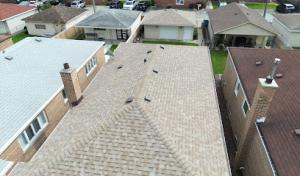
Snow loads in the winter plus ice dam risk can back water up at eaves and roof edges on suburban homes. When the meltwater refreezes at the roof line, it creates a dam that forces water under shingles and into soffits, attic spaces, and ceiling joists. The consequences are not always immediate; many homeowners discover the damage only after snowmelt begins, revealing stained ceilings, warped boards, or attic moisture that reflects a longer, unseen strain on the roof system. This is not a problem to ignore, because repeated freeze-thaw cycles can shorten the roof's life and exaggerate hidden weaknesses in insulation and decking. When spring arrives, what you thought was a minor leak can become a larger repair issue if the damage spreads into the attic or along vertical seams.
The local inspection emphasis on ventilation matters because poor attic airflow can worsen winter moisture problems and shorten roof life through repeated freeze-thaw stress. Inadequate venting traps warm, moist air that rises from living spaces, condenses on cooler underside of roof sheathing, and accelerates rot, mold, and wood fiber degradation. The repeated cycle-moist air meeting cold shingles-drives ice dam formation and can mask the full extent of damage until spring. Proper attic ventilation helps maintain a uniform roof temperature, reduces condensation risk, and supports a longer roof lifespan. If soffit vents are blocked by insulation or the attic hatch is uneven, the problem compounds over multiple seasons, making early detection and correction crucial.
Homeowners often discover roof problems after snowmelt rather than during active winter work, which shifts many repair decisions into spring. Begin with a careful attic walk-through after the thaw: look for damp spots, staining, or crumbling insulation, and check for gaps around penetrations or vent'd outlets that could have allowed moisture to intrude. Outside, inspect for lifted shingles, especially near edges and valley intersections, and note any granule loss at the gutters. If moisture is found, plan a targeted spring inspection to determine whether issues are isolated to ice dam remnants or indicate a broader ventilation and decking concern that could worsen before the next winter cycle.
In Frankfort's freeze-thaw climate, skylight perimeters, chimney flashing, and other roof transitions are common weak points during winter and spring weather swings. The combination of rapid temperature shifts and recurring moisture intrusion makes these penetrations prime spots for leaks after hail events, heavy rains, or a sudden freeze with lingering melt. You will notice that leaks often follow a storm that tilts from warm to cold, rather than a single storm alone.
Leak tracing in Frankfort often needs to distinguish between storm-driven shingle damage and flashing failure around penetrations after seasonal temperature extremes. Look for staining or dark spots along the skylight edge, especially where the curb meets the roof deck. Small drips near the chimney flashing or along the skylight sidewalls can signal sealant deterioration or backer rod failure. Inspect from the attic after a wind-driven rain; a damp fastener line or condensation along the skylight curb is a red flag.
During a routine check, verify the continuity of the flashing around the skylight and at transitions to the roof. In many homes, the skylight flange or curb becomes stressed as shingles expand and contract with temperature swings, allowing moisture to bypass the exterior seal. Worn ice and water shield under the flap or improper termination at the skylight base can create a hidden path for water. Ensure step and counter-flashing are intact where the roof intersects the skylight and that no debris keeps drainage channels blocked.
When a leak is traced to the skylight perimeter or flashing, begin with resealing and resecuring the curb to the deck, then reflash with compatible materials. For multiple penetrations or stadium-style skylights, consider a targeted reflash of the most affected joints rather than a full roof tear-off. If the flashing has split or corroded, replace sections to restore an airtight seam. Schedule inspections after significant hail or freeze-thaw cycles to catch creeping leaks before interior damage sets in.
Find contractors experienced in skylight installation, flashing, and leak repairs to bring natural light into your home.
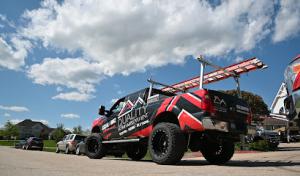
Although Frankfort is primarily a steep-slope residential market, local contractor activity shows enough flat-roof demand to matter for additions, porches, garages, and some commercial properties. Low-slope sections in this area are especially vulnerable when snow, ice, and spring storm water slow drainage during the region's freeze-thaw cycles. In late winter and early spring, standing water and ice dam buildup on flat or gently sloped roofs can creep toward flashing details, edge metal, and penetrations, amplifying the risk of leaks and ice-related damage. These vulnerabilities are most acute on structures where long eaves or roof-to-wall transitions create pockets for moisture to linger.
Repair timing in Frankfort follows the late-spring through fall window when temperatures stabilize and crews can work safely after winter. Early-season inspections pay dividends, particularly after heavy snows or hail events, to catch loose gravel, punctures, or compromised seams before they deteriorate further with rain. The slow drainage characteristic of low-slope areas means leaks may appear well after a storm, so keep an eye on interior ceilings after windy, wet days. In mixed-roof homes, the low-slope portion may behave differently from the main shingle surface, necessitating careful diagnosis to avoid chasing symptoms that originate on the upper slope.
For low-slope repairs, emphasis on proper drainage, robust flashing, and reliable seam sealing matters most. Metal flashing should be inspected for corrosion, loose fasteners, and ridges where water can pond; sealants must remain flexible to accommodate temperature cycles. In mixed-roof configurations, the transition from steep to low slope requires compatible materials and seamless flashing between surfaces to prevent differential movement from storm-driven wind loads. When replacing or patching, consider compatible membrane or spark-resistant edging at parapets and overhangs to reduce wind-driven moisture intrusion.
Routine maintenance targets drainage paths, scuppers, and edge details to minimize standing water. Clear debris from gutters and downspouts regularly, especially after winter thaws and storm seasons. For additions or porches with low-slope extensions, inspect interface points where new roof materials meet existing systems, focusing on sealant longevity and flashing integrity. Keep attic ventilation balanced to reduce condensation under low-slope sections, which can mimic leak symptoms and complicate diagnosis. Regular, proactive checks after significant weather events help catch issues before they escalate in the Frankfort climate.
Find specialists in TPO, EPDM, and built-up flat roofing systems for residential and commercial properties.

Johnny & Roofing Contractors
(708) 840-7112 roofingcontractorstinleypark.com
Serving
5.0 from 46 reviews
In a town with a steady flow of storm-driven work, the local contractor market leans toward re-roofing and steady service for aging roofs. This matters because a crew that understands the community's established neighborhoods, typical steep-slope homes, and the rhythm of late-spring through fall repairs will communicate with you more clearly and complete work with less disruption to neighbors.
Seek long-established, family-owned firms that focus on residential roofs and have a track record of steady projects rather than flashy new builds. Look for crews with clear communication channels, a dedicated project manager, and a crew supervisor who will be on site daily. A company that treats the neighborhood with respect, meets clean-up expectations, and delivers consistent workmanship tends to be the most reliable choice.
Storm-season demand means response time matters. Your chosen crew should offer prompt on-site evaluations after hail or wind events and provide a realistic schedule for repairs. Quick attention reduces the risk of secondary damage from wind-driven leaks and helps you move through the repair timeline with fewer delays.
Debris management is a local hallmark. Ask about on-site containment, daily haul-away routines, and final cleanup standards. In established residential areas, leaving nails and debris behind is a common complaint; a reputable crew will implement a thorough nail sweep and waste disposal plan that minimizes hazards for children and pets.
Look for a company with verifiable local references, a stable workforce, and transparent communication about timelines and milestones. A dedicated contact who can provide you with updates, photos, and a written scope helps you verify progress against the agreed plan.
Prepare a short list of site-specific questions: how they manage stair access and tight driveways, their protection for landscaping and siding, and how they document warranty coverage. A clear, honest answer set signals a crew that understands the needs of Frankfort's neighborhoods and will stand behind their work through the repair season.