
Last updated: Apr 19, 2026
In this corner of southeastern Wisconsin, cold Wisconsin winters bring more than just snow. Burlington roofs endure repeated freeze-thaw cycles that exploit minor imperfections in shingles, underlayment, and flashing details. Snow loads accumulate, ice can form along eaves and in valleys, and every thaw followed by refreezing tests the sealant lines and fasteners alike. When a roof system has aging or minor installation gaps, these stressors can turn into small leaks or accelerated wear on flashing around chimneys, vents, and skylights. In practice, this means that routine inspections after heavy snow events or significant freeze-thaw periods are not optional embellishments, but a practical safeguard for avoiding larger, more expensive problems later.
Most full replacements in this area are scheduled from late spring through early fall. The reason is straightforward: moderate temperatures create better conditions for a tear-off, proper underlayment installation, and shingle sealing. High heat can complicate asphalt shingle installation, and winter work is often impractical due to ice and limited daylight. The Burlington market has learned that a well-timed tear-off with the right weather window reduces the chance of premature failure in the newly installed roof. If a replacement becomes necessary, planning for a window in late spring or early fall aligns with both weather patterns and typical contractor schedules, avoiding the most extreme winter and peak summer heat.
Storm events in this region-hail, high winds, and squall-driven downpours-often set up a timeline for when repairs become critical. A cap sheet or flashing that is compromised by a storm can endure longer in dry, warm weather, but the onset of freezing temperatures can lock in weaknesses, making small leaks appear more quickly or spread along ridge lines and flashing recalls. The sequence to watch for is storm impact followed by recurring freeze-thaw cycles. If hail damages shingles or loosens fasteners, moisture intrusion may not be immediate but can develop after several cycles of thawing and refreezing. When that happens, a scheduled, full replacement in a workable season becomes the most reliable path to a durable, code-compliant result. The practical takeaway is to treat hail-damaged areas with caution, have them inspected promptly, and plan for a potential full replacement during the effective seasonal window if underlayment or flashing shows signs of compromise.
Burlington homes present a mix of attic ventilation setups and roof shapes that influence how long a roof can perform before replacement becomes necessary. In roofs with limited soffit intake or insufficient attic venting, heat buildup and accelerated moisture migration can shorten the effective life of underlayment and shingles, especially after a winter with heavy snow or frequent thaw cycles. Heavier snowfall on a low-slope section or a roof with complex flashing details around a chimney or skylight can also complicate sealing, inviting ice dam risks and slow leaks. When planning replacement work, expect a thorough assessment of attic ventilation alongside the roof deck and flashing layout, as those elements help determine the system's long-term performance in Burlington's climate.
If damage is suspected after a winter or spring storm, contact a local contractor who understands the region's weather patterns and common housing stock. Request a full diagnostic that covers roof deck integrity, underlayment condition, and flashing continuity, not just shingle surface. When scheduling a replacement, coordinate with the contractor to target the late spring or early fall window, ensuring enough dry days for tear-off and sealing. Document any visible changes to slope, valleys, or vents, and keep notes of freeze-thaw cycles that may have stressed the system last year. This approach helps ensure the chosen roofing material-whether asphalt shingles, metal, or a more premium tile option-performs reliably through Burlington's freeze-thaw, wind, and hail exposure.
Spring in this area brings violent hail and gusts that hammer roofs with little warning. Those blasts can loosen shingles, punch through weaker flashing, and bend metal detailing enough to let water in behind the scenes. In Burlington, the result is often a hidden cascade: tiny hits that seem minor at first but undermine seal integrity and underlayment over a single storm cycle. The risk compounds quickly when multiple storms roll through in rapid succession, straining weak points and stacking damage where you can't see it from the ground. If a hail event rattles your area, assume the roof took more hits than it looks like and start a careful post-storm inspection within 24 to 72 hours-before a leak shows up inside the ceiling.
Winter in this corner of Wisconsin is unkind to shingles that are already stressed. Freeze-thaw cycles push water into seams, lift tabs, and stress flashing transitions as ice expands and contracts. Over time, seal strips can peel, and vulnerable penetrations-like vent stacks and skylines-become failure points. This is why a roof that looked solid at autumn's end can reveal leaks once the warm snaps arrive in spring. The damage often isn't obvious during installation season; it surfaces after seasonal swings when the system has to cope with repeated temperature shifts. Planning for this means paying attention to the small, creeping signs: a microscopic lift along the shingle edge, slight edge granule loss, or a shy drip near a vent boot after a warm day followed by a sudden cold snap.
Because damage often appears after seasonal swings rather than during the initial exposure, Burlington homeowners need timely checks after storms and after winter. Start with a binoculars check along the lower edge of the roof and around gutters to spot lifted edges, missing granules, or flashing that looks out of place. If a storm left dents, creases, or loose pieces, don't wait for a leak to appear-call a local roofer to perform a targeted assessment. Inside, check for signs of moisture around light fixtures, ceiling spots, or soft attic insulation near joints. If any suspect areas are found, arrange a professional inspection promptly to determine whether a temporary protective step, such as tarping, is warranted while scheduling follow-up repairs.
Spring hail and wind events in southeastern Wisconsin are a major trigger for sudden roof damage in Burlington and can create short-term contractor scheduling bottlenecks. If a storm hits, document damage with photos and keep a dated log of observations. Develop a quick-response plan: secure access to the attic, prevent water intrusion with temporary measures, and place a high priority on early professional evaluation. For freezing episodes, plan a proactive late-winter or early-spring roof check, especially around brittle edge areas and penetrations. In either case, timely action protects the interior and reduces the likelihood of larger repairs down the line.
Find local contractors experienced in assessing and restoring roofs after hail, wind, and severe weather events.
O'Neill Construction Group
(262) 287-2532 oneillconstructiongroupwi.com
133 E Chestnut St STE 6, Burlington, Wisconsin
4.9 from 96 reviews
Mather's Improvement Service
(262) 763-7884 www.mathersimprovement.com
665 S Kane St, Burlington, Wisconsin
4.5 from 91 reviews
Accent Roofing
(262) 515-4385 www.accentroofingonline.com
102 N Westwood Ave, Burlington, Wisconsin
4.8 from 18 reviews
O'Neill Construction Group
(262) 287-2532 oneillconstructiongroupwi.com
133 E Chestnut St STE 6, Burlington, Wisconsin
4.9 from 96 reviews
O'Neill Construction Group has proudly been Burlington, WI’s trusted choice for roofing and siding solutions since 2019. Specializing in both commercial and residential projects, we take pride in delivering quality craftsmanship with every job, completed to exact manufacturer specifications. Licensed, bonded, and insured in both Illinois and Wisconsin, we back our work with some of the best warranties available in the industry. We’re proud to serve Burlington, Racine, Waterford, Kenosha, and surrounding communities with a premier contracting experience built on integrity and expertise.
Accent Roofing
(262) 515-4385 www.accentroofingonline.com
102 N Westwood Ave, Burlington, Wisconsin
4.8 from 18 reviews
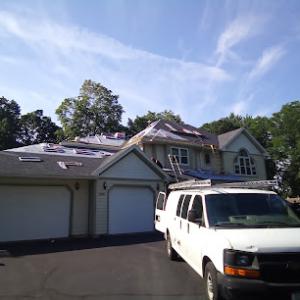
Accent Roofing specializes in tear-offs, re-roofs, new construction as well as gutters, downspouts, rubber flat roofs and small repairs. We have been in business since 2008 and have satisfied hundreds of customers around Southeast Wisconsin.
Dynasty Roofing
(262) 716-4862 dynastyroofwi.com
617 Viewcrest Terrace, Burlington, Wisconsin
5.0 from 6 reviews
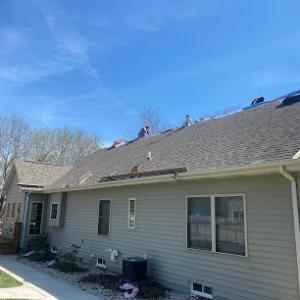
Dynasty Roofing is a roofing and exterior company servicing south eastern Wisconsin. We provide Roof replacement, roof repair, and gutters, soffit, fascia, siding.
Quality Home Exteriors - Roofing Contractor
(262) 662-1414 qualityhomeexteriors.com
Serving
5.0 from 31 reviews
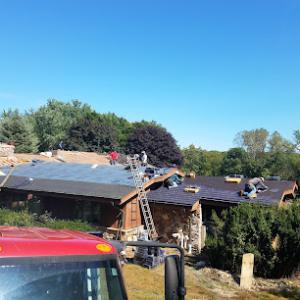
Quality Home Exteriors WI specializes in roofing and exterior remodeling, offering top-quality roofing installation, siding, windows, and gutters. We also provide interior remodeling services, including kitchen and bathroom renovations, as well as fire and water damage restoration, serving Southeastern WI with reliable craftsmanship. Roofing remains our core expertise, ensuring your home is protected with durable, expertly installed solutions.
Absolute Roofing
(262) 877-4444 www.absoluteroof.com
Serving
4.9 from 72 reviews
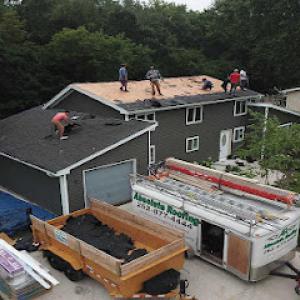
At Absolute Roofing our mission is to provide excellent customer service while installing superior products. We offer full roofing services in Southeastern WI and Northern IL. We are licensed, insured, and offer free estimates. Call us today!
Roofs by Wayne
(262) 298-7022 roofsbywayne.com
Serving
5.0 from 25 reviews
Locally owned and operated! Wayne is a hands on type of business owner that always makes himself available to all customers. Whether it’s Wayne himself or one of our crew members, he is always just a phone call or quick text away
Alpha Power Restoration
(815) 995-0410 www.alphapowerrestoration.com
Serving
4.9 from 89 reviews
Here at Alpha Power Restoration we believe treating our customers as if they were our own family is the only way to do business. No fly by night storm chasers here, just honest, hard working people with over 15 years of experience in the exterior contracting space working to make your home or property stand out amongst your neighbors. In our time we have seen a lot of what goes wrong and with our customer service we can assure all your needs will be met. You can trust us here at Alpha Power Restoration to fulfill your exterior and interiors needs
Semper Fi Roofing & Exteriors
(262) 500-4612 semperfiroofing.com
Serving
4.8 from 1032 reviews
Semper Fi Roofing & Exteriors is a veteran-founded exterior remodeling company serving southeastern Wisconsin since 2003. Founded by two Marines, the company has grown from a single roofing truck to a full-service exterior remodeler. Their services include roofing replacements and repairs, gutters, and storm damage repairs. Committed to quality craftsmanship and customer satisfaction, they offer a lifetime workmanship warranty, ensuring projects are completed with minimal intrusion to clients' lives. Their team of veterans and craftsmen uphold values of integrity and excellence in every project.
VDB General Contracting
(262) 995-0585 vdbcontractors.com
Serving
4.7 from 83 reviews
VDB Contracting, LLC has been known for its team of trusted roofing contractors & home renovation specialists since 2004. We proudly provide our community with complete roofing, exterior, and interior remodeling and repair services. This includes Residential, Commercial, Apartments, and Condo Association repairs and maintenance, throughout southeast Wisconsin from Racine to Kenosha, and more.
Old Fashioned Roofing
(262) 229-8909 oldfashionedroofing.com
Serving
5.0 from 69 reviews
Old Fashioned Roofing is a veteran-owned and operated roofing company proudly serving Wisconsin homeowners and businesses. We specialize in residential and commercial roof and gutter replacement, delivering time-tested craftsmanship backed by a Lifetime Workmanship Guarantee. Whether you need shingles, flashing, flat roofing, or full gutter systems, our team gets it done right—the old fashioned way. Built on values of honesty, hard work, and service, we bring a trusted name and a legacy of integrity to every job.
D & H Construction Management
Serving
5.0 from 15 reviews
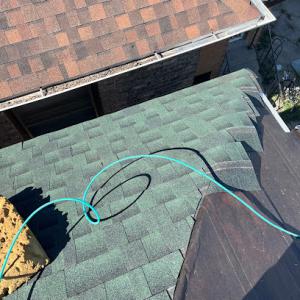
D & H Construction Management has over 20 years in the roofing and construction business. We are a GAF Certified roofing company, and have built our business on three values: quality, fairness, and doing exactly what we say we will. With us, you can expect nothing but the highest quality of materials and craftsmanship.
A&M Roofing
(844) 277-5423 www.amroofing.info
Serving
4.9 from 52 reviews
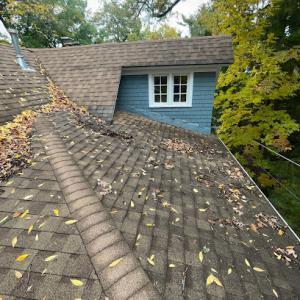
A&M Roofing provides roofing, gutters, siding, windows, and storm damage services to Southern WI and Northern IL.
Asphalt shingles remain the dominant practical choice around town. They hold up well under typical seasonal loading, but the proven wintry pattern-long cold spells followed by freeze-thaw cycles-can shorten their lifespan versus milder climates. In Burlington, you'll want to pay close attention to aging peaks after severe winters: curling edges, granule loss, and soft spots where ice damming has started. Regular inspections after spring thaws help catch small gaps or lifted tabs before wind or heavy snow load exacerbate the issue. Pay particular attention to the underlayment and proper installation around eaves and penetrations, since these are common failure points once the freeze-thaw cycle begins to stress the roof system. If you're evaluating replacement or repair, prioritize a shingle choice that emphasizes good impact resistance and a thicker mat, along with a solid attic ventilation plan to reduce interior moisture that can accelerate shingle degradation.
Metal roofs shed snow differently and often hold up well against wind and hail, but the fastener layout, flashing transitions, and roof-to-wall interfaces require careful attention in this climate. In Burlington, freeze-thaw cycles can drive movement at seams and fasteners, so you should expect some movement over time and plan for periodic inspection. Snow blocking and proper snow guards help manage large accumulations, reducing the risk of panel damage and ice buildup around the eaves. Flashing around penetrations, chimneys, and skylights must be continuous and well-sealed to prevent water intrusion from freeze-induced contraction and expansion. For a metal roof, a contractor should verify that sealants stay flexible in cold weather and that the fasteners have the correct corrosion resistance for our winter conditions. A correctly installed metal system often outlasts shingles in heavy snow regions, but detail work at edges and transitions is where failures most reliably begin in the Burlington freeze-thaw cycle.
Clay tile and concrete tile, wood shakes, and synthetic/composite products appear in the market, but these heavier or specialty systems add structural and installation complexity if the home wasn't designed for them. In this area, weight matters: many older homes or mid-century designs may require structural assessment before a switch to heavier materials. Clay and concrete tiles can crack or loosen under freeze-thaw stress and hail impacts, while wood shakes can degrade with moisture fluctuations and pest exposure if ventilation or attic dryness isn't adequate. Synthetic or composite options can offer longer life and improved impact resistance, but transitions and fastener choices still demand careful attention to compatibility with underlying structure. When considering these options, expect more precise matching of rafter spacing, roof deck integrity, and ventilation needs to ensure the heavier systems don't fail prematurely in severe winters or during rapid temperature swings.
Across materials, the most frequent trouble arises at edges, penetrations, and transitions-around chimneys, vent pipes, skylights, and where the roof meets walls. Freeze-thaw cycling accentuates small gaps into leaks if flashing isn't sealed, underlayment isn't continuous, or attic ventilation is inadequate. Regular inspections after winter and after major storms help isolate issues early: lifted shingles, loose fasteners, bubbling or peeling coatings, and visible soft spots. In Burlington, staying proactive with a detailed inspection plan after spring thaws can prevent more extensive damage during next winter's freeze-thaw cycle.
Typical Burlington pricing runs about $350 to $650 per square for asphalt shingles, $600 to $1200 for metal, $1200 to $2400 for clay tile, $800 to $1600 for concrete tile, and $550 to $1100 for wood or synthetic/composite roofing. These ranges reflect the mix of housing stock in the area, from sturdy mid-century ranches with breathable underlayment to multi-story homes that demand careful access and venting. When you're comparing bids, insist on a square-by-square breakdown that includes delivery, waste disposal, and the contractor's scope for underlayment and flashing. In this market, the difference between a good job and a not-so-good one often shows up in the details of tear-off and reattachment, rather than the raw material cost alone.
Costs in Burlington can rise after spring hail and wind events when demand spikes for re-roofing and emergency work across the local contractor base. That surge can push prices up in the short term, and it may also affect scheduling and material availability. If a claim or emergency replacement becomes necessary, be prepared for shorter windows to review options and longer lead times for certain products. It helps to have a preferred, prioritized list of shingle types and a plan for phased work if the schedule tightens up in late spring or early summer.
Permit requirements, tear-off scope, ventilation corrections, flashing replacement, and any plan review tied to structural or venting changes can all add to Burlington project totals. Even when a bid seems close, tear-off depth and disposal charges, plus the need to correct attic ventilation or improve attic access, can shift the final price. A thorough takeaway is to budget for underlayment upgrades, improved ventilation where existing soffit and ridge systems fall short, and flashing that ties into masonry or siding transitions. In practice, a well-planned replacement that accounts for these factors tends to reduce the risk of early leaks after the first thaw.
Get a clear picture of your project costs upfront - no commitment required.
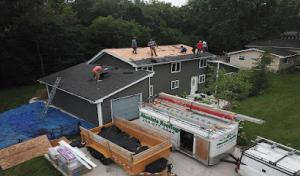
A building permit is typically required for a full roof replacement, with permits issued through the City of Burlington Building Inspection. The permit signals that the project will follow local codes for underlayment, ventilation, flashing, and attachment. For homeowners and contractors, treating the permit as a checklist helps keep the project on track during a Burlington winter or spring wind event when proper installation matters most.
Contractors generally file the permit application, and inspections are commonly scheduled after tear-off and again at final installation. In practice, the first inspection occurs after the roof deck is exposed but before new roofing material goes down, giving the inspector a chance to verify deck condition, underlayment plan, and ventilation routes. The final inspection confirms that the roof is fully installed to code and that all penetrations, flashings, and vent terminations are correctly sealed. If venting or structural changes are part of the plan, expect additional review steps.
Burlington inspections focus on underlayment, ventilation, flashing, and attachment. Underlayment must be properly installed to withstand the local freeze-thaw cycles and spring hail exposure, with seams sealed and roof edges correctly protected. Ventilation is checked to prevent heat buildup and ice dam risk during the cold months, particularly for steeper pitches or attic spaces with limited airflow. Flashing around chimneys, skylights, exhaust vents, and perimeters must be continuous and corrosion-resistant. Attachment looks at fasteners, nailing patterns, and wind resistance to handle local wind gusts. If the project involves moving or resizing vents, or any structural change to the roof framing, plan review may be required to ensure the changes meet code and do not compromise performance.
Some projects may need plan review when structural changes or venting adjustments are proposed. This is most likely if the replacement involves replacing deck boards with a different slope, adding roof penetrations, or altering attic ventilation balance. Plan review helps confirm that the overall roof assembly will manage moisture, air flow, and load in line with city standards. If plan review is anticipated, the contractor should submit structural drawings or venting diagrams as part of the permit package.
Coordinate early with the contractor to align tear-off timing with permit issuance to avoid weather-driven delays. Maintain access for inspectors to areas behind attic access doors and garage ceilings where ventilation routes connect. Keep a folder of warranty documents, product specifications, and flashings compatible with local climate-this reduces back-and-forth during inspection. Finally, ensure all paperwork is complete before scheduling the final inspection to avoid a re-inspection fee and extended downtime on the project.
Burlington sits in a Wisconsin insurance environment where seasonal hail and wind events drive claim activity and influence how quickly homeowners need to document damage. In practice, a fast, thorough contact after a storm reduces confusion later and helps separate minor wear from true structural concerns. Winter cycles and seasonal storms can create hairline issues that worsen after heavy precipitation, making timely documentation critical.
Insurers commonly want photos, contractor estimates, and post-storm assessments for Burlington-area roof claims, especially when damage is not obvious from the ground. A carrier may request attic views, interior signs of leaks, and records of any previous repairs to assess both severity and depreciation. Having calm, organized documentation supports smoother handling, even if the event was just a tipping wind or a hail splash. When damage is hidden, a professional inspection may be needed to reveal failures around flashing, chimneys, and vents.
Coverage availability and claim handling can vary by carrier and policy after storm periods, so Burlington homeowners need to review deductibles, exclusions, and timing before authorizing major work. Delays can happen if the damage is mischaracterized, or if a contractor's proposal presumes replacement rather than repair. Being precise about what is damaged avoids wasted work and disputed payments. Adjusters look for consistency between photos, estimates, and what is seen during a field check.
Begin with a free exterior evaluation from a trusted local roofer who understands common Burlington trouble spots, like edge damage and vent flashing at freeze-thaw joints. Photograph every angle, note shingle granule loss, and keep copies of all estimates. Do not let urgency overwhelm accuracy; a cautious, well-documented approach protects the roof-and the budget-for the months that follow. If a weather window opens for roof work, coordinate to minimize leaks and avoid rushing critical flashing. Take time to review the plan.
Connect with contractors who help homeowners navigate the claims process from damage assessment to final approval.
Quality Home Exteriors - Roofing Contractor
(262) 662-1414 qualityhomeexteriors.com
Serving
5.0 from 31 reviews
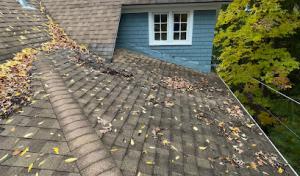
In this climate, attic airflow corrections become a critical part of any full roof replacement. Ventilation is a recurring inspection point during Burlington projects, and attic airflow should be treated as a system that influences insulation effectiveness, moisture control, and long-term roof life. If soffit, ridge, or gable vents aren't balanced, you risk condensation and attic moisture that can undermine decking and underlayment soon after a replacement. Plan for a deliberate assessment of vent counts, insulation setbacks, and baffle placement so air moves freely from eave to peak. An attic that breathes properly helps prevent ice damming and keeps interior spaces drier, especially during the shoulder seasons when rapid temperature swings are common.
Freeze-thaw conditions make flashing a common weak point when older roofs are reworked. Chimneys, walls, valleys, and penetrations deserve extra attention because the repeated expansion and contraction of water-filled gaps can open tiny leaks quickly. In Burlington, where cold snaps follow wet, windy days, old flashing may fail sooner than expected if it's not upgraded during a full replacement. The goal is continuous, corrosion-resistant metal where needed, with meticulous sealant control at joints and step-flashing that ties into counterflashing. Skipping a thorough flashing refresh invites slow leaks that can mask themselves until a winter thaw reveals damp attic sheathing or staining along interior ceilings.
Skylights and roof penetrations demand careful integration with underlayment and flashing. Winter moisture and seasonal storms in this area can expose small installation defects quickly if the details aren't exact. Ensure that skylight boots, curb flashing, and any vent penetrations are matched to the roof's underlayment plan, with proper sealant choices and drum-tight fasteners. A tight, continuous seal around every opening reduces the risk of wind-driven leaks and ice-related damage during freeze-thaw cycles, protecting both roof decking and interior living spaces.
Find contractors experienced in skylight installation, flashing, and leak repairs to bring natural light into your home.
Burlington's contractor mix skews toward re-roofing-focused crews rather than niche new-construction specialists. When storms hit, homeowners gravitate to firms with a proven track record for full replacements, thorough cleanups, and reliable post-install service. Look for crews that advertise rapid response windows and a local reference list you can verify in surrounding neighborhoods. A strong history of projects in town matters more than flashy marketing.
Expect seasonal constraints, with short installation windows driven by weather and lake-effect volatility. A practical plan secures a crew early and leaves room for weather delays without sacrificing workmanship. Confirm the crew's readiness to manage debris containment, daily cleanup, and protective measures for driveways and landscaping during Burlington's spring and winter transition periods.
When discussing warranties, pin down who is responsible for workmanship across the lifetime of the roof, especially if an area fails due to improper installation. Emphasize flashing details around chimneys, valleys, and dormers, plus any ventilation adjustments required to pass the city inspection process. Ensure the agreement specify who handles corrective work if flashing or venting needs remodeling after the job is completed.
Verify a dedicated supervisor who will be present during key phases-tear-off, underlayment installation, and final flashing checks. Require a clear plan for protecting nearby structures and a defined cleanup standard. A reliable Burlington crew will provide written post-job follow-up, addressing any lingering questions about performance during the first freeze-thaw cycle.