
Last updated: Apr 19, 2026
Spring in this Wisconsin corridor carries a defined hail risk that shapes when and how homeowners should act. The pattern here is clear: hail events cluster after late winter thaws and into early spring, then again with the summer thunderstorm season. That means roof damage can accumulate quickly, especially on older shingles, metal edges, or lightly resting tiles. The urgency is real because roof surfaces may look intact from the ground while dented, cracked, or loose components lurk under the slope. A proactive approach to inspecting after a notable hail event reduces the chance of unseen leaks developing into costly interior damage. In Oak Creek, the spring window is a few weeks of intensified risk, and the timing of your inspection decision can determine whether a minor repair becomes a full roof replacement later.
After any significant storm, you should plan a rapid, thorough roof inspection within 24 to 72 hours if conditions allow safe access. The goal is to capture damage while it is most visible and before moisture finds its way into decking or attic spaces. Look for fresh hail impacts on shingles, dented metal flashings, torn sealant around vents, and granule loss on asphalt products. In Oak Creek, wind-driven debris accompanying hail can also hide nail pops or lifted edges. If a contractor or insurance-adjacent team arrives, document every area of concern with close-up photos, exact locations, and a short weather note for that day. This local climate demands written records that help distinguish hail-caused damage from long-term wear, which can influence claim decisions and the sequence of repairs.
Claim activity in this Wisconsin market tends to spike after spring and summer storms, so homeowners may face contractor scheduling pressure after regional weather events. It is essential to hold a line on timing: get a clear estimate package in hand quickly, and request written timelines for assessment, approval, and work start. Local crews know the area's typical weather gaps and can anticipate delays, but you should not wait for a perfect window to begin documentation. If a storm has triggered multiple claims nearby, secure a prioritized inspection slot with a reputable roofer, and insist on a site visit that targets hail damage indicators on every roofing plane and along the eaves. Proactively coordinating with an insurer-approved contractor list can help you avoid long wait times in the peak season.
Fall wind and precipitation are a local concern because damage left unresolved before winter can worsen once freeze-thaw cycles begin. In Oak Creek, prolonged exposure to cold, wet spells can transform small leaks into moisture intrusion that degrades attic insulation, promotes mold growth, and accelerates decking decay. If a repair can't be completed before the first hard freeze, secure temporary measures to seal obvious ingress points and prevent pooling water. Even when the calendar tilts toward late fall, do not delay addressing obvious hail-induced breaches, lifted shingles, or compromised sealants. Quick, decisive action minimizes the risk of winter-driven escalation and keeps your roof protected until the spring re-match of storms.
Winter in this part of the metro area brings repeated freeze-thaw cycles that take a toll on shingle wear. As temperatures swing above and below freezing, small granule loss, micro-cracks, and edge curling can creep into a roof surface long before a major leak appears. In practice, that means a shingle that looked fine after autumn can show signs of weakness after a few sustained freezes. The Lake Michigan influence shows up not just in snow piles but in how water trapped under the surface can push at seams and flashings when it freezes and expands. If gutters are partially clogged or leaves linger near roof edges, the meltwater has fewer places to go, increasing the chance of ice buildup that widens existing gaps. What starts as a cosmetic issue-loose granules or a lifted shingle edge-can quickly become a pathway for water once a heavy storm arrives and temperatures drop again.
Spring hail storms can ring the bell on roof damage, but the real risk happens when that damage isn't obvious. Hail pings may bend a metal edge, dent flashing, or crack a tile, yet you won't always notice leaks until a thaw-and-freeze event cycles moisture around the penetration points. In this climate, what appears to be a minor, cosmetic ding can become a leak-prone weak spot once moisture is trapped and freezes around nails, underlaps, and valley zones. Perimeter flashings and around vent pipes are especially vulnerable because they sit at critical junctions where water changes direction. After a harsh winter, a small crack in sealant or a lifting shingle becomes an inviting tunnel for meltwater to back up and seep in behind the roof deck. The result is a slow, creeping leak that shows up as a stain or damp spot on a ceiling rather than a dramatic waterfall from a storm.
Replacement timing in this area hinges on avoiding the season where you know flashing or shingle defects will be carried into the snow season. If there is visible deterioration-granule loss, curled edges, torn underlayment or exposed fasteners-addressing it before the next big freeze reduces the chance that a minor flaw turns into a major water intrusion. Even when a roof seems sound, a proactive approach during mild, dry stretches can prevent the suspense of winter storms exposing hidden vulnerabilities. When planning work, consider how the roof components will behave under extended cold and snow load, and favor solutions that seal penetrations and restore flashing integrity so trapped moisture has fewer opportunities to freeze and expand. A careful, targeted repair that resolves the most vulnerable edges, valleys, and terminations helps limit the domino effect of freeze-thaw damage and keeps the interior dry through the hardest part of winter.
Asphalt shingles are the dominant local choice, but this market's freeze-thaw winters and spring hail exposure push the importance of impact resistance and flashing quality to the forefront. When evaluating asphalt, look for impact-rated options (often labeled as Class 3 or Class 4) and verify the designer's attention to a solid drip edge and properly sealed step and kick-out flashing at walls and chimneys. In Oak Creek's damp springs, ensure the roof system relies on good underlayment and a well-sealed attic hatch or vent lines to minimize ice damming and moisture intrusion. In practice, prioritize architectural or heavier-rated bundles if your roof pitch is low or your attic ventilation is not robust, since these conditions amplify wind-driven hail risk and freeze-thaw cycles. A solid installation habit-correct nail patterns, enough fasteners, and proper shingle alignment-becomes the quiet shield against repeated winter stress.
Metal roofing can appeal to homeowners prioritizing snow-shedding performance and resilience through seasonal temperature swings. In this market, metal panels or shingles with a matte or granulated finish tend to resist hail better than many alternatives when installed with adequate overhangs and corrosion protection. Look for panels rated for impact resistance and ensure flashing around dormers, chimneys, and vents is integrated with a continuous seal to prevent water entry during rapid thaw cycles. Metal's reflective surface helps reduce heat buildup in attics during shoulder seasons, but fastener placement and panel seams must be carefully sealed to withstand Lake Michigan-influenced moisture. If choosing metal, plan for a roof that slopes enough to shed ice and snow promptly, reducing the load during heavy spring events.
Clay tile, concrete tile, wood shakes, and synthetic/composite products are present in this market, but their suitability depends on how they handle winter stress, hail exposure, and maintenance expectations. Clay and concrete tiles can be brittle under hail, risking cracks that invite leaks unless the installation features reinforced battens and solid underlayment. Wood shakes bring a rustic look but require consistent maintenance to resist freeze-thaw cracking and moisture absorption; untreated exposure can shorten their lifespan in severe winters. Synthetic or composite options may offer improved impact resistance, but verify the product's performance under freeze-thaw cycles and confirm compatibility with existing flashing details. In all cases, a well-ventilated attic and an effective moisture barrier reduce the risk of ice dam buildup and staining during spring thaws.
In the selection process, match material choices to roof geometry and typical storm exposure. For shingle and metal options, inspect the edging and flashing attachments as closely as you would inspect the main roofing surface. When hail events alter the landscape, prioritize a quick, documented assessment of damaged areas, focusing first on the flashing and edge systems where leaks are most likely to start. For any material, ensure that a capable local contractor can provide a thorough maintenance plan for winter and spring, including inspection intervals after hail and freeze-thaw cycles.
In Oak Creek you should evaluate re-roof pricing against the local per-square ranges provided for asphalt, metal, tile, wood, and synthetic systems rather than generic national averages. The numbers you see from nearby crews reflect Lake Michigan-influenced winters, spring hail risk, and a fast-moving contractor market that can shift pricing quickly after a severe storm. Asphalt shingles stay common and usually land toward the lower end of the spectrum, while metal and concrete or clay tile sit higher, reflecting material durability and installation complexity in our climate. Compare bids using the same unit-per square (100 square feet)-and check how each contractor accounts for weather-related contingencies that show up after a harsh spring or summer storm.
Seasonal storms drive demand in this area and can tighten labor availability. After a hail event or a summer windstorm, crews may be juggling multiple Oak Creek properties, which pushes lead times and can nudge pricing upward. If a contractor has to allocate extra crews for rapid tarp-to-repair work, or to manage debris and flashing replacements after freeze-thaw wear, those costs can appear as short-term surcharges or expedited-request fees. You'll notice more variation in scheduling than in calmer years, so building a concrete timeline with a plan B is practical. Shorter windows between weather events also raise the likelihood of one-season projects slipping into the next, especially if a full re-roof is paired with required system upgrades and final inspection readiness checks.
Beyond material choice, Oak Creek prices move based on whether the project includes storm-related repairs or flashing replacement after repeated freeze-thaw cycles. If your roof needs fascia, drip edge, or H- and V-flashing redone due to hail impact or edge wear, those add-ons can materially shift the total. Upgrades tied to final inspection readiness-such as enhanced underlayment, wind resistance enhancements, or better attic ventilation-also influence the bottom line. When you see a bid, read the line items carefully: the base material rate, any storm-repair surcharge, flashing and underlayment costs, and the scope of the sealant and attic ventilation work. In Oak Creek, the presence of spring hail and rapid post-storm scheduling often means that a two-bid comparison with a clear breakdown yields the most reliable picture of the true cost to re-roof.
Asphalt Shingles are commonly the most economical option, but even there you'll find that Oak Creek pricing should be anchored to the local range rather than remote averages. Metal Roofing commands a higher price per square, yet offers performance advantages in our freeze-thaw cycle and hail scenarios. Clay and Concrete Tile bring substantial upfront cost but can extend roof life if your structure handles the heavier installation, especially with storm-related repair work factored in. Wood Shingles and Synthetic options sit between or above asphalt depending on the specific product line and the complexity of installation in your attic and overhangs. When planning, use the local per-square ranges as your baseline and request a storm-adjusted line item list to understand what changes after hail events and which components are most sensitive to weather-driven scheduling.

Leap Frog Roofing
(414) 574-0044 www.leapfrogroofing.com
Oak Creek, Wisconsin
5.0 from 39 reviews
Leap Frog Roofing is your trusted roofing contractor in southeastern Wisconsin. We specialize in residential roofing services, including repair, replacement, and maintenance. Our experienced professionals are dedicated to providing reliable and high-quality workmanship on every project. Whether you need a new roof, siding, gutters, or repairs, we've got you covered. Contact us today for a free quote and let us leap ahead with your roofing needs.
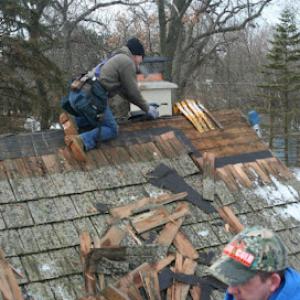
Stein Home Solutions
(262) 691-5999 steinhomesolution.com
Oak Creek, Wisconsin
5.0 from 27 reviews
Since 1995, we've been Wisconsin's go-to for top-quality roofing and siding. Our experienced team ensures durable, beautiful home exteriors, tailored to withstand local weather. Trust us for expert installations and hail damage roof repairs. Contact us for a free estimate and elevate your home with our proven excellence.
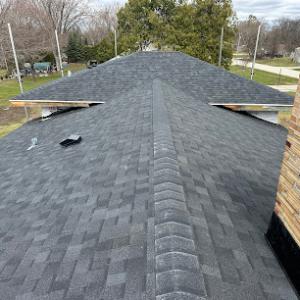
4 Seasons Roofing Service
574 W Oakwood Rd, Oak Creek, Wisconsin
5.0 from 26 reviews
License , Insured , manufacture installation certified . FREE ESTIMATE.
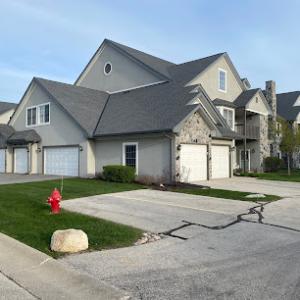
SJS Roofing & Construction
(414) 304-5089 sjs-construct.com
9825 South 13th Street, Oak Creek, Wisconsin
4.8 from 35 reviews
SJS Roofing & Construction is the leading roofing & exterior company serving the local area. We develop innovative solutions that save our clients time, save them money, and deliver the highest standard of workmanship available. We pride ourselves on honesty, quality, and transparency, and we always do right by the customer. Experienced, professional, and dependable, we are the roofer you can trust.
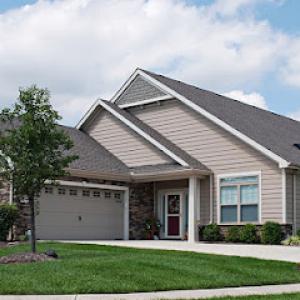
Carlino's Roofing
(262) 705-0756 carlinosroofing.com
Oak Creek, Wisconsin
4.7 from 32 reviews
Carlino's Roofing is a locally-owned company with over 12 years of experience. We offer FREE estimates and competitive pricing. Our employees are authorized and certified and our business is fully bonded and insured for your peace of mind. We offer Owens Corning and GAF shingles for your home. Our prices are affordable and our workmanship is stellar. We can complete most roofs in just 2 days. Carlino's Roofing has over 12 years' experience in the contracting industry. We provide you with professional siding services you can count on. From vinyl siding to decorative accents, we give you a unique selection of products to choose from. We guarantee you'll always get custom solutions when you hire us. Know that we're fully bonded and insured ...
Under 1 Roof
(262) 818-4727 www.under1roofwis.com
Oak Creek, Wisconsin
4.7 from 25 reviews
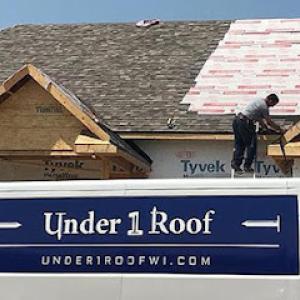
Under 1 Roof provides roofing, gutters, siding and repairs to Racine, Kenosha and Milwaukee Counties.
Roofing Siding Residential
(262) 331-0939 roofingsidingremodeling.com
Oak Creek, Wisconsin
4.7 from 11 reviews
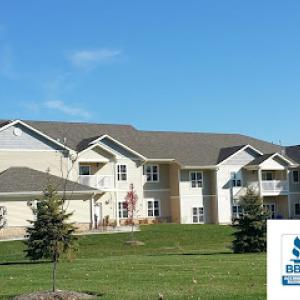
RSR is your local exterior improvement pros. We specialize in Roofing and Siding. We are a hard working crew looking to EARN your business. We are reliable and trustworthy. We leave lifetime warrantees and will be around to back them up. Choose RSR for your Roofing and Siding needs!
Sanders Home Improvements
Oak Creek, Wisconsin
5.0 from 3 reviews
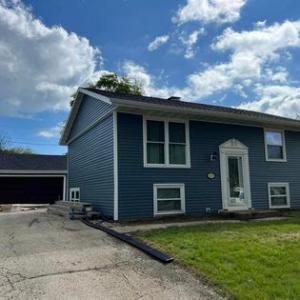
Sanders Home Improvements installs Roofing, Siding, Soffits, Fascia, & Seamless Gutters. We work exclusively on beautifying, replacing and restoring all the crucial elements of your home or office exteriors.

White Glove Exteriors
8045 South 13th Street, Oak Creek, Wisconsin
5.0 from 3 reviews
Leaders in quality construction and infrastructure

Roofed Right America
(414) 769-0100 www.roofedright.com
Serving
4.8 from 116 reviews
Expert Commercial Roofing, Sheet Metal, Wall Systems, Rooftop Solar, Green Roofing, Blue Roofing and Waterproofing Installer with over 150 in house employees. We also provide specialized services such as tile, slate, copper, cedar and synthetic roofing installations in house. Our sheet metal shop is one of the best equipped in the area, and we have the ability to cut, fold, curve, mill, route, join, solder, weld or shape any type of sheet metal to an expert level.

Vesel Roofing Repair & Replacement
(262) 300-5831 www.veselservicestoday.com
Serving
4.5 from 178 reviews
Since 2003, Vesel Roofing Repair & Replacement has provided Caledonia and surrounding areas with reliable and professional home exterior services. Their experienced team specializes in roofing repair and replacement, gutter and siding services, and window installation. They are dedicated to understanding each homeowner's unique needs and delivering personalized solutions that protect and enhance their property. From routine maintenance to complex repairs, Vesel Roofing is committed to ensuring every house becomes a secure and beautiful haven.
Professional Builders WI
(414) 255-8474 professionalbuilderswi.com
Serving
5.0 from 13 reviews
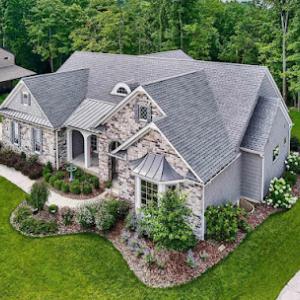
When a roof needs attention, homeowners and business owners want a contractor they can trust to deliver lasting results. At Professional Builders WI, we understand that your property is one of your most important investments, and we’re here to protect it with expert roofing services and reliable craftsmanship. Since 2016, we’ve been proudly serving Cudahy, WI and surrounding areas, offering top-quality residential and commercial roofing solutions. Our team is skilled in every aspect of roofing services, from residential roofing and commercial roofing to exterior remodeling and beyond.
In Oak Creek, a building permit is required whenever a re-roof project is undertaken. This applies whether replacing with asphalt shingles, metal, tile, wood, or synthetic products. The permitting process helps ensure the work meets local wind, fire, and drainage standards that are particularly relevant in this climate with freeze-thaw cycles and spring hail risk. Before any shingles come off or new underlayment is installed, confirm the project scope and contractor information with the City of Oak Creek Building Department. Having a detailed scope on file - including roof area, venting changes, underlayment type, and fastener schedule - smooths the review path and reduces delays when storm season hits.
Permit applications are submitted to the Oak Creek Building Department with clear project scope and contractor details. The application should outline the type of roofing material, square footage, and any work contested by conditional requirements (for example, attic ventilation, ridge vent updates, or chimney flashing). If a storm or hail event has spurred a fast-tracked repair, it is wise to document damages with dated photos and a written note of observed issues such as broken shingles, granule loss, and exposed underlayment. This documentation supports a smoother inspection timeline and can help align the permit review with the urgency of repairs after a hailstorm.
Spring hail and storm activity in the region can create a surge of roof-related permits. Plan ahead by initiating the permitting step as soon as damage is confirmed, but avoid rushing critical details that could require rework later. The Oak Creek Building Department may request confirmation of contractor licensure and insurance, along with a project timeline and debris containment plan. Keeping the contractor's information up-to-date and readily accessible helps prevent last-minute holds that stall repairs during peak storm weeks.
Oak Creek inspections typically include an at-completion final inspection to verify roofing installation and code compliance. This final step ensures the new roof system is properly installed, flashing around chimneys and vents is sealed, and ventilation is adequate to prevent moisture buildup. During the final inspection, inspectors verify that the roof deck is sound, fasteners are correctly installed for the chosen material, and attic ventilation meets code requirements. If any discrepancies are found during the final inspection, a re-inspection may be required after corrections are completed. Keeping a clean, accessible attic and roof line, with clearly labeled flashings and vent pipes, helps expedite the final review.
Document hail or storm damage promptly with timestamped photos from multiple angles, focusing on shingles with cracks, missing granules, or lifted edges. When the permit is in progress, coordinate closely with the contractor to ensure the scope aligns with what the Building Department expects, particularly if rapid repairs are needed after a storm. After installation, schedule the final inspection with ample lead time to accommodate potential weather delays in spring. Remember that the final inspection is not just a formality; it confirms that the work complies with Oak Creek codes and that the roof will perform well through the next freeze-thaw cycle.
Wisconsin insurers commonly expect documentation of hail and wind damage, which is especially relevant in Oak Creek because spring hail risk is a defined local roofing issue. The pattern of freeze-thaw cycles and sudden wind events can create subtle flaws that only become apparent after a storm, so the timing and quality of photos matter.
Adjusters in this market may request detailed photos and roof condition reports during settlement, so Oak Creek homeowners benefit from documenting damage before temporary repairs alter the evidence. Take wide shots of each roof face, close-ups of granule loss, curled shingles, lifted flashing, and any dented gutters or vents. Keep a dated log of when storms occurred and any visible symptoms you notice, even if you think they're minor.
Look for darkened patches, granule accumulation in gutters, hail impact marks on siding near corners, and bent or displaced vent pipes. Aerial photos or drone footage can help when a tree canopy obscures roof sections. If possible, have a local roofer or public adjuster review the roof for signs of underlayment damage that may not be obvious from ground level.
Coverage adjustments or endorsements are part of the Wisconsin insurance environment, making policy review important before Oak Creek homeowners decide between spot repair and full replacement. Understand whether your plan treats wind and hail as separate claim lines, and note any sunset clauses or depreciation schedules that could affect settlement.
Connect with contractors who help homeowners navigate the claims process from damage assessment to final approval.
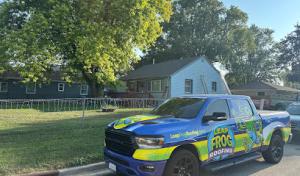
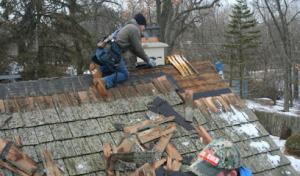
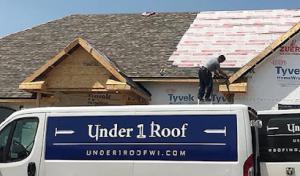
In this market, skylights are common entry points for leaks after winter freeze-thaw cycles and spring hail. Start with a careful interior check around any light wells and ceiling spots below skylights. On the roof, look for condensation around the curb, cracked sealant, or loose flashing. Re-secure loose flashing and replace damaged seals promptly to avoid ice dams forming again during the next cold snap.
Chimney flashing takes the brunt of fluctuating temperatures and moisture exposure from masonry joints. Inspect the step and counter-flashing where it meets brick or block, and check mortar for gaps or spalling. If flashing shows lift or rusted metal, schedule a repair before the next storm. In winter, frozen moisture can force leaks through small cracks, so address even narrow gaps early.
Flat or low-slope roofs demand a different eye than steep shingle roofs. Look for ponding water, blistering, or edge damage where membranes meet parapets. Clear debris from drainage paths and verify that terminations at parapets, vent boots, and skylight curbs are sealed with compatible membrane materials. Treat minor punctures or worn laps as recoverable repairs, not temporary fixes.
After a storm, document every suspected leak source with photos from multiple angles, including interior staining and exterior flashing intersections. Note date, storm intensity, and any prior repairs. Create a simple line-item log: skylight/well, chimney flashing, parapet joints, and membrane seams, updating it as repairs advance.
Local contractor demand centers around storm response, so establish rapid-access contact with reliable crews. Prioritize weatherproofing repairs that prevent further interior damage, then schedule targeted penetrations and flashing work in logical order. When weather windows open, confirm material compatibility for skylights, flashing metals, and low-slope membranes to ensure durable, code-resilient fixes.
Find contractors experienced in skylight installation, flashing, and leak repairs to bring natural light into your home.
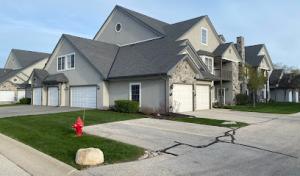
SJS Roofing & Construction
(414) 304-5089 sjs-construct.com
9825 South 13th Street, Oak Creek, Wisconsin
4.8 from 35 reviews
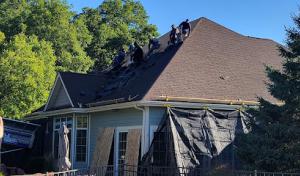
The Oak Creek market emphasizes re-roofing speed, thorough cleanup, and affordability. Homeowners here compare service logistics just as closely as price, especially after a hail event or spring storm. A reliable crew will outline a clear sequence from tarp protection and debris containment to final site cleanup and wind-resistance considerations for the upcoming season.
A notable share of Oak Creek contractors are long-established or family-owned, which translates to predictable communication and continuity after storm seasons. Look for crews that can reference recent work in the area, provide a stable point of contact, and maintain a familiar response cadence when weather spikes demand. This local consistency matters when timing and reliability are on the line.
Manufacturer-certified, licensed, and insured signals are present but not universal in this market, so verification matters. Ask for proof of coverage and current manufacturer certifications, and confirm which products they can install to match your roof type and climate challenges. If a contractor avoids sharing credentials, that hesitation is a red flag worth acting on.
Prioritize contractors who document damage, present a written tarp-to-trim plan, and commit to an orderly job site with daily cleanup. Oak Creek homeowners respond well to crews that minimize disruption, protect landscaping, and finish with a thorough cleanup and waste haul. Request a project timeline, a staging plan for hail-season conditions, and a warranty outline tailored to your roof material.
During initial conversations, ask how the crew handles storm debris, what safeguards are in place for lake-effect winter exposure, and how they coordinate with insurance adjusters. Gauge responsiveness by noting how promptly they return calls or provide estimated timelines. In a fast-moving market, clear communication often carries as much value as the roof itself.