Last updated: Apr 19, 2026
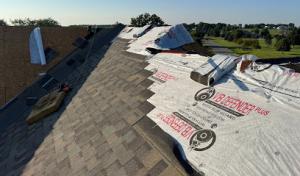
Spring and early summer in this area bring quick-changing weather, with hail and wind capable of shredding shingles and loosening flashing in a heartbeat. The day after a severe gust or hail sweep, the risk isn't just aesthetic-loose granules and compromised underlayment can drive faster deterioration, leaks, and hidden damage. In Franklin, the contractor signal mix strongly favors emergency repair, storm damage, and insurance-claims assistance, so post-storm response is a major real-world roofing need. If you see curled edges, dented metal, torn shingles, or rippled fascia, treat it as urgent and start documenting immediately. Delay invites weather intrusion, interior damage, and more extensive repairs down the line. The goal is to stabilize the roof, protect interior spaces, and preserve the integrity of your claim timeline before the next winter cycle.
Collate evidence the moment safety allows. Take wide exterior shots that capture the roof line, gutters, and any visible hail impact patterns. Close-ups of damaged shingles, lifted flashing, damaged vent boots, and compromised decking are essential. Create a dated log of each issue and note when you first observed changes in attic warmth, water staining, or musty smells downstairs. If you have a satellite or drone option, or even a good pair of binoculars, use them to capture roof areas that are hard to access from ground level. Preserve damaged pieces if safe to do so, and keep a copy of all communications with your insurer and contractor. Wisconsin spring storms can produce shifting shadows and lighting; aim for consistent, well-lit photos taken in similar conditions to avoid misinterpretation by the claims adjuster. In a neighborhood with wind-exposure, even minor surface irregularities may signal broader structural concerns once moisture intrudes.
When spring storms hit, scheduling becomes a race against time and weather forecasts. Local pros who excel in storm damage response understand the pattern: calls flood in and crews pivot toward emergency tarping, temporary fixes, and rapid documentation for insurance. Prioritize licensed, insured practitioners who can provide a clear scope and a written contingency plan for continued work as more information from the insurer arrives. Look for contractors who offer a measured sequence: assessment, temporary stabilization, claim coordination, and phased repairs if needed. In this climate, a quick triage visit should include a tarp or temporary cover if interior exposure is present, followed by a formal assessment of decking and underlayment. Do not delay minor fixes that prevent water intrusion; a small, properly executed temporary repair now can save major damage later.
Insurance documentation should flow in parallel with the repair planning. Notify your insurer promptly after you identify damage, and request an adjuster visit if one hasn't been scheduled yet. Provide the photos, dated notes, and the contractor's written assessment as supporting evidence. Ask your insurer about preferred timelines and any required forms for storm-related claims, and confirm if a supplemental claim might be needed as the scope expands. Stay consistent in communication: keep a record of every call, email, and message, including who you spoke with and the gist of the conversation. A normal expectation in this pattern is that adjuster findings may lead to revisions in the repair plan, so build in flexibility for additional assessments or phased work as the claim evolves. The objective is to lock in a clear path from storm damage recognition to secure, scheduled repairs before the next winter.
Wisconsin replacement timing is often best from late spring through early fall, so Franklin storm losses in spring can create a compressed scheduling window before the next winter. Plan with that constraint in mind: secure a trusted contractor quickly, confirm the claim scope in writing, and align on a realistic repair sequence. If a repair is weather-dependent, establish contingency dates and communicate them to the insurer and the contractor. Proactive planning minimizes the risk of lingering leaks or exposed decking during the peak storm season, and keeps you on a predictable track toward a durable, code-respecting restoration once the claim is settled.

Good Home Improvement
Franklin, Wisconsin
5.0 from 17 reviews
Good Home Improvement vows to always work with our customers in the most honest and respectful way. We truly care about our community and the fine people who call it home. Thank you for allowing us the opportunity to work with you. Roofing - Siding - Remodeling Professional property loss management

Cedar Preservation Specialists
(414) 425-0283 www.cedarroofpreservation.com
7412 W Old Loomis Rd, Franklin, Wisconsin
4.6 from 10 reviews
At Cedar Preservation Specialists we believe preserving your cedar roof means more than just treating your cedar. We strive to get you an estimate in a timely manner, give you an honest and reasonable timetable for the work to be completed, and provide quality workmanship from our first phone call to any guaranteed work in the years to come. We offer top-quality work at competitive prices, with a five-year transferable guarantee on all of our work. We are also fully insured with workers' compensation and liability insurance. References are available in your neighborhood if you wish to find out exactly what our customers have said about our work.

Clutch Roofing
11113 W Forest Home Ave Suite 220, Franklin, Wisconsin
5.0 from 4 reviews
Clutch Roofing provides residential and commercial roofing, siding, soffit, fascia, gutters, and downspouts to the Franklin, WI, area.
SJS Roofing & Construction
(414) 304-5089 sjs-construct.com
Serving
4.8 from 35 reviews
SJS Roofing & Construction is the leading roofing & exterior company serving the local area. We develop innovative solutions that save our clients time, save them money, and deliver the highest standard of workmanship available. We pride ourselves on honesty, quality, and transparency, and we always do right by the customer. Experienced, professional, and dependable, we are the roofer you can trust.

Vesel Roofing Repair & Replacement
(262) 300-5831 www.veselservicestoday.com
Serving
4.5 from 178 reviews
Since 2003, Vesel Roofing Repair & Replacement has provided Caledonia and surrounding areas with reliable and professional home exterior services. Their experienced team specializes in roofing repair and replacement, gutter and siding services, and window installation. They are dedicated to understanding each homeowner's unique needs and delivering personalized solutions that protect and enhance their property. From routine maintenance to complex repairs, Vesel Roofing is committed to ensuring every house becomes a secure and beautiful haven.
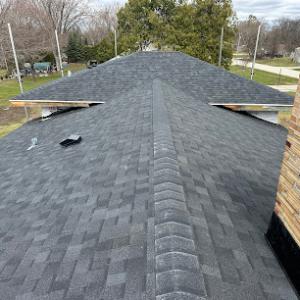
4 Seasons Roofing Service
Serving
5.0 from 26 reviews
License , Insured , manufacture installation certified . FREE ESTIMATE.
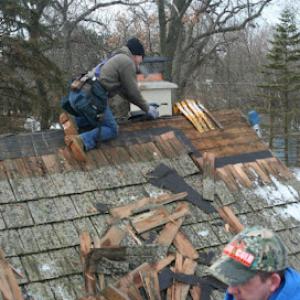
Stein Home Solutions
(262) 691-5999 steinhomesolution.com
Serving
5.0 from 27 reviews
Since 1995, we've been Wisconsin's go-to for top-quality roofing and siding. Our experienced team ensures durable, beautiful home exteriors, tailored to withstand local weather. Trust us for expert installations and hail damage roof repairs. Contact us for a free estimate and elevate your home with our proven excellence.
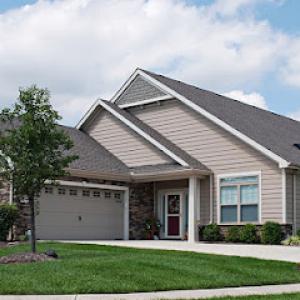
Carlino's Roofing
(262) 705-0756 carlinosroofing.com
Serving
4.7 from 32 reviews
Carlino's Roofing is a locally-owned company with over 12 years of experience. We offer FREE estimates and competitive pricing. Our employees are authorized and certified and our business is fully bonded and insured for your peace of mind. We offer Owens Corning and GAF shingles for your home. Our prices are affordable and our workmanship is stellar. We can complete most roofs in just 2 days. Carlino's Roofing has over 12 years' experience in the contracting industry. We provide you with professional siding services you can count on. From vinyl siding to decorative accents, we give you a unique selection of products to choose from. We guarantee you'll always get custom solutions when you hire us. Know that we're fully bonded and insured ...
Under 1 Roof
(262) 818-4727 www.under1roofwis.com
Serving
4.7 from 25 reviews
Under 1 Roof provides roofing, gutters, siding and repairs to Racine, Kenosha and Milwaukee Counties.

Leap Frog Roofing
(414) 574-0044 www.leapfrogroofing.com
Serving
5.0 from 39 reviews
Leap Frog Roofing is your trusted roofing contractor in southeastern Wisconsin. We specialize in residential roofing services, including repair, replacement, and maintenance. Our experienced professionals are dedicated to providing reliable and high-quality workmanship on every project. Whether you need a new roof, siding, gutters, or repairs, we've got you covered. Contact us today for a free quote and let us leap ahead with your roofing needs.

Roofed Right America
(414) 769-0100 www.roofedright.com
Serving
4.8 from 116 reviews
Expert Commercial Roofing, Sheet Metal, Wall Systems, Rooftop Solar, Green Roofing, Blue Roofing and Waterproofing Installer with over 150 in house employees. We also provide specialized services such as tile, slate, copper, cedar and synthetic roofing installations in house. Our sheet metal shop is one of the best equipped in the area, and we have the ability to cut, fold, curve, mill, route, join, solder, weld or shape any type of sheet metal to an expert level.
In this part of Wisconsin, winter cycles swing between hard freeze and thaw with the first warm-ups bringing wet springs. That pattern pushes on flashing seams, edge wear on shingles, and the tiny leak paths around penetrations. A Franklin roof should be treated as a system that anticipates frost heave, ice dam tendencies, and wind-driven moisture. When reporting concerns after winter, focus on flashing around chimneys, vents, and skylights, as well as the condition of shingle edges at rake and hip lines. If ice forms at eave edges, verify that the drip edge and underlayment alignment remain true and unpeeling.
Proper attic ventilation matters more in this climate because moisture from a cold season can linger into spring rains. Inadequate intake or exhaust reduces underlayment dryness and can lead to condensation on sheathing, which weakens insulation effectiveness and accelerates wear. Before the wet spring hits, confirm there is a balanced path for air to exit near the peak and enter near the soffits. Look for unobstructed soffit vents, ridge vents that aren't blocked by insulation, and any soffit baffles that keep airflow from short-circuiting. For roofs with vaulted or complex shapes, ensure baffles extend across all bays, not just the main attic region.
Flashing is the most frequent failure point after winter, since freeze-thaw cycling can separate seams and relieve fastener grip. Pay attention to step and counter-flashing around chimneys, sidewalls, and roof-to-wall transitions. In Franklin's wind-prone neighborhoods, verify that flashing is properly sealed with conductive sealant or mastic at joints and that any metal flashings are free of rust and bending that create small gaps. If a prior repair shows silicone exposure or paint over flanges, recheck those seams after a thaw-freeze sequence, when movement is most visible.
Shingle edges, especially along eaves and rake lines, show accelerated wear after repeated freeze-thaw cycles. Inspect for lifted tabs, curled edges, or cupping that can trap moisture. Around penetrations, confirm that the boot seals on vent pipes are intact and that the surrounding shingles ride snugly against flashing. In many Franklin homes, wind can tug at the upper edges, creating tiny pull points that worsen during early spring storms. A practical check is to run a hand along the edge to feel for lifted pieces and then verify that sealant or flashing tape remains firmly adhered.
Spring storms bring humidity that interacts with any residual attic moisture. If there is visible staining on sheathing or a musty odor in the attic, address it before summer heat compounds the issue. A cautious approach is to run a quick moisture check on the attic deck and ensure interior vents are not blocked by insulation compression. Clear the roof deck of organic debris and confirm that fascia boards are dry and not rotting, as moisture that sits on a compromised fascia can migrate into the overhang and drip edge.
During a post-winter inspection, concentrate on flashing seams, vent penetrations, and the overall attachment of roofing components. Look for loose or buckling shingles that could become vulnerable during spring windstorms. Confirm that attic ventilation pathways are open and functioning, and that insulation does not block soffit intakes. If issues are found, prioritize repairs that restore a continuous moisture path from the roof deck to the exterior, while preserving a tight seal around all penetrations and edges. This approach reduces the risk of hidden damage that can escalate as warmer, wetter months arrive.
Find contractors experienced in skylight installation, flashing, and leak repairs to bring natural light into your home.
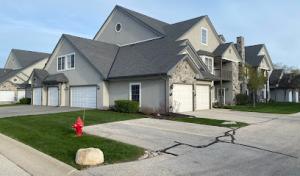
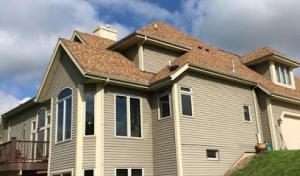

Franklin's roofing landscape features a diverse mix of asphalt shingles, metal, clay tile, wood shakes, synthetic/composite, and slate. That blend is broader than an asphalt-only market and requires material-specific planning, especially when aligning with storm readiness and ventilation needs. In a neighborhood with open horizons and wind exposure, each option behaves differently under spring storms and the freeze-thaw cycle. The goal is to align a chosen roof system with how the home is used, how long it will last in wind and hail, and how it interacts with attic ventilation and insulation to manage condensation and energy efficiency.
Asphalt remains the most accessible and common choice for many Franklin homes. When selecting asphalt, prioritize a high-quality shingle with a robust nailing area and a strong adhesive bond, since wind-driven hail and thaw cycles can pry edges loose on mid-grade products. A well-executed installation, with proper nailing patterns and secure starter courses, is essential to resist uplift during spring gusts. Pay attention to underlayment quality and roof deck integrity, because a compromised deck amplifies storm-related damage in ice dam scenarios and rapid warming days.
Metal roofs bring excellent wind performance and quick shed of hail impacts, but require careful attachment and substrate preparation. The framing and deck must handle the additional load and expansion stresses, especially in older structures. In communities with frequent wind events, metal's fast installation and secure fasteners can pay off, provided fastener corrosion and panel alignment are addressed. Attaching metal over a solid, re-nailed deck and using corrosion-resistant fasteners is key to long-term performance in storm cycles and freeze-thaw movements.
Clay tile and slate offer long lifespans and distinctive curb appeal, but their weight demands careful structural verification. Heavier systems are present locally and may prompt closer review when materials are unusual, consistent with plan checks for nonstandard roofing choices. Clay tile and slate perform well in dry conditions but can be brittle in rapid temperature shifts or hail, and installation quality is critical to prevent cracking or water intrusion. If choosing these, ensure the underlying structure is reinforced and that storm-related debris shedding is accounted for in maintenance planning.
Wood shakes provide a rustic look but require diligent maintenance to resist wind uplift and moisture penetration. In Franklin's climate, wood needs regular inspections for cupping, splitting, and insect activity, especially after heavy storms. Synthetic or composite options can mimic the appearance of natural materials while offering improved resistance to wind and moisture; however, attachment details and compatibility with flashing, gutters, and ventilation remain important to prevent leaks in unsettled spring weather.
Any of these materials benefits from a thoughtfully designed attic ventilation plan. Proper intake and exhaust venting helps manage condensation, ice dams, and energy use during fluctuating spring temperatures. When heavier materials such as clay tile or slate are selected, the attic-to-roof ratio and vent placement may require adjustments to accommodate the new weight and airflow needs. If a nonstandard roof setup is contemplated, anticipate a closer look at structural compatibility, fastener selection, and flashing continuity to maintain long-term performance during storm seasons.
Franklin cost planning should account for storm-driven demand spikes, which can tighten scheduling and labor availability after hail or wind events in the Milwaukee-area market. When a heavy storm hits, crews surge to service damaged roofs, and that rush can push project timelines and even short-term material availability. If your home is in a neighborhood hit by hail, expect a quicker start-to-finish timeline but be prepared for price chatter as supply lines adjust. In practical terms, build a contingency in both your timeline and your budget for potential two-week to month-long shifts around peak repair seasons. This is not about pessimism-it's about securing a realistic window so you don't end up paying a premium for last-minute scheduling.
Material choice matters more than usual in Franklin because the local market actively supports everything from basic asphalt to premium slate, metal, cedar, tile, and composite systems. The listing below gives approximate per-square costs to help you size the project and compare value across options. Asphalt shingles sit at the lower end, while slate and premium composites push toward the high end. In Franklin, you'll often see a mix of shingle choices chosen for curb appeal, wind resistance, and long-term performance in freeze-thaw cycles. When a hail event drives demand, the premium materials can experience shorter lead times, so building a deliberate order plan and discussing ballast options (like underlayment and ventilation compatibility) with the contractor can save delays and keep your project moving.
Typical cost ranges (per square) to use for planning:
Open, wind-exposed neighborhoods and seasonal freeze-thaw cycles mean you're not just buying a roof; you're investing in a system that tolerates Milwaukee-area swings. Expect higher upfront costs for premium underlayment, enhanced ventilation, and wind-resistant fasteners if you're choosing metal, slate, or tile. If you opt for asphalt, discuss dimensional or architectural styles that maximize wind resistance without inflating the budget. In all cases, ensure the bid includes proper flashing, hip and ridge details, and a plan for addressing potential interior moisture during storms. A well-detailed replacement that accounts for these local conditions tends to reduce re-cover calls and later touch-ups after spring storms.
Prepare a line-item comparison that includes product choice, labor, and an adjustable contingency for storm-driven scheduling. In Franklin, aligning material selections with expected spring and summer demand can help lock in timelines and stabilize total costs. If you anticipate combining roofing with other exterior work, discuss phased scheduling or bundled discounts that still respect the same wind and weather considerations.
Get a clear picture of your project costs upfront - no commitment required.

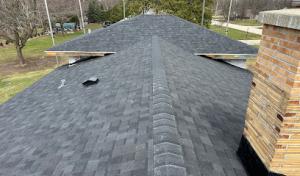
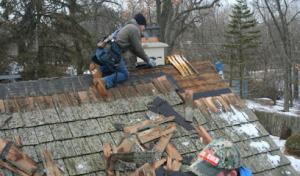
A full roof replacement in Franklin typically requires a building permit through the city's building department. Skipping or rushing permit applications can lead to delays, fines, or the need to undo work if an inspection uncovers mismatches with code requirements. Before any shingle tear-off begins, verify that the scope of work matches the permit you're filing for, and keep a copy of the permit address and project details accessible for inspectors and potential storm-season work.
Franklin inspections may occur after tear-off and again after installation, with attention to flashing, ventilation, and attachment. Expect inspectors to check that underlayment, hip and ridge flashing, and roof-to-wall transitions meet current standards, and that attic ventilation aligns with the attic's square footage. If ventilation is lacking or flashing shows improper laps, repairs may be required before final approval. Scheduling two touchpoints helps catch issues early, preventing last-minute fixes that disrupt spring or summer timelines.
Local process quirks can include permit bundling with other exterior work and plan review when homeowners choose unusual roofing materials. Bundled permits can slow the process if accompanying projects like siding or gutters are added, so plan for a coordinated submission if multiple upgrades are planned. Uncommon materials often trigger a plan review step, which adds time and may require additional documentation or manufacturer installation details. Being prepared with product specifications, wind rating, and flashing details can keep reviews moving.
Delays often hinge on documentation gaps or mismatched material specifications. Have the contractor coordinate directly with the building department for any questions about required approvals or plan adjustments. If an inspection misses a concern, scheduling a re-inspection quickly is crucial to avoid a weather-driven delay. Understand that even well-installed systems can fail to pass without addressing flashing or ventilation deficiencies, so anticipate the need for minor corrections rather than assuming full replacement is over.
Keep a detailed record of when permits are filed, inspection appointment times, and any corrective actions noted by inspectors. Store storm-damage related documentation and contractor correspondence in one place, so if the roof is later involved in insurance discussions, the file supports a clear, orderly claim trail. When unusual weather or hail events threaten, having these certifications ready can streamline restoration and minimize downtime.
In this suburban Milwaukee setting, hail and wind events can trigger claim surges even though overall coverage availability remains generally stable. Storm season spikes may overwhelm processing timelines, so preparing documentation ahead of time helps claims move more smoothly. When a severe spring event happens, expect insurance adjusters to prioritize obvious damage, but be ready with a complete file to avoid delays.
Insurers serving this area may ask for a set of items that show the roof's history and current condition. Before-and-after photos clearly illustrate damage progression, while roof condition records demonstrate patterns of wear that could influence replacement decisions. Prior claim history is routinely reviewed to assess pattern risk and the justification for a full replacement versus repair. Having organized materials makes the evaluation more straightforward for the adjuster.
A licensed contractor can provide an official, dated estimate and a roof condition report that documents visible damage, ventilation status, and any signs of underlying issues. A roof condition report should note hail impact marks, shingle lift, flashing wear, and moisture intrusion indicators. Keep copies of contractor letters, inspection summaries, and any diagnostic photos. A well-annotated set of images-showing the entire roof, close-ups of damaged areas, attic ventilation, and gutters-helps reinforce your case during settlement discussions.
Begin by securing a licensed contractor's assessment within the first week after a storm, then photograph the roof from multiple angles, including elevations and adjacent roof planes. Compile a concise timeline of storm events and subsequent observations, such as water leakage or interior staining. When submitting to the insurer, attach the contractor's report, the before-and-after photo set, and any prior claim records that are relevant. If an adjuster requests additional documentation, respond promptly with clear, labeled images and updated repair estimates.
Documentation from a licensed contractor not only supports the claim but also provides actionable next steps for mitigation. A detailed plan that includes ventilation checks and debris removal recommendations helps the home survive the remainder of the season. This collaboration can accelerate approval for replacement in cases where hail or wind damage is extensive and the roof's remaining life is limited.
Connect with contractors who help homeowners navigate the claims process from damage assessment to final approval.

Clutch Roofing
11113 W Forest Home Ave Suite 220, Franklin, Wisconsin
5.0 from 4 reviews
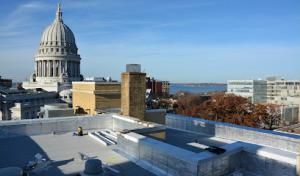
Franklin's contractor market shows meaningful demand for flat-roof work, so low-slope sections on additions, garages, porches, or mixed-roof homes are a practical service category. When planning repairs or replacements, assess the entire low-slope area for surface pooled water, membrane condition, and edge detailing where gutter lines meet flashing. In practice, verify that flashing along parapets and transitions into steeper roof planes is continuous and well-sealed to resist spring melt and spring storm runoff.
Skylights are a common fixture in many Franklin homes, and leak-prone roof openings require proactive attention. During inspections, check curb flashings, curb-to-roof joints, and fastener corrosion around skylights. If a skylight exists in or near a transition between steep and low-slope sections, ensure flashing steps are properly integrated with both roof planes. When repairing, consider upgrading to flashing kits designed for mixed-roof systems and confirm the sealant choice remains compatible with the chosen roofing material.
Because inspectors may review flashing and attachment closely, transitions between steep-slope roofs and low-slope or feature-heavy sections deserve extra attention during replacement. Pay particular attention to connector flashings, counterflashing from the steep side, and any step-down detailing where a low-slope patch abuts a high-slope field. In the field, simulate drainage paths across the transition and inspect for any signs of ice dam formation or wind-driven moisture pooling. A tight, continuous seal at these junctions reduces call-backs after spring storms and helps preserve the overall integrity of the roof system.
Find specialists in TPO, EPDM, and built-up flat roofing systems for residential and commercial properties.