
Last updated: Apr 19, 2026
After a hail or high-wind event, the roof is the first line of defense against ongoing water intrusion and interior damage. The South Shore suburban stock in Munster often bears the brunt of rapid freeze-thaw cycles that quietly degrade shingles, underlayment, and flashing. A rapid, thorough assessment matters because hidden damage can escalate from a cosmetic issue to structural vulnerability in days, not weeks. When a storm hits, the clock starts on detection, documentation, and next steps. Delays in identifying compromised areas can complicate insurance claims and extend the window of vulnerability between damage and repair.
Lake County spring hail and wind events are a primary trigger for roof inspections in Munster, with autumn wind also contributing to shingle loss and flashing problems. The most common problems after these events are hail bruising on asphalt or composite shingles, lifted or curled edges from wind shear, and compromised flashing around chimneys and vents. In many homes, shingle granule loss accelerates shingle aging and can mask underlying deck exposure. Storms can also reveal attic condensation or roof deck moisture that wasn't obvious before the event. The combination of heavy rain and persistent wind adds urgency to a full roof condition check rather than assuming a quick patch will suffice.
Indiana claim handling for hail and wind commonly requires photo documentation, a roof condition report, and adjuster site visits, which affects how quickly Munster homeowners should schedule inspections after a storm. Photograph every angle of undamaged areas and every obvious defect, especially around vents, skylights, and flashing. A detailed roof condition report helps the insurer see less-visible damage such as internal roof deck exposure or moisture staining that doesn't always show on the surface. Arrange for an adjuster site visit promptly after your initial assessment to keep the claim moving and prevent gaps that could complicate approval or reimbursement. Timely, organized documentation supports faster decisions and minimizes back-and-forth when competing bids arrive.
Immediately after a storm, walk the perimeter and note any water stains on ceilings or walls, damp attic spaces, or water seepage near penetrations. If damage is suspected, contact a local contractor who specializes in storm damage, emergency repair, and insurance-claims help-these responders are accustomed to Munster's post-storm workflow and can prioritize assessments ahead of elective replacements. Schedule a professional roof inspection to identify shingle damage, flashing issues, and ventilation adequacy before the next weather event. Prepare a clear photo log, including close-ups of damaged areas and any sagging or dipping sections. If a claim is filed, keep a centralized file with all photos, the roof condition report, and a record of communications with the insurer and adjuster. Acting quickly reduces risk and supports a smoother repair path when storm season returns.
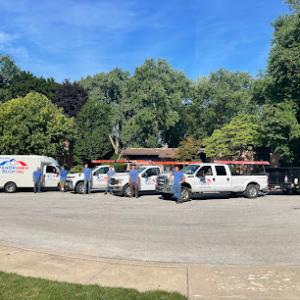
Van Drunen Roofing
(219) 836-1788 vandrunenroofing.com
8709 Northcote Ave, Munster, Indiana
5.0 from 60 reviews
Located in the heart of Northwest Indiana, Van Drunen Roofing stands tall as the premier residential roofing contractor, providing superior craftsmanship and unparalleled customer service. We don't have commissioned salespeople. Owners, Jed and Sarah Van Drunen work with each customer from the beginning to final stages of each project. Our company has its own highly trained, full-time, year-round employees who utilize quality materials to ensure that every roof we install exudes both beauty and durability. With a passion for perfection, Van Drunen Roofing has become the trusted choice for homeowners seeking peace of mind and a stunning visual statement for their most valuable asset - their home.

Dal Bianco Roofing
(219) 513-8239 www.dalbiancoroofing.com
7824 Calumet Ave, Munster, Indiana
4.9 from 80 reviews
Dal Bianco Roofing, based in Munster, IN, has been the top choice for roofing services in Lake, Cook, and Will counties since 1966. We specialize in residential roofing, storm damage repairs, and more. Reach out to Dal Bianco Roofing in Munster for all your roofing requirements.
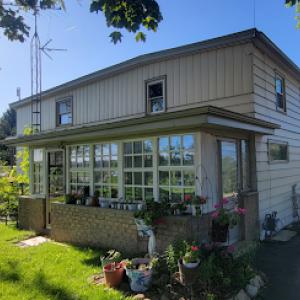
Royal Storm Restoration
(219) 895-3447 royalstormrestorationinc.com
8142 Calumet Ave, Munster, Indiana
4.6 from 47 reviews
Royal Storm Restoration is a premier roofing contractor based in Munster, IN, serving Hammond, Dyer, Schererville, Hobart, Hebron, and surrounding areas. Founded in 2022, our team specializes in gutters, roofing, siding, and storm damage repair, with expertise in residential and commercial roofing and insurance claims. With a focus on wind damage and industrial roofing, we also offer services in siding, gutters, soffits and fascia, and flat roofs, and provide free estimates and inspections. Trust Royal Storm Restoration for top-quality work and reliable service in maintaining and improving your property.

Calumet River Construction
(219) 487-9208 calumetriverconstruction.com
8231 Hohman Ave ste 200, Munster, Indiana
4.8 from 22 reviews
At Calumet Region Construction, we strive to bring the best of services to our customers in the most reliable and efficient manner. To do so, we hire only the best roofers that know how to get the job done right. Each of our team members is a veteran in the roofing industry and has years of experience in the field. At CRC, we specialize in the installation, repair, and replacement of various roofing systems, as well as the installation and repair of a wide variety of siding and gutters. We do work for both commercial and residential properties.

Bob The Builder
(219) 299-0136 www.bobthebuilderinc.com
Serving
4.4 from 28 reviews
Bob The Builder, Inc provides roofing, siding, and interior/exterior remodeling services, as well as experienced storm damage and insurance claim repair services in Northern Indiana and the South Chicago suburbs.
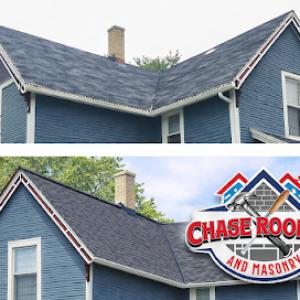
Chase Roofing & Masonry
(219) 743-0451 chaseroofingnwi.com
Serving
4.5 from 91 reviews
Chase Roofing & Masonry – Family-Owned Craftsmanship Since 1975 For nearly five decades, Chase Roofing & Masonry has proudly served homeowners and businesses across Northwest Indiana and Chicagoland with unmatched quality, integrity, and care. Established in 1975 as a family-owned and operated company, our legacy is built on old-fashioned values and modern expertise—a combination that continues to set us apart from the rest. At Chase Roofing & Masonry, we believe every customer deserves more than just a completed job—they deserve peace of mind. That’s why we go above and beyond on every project, treating every home as if it were our own. From minor roof repairs to full replacements and detailed masonry restorations, our skilled team deliv

Reliance Roof Troop
(219) 777-0284 www.reliancerooftroop.com
Serving
5.0 from 238 reviews
Reliance Roof Troop is a family-owned roofing contractor serving Schererville and surrounding areas. We focus on roof replacement in Schererville, offering reliable and durable roofing services that stand the test of time. We focus on roof repairs, replacements, and coatings using premium materials that protect your home for years to come. Our services also include siding installation, siding repairs, windows, gutters, and attic blown-in insulation. At Reliance Roof Troop, we are committed to providing high-quality solutions with no pressure or gimmicks. We focus on what matters most: delivering long-lasting results that protect your home. Call Reliance Roof Troop today to get started with your roofing needs!
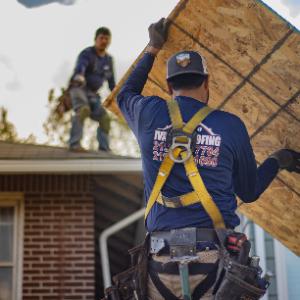
Ivan's Roofing & Remodeling
(219) 308-7784 www.ivansroofingandremodeling.com
Serving
4.7 from 117 reviews
At Ivan's Roofing, we understand how stressful roof damage can be, especially when your home’s safety is at stake. That’s why our dedicated roofing repair specialists are here to provide swift, reliable solutions that bring you peace of mind. Whether it’s a minor issue or extensive damage, we’ve got you covered with expertise and care.
Rogers Roofing
(219) 400-7079 www.rogersroofing.com
Serving
4.8 from 1283 reviews
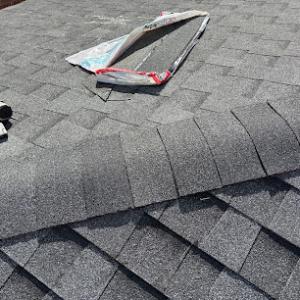
With a proud heritage dating back to 1968, Rogers Roofing has built a legacy of excellence as the trusted choice for roofing and exterior remodeling among Chicagoland and Northwest Indiana homeowners. Our long track record of successful projects from roof replacements to gutter installations and more, has earned us a sterling reputation and helped us become one of the most referred roofing contractors serving Wood Dale, IL, Hammond, IN, and the surrounding areas. We invite you to experience home improvement the way it should be, from the hands of specialists whose mission is to enhance your home, your comfort, and quality of life.
Total Roofing & Construction Services
(219) 227-9292 totalroofingandconstruction.com
Serving
4.9 from 347 reviews
Total Roofing and Construction since 1985 servicing Illinois, Indiana, and Michigan with their residential and commercial construction needs from roofing, siding, windows, and gutter installation.
Momentum Contractors
Serving
5.0 from 5 reviews
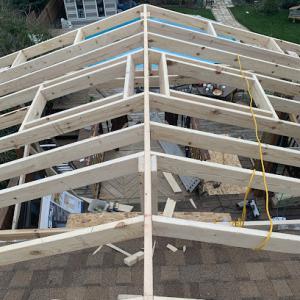
We Do Total Renovations From carpentry, roof, siding to Basement Finish. Exterior and Interior Remodeling General contractor Landscaping
Gluth Brothers Roofing
(219) 844-5536 gluthbrothersroofing.com
Serving
4.6 from 72 reviews
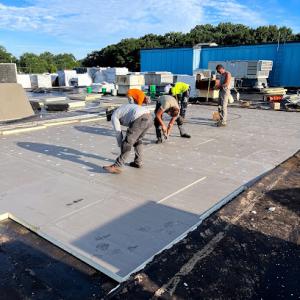
Gluth Brothers Roofing Inc., in Hammond, Indiana is the area's leading roofing company serving Lake, Porter, and surrounding counties since 1886. We specialize in tear offs, repairs, gutters, shingles, windows, siding, and more. For all your roofing needs, contact Gluth Brothers Roofing Inc. in Hammond.
Munster's housing stock relies on a broad mix of roof types, from standard asphalt shingles to premium systems like clay tile, concrete tile, and slate. The local climate - cold winters with occasional ice and snow, and springs marked by hail alongside rising summer humidity - places emphasis on durability in freeze-thaw cycles, reliable flashing, and solid attic ventilation. That means selecting a roof type that handles impact, retains granules, and behaves well with underlayment and fasteners during seasonal swings.
Asphalt shingles remain a practical choice for long-lasting performance in a typical suburban roof profile. For the hail-prone spring months, a heavier architectural or dimensional shingle is preferred for better impact resistance and granule retention. Synthetic or composite shingles offer a similar footprint with improved resilience in windy conditions and better performance in rapid temperature shifts. When choosing these, ensure the underlayment is a high-quality, breathable membrane and the attic has adequate ventilation to minimize heat buildup and ice dam risk during winter.
Metal roofing stands out for its long service life, excellent impact resistance, and superior wind performance. In a region with freeze-thaw stress, metal's low weight and robust fastener system reduce the likelihood of warping or loosening. A standing-seam metal roof provides strong flashing continuity, which is crucial around chimneys, skylights, and penetrations. For homes that already have a tendency toward attic heat gain, metal's reflective surface helps moderate interior temperatures, provided a proper attic ventilation strategy is in place.
Clay and concrete tile bring distinctive durability and a premium curb appeal that many homes in the area showcase. These tiles handle hail better than standard shingles, with the caveat that subroof structure must be solid and properly braced to resist cracking from freeze-thaw cycles. Tile roofs require carefully planned flashing at transitions and around penetrations, plus a well-ventilated attic and robust underlayment. They excel in longevity when installed with appropriate fasteners and a ventilated, dry roof deck.
Slate offers exceptional longevity and a classic look, but it demands a strong roof structure and precise installation due to its weight and brittle nature. Proper flashing detail and consistent underlayment are essential, as are careful fastener selection to withstand temperature fluctuations. For a slate installation, expect the roof deck to be evaluated and reinforced if needed to support the additional load. In climate conditions with hail, slate's impact resistance can be favorable, but edge protection and secure fasteners are critical to prevent loose tiles in windy seasons.
Across all material choices, the interplay of flashing integrity, underlayment durability, and attic ventilation drives long-term performance. A well-ventilated attic reduces ice-dam formation in winter and minimizes moisture-related issues in humid summers. For every material, ensure a roof system is designed to handle the local wind patterns and hail exposure, with attention to proper fastener spacing, nail or screw length, and sealant quality around penetrations.
Typical Munster pricing ranges from $450-$900 per square for asphalt shingles, $700-$1200 for metal, $900-$1800 for clay tile, $800-$1500 for concrete tile, $500-$900 for synthetic/composite shingles, and $1100-$2300 for slate. These ranges reflect local market conditions, material availability, and the way most homes in the area are reroofed rather than patched. When you price a full tear-off and replacement, you should expect the higher end of the range to account for waste disposal and full deck restoration, plus the cost of upgrading flashing and ventilation to meet modern standards.
Because Munster commonly sees full reroof projects rather than only spot repairs, tear-off labor, disposal, and code-compliant flashing and ventilation upgrades are meaningful local cost drivers. A complete tear-off adds labor time and dumpster usage, and disposal fees vary by contractor and landfill distance. If your existing roof has unusual decking or multiple layers, plan for extra charges. Ventilation upgrades-installing baffles, ridge vents, or additional soffit intake-help long-term roof health and energy efficiency, and they typically sit in the mid-range of labor costs for new roofs in this area.
Storm years in Lake County can tighten contractor availability in Munster, pushing up scheduling pressure and pricing for emergency dry-in, reroofing crews, and insurance-scope supplements. If a hail or wind event hits, you may see a surge in demand that compresses the window between claim approval and installation. Plan ahead during calm weather: confirm crew availability, material lead times, and access logistics before storm season begins. If an insurance scope is involved, a detailed scope of work and a phased timeline can help align expectations with your roofer and insurer, reducing the chance of delays that extend exposure to weather.
Asphalt shingles are the most common for value and ease of installation, while metal offers longevity and resistance to weather events typical in this region. Clay and concrete tiles provide durable options with distinct aesthetics, though they demand a stronger roof deck. Synthetic/composite shingles blend durability with cost efficiency and can mimic more expensive materials. Slate delivers premium durability and curb appeal but at a premium price and heavier deck requirements. When choosing, weigh not only upfront cost but long-term performance under Lake County freeze-thaw cycles and the frequent hail threats that shape Munster's roofing needs.
Get a clear picture of your project costs upfront - no commitment required.

Ivan's Roofing & Remodeling
(219) 308-7784 www.ivansroofingandremodeling.com
Serving
4.7 from 117 reviews
A full reroof in Munster typically requires a permit through the local Building Department rather than being handled as informal maintenance. This process starts with submitting a complete set of roofing plans and details, including the scope of work, proposed materials, and any structural or ventilation changes. The Building Department uses a structured review to verify the project will meet current code requirements and local standards, particularly given the region's freeze-thaw cycles and exposure to hail and wind. Expect a formal review that may take a short window for questions or clarifications before approval.
The reroof review process includes plan review and two inspections: a tear-off inspection and a final inspection. The plan review ensures the proposed slope, ventilation strategy, underlayment, flashing details, and penetration entries align with code requirements and Munster's expectations for storm resilience. The tear-off inspection occurs soon after crews remove the old roofing and before any new layers are installed. This step confirms the roof deck's integrity, confirms there are no hidden rot issues, and verifies that the deck is suitable for the chosen roofing system. The final inspection takes place once installation is complete and all components are in place, including proper flashing, vents, and drainage details. This closeout step is your guarantee that the project complied with the permit scope and local building standards.
Inspectors specifically verify flashing, ventilation, and overall code compliance, so homeowners should expect those details to affect scope and closeout. Proper flashing around valleys, chimneys, skylights, and roof penetrations must be integrated with weatherproof transitions. Ventilation checks ensure adequate attic airflow, which helps prevent condensation, wood rot, and energy inefficiency-especially important in attic spaces affected by seasonally high moisture and temperature swings. If the plans show a roof replacement that changes venting configurations or requires additional intake or exhaust, be prepared for those notes to appear in the inspection checklist and to influence both the tear-off and final inspection outcomes. Communicate clearly with your contractor about how each flashing detail and vent adjustment ties back to code requirements, and keep documentation ready for the inspector to review.
Indiana homeowners insurance generally covers hail and wind losses, which is especially relevant in Munster because those are the region's most common roof-damaging storm patterns. The typical home in a South Shore suburban stretch endures rapid freeze-thaw cycles, shingle impact from hail, and gusts that test flashing and edge details. Understanding that coverage exists helps you plan, but it also raises responsibility: don't assume every dent or loose shingle is a paid claim. Documentation becomes the first line of defense, and accurate records will influence how smoothly the process moves from storm to repair.
Severe storm years can change claim volume and documentation expectations for homeowners, making dated photos and prompt condition reports more important. After a hail event, take comprehensive exterior photos from multiple angles, capturing roof slopes, gutters, vents, and attic entry points if visible. Keep a simple log of weather timing, any observed leaks, and any interior staining or damage. The goal is to create a coherent narrative the adjuster can follow, reducing back-and-forth and expediting decisions about what is considered repair vs. replacement. In Munster, where storms arrive in concentrated bursts, lag between the event and documentation can complicate coverage, so act quickly yet methodically.
Because adjuster site visits are common for storm claims in this market, homeowners should coordinate contractor inspections and insurer inspections carefully before replacement begins. Schedule a contractor assessment aligned with the anticipated adjuster visit, ensuring you have clear notes about illuminated hail marks, edge wear, and ventilation concerns. The contractor can help translate on-site findings into itemized repair requests, while the adjuster weighs these with policy language. Clear, proactive communication reduces the risk of disagreements about what qualifies as repair versus full reroofing and helps protect the homeowner from surprises later in the process.
Skylights show up in the local contractor market often enough to be a meaningful repair category, and they behave differently from the surrounding roofing. When a storm hits, look for cracks around the curb, degraded sealant, and condensation on the interior side near the skylight rim. In older masonry-heavy neighborhoods found across established northwest Indiana suburbs, skylights tend to sit against varying wall assemblies, which can create a vapor bridge if flashing isn't properly integrated with the roof deck. During diagnosis, test for wind-driven leaks by tracking water paths from the skylight interior to the ceiling and confirm that counterflashing seats cleanly against the curb. If you see dried sealant lines or soft framing near the curb, plan for resealing or curb replacement as part of a reroof.
Chimneys are a constant presence in this market, given the older homes with masonry foundations. The chimney flashing is a frequent leak source after hail and high-wind events. Inspect the base where the masonry meets the roof, focusing on the lead or copper step flashing and the interlock with the chimneyBlock mortar joints. Look for cracked mortar, pulled or lifted flashing, and deteriorated sealant around the chimney cricket. In reroofing, ensure the transition from the roof deck to the chimney is a continuous waterproof strip, with proper counterflashing over the top and a reinforced apron flashing at the base. If the chimney crown shows damage, address it promptly, because a failed crown can push water directly into the roof deck and down interior walls.
Munster's emphasis on flashing during inspections makes penetrations and wall intersections a practical focus during leak diagnosis. Besides skylights and chimneys, wall flashings where the roof meets siding or masonry deserve close scrutiny. Inspect for loose nails, torn underlayment, or gaps in step and counterflashing at wall seams. Freeze-thaw cycles can widen seams, so pay attention to areas where the roof abuts parapets or end walls. When reroofing, insist on continuous, properly lapped flashing along all wall intersections, with sealant installed in a way that accommodates movement without tearing. For wall penetrations like vent pipes, verify that collars are intact and replace any cracked boot material to stop seepage paths before they start.
Find contractors experienced in skylight installation, flashing, and leak repairs to bring natural light into your home.
Van Drunen Roofing
(219) 836-1788 vandrunenroofing.com
8709 Northcote Ave, Munster, Indiana
5.0 from 60 reviews


Flat-roof work isn't an afterthought here; it's a steady specialty that shows up on additions, porches, garages, and mixed-use homes. You'll notice crews more comfortable with membrane systems, flashing detail, and seamless transitions between vertical and horizontal planes. The result is more predictable service windows when a low-slope area acts up, but it also means you're more likely to encounter specialists who push for thorough beveling, proper termination, and consistent edge details rather than quick fixes that don't hold up in Munster's climate.
Winter snow, freeze-thaw cycles, and summer humidity conspire to test drainage on low-slope sections. When water sits or drains slowly, every seam and edge becomes a potential leak point. Edges and terminations deserve extra attention, especially around parapets, skylights, and transitions to steeper roofs. In practice, this means inspecting for ponding, ensuring proper slope, and confirming that membrane laps, sealant joints, and edge metal have been sized for seasonal temperature swings. A cautious homeowner notes that small pooling today can become larger headaches after the next freeze.
Low-slope sections tend to be the first to show storm-related weaknesses after a wind-driven deluge. When rain drives under flashing or seams, the resulting damage can progress rapidly along the membrane and into the substrate. In Munster's weather pattern, you'll want to keep a vigilant eye on these areas after severe weather and arrange prompt, targeted assessments. Early detection helps prevent widespread interior damage and reduces the chance of lasting, high-stress repairs.
Develop a simple inspection routine that prioritizes flat areas, edge terminations, and transitions to steeper roofs. After storms, schedule a focused check of low-slope sections, including parapet corners and penetrations. If you notice unusual shading, surface staining, or dampness extending beyond a seam, pursue a professional evaluation before concerns escalate into full-scale leaks or interior moisture issues.
Find specialists in TPO, EPDM, and built-up flat roofing systems for residential and commercial properties.
Van Drunen Roofing
(219) 836-1788 vandrunenroofing.com
8709 Northcote Ave, Munster, Indiana
5.0 from 60 reviews

Calumet River Construction
(219) 487-9208 calumetriverconstruction.com
8231 Hohman Ave ste 200, Munster, Indiana
4.8 from 22 reviews

When you hire, look for cleanup included, quick response times, affordable pricing, and long-established reroofing experience. Local crews working in this South Shore suburb understand lakeshore storms, freeze-thaw cycles, and the way hail can affect shingles and flashing. A contractor who consistently cleans the job site and hauls away debris signals accountability, while a fast reply after a hail event keeps damage from spreading. Long-standing experience in the area typically means crews have seen a wide range of roofs and know how to handle tricky eave and vent details without creating new trouble.
Family-owned and residential-focused contractors are a visible part of the market, suggesting homeowners often prioritize accountability and neighborhood reputation. Ask for local references and examine recent projects in nearby cul-de-sacs. A neighborhood-facing company tends to respond to storm aftermath with a schedule that respects busy family lives and school calendars. Look beyond flashy marketing to the day-to-day trust built on consistent, respectful communication and on-time progress notes.
Warranty-offered contractors are present but not dominant in this market, so homeowners should compare workmanship coverage and manufacturer-backed options carefully rather than assuming every bid includes the same protection. Focus on what the warranty actually covers, including the workmanship period, roof-system seals, and flashing, as well as what the manufacturer will stand behind if a material issue develops. Clarify who handles warranty claims, how service calls are prioritized, and whether there is a dedicated local contact for post-install support.