Last updated: Apr 19, 2026
In this Chicago-area weather pattern, hail, thunderstorm wind, and heavy winter snow all create roof claim activity across the year rather than in a single disaster season. The roof you see today may face multiple stress events-from spring hail to late-summer wind gusts and again in the dead of winter with ice and snow sloughs. That means the timing of damage isn't predictable by month alone, and a careful eye on the recent weather history matters. After every significant hailstorm or wind event, you should plan a quick roof check, even if you don't see obvious damage from ground level. Missing issues can fester and complicate future repairs, especially on aging shingles and brittle flashing.
The village's peak roofing demand often follows spring and summer storm runs, which can lengthen scheduling for inspections and replacement starts. Storm clusters create backlog as neighboring homes compete for the same crews and materials, and quick-fill slots can disappear in a matter of days after a major event. If a storm sequence hits late in the season, you may experience a stretch where securing a qualified crew takes longer than expected. The practical takeaway is proactive outreach: after a notable hail or wind event, contact at least two licensed contractors for a quick roof inspection window, and be ready to book an appointment in the immediate weeks following, not months after damage has been noticed.
Ice dam risk is a practical concern in winters because repeated freeze-thaw cycles can back water up at eaves on older suburban homes. When icicles form and melt cycles recur, small edge leaks can become larger water intrusions, especially around soffits and shingles with aging seals. Timing matters here: the window between a freeze and a midwinter thaw is when careful roof observation pays off. If you detect damp spots on ceilings or signs of staining near exterior walls after freezing nights, don't wait for a spring schedule-promptly have a qualified roofer assess eave treatments, attic ventilation, and insulation adequacy to slow ice dam build-up. Early action reduces the chance of interior damage and keeps the project from ballooning into a larger, multi-weather event.
Begin with a quick damage check after any sizable hail or strong wind, focusing on exposed edges, valleys, flashing, and skylights. Document hail patterns on shingles and note any missing granules or granule trails in gutters. If damage is suspected, reach out for a professional inspection within days rather than weeks; many issues worsen with successive freeze-thaw cycles or additional storms. Maintain a simple ledger of weather events and roof responses so you have a clear timeline when talking to contractors. Finally, plan for the likelihood that a spring or summer storm run could push start dates into a tighter window-secure trusted contractor referrals early and confirm availability for a rapid mobilization if damage is confirmed.
Asphalt shingles are the dominant fit for the area's mainstream residential roof stock, and that practicality shows up in everyday reroof decisions. They handle Chicago-area freeze-thaw cycles, hail exposure, and summer heat with a balance of cost, installation speed, and repairability. For most homes, a high-function asphalt shingle with a good impact rating and a dimensional profile provides reliable weather resistance without complicating venting, underlayment, or deck structure. When considering asphalt, prioritize shingles with strong wind uplift resistance to match local wind events and ensure the chosen underlayment is rated for cold-weather performance. In a neighborhood where trees and open spaces mix with tight urban lots, the ease of inspection after hail is a practical bonus of asphalt, particularly for roof lines with complex angles.
Metal roofing offers another path for homes facing repeated hail impacts or needing rapid installation. Metal's hail resistance and shedding properties can reduce dent visibility and ice damming potential in severe winters, but it is important to verify panel thickness, fastener choices, and flashing details to withstand wind-driven snow and stray gusts near open lots. Clay and concrete tiles are less common on the typical suburban re-roof because their weight and installation demand structural checks, but they appear in the market. Heavier tile systems call for careful assessment of attic space, rafter capacity, and deck anchorage; misjudging those factors can lead to long-term support concerns after a harsh winter. Wood shakes add aesthetic variation and a natural look, yet they demand meticulous maintenance in freeze-thaw cycles and can be more susceptible to hail damage if not properly protected. Synthetic or composite shingles blend some advantages of asphalt with enhanced impact resistance, but their performance in heat and long-term hail exposure should be evaluated against the specifics of local weather patterns.
Material choice is not just about curb appeal; hail resistance, wind performance, and winter ice behavior matter because roofs here must handle both severe summer storms and prolonged cold. In practice, that means evaluating a product's impact resistance, wind uplift rating, and how it performs under repeated freeze-thaw cycles. Snow load and ice dam potential influence fastener patterns, underlayment choices, and roof edge detailing. When comparing options, consider how the roof will shed summer rain and withstand winter wind-driven snow, while keeping attic ventilation effective to minimize ice dam risk. For homeowners, the goal is a balanced system that preserves the structure, reduces maintenance, and preserves the home's value through South Holland's distinctive blend of weather challenges and aging housing stock.
Storm-driven demand spikes in the broader Chicago-area market push contractor calendars tighter after hail and wind events. In this town, that means longer wait times and higher bids when a sizable weather event hits the region. Local pricing reflects that rush-once crews are pinned down, you'll see adjustments across the board for materials and labor. Keep an eye on the forecasted storm cycle and start conversations early, especially if a post-hail window has just closed.
Costs in this area can rise with tear-off complexity. If the old roof needs to be stripped down to the decking, moisture exposure from spring rains can reveal damaged sheathing that must be replaced or repaired before laying new underlayment. That adds material and labor time, and it tends to bump the per-square price versus a simple overlay. In winter, production slows as conditions push crews to wrap jobs with shorter daylight, frozen substrates, and higher frost risks. Those winter slowdowns translate into longer project timelines and staged payments, even for otherwise straightforward replacements.
Material costs vary widely by product, and the local climate makes durability a practical concern. Asphalt shingles typically sit in the mid-to-upper portion of the range, but premium colors and architectural styles can nudge prices higher. Metal roofing brings more upfront cost but offers extended life and strong wind resistance, solid value in a windy Chicago Southland climate. Clay and concrete tiles reach higher per-square numbers and demand careful installation, especially over existing decks. Wood shingles and synthetic options fall somewhere in the middle, with synthetic often delivering favorable durability in freeze-thaw cycles. In concrete terms, the typical per-square cost spectrum you'll see locally aligns with the nationwide ranges, with storm-driven demand and project complexity pushing the final figure toward the higher end during peak season.
Begin with a contingency plan that accounts for potential lead times after major hail events, and build a buffer for tear-off repairs if moisture reveals deck damage. Weather windows matter: the milder seasons reduce winter slowdowns and help crews maintain steady progress. When budgeting, compare a few vetted contractors to gauge how they price scaffold time, disposal, and disposal-safety charges, since those line items can shift the bottom line more than anticipated. For many homes in this area, aligning the project with favorable wind and freeze-thaw conditions reduces the risk of early microlosses in the roof system and supports a longer service life post-replacement.
If hail and wind history is a concern, prioritizing premium impact resistance and robust underlayment becomes sensible. Shingle options that balance cost with wind uplift ratings can deliver solid value, while metal and tile alternatives may justify the higher upfront investment when the local climate consistently tests a roof during late summer storms or thaws. The goal is to secure a durable, energy-efficient installation that stands up to typical Chicago-area freeze-thaw cycles, spring rain, and occasional ice dam challenges without frequent repairs.

Total Roofing & Construction Services
(708) 201-7550 totalroofingandconstruction.com
Serving
4.7 from 244 reviews
Total Roofing & Construction Services, Inc. is a licensed, insured, and trusted roofing contractor. We've been servicing the Chicagoland region and Northwest Indiana for over 30 years. We specialize in both residential and commerical projects. In addition, we are certified siding, gutters, windows, and door installers. We are a family run and operated organization.
SFC Roofing
Serving
4.9 from 29 reviews
We are your premier experienced, committed, consistent roofers in the Chicagoland Area. Call us for your roofing needs. We are your contractors that have integrity… Residential/Commercial/Industrial
Chase Roofing & Masonry
(219) 743-0451 chaseroofingnwi.com
Serving
4.5 from 91 reviews
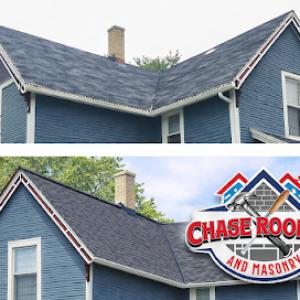
Chase Roofing & Masonry – Family-Owned Craftsmanship Since 1975 For nearly five decades, Chase Roofing & Masonry has proudly served homeowners and businesses across Northwest Indiana and Chicagoland with unmatched quality, integrity, and care. Established in 1975 as a family-owned and operated company, our legacy is built on old-fashioned values and modern expertise—a combination that continues to set us apart from the rest. At Chase Roofing & Masonry, we believe every customer deserves more than just a completed job—they deserve peace of mind. That’s why we go above and beyond on every project, treating every home as if it were our own. From minor roof repairs to full replacements and detailed masonry restorations, our skilled team deliv

Knickerbocker Roofing & Paving
(708) 339-7260 www.knickroof.com
Serving
4.1 from 15 reviews
Knickerbocker offers a full range of commercial roofing services, including emergency roof and leak repair, green roofing services, roof maintenance, and low- and steep-slope roofing. Working with public and private clients alike, we’re proud to serve businesses in Chicagoland, northeastern Illinois, northwestern Indiana, and southeastern Wisconsin. The mission of Knickerbocker Roofing & Paving, Inc. is to be an outstanding solutions provider by offering quality products installed by skilled tradesmen and women in an efficient manner.

Dal Bianco Roofing
(219) 513-8239 www.dalbiancoroofing.com
Serving
4.9 from 80 reviews
Dal Bianco Roofing, based in Munster, IN, has been the top choice for roofing services in Lake, Cook, and Will counties since 1966. We specialize in residential roofing, storm damage repairs, and more. Reach out to Dal Bianco Roofing in Munster for all your roofing requirements.

Calumet River Construction
(219) 487-9208 calumetriverconstruction.com
Serving
4.8 from 22 reviews
At Calumet Region Construction, we strive to bring the best of services to our customers in the most reliable and efficient manner. To do so, we hire only the best roofers that know how to get the job done right. Each of our team members is a veteran in the roofing industry and has years of experience in the field. At CRC, we specialize in the installation, repair, and replacement of various roofing systems, as well as the installation and repair of a wide variety of siding and gutters. We do work for both commercial and residential properties.
Sanchez Roofing & Construction
(219) 937-7727 sanchezroof.com
Serving
4.7 from 160 reviews
Sanchez Roofing & Construction in Hammond, IN, is your go-to source for reliable roofing services, gutter cleaning, and construction needs. With our skilled team and dedication to quality workmanship, we ensure your home is protected and looking its best. Trust us for all your roofing and construction projects!
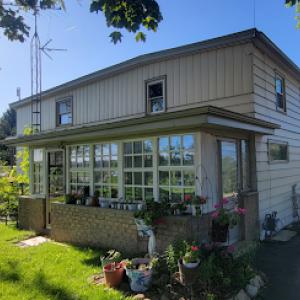
Royal Storm Restoration
(219) 895-3447 royalstormrestorationinc.com
Serving
4.6 from 47 reviews
Royal Storm Restoration is a premier roofing contractor based in Munster, IN, serving Hammond, Dyer, Schererville, Hobart, Hebron, and surrounding areas. Founded in 2022, our team specializes in gutters, roofing, siding, and storm damage repair, with expertise in residential and commercial roofing and insurance claims. With a focus on wind damage and industrial roofing, we also offer services in siding, gutters, soffits and fascia, and flat roofs, and provide free estimates and inspections. Trust Royal Storm Restoration for top-quality work and reliable service in maintaining and improving your property.
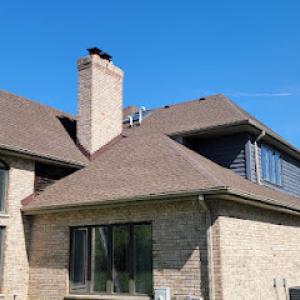
L&L General Contractor
(708) 856-7537 landlgeneralcontractor.com
Serving
5.0 from 44 reviews
Hello, We are trained professionals who have been doing roofing for 20 years now. Call us if you have any problems with your home repairs License, insurance, bond, Very good quality, free estimates, affordable prices,
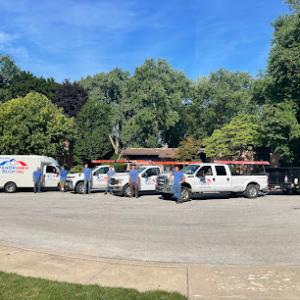
Van Drunen Roofing
(219) 836-1788 vandrunenroofing.com
Serving
5.0 from 60 reviews
Located in the heart of Northwest Indiana, Van Drunen Roofing stands tall as the premier residential roofing contractor, providing superior craftsmanship and unparalleled customer service. We don't have commissioned salespeople. Owners, Jed and Sarah Van Drunen work with each customer from the beginning to final stages of each project. Our company has its own highly trained, full-time, year-round employees who utilize quality materials to ensure that every roof we install exudes both beauty and durability. With a passion for perfection, Van Drunen Roofing has become the trusted choice for homeowners seeking peace of mind and a stunning visual statement for their most valuable asset - their home.
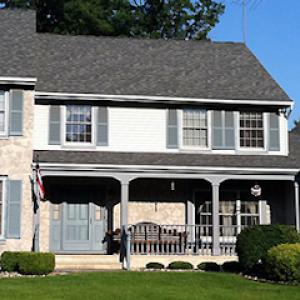
A-Abel Roofing
(708) 316-1433 aabelroofing.com
Serving
4.8 from 153 reviews
Need roofing in South & West Suburbs of Chicago? Look no further than A-Abel, a professional team with over 20 years experience providing fast and reliable services. From complete one day replacements to reroofs, repairs or insurance claims for hail damage - we do it all! With hundreds of 5 star reviews across the web plus an A+ BBB rating, you can trust us for quality service every time. Need help financing a larger project? We offer flexible payment plans too making sure nothing stands between your home's transformation and you. Gutter repair is also available so don't hesitate to give us a call today!
Region Roofing & Remodeling
(219) 629-8344 regionroofing.net
Serving
4.8 from 169 reviews
General contracting company dedicated to fighting for homeowners when they need us most. We advocate for families impacted by storm events, working tirelessly to ensure insurance claims are approved and homeowners receive the coverage they deserve. Specializing in roofing restoration, we're your complete home improvement partner offering storm damage restoration, insurance claim advocacy, water remediation, full remodels, and solar solutions. We don't just fix homes – we restore peace of mind.
When planning a full roof replacement, the process in this village is distinct from simple maintenance. A building permit is required for full replacements, and that permit review happens through the village building department rather than being treated as a quick, over-the-counter task. This means that timing and documentation matter, especially for homes with pitched roofs common in the local housing stock. A homeowner should anticipate a formal review of the replacement plan, confirm that the proposed scope aligns with the current zoning and building code requirements, and ensure that the project is ready for the department's inspections once work begins.
The village coordinates both reviews and inspections through the building department, and the typical checkpoints follow a logical order. First comes the tear-off or rough-in phase, which confirms that the existing roof is securely removed down to the deck and that the roof structure is sound before new materials go on. Next is the underlayment stage, where proper installation of the roof underlayment and any venting or insulation details are inspected to prevent ice dam and ventilation issues during the Chicago-area winter. Finally, the final inspection validates that the roof installation meets code requirements, including fastener patterns, penetration flashing, and the overall workmanship. Each step must be documented with appropriate notes or photos when required by the department.
In South Holland, inspections are scheduled through the village building department, and during peak roofing months, lead times should be anticipated rather than expecting same-day signoff. A contractor or homeowner should plan ahead for potential delays, especially if weather windows compress or if multiple projects coincide in a neighborhood. Keeping clear communication with the building department and the contractor helps ensure that inspections are ready when the work reaches each milestone. Have the project address, permit number, and the exact phase of work handy when contacting the department to streamline scheduling.
Prepare documentation early-engineer or contractor notes, deck condition, and a proposed sequence of work should be aligned with the permit application. Make sure the crew understands the sequence of tear-off, underlayment, and final installation to reduce the chance of rework during an inspection. For high-wind or hail-prone seasons, crews should prioritize secure temporary protections and proper flashing details to minimize weather-related concerns that could trigger additional questions during review. Finally, maintain a clear on-site record of each inspection milestone and promptly address any department comments to avoid delays that can stretch into the next weather window.
South Holland sits in a Midwestern insurance environment where hail, wind, and heavy snow losses drive frequent roof claim scrutiny. The combination of seasonal severe weather and a housing stock dominated by re-roofs on pitched roofs means adjusters see a steady stream of storm-related requests. That reality matters when you start a claim: decisions hinge not just on what happened, but on how well the condition was documented before and after the event. You should expect a careful review of the roof's current state, the history of prior repairs, and how evidence lines up with the policy's language. A clear, consistent narrative helps reduce back-and-forth delays and avoids surprises down the road.
Homeowners here should expect insurers to ask for detailed roof condition documentation and to weigh recent claims history and policy language when deciding coverage. Photos should cover the entire roof and critical details such as flashing, seals around dormers, and edge metal. Create a timeline that notes when you first observed damage, when temporary measures were taken, and when any permanent repair work began. Keep rain and wind records that correspond to the damage window, and preserve receipts for professional inspections. If a prior repair exists, document its scope and how the current damage could be connected or separate. A tidy, well-labeled file helps the adjuster see the full picture without guessing.
Because adjuster timing matters after regional storm events, South Holland homeowners benefit from documenting damage immediately before temporary repairs and before weather worsens. Quick, cautious action prevents secondary roof damage from worsening while you wait for an adjuster. Do not extend temporary fixes beyond what is safe; those temporary steps should be limited to preventing further harm and stabilizing the roof edge. Communicate promptly with the insurer about the storm date, the observed damage, and any interim measures you've taken. By aligning your documentation with the storm timeline, you reduce ambiguities and support a smoother claims process.
Connect with contractors who help homeowners navigate the claims process from damage assessment to final approval.

Total Roofing & Construction Services
(708) 201-7550 totalroofingandconstruction.com
Serving
4.7 from 244 reviews
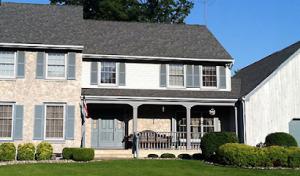
Even on predominantly pitched suburban homes, South Holland leak points often concentrate around skylights, porch tie-ins, garage connections, and low-slope rear sections that hold water longer after spring rain. Start with a careful rain test after a storm, but only if it's safe to do so. Look for dampness along window flashings, the seam where the porch roof meets the main structure, and any dark marks or mineral streaks on siding near penetrations. If you notice active dripping from skylight curb areas or from the joint where the garage roof meets the wall, treat those spots first, since they tend to drive most post-storm complaints in this climate.
Chicago-area winter conditions make flashing details around skylights and transitions more vulnerable because snow and ice can sit at these interruptions longer than on open field shingles. Inspect skylight flanges and step flashing after every heavy snow melt. If ice damming rises at the skylight curb or along the porch connection, there's a higher chance of water finding a new path inside. Pay attention to any staining or moisture in the attic directly above these points, which often signals flashing failure or poorly terminated counterflashing. Reinforce or replace compromised flashing promptly to prevent cascading leaks.
Flat and low-slope sections in South Holland need different drainage and membrane attention than the main shingle roof, especially after thunderstorms and freeze-thaw cycles. Inspect membrane laps and edge sealants around rear-facing low-slope zones after storms when water sits longer. Look for micro-tears, punctures, or lifted edges where wind-driven rain can exploit weak spots. Ensure adequate slope is present and that drain outlets remain unobstructed. When replacing or resealing these areas, use a compatible flashing plan that excludes the main ridge logic used for steep roofs and favors continuous, bonded membranes that can tolerate repeated freeze-thaw cycles without delamination.
Find contractors experienced in skylight installation, flashing, and leak repairs to bring natural light into your home.