
Last updated: Apr 19, 2026
After a hailstorm or strong winds sweep through, urgency rises fast. The south suburban Chicago storm corridor pattern means shingles bruise, tabs lift, and flashing can bend in a heartbeat, and autumn wind events or winter snow load can push hidden damage into leaks days later. If you notice moisture in the attic, staining on ceilings, or water spots along interior walls, treat it as urgent. A small unrepaired flaw can become a whether-worse problem with a new round of thaw or another wind gust. Do not wait for a "better time" to inspect; storms don't wait, and the risk to your structure compounds quickly.
Because adjusters in this region rely on photos and professional assessments, set up a detailed documentation routine as soon as the skies clear. Start with exterior shots that capture hail impact patterns, bruised shingles, lifted tabs, and any flashing or vent-integration damage. Move indoors to document attic signs such as damp insulation, dark streaks, or mold growth, and keep a log of dates and the sequence of events. Take wide-angle photos to show roof extent, then close-ups of damaged areas. If accessibility is limited, a ladder safety plan and a clear path for a contractor to inspect hidden spots are essential. Your aim is to present a clear, room-by-room record that ties exterior damage to interior symptoms.
In Lansing's storm environment, a rapid triage call is warranted if wind or hail occurred within the last 72 hours and any of the following exist: obvious shingle bruising, lifted or broken edges, dented flashing, or moisture detected inside the attic or on ceilings. A professional roof assessment strengthens the claim by distinguishing weather-related damage from wear and tear. You want assessments that map damage to the last major weather event, not to last year's maintenance cycle. Scheduling a same- or next-day inspection, if possible, keeps the timeline tight and your claim responsive.
A practical triage visit documents the roof's overall condition, identifies the scope of visible damage, and flags potential hidden issues that could complicate replacement later. The roofer should test for wind-driven uplift on shingles, examine dormer intersections, chimney and vent flashing, and assess snow-load-related stress on hips and valleys. Inside the home, the triage should verify any newly emerging leaks, signs of mildew, or wood rot near penetrations. The goal is to translate exterior findings into a clear plan for either repair patches or full replacement, aligned with the insurance adjuster's requirements.
If damage is confirmed and coverage is pursued, arrange temporary protections without delay. Use tarps over exposed decking and cover doors or vents that could admit rain. Communicate promptly with the insurer about the assessment, share the triage report, and provide the interior moisture observations to support urgency. Keep a running record of all communications, including dates, names, and promised timelines. In this region, the combination of autumn winds, winter snow load, and spring thaw creates a predictable cadence: document early, triage quickly, and move to replacement promptly when the evidence supports it.
In Lansing, spring thaw and frequent rain shape the window for roof work. This is the time when crews can push forward after a long winter, but melting snow and sudden showers can derail tear-off schedules. If a storm rolls through, prepare for temporary setbacks and a pause to assess decking moisture. You'll want to coordinate with the contractor to slot inspection days immediately after a dry spell, so any hidden moisture issues from winter can be identified before shingle installation resumes. Plan for temporary roof protection during rain gaps, and have gutters and downspouts checked to handle quick runoff changes as temperatures swing. The goal is to strike while the roof is dry, but not force work during a damp stretch that invites adhesive and fastener challenges.
Fall is the preferred replacement period because it tends to avoid the harsher freeze-thaw cycles of late winter and the peak heat of midsummer. In practice, this means steadier temperatures for asphalt or metal installations and fewer interruptions from summer storms. Scheduling early to mid-fall helps catch lingering wind or hail claims while the days are still long enough for safe, daylight-focused work. A practical approach is to line up a firm start date right after any high-wind period and to reserve a few backup days for potential rainfall. By finishing before the ground freezes, crews can secure all decking and underlayment while you still have comfortable daytime conditions for interruptions, inspections, and final detailing.
Cold-season work in this market can be complicated by snow, ice, and brittle shingle handling. If a project must occur in winter, expect shorter days, frost-related adhesive issues, and the need for warm storage conditions for sealants and asphalt materials. The practical move is to avoid scheduling during deep freezes or heavy snowfall if possible, and to coordinate contingency windows around thaw cycles when roofs are more safely worked. When winter work is unavoidable, establish a clear plan with the contractor for de-icing materials, crew pacing, and safe ladder and access routes. Consider temporary interior protection for attic spaces during episodic cold snaps to prevent condensation and moisture buildup.
Summer installation has to account for heat-related material softening and crew pacing. Shingle products can become more pliable in extreme heat, which affects nail security and alignment, especially on steeper slopes or complex roof lines. Plan for early starts to beat the hottest part of the day, with mid-day pauses if heat advisories are in effect. Ensure adequate ventilation in the attic space to minimize condensation during the transition from underlayment to finished shingles. If a storm system moves through, be prepared for brief interruptions, then quick resumption to prevent prolonged exposure of decking and underlayment to the sun. A practical rhythm is to target cooler mornings for tear-off, with finishing touches, sealing, and cleanup reserved for mid-afternoon when crews can work from shade or temporary covers.
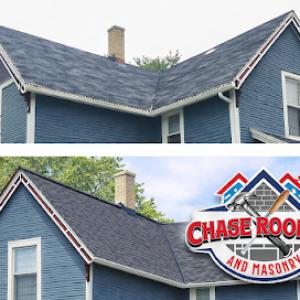
Chase Roofing & Masonry
(219) 743-0451 chaseroofingnwi.com
3432 Ridge Rd, Lansing, Illinois
4.5 from 91 reviews
Chase Roofing & Masonry – Family-Owned Craftsmanship Since 1975 For nearly five decades, Chase Roofing & Masonry has proudly served homeowners and businesses across Northwest Indiana and Chicagoland with unmatched quality, integrity, and care. Established in 1975 as a family-owned and operated company, our legacy is built on old-fashioned values and modern expertise—a combination that continues to set us apart from the rest. At Chase Roofing & Masonry, we believe every customer deserves more than just a completed job—they deserve peace of mind. That’s why we go above and beyond on every project, treating every home as if it were our own. From minor roof repairs to full replacements and detailed masonry restorations, our skilled team deliv

Calumet River Construction
(219) 487-9208 calumetriverconstruction.com
Serving
4.8 from 22 reviews
At Calumet Region Construction, we strive to bring the best of services to our customers in the most reliable and efficient manner. To do so, we hire only the best roofers that know how to get the job done right. Each of our team members is a veteran in the roofing industry and has years of experience in the field. At CRC, we specialize in the installation, repair, and replacement of various roofing systems, as well as the installation and repair of a wide variety of siding and gutters. We do work for both commercial and residential properties.
Dal Bianco Roofing
(219) 513-8239 www.dalbiancoroofing.com
Serving
4.9 from 80 reviews
Dal Bianco Roofing, based in Munster, IN, has been the top choice for roofing services in Lake, Cook, and Will counties since 1966. We specialize in residential roofing, storm damage repairs, and more. Reach out to Dal Bianco Roofing in Munster for all your roofing requirements.
Royal Storm Restoration
(219) 895-3447 royalstormrestorationinc.com
Serving
4.6 from 47 reviews
Royal Storm Restoration is a premier roofing contractor based in Munster, IN, serving Hammond, Dyer, Schererville, Hobart, Hebron, and surrounding areas. Founded in 2022, our team specializes in gutters, roofing, siding, and storm damage repair, with expertise in residential and commercial roofing and insurance claims. With a focus on wind damage and industrial roofing, we also offer services in siding, gutters, soffits and fascia, and flat roofs, and provide free estimates and inspections. Trust Royal Storm Restoration for top-quality work and reliable service in maintaining and improving your property.
Van Drunen Roofing
(219) 836-1788 vandrunenroofing.com
Serving
5.0 from 60 reviews
Located in the heart of Northwest Indiana, Van Drunen Roofing stands tall as the premier residential roofing contractor, providing superior craftsmanship and unparalleled customer service. We don't have commissioned salespeople. Owners, Jed and Sarah Van Drunen work with each customer from the beginning to final stages of each project. Our company has its own highly trained, full-time, year-round employees who utilize quality materials to ensure that every roof we install exudes both beauty and durability. With a passion for perfection, Van Drunen Roofing has become the trusted choice for homeowners seeking peace of mind and a stunning visual statement for their most valuable asset - their home.

Total Roofing & Construction Services
(708) 201-7550 totalroofingandconstruction.com
Serving
4.7 from 244 reviews
Total Roofing & Construction Services, Inc. is a licensed, insured, and trusted roofing contractor. We've been servicing the Chicagoland region and Northwest Indiana for over 30 years. We specialize in both residential and commerical projects. In addition, we are certified siding, gutters, windows, and door installers. We are a family run and operated organization.
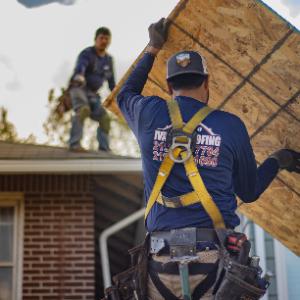
Ivan's Roofing & Remodeling
(219) 308-7784 www.ivansroofingandremodeling.com
Serving
4.7 from 117 reviews
At Ivan's Roofing, we understand how stressful roof damage can be, especially when your home’s safety is at stake. That’s why our dedicated roofing repair specialists are here to provide swift, reliable solutions that bring you peace of mind. Whether it’s a minor issue or extensive damage, we’ve got you covered with expertise and care.
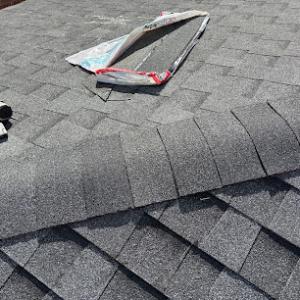
Rogers Roofing
(219) 400-7079 www.rogersroofing.com
Serving
4.8 from 1283 reviews
With a proud heritage dating back to 1968, Rogers Roofing has built a legacy of excellence as the trusted choice for roofing and exterior remodeling among Chicagoland and Northwest Indiana homeowners. Our long track record of successful projects from roof replacements to gutter installations and more, has earned us a sterling reputation and helped us become one of the most referred roofing contractors serving Wood Dale, IL, Hammond, IN, and the surrounding areas. We invite you to experience home improvement the way it should be, from the hands of specialists whose mission is to enhance your home, your comfort, and quality of life.
Region Roofing & Remodeling
(219) 629-8344 regionroofing.net
Serving
4.8 from 169 reviews
General contracting company dedicated to fighting for homeowners when they need us most. We advocate for families impacted by storm events, working tirelessly to ensure insurance claims are approved and homeowners receive the coverage they deserve. Specializing in roofing restoration, we're your complete home improvement partner offering storm damage restoration, insurance claim advocacy, water remediation, full remodels, and solar solutions. We don't just fix homes – we restore peace of mind.
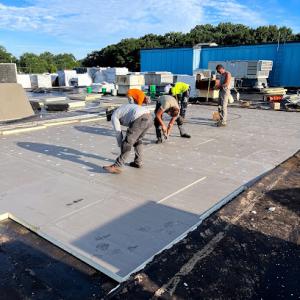
Gluth Brothers Roofing
(219) 844-5536 gluthbrothersroofing.com
Serving
4.6 from 72 reviews
Gluth Brothers Roofing Inc., in Hammond, Indiana is the area's leading roofing company serving Lake, Porter, and surrounding counties since 1886. We specialize in tear offs, repairs, gutters, shingles, windows, siding, and more. For all your roofing needs, contact Gluth Brothers Roofing Inc. in Hammond.

Sanchez Roofing & Construction
(219) 937-7727 sanchezroof.com
Serving
4.7 from 160 reviews
Sanchez Roofing & Construction in Hammond, IN, is your go-to source for reliable roofing services, gutter cleaning, and construction needs. With our skilled team and dedication to quality workmanship, we ensure your home is protected and looking its best. Trust us for all your roofing and construction projects!

Reliance Roof Troop
(219) 777-0284 www.reliancerooftroop.com
Serving
5.0 from 238 reviews
Reliance Roof Troop is a family-owned roofing contractor serving Schererville and surrounding areas. We focus on roof replacement in Schererville, offering reliable and durable roofing services that stand the test of time. We focus on roof repairs, replacements, and coatings using premium materials that protect your home for years to come. Our services also include siding installation, siding repairs, windows, gutters, and attic blown-in insulation. At Reliance Roof Troop, we are committed to providing high-quality solutions with no pressure or gimmicks. We focus on what matters most: delivering long-lasting results that protect your home. Call Reliance Roof Troop today to get started with your roofing needs!
Asphalt shingles remain the dominant choice on Lansing homes, favored for their affordability and ease of installation. Yet the region's freeze-thaw cycles and steady wind exposure demand careful attention to sealing performance and precise installation, especially on aging roofs. When selecting asphalt shingles, prioritize products with strong granule adhesive in addition to a robust nailing area, so wind uplift is less likely to pry shingles loose during a late-season derecho or strong storm. On older roofs, consider upgrades like a high-quality underlayment and a fortified sealant system at hips, ridges, and valleys to reduce moisture intrusion as temperatures swing. If insurance considerations factor into you timing a replacement, note that a well-sealed asphalt roof can help manage wind-driven rain while your claim is processed.
Metal roofing is present in the Lansing market and can appeal to homeowners seeking durability through snow, ice, and temperature swings common in the Chicago south suburbs. Metal panels perform well when installed with a continuous eave drip edge and an integrated snow guard system, helping to keep snow from cascading onto walkways or vehicles. For best results, look for metal options with a proven resistance to hail impacts and a coating that resists chalking and fading after years of exposure to sun and moisture. If you expect rapid temperature changes, metal can minimize expansion-contraction concerns when paired with properly spaced fasteners and factory-applied sealants. Consider a color and profile that blends with the home's architecture while maximizing energy efficiency through reflective coatings, which helps address summertime heat gain on south-facing roofs.
Tile, wood shake, and synthetic products exist locally but require careful evaluation because heavier systems and specialty installs are less common than standard re-roofing in Lansing. Clay and concrete tiles deliver long life and distinctive curb appeal, yet their weight demands a structurally sound deck and verified framing. If your attic shows signs of prior movement or you're unsure about joist capacity, a structural assessment is essential before pursuing tile or concrete. Wood shakes offer rustic charm but demand meticulous maintenance to resist cupping, splitting, and moisture-related issues in freeze-thaw cycles. Synthetic or composite shingles aim to mimic these looks with lighter weight and enhanced durability, though installation accuracy remains critical to prevent wind uplift and water intrusion at transitions. For any heavy roofing option, plan for potential reinforcement of framing and precise compatibility with flashing, gutters, and chimney details.
In this climate, the best path often comes down to a balance between performance, roof geometry, and long-term maintenance needs. Consider how your roof interacts with prevailing winds, typical storm tracks, and seasonal temperature shifts. On pitched roofs, shingles and metal tend to deliver reliable service with professional installation and careful sealing at edges and penetrations. For homes with complex shapes or existing damage, a staged replacement or careful insulation improvements can extend the life of the new surface and reduce ongoing maintenance. Regardless of material, expect environment-driven wear to accelerate around edge details, valleys, and ridge lines, where wind-driven rain and freeze-thaw cycles converge. The goal is a system that maintains weather-tightness while accommodating Lansing's dynamic seasonal weather.
You should expect pricing to move with the provided per-square ranges, but storm-driven demand spikes in this south suburban Chicago market can tighten scheduling and raise labor pressure. In practical terms, a standard asphalt shingle replacement will follow the range shown for asphalt, while metal, tile, wood shake, and synthetic systems often land on higher numbers due to specialty labor needs. When a project starts in the shoulder season, you may see tighter timelines even if the material cost itself remains within the published band. The key is to align material choice with your project timeline and the contractor's current capacity, especially after a severe hail event.
Costs in Lansing can rise when winter damage reveals wet decking, ice-related edge deterioration, or flashing failures that were not visible from the ground before tear-off. A thorough teardown often exposes the full scope: deck saturation, rotten or warped sheathing, and hardware corrosion can all add labor and material expense. Expect an upfront walkthrough to identify non-visible issues, and plan for potential decking replacements if moisture has penetrated layers beyond the visible shingles. Documenting these conditions for insurance purposes becomes part of the process, and having a trusted contractor who can accurately quantify hidden damage helps prevent cost surprises.
Material choice matters locally because asphalt is common and competitively bid, while metal, tile, wood shake, and synthetic systems depend more on specialty labor that is less prevalent in this market. If you opt for asphalt, you'll typically encounter more price competition among installers, which can keep costs reasonable and scheduling flexible. Choosing metal or tile often means navigating fewer local crews who can perform the work efficiently, potentially extending project timelines and raising labor rates. In neighborhoods with older homes, tile or wood shakes may also necessitate additional framing or ventilation considerations, which affects both timing and cost.
After a wind or hail event, the sequencing matters: initial inspection, insurance negotiation, material selection, and then the tear-off and installation. In this market, labor pressure can compress available slots, making it prudent to start the documentation and bid process promptly, even while you wait for insurer decisions. If weather windows widen or snow lingers, you may gain more predictable scheduling, but prolonged moisture exposure can push replacement timing and scope upward. Always capture detailed photos, keep a running log of communications, and confirm warranty coverage for both materials and labor before committing to a replacement date.
Don't let upfront costs delay a critical repair - these contractors offer payment plans to fit your budget.
A full roof replacement typically requires a permit filed with the Village of Lansing building department by either the contractor or the homeowner. That step can feel routine, but delays bite when storms hit and you're trying to keep a project on track. Permit review in Lansing usually takes about 1 to 2 weeks depending on department workload, so homeowners should build that lead time into storm-season scheduling. If the project is weather-sensitive, plan to submit early and confirm receipt with the permit office to avoid backlogs that stall crews mid-shingle.
Lansing projects commonly require documentation such as contractor license information and proof of insurance, followed by inspections during the job and a final inspection after completion. Keep a ready folder with license numbers, insurance certificates, and a clear description of the scope of work. The building department may request updated paperwork if the contractor changes midstream. Missing or out-of-date documents can halt progress at any stage, which is especially costly when a storm window is narrowing and the schedule is tight. Expect the file to be reviewed as part of a standard workflow, with checks at key milestones.
Inspections during the job are part of the process, not an afterthought. Schedule inspections promptly as work progresses; skipping or delaying can trigger rework or penalties and may affect insurance documentation. A final inspection after completion confirms that the work complies with local code and permit conditions. If the inspector finds discrepancies, you'll need to address them before the permit is marked closed. In this climate, where wind and hail claims are common, keeping the inspection timeline visible to the project calendar helps prevent overlaps with storm-season claims and ensures insurance documentation remains aligned with the completed scope. Staying proactive with notifications to the building department keeps the process from creeping into the critical storm windows.
In this high-claim market, hail and wind damage are common, and adjuster scrutiny tends to be detailed. That means every claim will hinge on how well the roof's current condition is documented and how clearly the storm damage is tied to specific events. If a roof has mixed storm and wear issues, expect a careful evaluation of preexisting conditions, maintenance gaps, and recent replacement history. The more precise your documentation, the less room there is for ambiguous conclusions about what needs to be repaired versus replaced.
Homeowners should expect carriers to review photos, age, maintenance condition, and depreciation closely. Storage of decade-old shingles next to new patches or tree-impact marks can complicate the file. Prepare a narrative that links visible damage to a storm event, not to long-term aging alone. Keep a dated file of roof-related maintenance, attic ventilation checks, and any prior repairs. If the roof shows both hail dents and wind lift, document each issue with timestamps, weather reports, and corroborating photos from multiple angles.
Because coverage terms vary by carrier and policy age, Lansing homeowners need to compare actual cash value versus replacement-cost treatment before committing to repair or full replacement. Understand how depreciation is applied to different components, and ask how offsets for prior wear will affect a payout. When the claim moves toward replacement, insist on a transparent, itemized scope that distinguishes damage from normal wear. A careful, well-photographed assessment can prevent a valuation that underserves the roof's true condition.
As storms approach, keep an up-to-date photo log of the roof and exterior, noting any prior leaks or granule loss. After a hail event, schedule a professional inspection promptly to capture fresh damage while it's still most evident. When talking to an adjuster, bring your documentation in a single, easy-to-follow package. The goal is to secure a fair, documented outcome that aligns with the roof's actual condition and the policy language.
In this city's climate, repeated freeze-thaw cycling can turn tiny roof defects into active leaks. Small shingle splits, hairline cracks around vent pipes, and micro-cracks in the sealant around flashing transitions are more than cosmetic issues when temperatures bounce between freezing and above-freezing. The point where the roof meets a wall or a dormer is especially vulnerable, because the expanding and contracting forces stress the sealant and the edge metal. Over time, those minute gaps collect moisture, then the next freeze pushes the material just enough to widen the seam. The practical takeaway is to inspect those transitions after a cold snap and again after a warm rain, looking for damp patches that arrive first as a slow trickle along a flashing seam or at the edge of the shingles.
Snow and ice load in winter can mask moisture problems, only to reveal them when spring rain arrives. Ice dams form where heat loss gaps allow refreezing at the eaves, forcing meltwater to back up under lower shingles. When spring rains come, that water sits behind the dam line and seeps into the attic and ceiling boards, often near the attic knee walls or around roof penetrations. If a leak shows up after a thaw, trace it back to a misfit shingle or a compromised underlayment in a spot that carried ice weight through the season. Paying attention to interior staining, warped ceiling boards, or musty attic odors after the most dramatic thaw helps identify the exact vulnerable area.
Local contractor demand around chimney work highlights a pattern homeowners should anticipate: chimney flashing and adjacent roof transitions on older homes tend to fail first. The joint where the chimney base meets the roofing membrane experiences repeated thermal cycling and wind-driven rain exposure. If the flashing has corroded, shifted, or been re-sealed poorly, water will find its way into the crack between brick and siding, then travel along the roof deck. On aging homes, inspect the chimney step by step-look for loose flashing, rusted nails, or lifted shingle edges at the corners-before a single drop becomes a leak.
Older stock often shows wear around skylight curbs, vent stacks, and where two roof planes meet at a valley. Valleys that were never properly reinforced or flashed in winter months collect runoff from snowmelt and spring rain, creating a ready path for moisture into the attic. If a roof has felt exposed to years of sun and wind, the underlayment may be nearing its life, reducing its ability to shed water quickly. Regular, targeted checks of those high-risk zones-valleys, skylights, and penetrations-help prevent small issues from turning into costly, widespread damage.
Find contractors experienced in skylight installation, flashing, and leak repairs to bring natural light into your home.
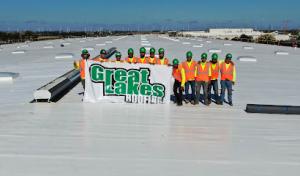
Flat and low-slope roofing is a meaningful but secondary niche in this market, blending a mix of commercial properties and some residential sections that need different drainage and membrane attention than steep-slope homes. In practice, the subtle slope and those often long eaves mean any stray debris or misrouted water shows up as early wear. You'll want to confirm that parapet walls, scuppers, and edge terminations are clean and free of obstruction, and that drip edges are tied into reliable channels. The goal is to keep water from lingering on the surface through mild spring rain or a late winter melt.
Winter snow retention can create ice dam pressure and hidden leaks, then spring moisture can stress the membrane as temperatures swing. Look for soft spots, surface wrinkling, and any damp areas around penetrations or skylights. If the roof relies on a ballast system or loose gravel, inspect for displaced material that could trap moisture. In Lansing's climate cycle, drainage performance becomes a top priority during the melt, so verify that the layout directs runoff toward proper drains and away from seams.
Because most local contractors market re-roofing first, homeowners with low-slope sections should verify that the crew regularly handles flat-roof details rather than only standard shingle tear-offs. Ensure the crew provides a complete flat-roof package: membrane selection appropriate for the climate, proper substrate prep, precise flashing around roof-to-wall joints, and tested seams. A thoughtful contractor will map out maintenance intervals, look for ponding areas, and address details around penetrations and joints before any visible wear appears.
Schedule a mid-season check after heavy rains and after the first big thaw. Look for standing water, bubbling membranes, and any new staining in interior ceilings that could signal hidden leaks. Keep a close eye on the rooftop's edge details, flashing, and penetration seals, and don't hesitate to request a written inspection report that highlights flat-roof specifics separate from steep-slope work.
Find specialists in TPO, EPDM, and built-up flat roofing systems for residential and commercial properties.

In this market, homeowners gravitate toward firms built around replacement volume rather than niche custom work. The emphasis is on reliable crews, predictable timelines, and clear communication that matches the urgency that follow spring storms. When you interview candidates, ask who handles the tear-off logistics, how cleanup is managed, and how quickly they can mobilize after a storm. Local families often choose long-standing, family-owned teams that focus on residential projects, because those firms tend to tie permit closeout and final inspection to a straightforward, accountable process. Look for references from nearby neighbors and a track record of nearby neighborhoods with similar roof lines and setbacks.
Cleanup included is not a luxury-it's a baseline expectation in this market. You want a crew that covers ground efficiently, mats the yard, and hauls debris promptly to minimize the chances of loose shingle fragments drifting onto neighbors' property. Quick response matters, especially after a hail event or a high-wind day when insurance-adjusted timelines start ticking. Confirm a written schedule and a dedicated crew lead who can address weather delays without letting the job drift. Consider a staging plan for materials and a daily end-of-day sweep to keep driveways and sidewalks clear for a neighborhood that values low disruption during tear-offs.
Long-established, family-owned firms with residential focus are common signals of dependable accountability through permit closeout and final inspection. These contractors tend to return for touch-ups, verify attic and venting, and stand behind the work once the crew has left. In Lansing, neighbors notice when a company stays within the agreed scope, communicates changes promptly, and follows through on debris removal and reporting. Ask who you can contact after completion if an issue arises, and verify that the firm documents all documentation needed for the insurance claim and final inspection.