Last updated: Apr 19, 2026
Spring and summer storms along the Northwest Indiana hail-and-wind claim belt routinely trigger roof inspections, temporary tarping, and insurer adjuster visits. When hail pings off shingles or wind rattles siding, your first move is to protect interior spaces by tarping or covering exposed areas promptly. Delaying temporary fixes invites exposed decking to ice and water intrusion once snow returns and the freeze-thaw cycle replays. If you notice curling edges, granule loss, or dented gutters after a storm, treat those signs as urgent indicators rather than cosmetic issues. Arrange a same-day or next-day inspection with a trusted local roofer who can document damage thoroughly, determine if water has reached the decking, and map a repair plan that minimizes further exposure during the thaw.
In this market, insurers commonly ask for documentation of prior roof condition and current damage, making date-stamped photos and prompt post-storm inspections especially important for homeowners. Start a storm file the moment conditions ease: take wide-angle shots of the entire roof, close-ups of hail impacts, and images of gutters, vents, and siding that show granule loss or impact marks. If your attic shows signs of moisture, capture those indicators with a timeline walk-through so the progression is clear to the adjuster. Keep a concise log of storm events, noting dates, wind speeds if known, and any temporary repairs you've made or that a professional recommended. When a roofer arrives for an inspection, request a written assessment that labels areas needing replacement versus those that can be repaired, and ask for a detailed scope with material type, underlayment, and attic ventilation considerations. This is especially critical in a climate where the attic needs proper ventilation to support a full replacement during a seal-tight process and to pass subsequent inspections.
Because local winters bring snow followed by repeated freeze-thaw swings, minor storm openings can worsen into decking and leak problems if left exposed until spring. Plan around this reality: a speedy assessment and timely repairs on the front end can prevent long outages and more extensive interior damage. If weather windows tighten, prioritize deck protection and shingle edge repairs that stop water entry, then schedule a full roof replacement for the most stable stretch of weather. Be mindful that ice dam risk rises after a spell of warm days followed by cold snaps; a proactive roof triage that includes underlayment checks and drip-edge integrity can avert costly water intrusion later. Your chosen contractor should verify that attic venting, soffit intake, and ridge exhaust are balanced to avoid condensation issues that surge with the spring thaw.
An orderly claim hinges on proactive communication. Notify the insurer promptly after a storm, share the photos with consistent time stamps, and supply the post-storm inspection report from a licensed roofer. Expect the adjuster to request access to the attic and roof lines; have the inspection notes ready and invite the adjuster to review the same photos and measurements to align these assessments. Work with a local contractor who can interface directly with the insurer-one who understands how freeze-thaw dynamics interact with shingle life, underlayment, and drip-edge details on full replacements. If a temporary tarping is advised, obtain a clear plan for how long it will remain and what conditions would trigger immediate re-tarping before the next storm. Quick, precise action protects the roof-and the home-through the most volatile months.

Reliance Roof Troop
(219) 777-0284 www.reliancerooftroop.com
Serving
5.0 from 238 reviews
Reliance Roof Troop is a family-owned roofing contractor serving Schererville and surrounding areas. We focus on roof replacement in Schererville, offering reliable and durable roofing services that stand the test of time. We focus on roof repairs, replacements, and coatings using premium materials that protect your home for years to come. Our services also include siding installation, siding repairs, windows, gutters, and attic blown-in insulation. At Reliance Roof Troop, we are committed to providing high-quality solutions with no pressure or gimmicks. We focus on what matters most: delivering long-lasting results that protect your home. Call Reliance Roof Troop today to get started with your roofing needs!
Total Roofing & Construction Services
(219) 227-9292 totalroofingandconstruction.com
Serving
4.9 from 347 reviews
Total Roofing and Construction since 1985 servicing Illinois, Indiana, and Michigan with their residential and commercial construction needs from roofing, siding, windows, and gutter installation.

Patriot Roofing & Remodeling
(219) 808-1305 patriotroofingandremodelingllc.com
1141 Madison Ave, Dyer, Indiana
4.0 from 4 reviews
Patriot Roofing & Remodeling, based in Dyer, IN, has been a trusted name in roofing and exterior remodeling for over 20 years. We proudly serve Dyer and the surrounding communities with expert services including new roof construction, tear-offs, re-roofs, repairs, soffit and fascia installation, gutter systems, insurance claim assistance, and storm and hail damage restoration. For dependable craftsmanship and personalized service, contact Patriot Roofing & Remodeling today
JE Roofing & Construction
Serving
4.6 from 12 reviews
All exterior home remodeling. Roofs (Re-roof and Tear offs), Repairs, Siding, Gutters and Downspouts, Soffit/Fascia, Windows, Doors, Blown In Insulation, Tuckpointing, Snow Removal.
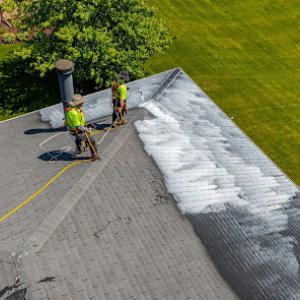
Roof Rejuvenate Northwest Indiana
(219) 444-5530 roofrejuvenatenwi.com
Serving
5.0 from 4 reviews
At Roof Rejuvenate Northwest Indiana, we take pride in providing top-notch roofing services to the residents of Lake County and surrounding areas. With our team of experienced professionals, we offer high-quality roof rejuvenation, repairs, and replacements to ensure your home is protected from the elements. Trust us for all your roofing needs!
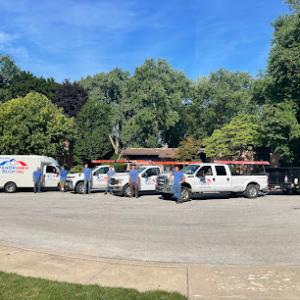
Van Drunen Roofing
(219) 836-1788 vandrunenroofing.com
Serving
5.0 from 60 reviews
Located in the heart of Northwest Indiana, Van Drunen Roofing stands tall as the premier residential roofing contractor, providing superior craftsmanship and unparalleled customer service. We don't have commissioned salespeople. Owners, Jed and Sarah Van Drunen work with each customer from the beginning to final stages of each project. Our company has its own highly trained, full-time, year-round employees who utilize quality materials to ensure that every roof we install exudes both beauty and durability. With a passion for perfection, Van Drunen Roofing has become the trusted choice for homeowners seeking peace of mind and a stunning visual statement for their most valuable asset - their home.

Bob The Builder
(219) 299-0136 www.bobthebuilderinc.com
Serving
4.4 from 28 reviews
Bob The Builder, Inc provides roofing, siding, and interior/exterior remodeling services, as well as experienced storm damage and insurance claim repair services in Northern Indiana and the South Chicago suburbs.
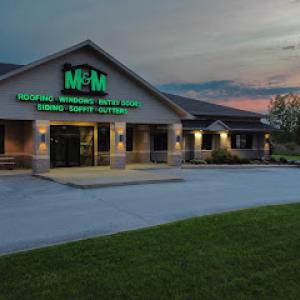
M&M Home Remodeling Services - Crete
Serving
4.7 from 1391 reviews
Since 1976, M&M Home Remodeling Services has been helping homeowners in Crete and the surrounding communities improve and protect their homes. We specialize in roofing, siding, windows, doors, gutters, and insulation—delivering expert craftsmanship and lasting results on every project. Our team is dedicated to making the remodeling process simple, stress-free, and affordable, offering flexible financing options and industry-leading warranties. Whether you’re looking to increase curb appeal, improve energy efficiency, or safeguard your home from the elements, we’re here to help. Contact our Crete office today to schedule your free consultation.

Dal Bianco Roofing
(219) 513-8239 www.dalbiancoroofing.com
Serving
4.9 from 80 reviews
Dal Bianco Roofing, based in Munster, IN, has been the top choice for roofing services in Lake, Cook, and Will counties since 1966. We specialize in residential roofing, storm damage repairs, and more. Reach out to Dal Bianco Roofing in Munster for all your roofing requirements.
Royal Storm Restoration
(219) 895-3447 royalstormrestorationinc.com
Serving
4.6 from 47 reviews
Royal Storm Restoration is a premier roofing contractor based in Munster, IN, serving Hammond, Dyer, Schererville, Hobart, Hebron, and surrounding areas. Founded in 2022, our team specializes in gutters, roofing, siding, and storm damage repair, with expertise in residential and commercial roofing and insurance claims. With a focus on wind damage and industrial roofing, we also offer services in siding, gutters, soffits and fascia, and flat roofs, and provide free estimates and inspections. Trust Royal Storm Restoration for top-quality work and reliable service in maintaining and improving your property.
Chase Roofing & Masonry
(219) 743-0451 chaseroofingnwi.com
Serving
4.5 from 91 reviews
Chase Roofing & Masonry – Family-Owned Craftsmanship Since 1975 For nearly five decades, Chase Roofing & Masonry has proudly served homeowners and businesses across Northwest Indiana and Chicagoland with unmatched quality, integrity, and care. Established in 1975 as a family-owned and operated company, our legacy is built on old-fashioned values and modern expertise—a combination that continues to set us apart from the rest. At Chase Roofing & Masonry, we believe every customer deserves more than just a completed job—they deserve peace of mind. That’s why we go above and beyond on every project, treating every home as if it were our own. From minor roof repairs to full replacements and detailed masonry restorations, our skilled team deliv

Calumet River Construction
(219) 487-9208 calumetriverconstruction.com
Serving
4.8 from 22 reviews
At Calumet Region Construction, we strive to bring the best of services to our customers in the most reliable and efficient manner. To do so, we hire only the best roofers that know how to get the job done right. Each of our team members is a veteran in the roofing industry and has years of experience in the field. At CRC, we specialize in the installation, repair, and replacement of various roofing systems, as well as the installation and repair of a wide variety of siding and gutters. We do work for both commercial and residential properties.
Northwest Indiana winters create the classic pattern of snow cover, attic heat loss, refreezing at the eaves, and ice dam formation along shingle edges. You will notice that warm attic air melts the snow near the top of the roof, but when it encounters the colder edges, refreezing traps meltwater behind it. Over successive storms, this cycle presses against shingles, flashing, and drip edges, pushing against integrity that may have aged beyond its best years. The result is not just a cosmetic concern; it can drive moisture under layers you rely on for long service life. In homes with visible attic access or compact attic spaces, the danger is closer than you think.
Ice dam formation concentrates water where shingles meet the overhang, and that pressure leaks into fascia, soffits, and vent pathways. If water freezes behind the dam, it can widen existing gaps around flashing transitions and expose fastener zones that were already stressed by previous cycles. The repeated freeze-thaw action compounds wear on exposed tab edges, making them brittle or loose. When you see a meltwater pool at the gutter line, you're watching the early signs of reserve capacity being overwhelmed. The longer those dams persist, the more likely you are to experience interior staining, softened ceiling materials, or compromised insulation where dampness travels inward.
Local practice may include attic ventilation verification during full replacements, and for good reason. Poor ventilation accelerates winter moisture buildup and summer heat stress, which translates directly into more rapid aging of roof components. In the winter, trapped moisture can condense on underside of sheathing, inviting mold or wood rot in vulnerable spots. In summer, heat buildup compounds the brittleness of shingle tabs and expands the risk of flashing warping. If the attic feels damp after a long stretch of cold weather, that moisture is a telltale sign that ventilation needs attention before you lay a new layer of protection.
Freeze-thaw cycling in this region shortens the service life of vulnerable roof components such as exposed shingle tabs, flashing transitions, and older decking fastener zones. The repetition of moisture entering and refreezing makes edge areas the most fragile, especially where flashing ties into ridge lines or where valleys channel water. A cautious homeowner watches for early signs of lifted tabs, loose nail heads, or granular loss near edges after winter storms. If you see any of these indicators, plan a timely inspection rather than waiting for a leak to reveal itself. The goal is to preserve the roof's protective envelope so you can weather the next season with confidence.
Asphalt shingles dominate the local rooftops because they fit the common suburban housing stock and are easier to replace after hail and wind events than heavier premium systems. They're quick to install, forgiving for homeowners who may plan to stay in a home for a write-up period, and widely available through local suppliers. In the Northwest Indiana climate, standard asphalt shingles perform well when paired with proper attic ventilation and a solid drip edge, which your contractor should confirm during replacement. For most single-family homes here, a mid-range or higher asphalt shingle with good impact resistance provides a reliable balance of cost, durability, and service life under freeze-thaw cycles.
Metal roofing is a practical upgrade for homeowners prioritizing snow shedding and durability through repeated freeze-thaw seasons. Metal panels shed snow more effectively than asphalt, which can reduce ice dam risk in heavier winter spells. However, in this region, condensation management and ventilation around metal roofs require careful detailing to prevent moisture buildup in the attic and to control heat transfer during hot months. If selecting metal, insist on a ventilation plan that clearly addresses intake and exhaust paths, plus a sealed drip edge and flashing details designed for the local wind patterns. A metal roof can be a long-term investment, but it pays off when weather shifts are frequent and hail risk is high.
Clay tile and concrete tile offer distinctive curb appeal but come with heavier weight and longer installation timelines, which makes them less common locally. Wood shakes bring a rustic look but require more maintenance and can be susceptible to weathering and rot if not properly treated and ventilated. Synthetic products exist in the market but are less common here; verify installer experience with these materials in Northwest Indiana conditions, since proper installation and ventilation detail are critical to performance. If choosing any of these options, prioritize crews with verifiable local experience and a clear plan for attic ventilation, drip edge continuity, and flashing compatibility with the surrounding roof geometry.
When you're weighing options, focus on how each system handles hail impact, wind uplift, and the region's freeze-thaw cycles. Prioritize products with a proven track record in Northern Indiana weather, and pair any upgrade with a robust attic ventilation strategy and a correctly installed drip edge. Ask for written confirmation of condensation control details for metal roofs, and ensure long-term serviceability through a trusted local installer who understands the quirks of Dyer homes.
For asphalt shingles, plan on roughly $350 to $550 per square (100 square feet) in this market. Metal roofing tends to run higher, about $700 to $1000 per square. If clay tile is your choice, costs typically fall in the $1100 to $1900 per square range, while concrete tile sits around $900 to $1600 per square. Wood shingles or shakes usually land between $650 and $1000 per square, and synthetic or composite shingles are generally $450 to $800 per square. These figures reflect the typical mix you'll see in Dyer-area neighborhoods, where most mid- and older homes are re-roofing with one of these common options.
Dyer costs can rise after regional hail or wind events when Northwest Indiana demand spikes and schedules tighten across Lake County and nearby south suburban Chicago service areas. In the weeks after a major storm, you're more likely to see tighter availability and higher material and crew rates as contractors juggle the surge in calls. If you're facing a sudden need for replacement after a storm, expect prices to drift upward compared with quiet periods, and plan for possible scheduling delays as crews prioritize tighter timelines.
Ventilation corrections and drip edge compliance can add scope in Dyer even when homeowners initially expect a straightforward tear-off and replacement. If attic ventilation isn't up to current standards or the drip edge detail isn't properly installed, crews will often address those gaps during the job. That means the initial price you're given can shift upward once the inspector or your contractor identifies these deficiencies. If the project includes chimney flashings, fascia updates, or gutter realignment as part of the replacement plan, those line items add to the total as well.
Choose materials with climate resilience in mind. Asphalt remains the most economical upfront, but metal or tile options deliver longer service life in the face of Indiana's freeze-thaw cycles and hail exposure. Synthetic shingles can offer a good balance if you're aiming for durability with a moderate price, especially in areas most impacted by late-wummer storms. Weigh what you'll gain in wind resistance, hail performance, and thermal comfort against the upfront per-square costs to determine the best value for your home.
Get a clear picture of your project costs upfront - no commitment required.

Ivan's Roofing & Remodeling
(219) 308-7784 www.ivansroofingandremodeling.com
Serving
4.7 from 117 reviews
In this market, a full roof replacement typically requires a building permit issued by the local building department after plan review. The process is not just a formality; the plan review looks closely at attic ventilation, drip edge details, and how the replacement integrates with existing flashing and drainage. Start early by confirming whether your project will need engineering stamps for any aspect of the replacement, especially if you're upgrading substantial roof structure or venting changes. Knowing the plan review timeline helps set expectations for the rest of the job.
Before any shingle is lifted, you submit a permit package that usually includes roof schedule, venting plan, and some basic diagram of the roof's edge details. In this climate, the inspector will pay particular attention to how attic ventilation is handled, ensuring intake and exhaust are balanced and that soffits, baffles, and ridge vents align with code requirements. Drip edge compliance is another common focal point, especially on full replacements where older drip edges may need upgrading to meet current standards. Have your contractor help prepare clear, labeled diagrams that show nailing patterns, underlayment, and drip edge placement to streamline the review.
Inspections are scheduled at key milestones and again at final completion, so the project timeline partly hinges on municipal scheduling. Typical milestones include initial rough inspection of decking and underlayment, a mid-project inspection after shingles are laid but before final flashing, and a final inspection once all components are installed and the roof is weather-tight. It's common for inspectors to request minor adjustments on ventilation or drip edge details during these checks, so expect collaboration rather than confrontation.
Expect attention to attic ventilation and drip edge compliance to be explicit concerns during the permit review and inspections. Ensure soffit vents are unobstructed, baffles are properly installed, and the ridge or mechanical venting chosen matches the square footage and climate needs. Drip edge should extend properly over the fascia and underside of the roof deck, with corrosion-resistant fasteners and nails that meet code. If you're combining a roof replacement with attic improvements, coordinate these changes in the permit package to avoid re-inspection delays.
Busy-season permits or inspections are common, particularly during spring and early summer when storm work surges. Plan for possible scheduling windows that can push a project start by a week or two. If weather windows tighten, proactive communication with the contractor and inspector helps keep the project moving without gridlock. Have a clear point of contact for updates on inspection appointments and any required corrective work so delays don't stall the schedule.
At final completion, ensure all documentation-permit closure, inspection approval, and any manufacturer warranties tied to approved ventilation or drip edge upgrades-are filed and readily accessible. Having a clean stack of approved plans and inspection stickers can smooth future permit requests or insurance reviews, especially after a severe storm season.
Northwest Indiana is an active hail and wind claim market, so a homeowner with a roof in this area often faces insurer questions about age, prior condition, and whether damage is storm-related or wear-related. If a claim is triggered by a severe event, expect a sharper look at the roof's overall health, attic ventilation, and drip edge as part of the evaluation. Understanding that mix can help you prepare for conversations with an adjuster and avoid surprises when the claim moves from the initial inspection to a resolution.
Carriers in this region may emphasize replacement cost value and request an adjuster visit before approving larger roof claims. A sizable replacement can hinge on whether the policy views the roof as having remaining life or being near the end of its service. The adjuster's notes, age of shingles, and any preexisting conditions are all weighed, so clear documentation helps the process. If the claim touches multiple issues-roof, venting, or flashing-each element may factor into the final decision, potentially affecting timing and scope.
Because rates in this market can be weather-driven, keeping inspection records, installation invoices, and before-and-after photos for future underwriting and claims is prudent. Organized records reduce back-and-forth and support a smoother claim path when conditions change with the seasons. In practice, a simple folder of dated photos, contractor receipts, and any inspection reports can become a meaningful asset if a new claim arises or a follow-up is needed months later. This approach helps avoid misinterpretation of wear versus storm impact and keeps your file coherent through the weather-driven cycles.
Eaves, valleys, flashing transitions, and roof penetrations are the usual trouble spots because they take both wind-driven rain and winter refreezing. In storm weeks, those areas tend to crack first or develop gaps where ice dams form. A practical check is to run a hand along the edge and feel for loose shingles or missing sealant at the drip edge. Where shingles overhang into the gutter line, verify the gutter supports aren't sagging and that the underlayment beneath the shingles remains intact after freeze-thaw cycles. In midwinter, look for small icicles that tell you heat is escaping and creating a moisture path near the eave.
Chimney flashing is notably common for attention, reflecting masonry intersections that frequently require ongoing flashing maintenance. Inspect the step flashing along the chimney and the top seal where the chimney meets roof felt. If you notice any rusting metal, lifted shingles, or damp sheathing near the chimney, schedule a careful reseal before the next freeze-thaw stretch. Local contractors often emphasize re-flashing around brickwork where mortar joints are enduring wear; even small gaps can invite slow leaks after a heavy rain.
Skylight repairs are a meaningful specialty in the contractor base, so curb flashing and seal longevity after storms deserve close scrutiny. Check the skylight curb for any lifting, cracks, or degraded sealant. After a storm or a freeze-thaw cycle, run a moisture test around the skylight edge by applying gentle pressure with a dry finger to detect hidden gaps. If a skylight shows recurring condensation, consider resealing the curb and replacing aged glazing seals to prevent interior leaks during wind-driven rain events.
Any vent pipes, solar penetrations, or roof louvers can channel wind-driven rain into the attic if flashing isn't continuous. Inspect boot seals around vent stacks and ensure flashing is continuous from the deck to the shingle line. In Dyer's climate, those seal points often fail first after a harsh winter, so prioritize resealing and re-flashing those penetrations before the next storm cycle.
Find contractors experienced in skylight installation, flashing, and leak repairs to bring natural light into your home.

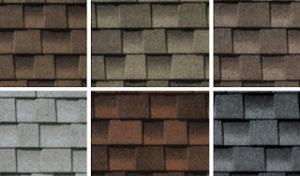
In this market, crews that advertise cleanup included are the most visible in dense suburban neighborhoods where driveways, lawns, and magnet sweeps matter after tear-offs. You want a contractor who stacks cleanup into every phase-roof deck, gutters, and yard-so you're not chasing debris days after the job. Look for crews that broom every notch of shingle and shingle granules from the driveway and lawn, and that haul away debris with a tagged, visible disposal plan. Ask for a written checklist of cleanup tasks tied to the project timeline, not vague assurances.
Quick response is a major hiring factor in Dyer because storm damage and leak calls often cluster after regional weather events. Favor contractors who can schedule an initial site visit within 24 to 48 hours after contact, even in busy weeks. During the visit, expect a candid assessment of visible issues and a clear, phased plan for repairs or full replacement if needed. A responsive contractor with a dedicated project manager helps you coordinate inspections, material deliveries, and any follow-up work without delays.
Re-roofing is far more prevalent than specialty new-construction work in this market, so prioritize proven tear-off, repair, and inspection-closeout experience. Request references from projects with similar roof lines and attic configurations. Confirm that the crew has a documented process for decking inspection, leak path tracing, and a thorough closeout walk-through to verify attic ventilation, drip edges, and flashing are properly addressed. The right contractor treats closeout as a formal milestone, not a loose end.
Attic health drives long-term performance in this climate. Expect contractors to review ventilation, insulation fit, and ridge or soffit vent balance during the job, with a plan to correct any identified gaps. A solid crew will photograph attic access, describe the venting strategy, and provide a concise summary for you to keep with your records.
Finally, insist on a single point of contact who updates you on progress, weather-related delays, and material lead times. Dyer projects benefit from a reliable schedule, clear warranty language, and a documented punch list that you sign off on before the crew leaves.
Flat and low-slope roofing is present but secondary in this area, often found on additions, porches, garages, and small commercial buildings rather than as the dominant residential roof type. In Northwest Indiana's snow and freeze-thaw climate, drainage and membrane edge details are especially important on these lower-slope sections. Pay attention to the transitions where the low-slope roof meets a pitched main roof, since pooling water or ice can back up onto the ridge line and create leaks that migrate across roof types during storms.
Because gravity moves water differently on flat and low-slope surfaces, attic and parapet details deserve extra care. Verify that scuppers, gutters, and downspouts are sized for heavy snowmelt and spring rains, and inspect the membrane edge at the eave and parapet for proper adhesion and flashing. In addition, ensure any drip edge is installed correctly under the underlayment and shingles at the boundary between the low-slope roof and the main roof. If an addition uses a different roof type, hinge points should be sealed with a robust counter-flashing system to prevent wind-driven leaks.
Leak sources often migrate between roof types during storms, so homeowners replacing only the main pitched roof should still inspect attached low-slope areas. Look for soft spots, blisters in the membrane, or fastener tails exposed to wind-driven rain. During post-storm assessments, treat flashing seams as potential entry points and check around skylights or vent penetrations where the roof intersects the wall.
Conduct seasonal checks focused on drainage paths, membrane edges, and flashing seals. In late winter or early spring, inspect for ice dam indicators along transitions and at parapets. For additions or garages, consider a professional inspection every few years to confirm that edge details remain watertight and that the drainage system remains clear of debris.
Find specialists in TPO, EPDM, and built-up flat roofing systems for residential and commercial properties.